

Plongée au Triton Bay Divers Beach & Dive Resort
Google 4.6/5 (55 reviews)
2.9 km away as the crow flies
Kaimana · Indonesia · Asia
Max. depth · 20 mDescend into the gentle slopes of Macro Rocks, where the white sandy bottom at 20 meters holds a surprising density of life for those with a keen eye.
Macro Rocks presents a distinct dive profile, setting it apart from many of the more vertical reef structures in the Kaimana region. The site is characterized predominantly by a pristine white sandy bottom that gently slopes down, offering divers a different kind of underwater exploration. You'll find yourself drifting over soft contours, where the true treasures of this site reveal themselves not in grand vistas, but in the intricate details hidden within the sand.
Your descent into Macro Rocks guides you directly into this expansive sandy realm, with the maximum depth noted at 20 meters. This shallower profile creates a well-lit environment, ideal for scrutinizing the substrate. The dive unfolds as a careful search, encouraging a slower pace and attentive observation, a contrast to the faster-moving currents or dramatic wall dives common elsewhere in Triton Bay.
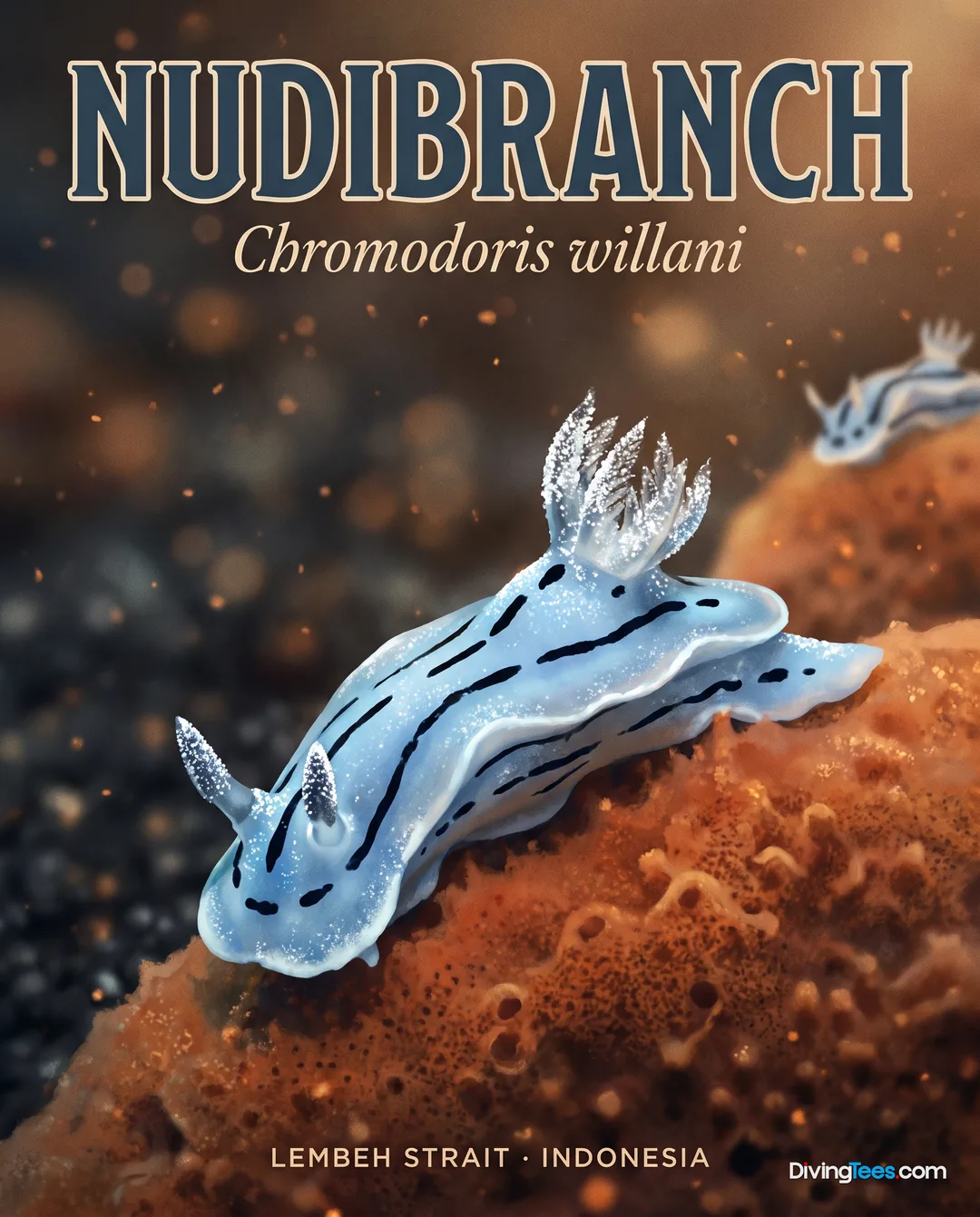
What truly defines Macro Rocks is its prolific macro fauna. This sandy expanse is a known haven for nudibranchs, often presenting a vibrant tableau of these iridescent marine slugs. You'll spend your time here exploring the small undulations and sheltered patches, turning over tiny pebbles with your eyes, anticipating the next colourful discovery beneath a piece of rubble or emerging from the sand.
The conditions at Macro Rocks are particularly conducive to these smaller creatures, especially during the early part of the season when cooler water temperatures seem to stimulate their activity. This period transforms the sandy bottom into an even richer hunting ground for macro enthusiasts and underwater photographers alike. The subtle shifts in temperature play a significant role in the biodiversity you'll encounter, making timing a crucial factor for optimal viewing.
This site is known for its relatively shallow profile, with a maximum depth extending to 20 meters. The optimal time to explore Macro Rocks is during the early season, when cooler water temperatures are believed to enhance sightings of its unique macro inhabitants.
37 liveaboards run trips to Kaimana.
The early season is the preferred time to explore Macro Rocks. Cooler water temperatures are believed to enhance activity among its macro inhabitants, making the white sandy bottom a richer place to search for small marine life. This timing particularly suits divers focused on nudibranchs and detailed underwater observation.
Macro Rocks reaches a maximum depth of 20 meters and follows a gently sloping white sandy bottom. Its relatively shallow profile creates a well-lit environment for examining the substrate. Rather than descending along a vertical reef, you explore soft contours, sheltered patches, rubble, and small undulations across the sand.
Macro Rocks is known for a high density of nudibranchs across its white sandy bottom. Careful searching may reveal colourful marine slugs near small undulations, sheltered patches, rubble, or the sand itself. The site focuses on intricate details and small discoveries rather than grand reef vistas.
Macro Rocks offers prime macro photography opportunities because its shallow, well-lit sandy environment makes close observation easier. The site encourages a slower pace while you inspect the substrate for nudibranchs and other small inhabitants. Cooler early-season water can further increase marine life activity for detailed photography.