
Scuba Duba Doo Dive Center Bali
Google 4.8/5 (55 reviews)
Indonesia · Asia
USAT Liberty, manta rays at Nusa Penida, cold-water upwelling and long road transfers define Kuta’s role as a land base for Bali diving.
The USAT Liberty lies at Tulamben, but Kuta is not the place to roll straight from beach to wreck. It is a practical southern Bali base, close to the airport and surrounded by urban and beach life, with day trips reaching Sanur, Nusa Penida, Nusa Lembongan, Padang Bai, Amed and Tulamben. That makes it useful for mixed parties, particularly when a non-diving companion wants surf, temples, markets and evening life rather than a week beside a jetty.
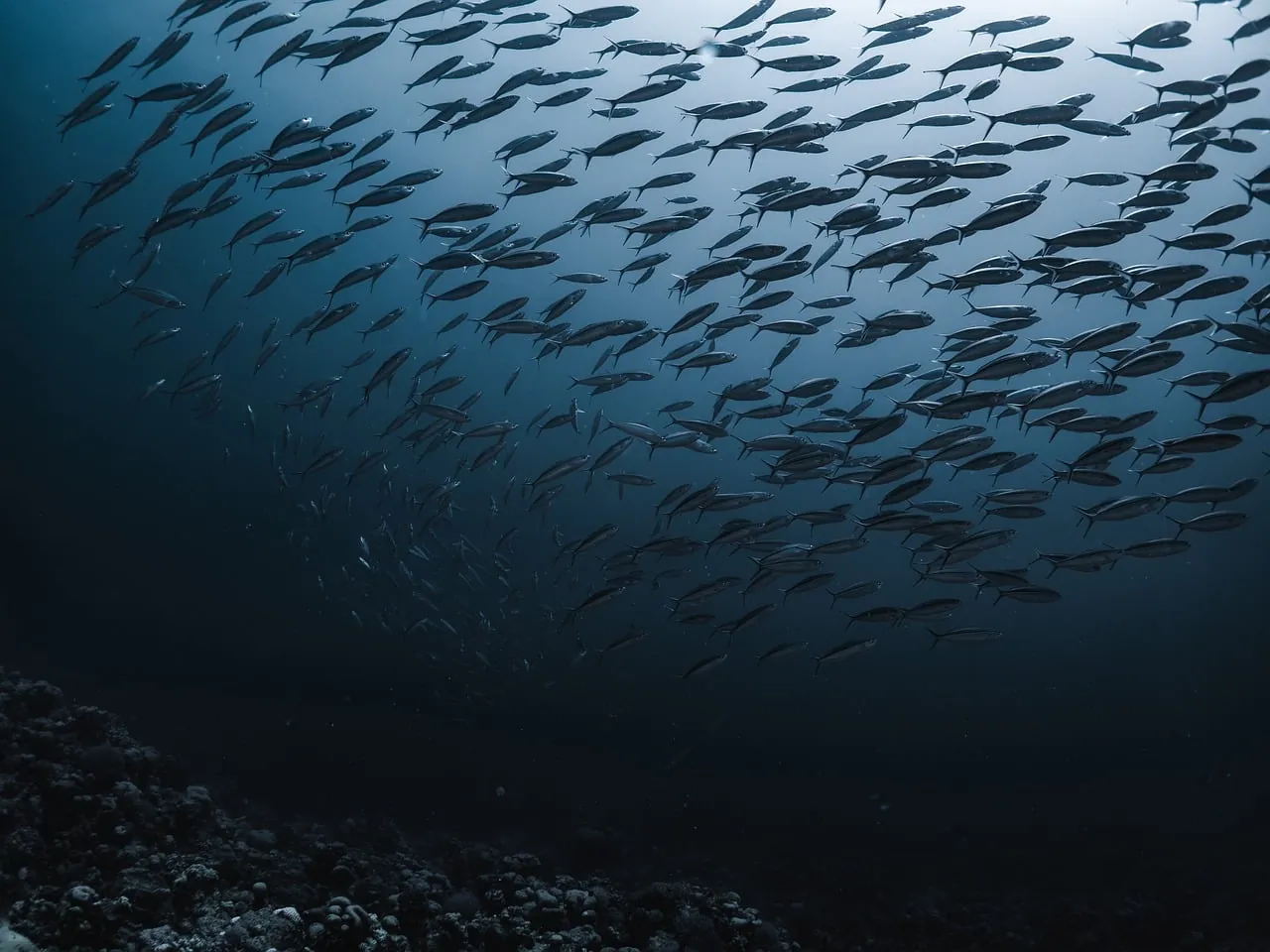
Kuta’s diving is defined by movement between very different sectors, not by one consistent local reef. Nusa Penida and Nusa Lembongan bring boat diving, manta rays and currents that can turn a relaxed plan into a drift dive or a downcurrent. Padang Bai and Candidasa add reefs and channels influenced by current, while Amed is associated with macro and muck diving. Tulamben offers the USAT Liberty wreck, reached by road rather than from Kuta’s beach. Visibility is most often discussed in relation to the destination sectors, and can fall to 5 to 15 metres in the rainy season when rain, runoff, plankton and surface crossings combine. Cold-water upwelling around Nusa Penida can also affect conditions and comfort.
Manta rays are the dependable draw at Nusa Penida, where they can be encountered throughout the year. The more occasional prize is the ocean sunfish, or mola mola, generally associated with July to November and often most likely from July to September. These sightings are part of a boat excursion from Kuta, not something to expect beneath the town beach. Elsewhere, the interest changes character: the USAT Liberty gives Tulamben its wreck setting, while Amed suits a slower search through macro and muck environments. Treat the mantas as a reason to visit Nusa Penida, not as a guarantee that every site or every day will offer the same encounter.
May to November is the most sensible window for Kuta-based diving. Bali’s dry season usually brings more workable sea conditions and better visibility, which matters when a dive already depends on a road transfer or a fast boat from Sanur. July to September also gives the strongest usual chance of seeing mola mola at Nusa Penida, with sightings extending into November. The rainy season, particularly December to February, brings heavier rain, runoff, plankton blooms and more unsettled crossings. Diving remains possible then, but visibility may drop to 5 to 15 metres and boat programmes are more vulnerable to cancellation.
Kuta can suit beginners on carefully selected trips and training dives, particularly where conditions are gentle and the operator matches the site to the group. Nusa Penida is different. Strong or changing currents mean that an Advanced Open Water qualification, or equivalent experience, is useful for deeper or current-affected sites. PADI, SSI and BSAC backgrounds are less important than being honest about current, drift-dive and boat-diving experience. Do not make a first-ever sea excursion there simply because mantas are on the itinerary.
From London Heathrow, Gatwick or Manchester, Kuta is reached by air via Ngurah Rai, which is in the Kuta area. Travellers arriving from elsewhere in Bali continue by road. The important connection is after arrival: Nusa Penida and Nusa Lembongan normally require a road transfer to Sanur followed by a fast boat, usually taking less than an hour on the water. Padang Bai, Amed and Tulamben are reached by road, with the eastern destinations making for especially long days from Kuta. In town, taxis, shuttles and arranged transfers cover the journey to a hotel or meeting point, and some dive operations are based in Sanur rather than Kuta.
Treat Kuta as a transport base and ask exactly which sector a day trip is visiting. Nusa Penida, Nusa Lembongan, Padang Bai, Amed and Tulamben are not interchangeable outings. For the islands, check the current plan and your own experience before booking, rather than using manta rays as the only deciding factor. Start early where possible, both to reduce time around busy sites and to avoid wasting the day before the first descent. Keep a full day free for distant trips, because the road journey may already be long before the boat leaves Sanur. If the USAT Liberty or Amed’s macro diving is the main purpose, spend several nights in eastern Bali instead of accepting a punishing return journey. Pack thermal protection suited to changing conditions, including possible cold-water upwelling around Nusa Penida. After several dives, leave the proper surface interval before a flight, regardless of how long the road or boat transfer feels.
Allow five to seven days if the plan is to combine two or three diving sectors with Kuta’s beaches, surf, cultural visits and town life. Group outings by direction rather than trying to link Nusa Penida with eastern Bali in a single sequence. Kuta works particularly well for a mixed party, since a non-diver has plenty to do while a dive day occupies the whole day. If Tulamben, Amed or the USAT Liberty is central to the trip, divide the stay and sleep in the east for part of it.
Hello, I'm Marina, DivingDeal.com's AI assistant. I guide you through destinations, areas and countries.
Thinking about the whole trip and the flights? Talk it over with Edith →
Marina is an AI. Some links are affiliate links: DivingDeal may earn a commission, at no extra cost to you. Bookings are made with the partner.
May to November is the most sensible window for Kuta-based diving, with the dry season usually bringing more workable sea conditions and clearer visibility. July to September gives the strongest usual chance of ocean sunfish at Nusa Penida, with sightings extending into November. Rainy-season conditions can reduce visibility and disrupt boat programmes.
Kuta, Badung can suit beginners on carefully selected trips and training dives when operators match sites to the group. Nusa Penida requires more caution because strong or changing currents can create drift or downcurrent diving. Advanced Open Water training or equivalent experience is useful, along with honest current and boat-diving experience.
Manta rays are encountered at Nusa Penida throughout the year, while ocean sunfish are generally associated with July to November. Tulamben offers the USAT Liberty wreck, and Amed is known for macro and muck diving. Other trips reach reefs and channels around Padang Bai and Candidasa, where currents influence conditions.
Treat Kuta, Badung as a transport base and group outings by direction. Island trips involve a road transfer to Sanur and a fast boat, while eastern sites mean long road days. If Tulamben, the USAT Liberty or Amed is central, divide the stay and sleep in eastern Bali for part of it.