

The Asri Dive and Leisure Resort
Google 4.9/5 (98 reviews)
less than 1 km away as the crow flies
Anilao · Philippines · Asia
Max. depth · 25 mThis protected marine sanctuary offers a complex topography of coral heads and sandy channels, making it a primary destination for nudibranch photography.
For subtitles in English: start the video firstthen click the gearat the top right of the video, select “Subtitles/CC”, then “Auto-translate” and choose “English”.
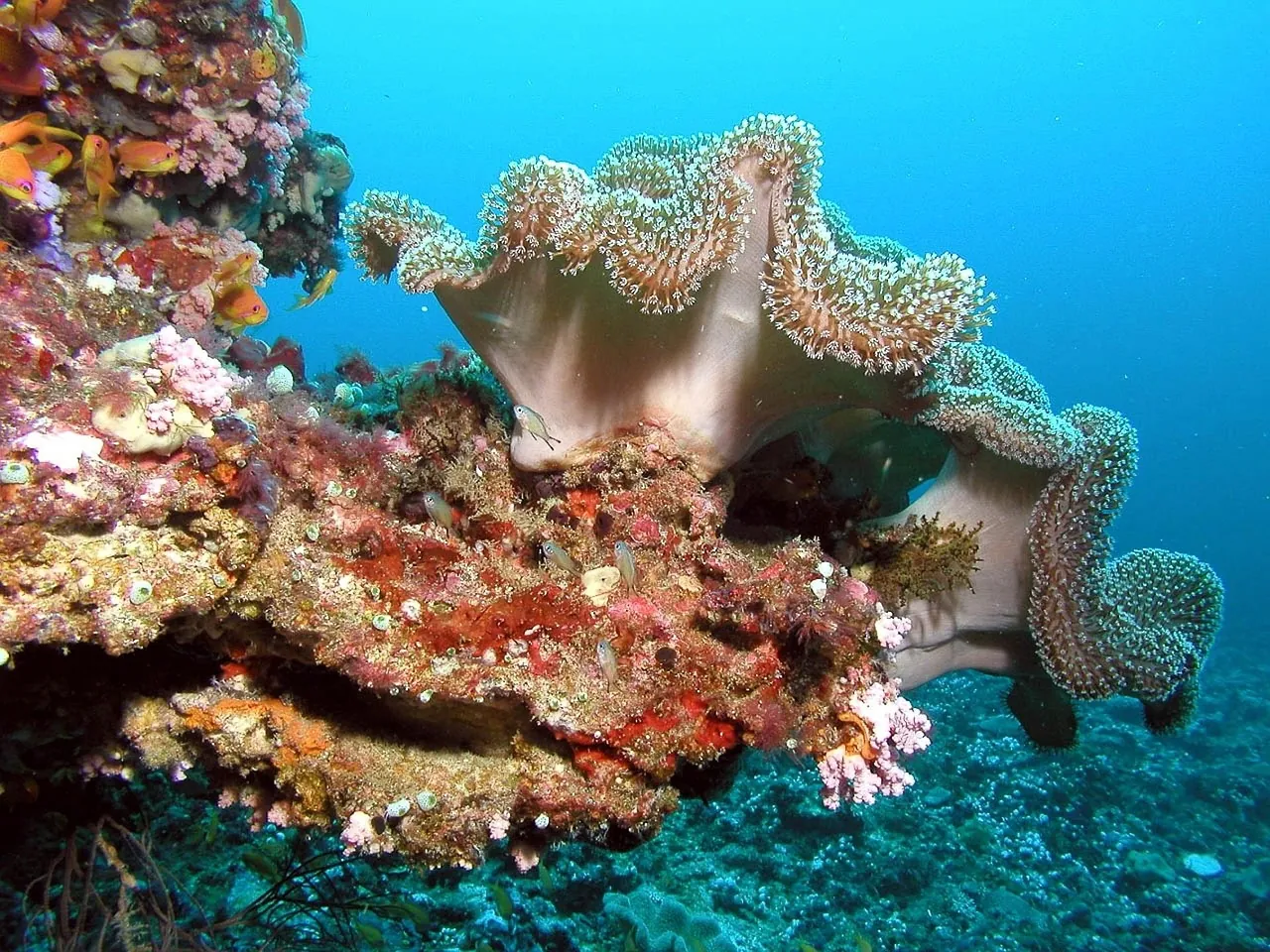
Arthur's Rock is a protected marine sanctuary located in the Bagalangit area, situated south of Eagle Point and directly in front of the Crystal Blue Resort. Unlike the steep, continuous walls often found in the region, this site is defined by its varied topography. You will encounter a submerged rock and reef terrain that rises from a sandy bottom into a shallow reef plateau. The layout is a complex network of coral formations, small walls, and crevices that create an ideal habitat for various marine life.
As you descend, the site profile transitions from a shallow reef plateau at approximately 8 to 10 metres down to a maximum depth of about 25 metres. The terrain is not a uniform slope but is instead interrupted by sandy channels and areas of coral rubble. This specific structure provides numerous overhangs and crevices, which are essential for divers looking for smaller organisms. The presence of the Dead Palm feature adds a unique geological element to the landscape, distinguishing this site from the more standard reef walls nearby.
The biodiversity here is heavily influenced by the sanctuary status, which supports a high density of macro-scale life. You can find a variety of nudibranchs and ghost pipefish navigating the crevices and coral heads. The site is particularly well-suited for photographers who want to find octopuses or small boxfish tucked away in the reef structure. The presence of these smaller, specialized species makes the site a staple for those focusing on close-up macro photography.
The mid-depth sections of the rock are heavily populated by resident reef species. You will frequently see various types of anemonefish, bannerfish, and angelfish moving through the coral. Larger fish like snappers, groupers, and various species of jacks are common in the area, often hovering near the edges of the rock. You might also spot blue triggerfish and chromis schooling around the coral heads, adding constant movement to the visual field.
The site's layout creates a dynamic environment where different species occupy specific niches. Juvenile sweetlips are often found near the shallower sections, while larger predators like barracuda might appear in the deeper water. Sea turtles and rays are also known to visit the site, moving through the sandy channels. The variety of life, from the smallest nudibranch to larger groupers and snappers, is supported by the complex interplay of coral and sand.
Water clarity at Arthur's Rock typically reaches 20 metres, providing a clear view of the reef's intricate details. The light penetrates well through the upper plateau, making the shallow sections excellent for bright, detailed photography. Even at the 25-metre mark, the visibility remains sufficient to navigate the complex terrain of the rock. The combination of clear water and varied topography ensures that both the large reef fish and the smaller macro residents are visible.
The site is best accessed by boat, typically via a banca from the local resorts in the Anilao area. While some sources mention shore access, a boat dive is the most consistent way to reach the specific features of the rock. The seasonal window for the best conditions is between November and May. During this period, the water and visibility provide the most stable environment for both macro and reef-watching dives.
The site depth ranges from 8 to 25 metres. It is accessible from the Open Water Diver level, though experience with drift and changing current conditions is highly recommended. Visibility is typically 20 metres. The best time to dive is between November and May. Current conditions can be variable, ranging from gentle to moderate, but can become moderate to strong around the reef edges depending on the tide.
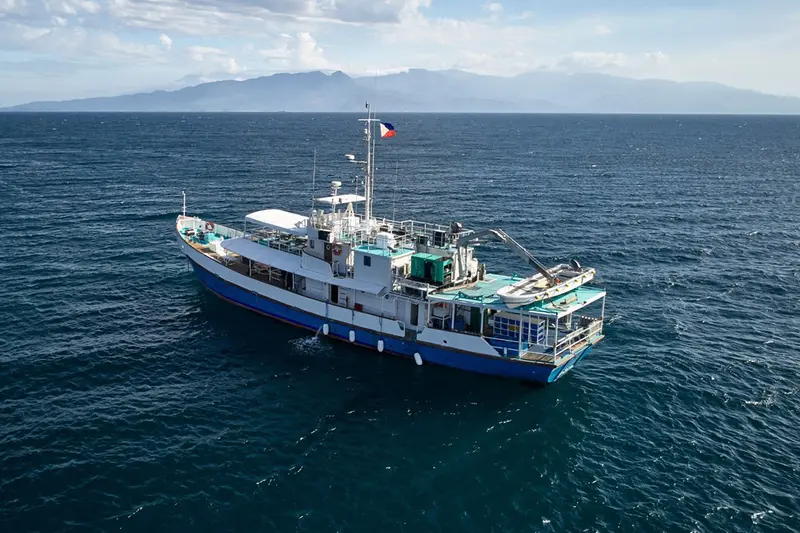
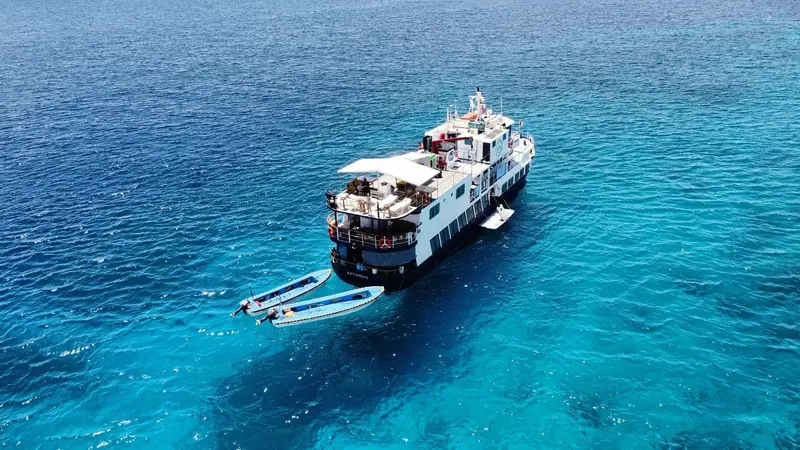
2 liveaboards depart from Anilao another way to explore the region, over several days at sea.
You can dive Arthur's Rock throughout the year, but the best time is between November and May. During this seasonal window, water conditions and visibility are more stable, supporting both macro photography and reef observation. The site is accessed most consistently by boat from local resorts in the Anilao area.
Arthur's Rock is accessible to Open Water Divers, with depths ranging from 8 to 25 metres. You will encounter a shallow reef plateau at approximately 8 to 10 metres, while deeper sections reach about 25 metres. Experience with drift diving and changing current conditions is highly recommended for exploring the site.
Currents at Arthur's Rock can vary from gentle to moderate, with conditions becoming moderate to strong around the reef edges depending on the tide. You should be comfortable with changing current conditions and drift diving, particularly when moving around the rock, coral formations, sandy channels, and reef edges.
You can explore coral heads, crevices, small walls, sandy channels, and the Dead Palm feature while looking for dense nudibranch life, ghost pipefish, octopuses, and small boxfish. Reef species include anemonefish, bannerfish, angelfish, snappers, groupers, jacks, blue triggerfish, and chromis, with possible sightings of barracuda, turtles, and rays.