
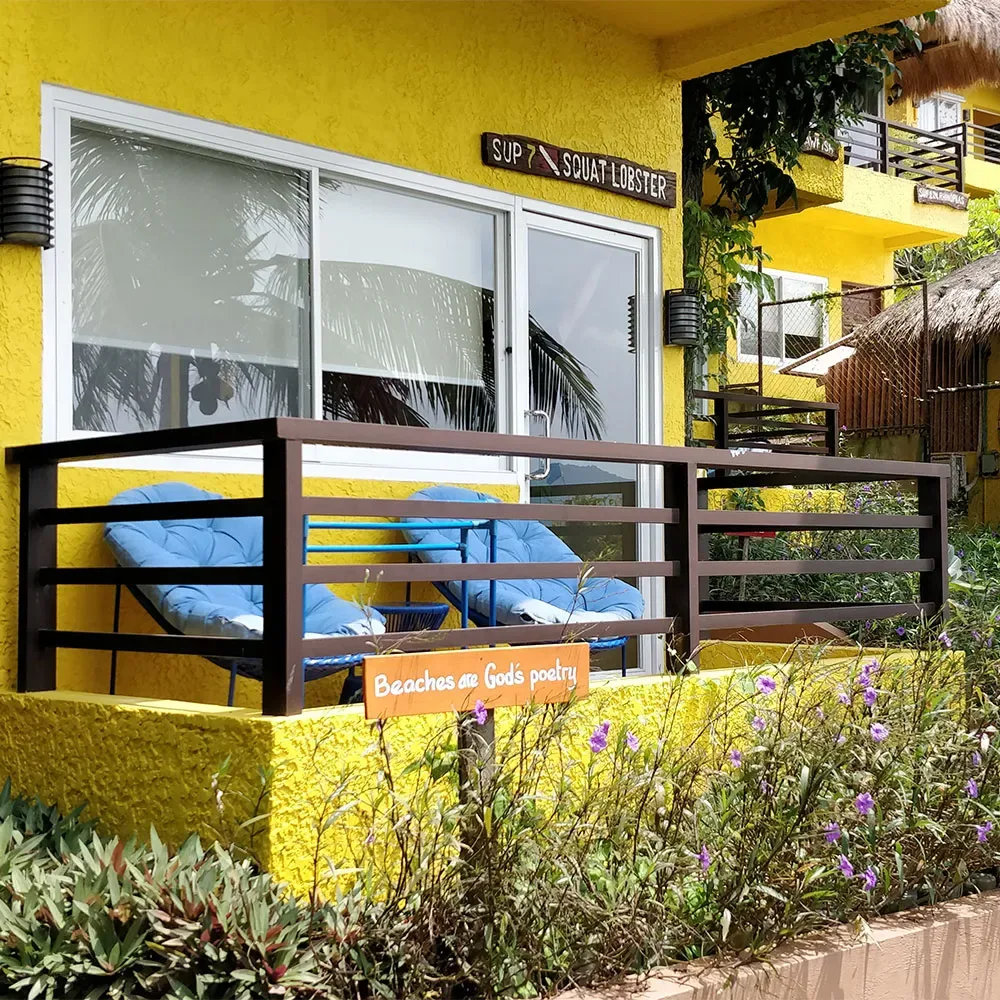

Buceo Anilao Beach Dive Resort
Google 4.7/5 (215 reviews)
less than 1 km away as the crow flies
Anilao · Philippines · Asia
Max. depth · 20 mExplore the silty slopes of Buceo Point, a house reef where rare macro life thrives, offering intimate encounters with cryptic creatures.
Buceo Point is the house reef directly in front of Buceo Anilao Dive Resort, a site primarily defined by its gently sloping sandy and silty bottom. This is not a dive for dramatic topography or sweeping vistas, but rather an exercise in focused observation. Your descent takes you into an environment where small coral heads and scattered debris provide countless micro-habitats. The terrain is most commonly explored between 15 and 18 metres, where the concentration of life is particularly rich, inviting you to slow down and truly engage with the substrate.
The essence of diving Buceo Point lies in its reputation as a world-class muck diving location. This means shifting your focus from large pelagics to the intricate world of the small and camouflaged. The silty bottom, often overlooked in other dive environments, is precisely what makes this site so productive. Here, you'll find a density of cryptic species that are masters of disguise, blending seamlessly with their surroundings. Every square metre holds the potential for a new discovery, from a discarded shell housing a crab to a small anemone hosting a pair of commensal shrimp.
Photographers, particularly those focused on macro subjects, will find Buceo Point especially rewarding. The calm conditions and accessible nature of the site allow for extended bottom time and patient observation, crucial for capturing images of elusive creatures. The challenge and reward come from spotting the perfectly camouflaged frogfish, the delicate nudibranchs, or the various pipefish and seahorses that blend into the sand and rubble. This site demands a keen eye and a willingness to explore the details often missed in faster-paced dives.
The marine life at Buceo Point is diverse, despite its focus on the smaller end of the spectrum. Expect to encounter a variety of frogfish, numerous species of nudibranchs, and seahorses. Look closely for pipefish, including the delicate ghost pipefish, and keep an eye out for various shrimp and crabs. Cuttlefish and octopus are also regular residents, often displaying their remarkable camouflage abilities. Scorpionfish are another common sighting, perfectly adapted to their benthic environment.
Diving Buceo Point at night offers a completely different experience. As daylight fades, the site undergoes a transformation, with nocturnal predators emerging and many of the day's more elusive creatures becoming active. The focused beam of your dive light illuminates a new cast of characters and behaviours, intensifying the sense of discovery. This shift in activity provides unparalleled opportunities for observing unique feeding patterns and interactions, making a night dive here a distinct and complementary exploration to the daytime experience.
The accessibility of Buceo Point as a house reef allows for multiple dives, which is a significant advantage for those looking to hone their observation skills or patiently wait for specific behaviours. You can revisit areas, focus on particular subjects, or simply spend more time immersed in the intricate details of this ecosystem. This repeated exposure deepens your understanding of the site and increases your chances of spotting the rarer, more unusual macro fauna that call Buceo Point home.
While the topography is gentle, the richness of life here is anything but. It's a testament to how much biodiversity can thrive in what might initially appear to be a less dramatic environment. The beauty of Buceo Point lies in its subtlety and the rewards it offers to those who take the time to look closely. It's a site that teaches patience and appreciation for the smaller wonders of the ocean, proving that significant marine encounters don't always require deep walls or strong currents.
Buceo Point is accessible to all certification levels, including novice divers, with a maximum depth of 20 metres. Currents are generally light, though they can vary with weather and tides. Visibility typically ranges from 6 to 24 metres. Water temperatures are consistently between 24°C and 29°C. The best period for diving is from October to June, offering the most favourable conditions.
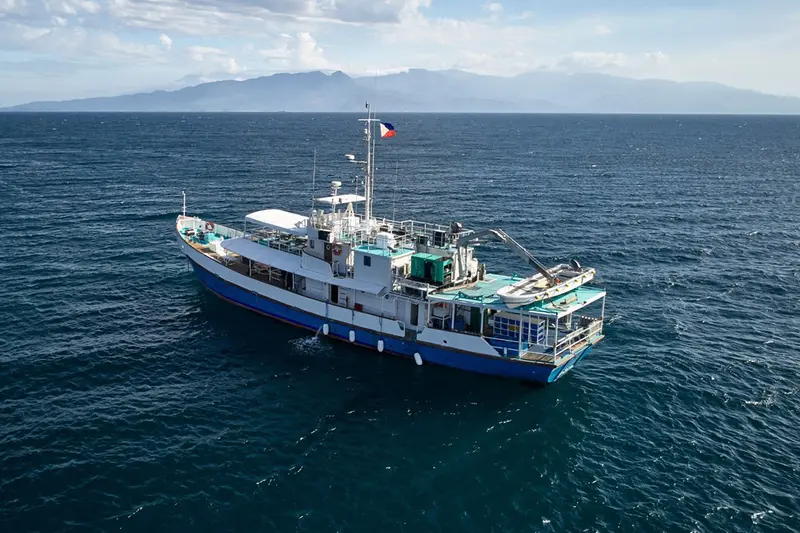
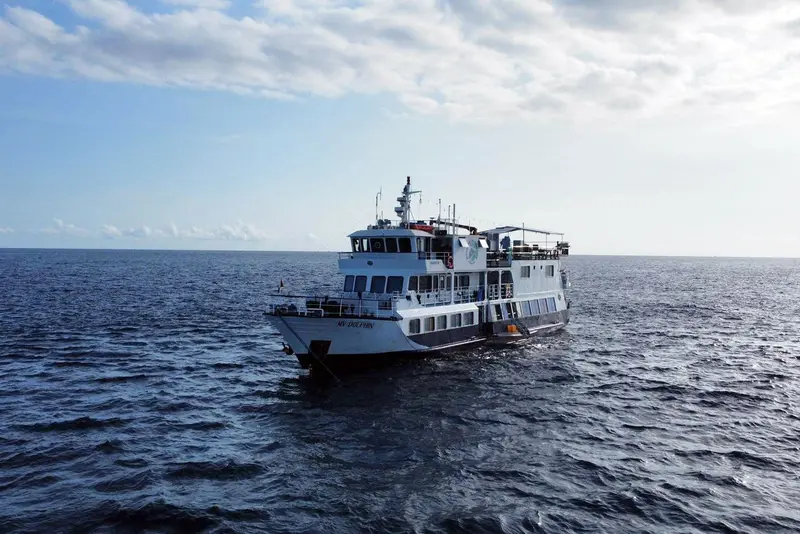
2 liveaboards depart from Anilao another way to explore the region, over several days at sea.
You can dive Buceo Point throughout the year, with the best period running from October to June. Water temperatures stay between 24°C and 29°C. Visibility typically ranges from 6 to 24 metres, giving you conditions suited to patient observation of the site’s small, well-camouflaged marine life.
Buceo Point is accessible to all certification levels, including novice divers. Its house-reef setting makes entry straightforward and allows you to complete multiple dives. The gently sloping sandy and silty bottom also suits a slower approach, giving you time to develop careful observation skills while exploring small habitats.
Buceo Point ranges from 3 to 20 metres deep, with much of the terrain commonly explored between 15 and 18 metres. Currents are generally light, although weather and tides can change them. The gently sloping bottom and calm conditions support extended observation and patient macro photography.
At Buceo Point, you can look for frogfish, nudibranchs, seahorses, pipefish, ghost pipefish, shrimp, crabs, cuttlefish, octopus and scorpionfish. The sandy, silty bottom and scattered debris shelter cryptic creatures. A night dive reveals different activity, with nocturnal predators and elusive animals becoming more active.