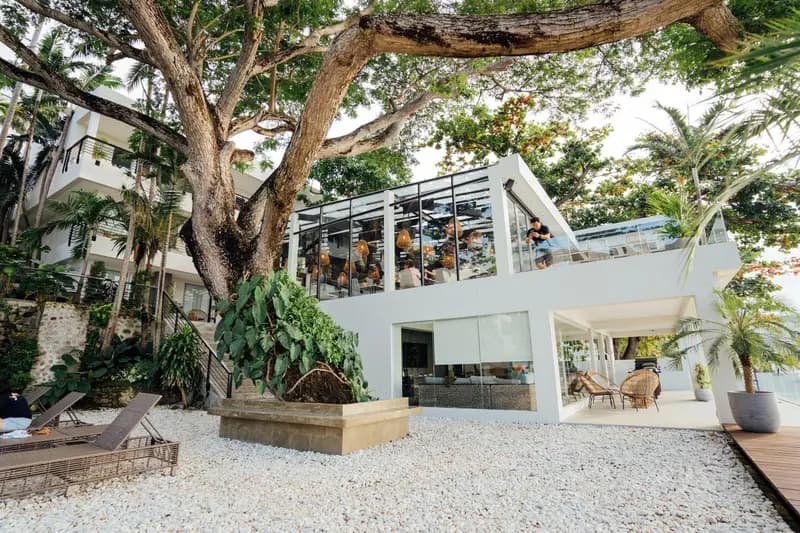
Solitude Acacia Resort
★★★★
★ 8.8/10 (242 reviews)
4.7 km away as the crow flies
Dive centre · Anilao · Philippines
4.7213 Google reviewsMaster the art of macro photography in Anilao with access to a dedicated 18-station camera room and world-renowned blackwater diving.
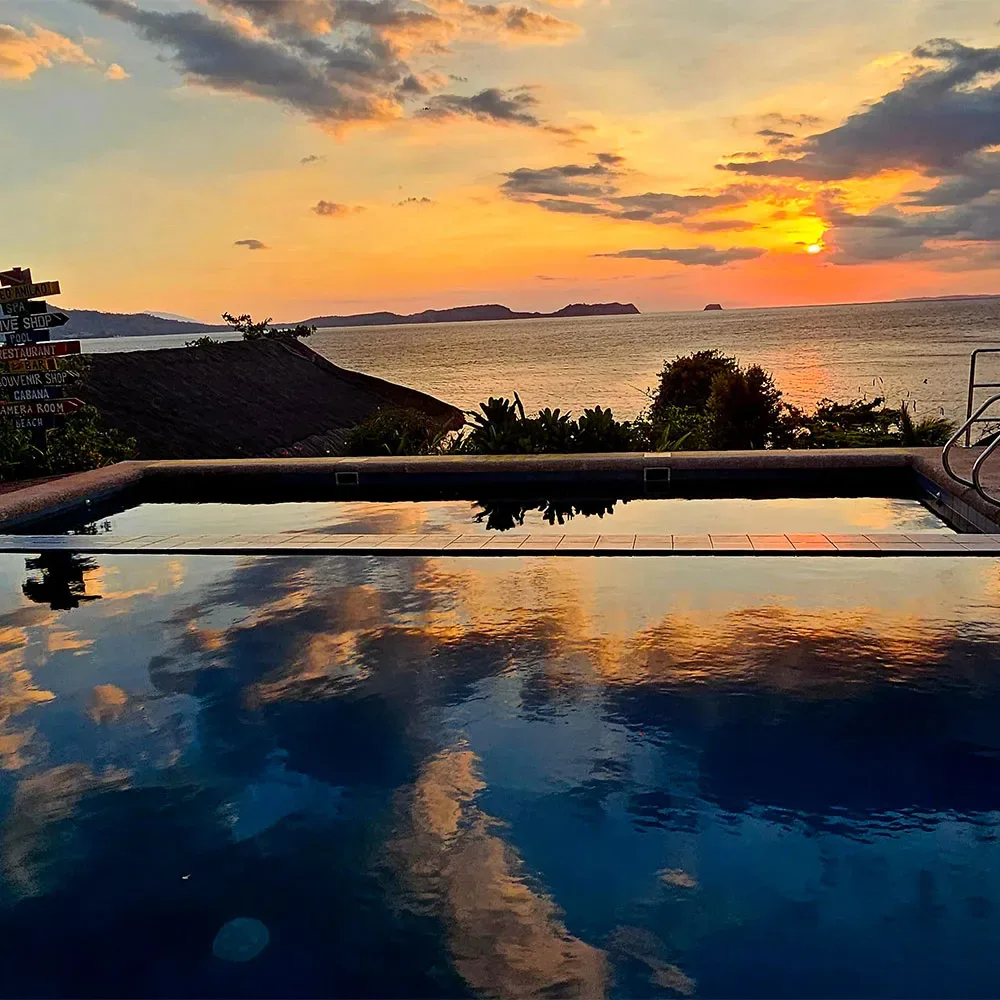
Buceo Anilao Beach & Dive Resort serves as a dedicated hub for divers seeking the extraordinary biodiversity of the Batangas region. Established in 2013, the centre is positioned in a location renowned for its high concentration of rare marine life, particularly for those focusing on macro and muck diving.
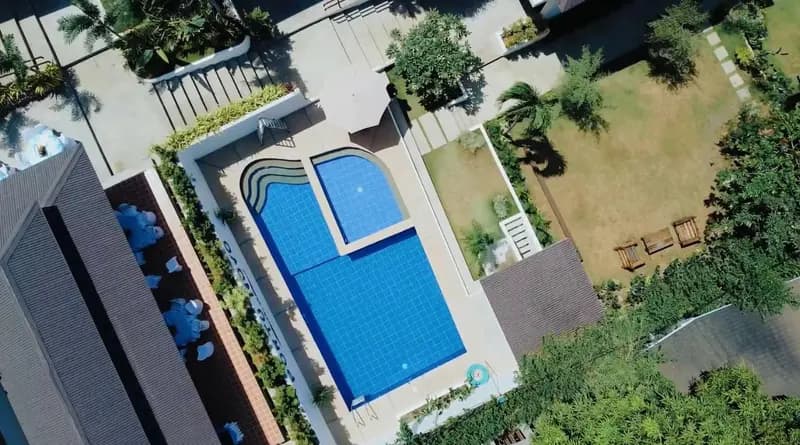
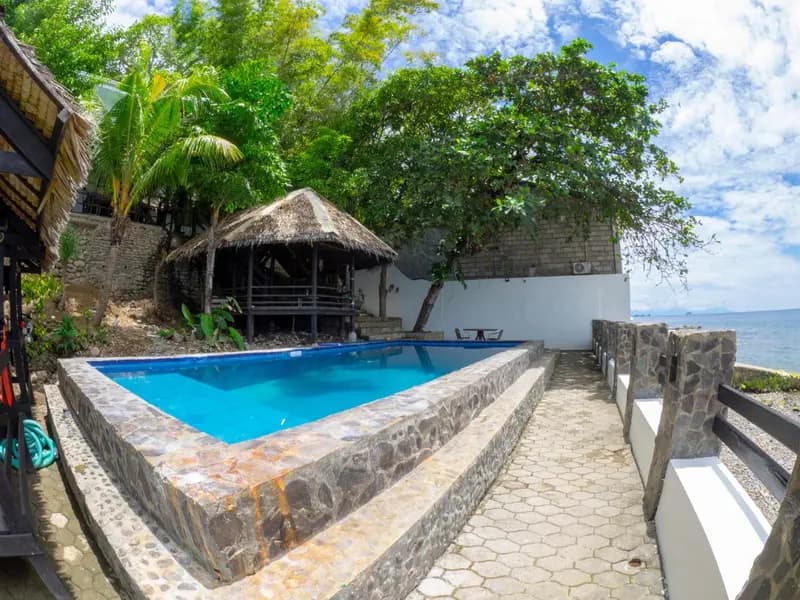
The resort is designed to support long stays, offering 23 rooms including Deluxe Cabanas and Superior rooms with sea views. Beyond the diving, the site features an infinity pool, an on-site restaurant, and a dedicated sanctuary for massages, providing a quiet space to recover between dives.
As a PADI Dive Center, the team consists of experienced instructors and Dive Masters who guide you through the local waters. The centre is well-equipped to handle various levels of expertise, from those taking their first breaths underwater to seasoned photographers.
The operation is notable for its environmental commitment, utilising solar energy and implementing waste reduction initiatives such as providing reusable water bottles. This focus on sustainability ensures that the local reefs and ecosystems are respected during every excursion.
The centre offers a comprehensive range of PADI courses to suit all progression paths. You can begin your journey with the Open Water Diver course or progress to the Advanced Open Water Diver certification.
Specialised training is also available, including Nitrox courses to help you manage your gas more efficiently. For those looking to refine their skills beyond basic diving, the centre provides instruction in underwater photography and marine life identification.
Excursions are conducted using traditional Philippine Bangkas, which provide stable and authentic access to the surrounding reefs. These vessels allow you to reach the various muck sites and coral gardens that define the Anilao experience.
The centre facilitates up to four dives per day, including specialised night dives and the surreal experience of blackwater diving. Nitrox is available for those looking to extend their bottom time during these outings.
The dive centre provides a full range of rental equipment, ensuring you have access to modern kit for your dives. For those looking to train in a controlled environment before heading to the reefs, there is a 3-metre deep training pool on-site.
For underwater photographers, the facility includes a sophisticated camera room equipped with 18 individual workstations. This allows you to review and process your images in a dedicated space designed specifically for the needs of the macro community.
Buceo Point (House Reef) is a premier muck diving site and a haven for photographers. It is highly regarded for its abundance of creatures and offers excellent opportunities for night diving on the reef.
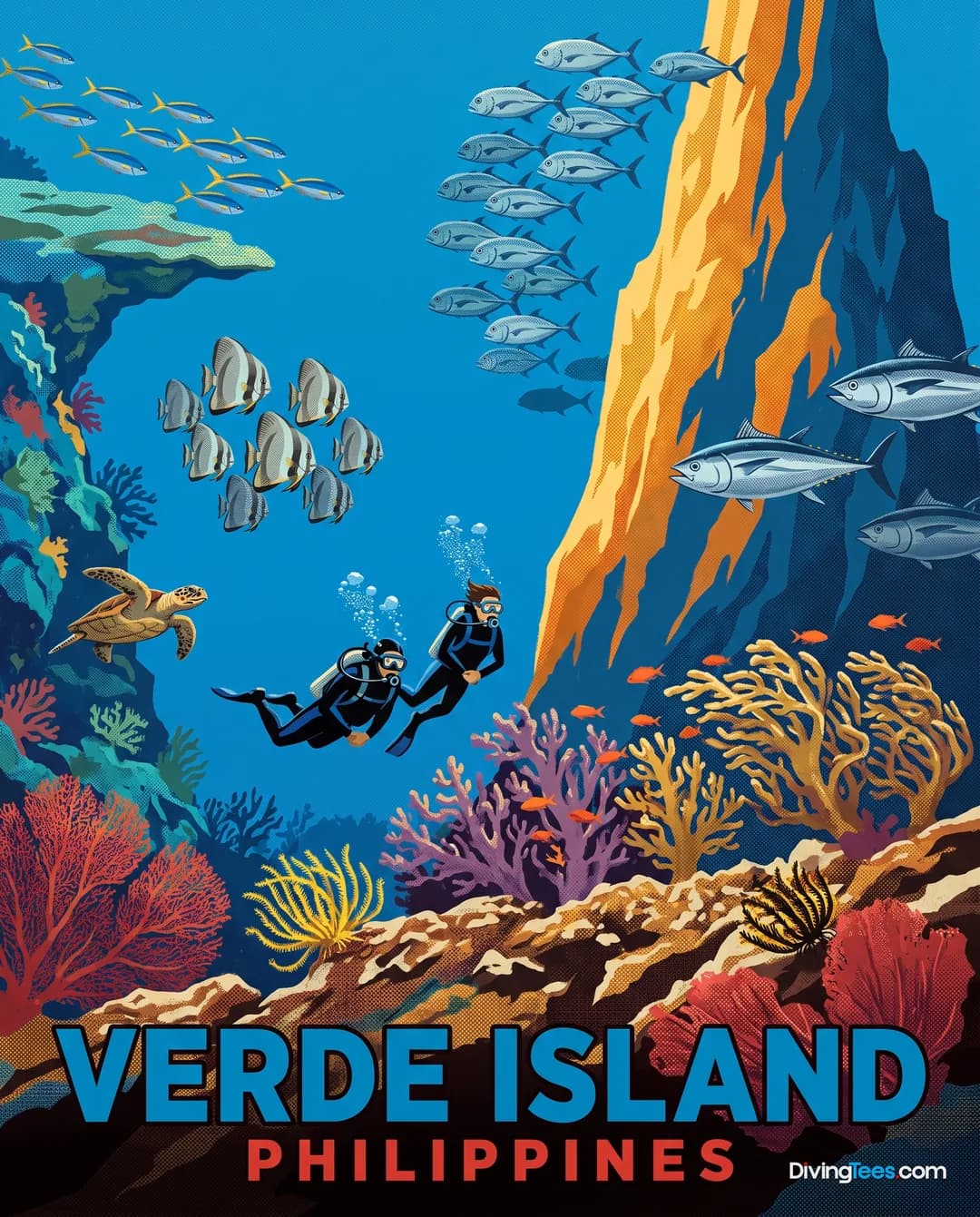
Verde Island is accessible via weekly group trips scheduled on demand. This site provides a different environment from the local muck sites, offering a broader look at the regional marine life.
The sunken floating casino serves as a unique wreck dive. It offers a different perspective for divers looking to explore artificial structures within the area.
And some of the dive sites the centre runs.
The local waters are a stronghold for macro life, particularly for those with a keen eye for detail. You can find a vast array of Nudibranch (Chromodoris willani) species, alongside Ghost pipefish (Solenostomidae), Leaf fish, and various types of Seahorse (Hippocampus kuda).
Crustaceans and cephalopods are abundant, including rare shrimps, crabs, and several types of Octopus (Octopus vulgaris), including the blue-ringed octopus. You may also encounter Mantis shrimp, Frogfish (Antennarius), and Scorpionfish (Scorpaenidae) amongst the rubble.
For those looking at larger or more colourful inhabitants, the reefs host Mandarinfish, Rhinopias, and various species of Cuttlefish (Sepiidae). You will also see many species of Goby, Clownfish, and various types of Wrasse and Sweetlips (Plectorhinchus).
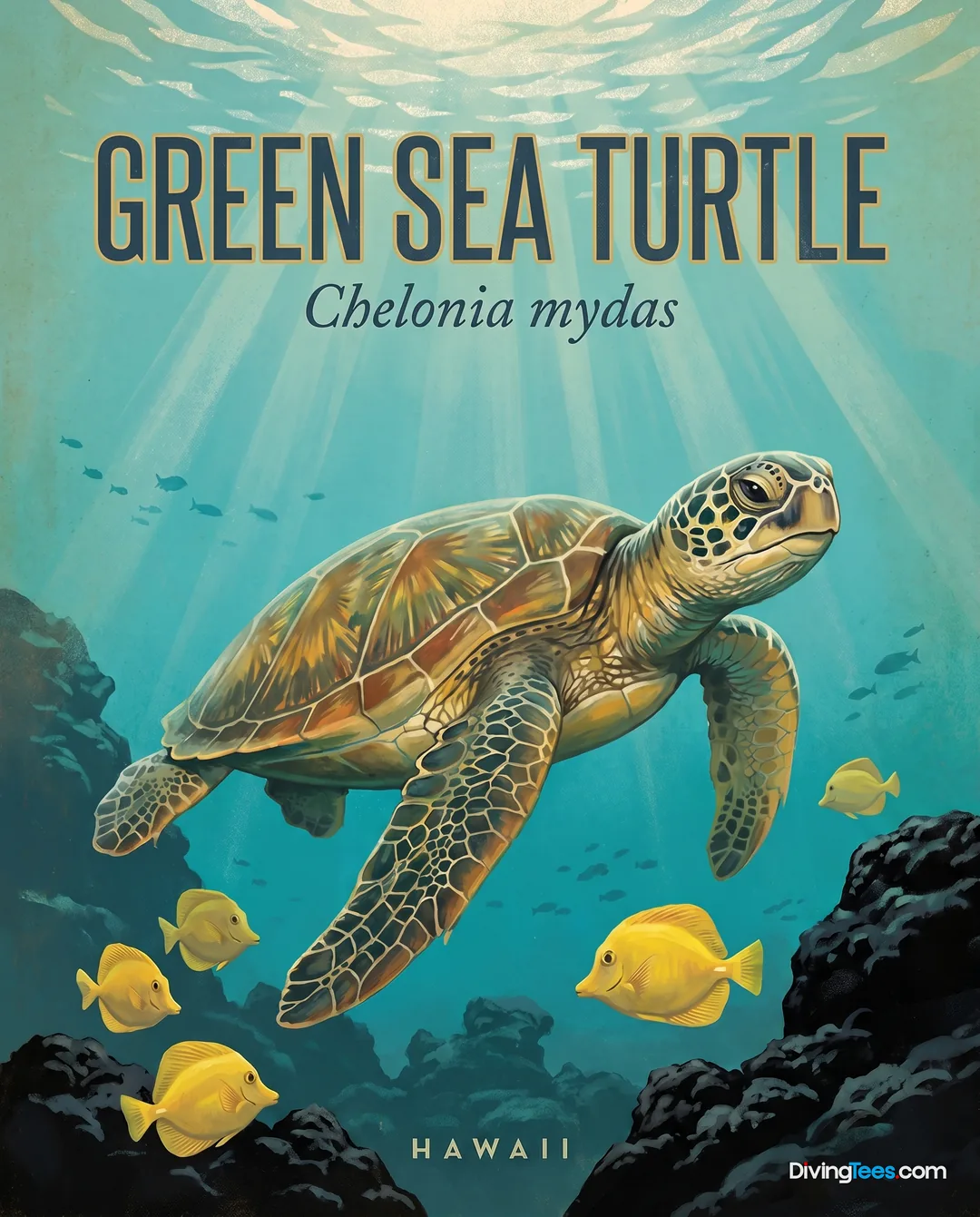
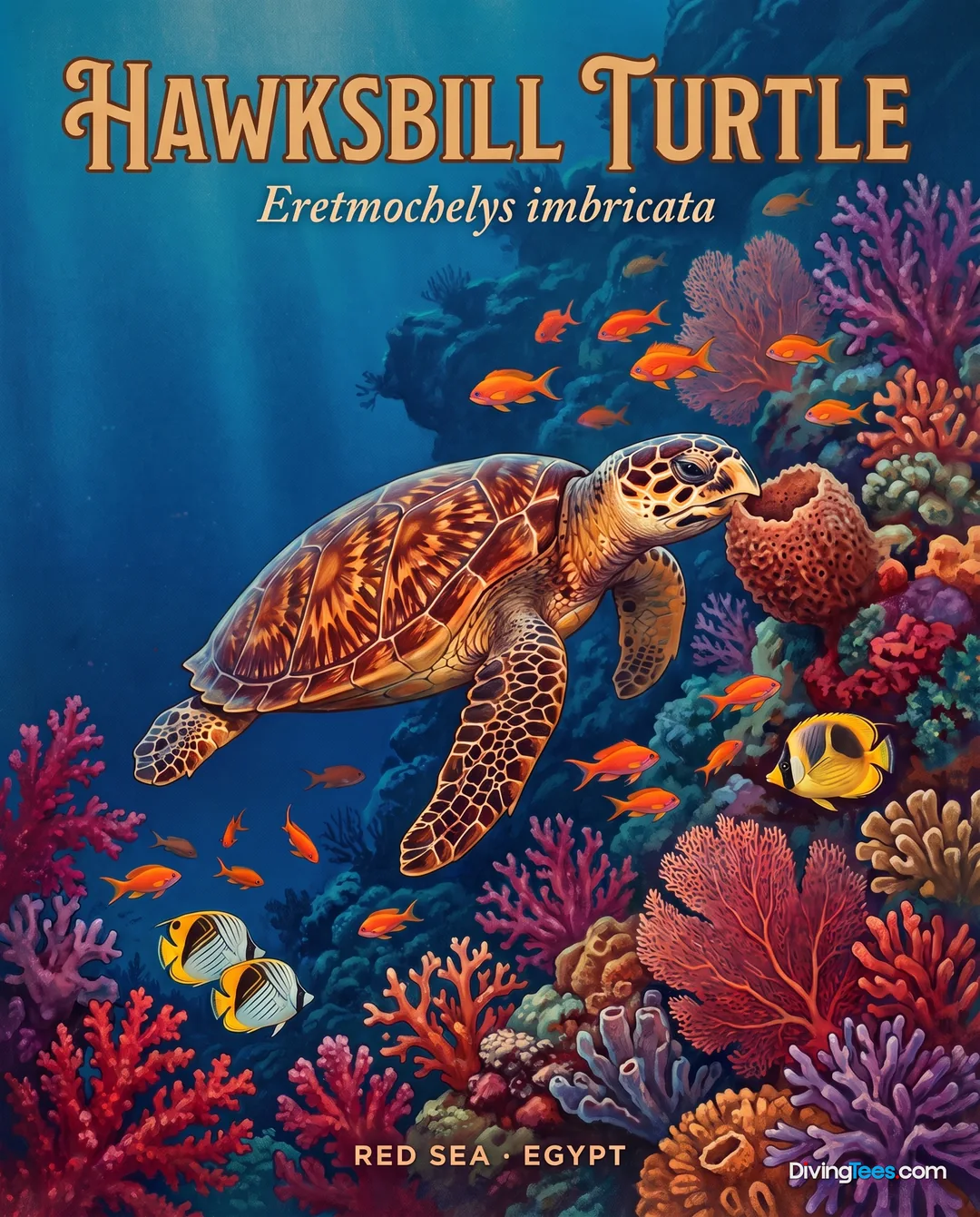
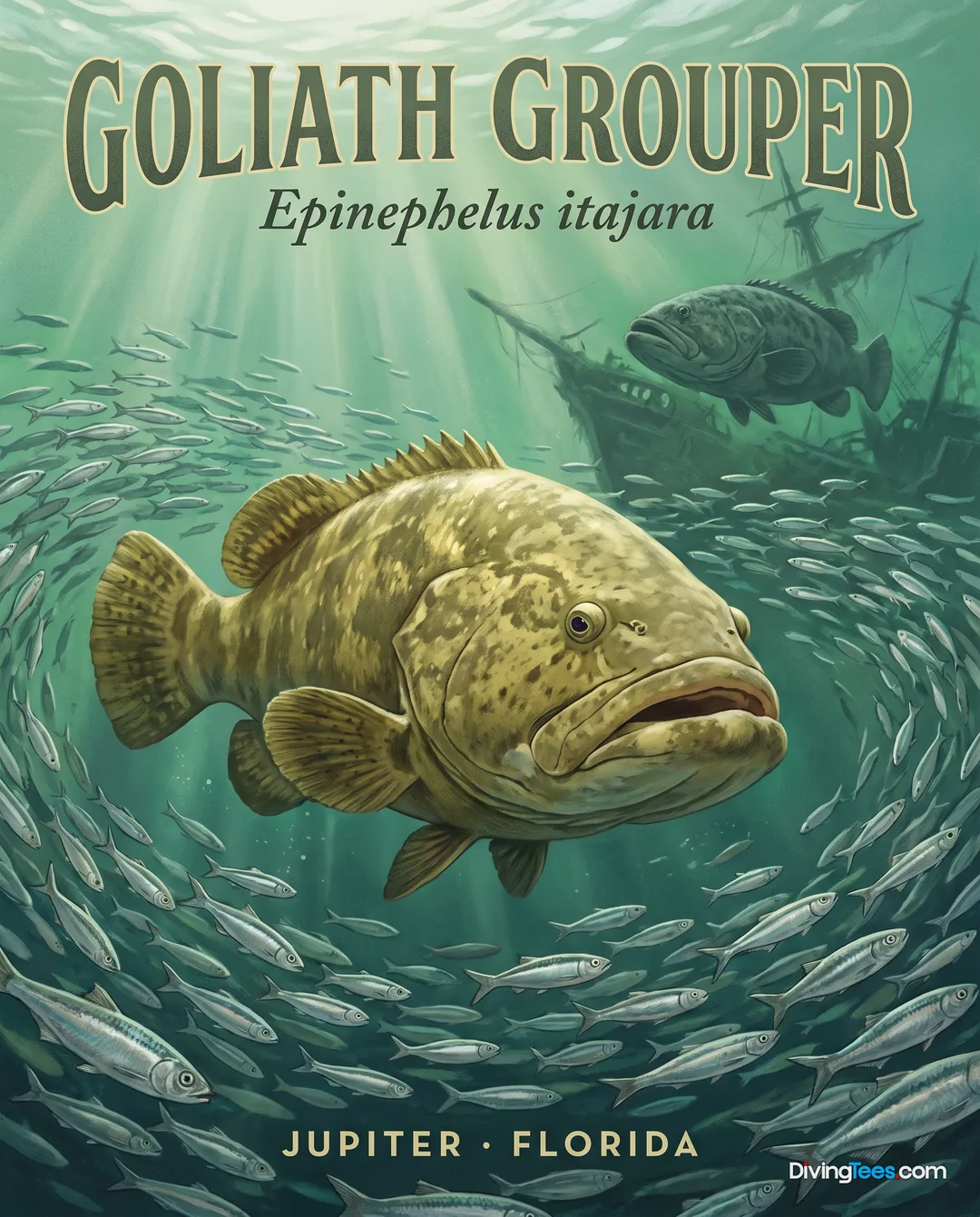
The wider ecosystem supports a variety of larger species, including Turtles, Grouper, and Great barracuda. The reefs are decorated with diverse corals, gorgonian fans, and basket sponges, providing a complex habitat for Anthias (Anthias), Damselfish, and many other reef fish.
The best time to visit the region is between October and June. During these months, the environment is most conducive to consistent diving experiences.
Water temperatures typically range between 24°C and 29°C. The local sites offer a mix of reef flats, muck diving environments, and deeper sites, allowing for a varied diving programme depending on your certification level.
Hello, I'm Marina, DivingDeal.com's AI assistant. I answer in detail about hotels, dive centres and liveaboards.

Thinking about the whole trip and the flights? Talk it over with Edith →
Marina is an AI. Some links are affiliate links: DivingDeal may earn a commission, at no extra cost to you. Bookings are made with the partner.