Tubbataha · Philippines · Asia
Max. depth · 50 mJessie Beazley Reef, Tubbataha: Exposed Reef Diving
Explore the isolated Jessie Beazley Reef, a compact but current-swept atoll known for its steep drops and prolific pelagic encounters.
What makes this site special
- Frequent encounters with barracuda and Spanish mackerel schools
- High probability of sighting multiple shark species
- Manta rays and whale sharks often cruise the open water
- Steep coral slopes and dramatic wall sections
- Exposed reef attracting significant pelagic action
- Excellent visibility, typically 20 to 40 metres
- Vibrant, healthy coral cover on slopes and walls
- Accessible only by liveaboard in season
For subtitles in English: start the video firstthen click the gearat the top right of the video, select “Subtitles/CC”, then “Auto-translate” and choose “English”.
Jessie Beazley Reef about the site
Jessie Beazley Reef stands as a compact, isolated structure north of the main Tubbataha atolls, presenting a distinct mushroom-like profile. Beginning very shallow, the reef quickly drops into deeper water, featuring both coral slopes and pronounced wall sections. Divers often explore specific zones such as the North End, South End, White Sand Cays, or Reef Shark Point, each offering variations on the core topography. This dynamic structure provides a varied dive canvas, shifting from sunlit reef flats to deep blue drop-offs within a single descent.
Approaching Jessie Beazley, you immediately notice its exposed nature. Unlike more sheltered areas, this reef is open to the open ocean, which contributes to its reputation for strong pelagic activity. The dive profile typically involves a descent along a sloping reef face that transitions into a sheer wall, often with a drift component. Maintaining situational awareness is key here, as the conditions can change, requiring adjustments to your plan and position. Planning your entry and exit points to align with the current flow is essential for a smooth dive.
Current is a defining characteristic of Jessie Beazley Reef. It’s consistently described as a current-driven site, with conditions capable of shifting from moderate to strong flow, sometimes within the same dive. Operators typically schedule dives here when the sea state and current direction allow, often dictating which side of the reef offers the most manageable conditions. This variability means that while drift diving is common, deploying a surface marker buoy (SMB) upon ascent is a standard safety procedure, especially given the open ocean environment.
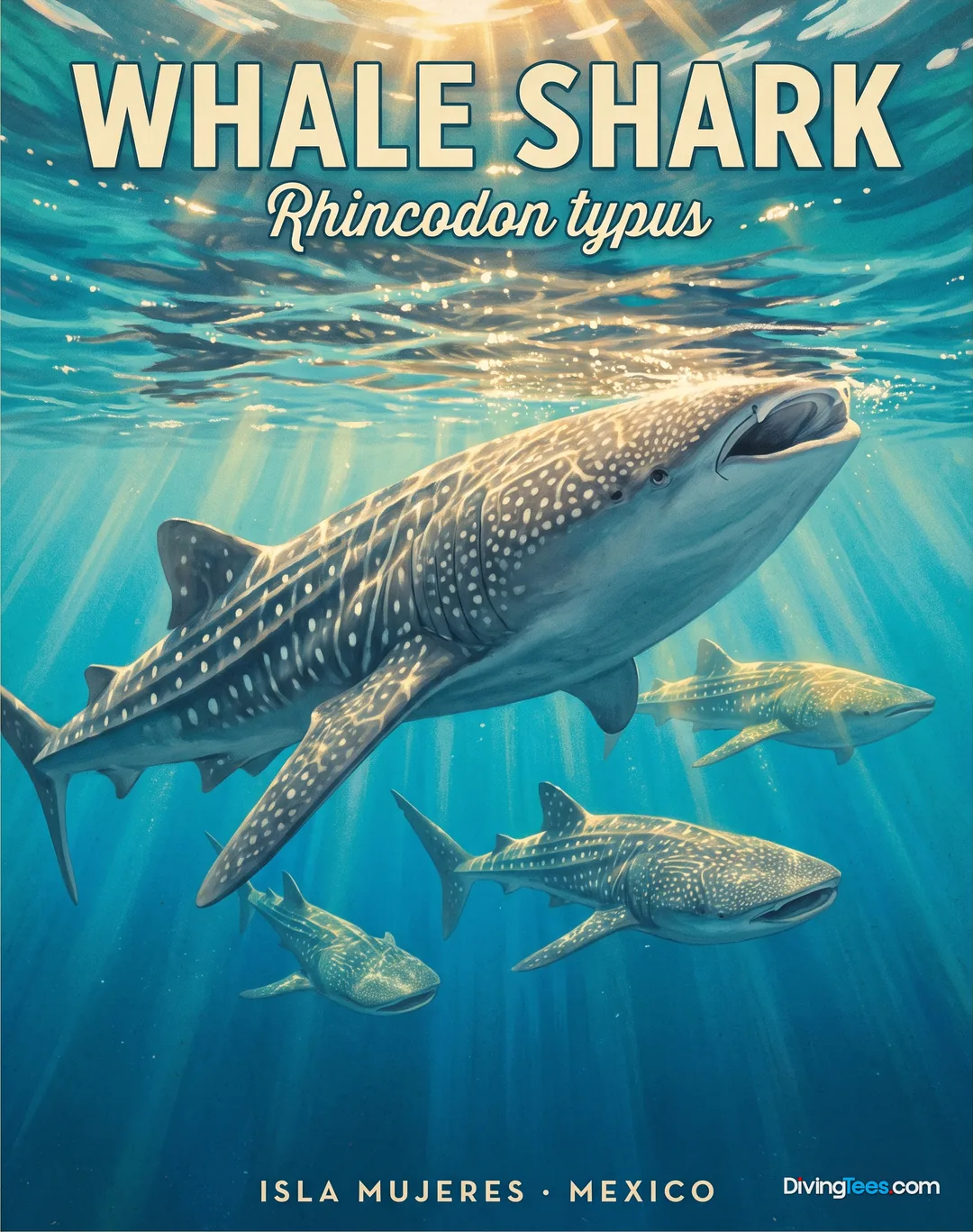
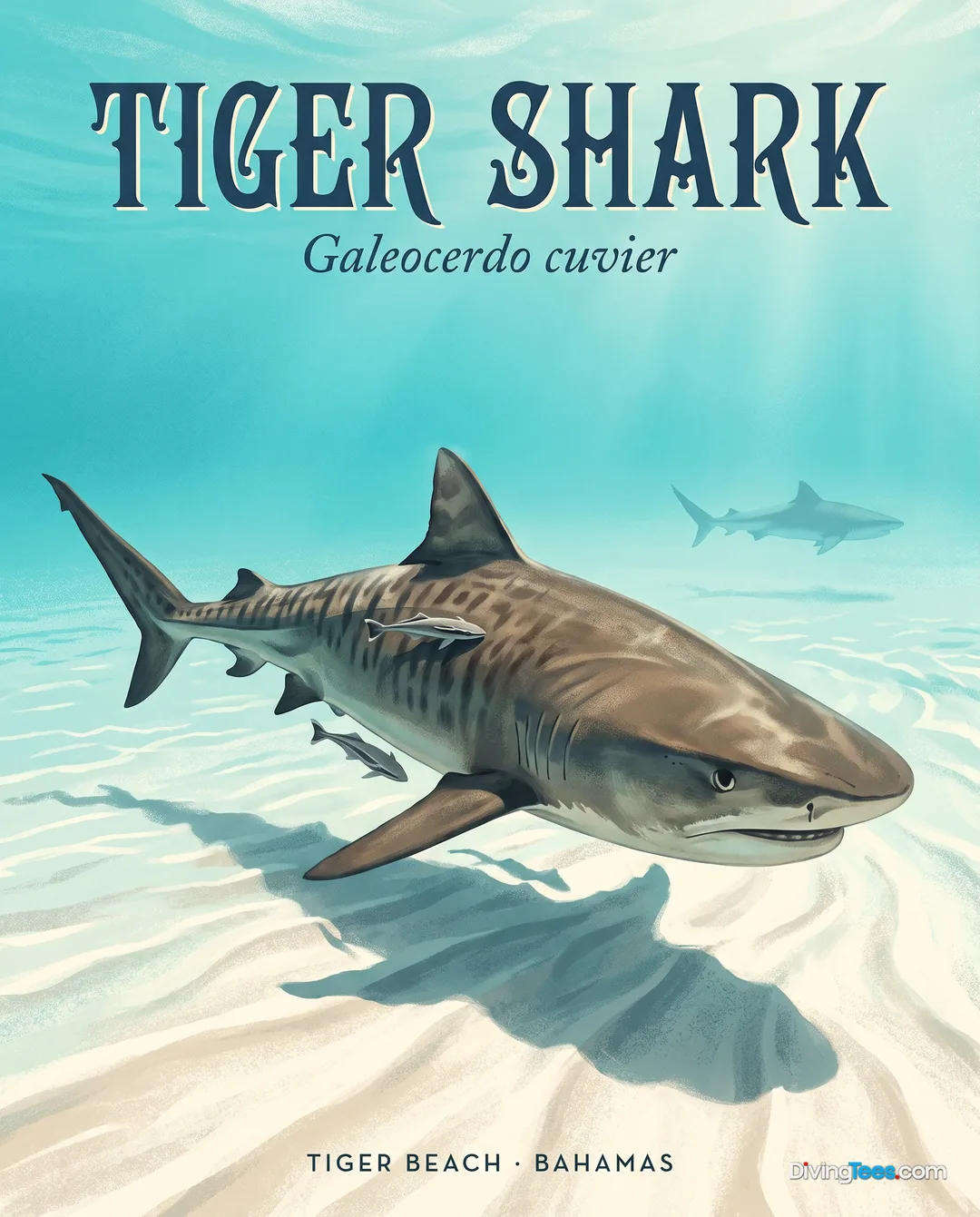
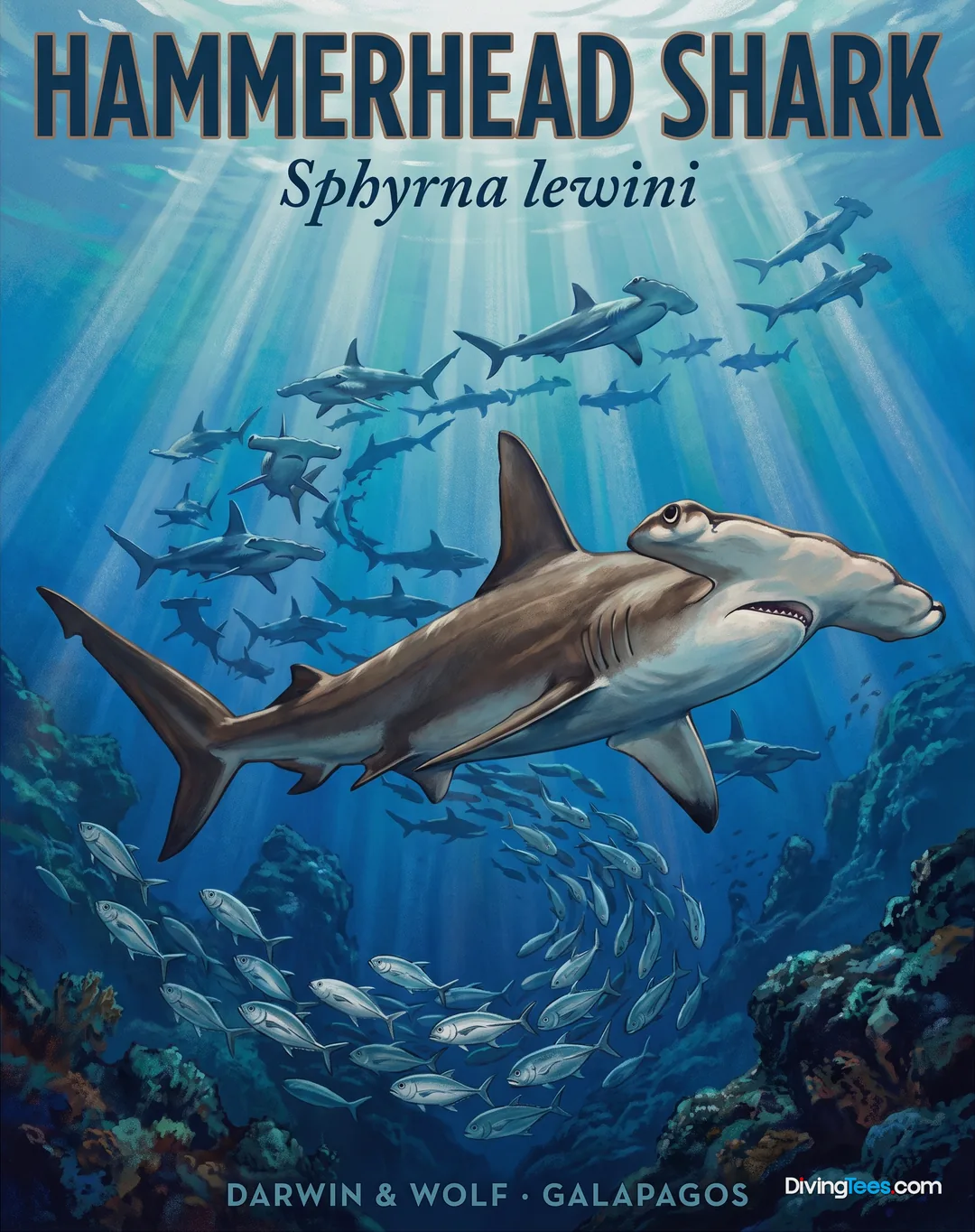
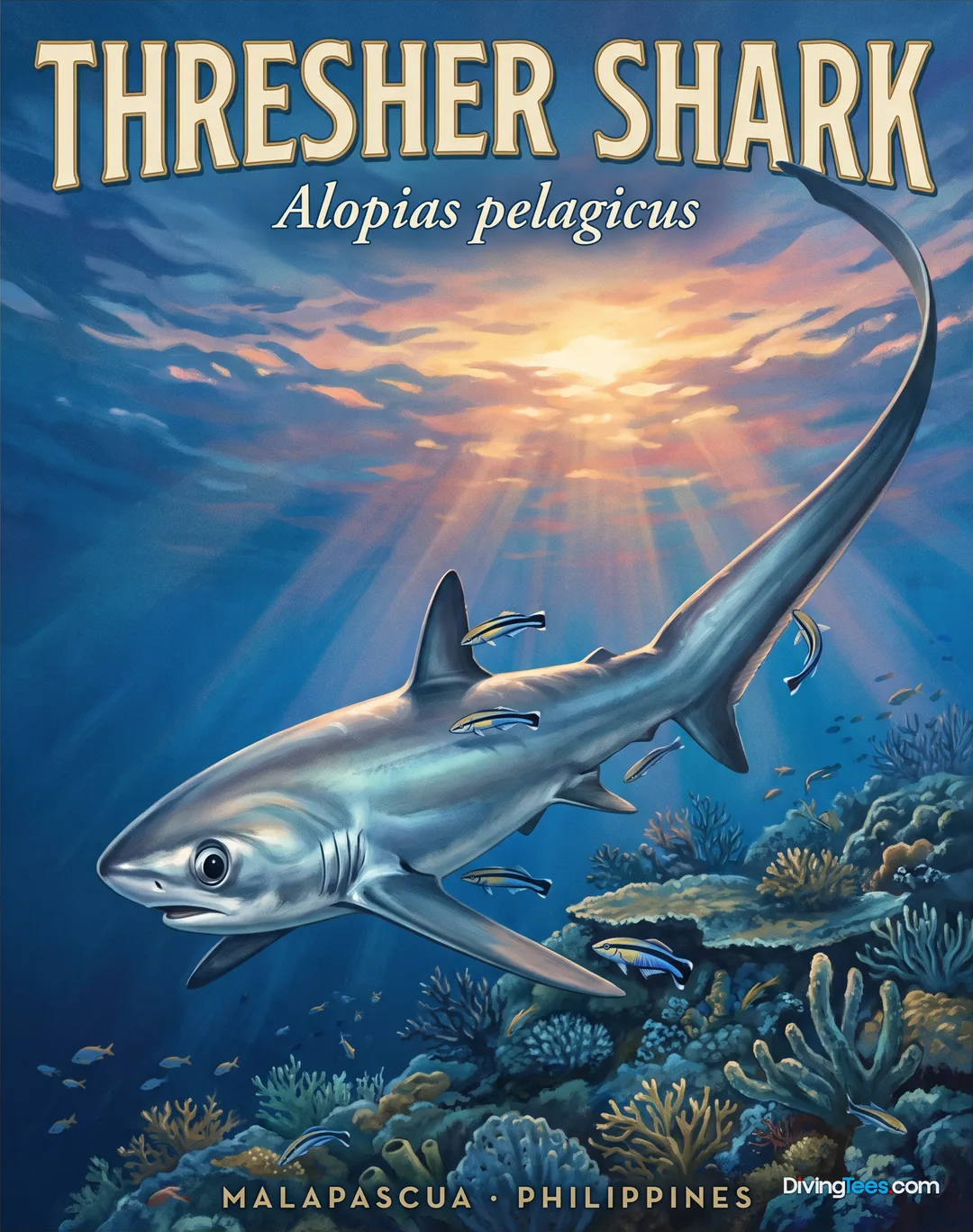
The abundant current contributes directly to the reef's rich pelagic life. You can expect to encounter large schools of barracuda and Spanish mackerel moving through the blue, alongside Napoleon wrasse, unicornfish, and surgeonfish closer to the reef. The site is particularly renowned for its shark encounters; reef sharks are a common sight, but the possibility of seeing tuna, manta rays, and even whale sharks, hammerhead sharks, tiger sharks, and thresher sharks adds to the excitement. These larger species often cruise the deeper water column along the wall sections.
Beyond the pelagics, the reef itself supports a healthy and diverse ecosystem. While less dramatic than the big-fish action, the coral cover here is notably vibrant, forming extensive gardens on the slopes and intricate structures on the walls. This provides habitat for numerous smaller reef inhabitants, although the primary draw remains the larger marine life that the isolation and current attract. The sheer volume of fish moving through the water column is often impressive, reflecting the health of this remote marine ecosystem.
Visibility at Jessie Beazley is typically excellent, often ranging between 20 and 40 metres, allowing for clear views of the expansive reef and the approaching pelagics. This extended visibility is crucial for appreciating the scale of the wall sections and for spotting incoming large animal encounters. The light penetrates deeply, illuminating the upper reef slopes and highlighting the vibrant colours of the coral, even when current dictates a faster drift along the reef face.
What sets Jessie Beazley Reef apart from other sites in Tubbataha is its combination of smaller scale, isolation, and consistent pelagic action. While the main atolls offer vast reef systems, Jessie Beazley delivers a concentrated dose of big-fish encounters in an exposed setting. It’s the northernmost point of the park, making it a special stop when conditions permit, often yielding some of the most dynamic and memorable dives due to its specific oceanographic conditions.
Diving Jessie Beazley Reef: the marine life you’ll meet


Diving conditions
Diving at Jessie Beazley Reef is accessible from 7 metres down to a maximum depth of 50 metres, but it requires an Advanced Open Water certification minimum, with practical experience in variable current highly recommended. Expect visibility to range between 20 and 40 metres. The site is known for moderate to strong currents that can change directions and intensity, so a solid understanding of current diving techniques and the use of an SMB are essential. The dive season runs from mid-March to mid-June, accessible only by liveaboard.