
Reef Haven Scuba Diving School
Google 5/5 (331 reviews)
2.4 km away as the crow flies
Puerto Galera · Philippines · Asia
Max. depth · 22 mManila Channel offers a gentle drift suitable for a range of divers, featuring a diverse reef ecosystem that transitions from shallow coral gardens to small walls.
For subtitles in English: start the video firstthen click the gearat the top right of the video, select “Subtitles/CC”, then “Auto-translate” and choose “English”.
Diving Manila Channel often begins in the shallower sections, typically around 5 to 8 metres, along a sandy channel. This initial depth allows for a comfortable descent and immediate orientation to the reef structure. As you progress, the site gradually deepens, leading you towards small walls that drop to around 22 metres, creating varied habitats for marine life. The channel's layout encourages a relaxed drift along the current, making it accessible for divers who prefer a less strenuous dive.
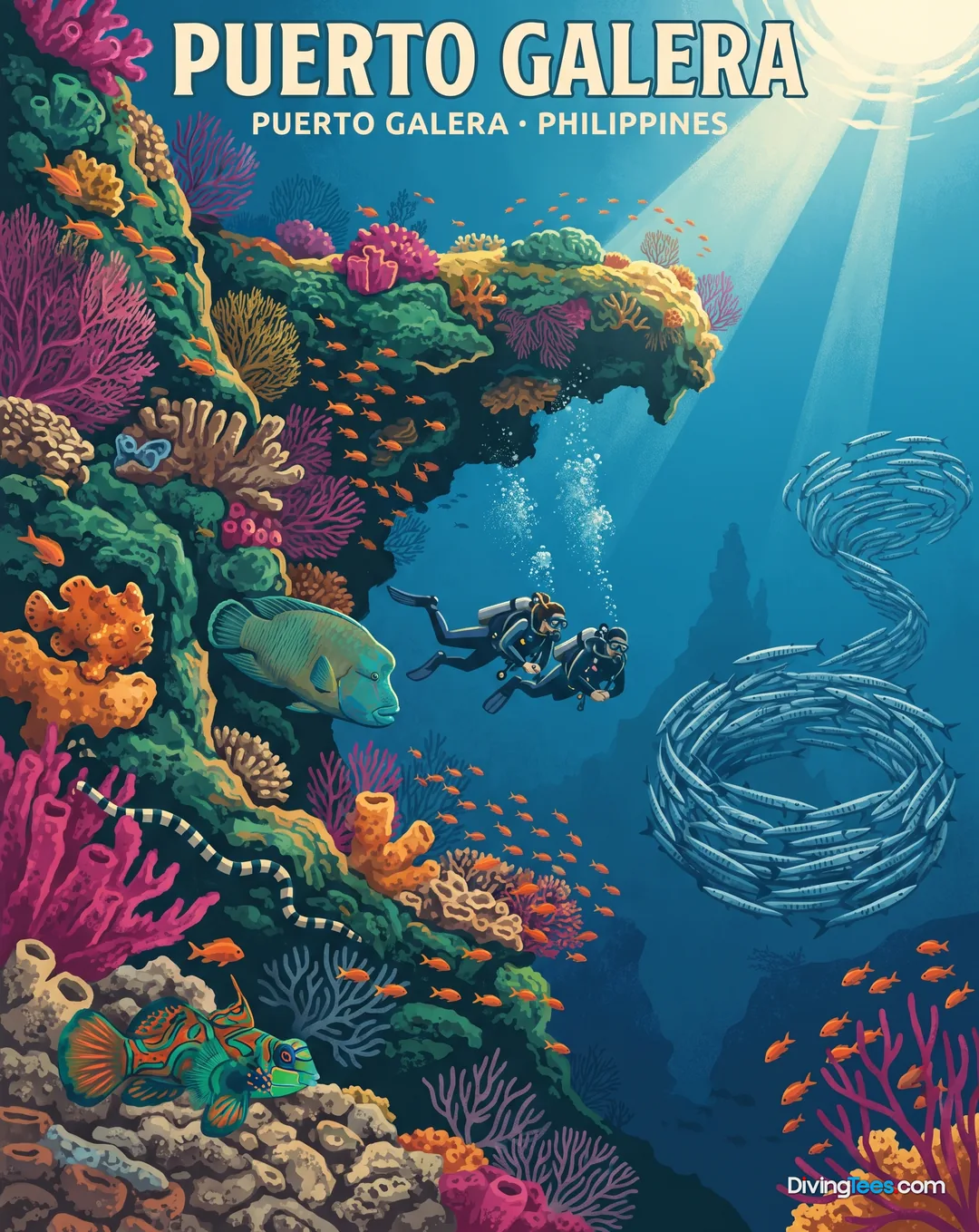
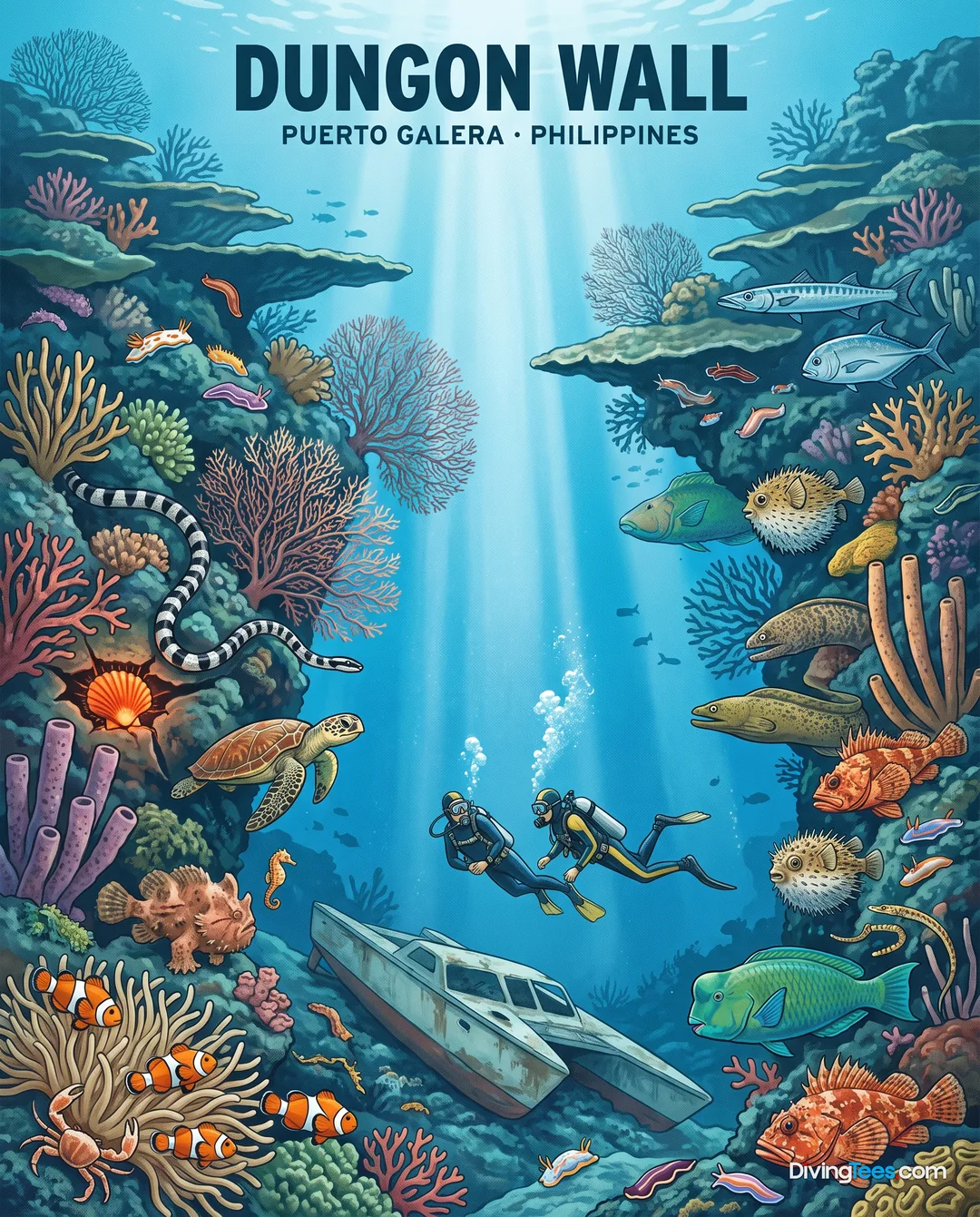
The topography features a mix of hard and soft corals that form the foundation of the reef system. Barrel sponges, whip corals, potato corals, and green corals are common, providing shelter and feeding grounds for smaller inhabitants. Gorgonian fans are also present, adding to the structural complexity of the reef. These formations support a rich ecosystem, from the smallest invertebrates to various reef fish.
Within the corals and along the sandy bottom, you will encounter diverse macro life. Nudibranchs move slowly across the substrate, alongside various sea cucumbers and starfish. Closer inspection reveals the well-camouflaged scorpionfish and anglerfish, including giant frogfish, waiting for prey. On the sand, gobies often share burrows with shrimps, a common symbiotic relationship to observe during the dive.
Reef fish are abundant here, with schools of anthias, butterflyfish, and sergeant majors moving through the water column. You might also spot cuttlefish, including the flamboyant cuttlefish, which display their striking colours as they navigate the reef. Moray eels can be seen in crevices, while bannerfish and damselfish are always present, contributing to the site's active feel. Each section of the reef offers different species to observe.
While the current is generally described as mild, it provides enough push for an effortless drift. This makes it an ideal spot for practicing drift diving techniques in controlled conditions. The gentle flow allows for extended observation periods of the smaller marine creatures without having to work against a strong push, enhancing the photographic opportunities for both wide-angle and macro enthusiasts. However, pay attention to the tidal shifts, as the current can pick up at certain times.
Manila Channel distinguishes itself through its blend of accessibility and biological richness. Many dive sites in the region offer strong currents for advanced drift diving, but this channel provides a gentler experience while still showcasing a full, healthy reef. It offers a clear example of how a consistent, moderate flow can support substantial coral growth and a thriving community of marine invertebrates and fish.
Manila Channel is accessible from Open Water Diver level, with depths ranging from 5 metres to a maximum of 22 metres. The current is generally moderate, allowing for a comfortable drift, but can increase with tidal changes. Visibility is typically good, varying with the regional conditions.
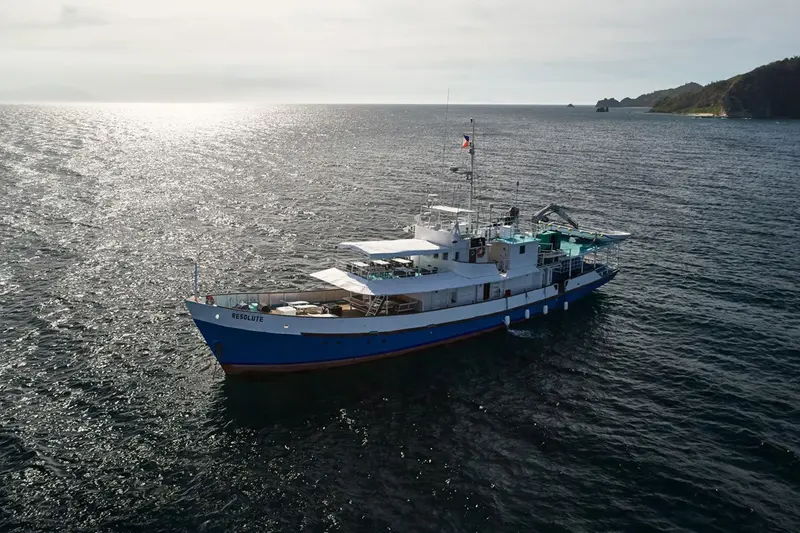
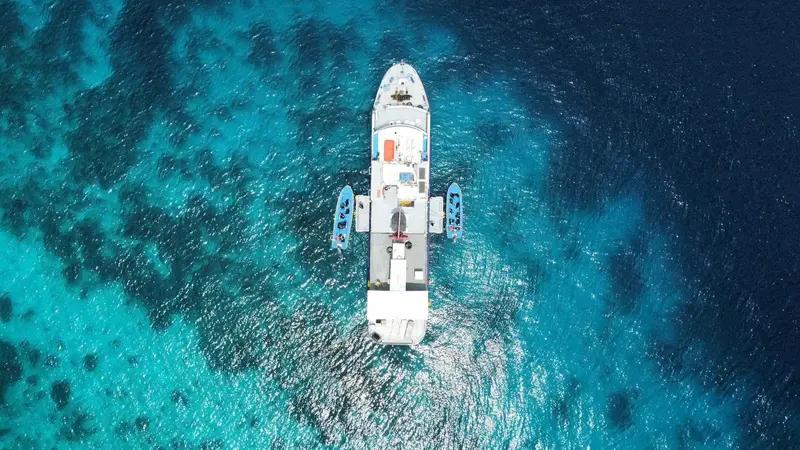
2 liveaboards run trips to Puerto Galera.
Manila Channel is accessible to Open Water Divers and begins in shallower sections around 5 to 8 metres. The site gradually deepens toward small walls reaching 22 metres, offering a range of depths for orientation, reef exploration, and a relaxed drift. Its maximum depth is suitable for new divers.
At Manila Channel, the current is generally moderate and supports a comfortable, relaxed drift along the sandy channel. It can increase with tidal changes, so you should pay attention to those shifts. The flow is also suitable for practicing drift diving techniques in controlled conditions while observing marine life without working against strong water movement.
At Manila Channel, you can look for hard and soft corals, barrel sponges, whip corals, potato corals, green corals, and gorgonian fans. Marine life includes nudibranchs, giant frogfish, scorpionfish, anglerfish, gobies with shrimp, cuttlefish including flamboyant cuttlefish, moray eels, anthias, butterflyfish, and sergeant majors.
When considering when to dive Manila Channel, pay attention to tidal changes because the generally moderate current can pick up at certain times. The channel’s flow provides a comfortable drift, while regional conditions can affect visibility. These conditions shape the experience as you move from the sandy shallows toward deeper reef habitats.