
Fast Manta Diving Krabi
Google 4.9/5 (1,231 reviews)
68 km away as the crow flies
Ao Nang · Thailand · Asia
Max. depth · 40 mExplore the dramatic underwater topography and exceptional biodiversity of Koh Haa, where pristine coral gardens meet thrilling cave systems and the chance of encountering majestic pelagics.
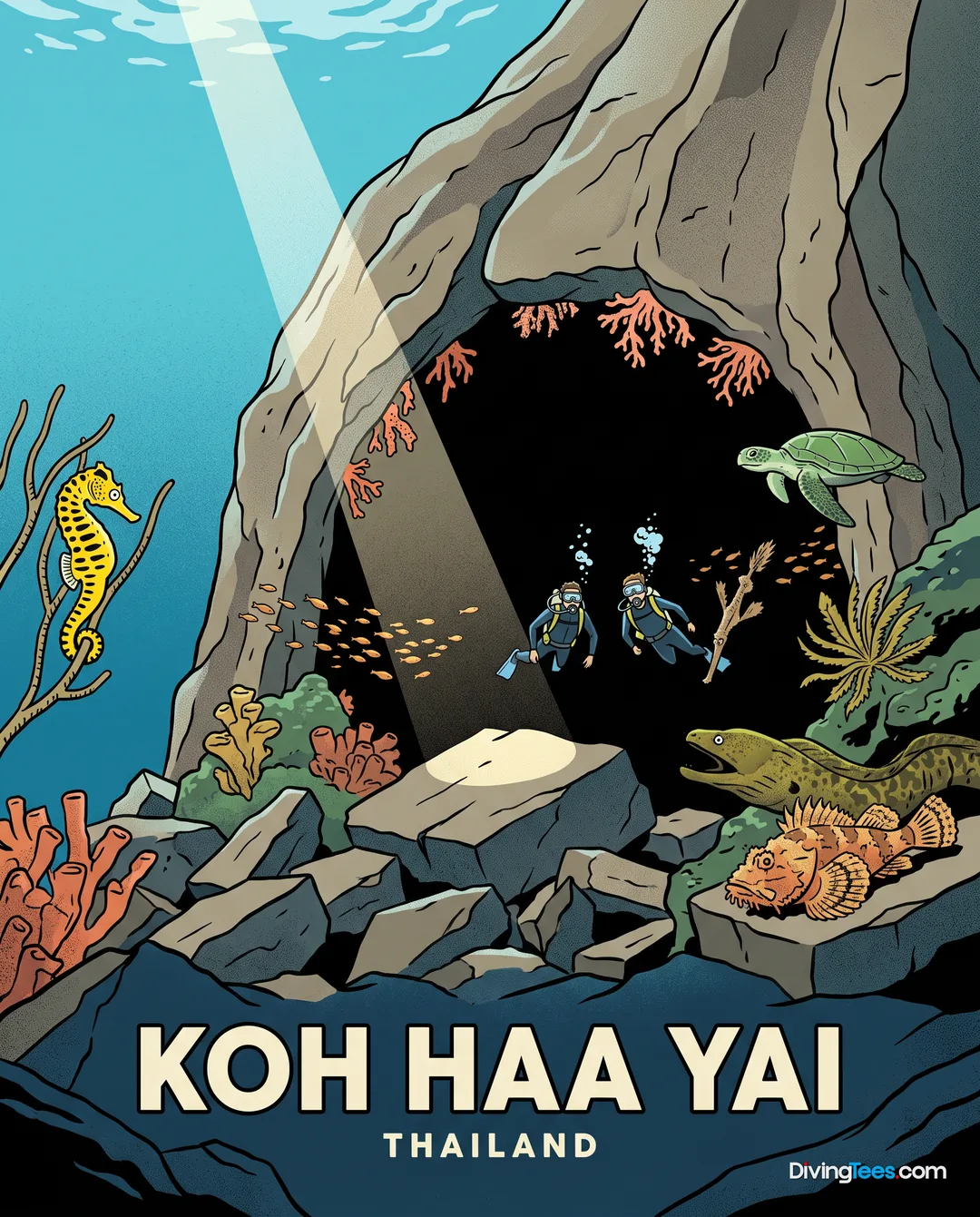
Koh Haa, often referred to as 'The Five Islands,' is actually a cluster of six uninhabited limestone islands situated 16 kilometres west of Koh Lanta, forming a unique archipelago that is part of the Koh Lanta National Park. This site is characterized by dramatic eroded karsts that continue underwater, creating a varied topography of sheer walls, intricate swim-throughs, and expansive reef systems. The central feature is a picturesque azure lagoon, protected and shallow, offering calm conditions for initial descents and snorkelers, while the outer areas drop into deeper, more exposed sections. The dive sites within Koh Haa are segmented, each offering distinct experiences. Koh Haa Yai features 'The Cathedral,' a series of two large chambers accessible at 14 metres, with one leading to a surface opening.
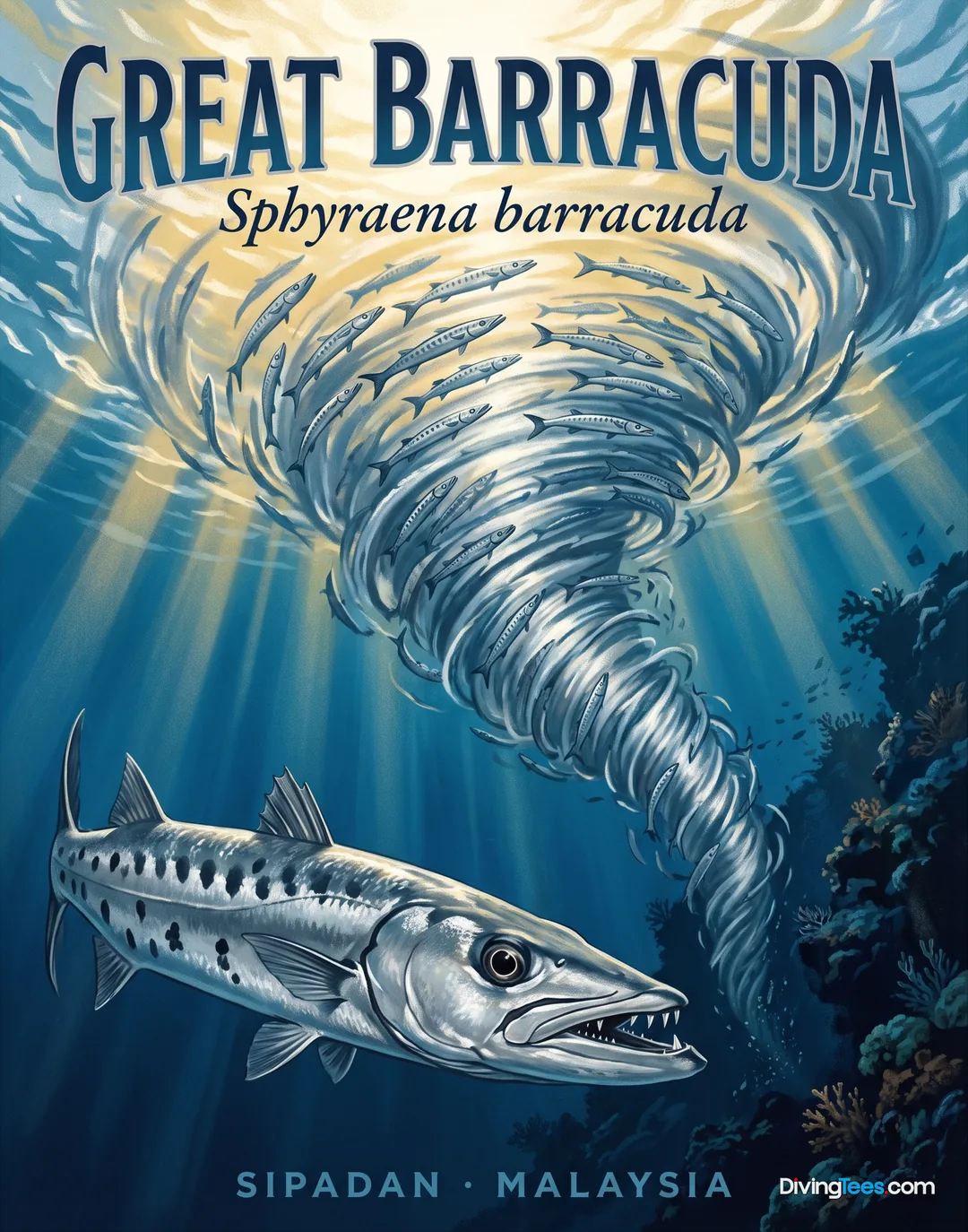
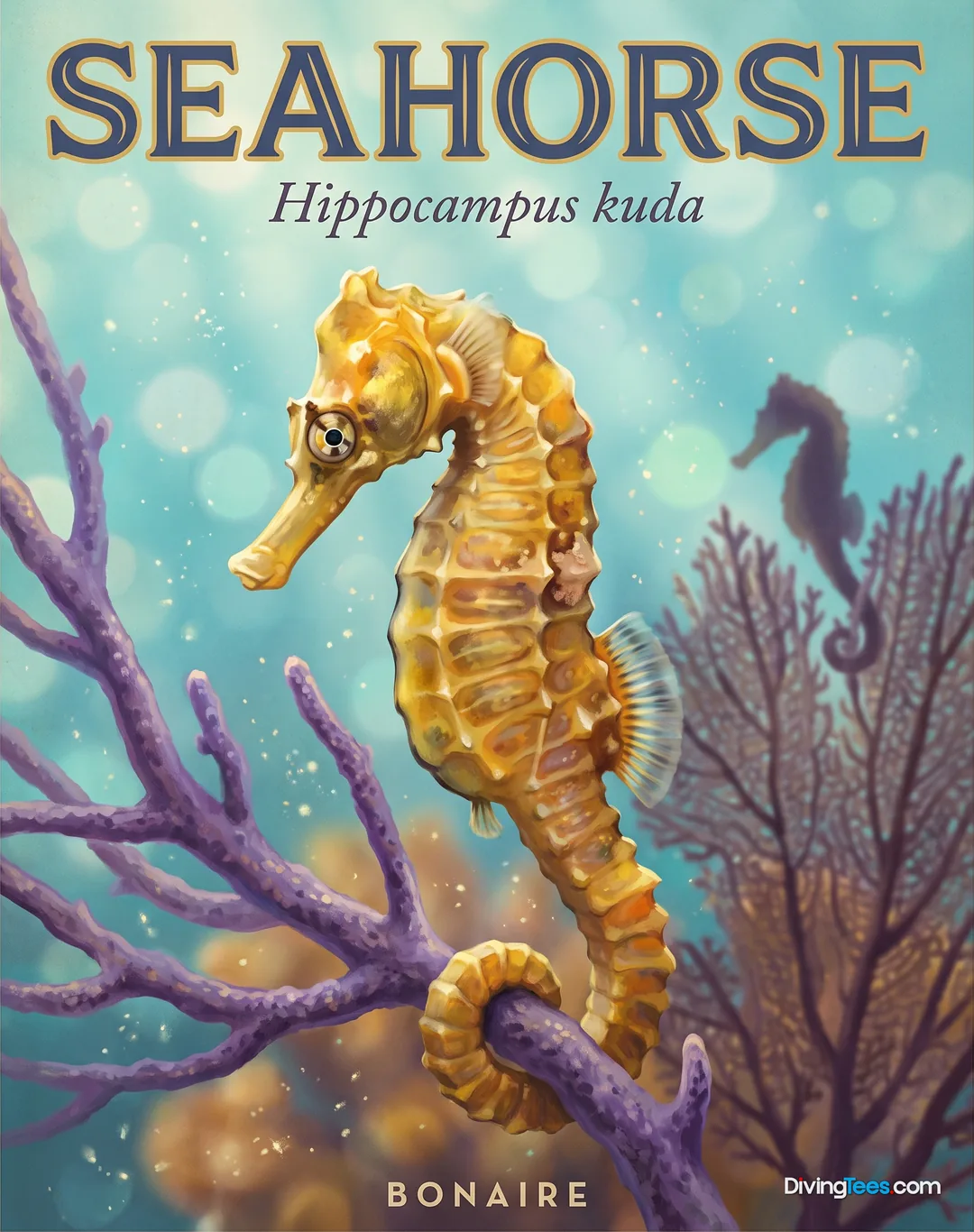
This site also boasts a vibrant, shallow coral garden on its east side, contrasting with unique soft corals and large groupers deeper down, reaching 40 metres. Additionally, Koh Haa's 'Chimney' presents tunnels, chambers, and pinnacles adorned with soft corals, showcasing both macro life and occasional pelagics, providing a varied dive profile. The Secret Garden of Haa Island, or Koh Haa Six, is another focal point, particularly noted for its pristine coral formations, considered some of the best in the area. Here, you can focus on macro species like tiger seahorses and ghost pipefish, while barracudas and trevallies patrol the blue. The northern walls of some islands descend past 20 metres, displaying gorgonian fans and a mix of soft and hard corals, creating habitats for moray eels and harlequin shrimp.
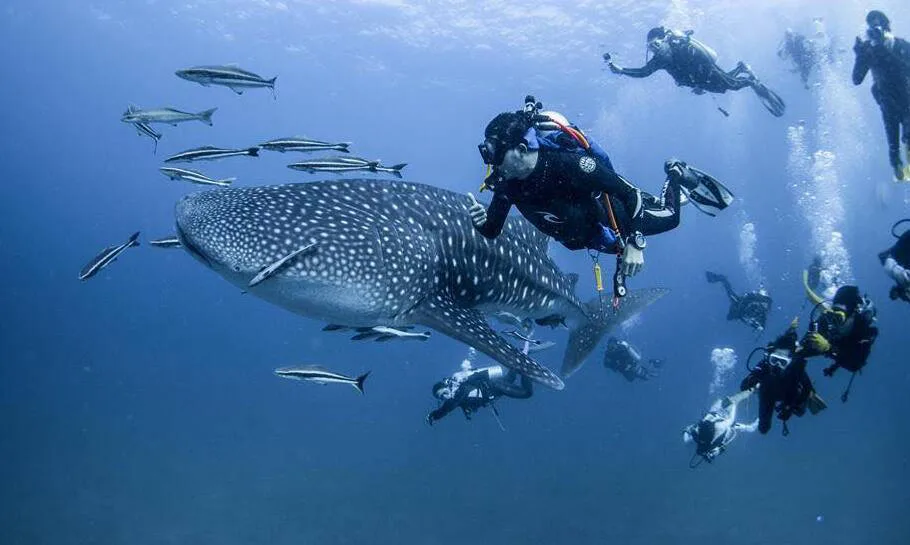
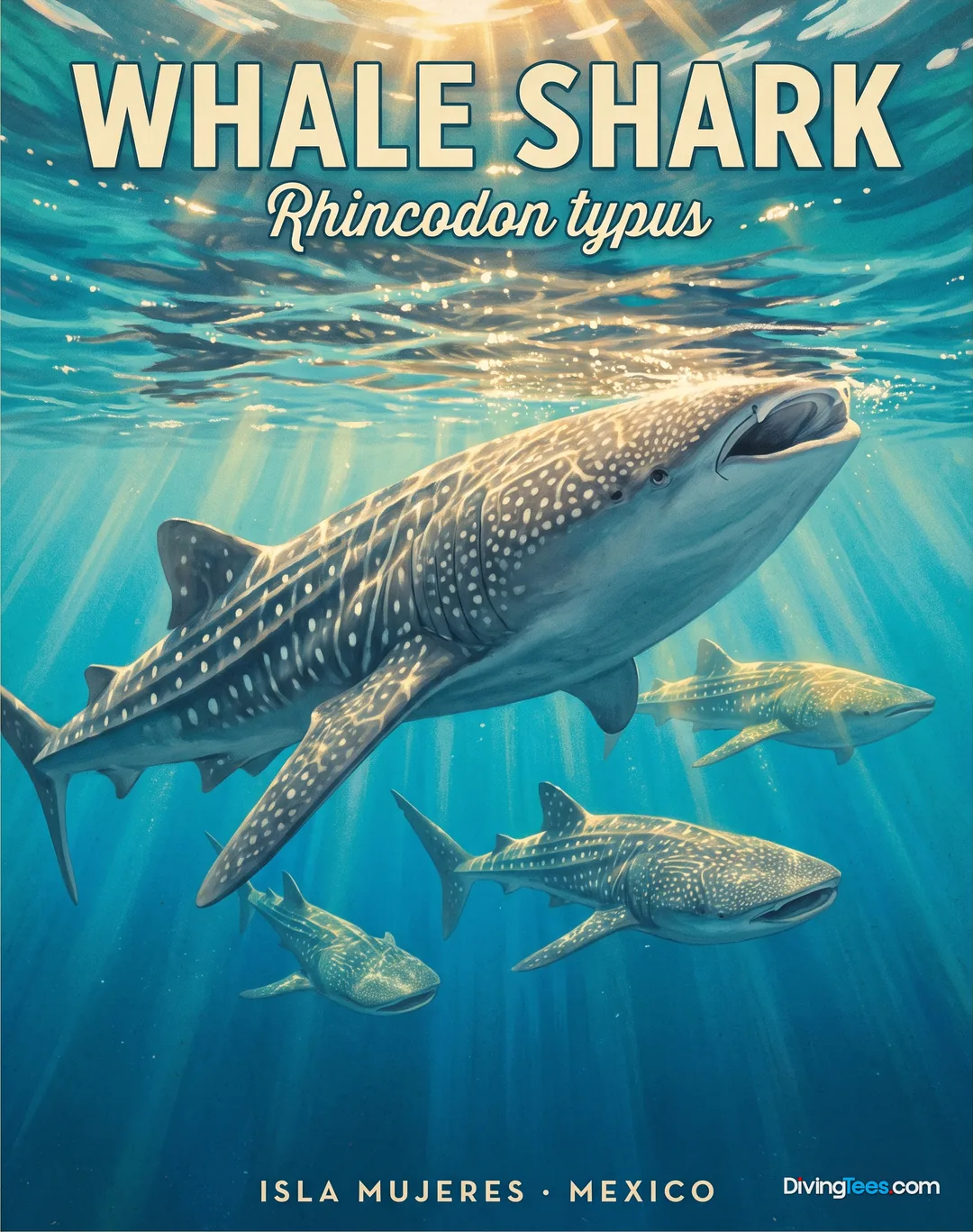
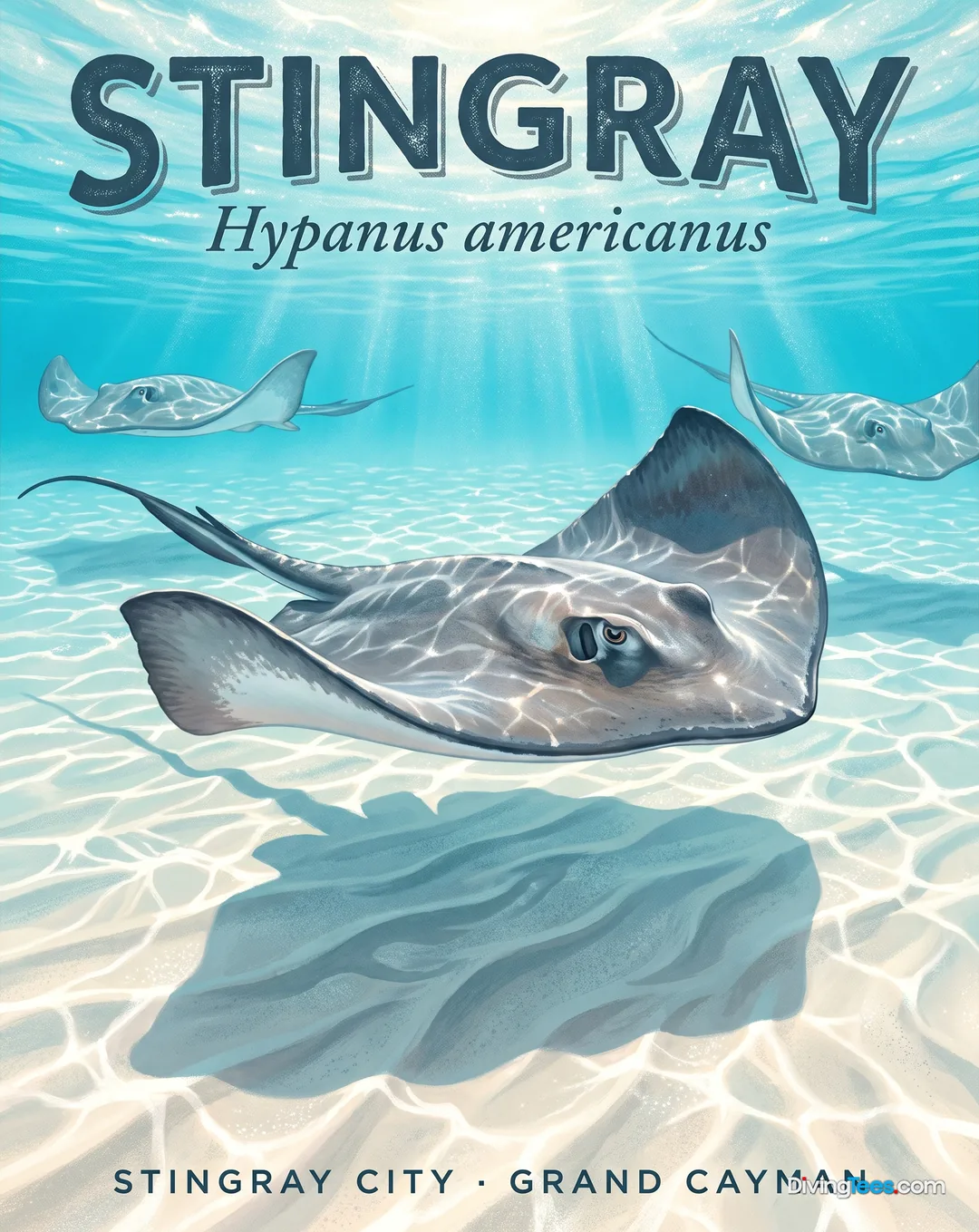
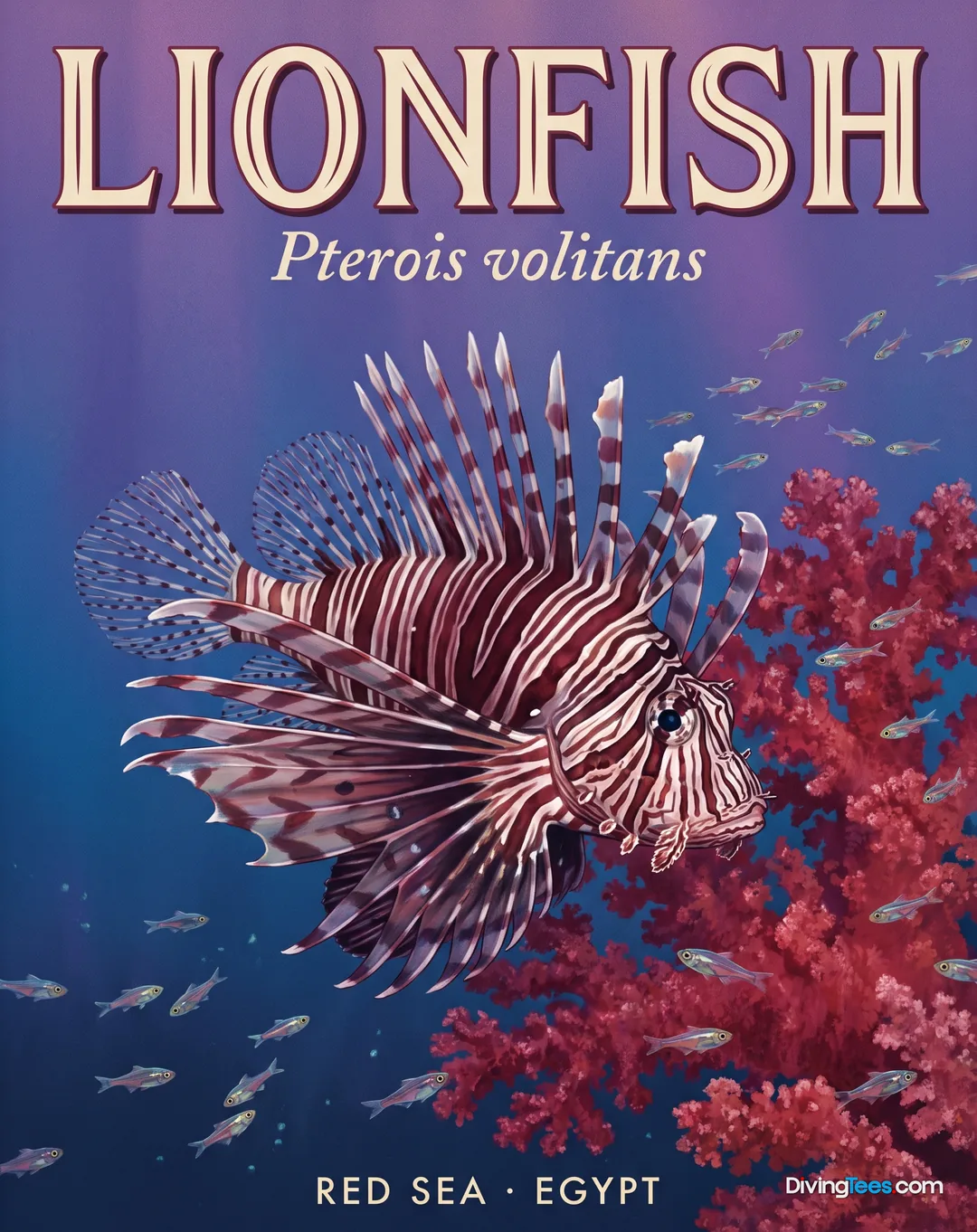
Marine life at Koh Haa spans a broad spectrum, from the small and cryptic to larger pelagics. Within the vibrant coral gardens and anemone fields, you will consistently find clownfish and schools of fusiliers. Keep an eye out for blue-spotted stingrays and bamboo sharks resting on the sandy patches. While exploring the reef structure, lionfish and scorpionfish are often observed, blending into their surroundings. The deeper sections and open water are where larger encounters become a possibility. Leopard sharks (Stegostoma tigrinum) and even whalesharks (Rhincodon typus) are sighted here, particularly during specific seasons. Batfish, large barracudas, and various species of trevallies are present in the currents. Garden eels are a common sight in the sandy areas, often appearing as distinct spotted garden eels.
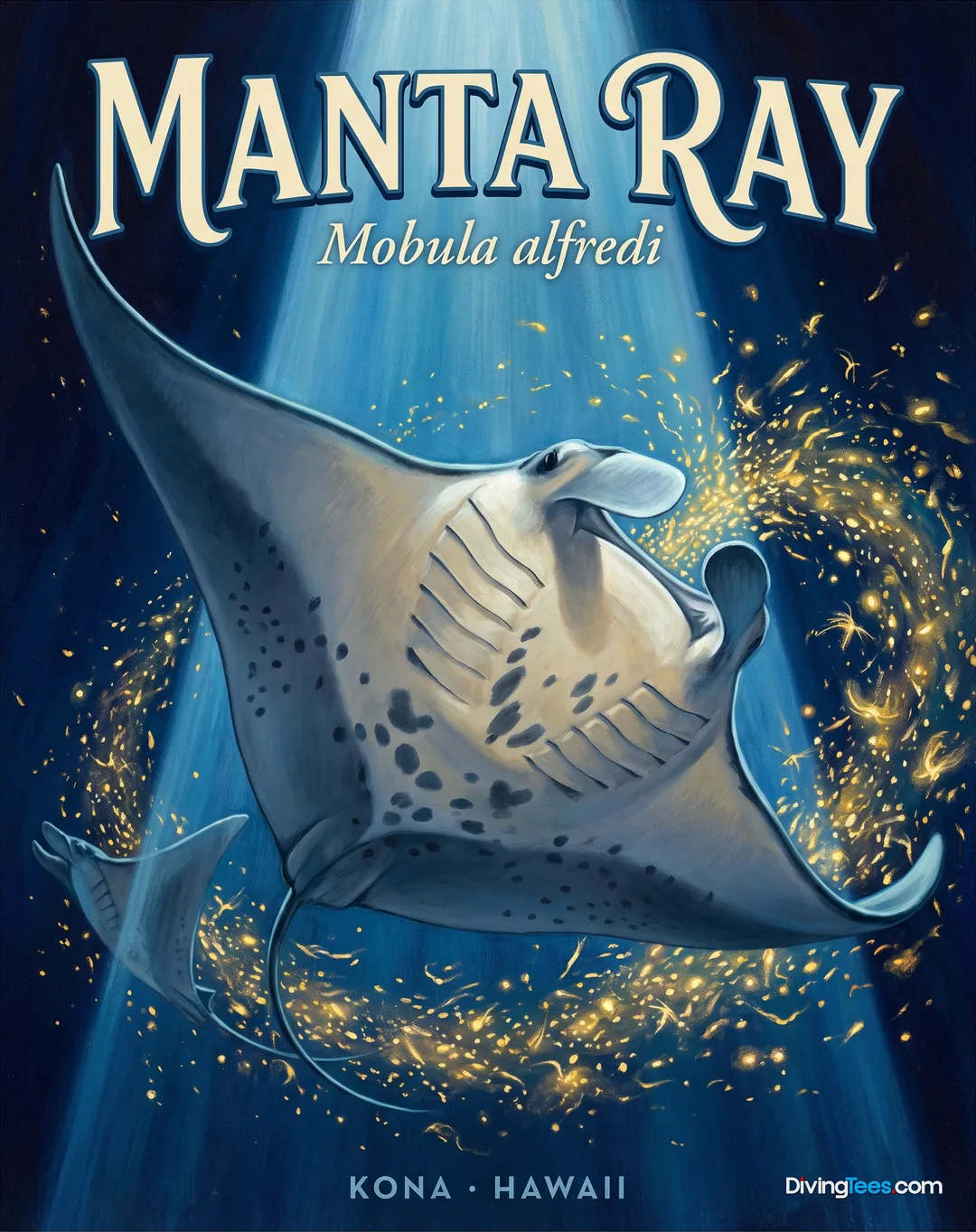
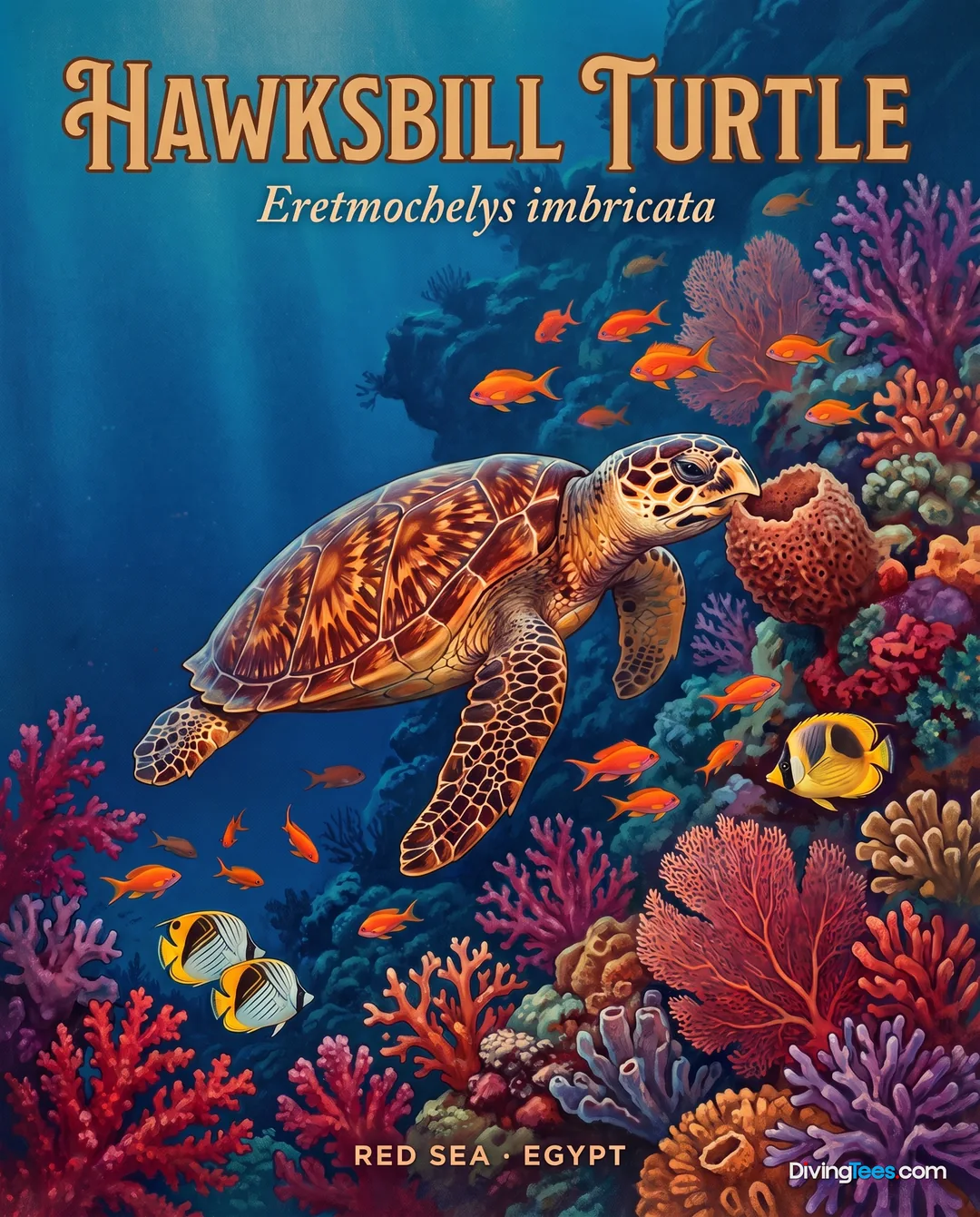
Koh Haa’s caves and caverns are not just geological marvels; they are also home to specific residents. Harlequin shrimp (Hymenocera picta) have been documented, alongside pipefish and frogfish. Observing reef sharks, particularly blacktip reef sharks (Carcharhinus melanopterus), and guitar sharks (Rhinobatos rhinobatos) in the periphery is possible, adding another layer to the site's rich biodiversity. Sea snakes and various species of wrasses also navigate these complex environments. Beyond the consistent presence of turtles and moray eels, divers might spot manta rays (Manta birostris) or mobula rays (Mobula spp.) in the blue, though these sightings are less frequent. The sheer diversity across a relatively compact area, from sheltered lagoons to deep drop-offs, is what defines Koh Haa as a noteworthy dive destination.
Dive depths at Koh Haa range from 5 metres in the shallow lagoons down to a maximum of 40 metres in the deeper sections, though general recreational limits often apply around 30 metres. The site is accessible for all certification levels, with sheltered areas suitable for beginners and open water courses, while experienced divers can explore the deeper walls and caverns. Currents are generally described as mild to moderate, but can shift depending on specific areas and tidal conditions. Visibility at Koh Haa is excellent, typically ranging from 15 to 40 metres, often around 30 metres, making it an ideal location for photography and clear observation. The best period to dive Koh Haa is from September 1st to June 30th.
The best period to dive Koh Haa runs from September through June. During this season, you can explore sheltered lagoons, coral gardens, caverns, walls, and deeper sections across the island cluster. Visibility is typically clear, supporting photography and observation throughout the varied underwater landscapes.
Koh Haa is accessible to all certification levels. As a beginner or open water student, you can use the sheltered areas and shallow lagoons for calm initial descents. With more experience, you can explore deeper walls and caverns, including the Cathedral and the Chimney’s tunnels and chambers.
Koh Haa offers dives from shallow lagoons at 5 metres to deeper sections reaching 40 metres, while recreational limits often apply around 30 metres. Currents are generally mild to moderate, but they can shift between areas and with tidal conditions. Sheltered parts provide calmer diving conditions.
At Koh Haa, you can see hard and soft coral gardens, gorgonian fans, clownfish, fusiliers, blue-spotted stingrays, bamboo sharks, moray eels, and garden eels. The site also offers tiger seahorses, harlequin shrimp, barracudas, trevallies, leopard sharks, and seasonal whalesharks, with occasional manta or mobula rays.