
Real Divers Pattaya PADI 5 STAR IDC Center
★ 4.9/5 (526 reviews)
22 km away as the crow flies
Pattaya · Thailand · Asia
Max. depth · 22 mExplore Koh Klung Badan's varied reef profiles, from shallow, hard coral gardens to deeper, current-swept formations that draw unique macro life.
For subtitles in English: start the video firstthen click the gearat the top right of the video, select “Subtitles/CC”, then “Auto-translate” and choose “English”.
Koh Klung Badan is situated south of Koh Phai, presenting itself as an uninhabited island surrounded by a substantial reef system. The site offers three distinct dive zones, catering to both exploration and macro photography. Your dive typically begins in a small sandy bay, offering a sheltered entry before you start exploring the extensive reef line that follows the island's contours. This initial section gradually leads you into the main reef structure, setting the tone for the varied underwater landscape you'll encounter.
The shallow areas of Koh Klung Badan are characterized by vast fields of hard corals, which provide structure for a variety of reef inhabitants. Here, you'll find impressive coral formations mixed with soft corals, anemones, and gorgonian fans, creating a rich tapestry of marine growth. These shallower zones are ideal for divers to take their time, observing the smaller details of the reef and the interactions between its inhabitants without the pressure of significant depth.
Beyond the initial hard coral gardens, the reef extends into deeper zones. While not always accessible due to conditions, a hidden deeper reef is present, offering larger hard corals and intriguing rock formations. Accessing this section depends on calmer current conditions, which allow for a more detailed exploration of its unique structure and resident species. This deeper extension of the reef underscores the site’s variability, hinting at more to discover when conditions align.
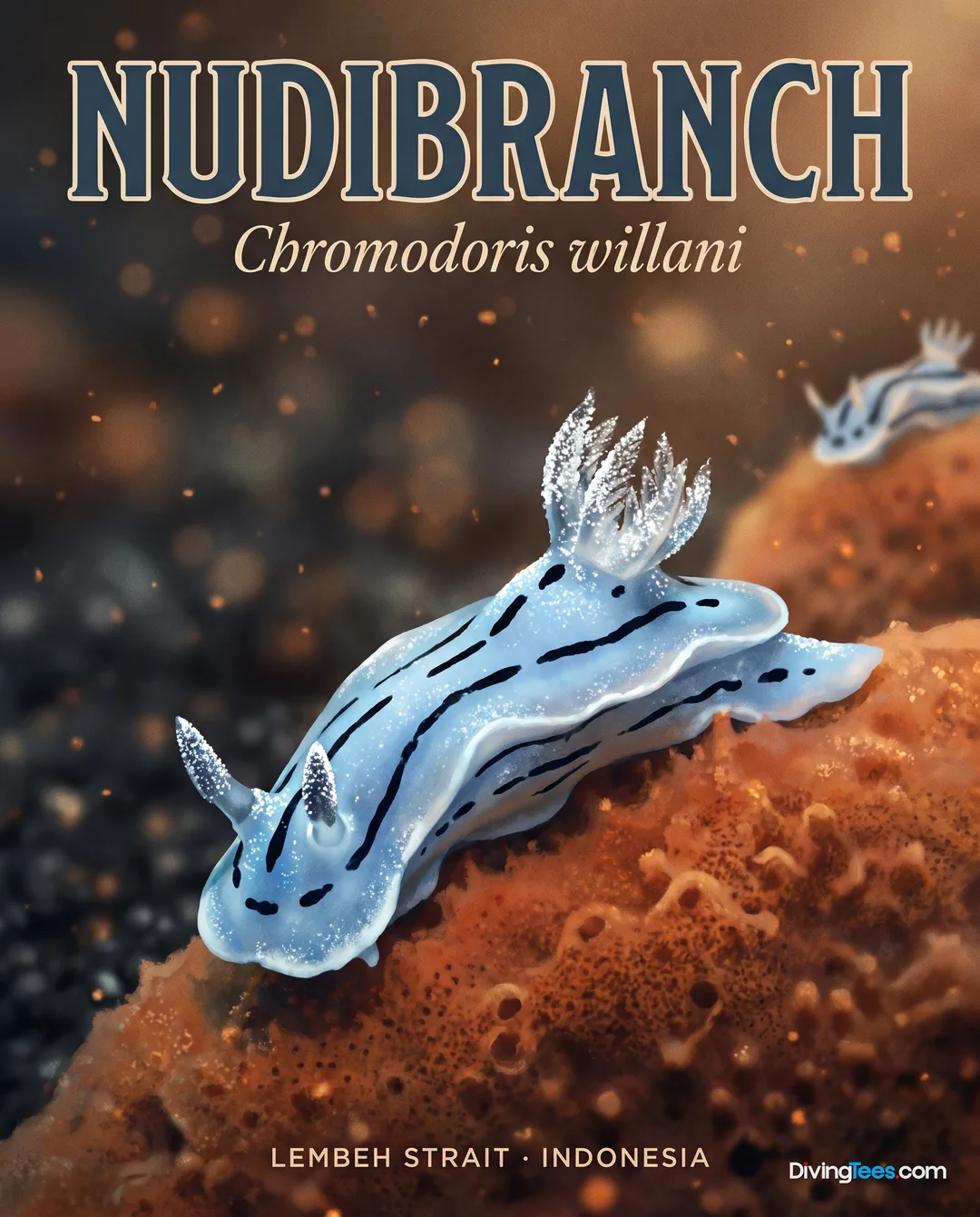
Macro life is a significant draw here, making Koh Klung Badan a rewarding spot for underwater photographers. Keep your eyes peeled for nudibranchs moving slowly across coral surfaces and vibrant reef, and octopuses navigating their immediate environment. The site is known for its excellent macro potential, revealing smaller, often overlooked species that thrive within the intricate reef structure, showcasing a different scale of marine biodiversity.
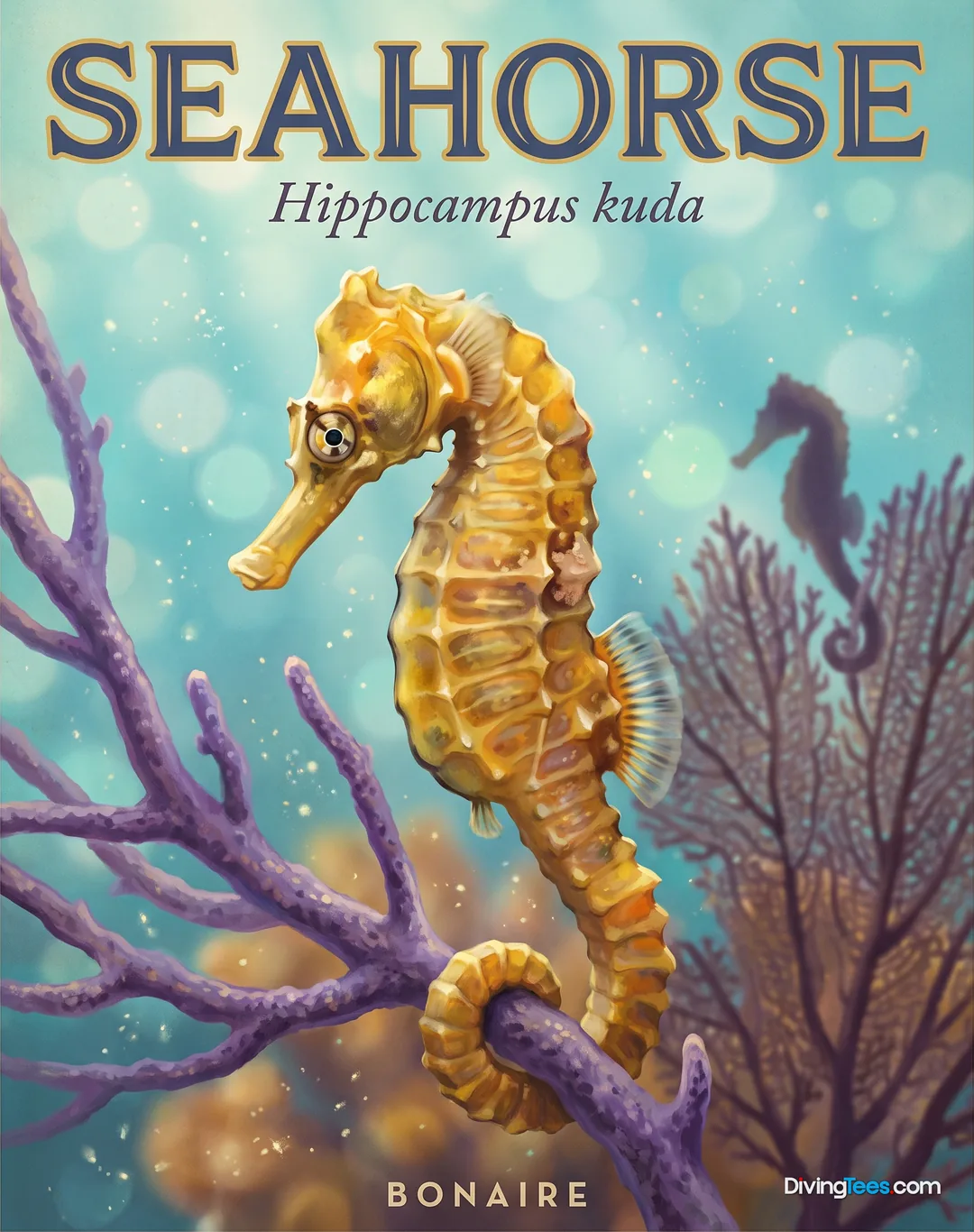
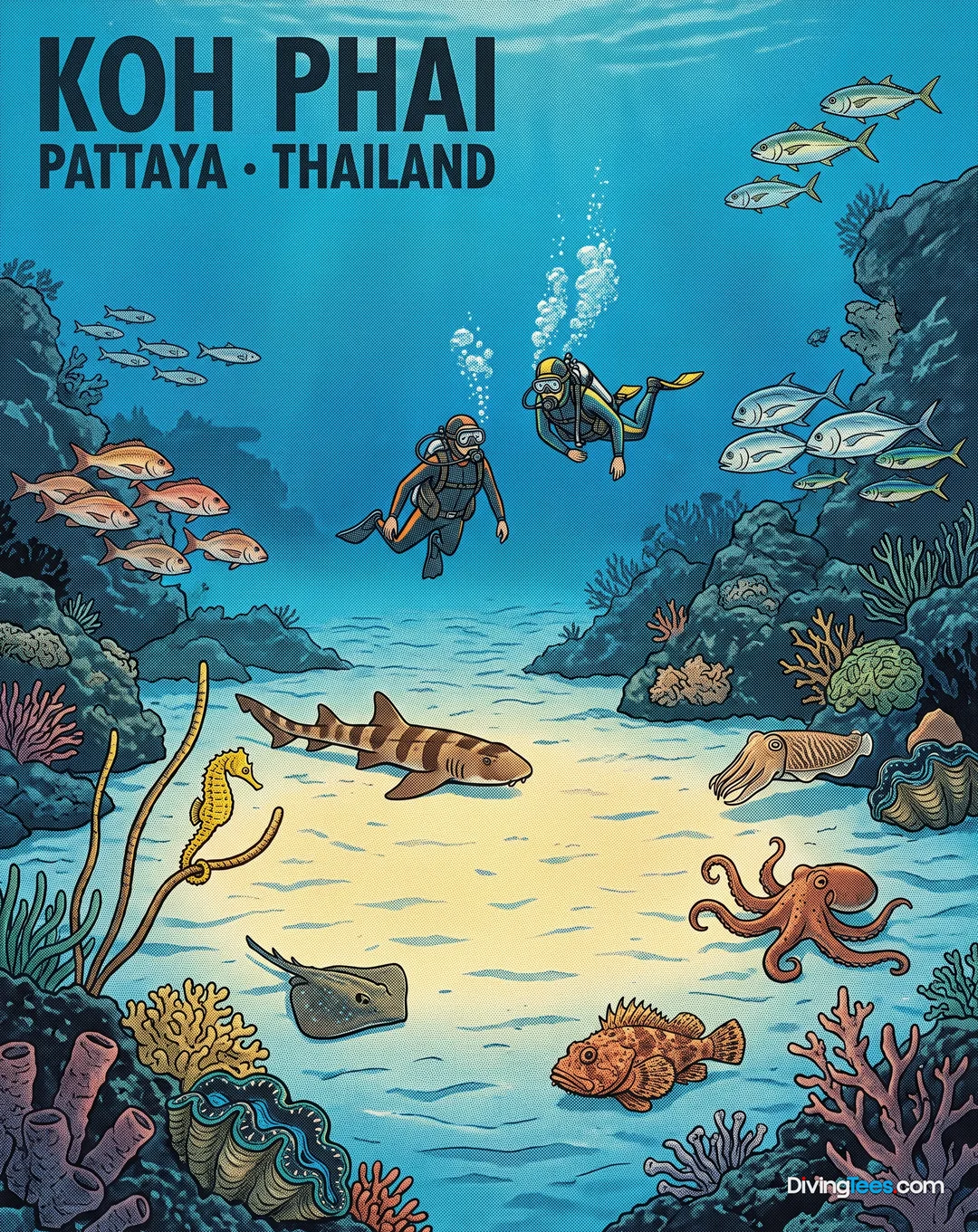
One particular highlight of Koh Klung Badan is the presence of tiger tail seahorses (Hippocampus comes), often found tucked away in sandy patches or amongst the coral rubble. Their elusive nature requires a patient approach, but encountering them is a unique experience. Along with seahorses, you might also spot various eels, such as moray eels, and the occasional bamboo shark (Chiloscyllium punctatum) resting on the sandy bottom or hidden within crevices.
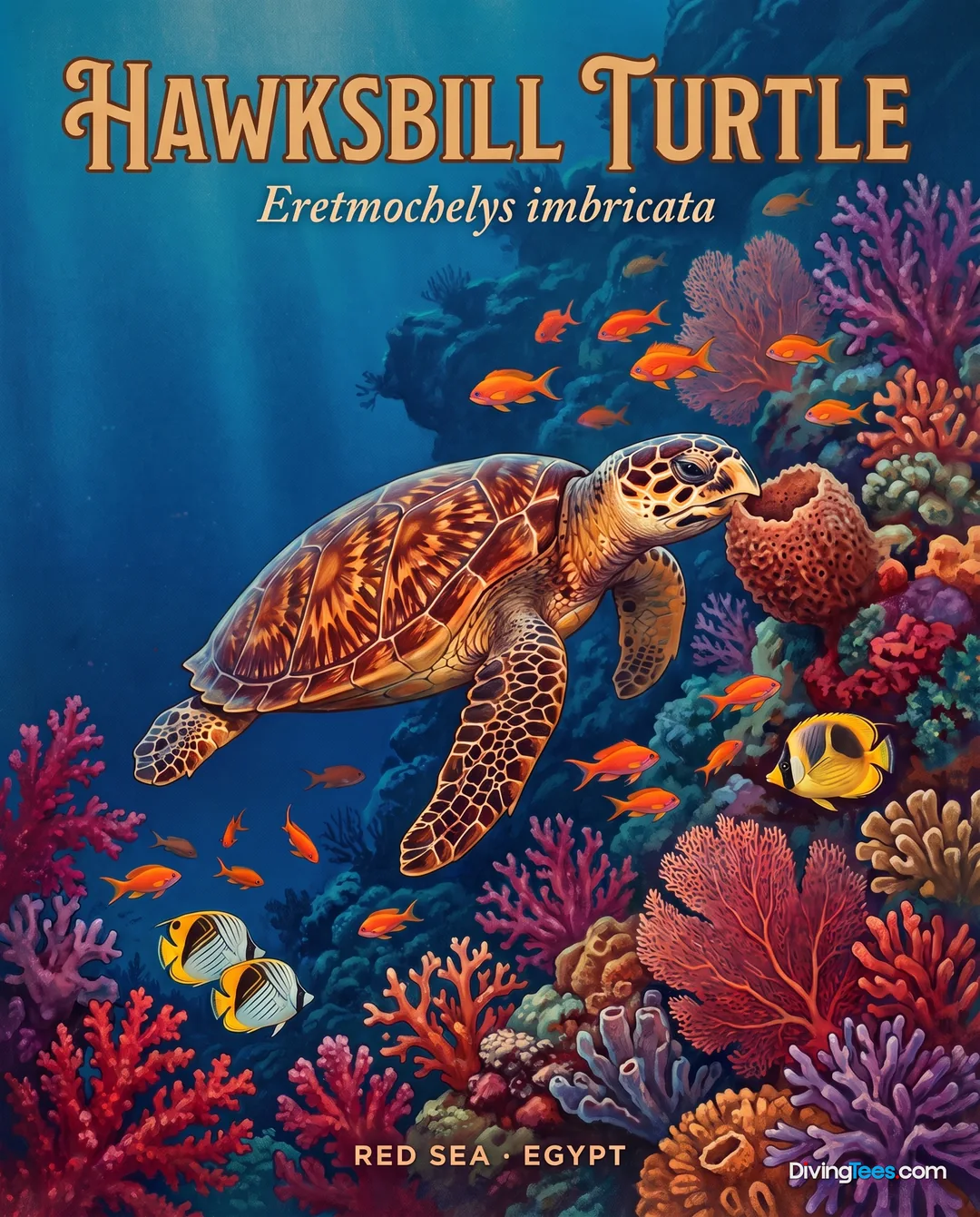
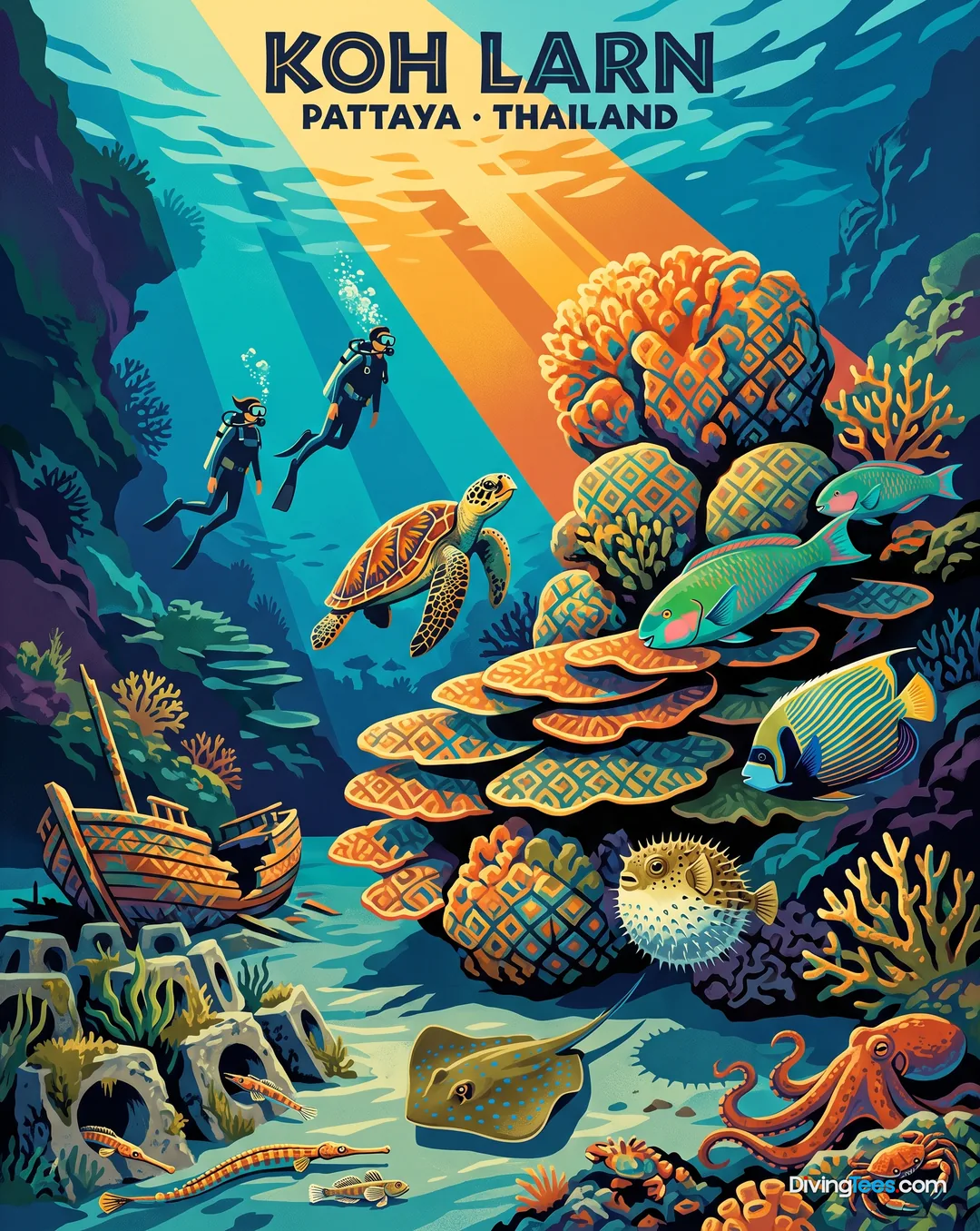
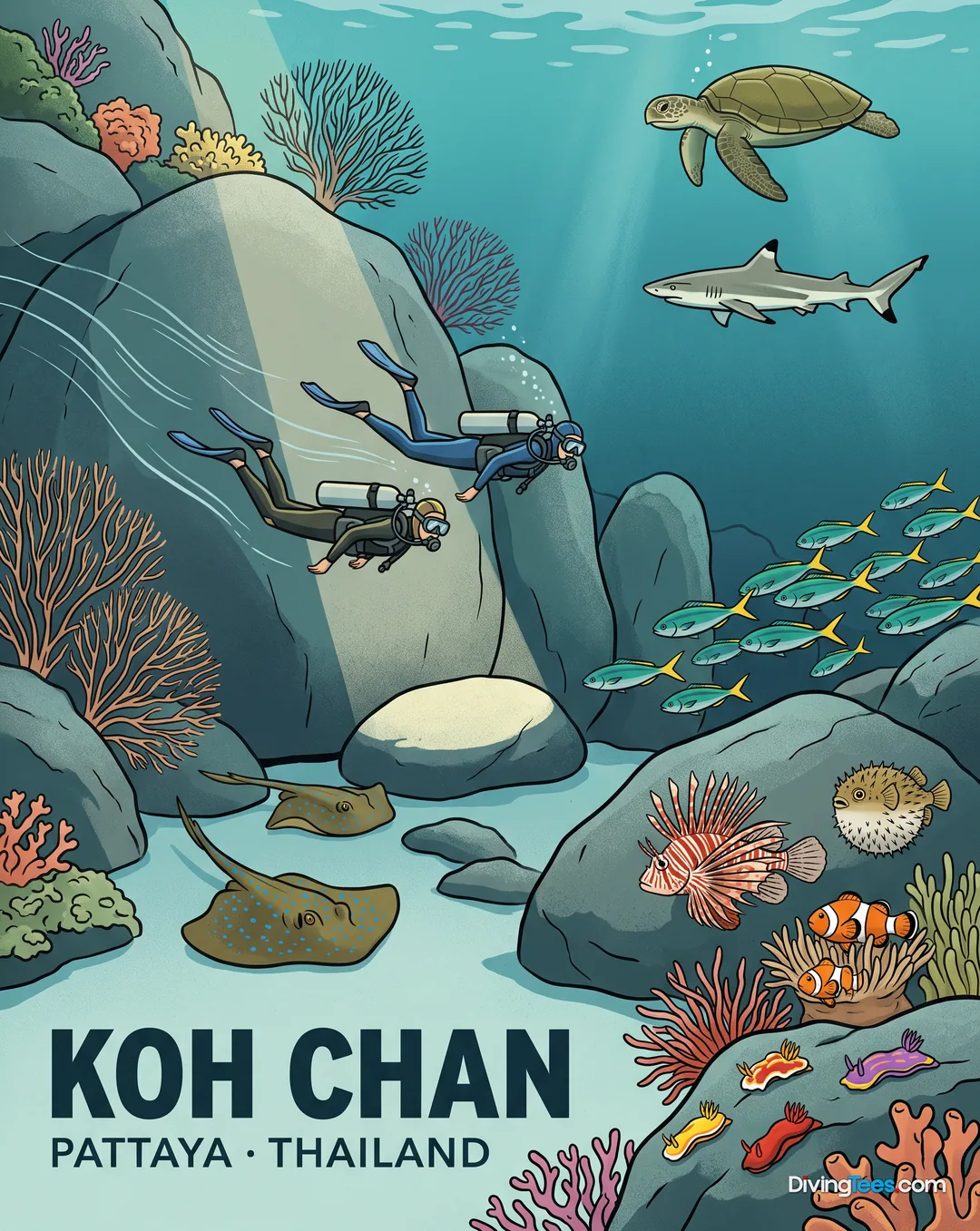
Beyond the smaller inhabitants, the reef supports a range of larger species as well. Blue spot stingrays (Neotrygon kuhlii) are frequently observed gliding over the sandy areas, and hawksbill turtles (Eretmochelys imbricata) can be seen foraging among the corals. Schools of cuttlefish are also regular visitors to the reef, often displaying their shifting colour patterns as you pass, adding dynamic movement to the underwater scene.
Koh Klung Badan is accessible to all certification levels, with depths ranging from 12 metres down to 22 metres. Visibility typically falls between 10 and 20 metres, offering clear views of the reef structures and marine life. While currents can vary, they are generally manageable, though a strong current may occasionally limit access to the deeper reef sections. The best time to dive this site is from August through January, when conditions for exploration and marine encounters are most favourable.
★ 4.9/5 (526 reviews)
22 km away as the crow flies

★ 4.9/5 (409 reviews)
23 km away as the crow flies
 RAID
RAID★ 4.9/5 (197 reviews)
20 km away as the crow flies

★ 5/5 (126 reviews)
21 km away as the crow flies