
Real Divers Pattaya PADI 5 Star IDC Center
Google 4.9/5 (527 reviews)
21 km away as the crow flies
Pattaya · Thailand · Asia
Max. depth · 30 mExplore Thailand's inaugural artificial reef, a purposefully sunk ex-USS LSM-469, now a thriving ecosystem and an ideal site for advanced wreck diving.
For subtitles in English: start the video firstthen click the gearat the top right of the video, select “Subtitles/CC”, then “Auto-translate” and choose “English”.
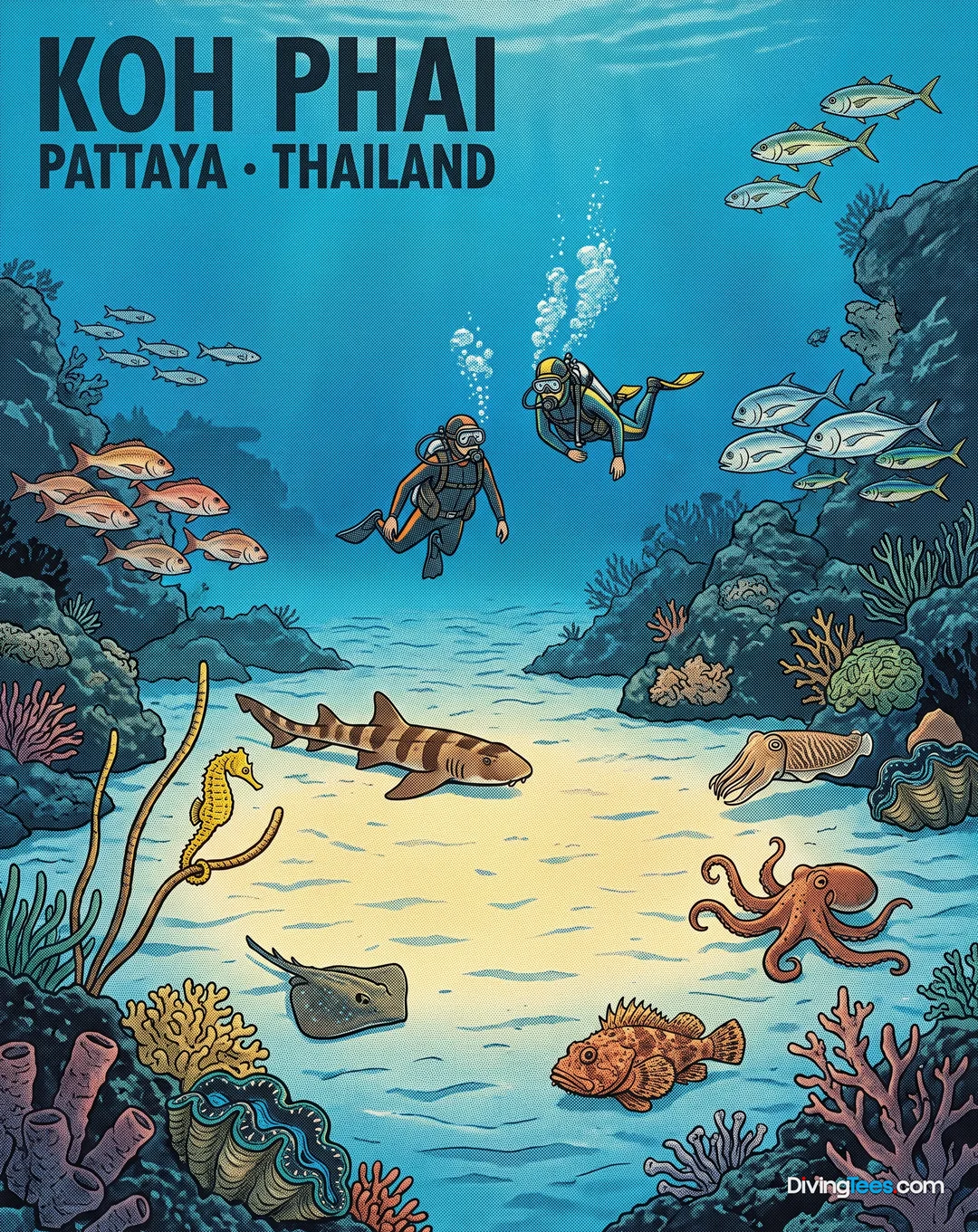
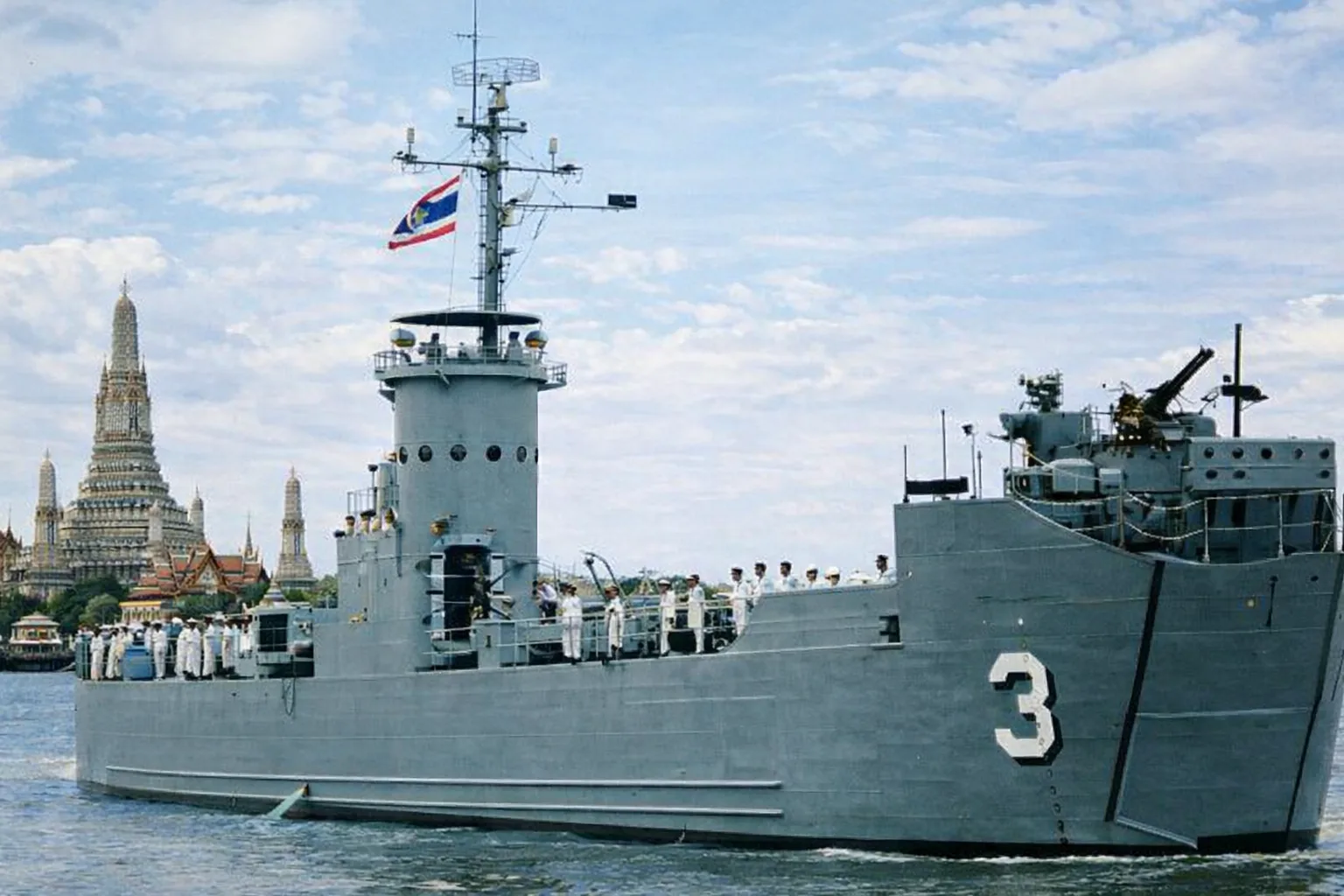
The HTMS Khram, an ex-USS LSM-469, was purposefully sunk in 2003 off Pattaya, near Koh Phai island, to form Thailand's inaugural artificial reef. This former Thai Navy vessel now lies upright on the seabed as a substantial artificial reef, its superstructure largely intact, providing a significant dive profile. The ship was specifically prepared by the Thai Navy beforehand, with potential hazards like armaments and oil removed, ensuring a dive site ready for exploration.
As you descend, the sheer scale of the HTMS Khram becomes apparent. The main deck is at approximately 15 metres, with the hull extending to a maximum depth of 28 metres. This depth range places most of the wreck within recreational diving limits, but requires careful air management and dive planning, especially for those wanting to spend time exploring the deeper parts. The wreck itself offers diverse topography for exploration, from its main decks to deeper sections, allowing divers to navigate around and through parts of its substantial framework.
The vessel offers a range of exploration, from open-water swimming along the main deck hallways to more advanced penetrations. Large access openings have been cut into the structure, allowing for easier entry and exit into areas like the engine room, which is accessible towards the stern. The interior provides defined routes, making certain sections secure for penetration diving. The engine room, for example, is open, with the main engines removed, creating a large, explorable void. For those with appropriate certification, some parts of the wreck offer a genuine challenge for reel work and hazard awareness, particularly within the 'black hole' of the bow doors.
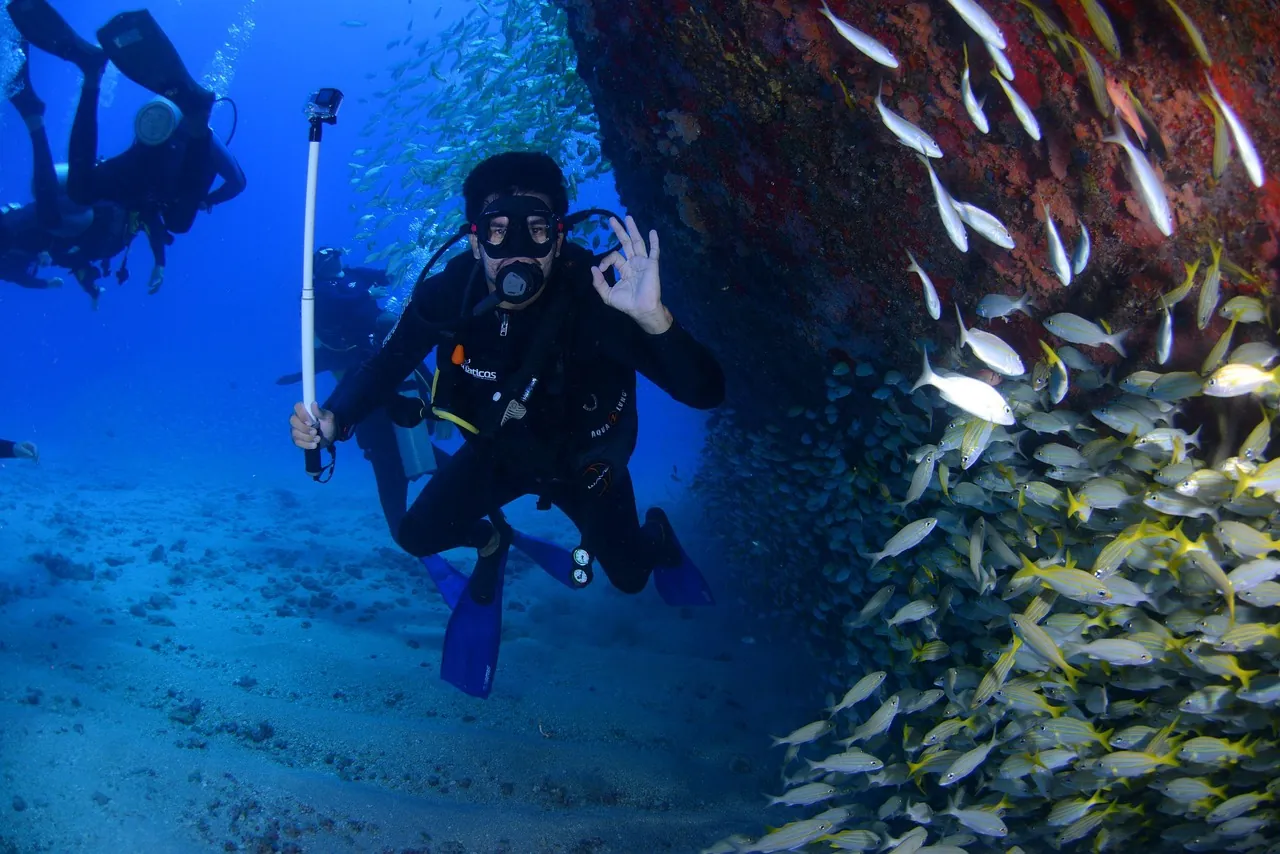
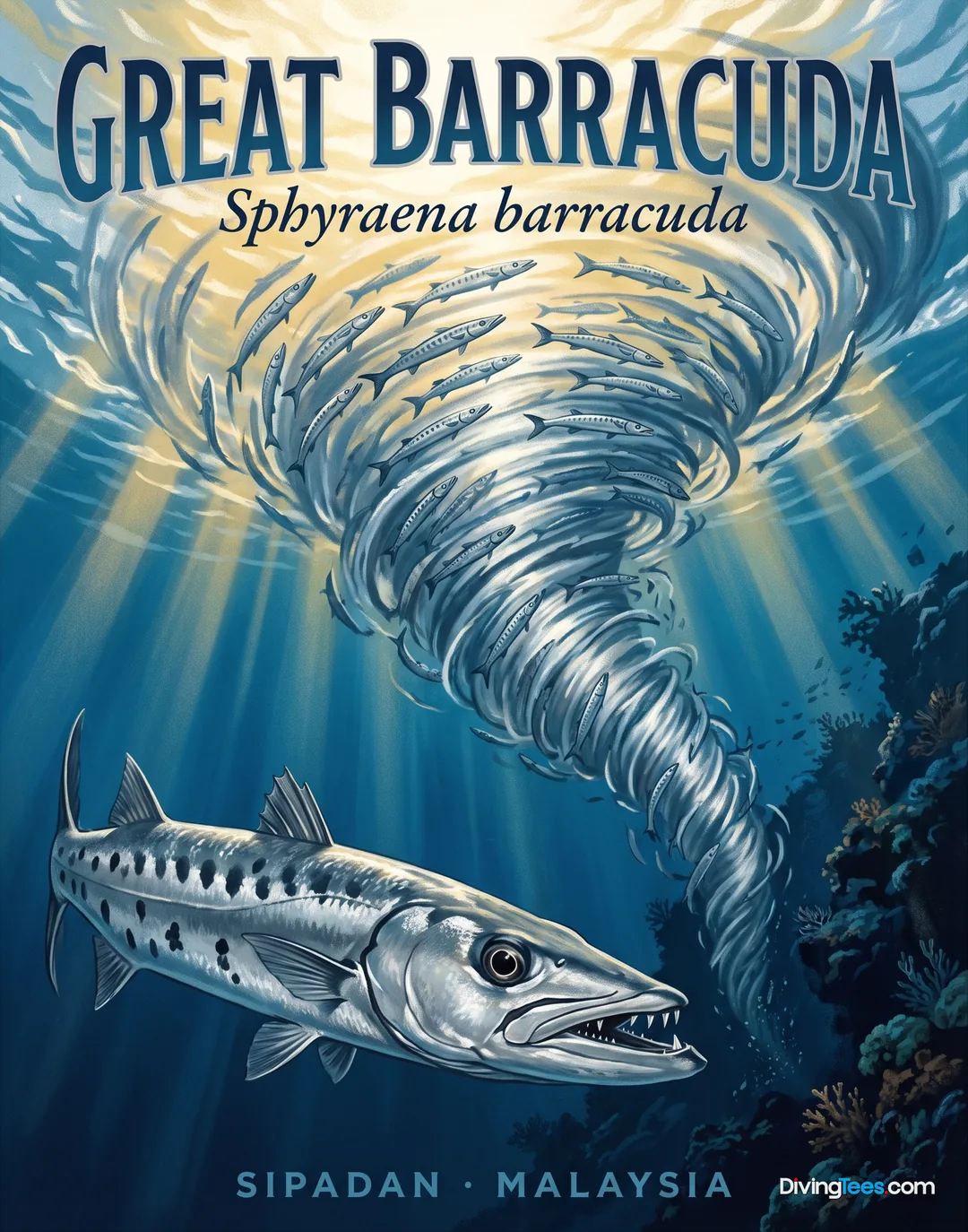
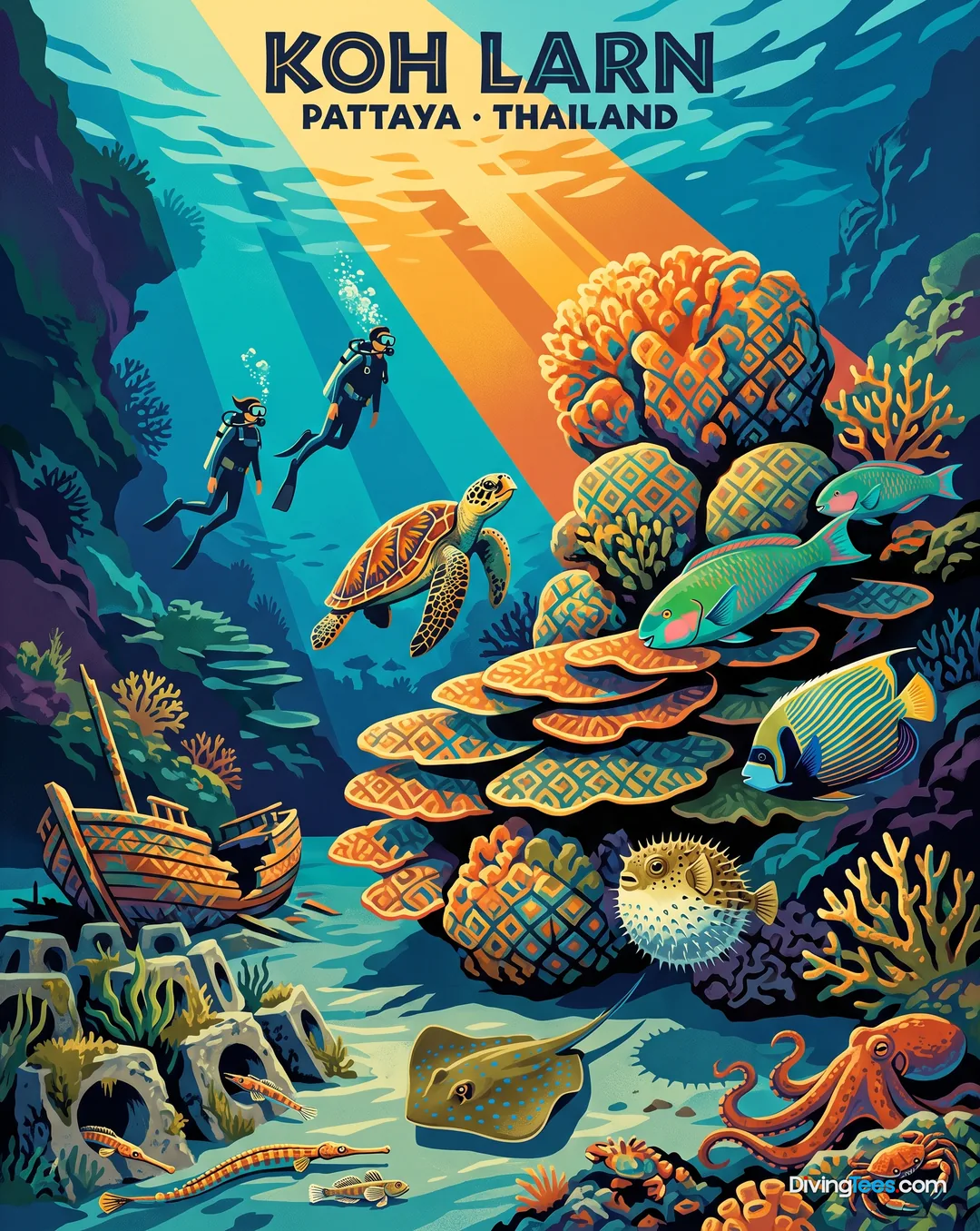
Life on the Khram is diverse. The wreck is encrusted with soft corals, sponges, and gorgonians. Corals have begun to colonize its surfaces, providing shelter and feeding grounds for smaller fish. The interaction between these organisms and the man-made structure creates a unique ecosystem, distinct from natural reefs. This continuous evolution makes each dive potentially different, with new growth and different inhabitants appearing over time, underscoring the ecological value of such deliberate underwater structures in supporting biodiversity. Keep an eye out for resident species like giant groupers and moray eels finding shelter within the ship's structure. Often, you will encounter schools of barracudas and trevally circling the wreck, with fusiliers moving in formation across the deck. The structure acts as a natural magnet for schooling fish, which often congregate around its higher points and within its more sheltered sections.
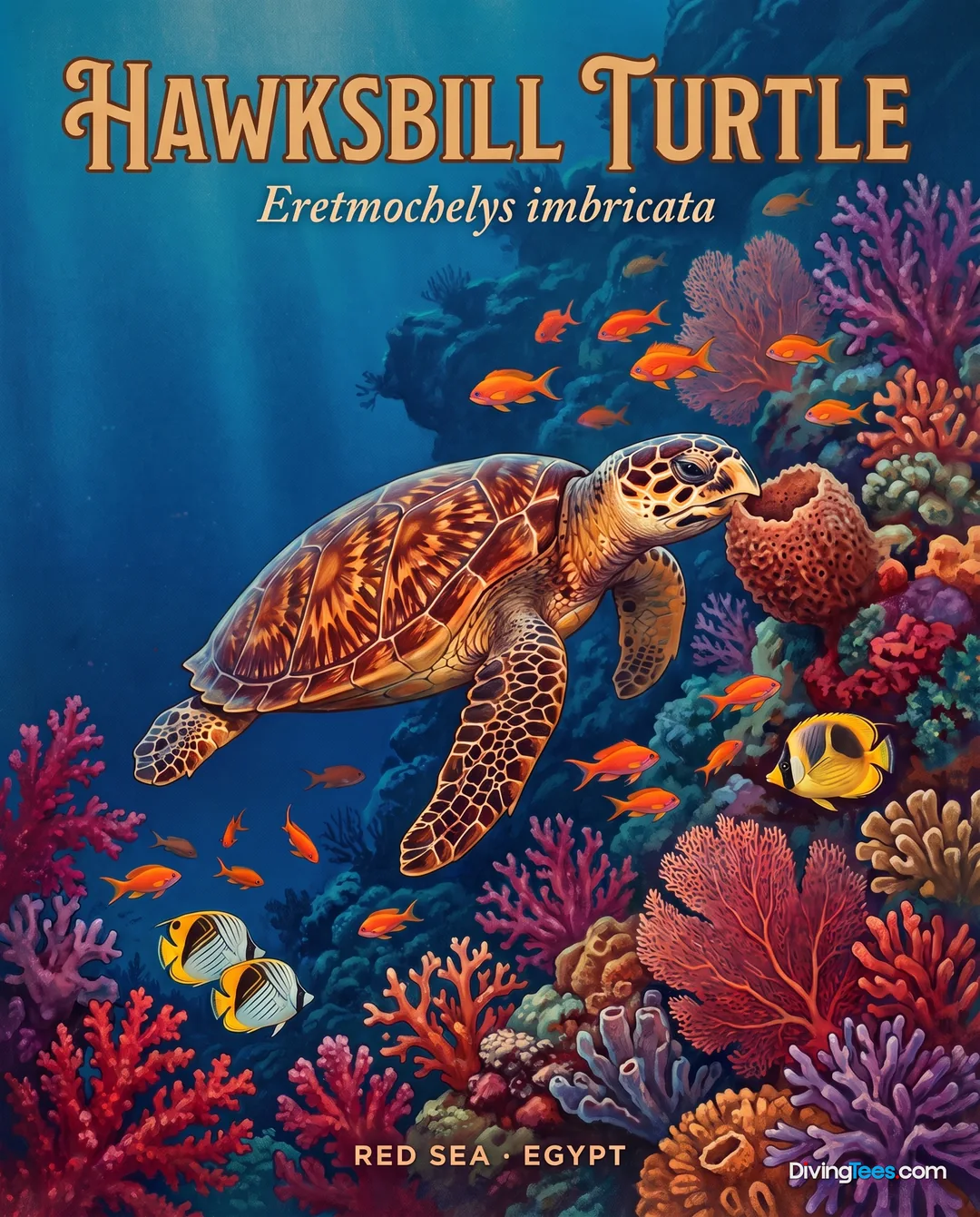
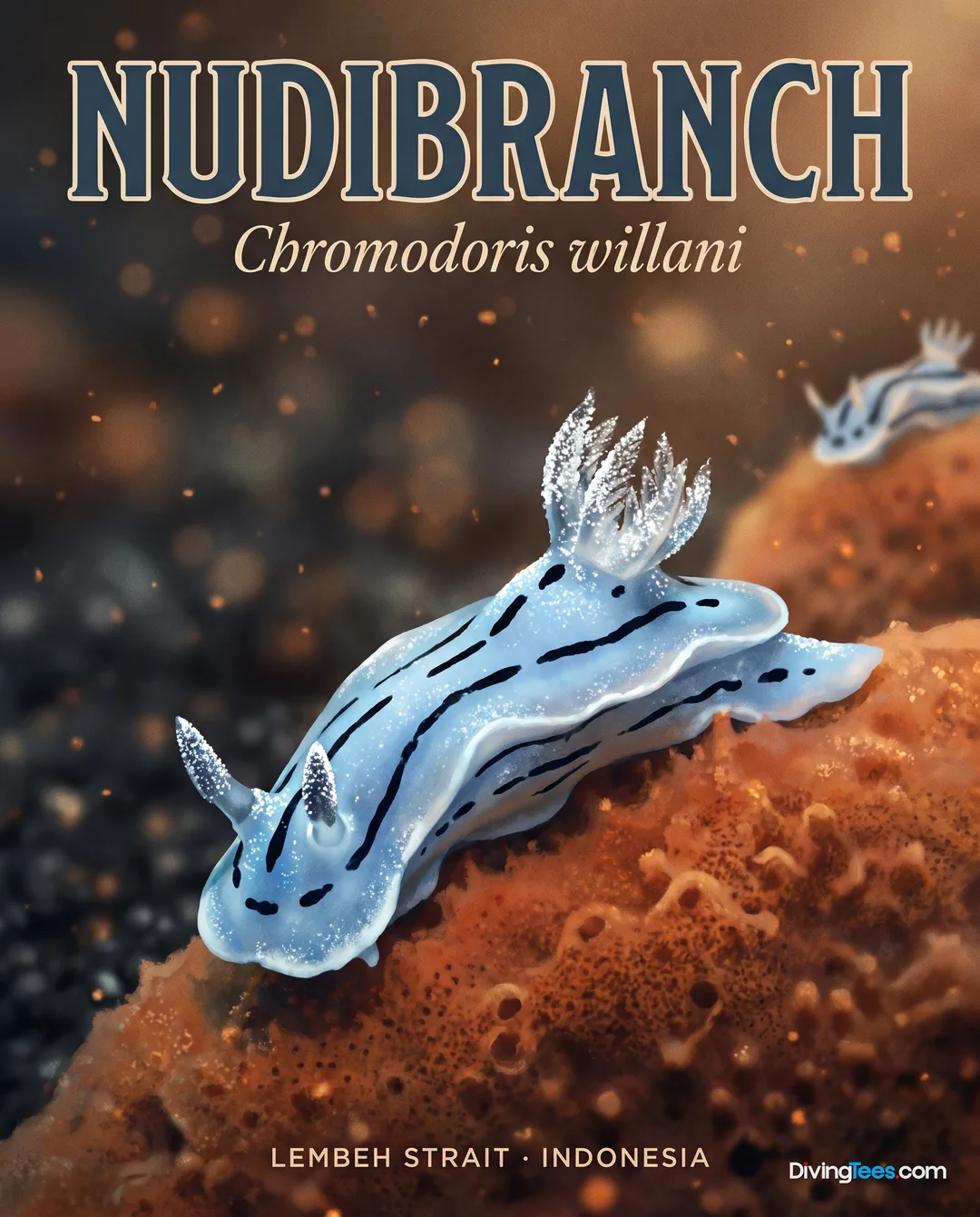
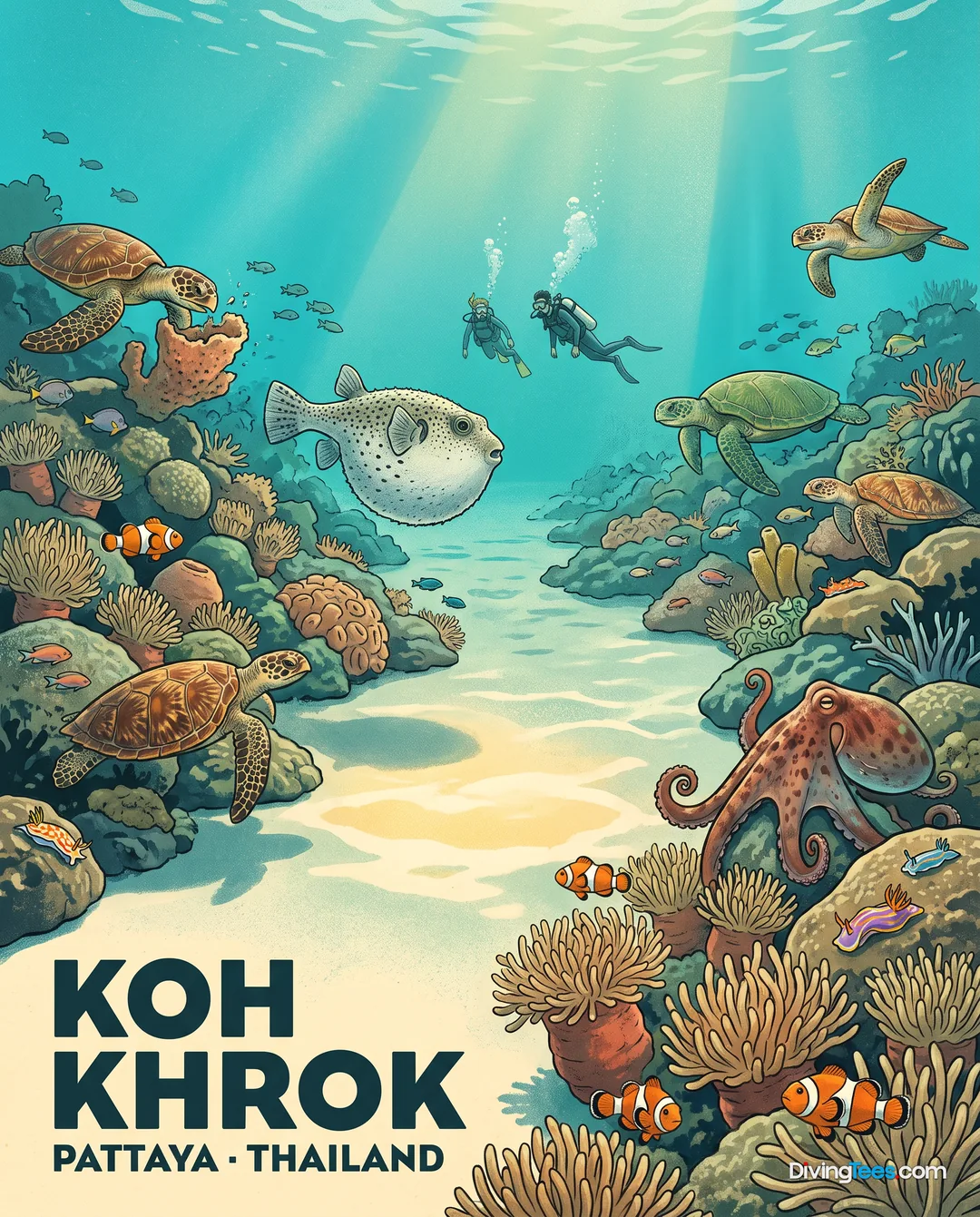
Near the belly of the ship, particularly on the deeper sections, stingrays are frequently encountered, often resting on the sand or under overhangs. The wreck also attracts other bottom dwellers such as scorpionfish, and you may spot smaller creatures like nudibranchs on the hull. Bamboo sharks are known to inhabit the quieter sections of the wreck, and juvenile marine life often congregates in sheltered areas. The HTMS Khram is particularly noted for its population of Hawksbill turtles (Eretmochelys imbricata) and giant green sea turtles. These turtles are frequently encountered navigating the wreck's structure, often foraging amongst the growth that now covers its surfaces. Their presence is a reminder of the wreck's success as an artificial reef, providing essential habitat for species that might otherwise struggle in more barren areas.
Wreck diving on the HTMS Khram offers a structured environment for skill development, making it an ideal location for PADI Wreck Diver training. The vessel's intact form provides clear entry and exit points for controlled penetration exercises, under direct supervision. Divers can practice navigation around a complex structure, understanding ambient light changes as they explore internal sections, and honing buoyancy control in tighter spaces. This practical, real-world application of wreck diving principles is what sets the Khram apart as a training ground, preparing divers for deeper, more intricate wreck explorations in the future.
The HTMS Khram Wreck is an advanced dive, though some sections are accessible to divers with an Open Water Diver certification and experience in current. Divers holding an Advanced Open Water certification will find the site particularly suitable. The dive profile ranges from a minimum of 15 metres on the deck to a maximum depth of 28 metres at the deepest points of the hull. Visibility generally ranges from 5 to 30 metres, with an average around 8 metres; it can increase to 30 metres early in the good season, but is often closer to the lower end depending on the season and local conditions. Currents are typically moderate, but can strengthen, especially during tidal changes; plan your dive profile accordingly. Pattaya's year-round dive season generally offers consistent conditions, with water temperatures around 28°C. The period from November to March generally offers the most favourable conditions for diving this site, with clearer waters.
You can dive the HTMS Khram Wreck year-round in Pattaya, with water temperatures around 28°C. The period from November to March generally brings more favourable conditions and clearer water. Visibility varies with the season and local conditions, and can reach 30 metres early in the good season.
The HTMS Khram Wreck is an advanced dive. Some sections are accessible to Open Water Divers who have experience in current, while Advanced Open Water Divers will find the site particularly suitable. Appropriate certification is required for penetration areas, including the engine room and bow doors, with careful planning and hazard awareness.
The HTMS Khram Wreck ranges from 15 metres on the deck to 28 metres at the deepest parts of the hull. Currents are typically moderate but can strengthen during tidal changes, so you should plan your dive profile accordingly and manage your air carefully when exploring deeper sections.
At the HTMS Khram Wreck, you can explore an intact artificial reef covered with corals, sponges, and gorgonians. Hawksbill turtles and giant green sea turtles are frequent visitors, while barracudas, trevally, and fusiliers school around the structure. You may also see stingrays, giant groupers, moray eels, scorpionfish, bamboo sharks, and nudibranchs.