
Real Divers Pattaya PADI 5 Star IDC Center
Google 4.9/5 (527 reviews)
42 km away as the crow flies
Pattaya · Thailand · Asia
Max. depth · 18 mDescend along the southern cap of Koh Chan, where large boulders give way to a sloping reef rich in gorgonians and whip corals, often visited by blue-spotted stingrays.
For subtitles in English: start the video firstthen click the gearat the top right of the video, select “Subtitles/CC”, then “Auto-translate” and choose “English”.
Koh Chan is situated about 10 kilometers south of Samae San Pier, part of the chain of islands at the southern end of Samae San. The island's geography allows for dives on either side, depending on prevailing winds and currents, providing sheltered options when conditions pick up. The dive typically begins with a descent onto the reef itself, following its contours as it slopes gently before dropping quickly at the deeper sections.
The southern and southeastern caps of Koh Chan present the most developed reef structures. Here you navigate along massive boulders that have detached from the cliffs above, now serving as anchors for extensive growth. These rocks are covered with gorgonian sea fans, whip corals, and a mix of hard and soft corals, creating a complex habitat where many species find shelter and feeding grounds. Focus your attention around these formations for smaller macro life.
The reef continues its descent, moving from a gradual slope to a more abrupt drop-off where the larger formations are found. This area, particularly the southeastern cap, is where you'll encounter a greater density of marine life due to the varied topography and the influences of stronger currents. Visibility here can range from 5 to 15 meters, offering clear perspectives on the reef's structure and its inhabitants.
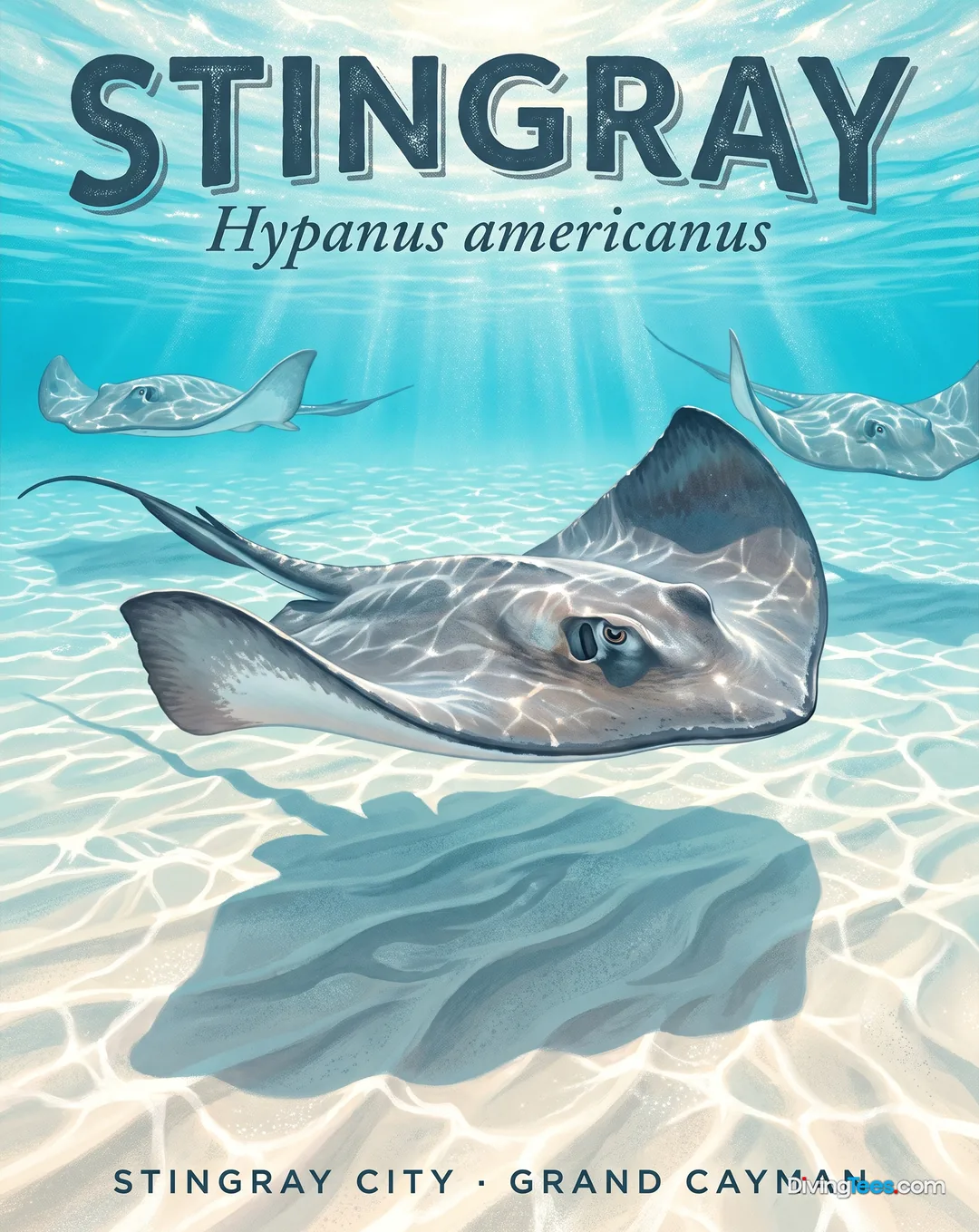
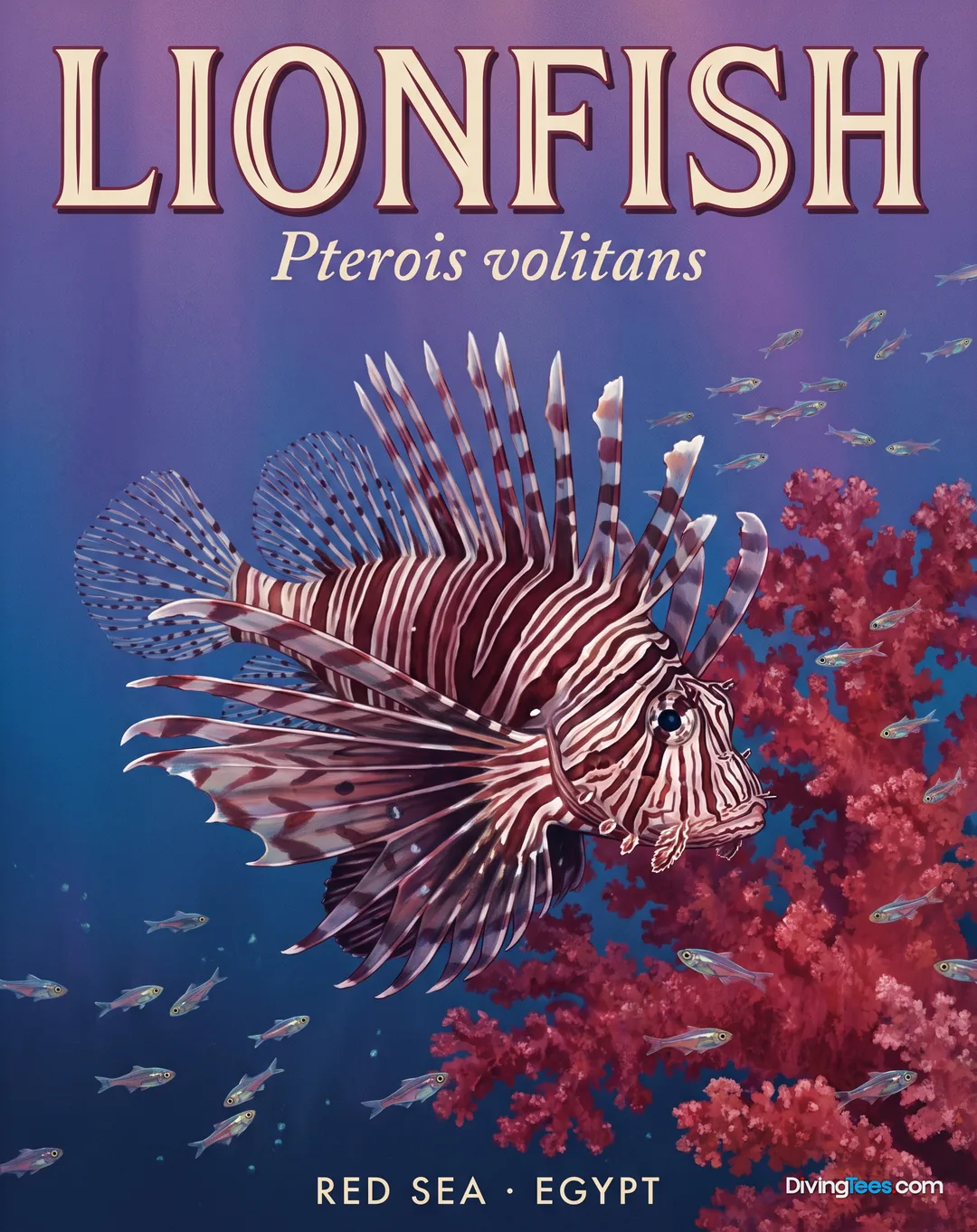
Fauna observations at Koh Chan frequently include blue-spotted stingrays (Neotrygon kuhlii) resting on the sandy patches or cruising over the corals. Schools of yellow-tail fusiliers (Ceasiosoma spp.) are a common sight, often seen feeding in the active current areas, particularly around the cap. You'll also encounter lionfish (Pterois spp.) hunting along the reef, and the occasional blacktip reef shark (Carcharhinus melanopterus) patrolling the deeper sections.
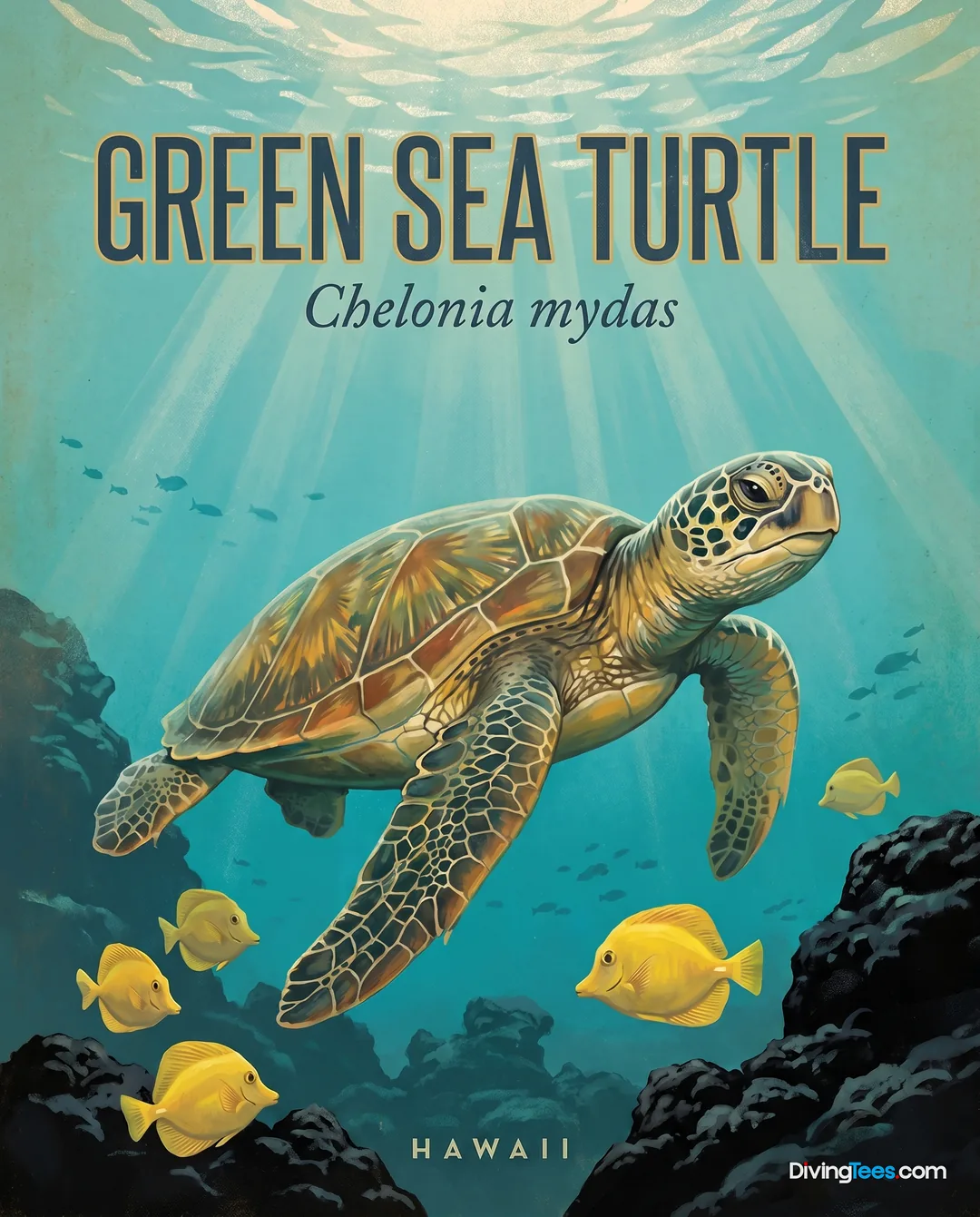
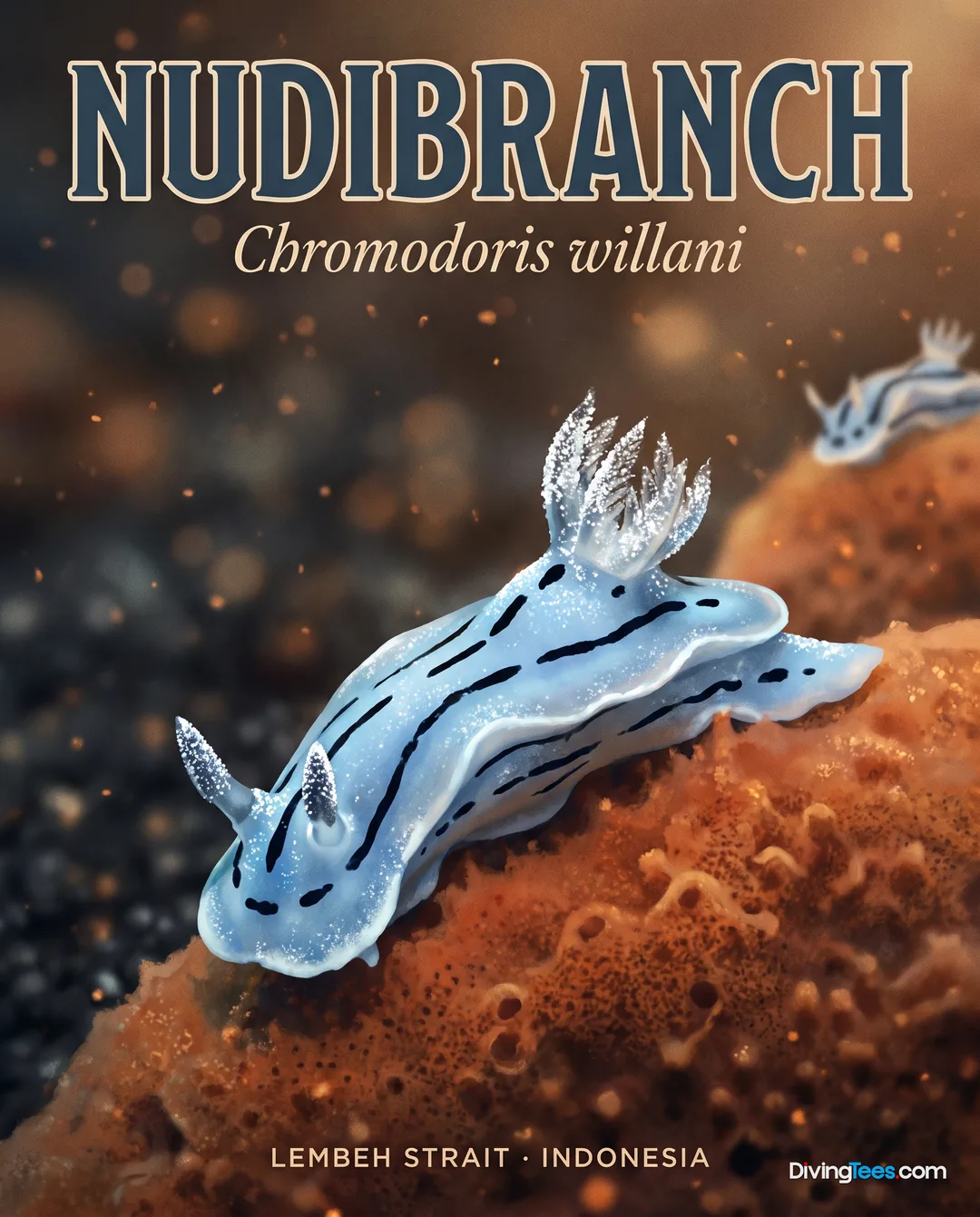
The interior bay of Koh Chan is shallower and typically has little to no current, making it an ideal environment for newer divers to acclimate to open water conditions, or for snorkelers. This protected section still hosts a variety of smaller reef inhabitants, including nudibranchs, pufferfish, and clownfish (Amphiprioninae) within their anemones. Green turtles (Chelonia mydas) are also frequently present, sometimes found feeding or resting in the shallower beds.
Koh Chan is accessible for divers of all levels, with shallow, protected areas suitable for beginners down to 15 meters. Experienced divers can explore the deeper reef sections down to 18 meters, particularly around the southeastern cap. Currents here are generally noted as none to moderate, but they can pick up significantly around the deeper caps, especially with tidal changes or shifting winds, making a return to the boat more challenging. Visibility typically ranges between 5 and 15 meters. The dive site is generally good for diving year-round.
Koh Chan is generally suitable for diving year-round. The island’s layout allows dives on either side, depending on prevailing winds and currents, so sheltered options may be available when conditions pick up. Visibility typically ranges from 5 to 15 meters, offering views of the reef and its marine life.
Koh Chan is accessible to divers of all levels. Its shallow, protected bay suits beginners and snorkelers, with beginner diving down to 15 meters. Experienced divers can explore deeper reef sections, particularly around the southeastern cap, where the site reaches 18 meters and the reef drops more abruptly.
At Koh Chan, currents are generally absent to moderate, especially in the interior bay, where newer divers can acclimate to open water conditions. Currents can become significantly stronger around the deeper caps, particularly with tidal changes or shifting winds, making the return to the boat more challenging.
At Koh Chan, you can see blue-spotted stingrays on sandy patches, yellow-tail fusiliers in active current areas, green turtles in shallower sections, and lionfish along the reef. The site also shelters nudibranchs, pufferfish, clownfish, gorgonian corals, whip corals, hard and soft corals, and occasional small blacktip reef sharks.