
Real Divers Pattaya PADI 5 Star IDC Center
Google 4.9/5 (527 reviews)
40 km away as the crow flies
Pattaya · Thailand · Asia
Max. depth · 28 mDescend onto the Hardeep Wreck, an 80-meter cargo vessel resting on its starboard side, where light shafts pierce into the cargo holds known as the 'Cathedral'.
For subtitles in English: start the video firstthen click the gearat the top right of the video, select “Subtitles/CC”, then “Auto-translate” and choose “English”.
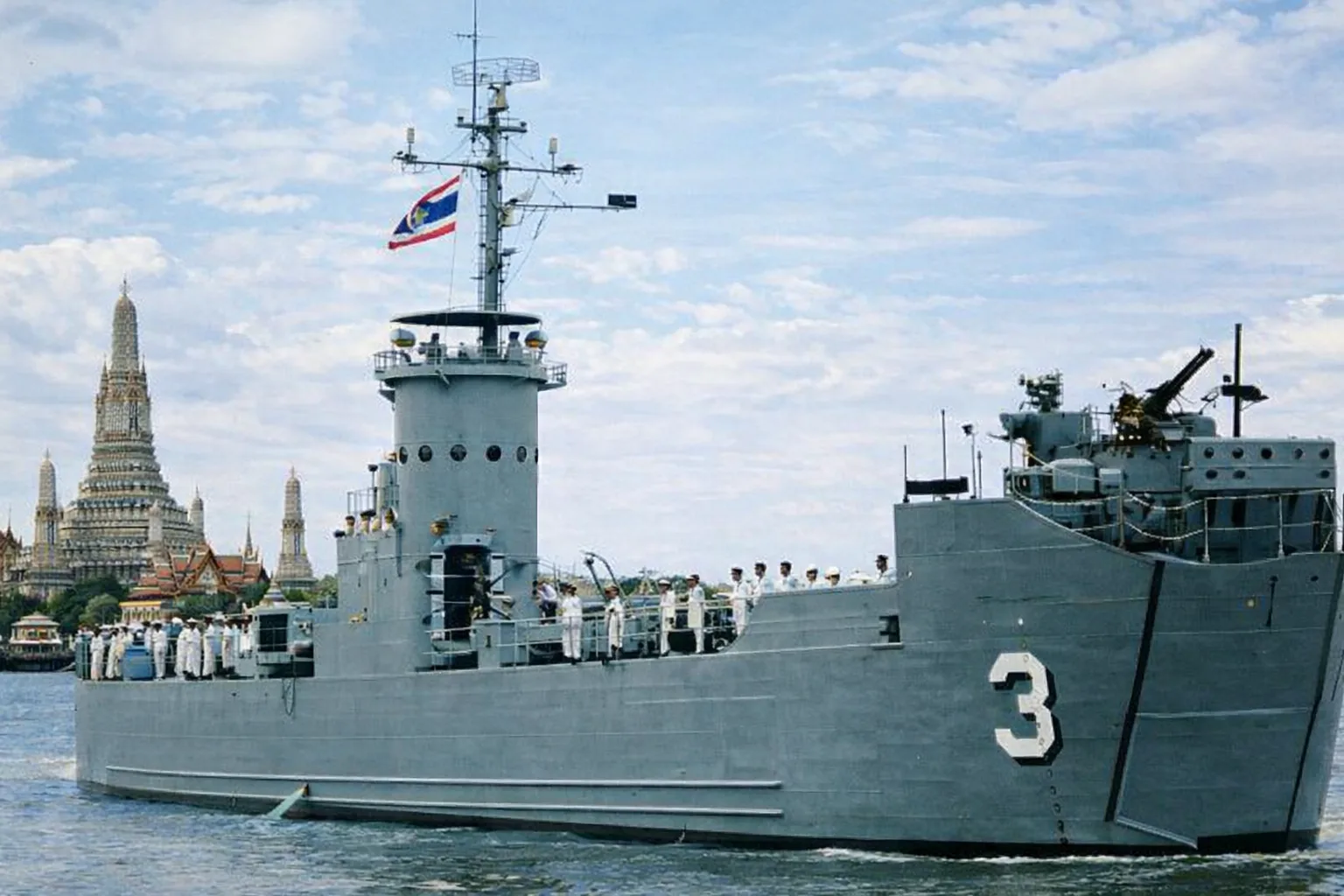
The Hardeep Wreck, originally the SS Suddathip, is an 80-meter cargo vessel that met its end during World War II, sunk by Allied bombers in 1945. It lies off Sameasan, close to Koh Chuang, resting on its starboard side in sand at a maximum depth of 28 metres. The wreck's structure, while deteriorating over time, offers a substantial canvas for coral growth and a complex environment to explore.
Approaching the Hardeep, you'll see the outline of a ship now largely encrusted with sponge corals, a testament to its long immersion. The hull is in a process of disintegration, revealing more of its internal structure. This natural breakdown creates numerous entry points and shelters for marine life, transforming the cargo ship into a vibrant artificial reef system.
Penetrating certain sections of the Hardeep is possible, but requires caution due to the ongoing structural decay. The large, open cargo holds are a highlight, often referred to as the 'Cathedral' because of the way light penetrates through overhead openings, creating dramatic beams in the darker interior. This effect is particularly striking on clear days, illuminating the scale of the holds.
Within the wreck, the engine room remains accessible, and you can still observe the crankshaft in place, a tangible link to the ship's operational past. This core area provides a glimpse into the vessel's mechanics, offering a different perspective compared to the more open cargo sections. While penetration can be rewarding, assess conditions and your own comfort level before entering confined spaces.
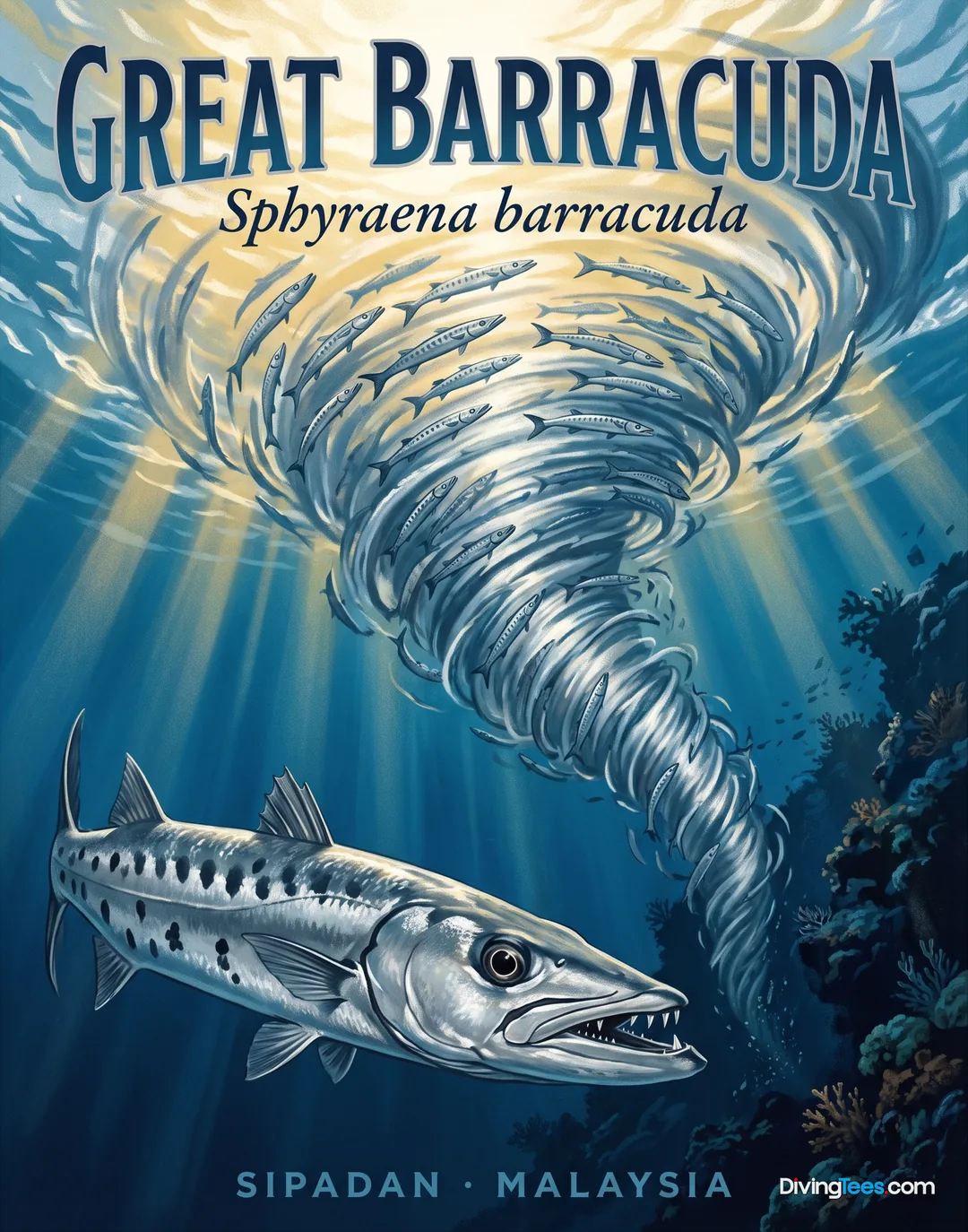
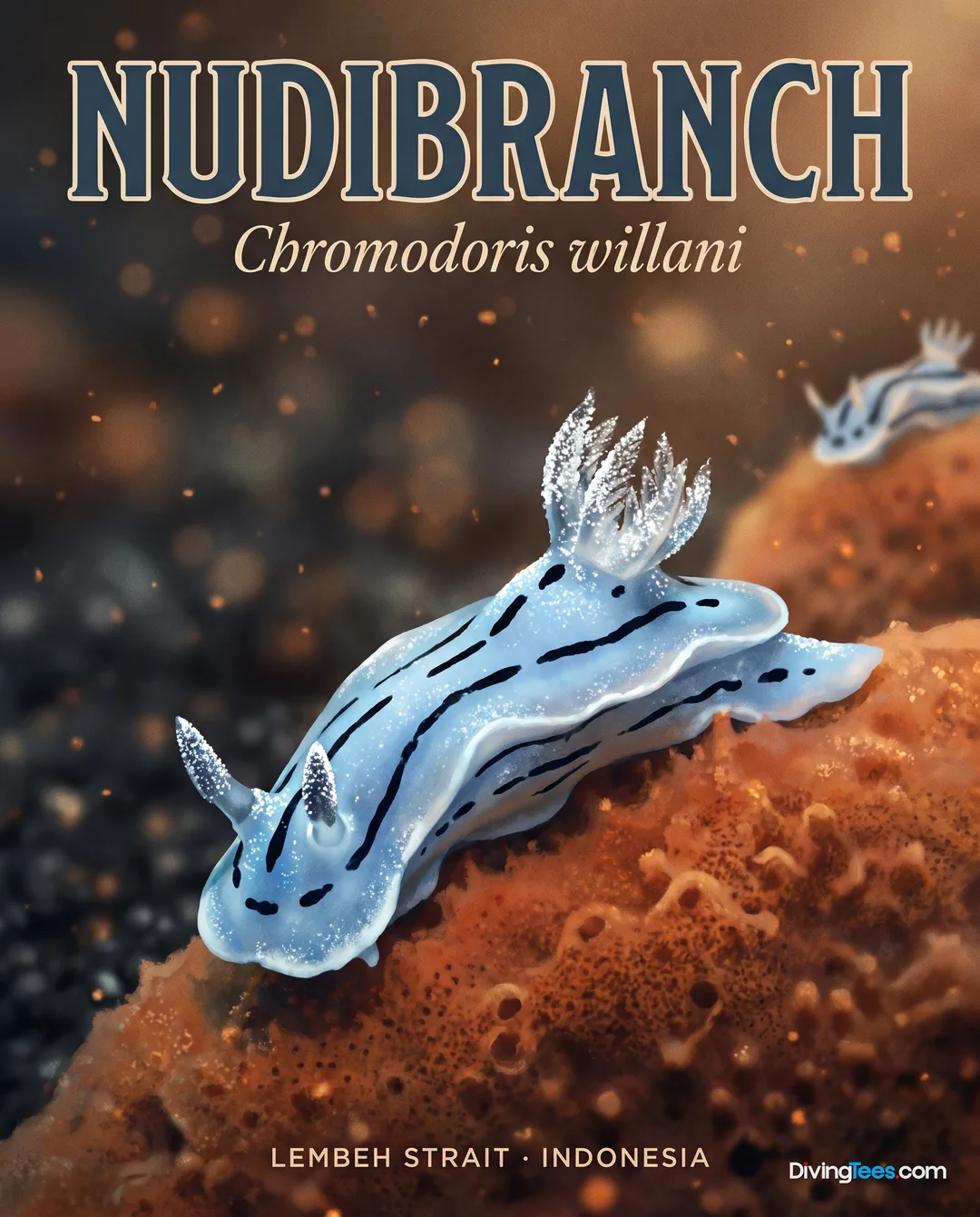
The Hardeep Wreck attracts a significant amount of marine life. You'll encounter schooling barracudas (Sphyraenidae) often circling above the wreck, alongside batfish (Platax) and snappers (Lutjanidae). Look closely for various species of nudibranchs (Nudibranchia) on the coral growth, and stingrays (Dasyatidae) camouflaged on the sandy bottom surrounding the hull.
Other resident species include tuskfish (Choerodon), scorpionfish (Scorpaenidae) concealed among the corals, and angelfish (Pomacanthidae) navigating the nooks and crannies of the superstructure. Turtles (Cheloniidae) are also observed around the wreck, often resting or foraging on the abundant marine growth. This varied marine population thrives in the shelter and food sources provided by the wreck's extensive surface.
Visibility at the Hardeep can vary significantly; it can be as low as 5 metres but extend up to 30 metres. This variability is often seasonal, with clearer conditions typically expected between November and March. Currents here are generally manageable, but as with any wreck dive, be prepared for potential changes, particularly around the deeper sections and during tidal shifts.
The Hardeep Wreck is an advanced dive, reaching a maximum depth of 28 metres. Divers should possess an Advanced Open Water certification and have experience with wreck diving or at least 50 logged dives to comfortably manage the depth and potential for penetration. Visibility can range from 5 metres to 30 metres, with the best conditions generally found between November and March. Currents are typically mild, but awareness of potential shifts is always prudent for a wreck dive.
You can encounter visibility ranging from 5 metres to 30 metres at Hardeep Wreck. The clearest conditions are generally found between November and March, although visibility varies. Currents are typically mild, but you should remain alert to possible changes, particularly around the deeper sections and during tidal shifts.
Hardeep Wreck is an advanced dive. You should hold an Advanced Open Water certification and have wreck-diving experience or at least 50 logged dives to manage the depth and potential penetration comfortably. Some sections can be entered, but the wreck is deteriorating, so assess conditions and your comfort before entering confined spaces.
Hardeep Wreck reaches a maximum depth of 28 metres and rests on its starboard side in sand. Currents are generally manageable and mild, but you should stay prepared for potential shifts around deeper sections and during tidal changes. The depth and wreck environment make appropriate advanced experience important for a comfortable dive.
You can explore a World War II cargo ship covered in sponge corals, including the light shafts in its Cathedral cargo holds and the crankshaft in the engine room. Marine life includes schooling barracudas, batfish, snappers, nudibranchs, stingrays, tuskfish, scorpionfish, angelfish, and turtles around the artificial reef.