

Real Divers Pattaya PADI 5 Star IDC Center
Google 4.9/5 (527 reviews)
25 km away as the crow flies
Pattaya · Thailand · Asia
Max. depth · 24 mExplore Koh Phai's diverse dive profiles, from extensive coral gardens and walls to sand flats ideal for muck diving, revealing a different side of Pattaya's underwater ecosystem.
For subtitles in English: start the video firstthen click the gearat the top right of the video, select “Subtitles/CC”, then “Auto-translate” and choose “English”.
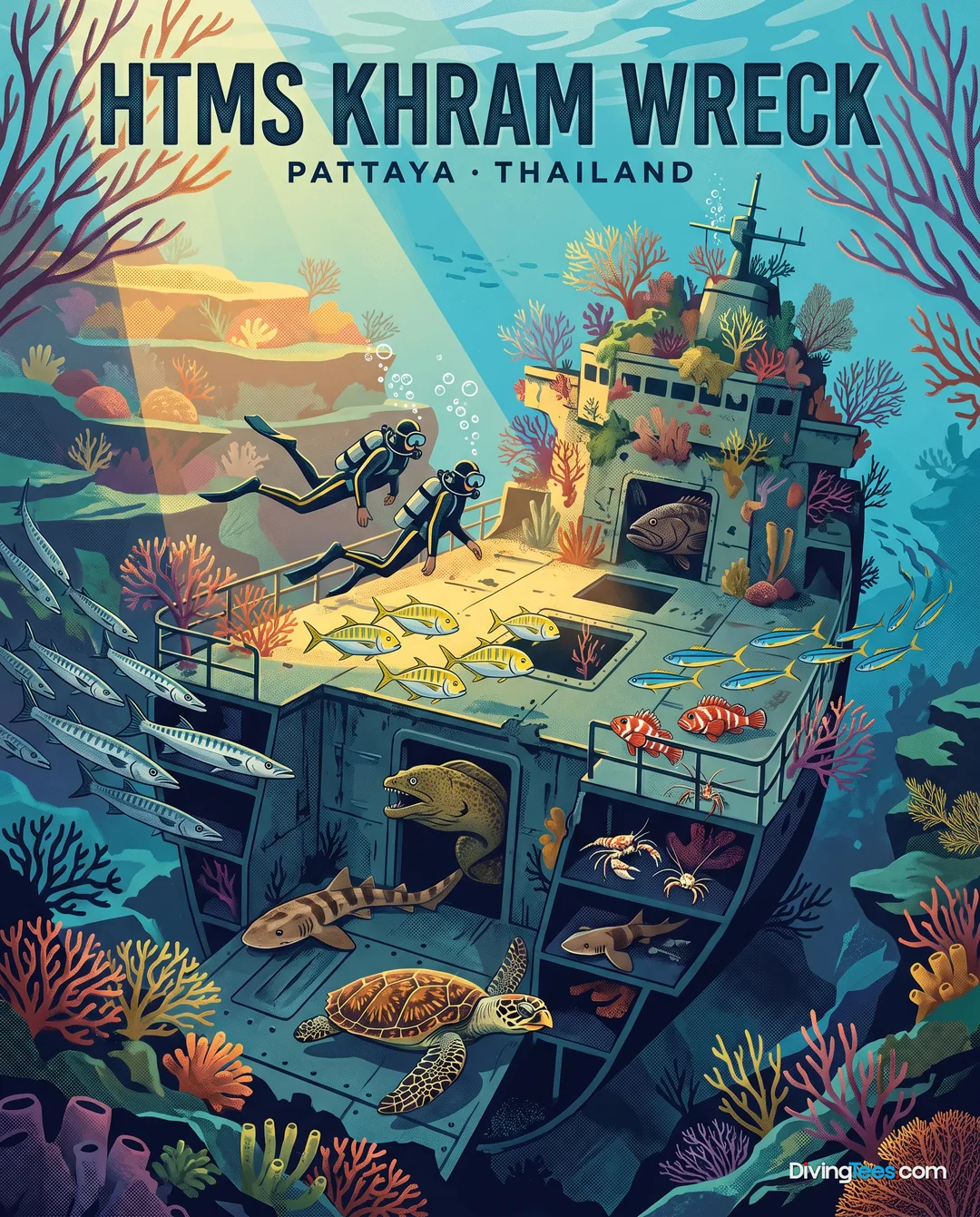
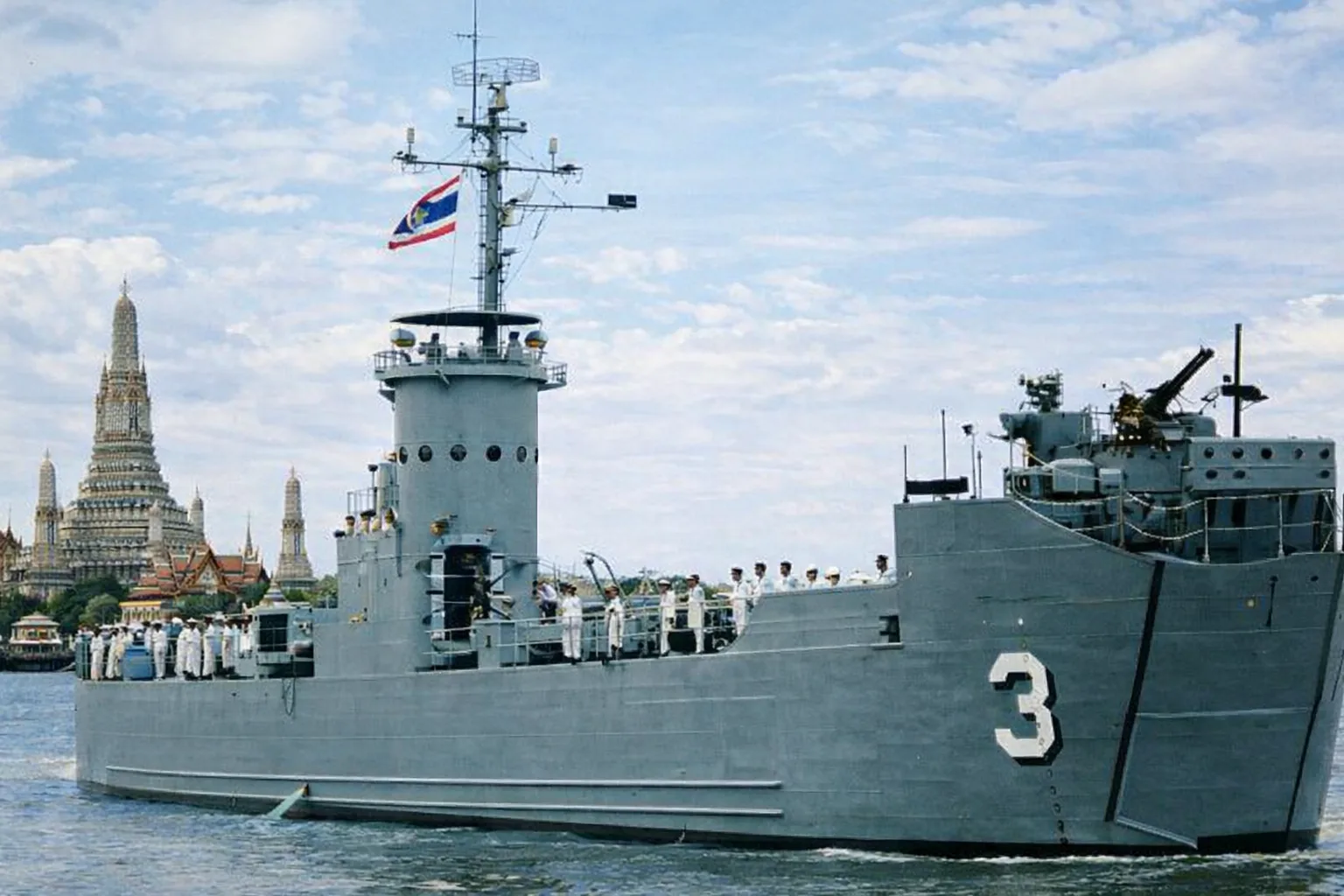
Koh Phai is often referred to as Bamboo Island, taking its name from the surrounding vegetation. As one of the larger outer islands of Pattaya, it offers distinct dive zones, each presenting a different underwater landscape. The eastern side, particularly Koh Phai East, features a small bay fronting the HTMS Khram wreck, though the island itself presents its own unique topography. This eastern stretch is characterized by its coral line extending from south to north, making it a prime location for drift dives when conditions are right.
The southern end of Koh Phai opens into a substantial white sand beach, which serves as a starting point for dives that transition into exploration of the coral line. This area allows you to begin a dive over sand and then follow the reef structure as it changes. The reef here on the eastern side is noted for its soft corals, sponge-encrusted rocks, and sizeable star corals. As you move into the south bay of Koh Phai, the coral composition shifts, presenting smaller sponges, gorgonian fans, and other fan corals, creating a vivid backdrop for marine life.
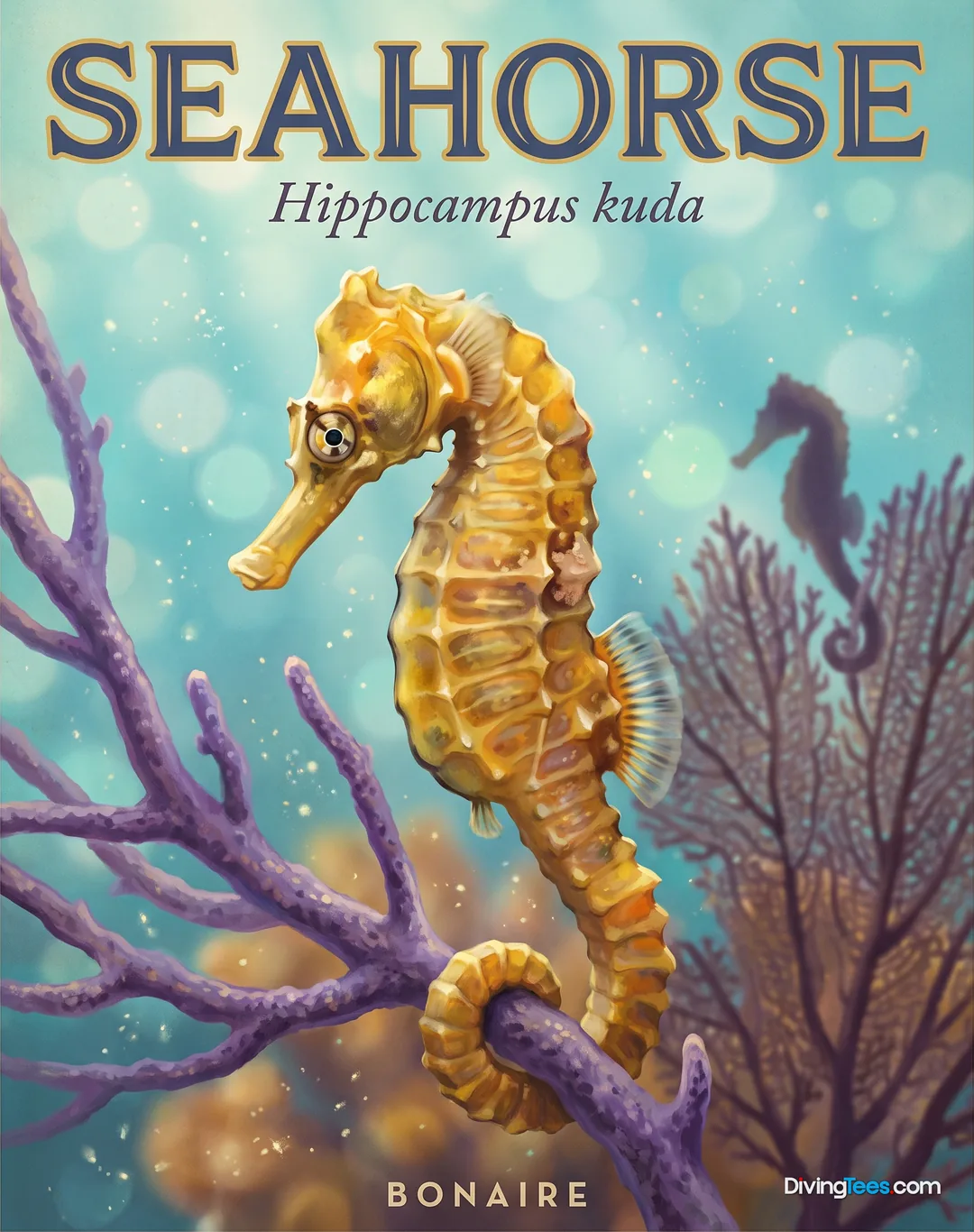
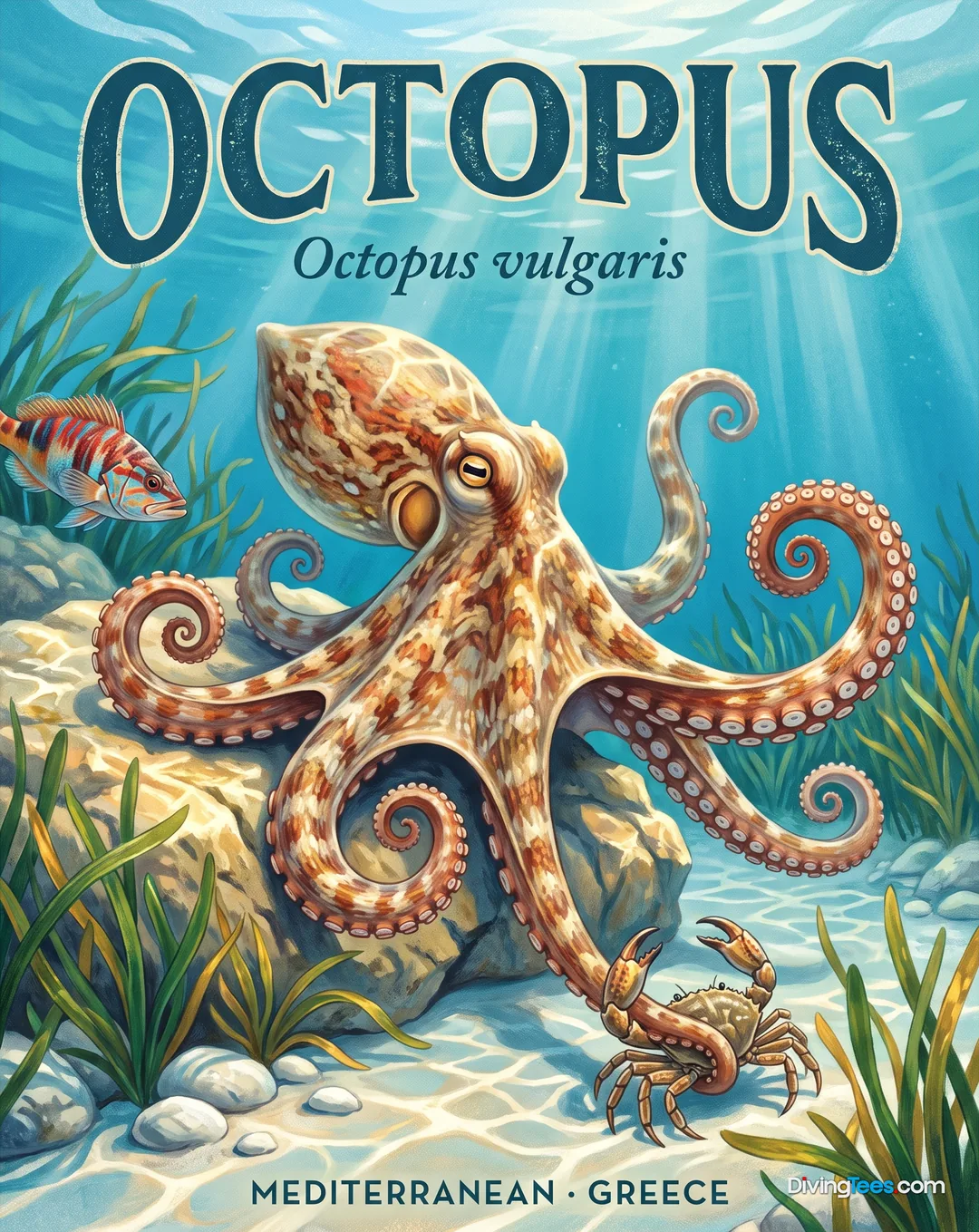
Below the vibrant reef lines, Koh Phai's sand flats are excellent for muck diving. Here, the focus shifts from expansive coral formations to the smaller, cryptic creatures that inhabit the sandy bottom. Keep an eye out for shrimp, various nudibranch species, and octopus (Octopus vulgaris) that blend expertly with their surroundings. Seahorses (Hippocampus kuda) are also resident in these areas, along with stone fish, including the bumphead scorpionfish (Scorpaenopsis diaboli) and demon stingers (Inimicus didactylus), masterfully camouflaged against the substrate.
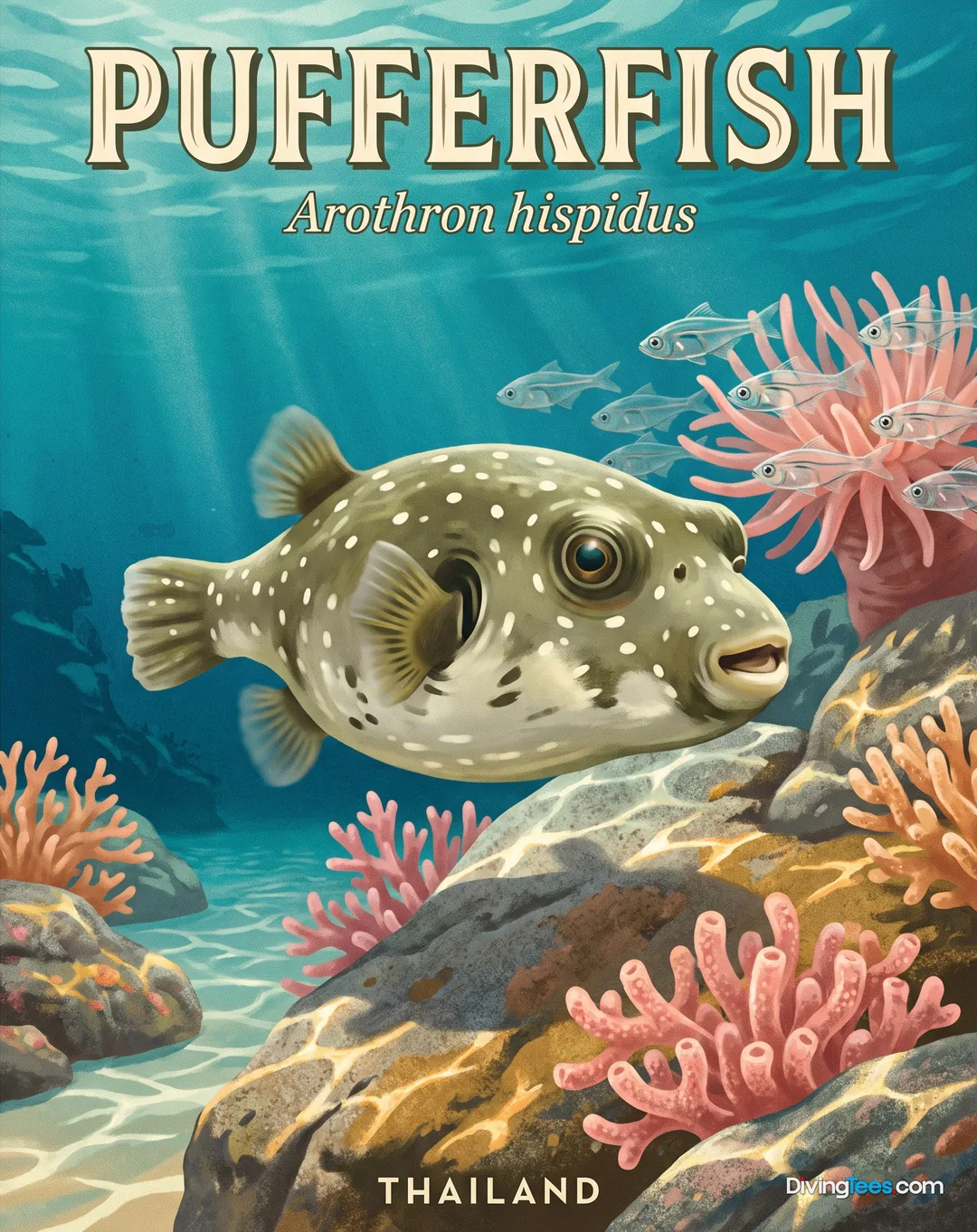
While the macro life is a significant draw, there's also a chance to encounter larger marine species around the island. Bamboo sharks (Chiloscyllium punctatum) are a notable presence, often found resting on the seabed. Stingrays (Dasyatis pastinaca), parrotfish (Scaridae family), wrasse (Labridae family), and pufferfish (Tetraodontidae family) are commonly sighted navigating the reefs. Damsels (Pomacentridae family), giant clams (Tridacna gigas), and schools of juvenile snappers (Lutjanidae family), jacks (Carangidae family), fusiliers (Caesionidae family), and mullets (Mugilidae family) contribute to the busy reef ecosystem.
Currents at Koh Phai can be a factor you'll need to consider. While some areas are relatively sheltered, particularly within the bays, strong Eddie currents can develop, especially as you enter a bay or move around specific headlands. These currents sometimes require significant finning, but they also contribute to the health of the reef and the diversity of marine life by bringing in nutrients. Understanding the local current patterns and planning your entry and exit points accordingly will allow you to make the most of your dive.
Visibility at Koh Phai can be highly variable, ranging from 8 metres up to 30 metres. This range is influenced by factors such as tides, recent weather, and the specific dive site around the island. Often, better visibility is found further offshore or during specific seasons. Plan your dive with this variability in mind; while a clear day offers expansive views, even on days with reduced visibility, the close-up macro opportunities in the sand and among the corals remain. The site offers multiple options, allowing for adaptability depending on daily conditions.
Dive depths at Koh Phai typically range from 10 metres to 24 metres, accommodating various experience levels. While some sections are recommended for all diver levels, including entry-level certified divers, the presence of strong, dynamic Eddie currents means that divers with more experience, particularly in managing current, will have a more comfortable and rewarding experience. Visibility can fluctuate significantly, from 8 metres to 30 metres, influenced by local conditions and seasonality. The best times to dive Koh Phai are generally through July and August, then again from November to January, when conditions tend to be more favourable.
Koh Phai generally offers more favourable diving conditions from July through August and again from November through January. Visibility can change with local conditions and seasonality, so you should remain adaptable. Depending on the day, clearer water may be found further offshore, while reduced visibility can still suit close-up macro diving.
Koh Phai has dive depths from 10 to 24 metres, with some sections suitable for all diver levels, including entry-level certified divers. Because strong, dynamic Eddie currents can occur, you will likely be more comfortable with experience managing current. The varied depths allow different dive plans around the island.
At Koh Phai, some bays are relatively sheltered, but strong Eddie currents can develop when you enter a bay or move around certain headlands. These currents may require significant finning. You should understand local current patterns and plan entry and exit points carefully, while drift diving is possible along the eastern side.
At Koh Phai, you can explore soft and hard coral gardens, sponge-covered rocks, star corals, gorgonian fans, and sand flats suited to muck diving. Look for bamboo sharks, seahorses, nudibranchs, shrimp, octopus, stonefish, stingrays, parrotfish, wrasse, pufferfish, giant clams, and schools of reef fish.