

France Plongée
★ 5/5 (772 reviews)
18 km away as the crow flies
Koh Tao · Thailand · Asia
Max. depth · 42 mSail Rock, or Hin Bai, is the premier dive site in the Gulf of Thailand, a solitary granite pinnacle teeming with pelagic life and unique geological features.
For subtitles in English: start the video firstthen click the gearat the top right of the video, select “Subtitles/CC”, then “Auto-translate” and choose “English”.
Sail Rock, known locally as Hin Bai, stands as the premier dive site in the Gulf of Thailand, a solitary granite pinnacle that dramatically rises from the seafloor. This granitic formation is a geological marvel, pushing up from an impressive base at 42 metres to just kiss the surface, reaching within 4 metres of it. This creates an enormous vertical canvas for marine life, a true standalone ecosystem in the expansive open sea, defining an experience unlike any other in the region.
The defining feature of Sail Rock is its natural 'chimney,' a unique vertical swim-through that beckons divers to explore its hidden depths. Dropping into the chimney around 18 metres, or starting around 5-6 metres, you can navigate its narrow confines, often encountering resident marine life taking shelter within. This unique geological formation allows for a multi-level exploration, adding an adventurous dimension to the dive as you ascend or descend through its passages, emerging deeper, typically around 18-20 metres, with light filtering down from above creating an ethereal glow.
Around the main pinnacle, the vibrant marine ecosystem thrives, notably with the mesmerizing 'barracuda tornadoes.' These dense schools of barracudas (Sphyraena barracuda), often numbering in the hundreds, congregate and swirl, creating a silver, dynamic wall of fish that can engulf you in their synchronized movements. The spectacle of these predatory fish is a constant highlight, a reminder of the raw energy that pulses through this isolated reef. You'll find yourself amidst these living walls of silver, often joined by large trevally (carangue) and queenfish (poisson-reine) patrolling the edges of the schools, always hunting for an opportunity.
Beyond the barracudas, the impressive size of the resident giant groupers (Epinephelus lanceolatus) adds another layer of awe to the dive. These massive fish are often seen patrolling the ledges and crevices, their powerful presence a testament to the health and abundance of the site. They are an integral part of the reef's ecosystem, providing a sense of scale and a glimpse into the larger inhabitants of Sail Rock. The deeper sections of Sail Rock, particularly below 25 metres, often feature a distinct thermocline, a cooler layer of water that signals a change in the environment and often heralds the presence of different species. Here, you might encounter moray eels (murène) tucked into crevices or vibrant yellow boxfish (poisson-coffre jaune) navigating the reef.
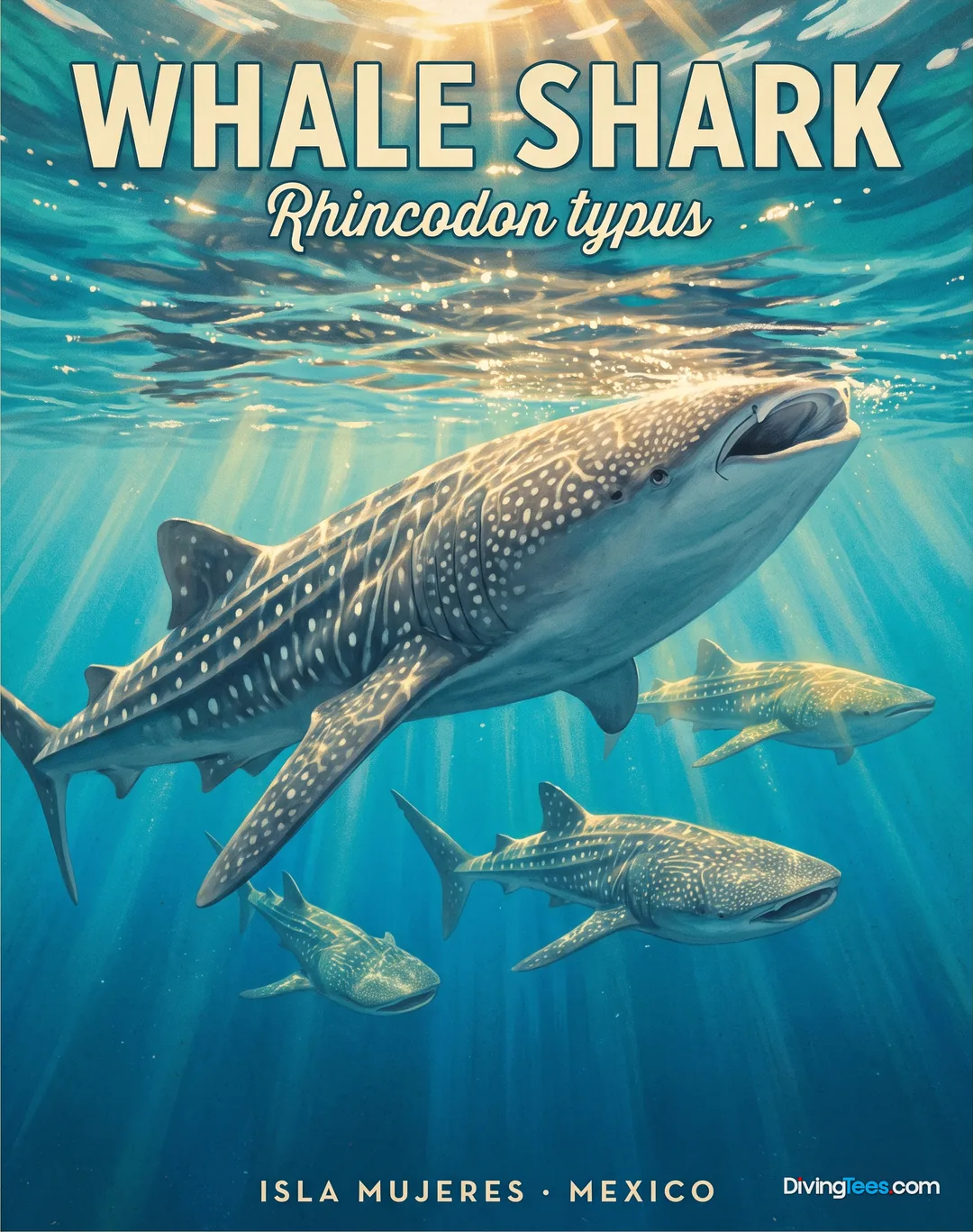
Sail Rock is a known hotspot for whale shark (Rhincodon typus / requin baleine) encounters, especially during specific seasons. These gentle giants, when present, glide gracefully around the pinnacle, often observing divers with a serene curiosity. Their appearances are a testament to the richness of the waters surrounding this site, drawing in filter feeders from the wider Gulf. While the barracuda and whale sharks steal much of the spotlight, the resident reef life at Sail Rock is equally compelling. Batfish (poisson-chauve-souris) are often seen in small schools near the surface, while razorfish (poisson-couteau) can be found congregating around the protected areas of the pinnacle. The interplay between these smaller, reef-dwelling species and the larger pelagics creates a complete picture of a thriving marine ecosystem, constantly in motion and full of subtle interactions.
Sail Rock is accessible for divers of all levels, offering diverse profiles from shallow reef exploration to deeper descents down to 42 metres. Visibility is often excellent, typically between 15 and 30 metres. Conditions are generally favorable throughout the year, with a particularly optimal period for encounters with whale sharks (Rhincodon typus) typically observed between January and April, and again from March to May and August to October. Water temperatures remain consistently warm, ranging from 28 to 30°C. While currents can vary, they play a crucial role in bringing in the rich marine life that defines this site.