

Moorea Blue Diving
Google 5/5 (404 reviews)
Moorea · French Polynesia · Pacific
Max. depth · 50 mA deep reef dive defined by expansive Montipora formations and frequent visits from reef sharks.
The Garden of Roses is a deep-water reef site located off the coast of Moorea, characterized by a complex topography that distinguishes it from shallower lagoon dives. The site is defined by its extensive coverage of Montipora coral, which grows in dense, rounded formations that closely resemble the petals of a rose. This coral carpet creates a textured landscape of mounds and clusters that stretch across the reef plateau. As you descend, the scale of these formations becomes apparent, providing a structural complexity that supports a wide range of marine life. The site is approached by boat and offers a transition from the reef slope into deeper, open-ocean environments.
Approaching the site, the dive profile typically begins on a sloping outer reef that leads into deeper zones. The depth ranges from 12 metres at the shallower edges down to 50 metres at the primary drop-offs and canyon areas. Divers will find themselves navigating through a series of coral heads, overhangs, and occasional caves that break up the terrain. The transition between these depth zones is not always a gentle slope, as the presence of canyons and sudden drop-offs requires careful buoyancy control to maintain a steady course. The interplay of light and shadow within these deeper structures adds a layer of visual complexity to the descent.
The defining characteristic of this site is the sheer density of the Montipora formations. These coral heads create a labyrinthine environment that serves as both a visual centerpiece and a critical habitat. Unlike many sandy-bottom sites, the seafloor here is almost entirely covered by these rose-like structures, which catch the light differently as you move through the water column. Navigating the spaces between these large coral clusters requires a disciplined approach to prevent contact with the fragile growth. The architecture of the reef encourages divers to move horizontally through the formations rather than simply following a vertical line.
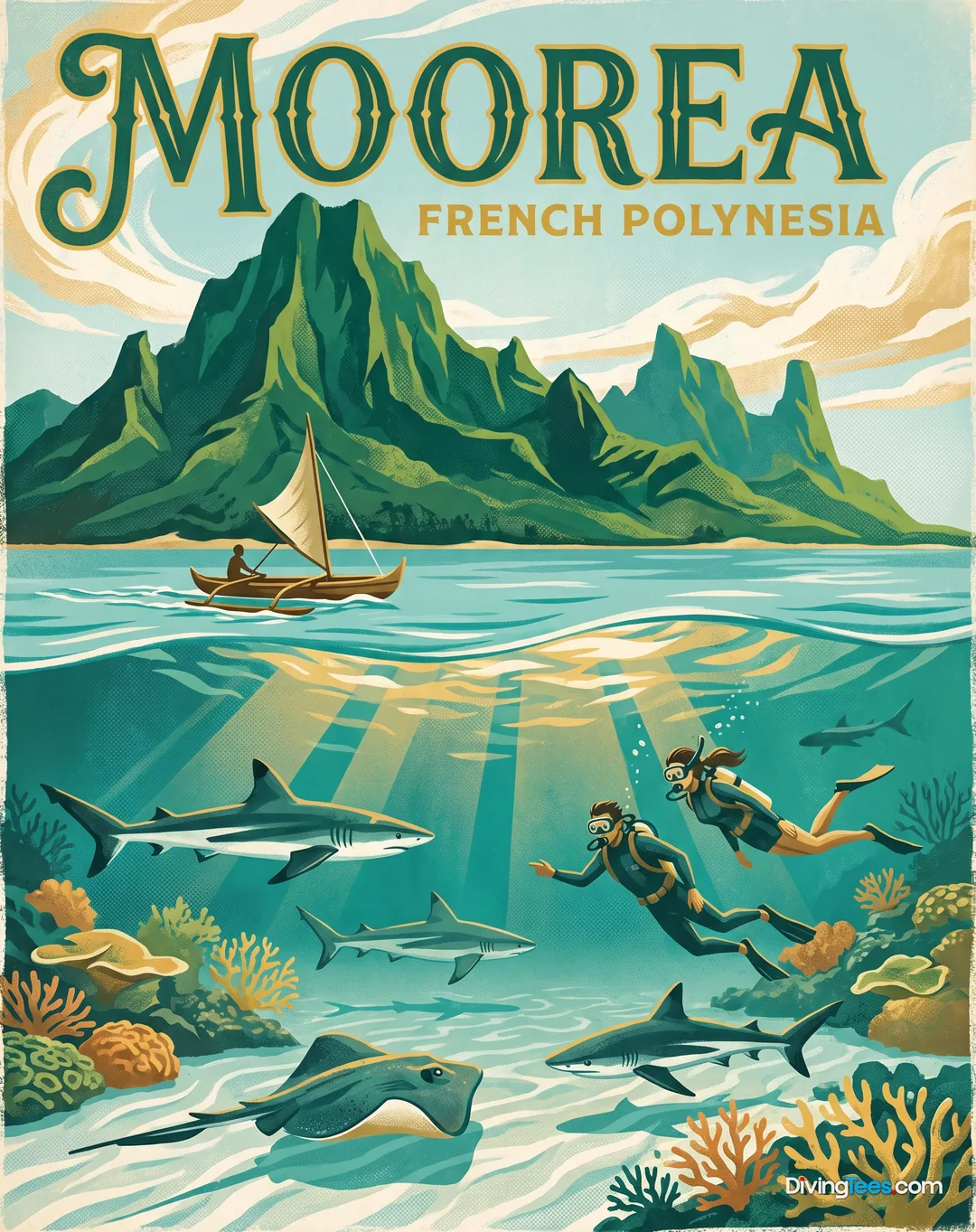
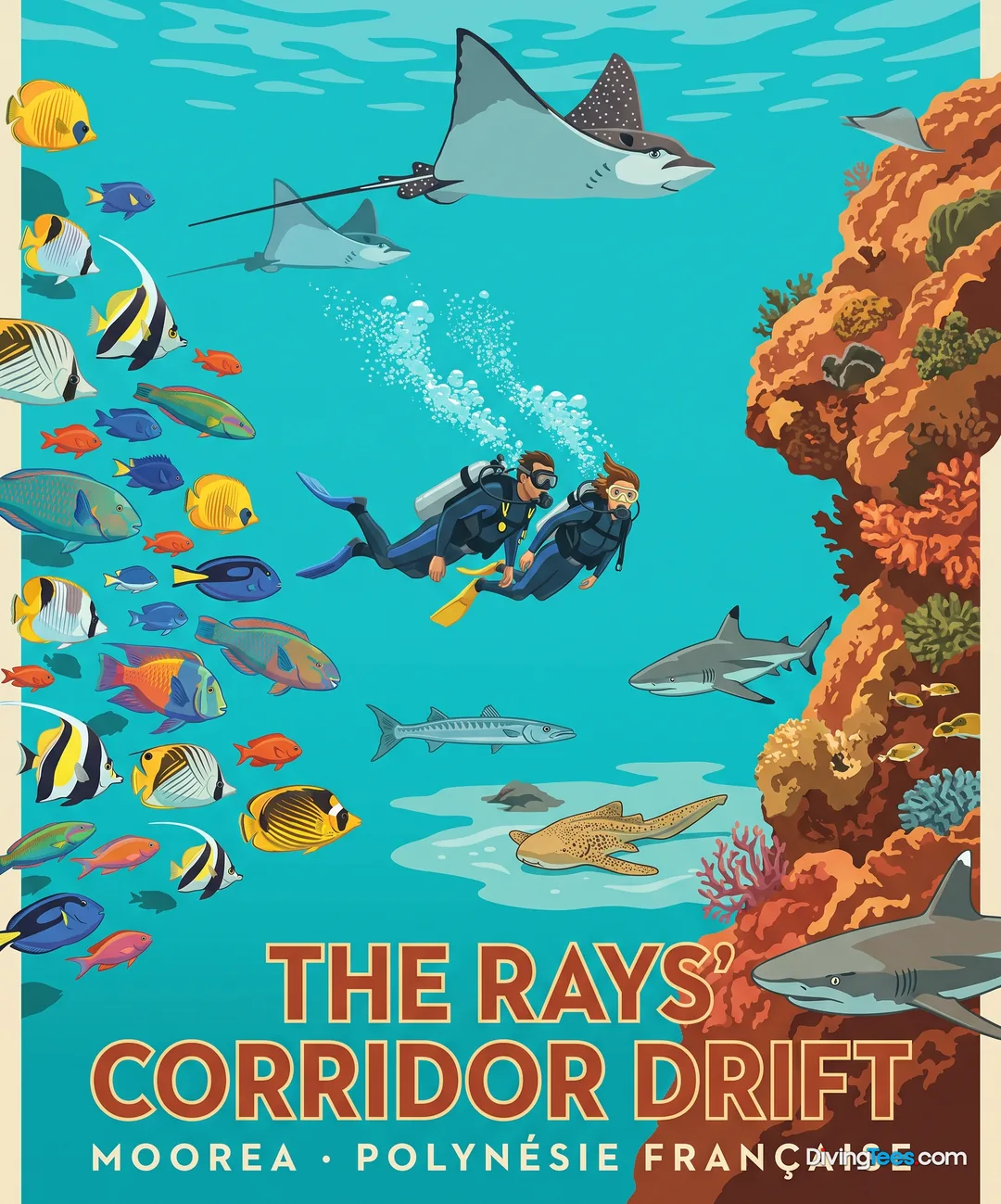
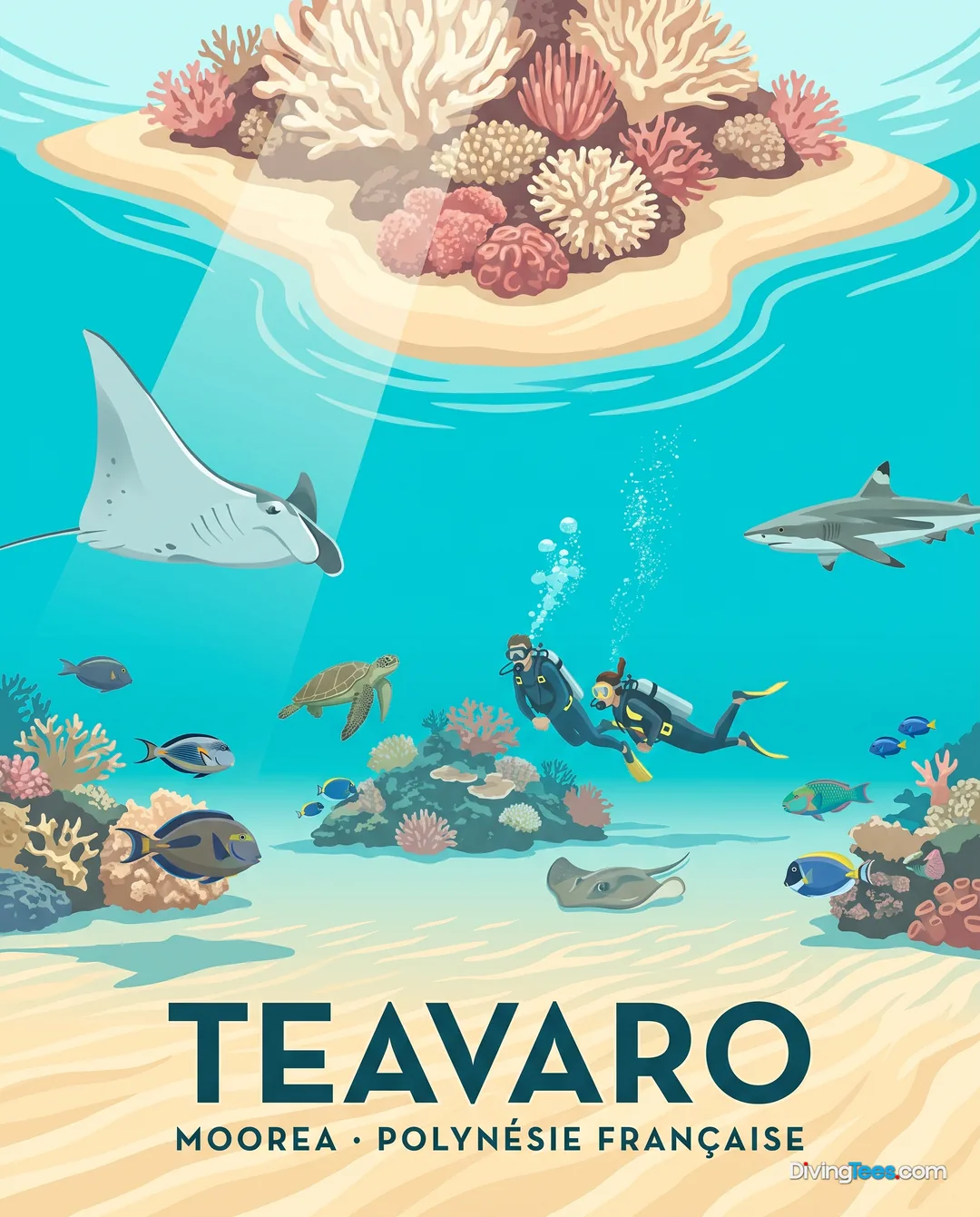
Pelagic activity is a frequent component of the Garden of Roses, particularly as you move toward the outer edges of the reef. You can often encounter lemon sharks (Negaprion brevirostris) patrolling the mid-depths or cruising near the reef edge. Blacktip reef sharks (Carcharhinus limbatus) are also common, frequently appearing in the blue or hovering near the coral structures. These encounters are usually non-aggressive, with the sharks moving predictably along the currents that sweep past the reef. Observing these predators against the backdrop of the deep blue and the structured reef is a primary reason for the site's reputation among experienced divers.
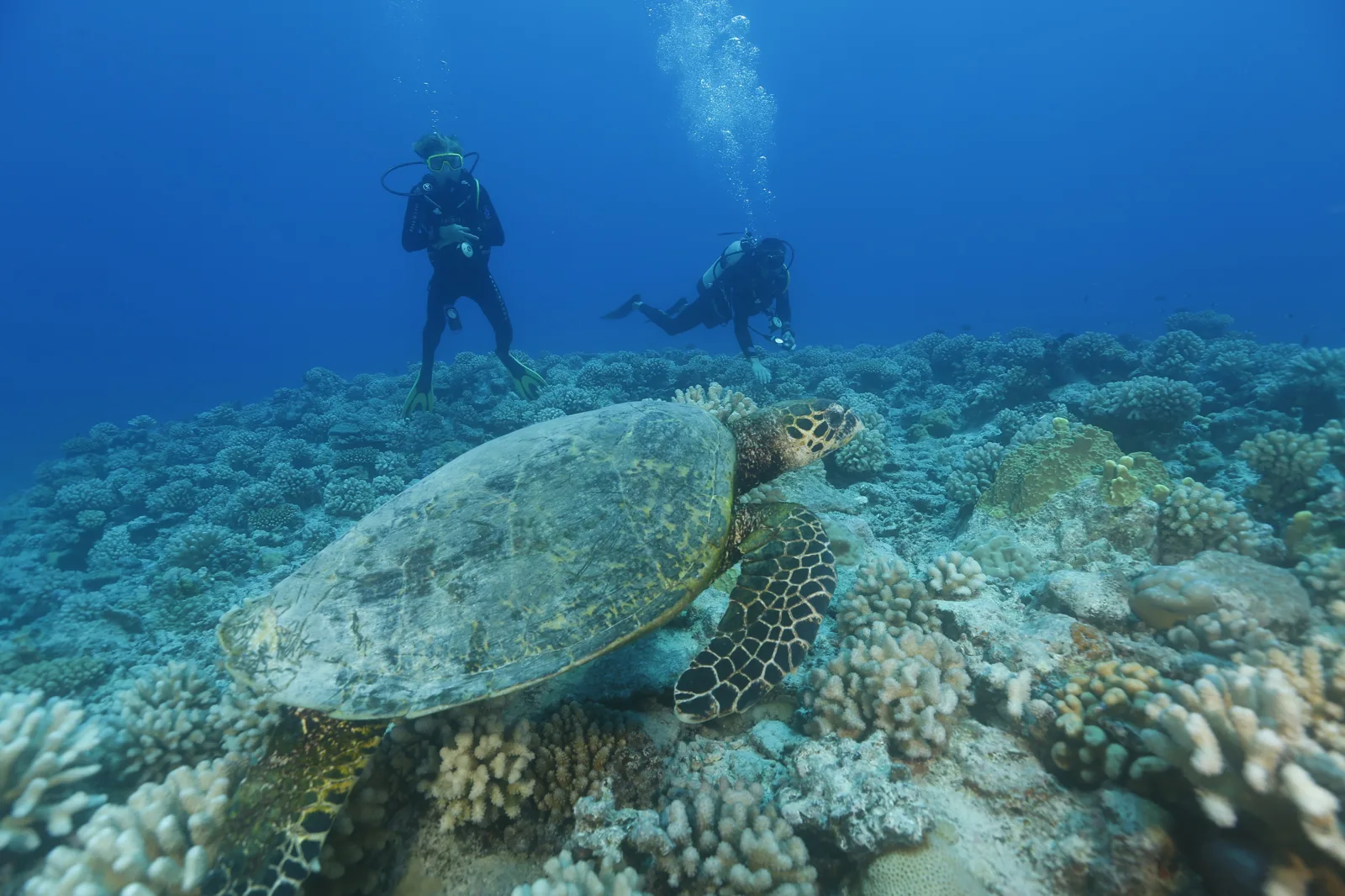
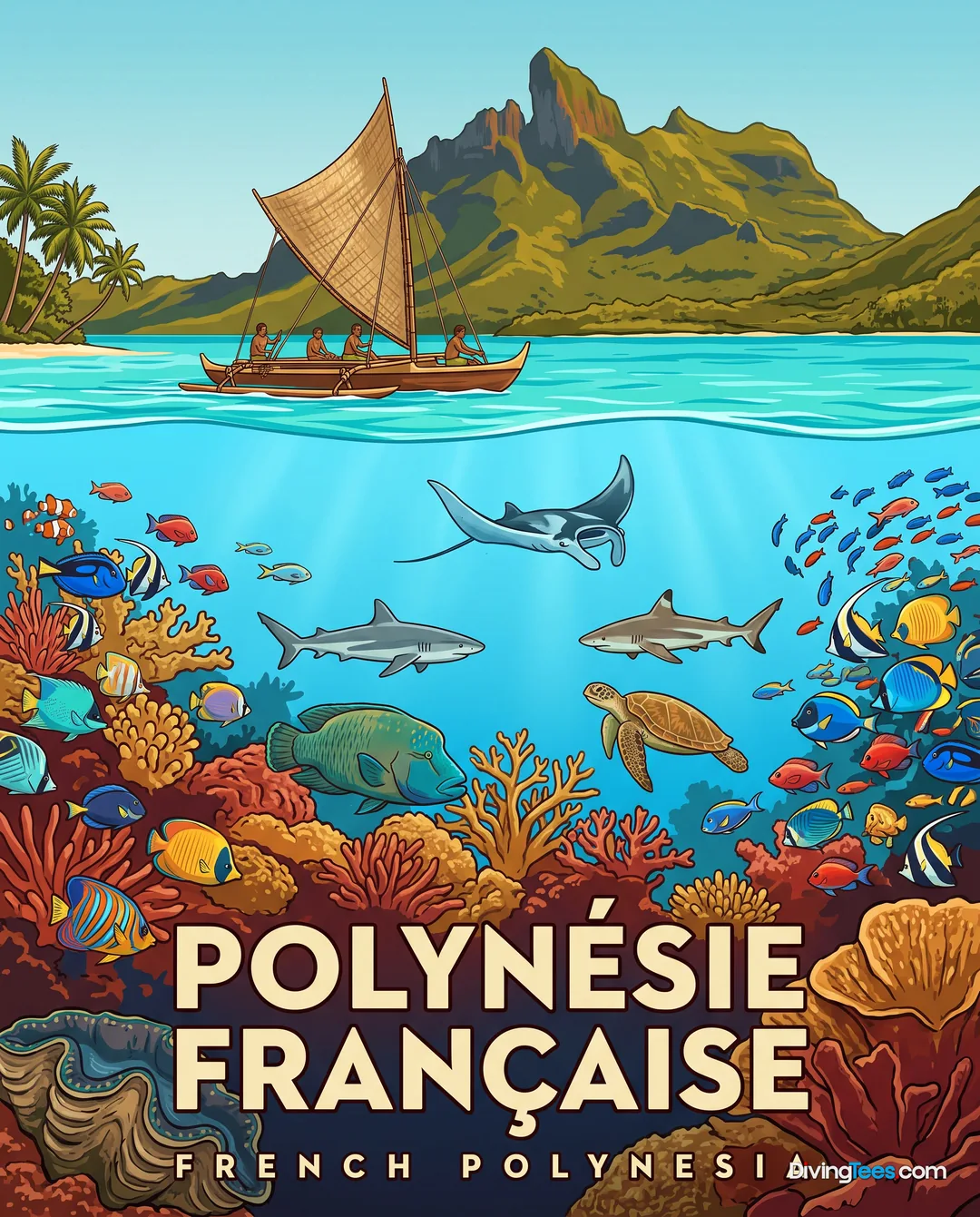
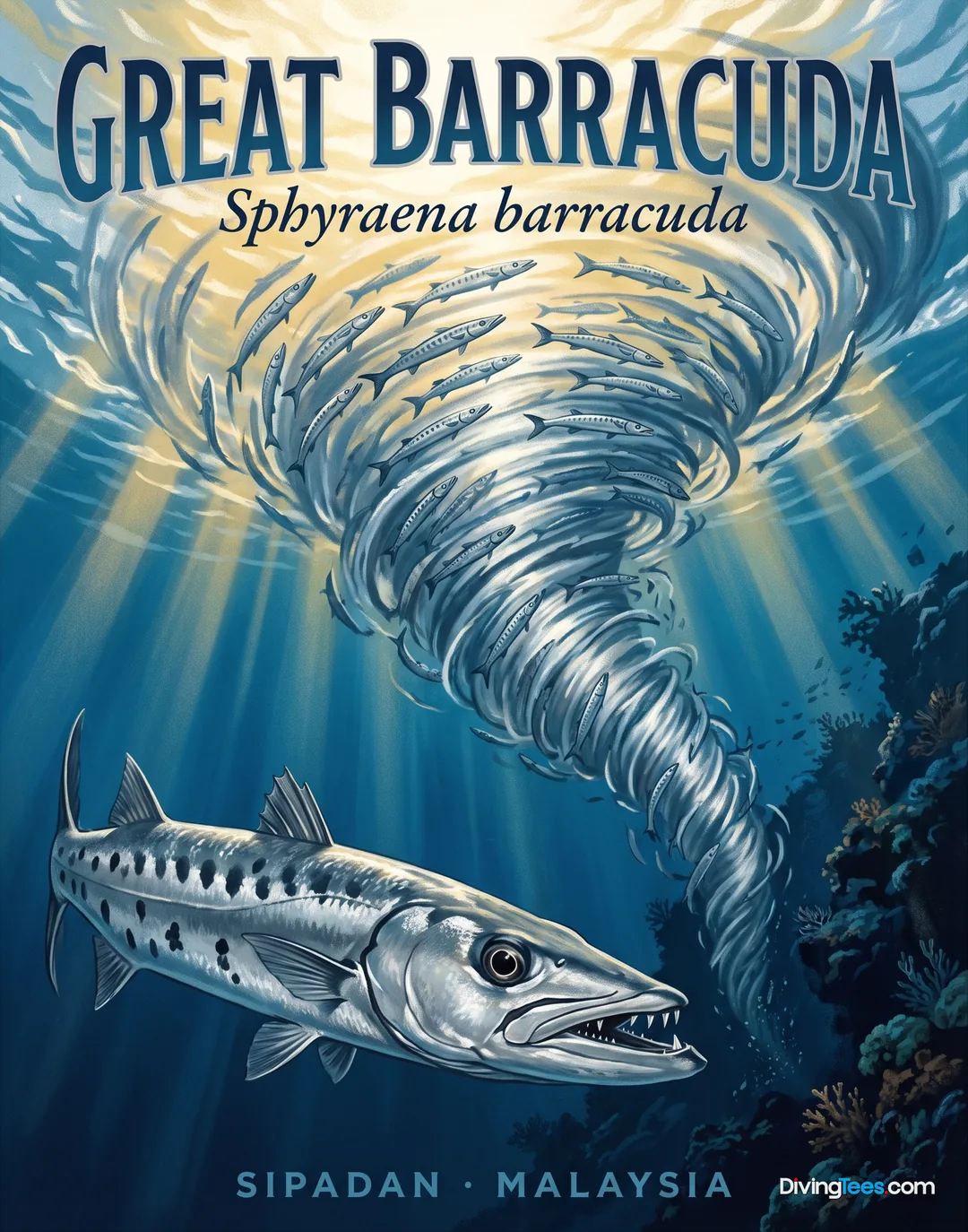
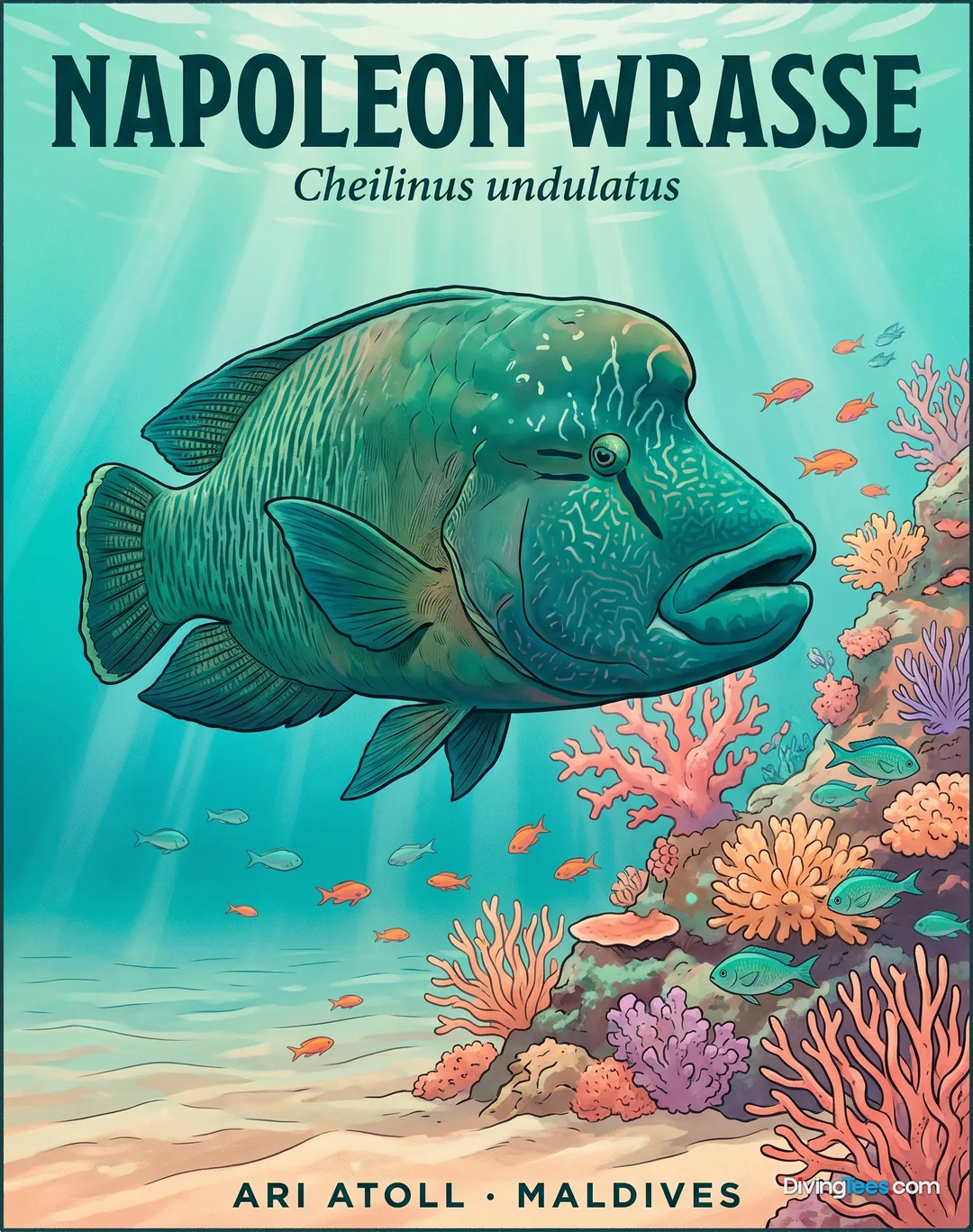
Beyond the sharks, the reef is home to several larger resident species that inhabit the deeper crevices and open water. Napoleon wrasse are often seen cruising the larger coral heads, their massive forms contrasting with the intricate textures of the Montipora. Large schools of jacks and barracuda frequently patrol the currents, often appearing as silver silhouettes against the darker depths. You may also encounter sea turtles navigating the reef slope, moving between the protected areas of the coral and the open water. These species are part of a stable ecosystem that relies on the complex topography provided by the site.
The environmental conditions at Garden of Roses are influenced by its exposure to the open ocean. While the site is known for its depth and the biological richness of the Montipora, divers must be mindful of the shifting conditions common to Moorea's outer reefs. The visibility is generally high, often reaching between 20 and 30 metres, which allows for clear sightlines across the coral garden and into the blue. However, the depth of 50 metres means that light levels diminish significantly as you reach the bottom. Managing your gas consumption and monitoring your ascent is critical due to the depth-related nitrogen loading.
Currents at the site are variable and depend heavily on the tide and swell conditions. While many dives are conducted in relatively calm water, the site's position in a canyon-like setting means that currents can pick up quickly, especially during tide changes. This variability requires divers to be proficient in managing their position within the water column to avoid being pushed toward the reef or into open water. Because the site can involve significant depths, your ability to maintain trim and control your ascent in the presence of moving water is essential for a safe dive profile.
The Garden of Roses is not a site for casual or novice divers, as the combination of depth and potential current necessitates a higher level of proficiency. Many operators recommend a Rescue Diver certification or a similar level of training to ensure all participants can handle the technical aspects of the dive. The site's reliance on decompression management is a practical reality of diving to 50 metres. Experienced divers will recognize the need for precise planning, particularly regarding ascent rates and safety stops, to account for the depth and the potential for nitrogen accumulation during the bottom phase.
Depths range from 12 to 50 metres. This is an Advanced level site, with Rescue Diver certification often required due to the depth and topography. Visibility is typically 20-30 metres. Currents are variable and can become significant during tide changes.
Garden Of Roses is an Advanced level site rather than a casual or novice dive. You need strong buoyancy, trim, ascent, and depth-management skills for its deep topography and potential current. Rescue Diver certification is often required, or you may need a similar level of training.
Garden Of Roses ranges from 12 metres along the shallower outer-reef edges to 50 metres at the primary drop-offs and canyon areas. The site includes slopes, coral heads, overhangs, caves, sudden drop-offs, and deep reef structures, so you need careful buoyancy control and gas management.
Currents at Garden Of Roses are variable and depend heavily on tide and swell conditions. The water may be relatively calm, but currents can increase quickly during tide changes, particularly in the canyon-like setting. You need to manage your position in the water column and avoid being pushed toward the reef or open water.
At Garden Of Roses, you can explore dense, rounded Montipora formations, coral heads, canyons, overhangs, and occasional caves. Lemon sharks and blacktip reef sharks are frequently seen, while Napoleon wrasse, schools of jacks and barracuda, and sea turtles may also appear around the reef and open water.