
Moorea Blue Diving
Google 5/5 (404 reviews)
Moorea · French Polynesia · Pacific
Max. depth · 20 mNavigate a complex volcanic labyrinth of coral canyons and lava structures at depths between 10 and 20 metres.
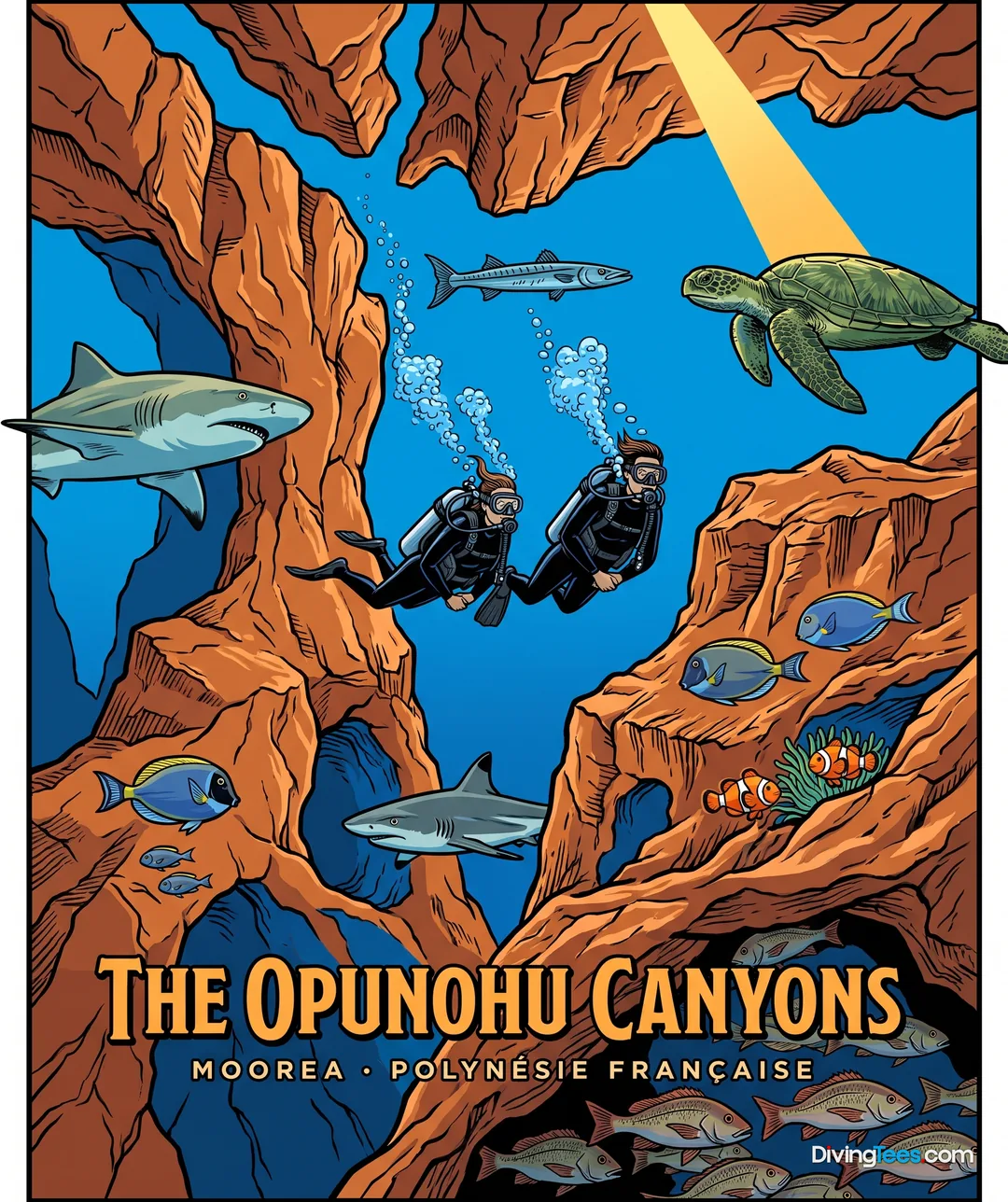
Located just outside the mouth of Opunohu Bay, Le Mur De Corail offers a topographical experience that differs significantly from a standard vertical wall. Instead of a single sheer drop, you descend onto a complex, uneven reef slope that transitions into sandy patches. The site is characterized by its volcanic origins, with cooled lava formations creating a dense, textured environment. This creates a landscape of ridges and depressions that define the area's unique character.
The underwater geography is best described as a labyrinth of coral-covered canyons and narrow alleys. These passages are formed by the intersection of reef growth and old volcanic structures, creating a series of gorges and valleys. As you move through the site, you will find yourself navigating through these natural corridors, which offer plenty of interest for both macro and wide-angle photography. The relief is constantly changing, providing a sense of depth and scale even at shallower depths.
The dive profile is relatively gentle, typically staying within a range of 10 to 20 metres. This makes the site highly accessible for those looking for a less demanding descent while still enjoying complex terrain. You can spend your time exploring the various levels of the reef, moving between the higher ridges and the deeper channels. The presence of sandy areas between the reef structures allows for easy orientation and provides different habitats for various species.
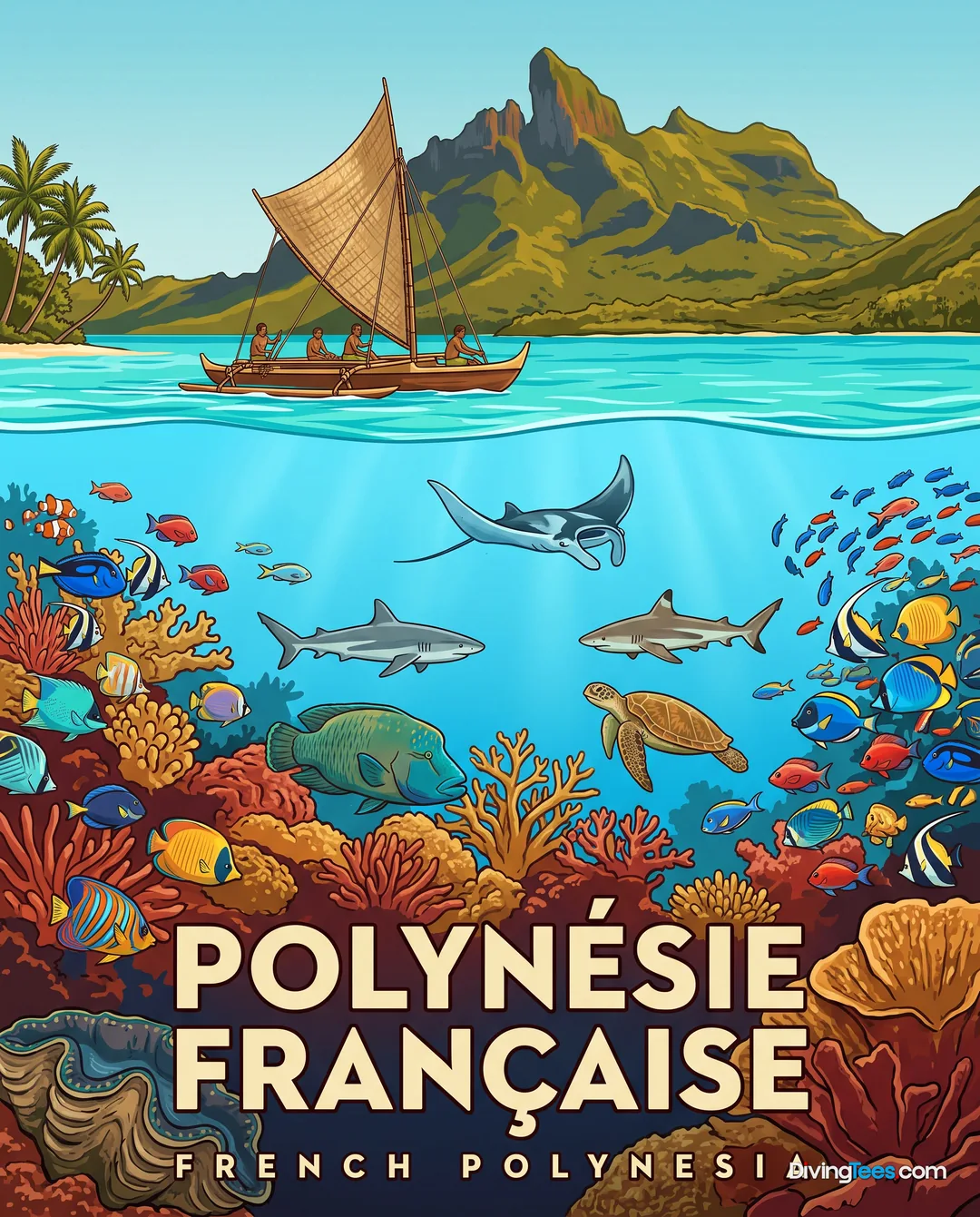
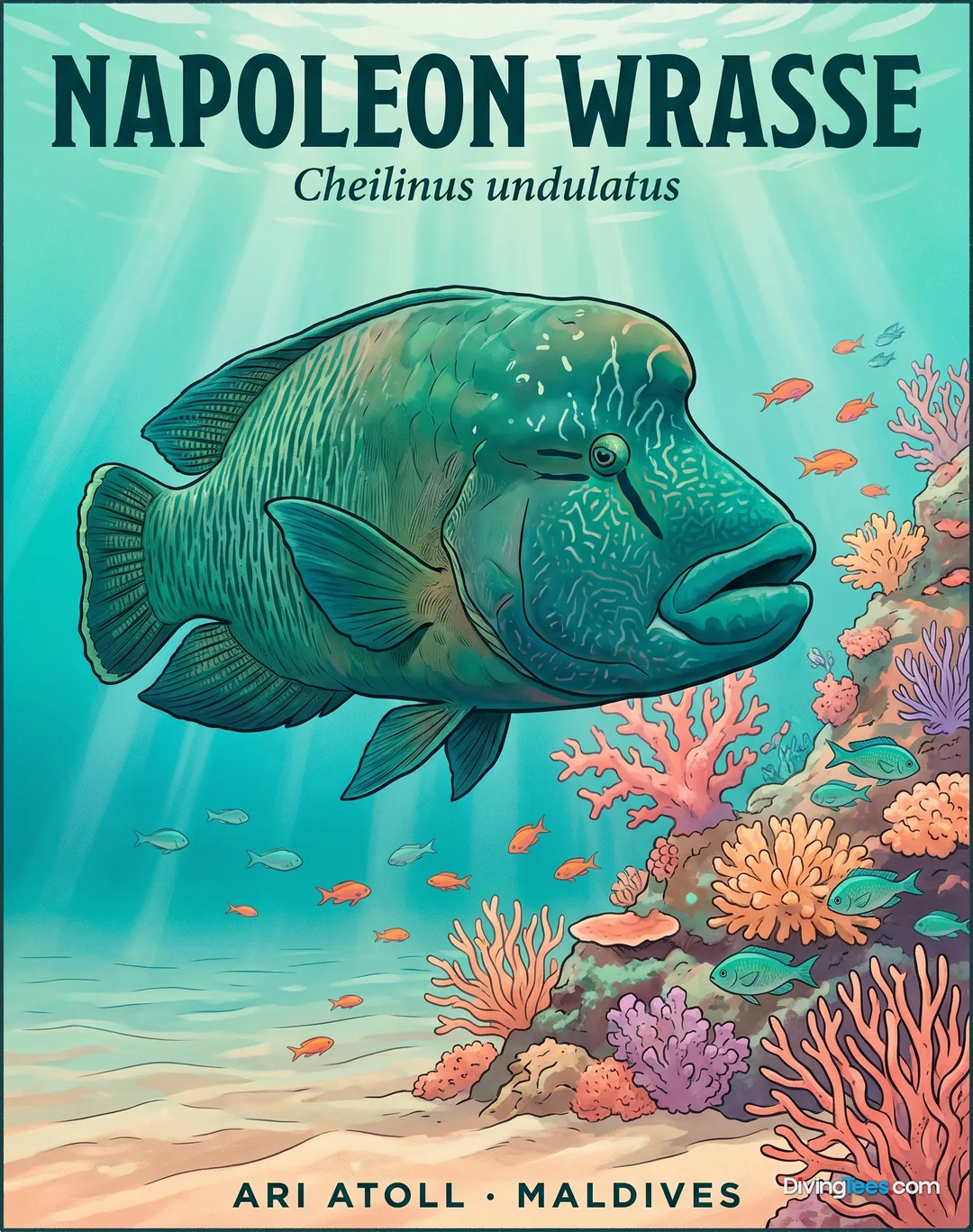
For those interested in resident reef fish, the structural complexity of the site supports a high level of biodiversity. You will frequently encounter Napoleon wrasse (Cheilinus undulatus) patrolling the larger coral heads and crevices. Smaller, more colourful species such as butterflyfish and parrotfish move through the coral gardens, often darting in and out of the protective alleys. The Moorish idol is also a common sight, adding movement to the mid-water columns above the reef structures.
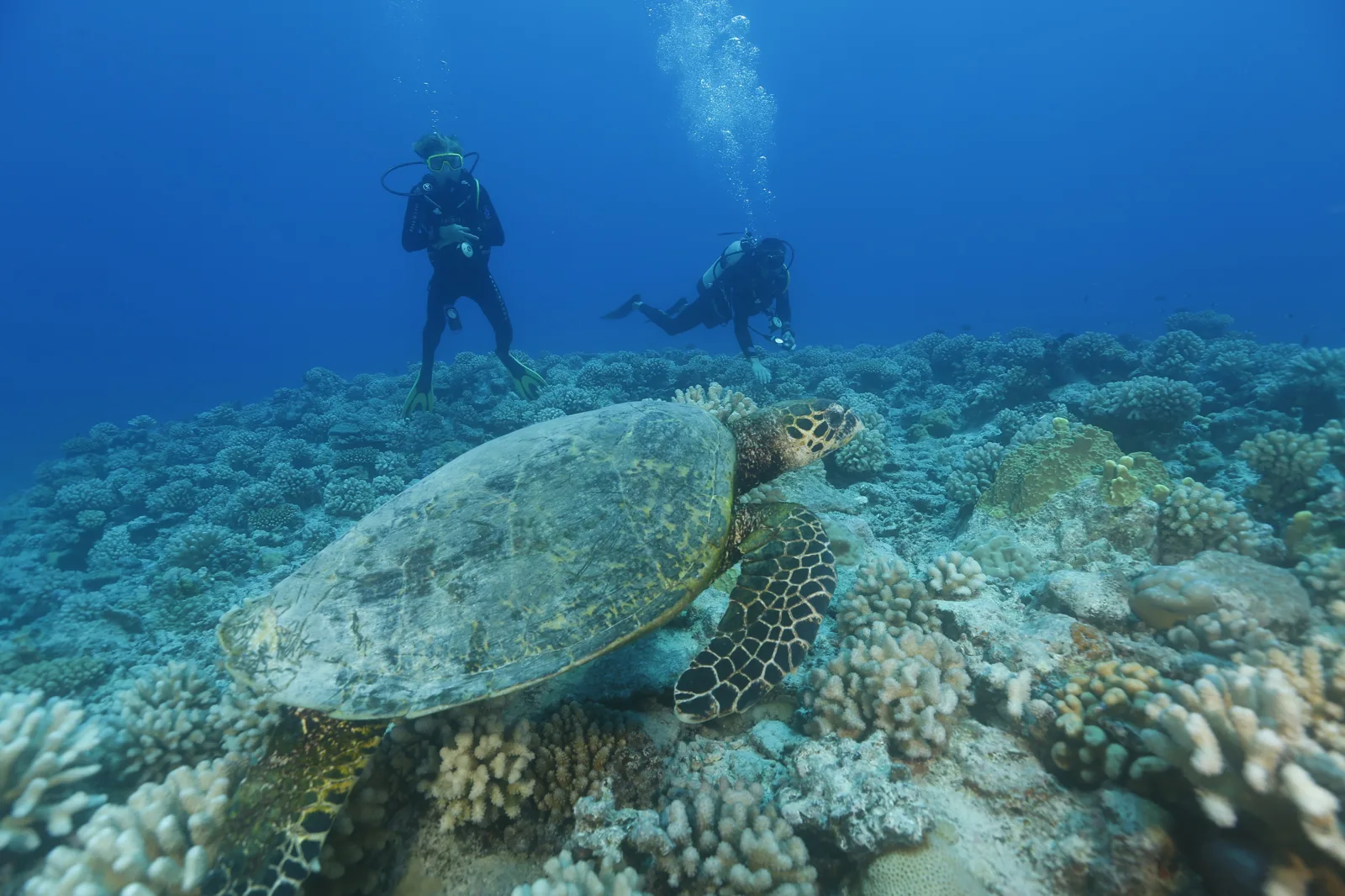
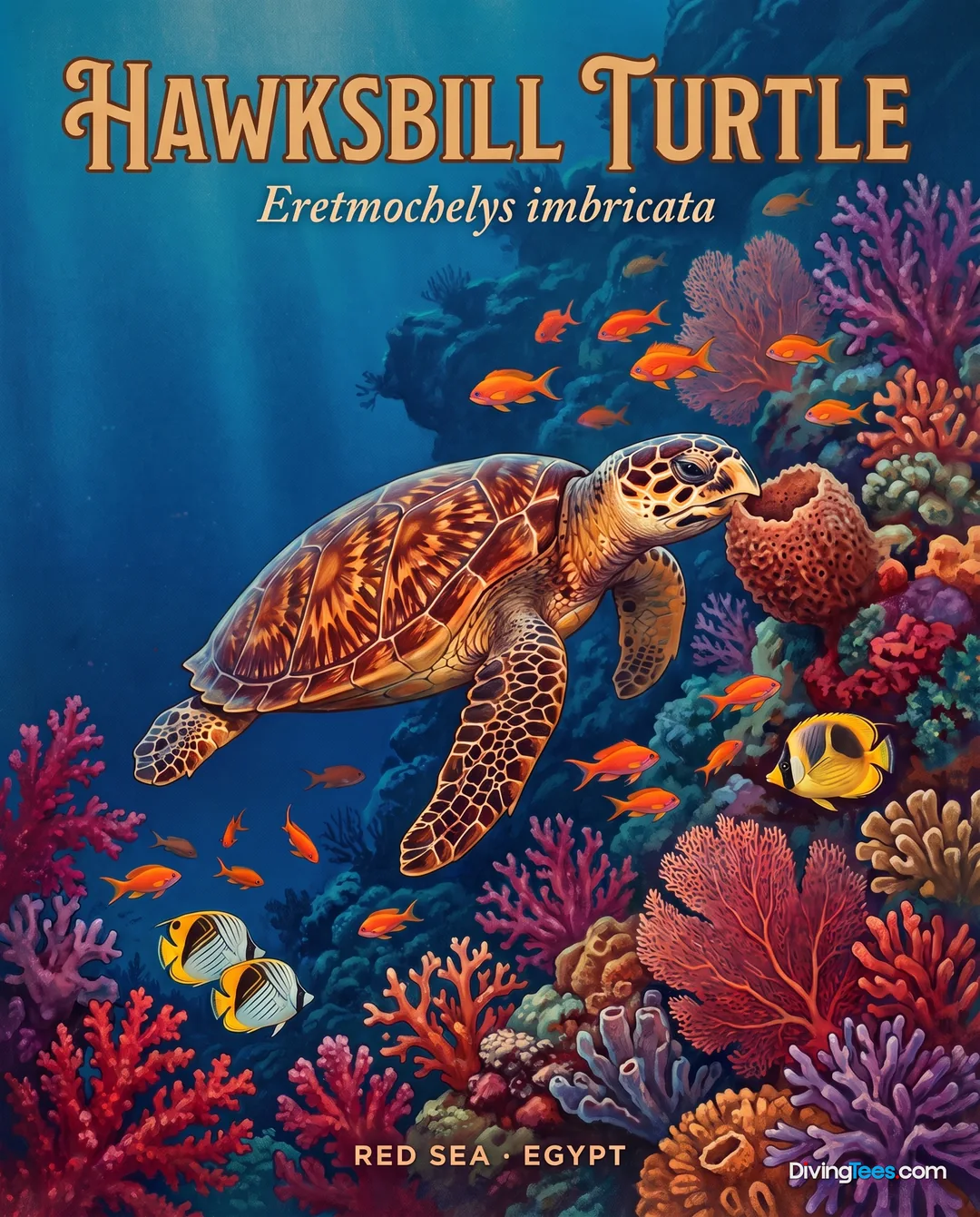
The site also serves as a reliable habitat for larger marine life that frequents the Moorea reefs. It is not uncommon to see Hawksbill turtles or Green sea turtles resting near the reef edges or moving slowly through the shallower sections. For divers looking for more movement, Eagle rays often glide through the water column above the canyons. During your dive, keep an eye on the sandy patches and the edges of the lava formations where various species tend to congregate.
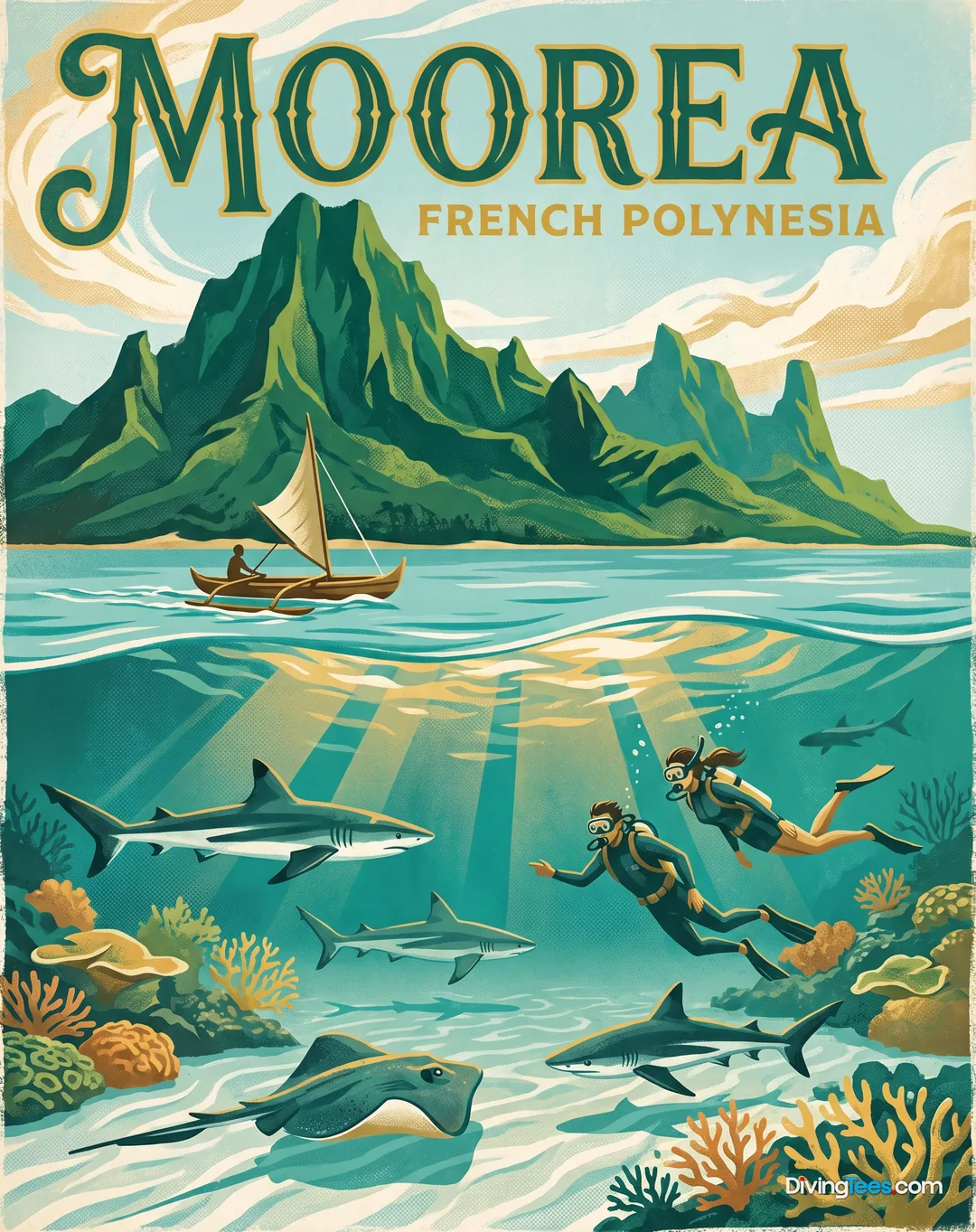
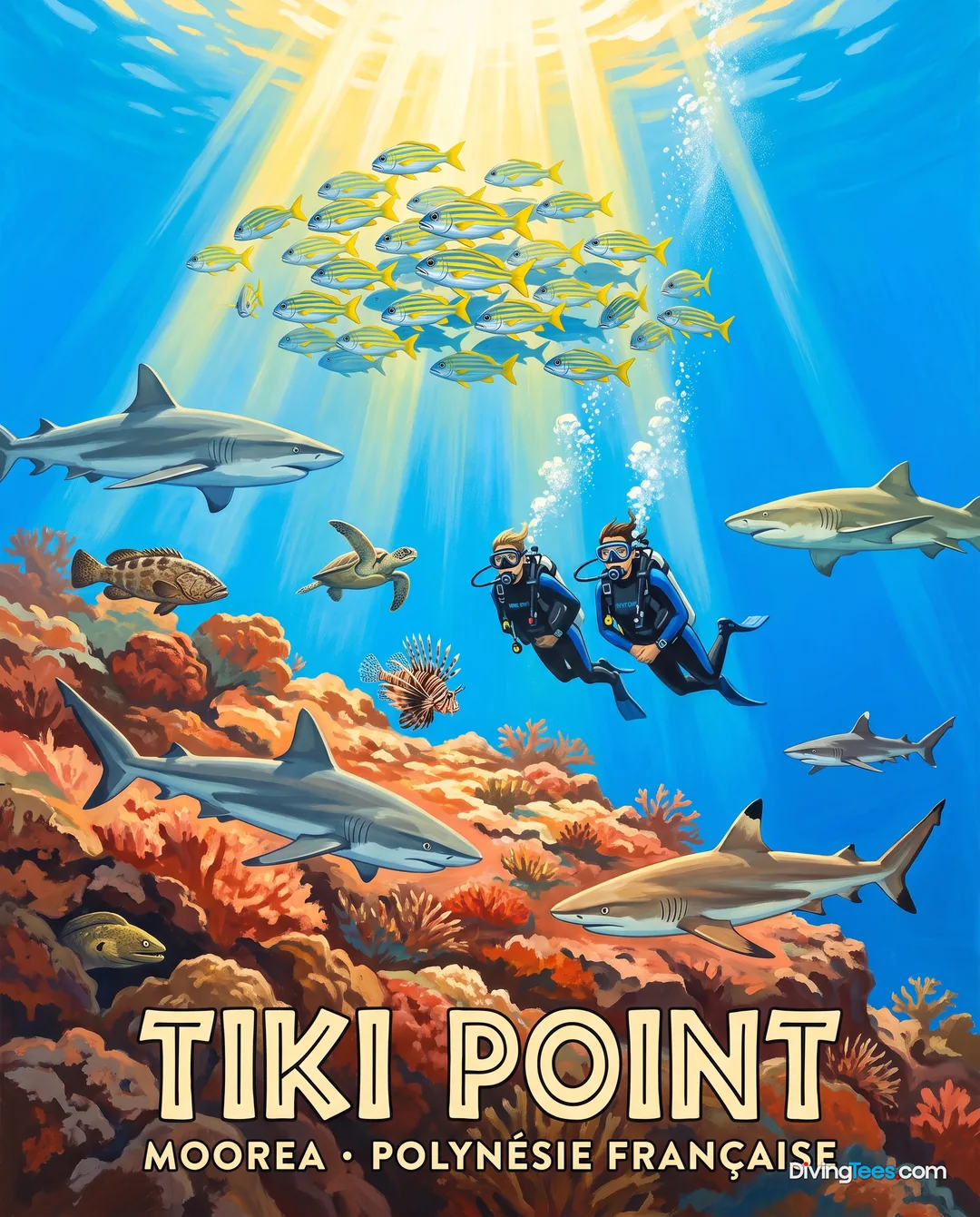
The presence of sharks adds a layer of interest to the site's fauna. You can expect to encounter Whitetip reef sharks patrolling the deeper edges of the reef or Lemon sharks cruising the more open areas near the sand. These encounters are typically calm and integrated into the natural movement of the reef ecosystem. Observing these predators within the context of the complex coral architecture provides a different perspective than an open-water drift dive.
Light and visibility at Le Mur De Corail are generally excellent, with visibility often reaching between 20 and 30 metres. This clarity allows the sunlight to penetrate deep into the canyons, highlighting the intricate textures of the coral and the volcanic rock. The interplay of light and shadow within the narrow alleys creates a dynamic environment for underwater observation. Because the site is relatively shallow, the colours remain vibrant throughout the dive profile.
The site is particularly well-suited for a variety of diving styles, from observing small organisms in the crevices to capturing the large-scale architecture of the reef. The combination of macro-friendly spots within the lava cracks and wide-angle opportunities in the larger channels makes it a versatile location. Whether you are focused on specific reef inhabitants or the overall landscape, the site provides consistent opportunities for observation. The relatively light current makes it a stable environment for controlled, technical exploration of the terrain.
The site is accessible from Open Water Diver level for those with good buoyancy and comfort in natural environments. Depths range from 10 to 20 metres. Currents are generally light, though conditions can vary based on weather and the state of the outer reef. Expected visibility is between 20 and 30 metres. The best period to visit is between May and October.
You can visit Le Mur De Corail between May and October, the stated best period for diving this site. Visibility is generally excellent, ranging from 20 to 30 metres, allowing sunlight to reach the coral-covered canyons, volcanic formations, ridges, depressions and sandy patches throughout the relatively shallow profile.
Le Mur De Corail is accessible from Open Water Diver level if you have good buoyancy and feel comfortable in natural environments. The dive usually remains between 10 and 20 metres, with a gentle profile across uneven reef slopes, sandy patches, changing ridges and deeper channels formed by volcanic structures.
Currents at Le Mur De Corail are generally light, although conditions can vary with the weather and the state of the outer reef. The relatively light flow supports controlled exploration of the coral-covered canyons, narrow alleys, ridges and sandy areas, while you should remain attentive to changing conditions during your dive.
At Le Mur De Corail, you can explore volcanic lava formations, coral canyons, alleys and valleys while looking for Green and Hawksbill turtles, Napoleon wrasse and Eagle rays. Whitetip reef sharks and Lemon sharks also occur here, along with butterflyfish, parrotfish and Moorish idols among the coral structures.