


Rangiroa Diving Center
Google 4.9/5 (378 reviews)
1.6 km away as the crow flies
Rangiroa · French Polynesia · Pacific
Max. depth · 26 mDrift through the natural canyons of Rangiroa's Tiputa Pass, where strong currents deliver consistent grey shark encounters.
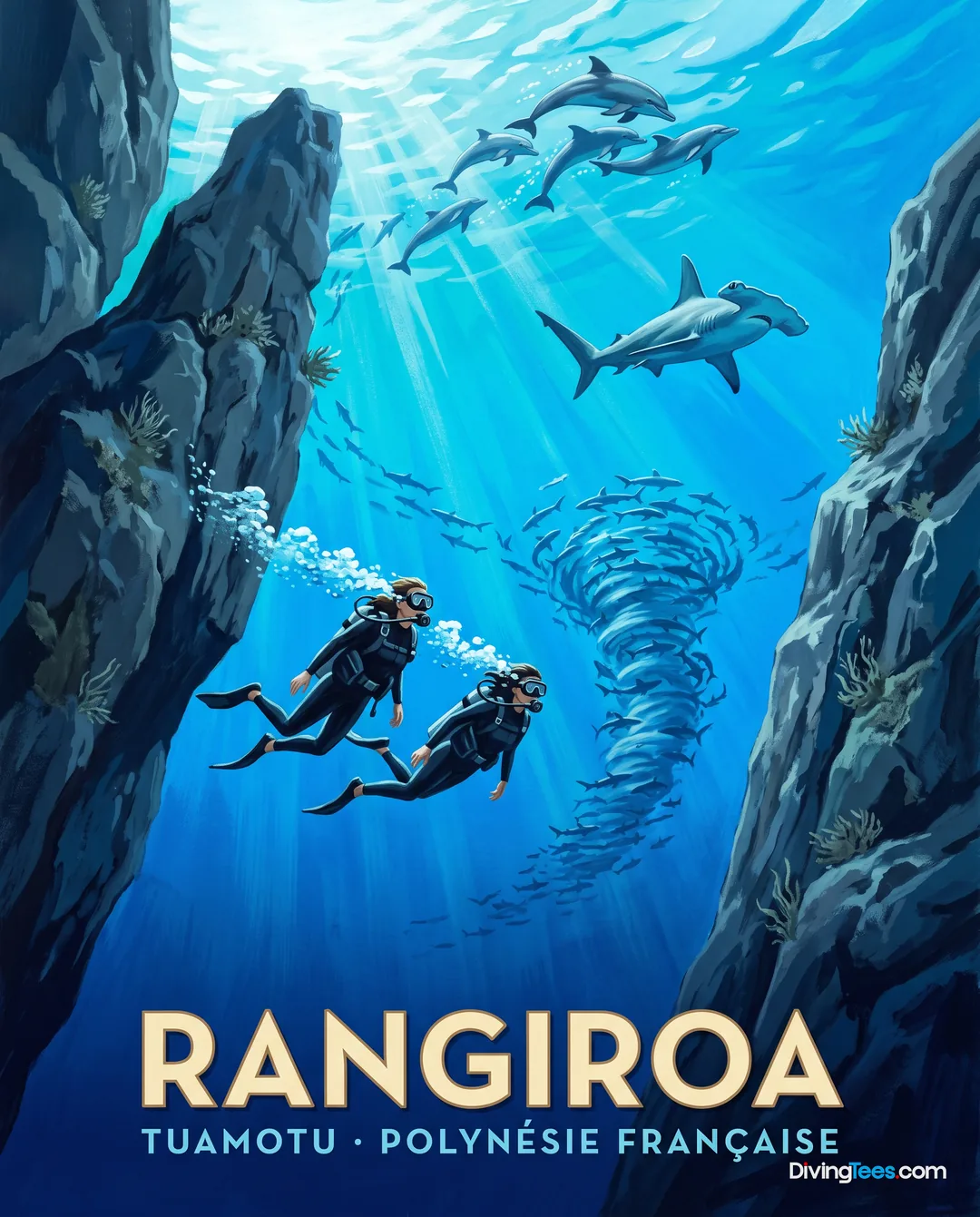
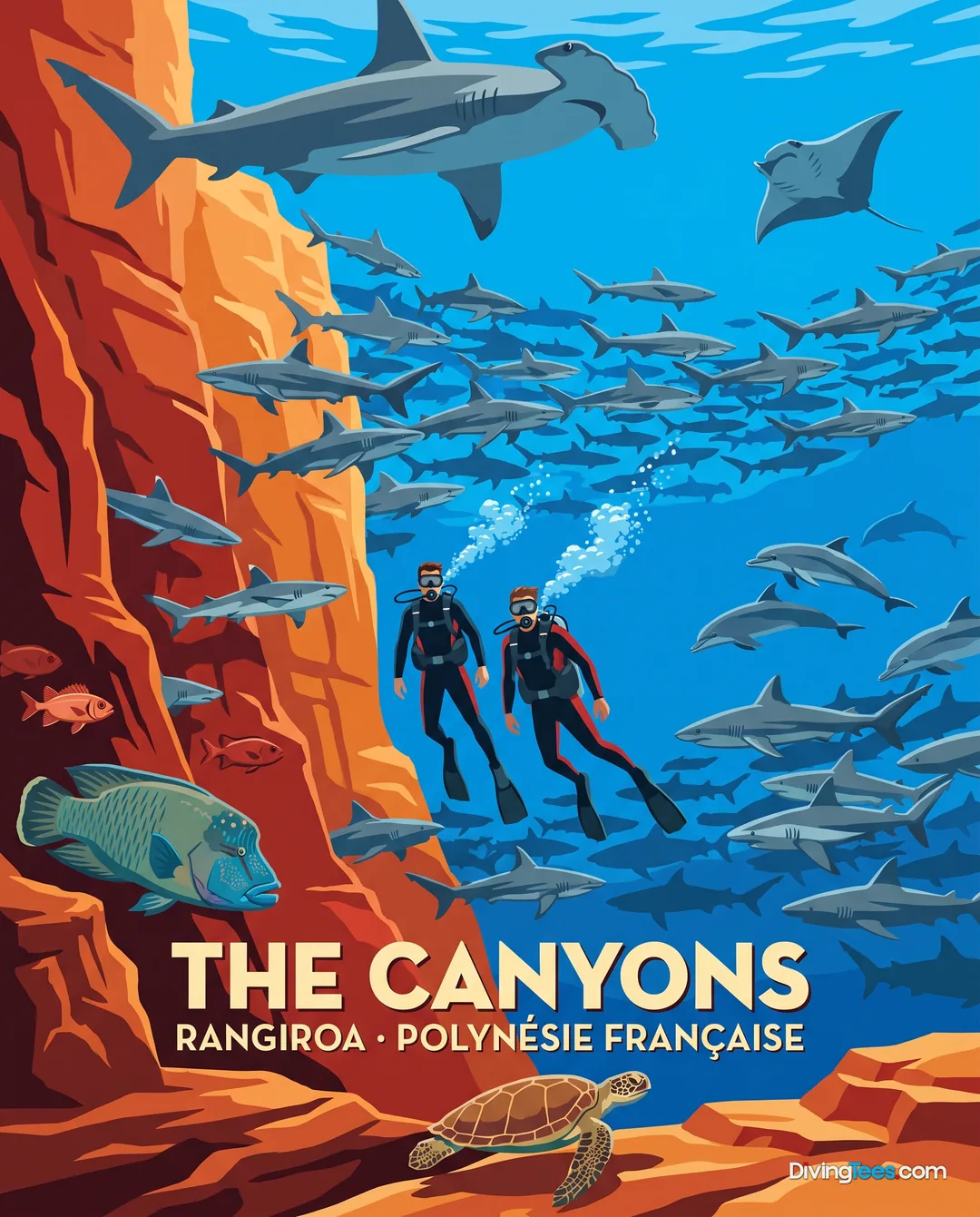
Diving Les Canyons means entering the heart of Rangiroa's Tiputa Pass during an incoming current. Your descent begins by following the general flow of the pass, but the objective quickly shifts to navigating the distinct canyon formations that cut across the channel. This is not a dive for static observation; the current dictates your pace and direction, making it a continuous drift through a dynamic environment.
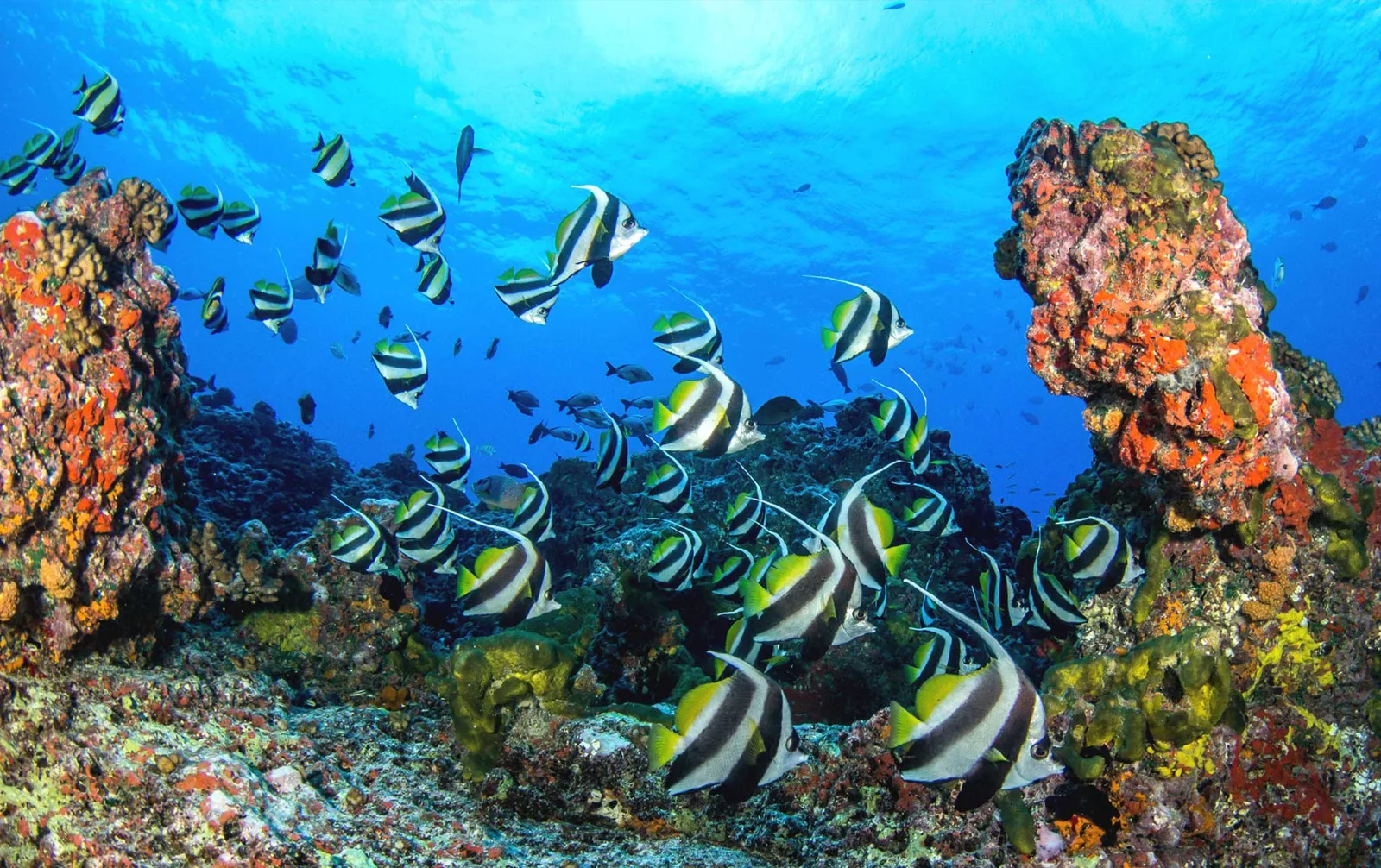
The topography of Les Canyons is defined by these natural trenches and cuts in the bedrock of the pass, forming a labyrinth of canyons and caverns. These structures offer temporary shelter from the main current, allowing you to manage your trajectory and observe marine life. The site's bottom typically lies between 20 and 26 metres, with the canyons extending towards the middle of the pass.
Visibility here often remains high, ranging from 15 to 40 metres, which allows you to appreciate the scale of these underwater formations and the life they harbor even from a distance. The strong incoming current is a primary characteristic of this dive, shaping both the experience and the marine life you'll observe. Fish are adapted to these conditions, with schools holding formation against the flow or moving efficiently within the less turbulent zones of the canyons.
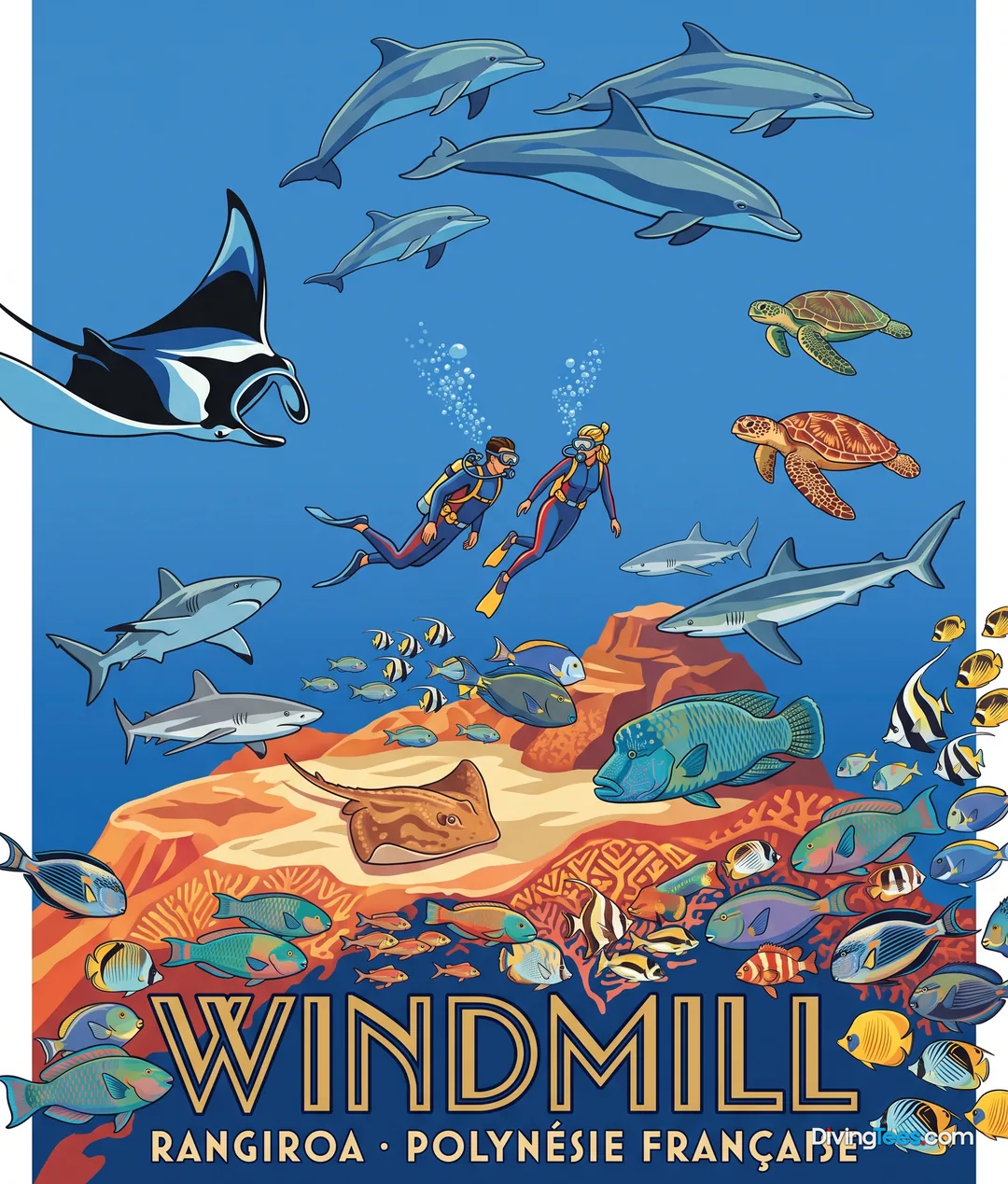
Les Canyons is known for its pelagic encounters, with grey sharks (Carcharhinus amblyrhynchos) being a consistent presence. They often patrol the edges of the canyons, using the current to their advantage, and you'll typically observe them as you move through the pass. The specific conditions of the current and the canyon structures create a regular hunting ground for these reef sharks, with gatherings of dozens, sometimes hundreds, particularly in June during their reproductive cycle.
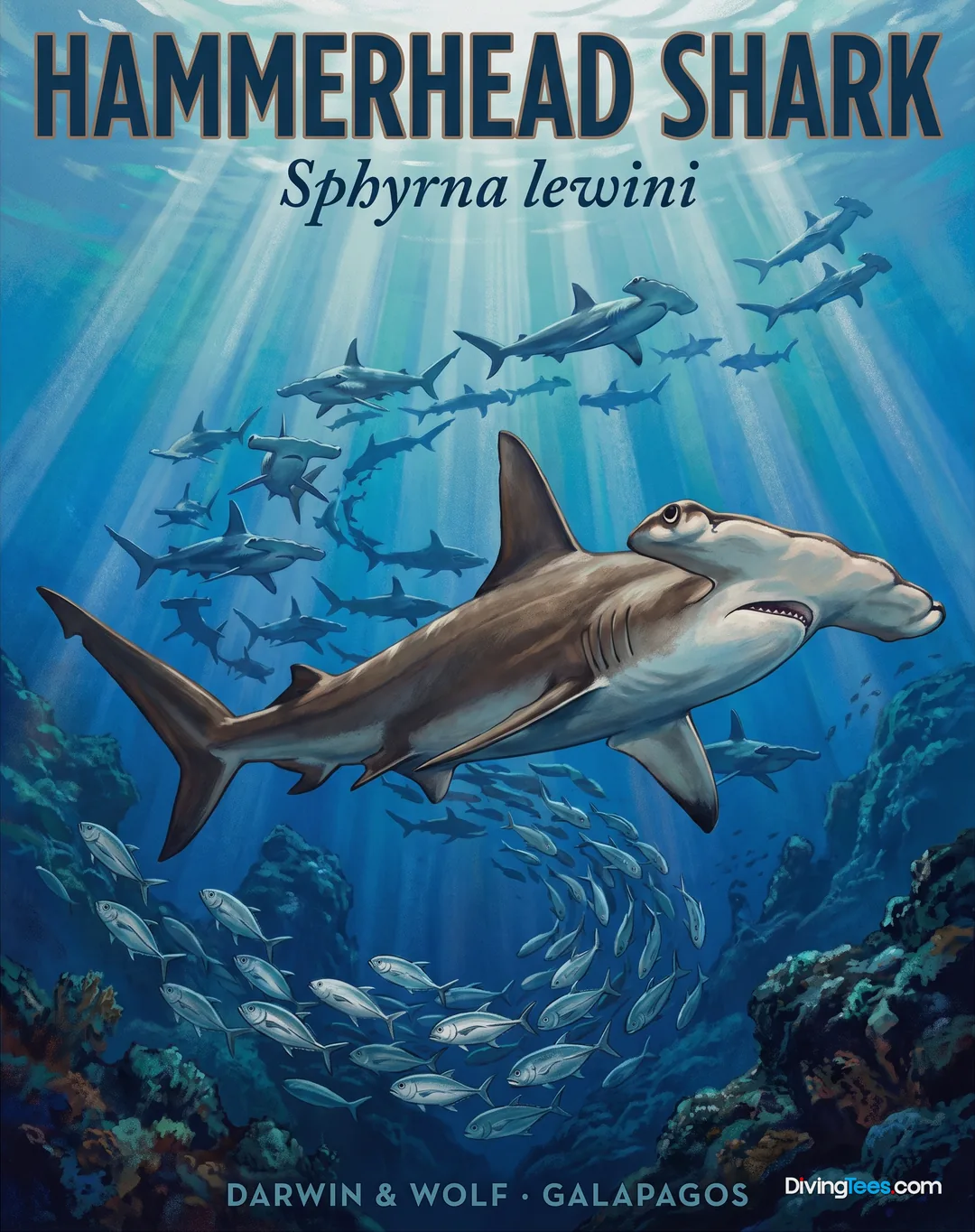
Beyond the resident grey sharks, there's the possibility of encountering other pelagic species. Whitetip reef sharks and blacktip reef sharks are also common. Larger predators like the great hammerhead (Sphyrna mokarran) are more likely to be seen towards the deeper, more open sections of the pass, especially between January and April. Keeping an eye beyond the immediate canyon walls can reveal these transient visitors as they navigate the currents.
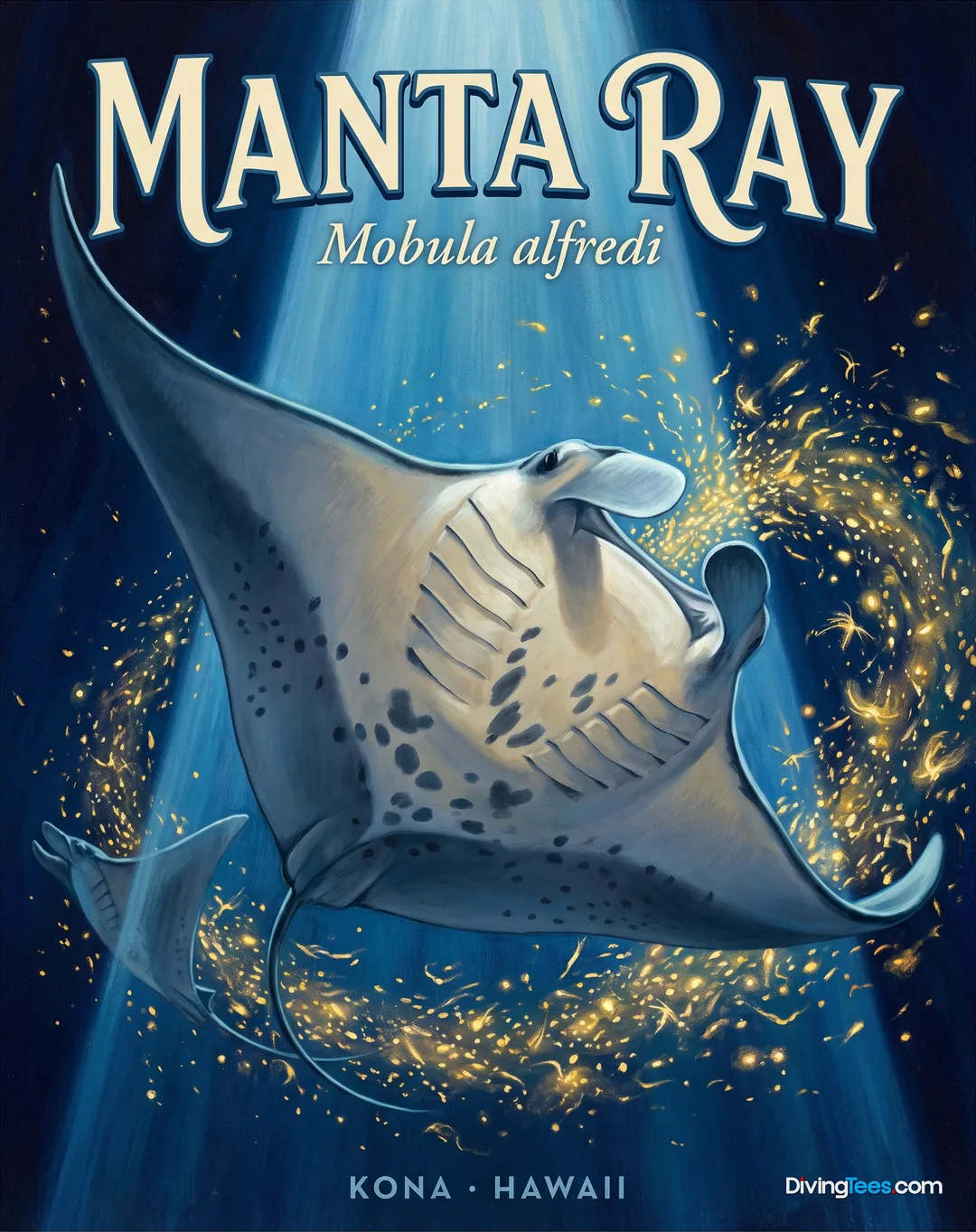
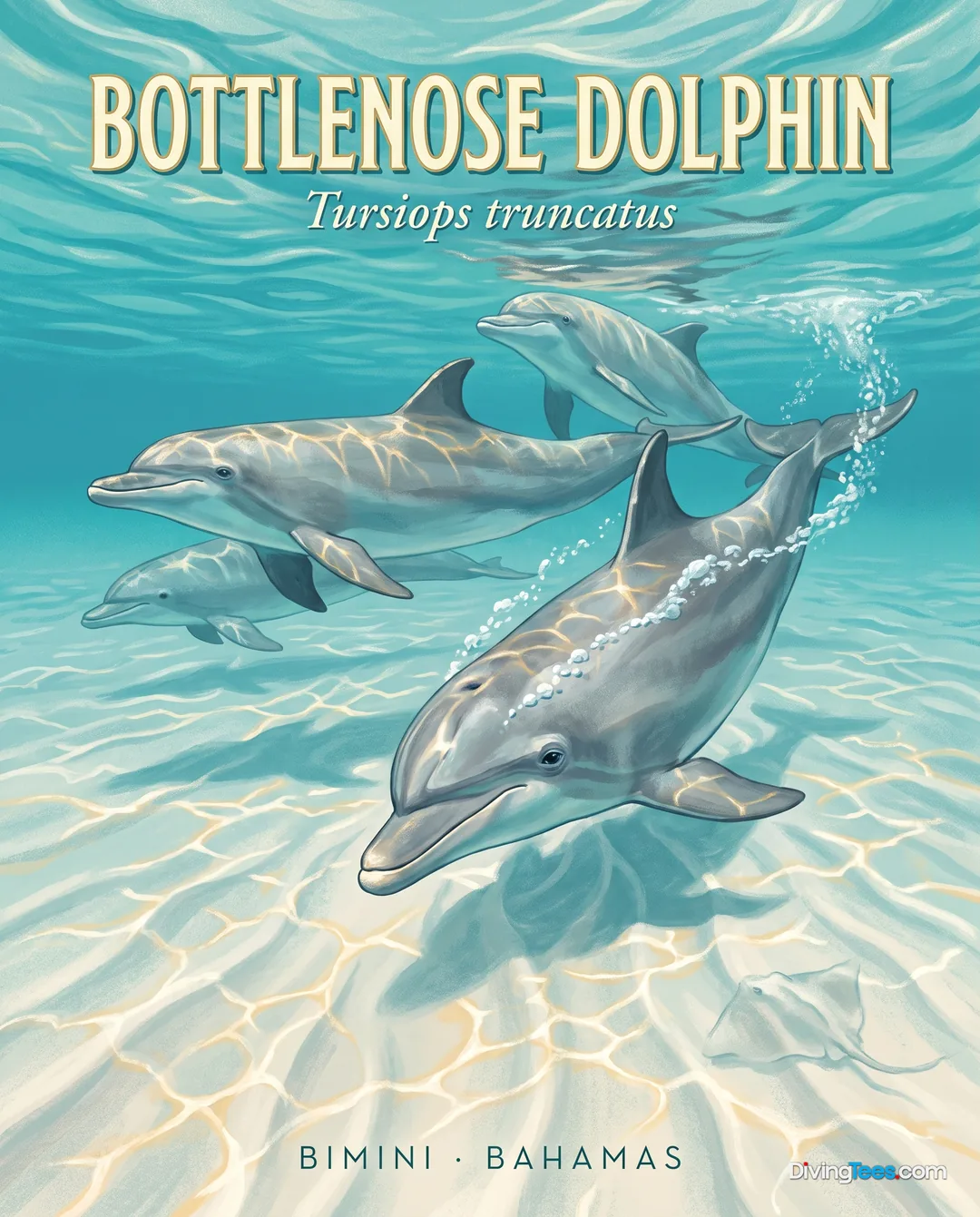
The site also serves as a major passage for other pelagic life. Manta rays and spotted eagle rays are frequently observed, with manta rays being more present between July and September. Barracudas, Napoleon wrasse, and various schooling fish like surgeonfish and soldierfish also thrive in these strong flows. Bottlenose dolphins are known to pass through, adding to the diversity of encounters.
As you progress through Les Canyons, the current acts as your propulsion. The dive emphasizes experiencing the dynamic environment of the pass and observing the larger marine life that thrives in these strong flows, rather than focusing on small reef details. It's an active dive, requiring constant awareness of your surroundings and the current's pull, but the rewards are significant encounters in a unique geological setting.
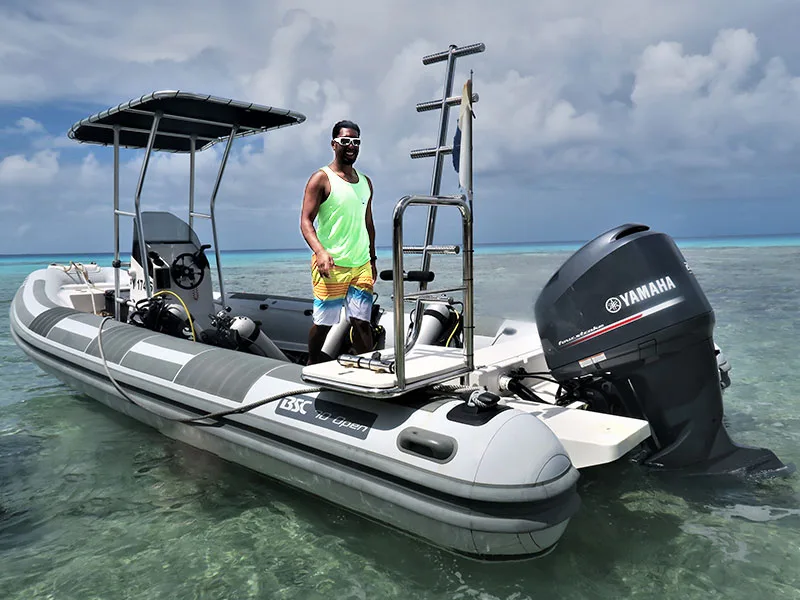
Les Canyons is an experienced-level dive due to the consistently strong incoming current within Tiputa Pass. The site is exclusively accessed by boat, with a typical journey of 20 minutes from local operators. Dive depth is dictated by the canyon formations, typically ranging from 10 to 26 metres, requiring careful buoyancy control during the drift. Given the variable nature of currents in passes, an Advanced Open Water certification or equivalent is recommended, along with at least 50 logged dives for safe navigation. While diving is possible year-round, June offers particularly marked gatherings of grey reef sharks, and large concentrations of hammerhead sharks and eagle rays are more frequent between January and April.
You can dive Les Canyons year-round. Grey shark gatherings are particularly marked in June. Great hammerhead sharks and eagle rays are more frequent from January to April, while manta rays are more present between July and September. These seasonal patterns can help you choose when to visit Tiputa Pass.
Les Canyons is suited to experienced divers because the incoming current is consistently strong. You should have Advanced Open Water certification or equivalent and at least 50 logged dives for safe navigation. Careful buoyancy control and constant awareness are important while drifting through the canyon formations and changing current.
Les Canyons ranges from 10 to 26 metres, with the bottom typically lying between 20 and 26 metres. Your depth follows the canyon formations as you drift through Tiputa Pass. The canyons extend toward the middle of the pass, so careful buoyancy control helps you manage the underwater terrain.
You drift through a strong incoming current in Tiputa Pass, using canyon structures as temporary shelter from the flow. Grey sharks are a consistent presence, while whitetip and blacktip reef sharks, hammerheads, manta rays, eagle rays, barracudas, Napoleon wrasse, schooling fish, and bottlenose dolphins may also appear.