Liveaboards · Egypt
Aml Hayaty — a practical Red Sea basecamp for wrecks, reefs, and short safaris
For subtitles in English: start the video firstthen click the gearat the top right of the video, select “Subtitles/CC”, then “Auto-translate” and choose “English”.
The invitation
Aml Hayaty suits divers who want a real liveaboard in a short format. The recorded departures are Hurghada-to-Hurghada mini safaris lasting 4 days and 3 nights, so the boat offers more than a day boat without asking for a full week away. The route is built around North Red Sea reefs and wrecks, with Abu Nuhas and the S.S. Thistlegorm among the names attached to the programme. What makes the boat worth choosing is the balance: enough room to spread out after a dive, a proper camera setup, free Nitrox, and two RIBs to keep entries and recoveries practical. It also works for private group charters. This is not a technical-diving platform, and it is not aimed at people looking for a stripped-back expedition boat. It is a comfortable, organised base for divers who want to spend their limited time underwater rather than in transit.
Boarding
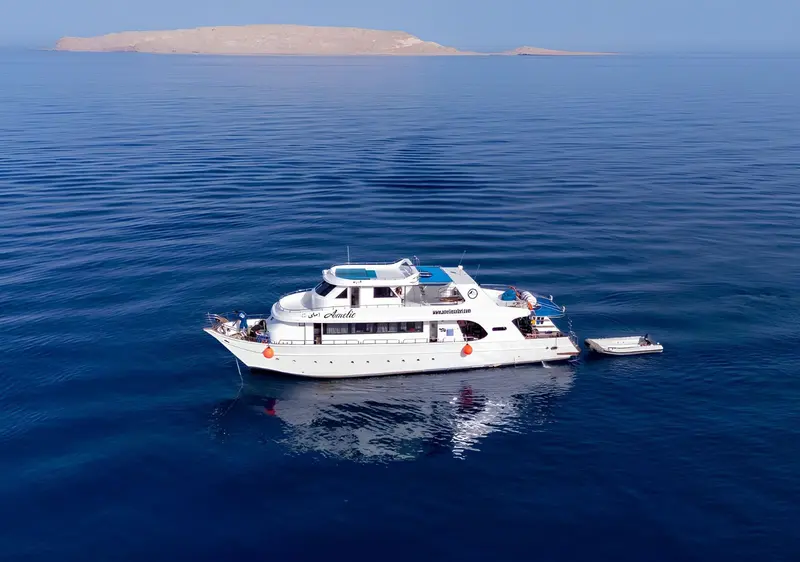
From the dock, Aml Hayaty presents as a substantial wooden Red Sea liveaboard rather than a converted day boat. Mahogany forms the hull, and the 2022 renovation gives the boat a relatively recent working life without pretending it is new. Inside, the layout separates the dive area from the saloon, restaurant, bar, lounges, and sleeping spaces, so wet gear does not have to take over the living areas. The main saloon is air-conditioned, while the open-air saloons and sun deck give the group somewhere to get outside between dives. The boat is built for movement: divers can step from the living spaces to the dive deck, then return to showers, towels, and a place to leave equipment. Two powerful engines and two RIB tenders support the operation, but the point on arrival is simpler. Aml Hayaty feels like a working dive boat with enough room to live aboard comfortably.
The atmosphere on board
Aml Hayaty is set up for a group that spends its days moving between dive deck, RIB, saloon, and sun deck. The crew's value is felt in the small transitions: equipment stays organised, meals appear after the water, and the boat remains easy to navigate when several divers are preparing at once. Passenger feedback points especially strongly to the crew's handling of details, while the diving itself is described as a major part of the experience. That combination matters on a compact safari. There is less time for a poorly managed morning or a confusing return from the water to be forgotten. Arabic, English, French, and German are spoken on board, which helps a mixed group settle into briefings and meals quickly. In the evening, the boat becomes a shared base rather than a formal resort: cameras charge, divers compare notes, and the next day's reefs and wrecks take over the conversation.
The sites you’ll dive
The route is sold as a 4-day, 3-night Hurghada-to-Hurghada mini safari, with North Red Sea wrecks and reefs as its centre of gravity. Carless Reef reaches -40m and combines dramatic drop-offs with giant morays swimming free in the blue; it is also the listed site for white-tip reef sharks, oceanic whitetips, and hammerheads. Umm Gamar reaches -30m, with coral walls leading to a cave at 28m and the remains of Hans Hass's shark cage. Shaab Abu Nuhas reaches -30m, where fusiliers and trevally gather along a reef drop-off. Fanadir South and Fanadir North both reach -30m: the first spreads across sand where feather-tail stingrays may pass, while the second follows a vegetated wall and a reef edge dropping to 30m. Gotha Abu Galawa changes from hard-coral lagoon to wall and sandy slopes, with strong night-diving appeal. Sachwa Abu Galawa reaches -30m and is known for purple soft corals and gorgonian gardens. Gotha Abu Nugar North is a shallow coral garden to -9m. Shaab Ruhr Umm Gamar reaches -40m, moving from an oval fish-filled reef to a plateau with pinnacles and at least three wreck remains. Shaab Umm Gamar reaches -40m and brings coral formations and pelagic possibilities. El Fanadir reaches -40m, with a cleaning station on a shallow coral pinnacle. Giftun Islands reach -40m and suit drift dives when currents run. Shaab Sabina reaches -14m, with a broad labyrinth of coral garden. Erg Somaya reaches -60m, beginning at a shallow 5m before dropping into caves and chimney passages. The exact sites depend on the departure and conditions.
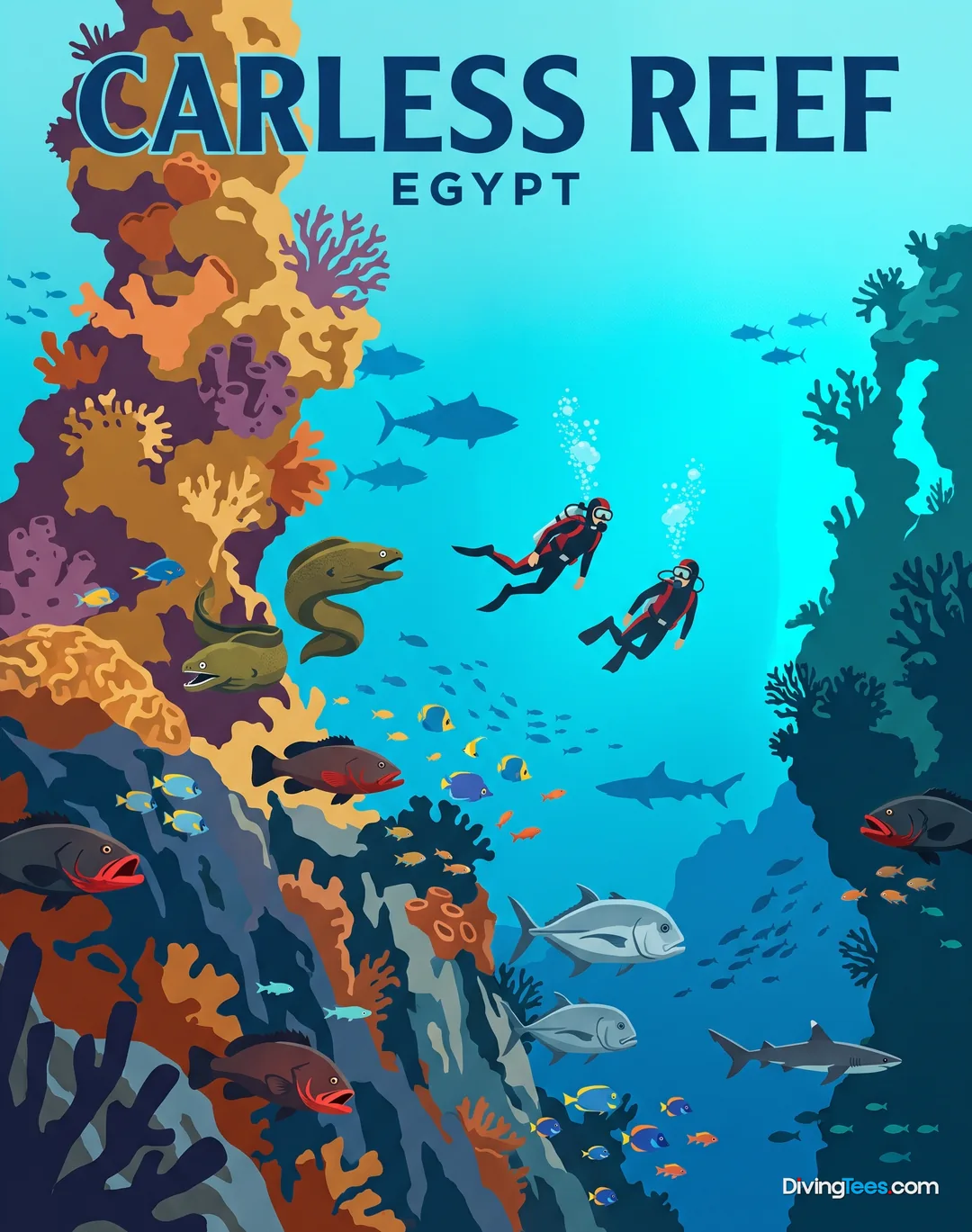
Carless Reef →
Max. depth · 40 m
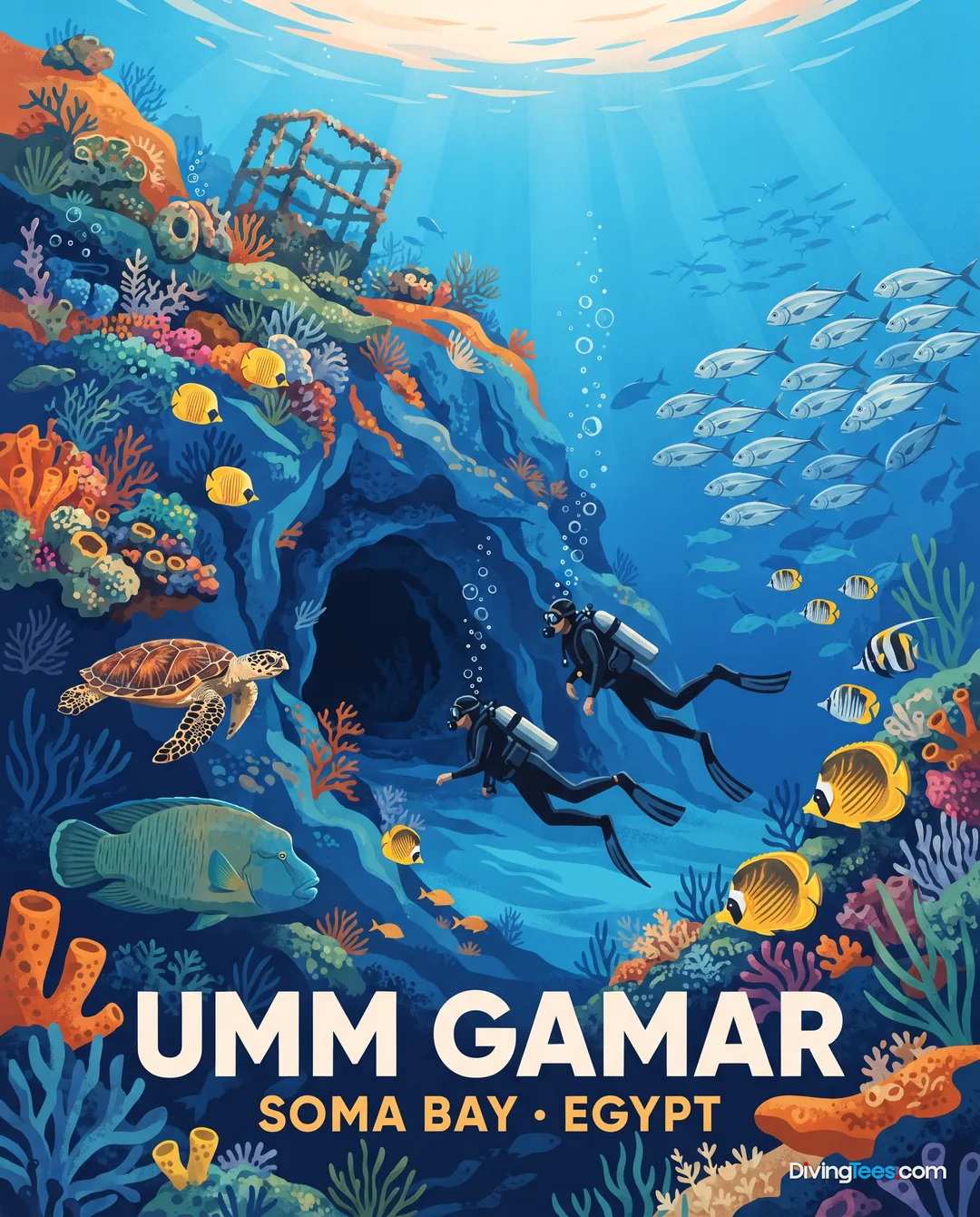
Umm Gamar →
Max. depth · 30 m
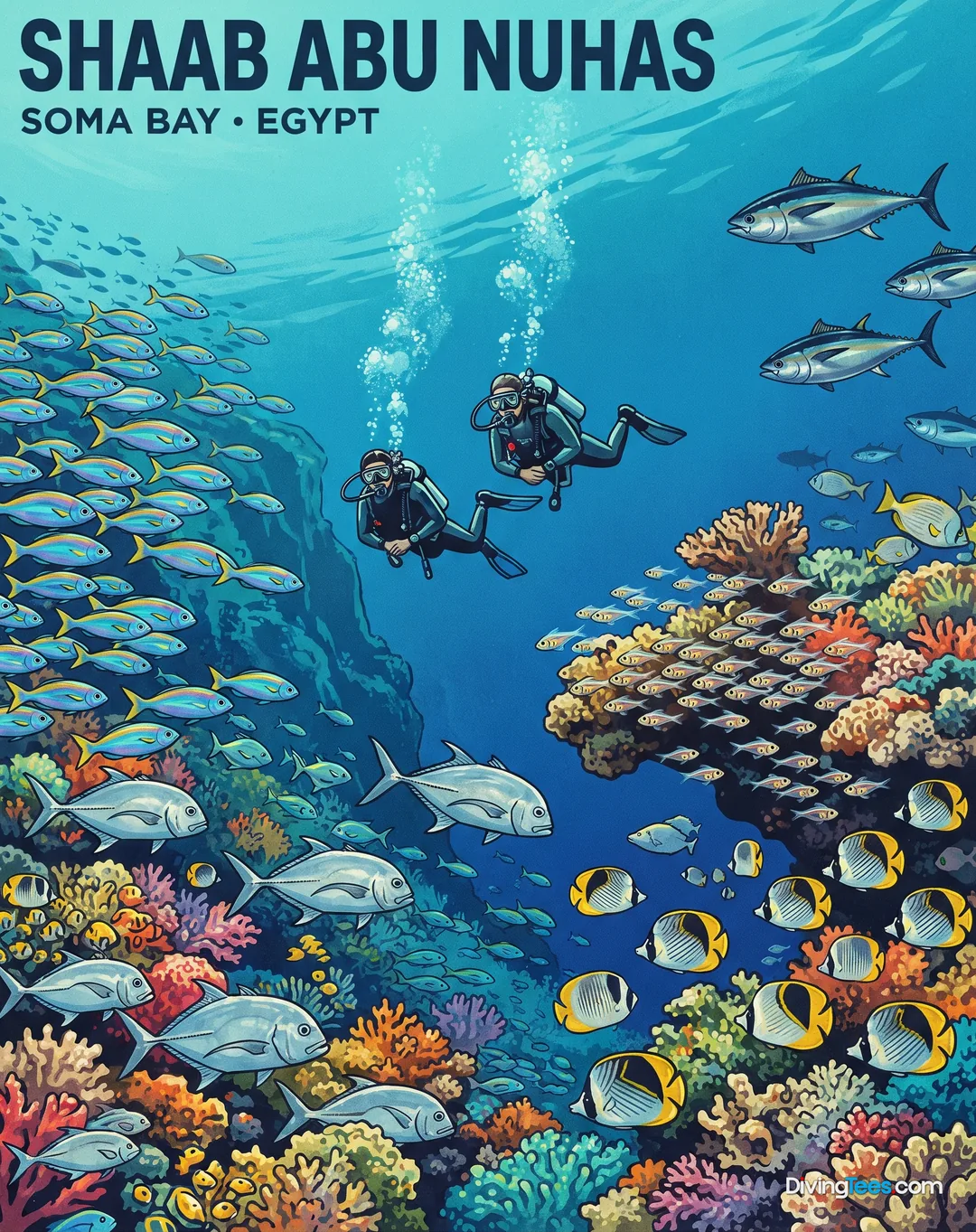
Shaab Abu Nuhas →
Max. depth · 30 m
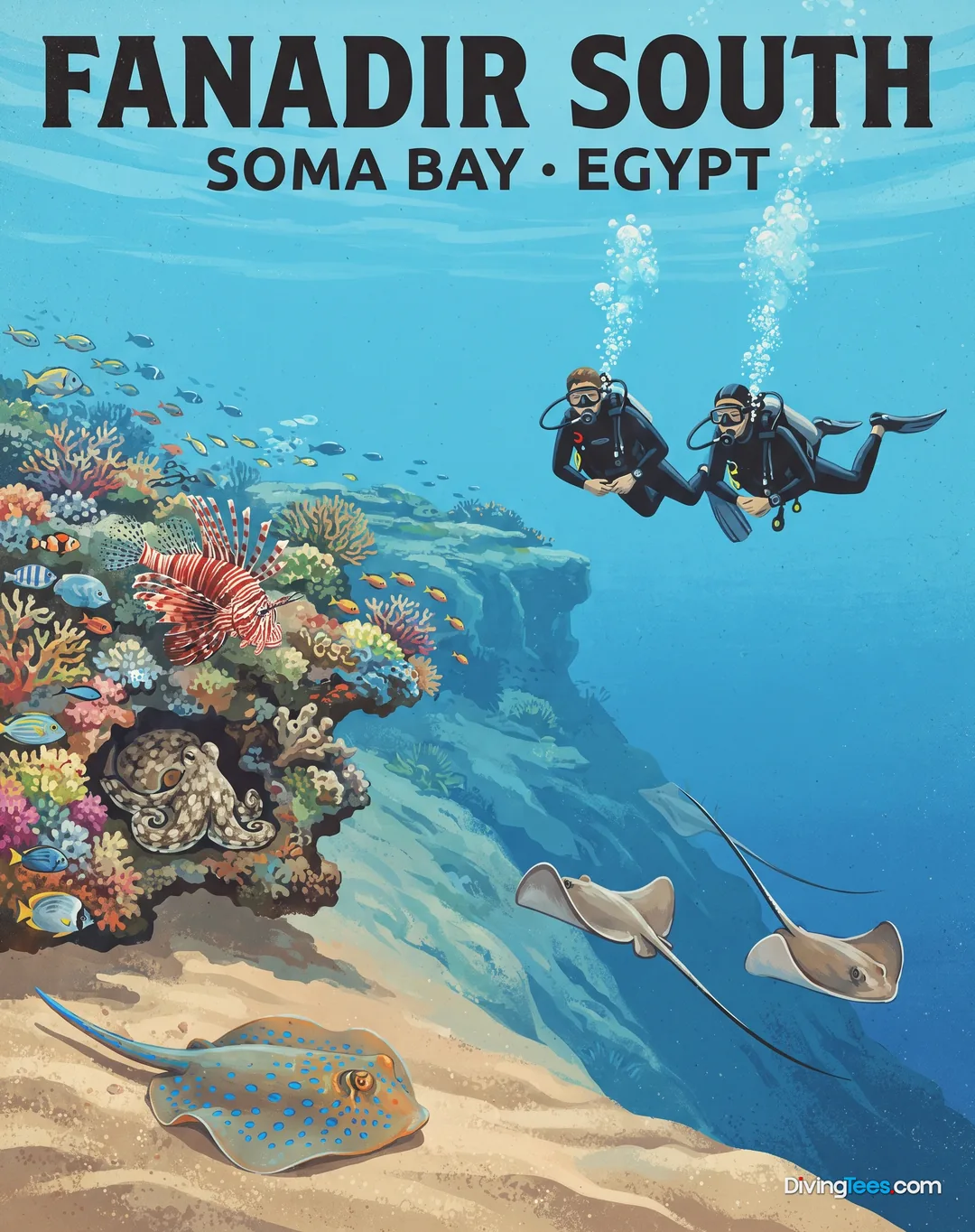
Fanadir South →
Max. depth · 30 m
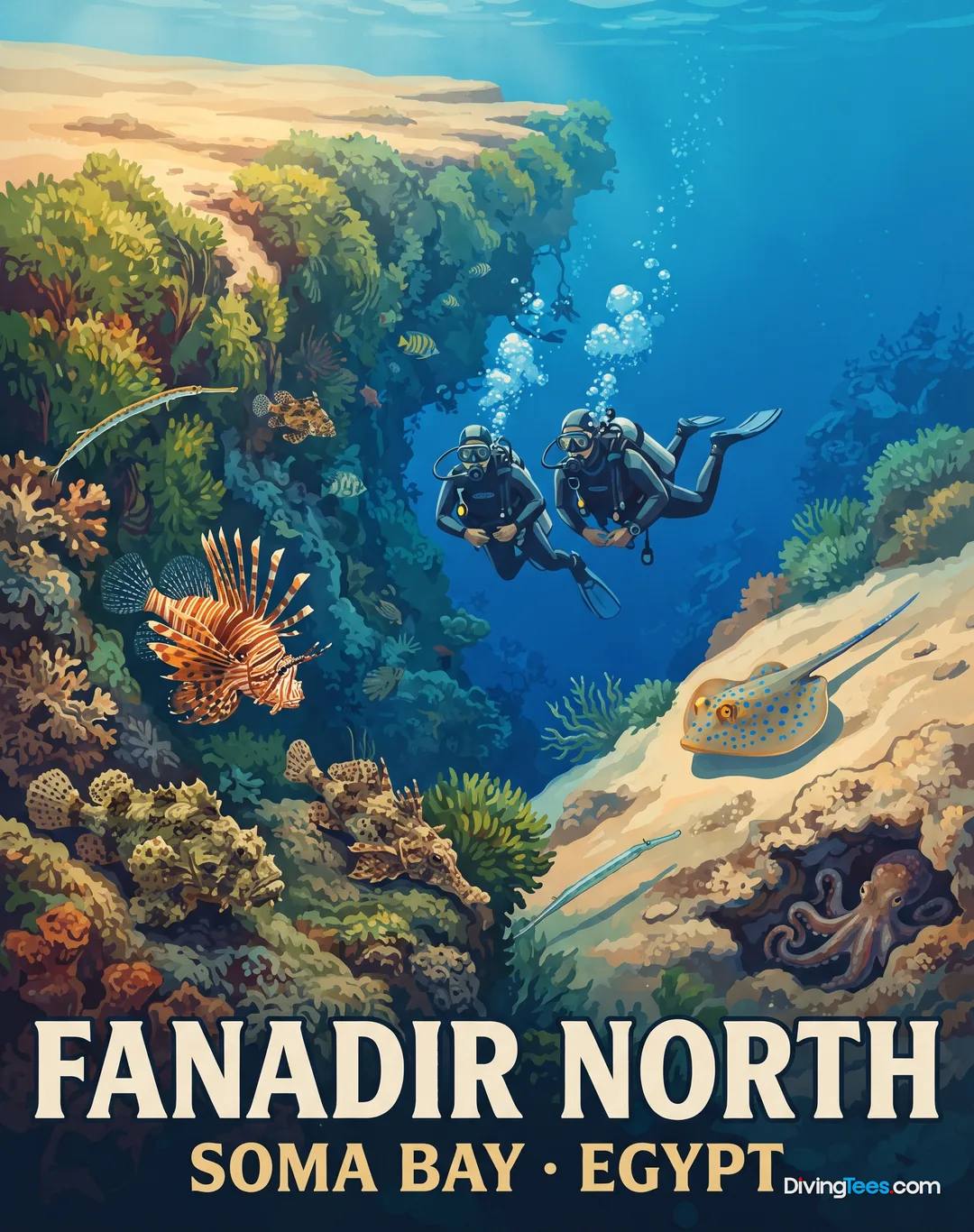
Fanadir North →
Max. depth · 30 m
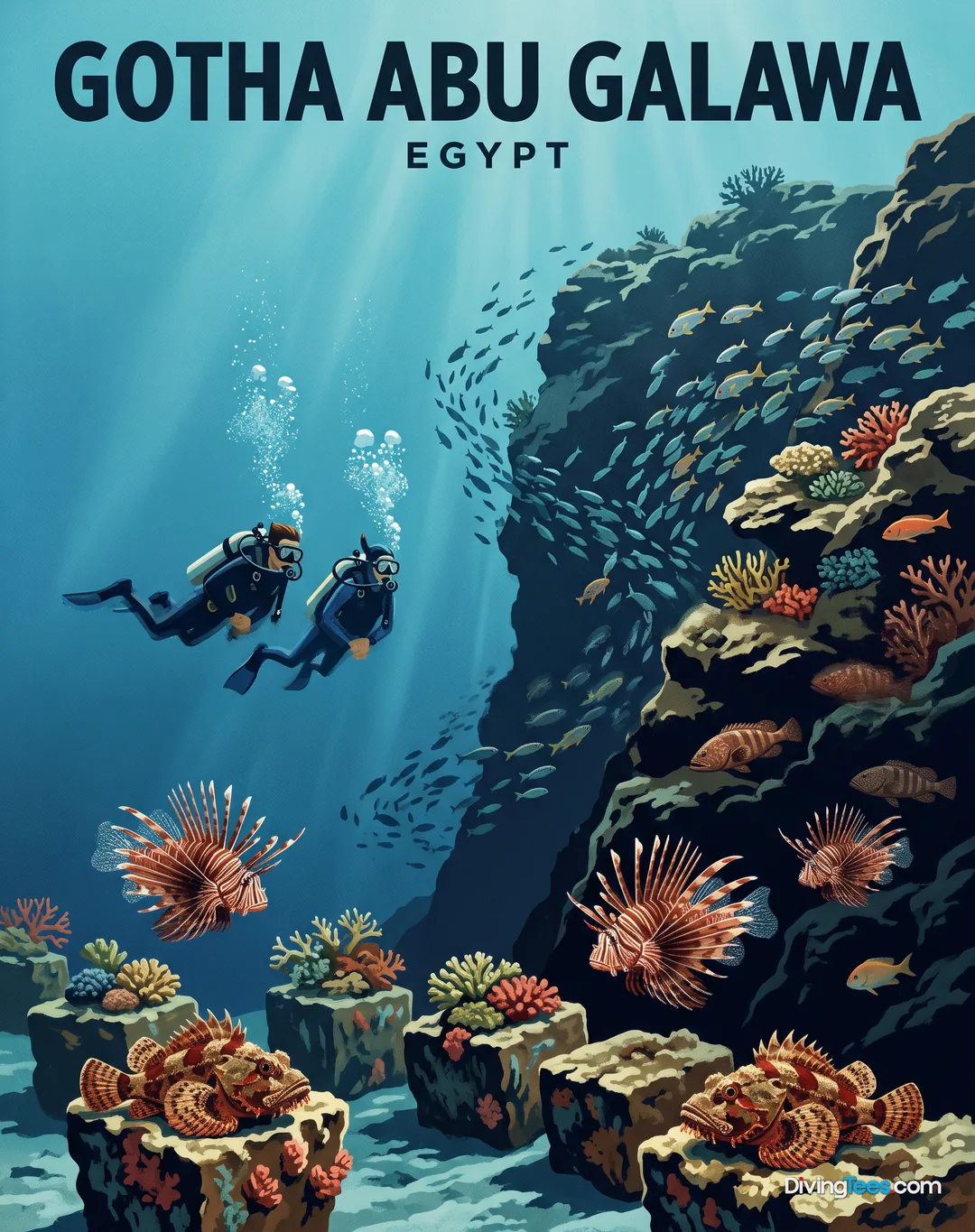
Gotha Abu Galawa →
Max. depth · 35 m
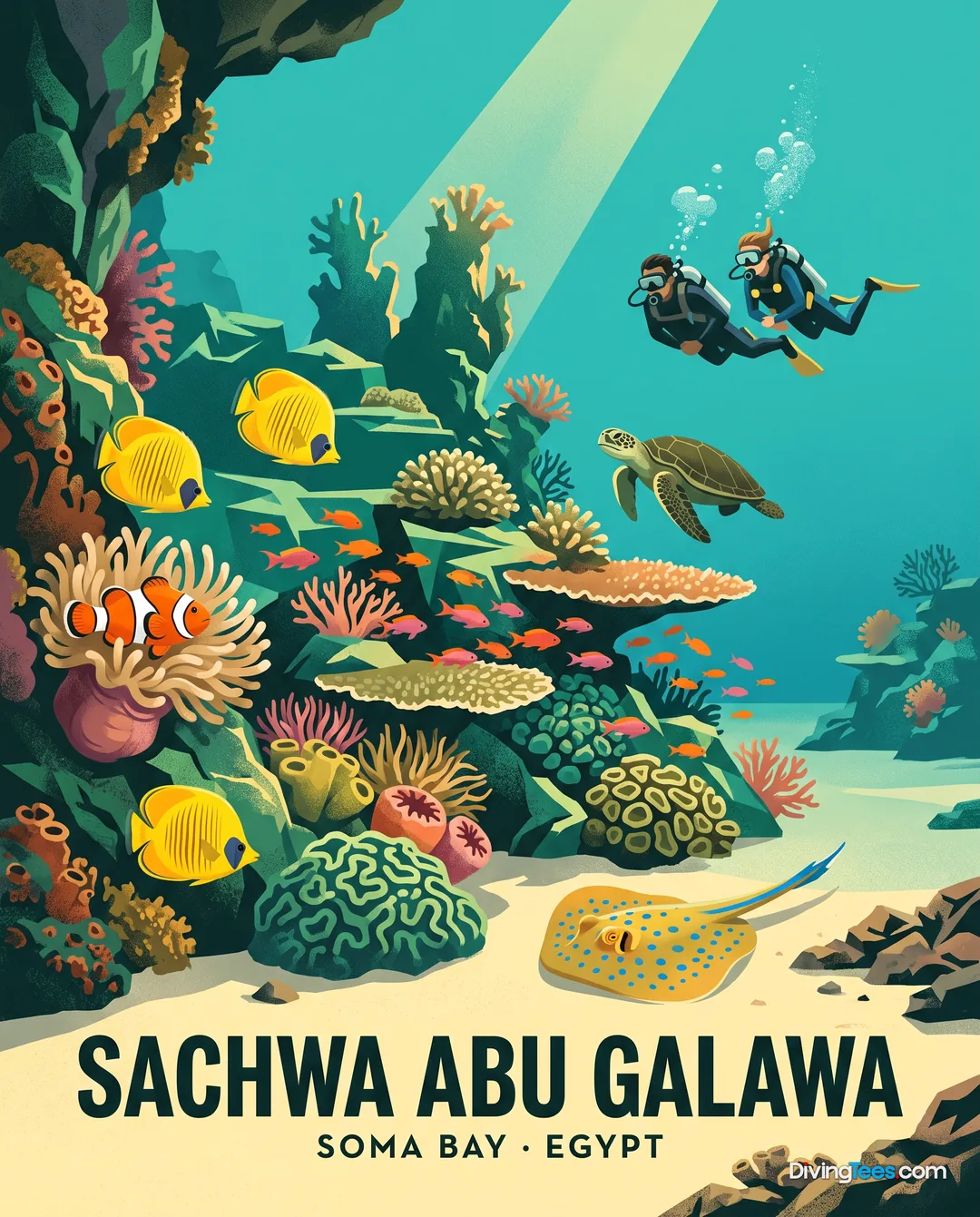
Sachwa Abu Galawa →
Max. depth · 30 m
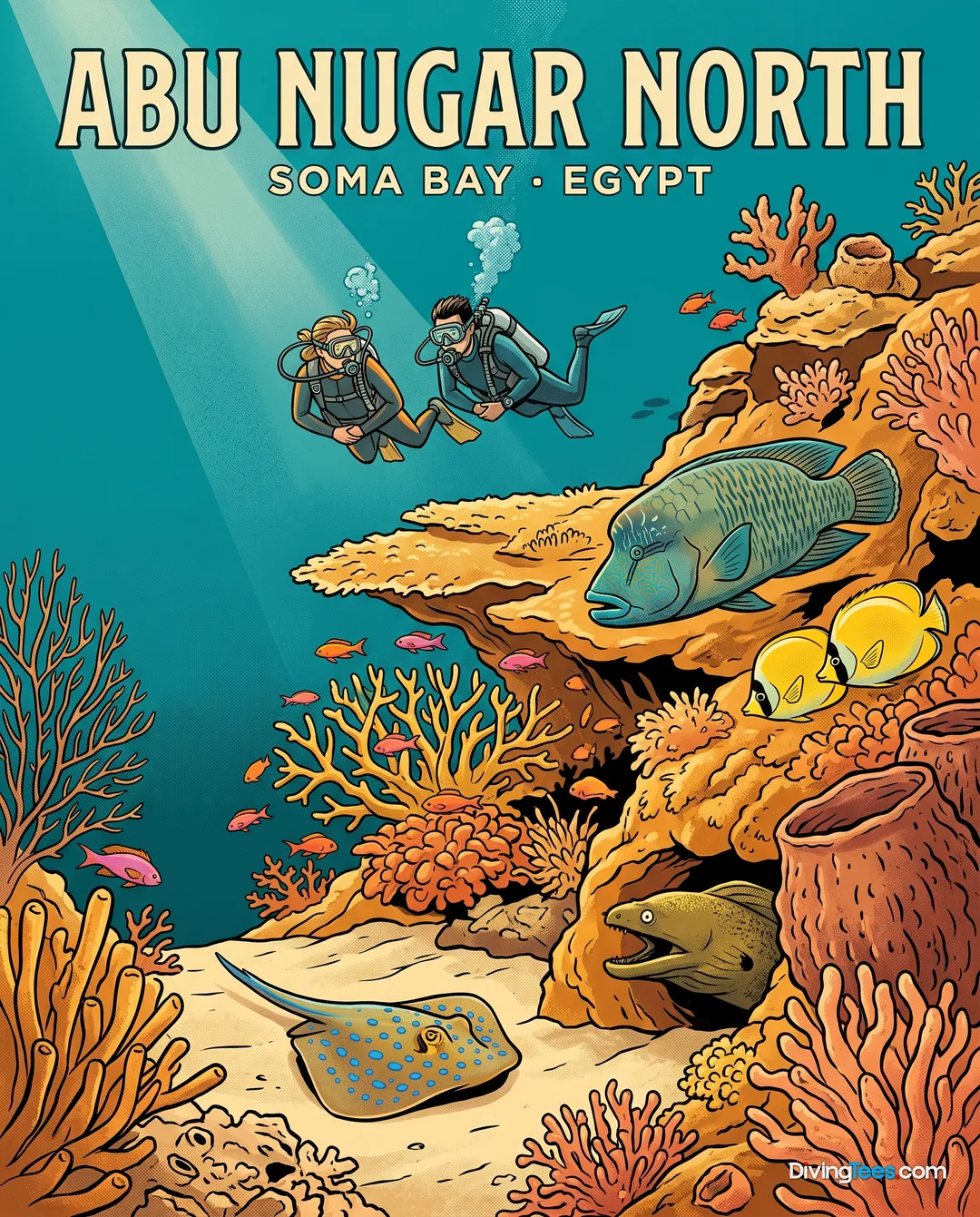
Gotha Abu Nugar North →
Max. depth · 9 m
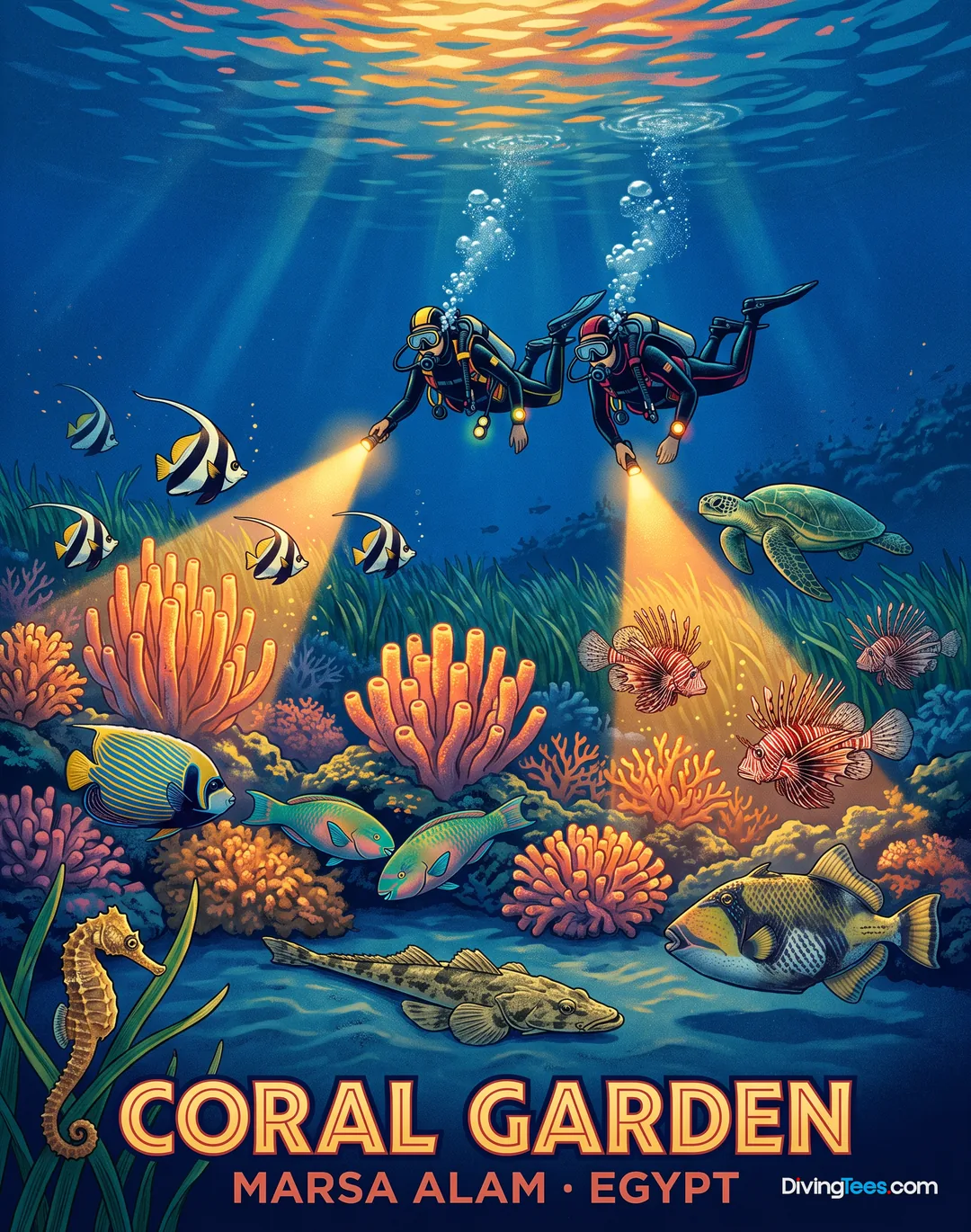
Coral Garden →
Max. depth · 20 m
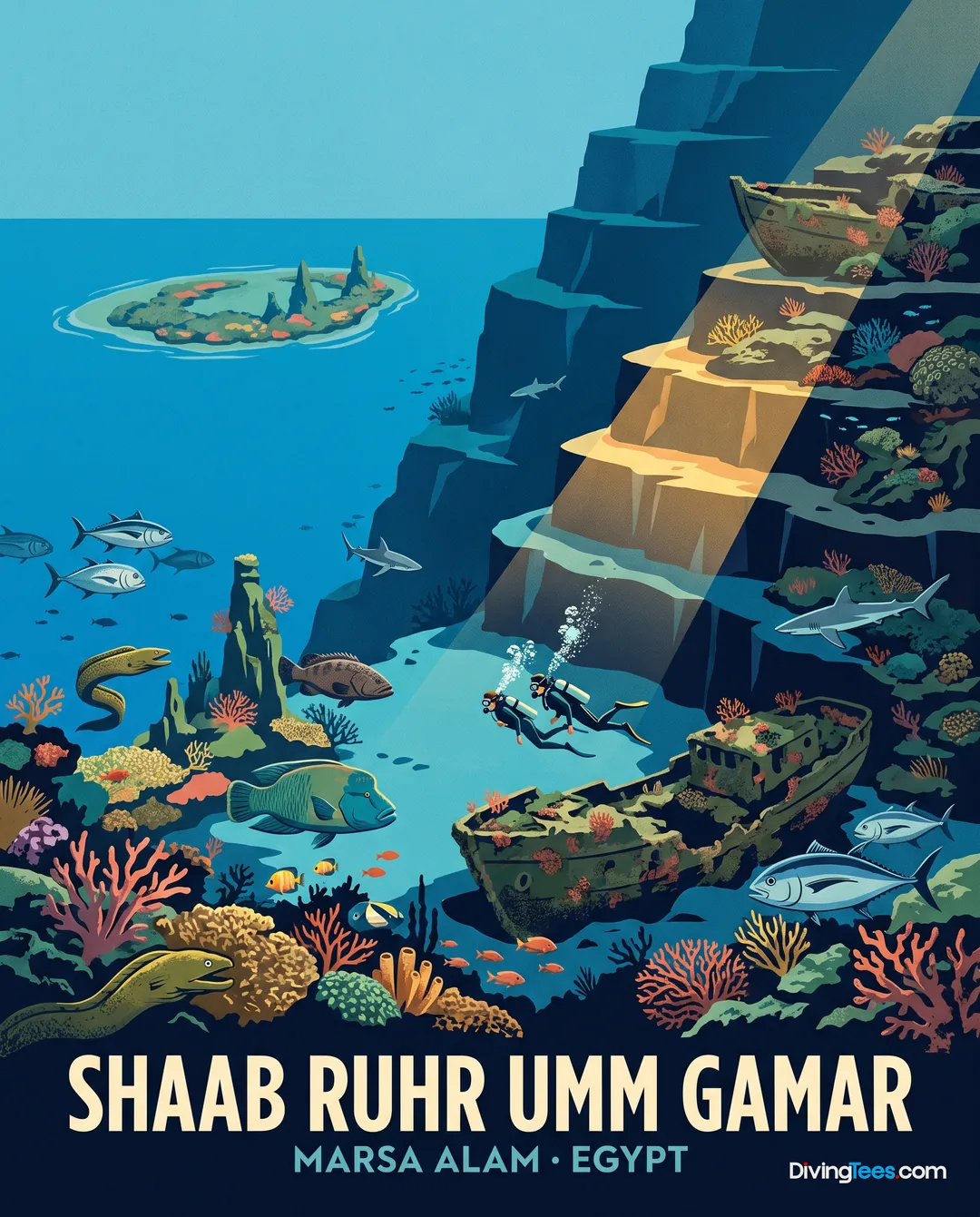
Shaab Ruhr Umm Gamar →
Max. depth · 40 m
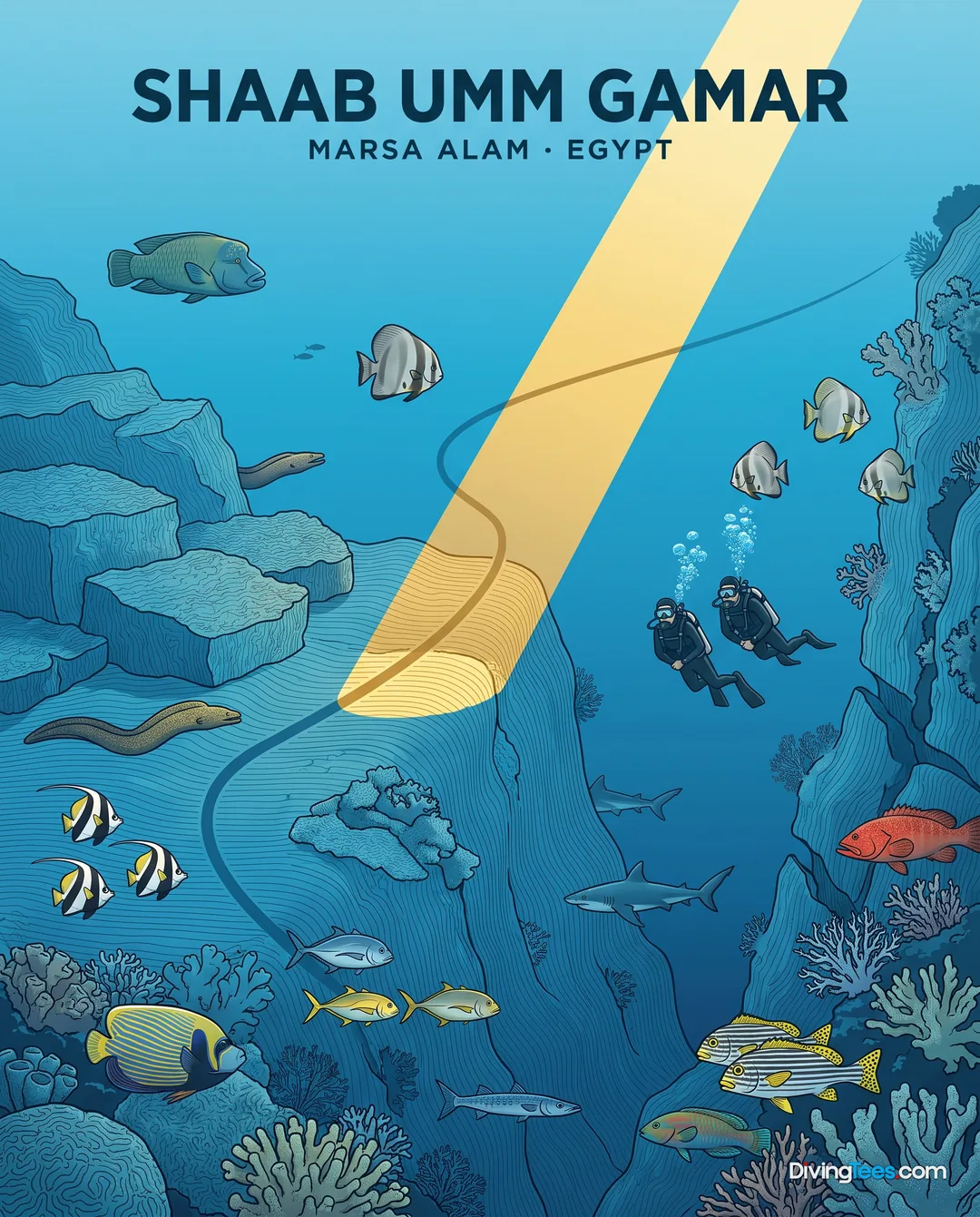
Shaab Umm Gamar →
Max. depth · 40 m
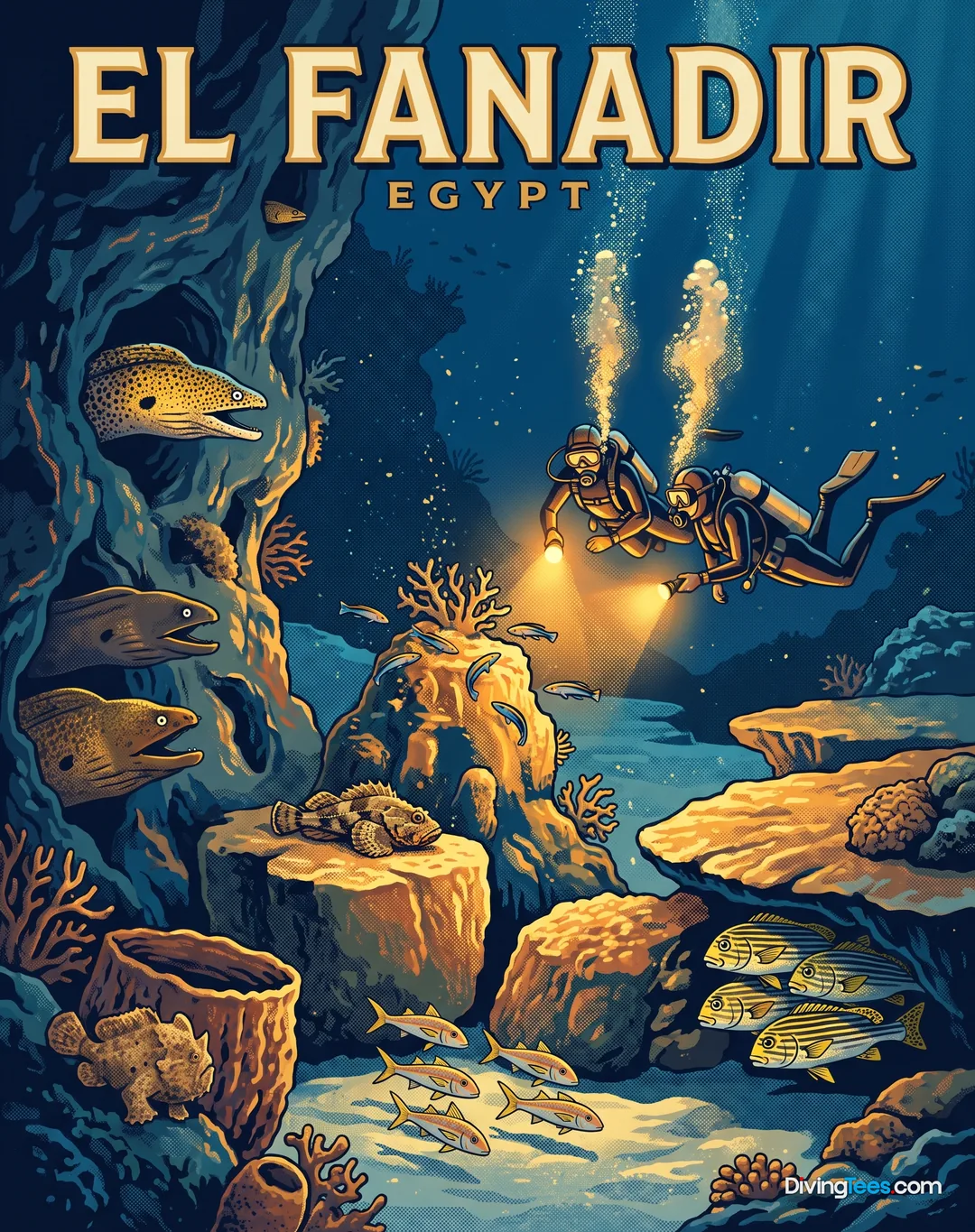
El Fanadir →
Max. depth · 40 m
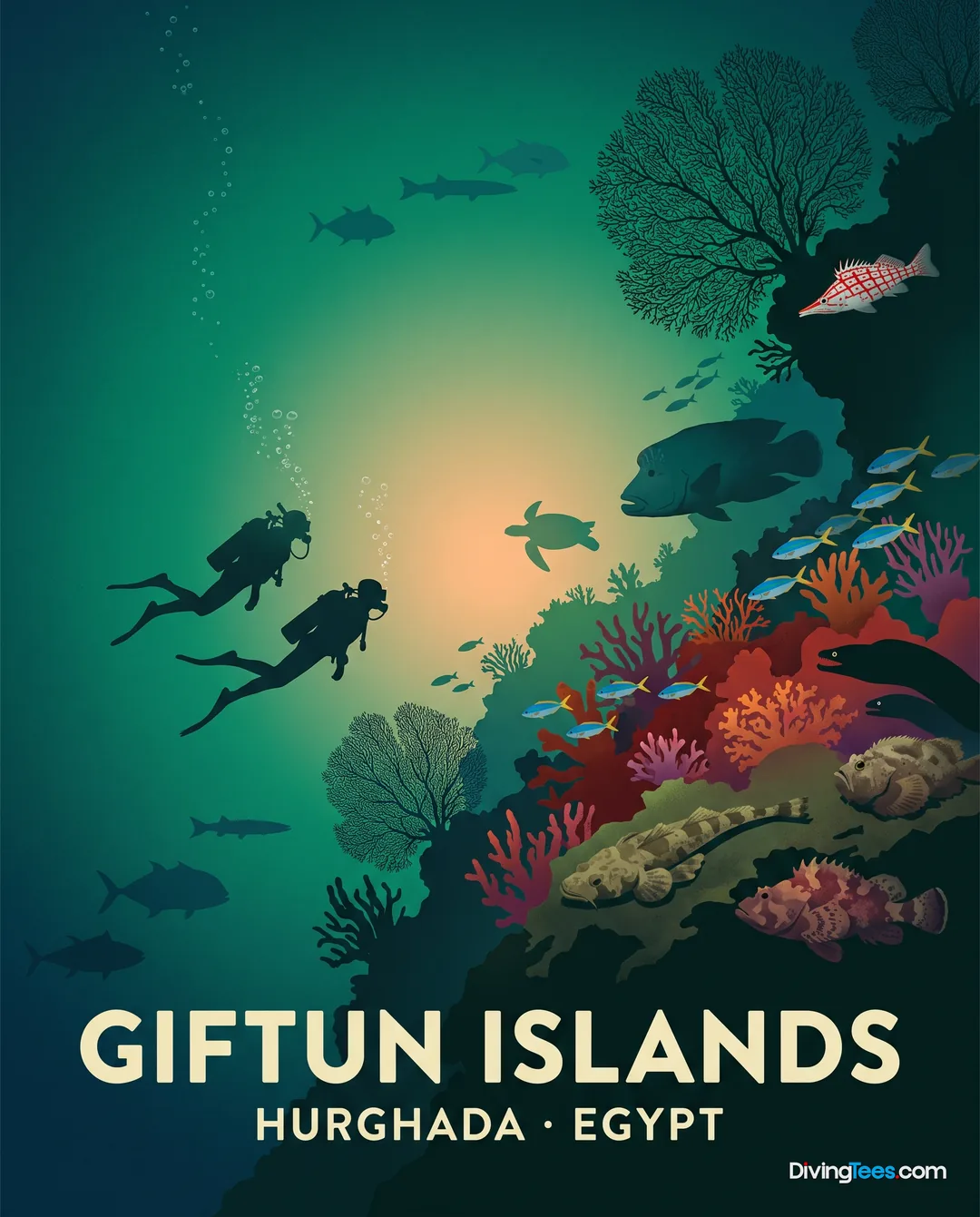
Giftun Islands →
Max. depth · 40 m
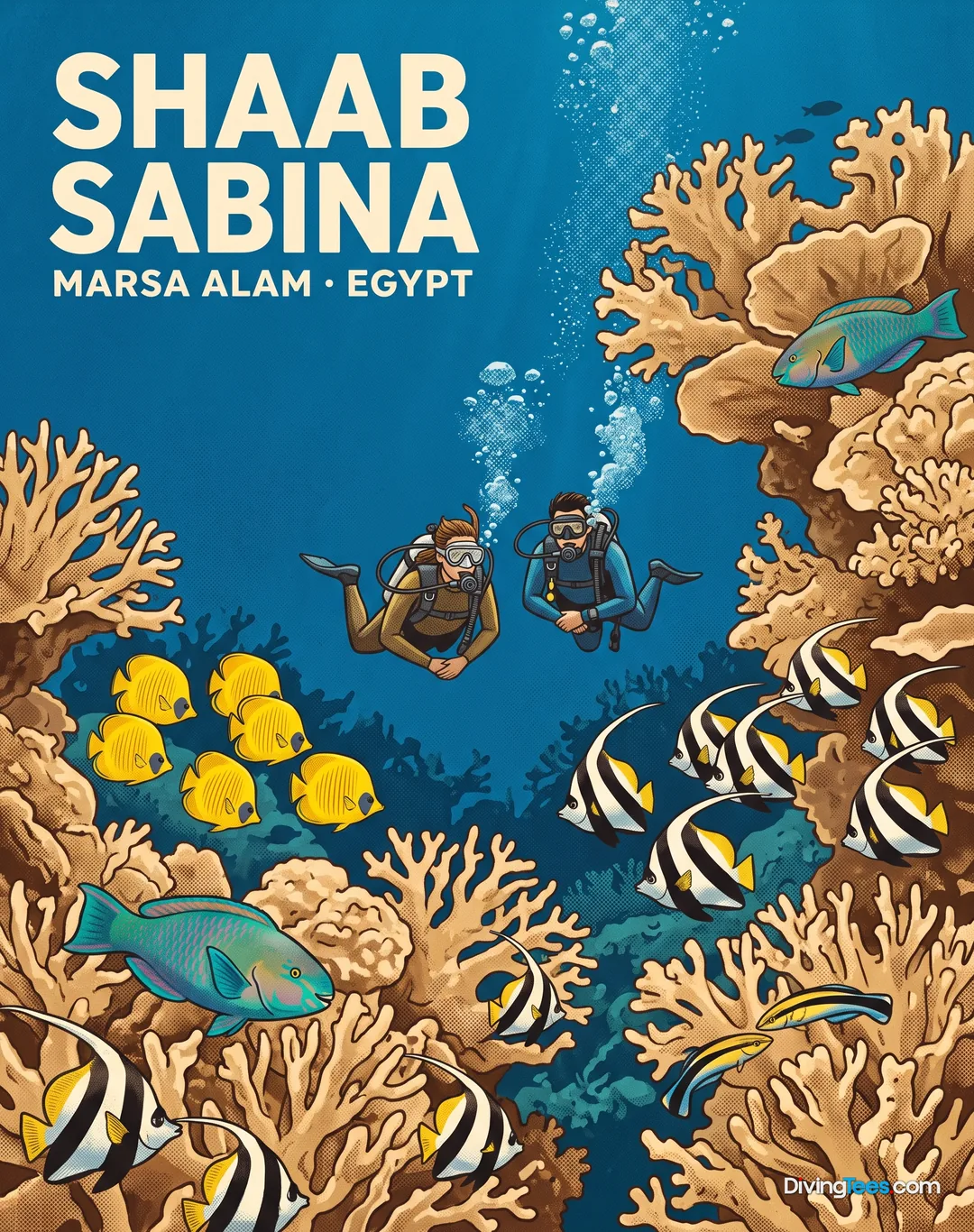
Shaab Sabina →
Max. depth · 14 m
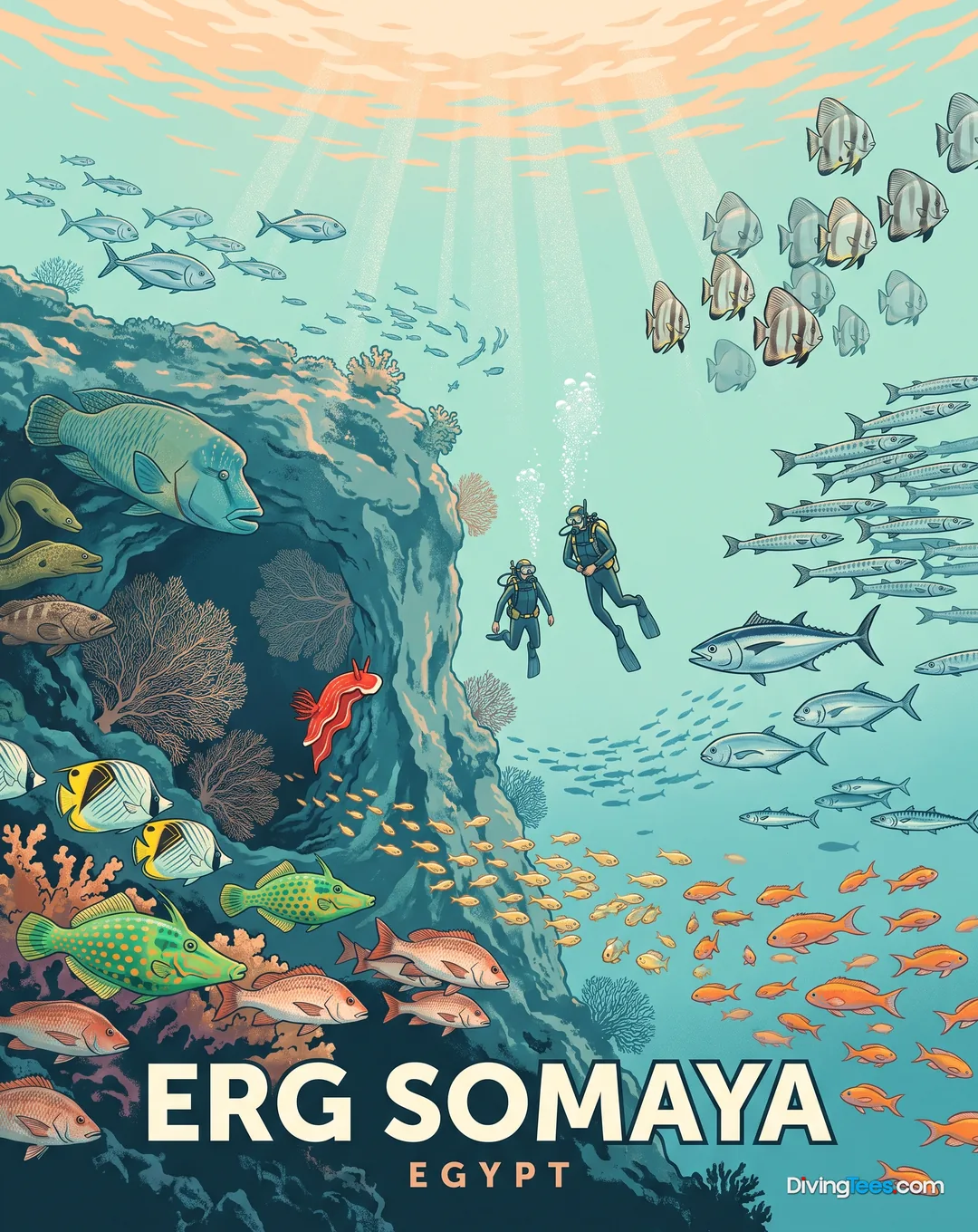
Erg Somaya →
Max. depth · 60 m
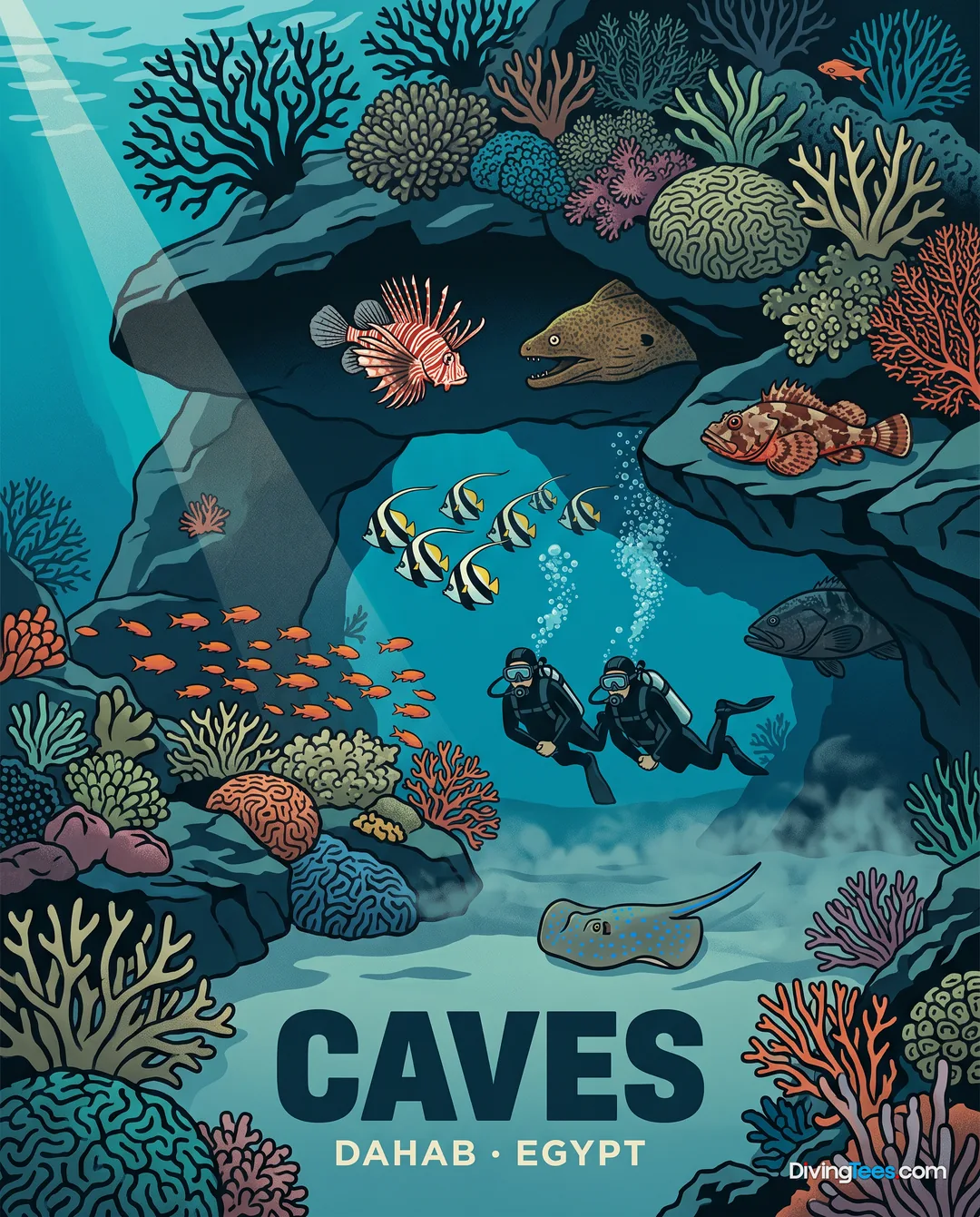
Caves →
Max. depth · 22 m
Itineraries, dates and prices
Prices per person. Each month shows its lowest price: click a month, or pick an itinerary.
Next departures · 113 departuresfrom £465$621€555
December 2026
See dates and prices
If you click these links and make a purchase on the partner site, DivingDeal may earn a commission, at no extra cost to you.
Dates and prices taken from Divebooker, updated 24 October 2026
What you’ll meet underwater
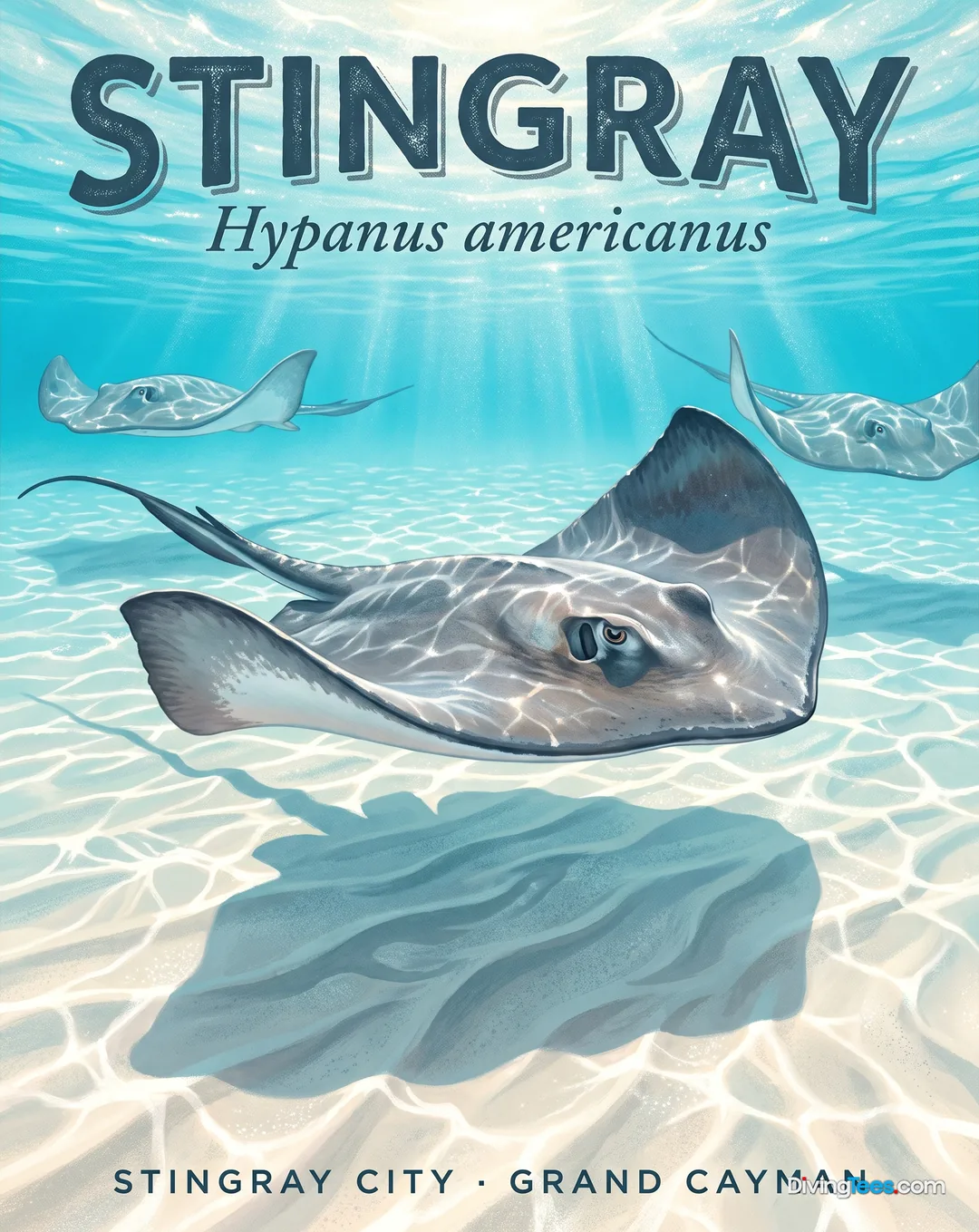
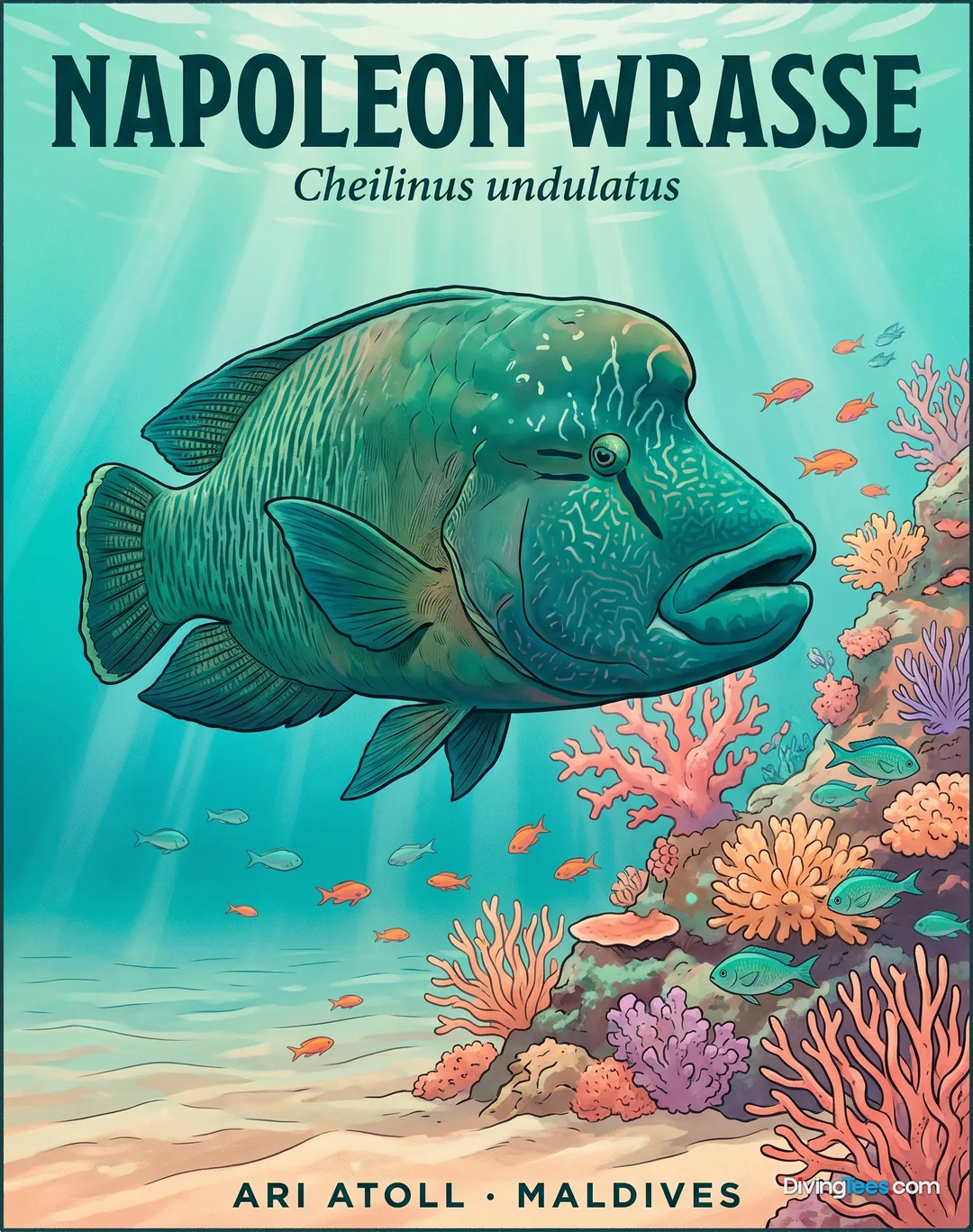
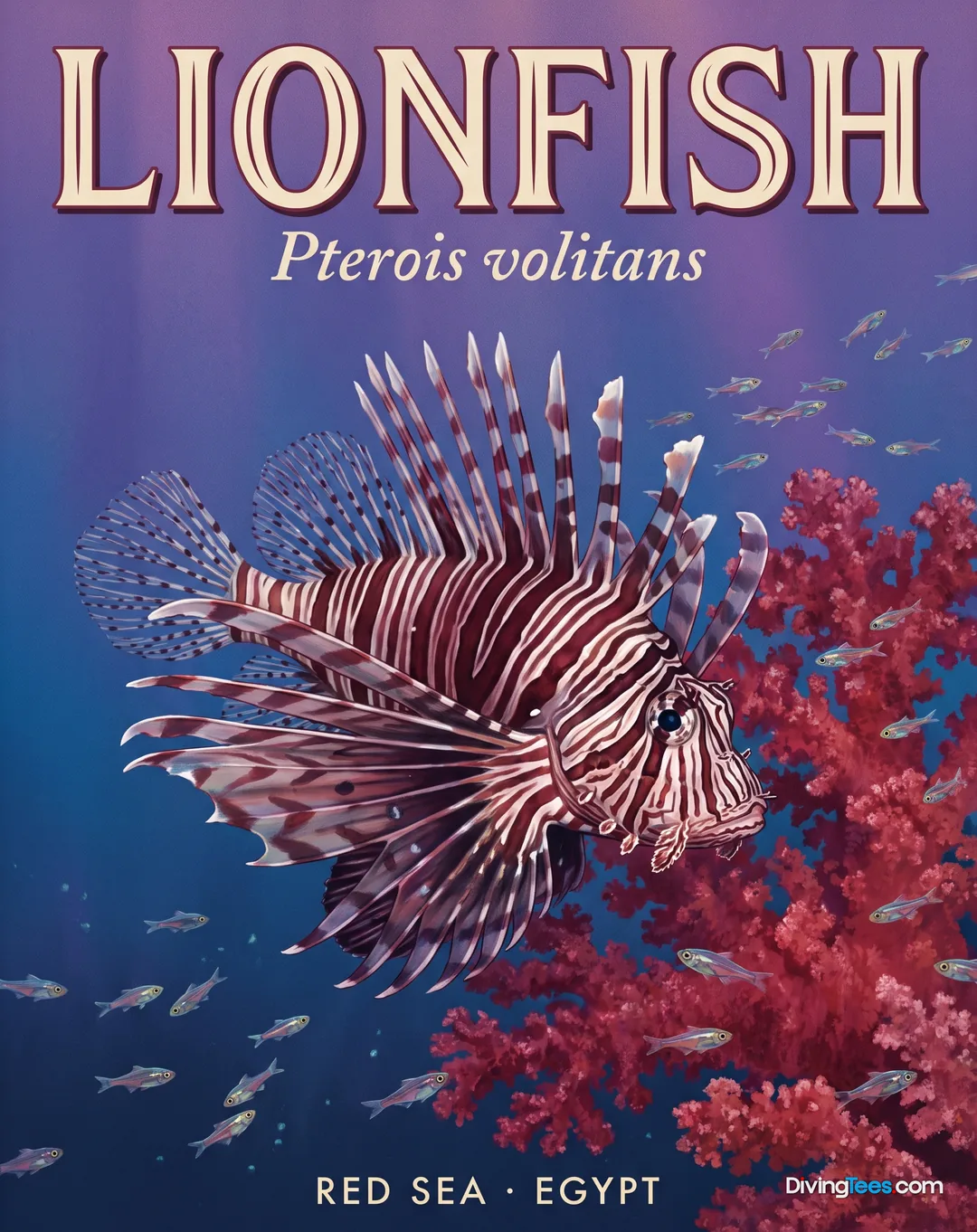
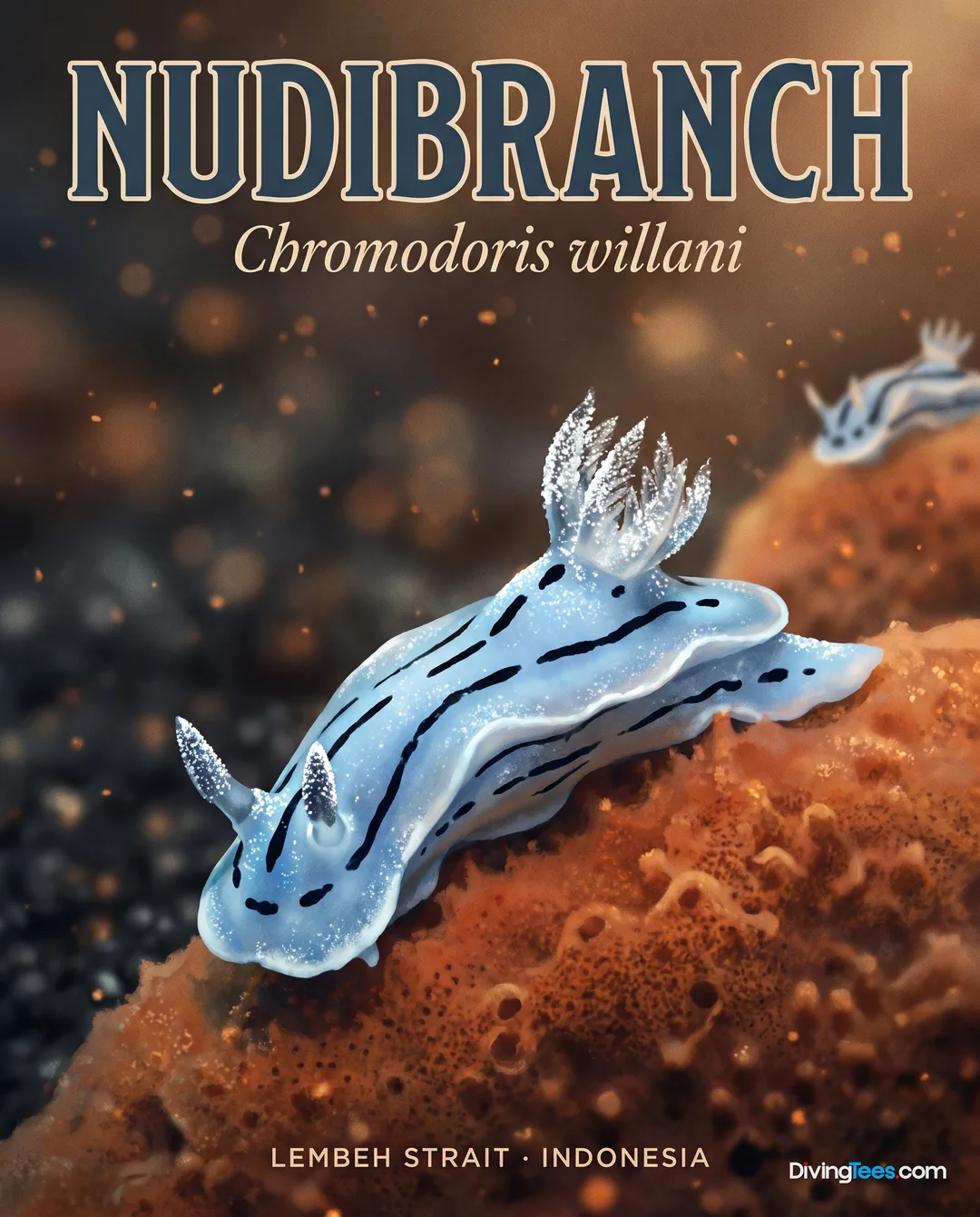
The recurring spectacle on this route is large reef life set against the scale of the Red Sea. Giant morays are recorded across ten sites, with giant trevally at seven, tuna at seven, Napoleon wrasse and scorpionfish at six, and reef sharks at five. Barracuda, turtles, wrasse, lionfish, anthias, nudibranchs, octopus, batfish, and dolphins add the movement and detail between the larger encounters. A current at Giftun Islands can turn a drift dive into a pelagic search, while the cleaning station at El Fanadir gives a reason to slow down over the shallow pinnacle. Some sightings belong to one place in particular. Carless Reef is the recorded site for white-tip reef sharks, oceanic whitetips, hammerheads, and reef sharks. Shaab Ruhr Umm Gamar is the only listed site for the giant grouper and grey reef shark. Erg Somaya is the only listed site for snapper. El Fanadir is the place associated with frogfish, Fanadir North with trumpetfish, and Shaab Sabina with hard coral and damselfish. None of these animals is promised; the site gives the diver the reason to look.
Who puts you in the water
Dive groups are organised around a guide-to-diver ratio of 1 to 8. The minimum entry requirement is an Open Water Diver certification or equivalent, with no minimum logged-dive count stated, making the boat accessible to newer certified divers as well as regular liveaboard guests. Arabic, English, French, and German are spoken by the crew. PADI Open Water, Advanced Open Water, and Nitrox courses are available on board at extra cost, and a private dive guide can also be arranged. The setup is aimed at recreational diving rather than decompression or technical work. Full boat safety is listed, but specific emergency equipment and recall procedures are not detailed. Briefings and group organisation therefore matter: divers should expect to follow the guide structure, stay within the limits of their certification, and make their own equipment and experience clear before entering the water.
The dive deck and the gear
The dive deck is the strongest practical argument for Aml Hayaty. It has room for the working equipment, dedicated camera tables, charging stations, and a rinse area, so photographers are not competing with wet gear for every flat surface. Two Bauer K14 compressors support filling, and the Nitrox membrane system provides free Nitrox. The standard diving package includes 12-litre tanks and weights. Two RIB tenders handle the transfers between deck and dive site, keeping the boat itself clear when divers are entering and returning. Gear rental is available at extra cost, including a full set, BCD, computer, torch, SMB, and 3 mm wetsuit. The boat is not described as technical-diving friendly.
Between dives
Between dives, the boat gives divers several ways to come down from the water. The shaded outdoor lounges are the natural place to dry off, talk through a sighting, or sit with a camera while the crew prepares the next move. The sun deck and sunbeds suit those who want heat and open sky; the air-conditioned indoor saloon is the better retreat when the Red Sea has done enough for the day. There is also an open-air saloon, a bar, and an entertainment system, but the useful feature is the separation of spaces. A photographer can leave equipment at the dedicated charging and camera areas instead of turning a dining table into a workshop. On a no-dive afternoon, the boat offers room to read, sleep, or watch the coast pass without forcing everyone into the same lounge.
A day on board
A day aboard Aml Hayaty is shaped by the next briefing rather than by a rigid hotel timetable. Divers wake, prepare equipment, and move through the first briefing toward the opening dive. After the return, breakfast or another buffet meal gives the group time to eat before the boat, RIBs, and guides set up the next entry. The pattern repeats with food, water, drying time, and the next descent marking the day more reliably than a clock. Between dives, some guests retreat to the air-conditioned saloon while others stay on the shaded outdoor decks or move up to the sun deck. The boat may get underway between sites, and the North Red Sea route keeps the scenery changing between reefs, islands, and wreck areas. At Gotha Abu Galawa, the site write-up specifically highlights night diving, so darkness can bring a final entry when conditions and the itinerary allow it. Dinner closes the active part of the day, but the dive deck is still where the following morning begins.
What you eat aboard
Meals are served buffet-style, with both Western and local food on the menu. The galley also handles dietary restrictions, which matters when every meal follows a dive and there is little room for improvisation ashore. Hot and cold soft drinks, tea, coffee, and snacks are available throughout the day, so the gap between meals does not depend on a single large sitting. Chef-prepared food gives the table a practical role: it is where divers replace energy, compare what they saw, and prepare for the next entry. Alcohol is not included and is listed separately. The food is not presented as a themed restaurant experience; it is part of the boat's diving rhythm, with a buffet that lets hungry divers eat quickly and return for more later.
Nights at sea
The twelve cabins are all en suite and air-conditioned, with storage space and basic toiletries. Twin cabins and queen cabins sit on the lower deck; the four sea-view queen cabins are on the upper deck. The difference is less about decoration than about where the cabin places the sleeper in the boat: lower-deck cabins keep the night quieter from the open decks, while an upper-deck sea view brings more daylight and a closer sense of the water. Aml Hayaty is a wooden vessel, and the accommodation belongs to a working liveaboard rather than a hotel ashore. After a day in salt water, the cabin gives the essentials—bed, bathroom, air conditioning, towels, and somewhere to put dive clothing—without asking the diver to share the sleeping space. Queen cabins take two guests, as do the twin cabins. The useful luxury is returning to a private bathroom after the last dive.
Queen Bed Cabin
Twin Bed Cabin
Sea View Queen Bed Cabin
What to know before boarding
The recorded mini safaris depart from and return to Hurghada, running for 4 days and 3 nights. Airport or hotel transfers are included, with the transfer arranged from the airport or hotel connected to the departure. Arriving in Hurghada the night before is the sensible choice, leaving the boarding day free from flight delays and late road transfers.
- Year built
- 2014
- Year renovated
- 2022
- Length
- 38.5 m
- Beam
- 8.2 m
- Maximum number of passengers
- 24
- Number of cabins
- 12
- Engines
- 2 × 800 hp
- Tenders
- 2 × RIB
- Website
- blueelementsliveaboard.com ↗
Hello, I'm Marina, DivingDeal.com's AI assistant. I answer in detail about hotels, dive centres and liveaboards.
Thinking about the whole trip and the flights? Talk it over with Edith →
Marina is an AI. Some links are affiliate links: DivingDeal may earn a commission, at no extra cost to you. Bookings are made with the partner.