Liveaboards · Egypt
Blue Horizon — a proven Red Sea flagship built around serious diving
Deal on this boat
Per person
£968$1,294€1,156 £622$832€743
Discount calculated by us, against the boat's usual price for a trip of the same length.
See all discounted dates ↓What makes this boat unique
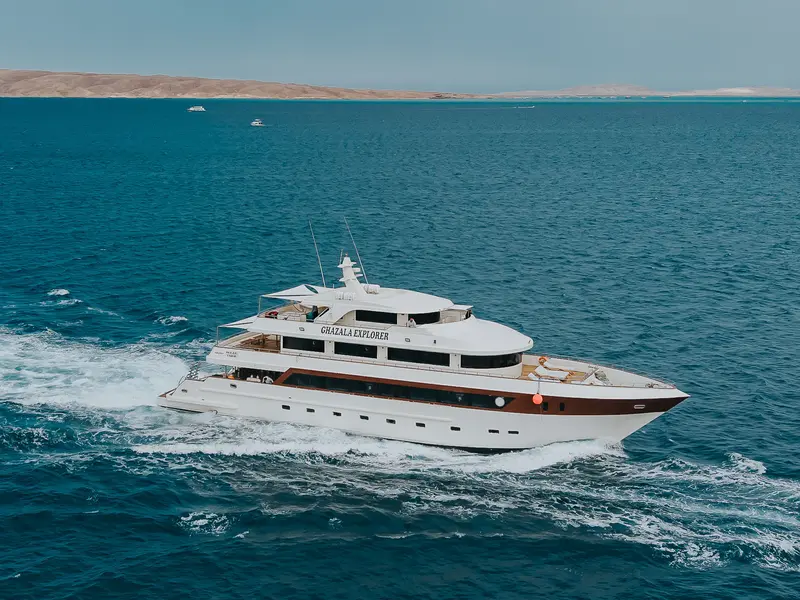
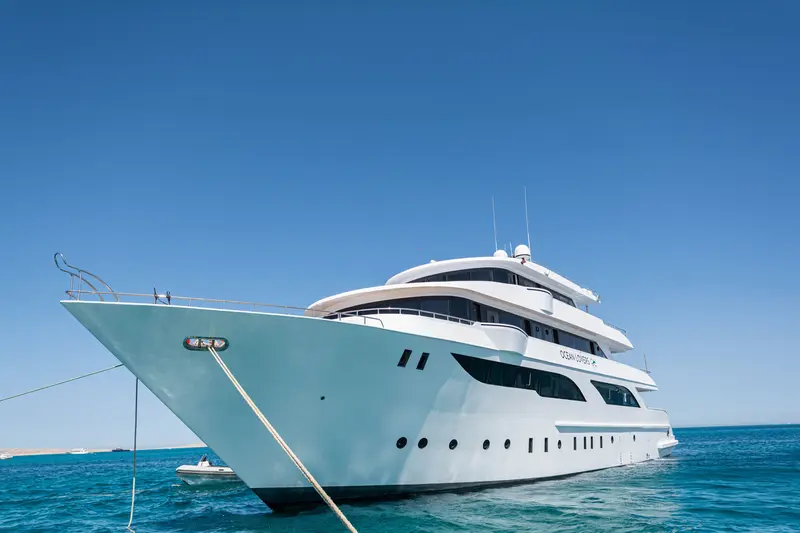
- Blue Horizon is a 41-metre wooden liveaboard renovated in 2016, carrying up to 26 guests in 13 cabins.
- The boat reaches Egypt’s main Red Sea regions, from Hurghada to the Brothers, Daedalus, Elphinstone and Marsa Alam.
- Its shaded dive area, two tenders, nitrox, technical-diving support and rebreather capability make it suitable for demanding dive programmes.
- The crew speaks English, and the boat is also open to non-divers and snorkellers.
For subtitles in English: start the video firstthen click the gearat the top right of the video, select “Subtitles/CC”, then “Auto-translate” and choose “English”.
The invitation
Blue Horizon is for divers who want the Red Sea in its full range rather than one familiar corner of it. A single trip can be built around northern reefs and wrecks, the offshore walls of the Brothers and Daedalus, or the long run south to Elphinstone and Marsa Alam. That reach is the main reason to choose her: the boat can put pelagics, reef life, shallow coral gardens, wrecks and dugong bays into the same Red Sea season. She is also a practical choice for divers who bring more than a standard recreational setup. Nitrox is available, and technical, sidemount and rebreather diving are supported. The boat has an established reputation, including Sport Diver’s Best Liveaboard award in 2015 and 2016. The point is not the trophy; it is that Blue Horizon has spent years being used for exactly the kind of week where the diving matters more than novelty.
Boarding
From the dock, Blue Horizon presents as a substantial wooden vessel rather than a stripped-down dive platform. Her 2016 renovation gives the shared areas a contemporary finish, while the hull and working spaces retain the practical character of a boat that has been operating in the Red Sea for years. Once aboard, the arrangement separates the work of diving from the places used to eat and rest: the dive area sits below the social spaces, while the air-conditioned salon and shaded exterior areas give the group somewhere to go without crowding the dive operation. The two tenders matter more than a decorative feature here. They allow divers to leave the main boat for the site and return from the water without turning every entry and exit into a queue. Blue Horizon is large enough to hold a full complement without feeling like a small yacht where every movement is shared, but the crew remains visible throughout the day.
The atmosphere on board
Blue Horizon’s strongest character is its crew. Passenger feedback consistently places the people on board above the vessel itself, which is a useful distinction: the boat has been in service for years, but the crew is what turns its size and age into an advantage. Local and international staff speak English and keep the practical side of the trip moving, from meals and cabins to the repeated preparation for the next dive. That reliability matters more than polished language when divers are tired, wet and carrying cameras or technical equipment. The group normally has enough shared time for the crew to learn who needs help and who prefers to set up alone. Evenings are simple: food, images, a drink, or conversation in the salon and shaded seating. Blue Horizon is remembered less as a design object than as a boat where the people running it make a demanding week easier.
The sites you’ll dive
The route list covers the Red Sea from Hurghada to Port Ghalib. Northern Red Sea Wrecks & Reefs and Northern Red Sea & Brothers run from Hurghada to Hurghada for 8 days and 7 nights; Brothers, Daedalus & Elphinstone follows the same length and port pattern. Ultimate Red Sea links Hurghada and Port Ghalib, or the reverse, over 11 days and 10 nights. At Elphinstone, walls fall to -60m and pelagic sharks are the attraction. The Brothers reach -85m, with isolated oceanic reefs, current and big sharks. Shaab Ruhr Umm Gamar reaches -40m, moving from an oval fish-filled reef to pinnacles and the remains of at least three wrecks. El Fanadir has a -40m wall, a cleaning station and a shallow coral pinnacle. Shaab Sabina is a labyrinthine garden at -14m. Farther south, Daedalus reaches -40m with dramatic walls and pelagic encounters; Marsa Egla reaches -30m and Marsa Mubarak -25m, both with seagrass and dugong potential. House Reef reaches -40m, while Shaab Alam reaches -30m with coral gardens, caves and a submerged wreck. Shaab El Erg, El Fanous West and El Fanous East complete the northern reef options, with dolphins, lagoons and shallow coral gardens rather than one single headline attraction.
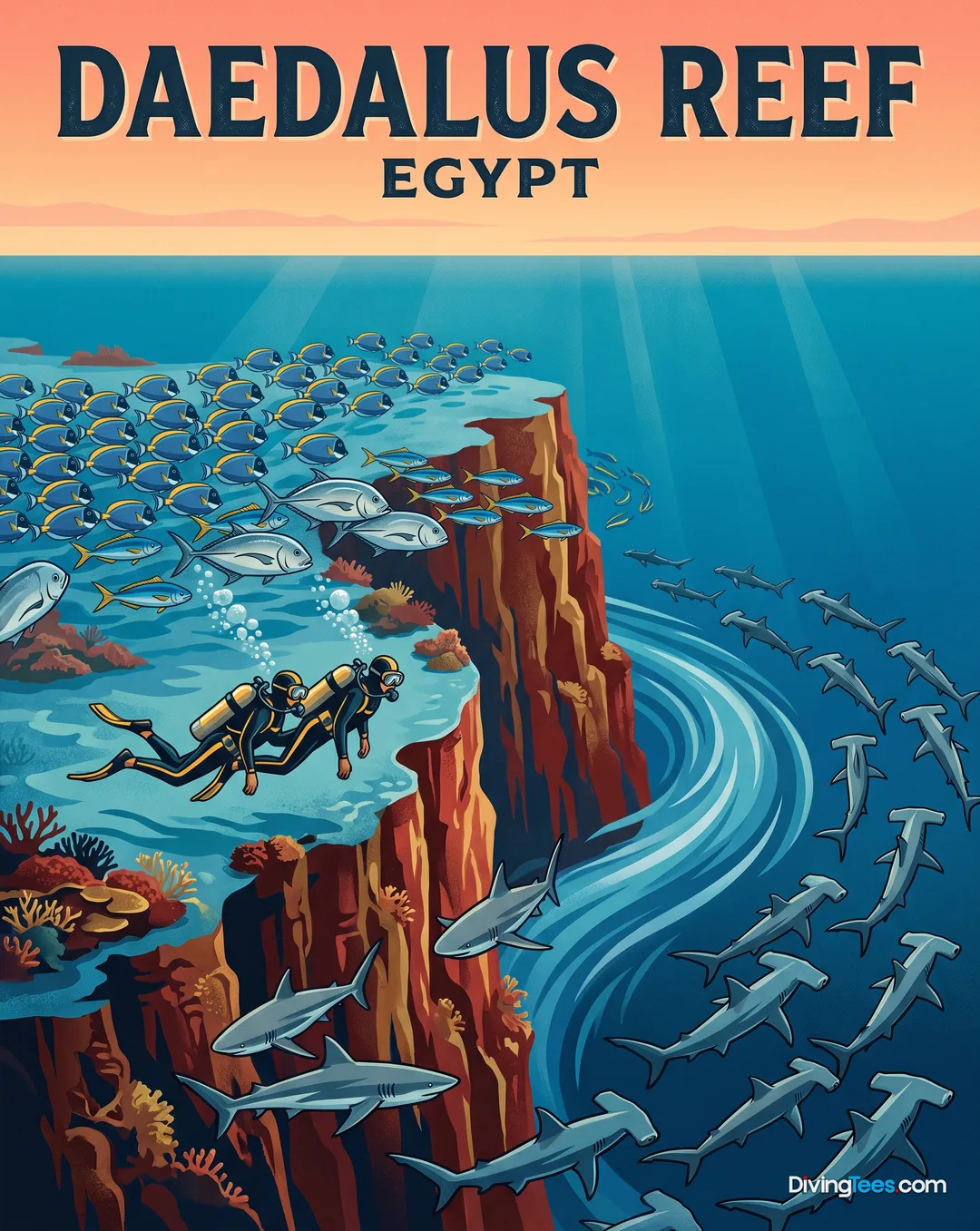
Daedalus →
Max. depth · 40 m
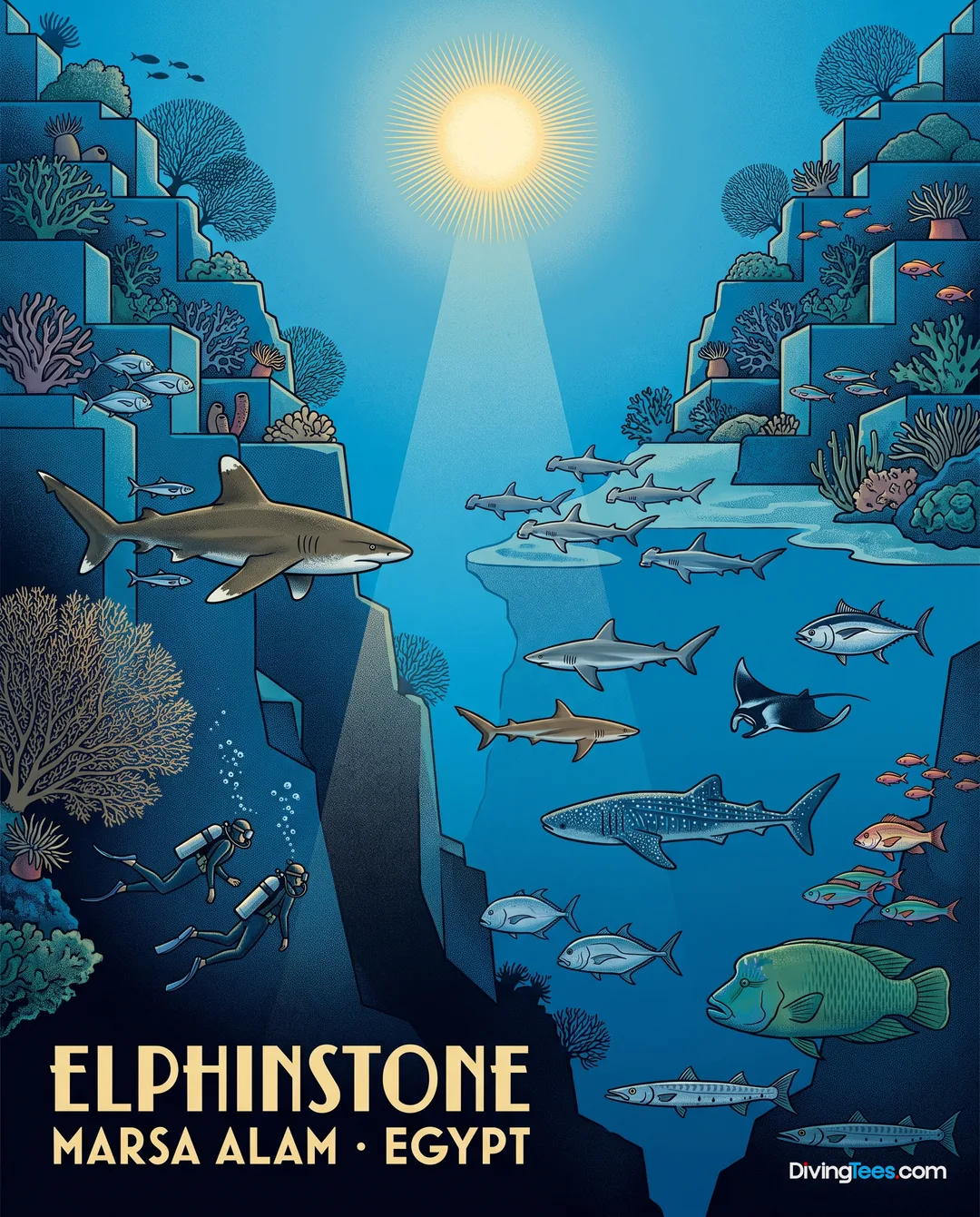
Elphinstone →
Max. depth · 60 m
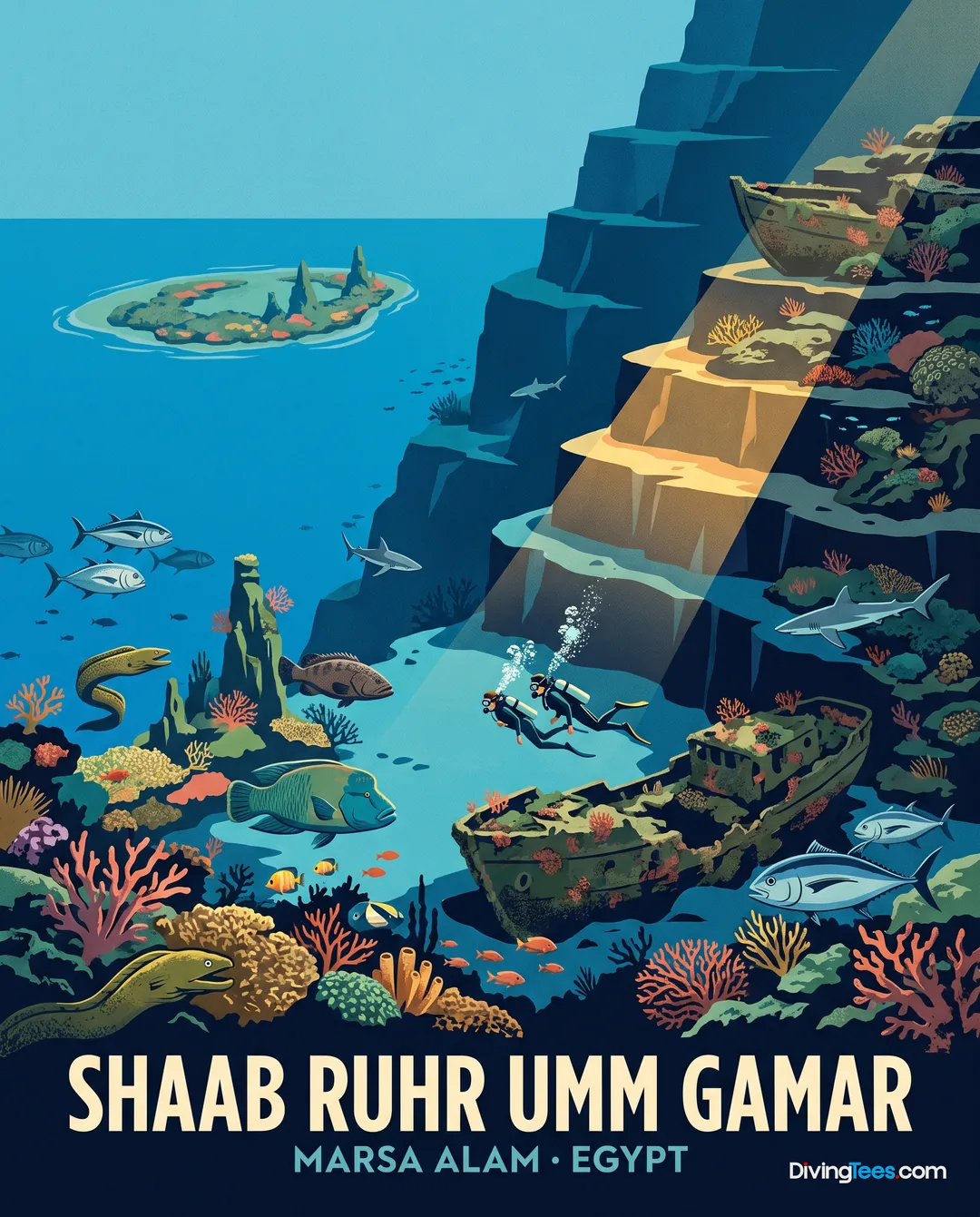
Shaab Ruhr Umm Gamar →
Max. depth · 40 m
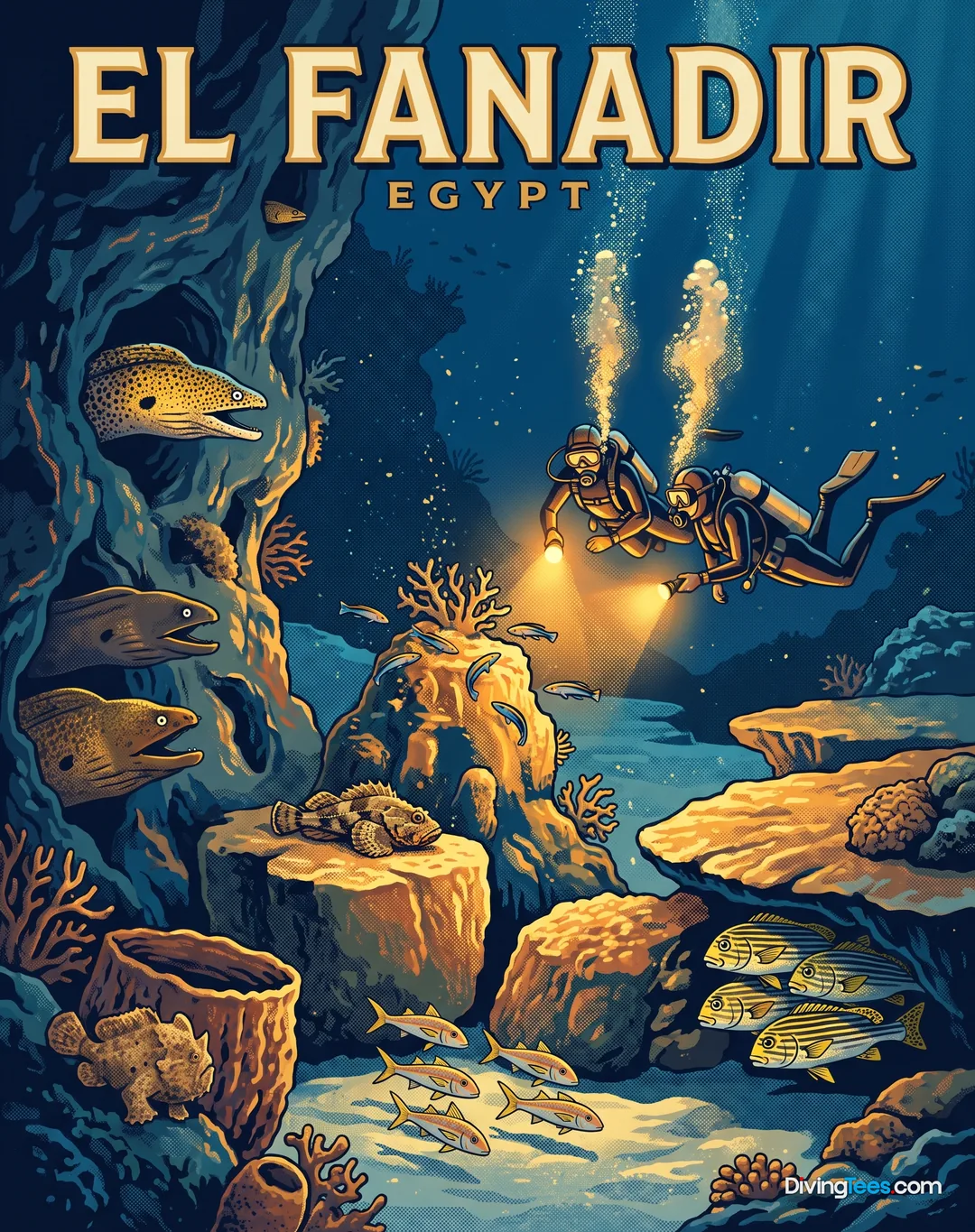
El Fanadir →
Max. depth · 40 m
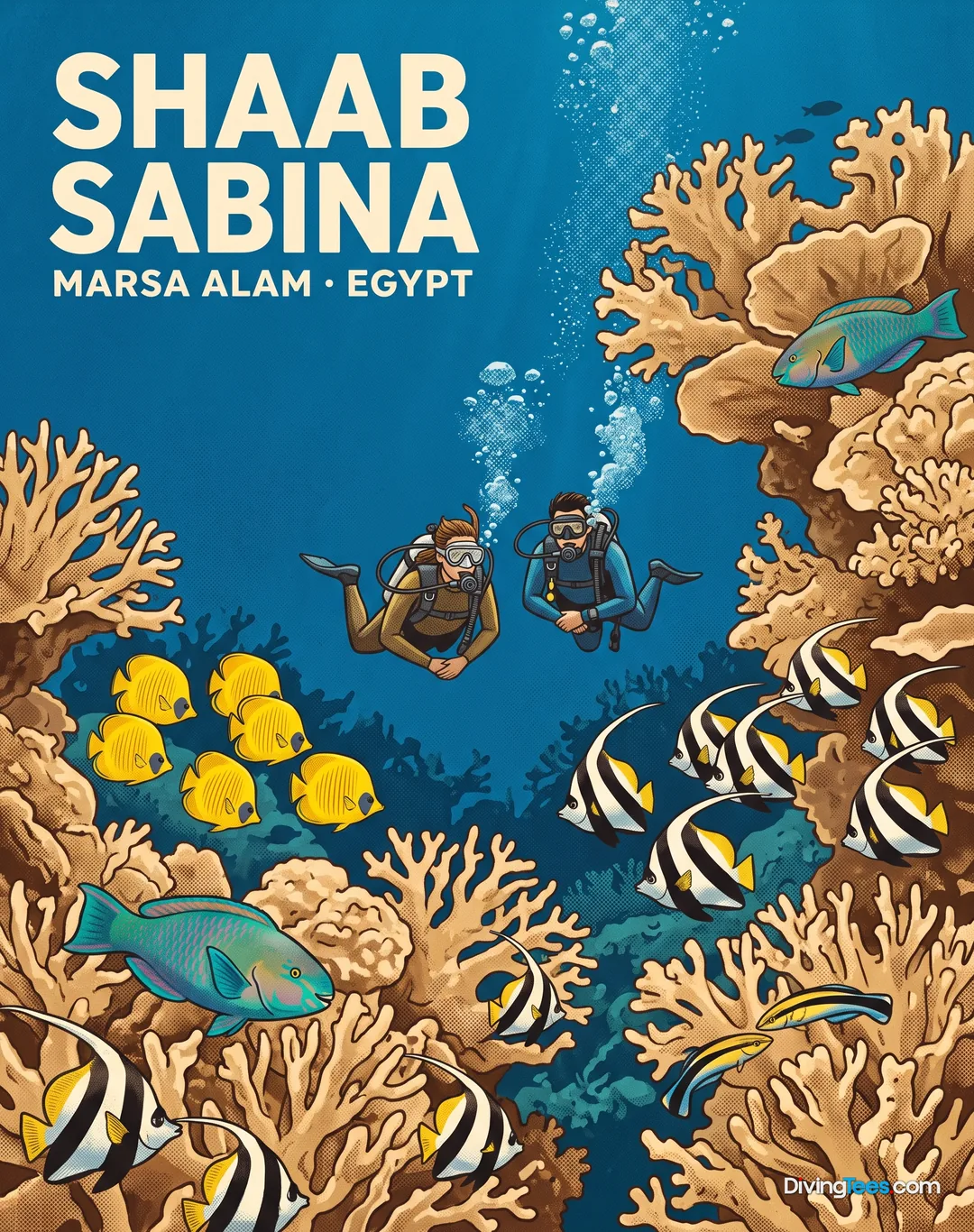
Shaab Sabina →
Max. depth · 14 m
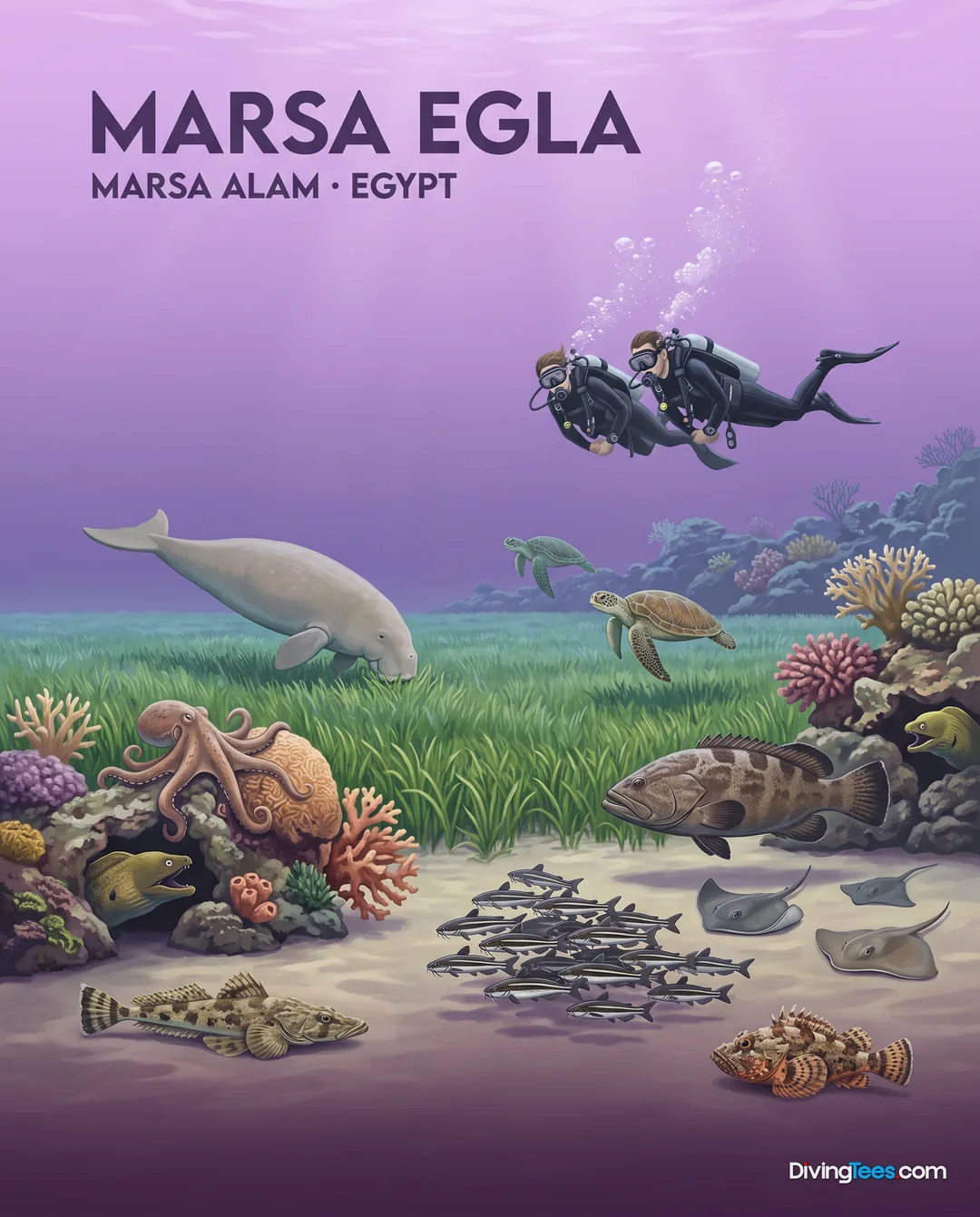
Marsa Egla →
Max. depth · 30 m
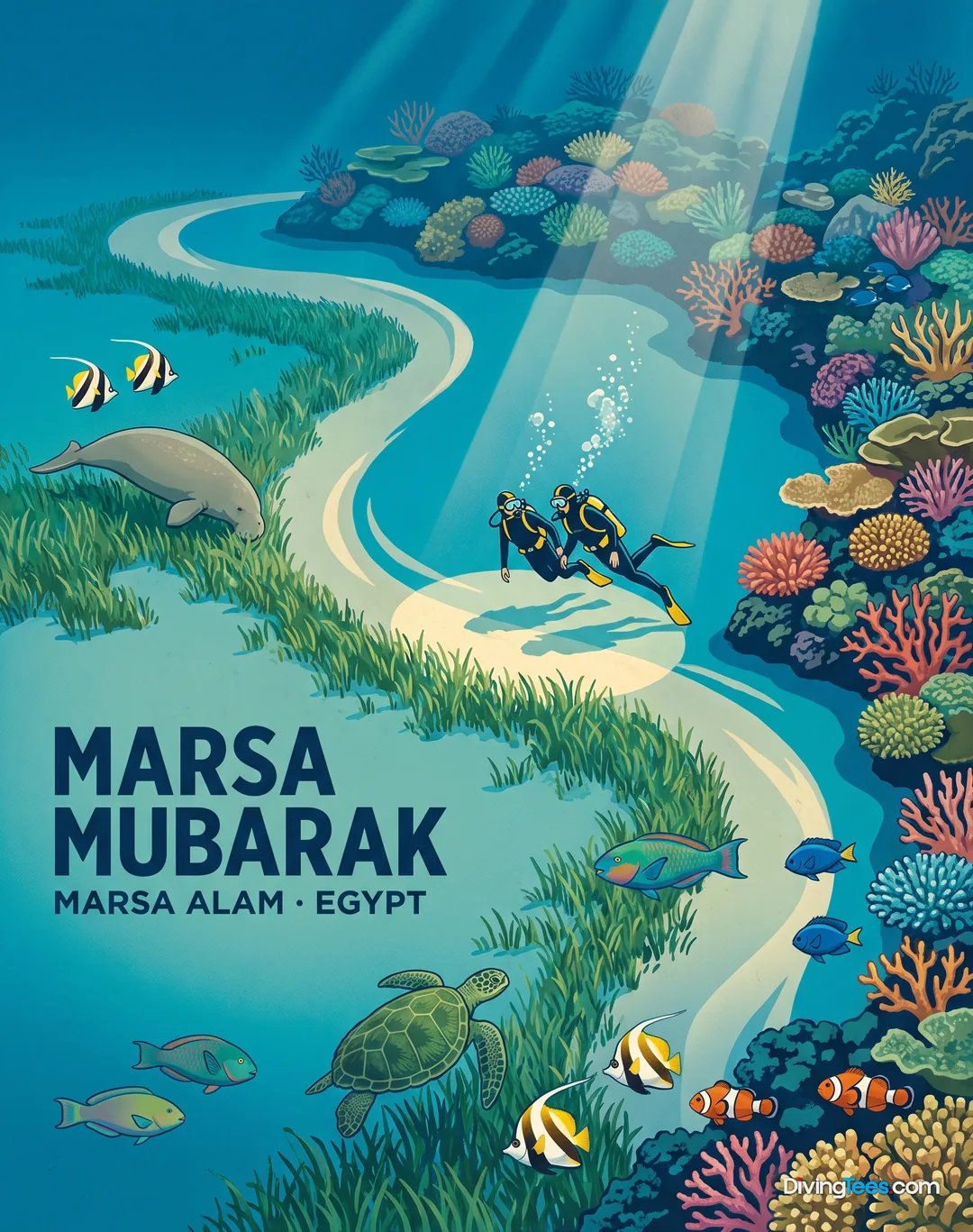
Marsa Mubarak →
Max. depth · 25 m
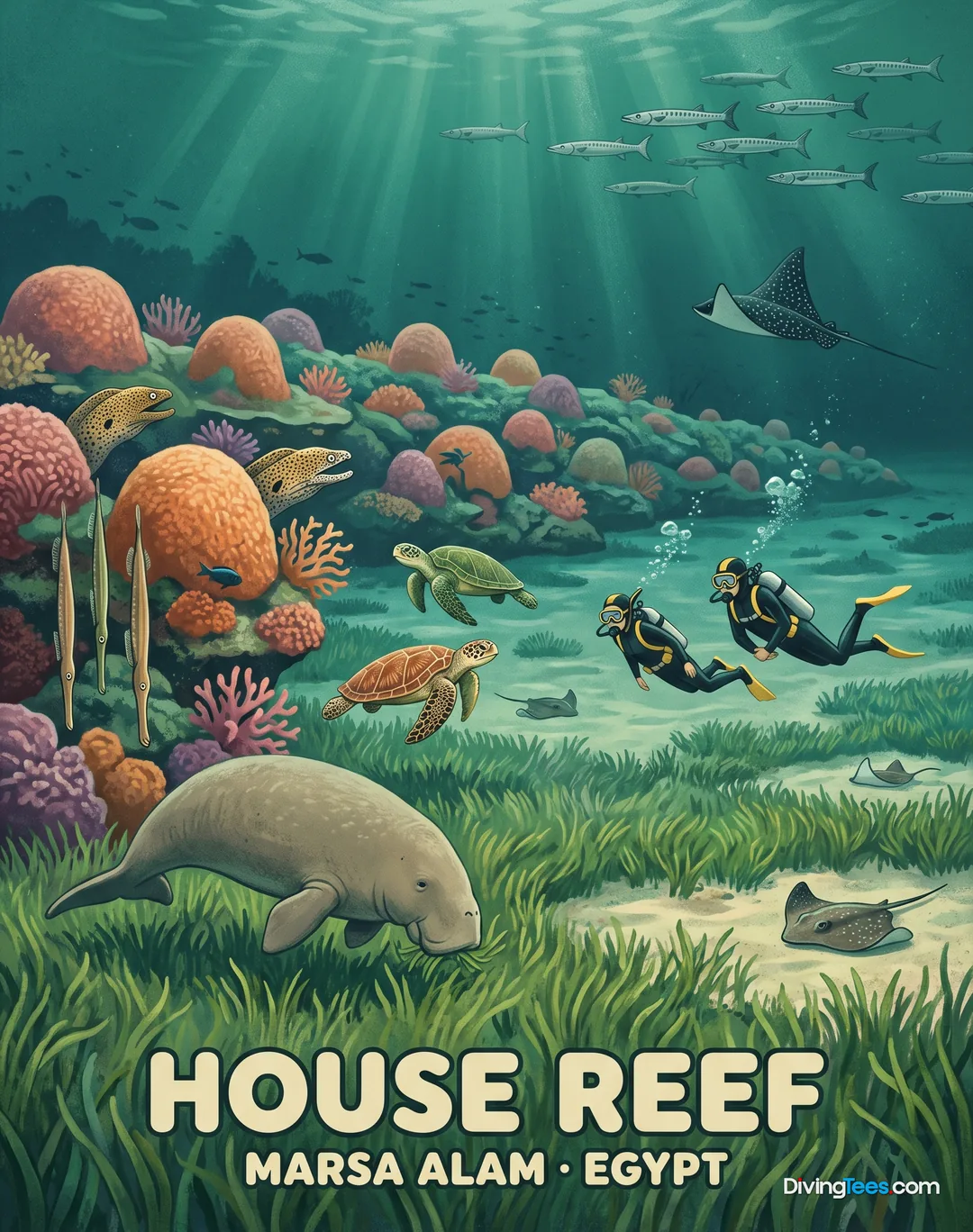
House Reef →
Max. depth · 40 m
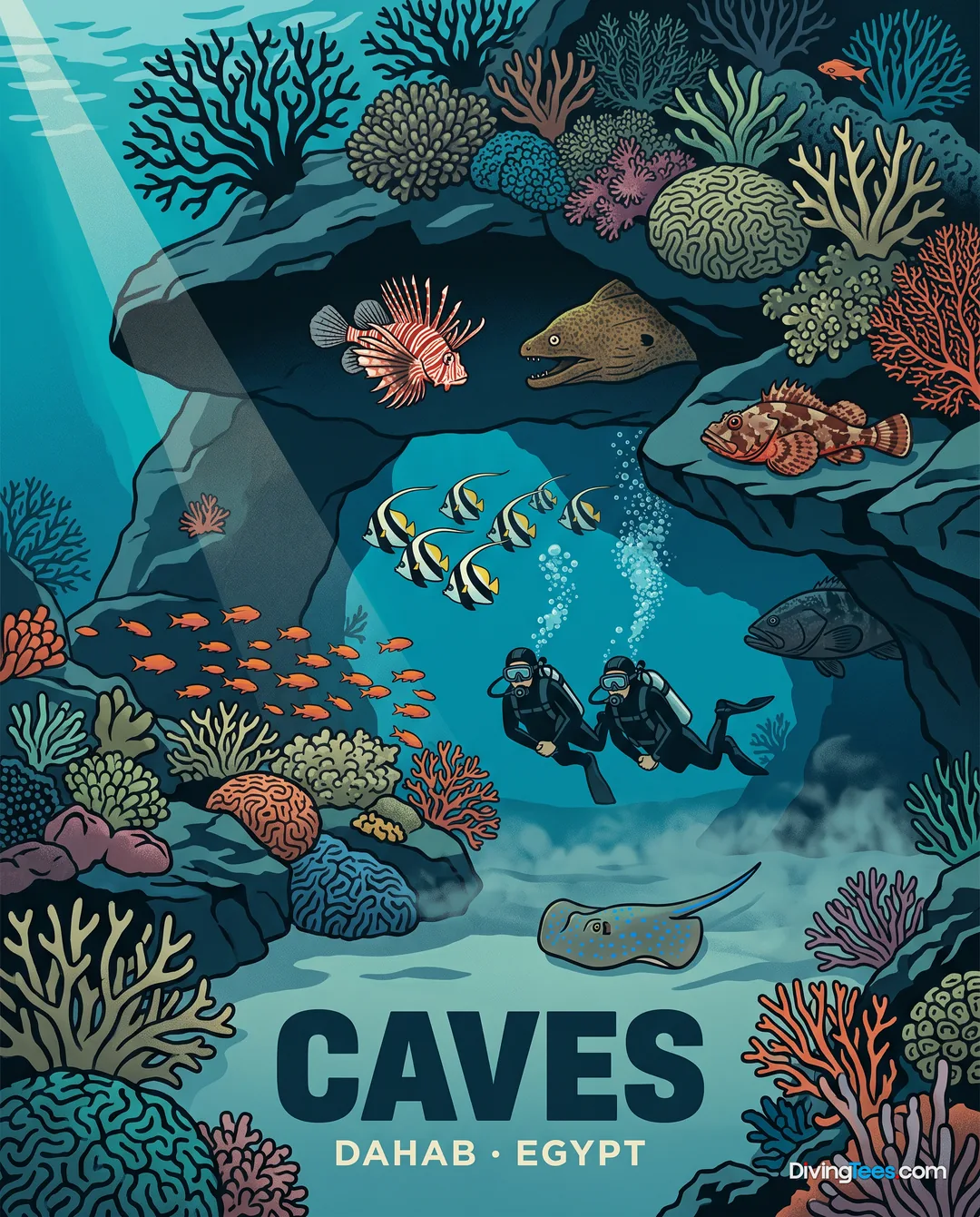
Caves →
Max. depth · 22 m
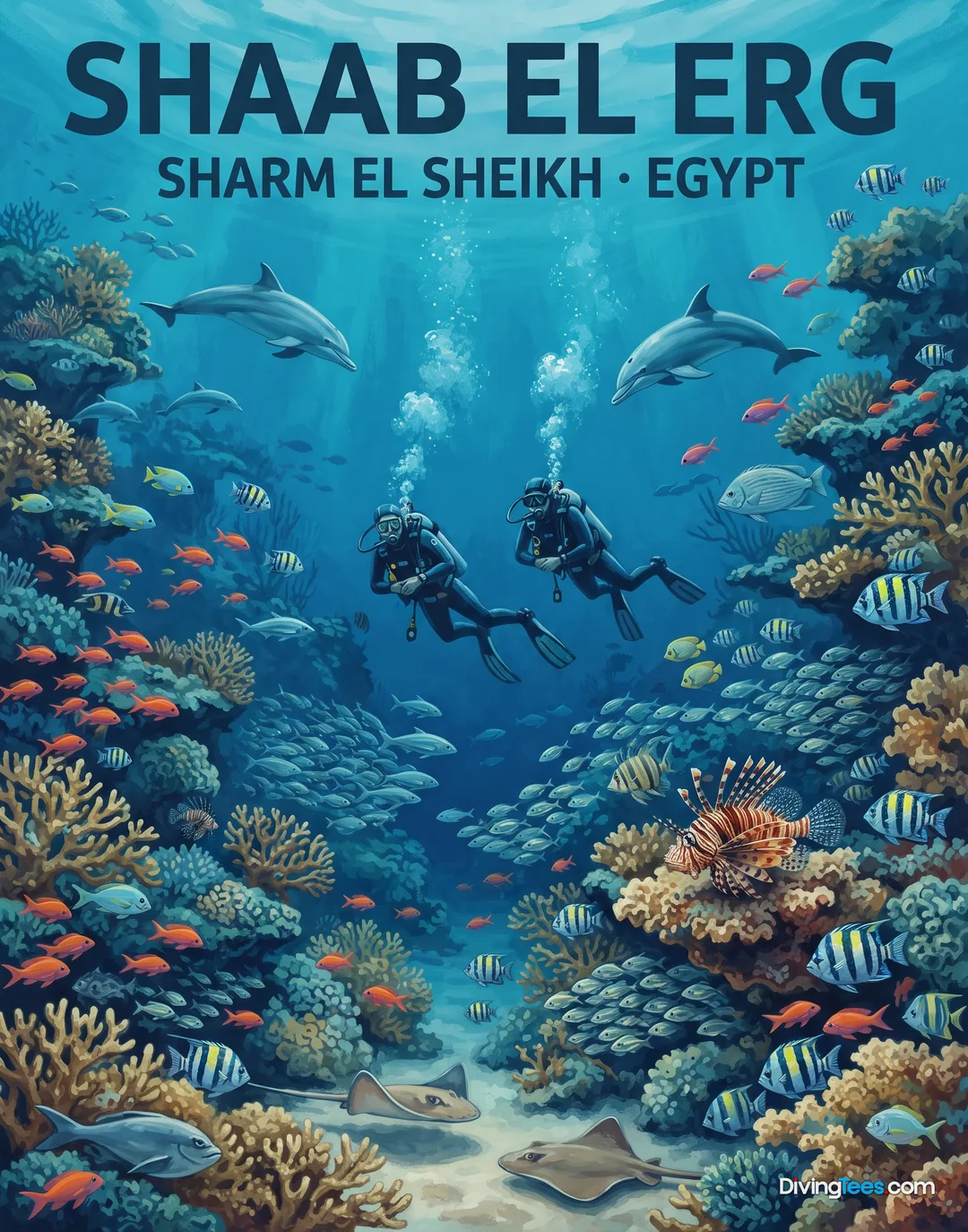
Shaab El Erg →
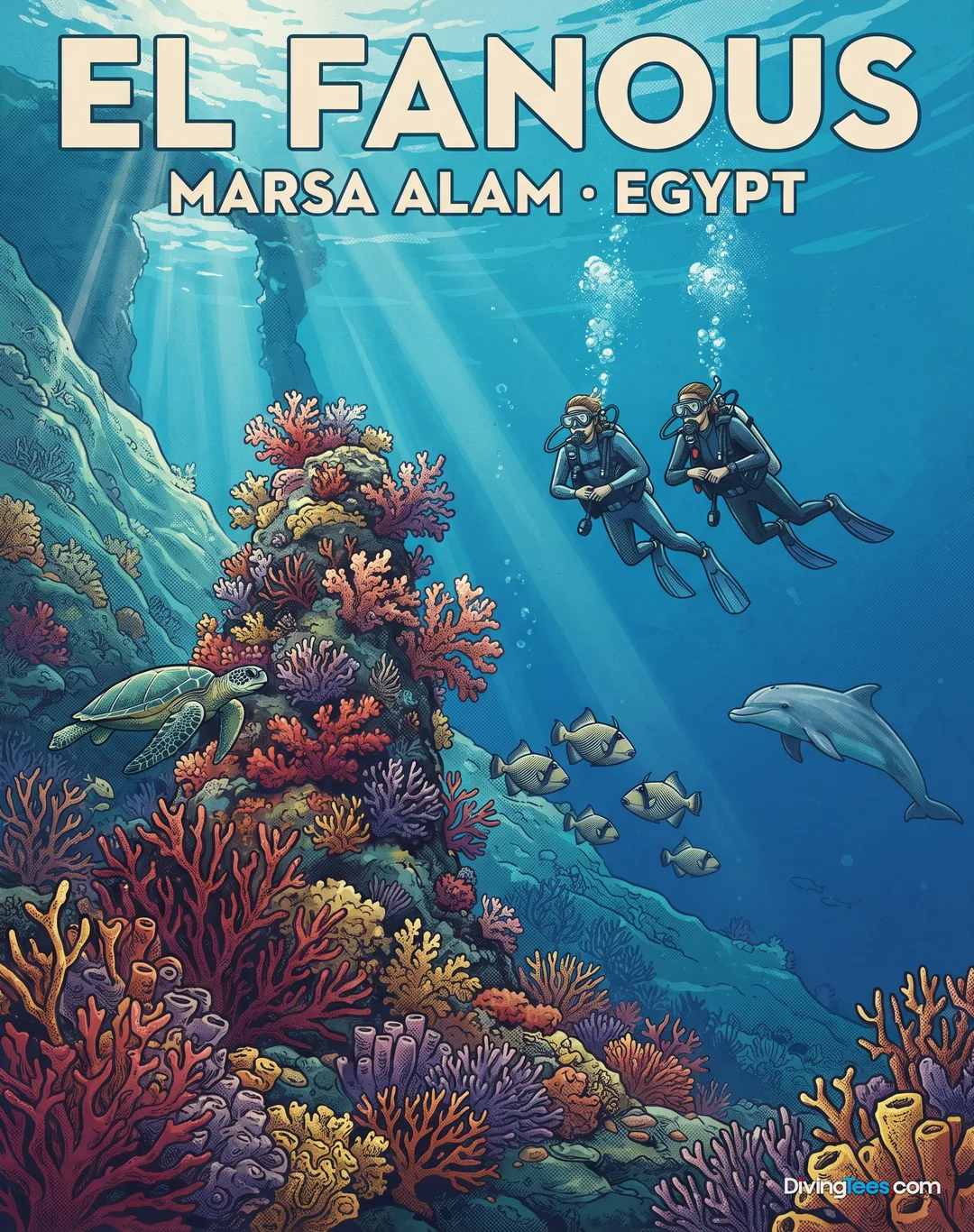
El Fanous →
Max. depth · 27 m
Itineraries, dates and prices
Prices per person. Each month shows its lowest price: click a month, or pick an itinerary.
Next departures · 106 departuresfrom £622$832€743
January 2027
February 2027
March 2027
Green dot: a discounted departure that month. Discount calculated by us, against the boat's usual price for a trip of the same length.
See dates and prices
If you click these links and make a purchase on the partner site, DivingDeal may earn a commission, at no extra cost to you.
Dates and prices taken from Divebooker and liveaboard.com, updated 26 October 2026
What you’ll meet underwater
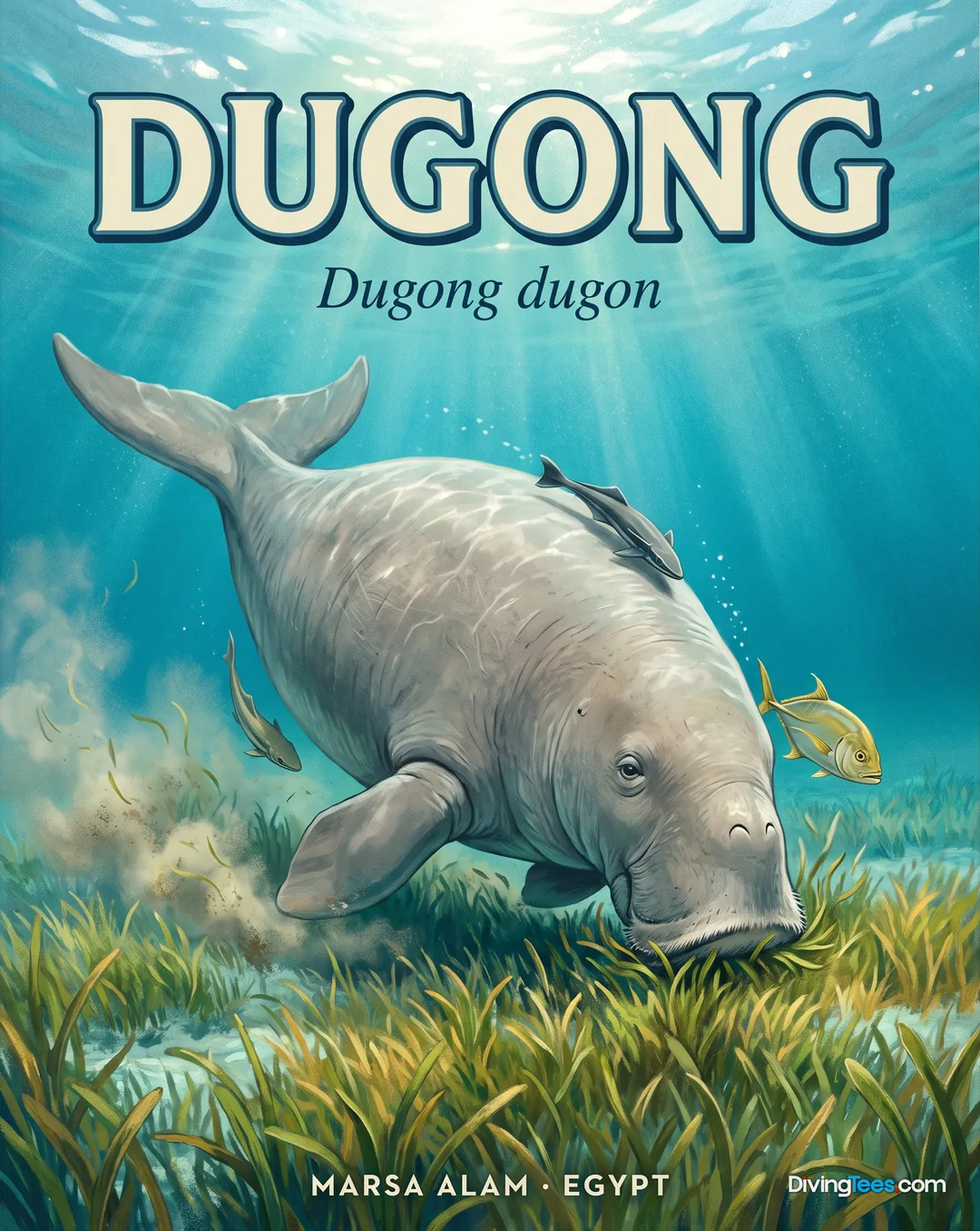
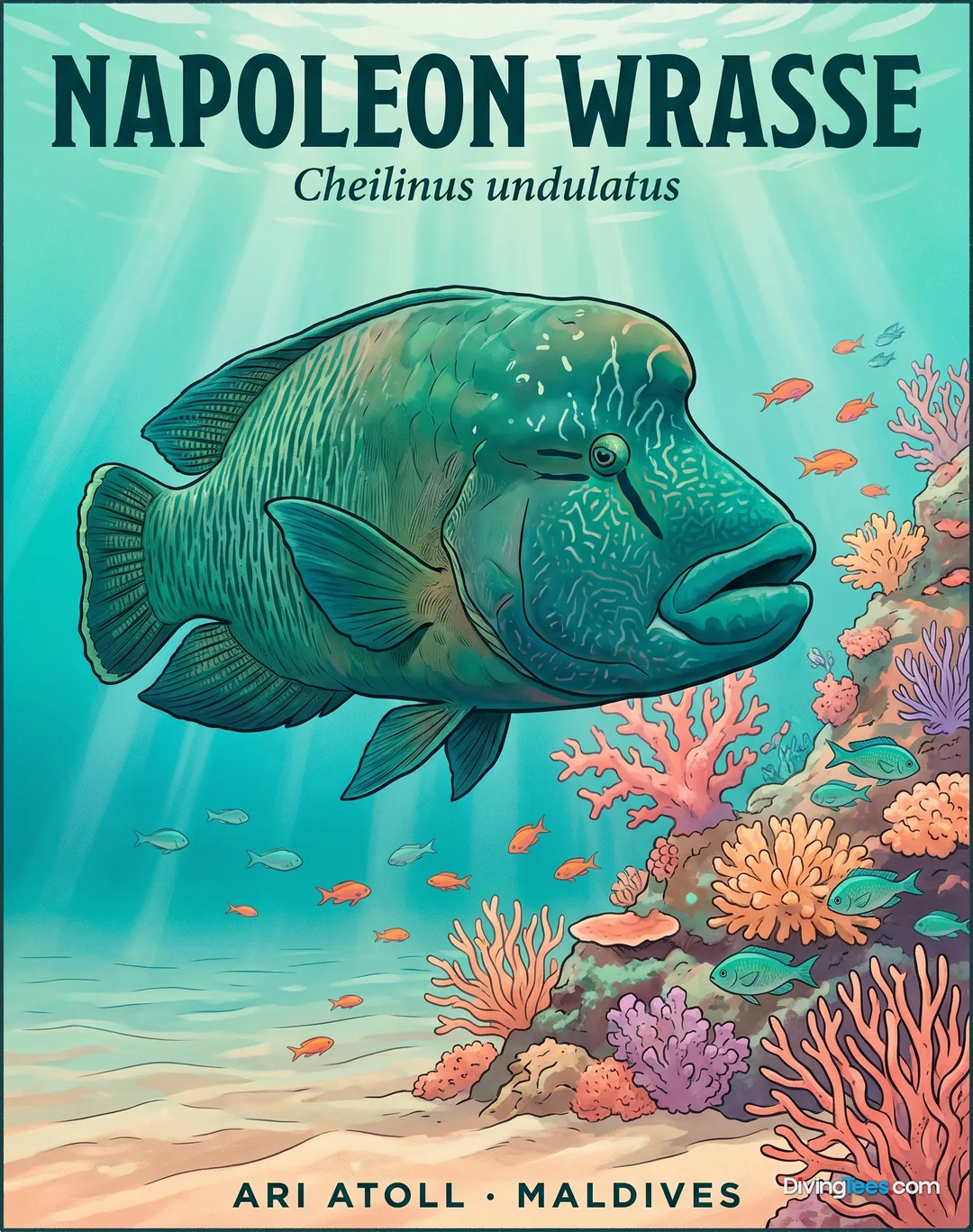
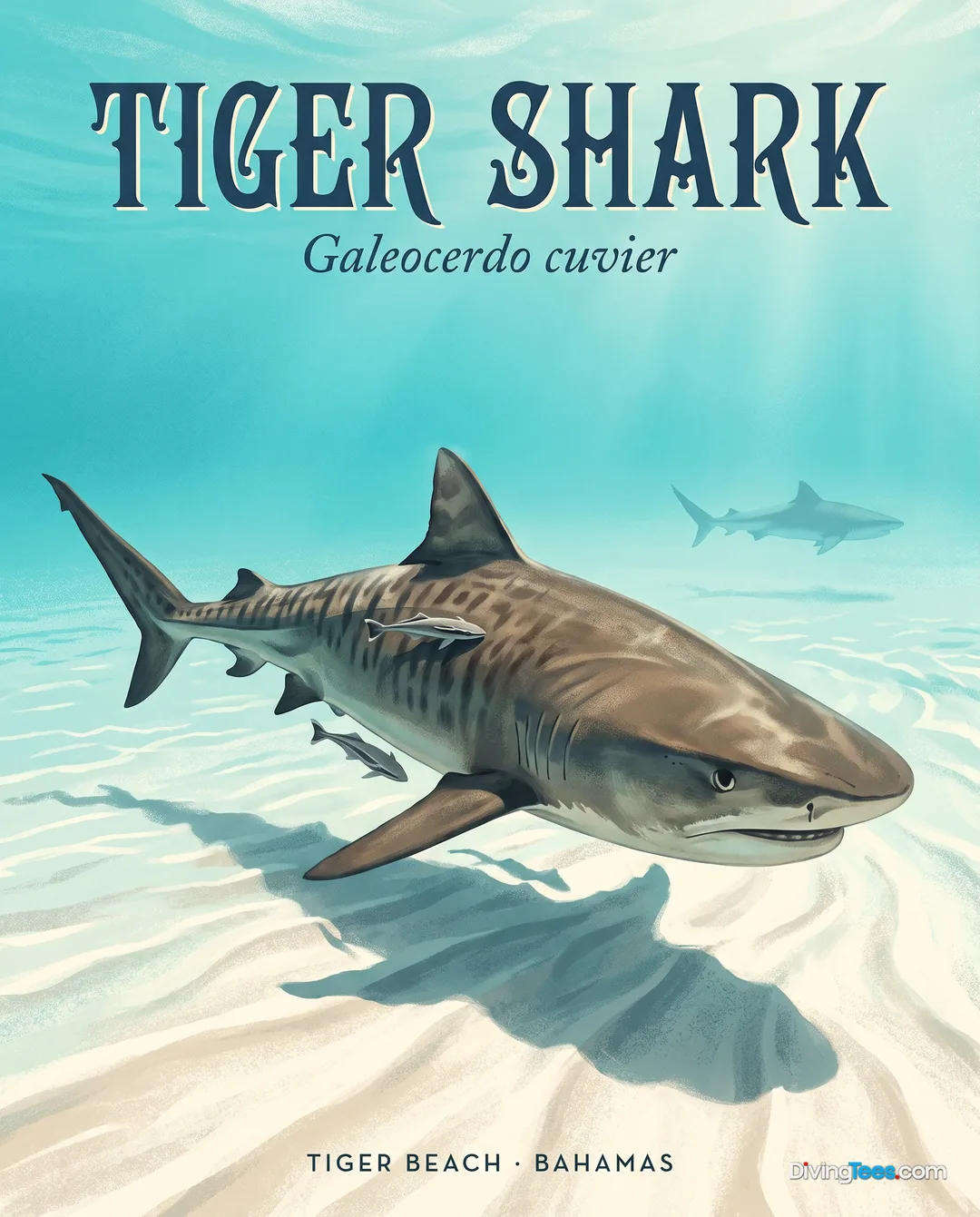
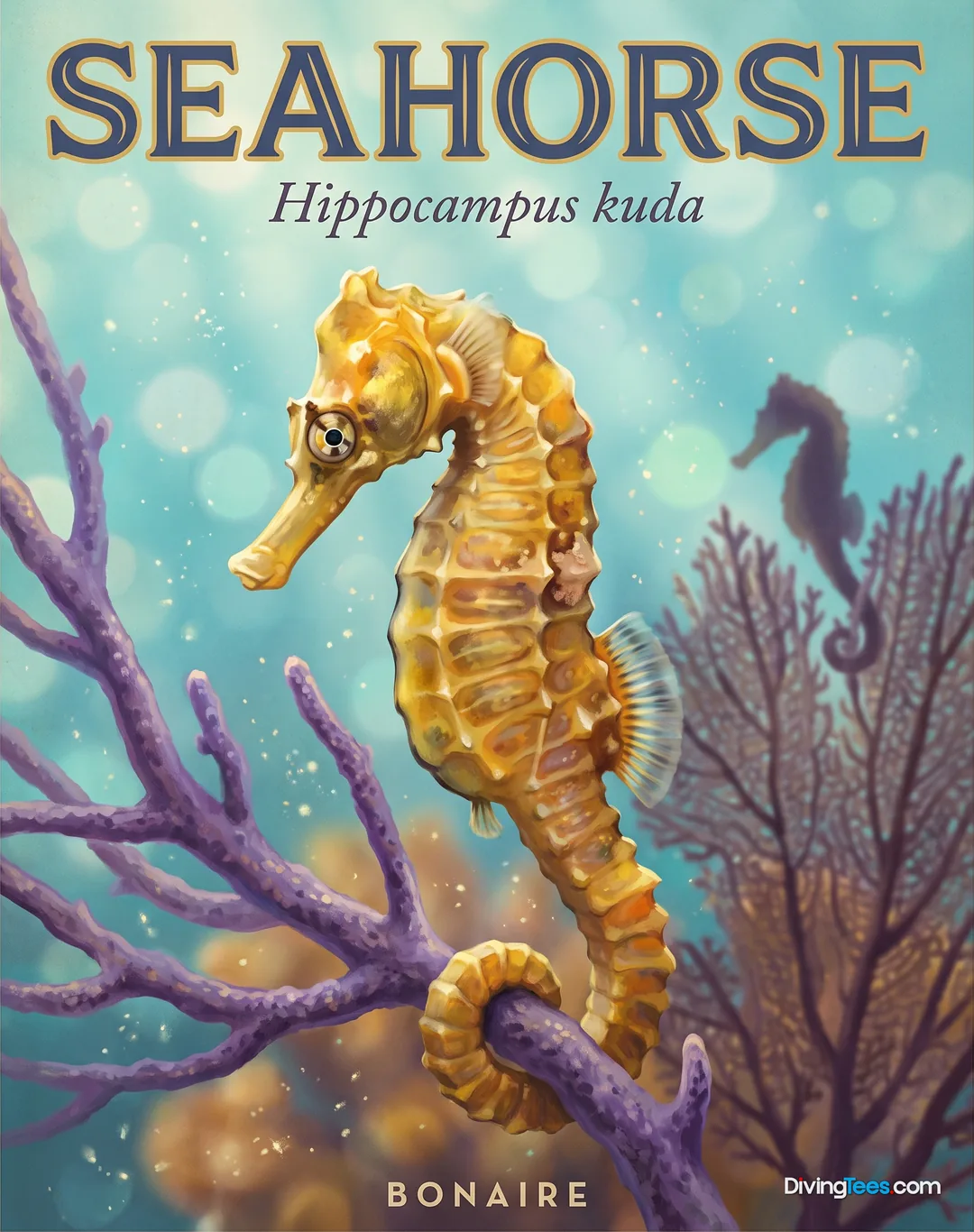
The everyday Red Sea cast is strong: turtles, dolphins, barracuda, Napoleon wrasse, reef sharks, grey reef sharks, anthias, morays, scorpionfish and jacks appear across several sites on this route. Mantas, hammerheads, tuna, soft corals, octopus and dugong add variety without needing a lucky one-off encounter to make the diving worthwhile. The site-specific animals are the reason to accept the longer crossings. Brothers Islands is the place for white-tip reef sharks and anemones; Elphinstone is where blacktip reef sharks, tiger sharks, gorgonians and wrasse are recorded. Daedalus brings the possibility of bigeye trevally, while Shaab Ruhr Umm Gamar is the named site for giant grouper. El Fanadir has sweetlips around its reef structure, and Big Brother combines pelagics with walls and two wrecks, including angelfish among the recorded life. House Reef is the only listed site associated with seahorses. Marsa Egla and Marsa Mubarak are the places to look for dugongs and green turtles over seagrass. None of these encounters is guaranteed; the route earns its appeal by giving them several very different settings.
Who puts you in the water
Blue Horizon operates with two to three guides, and the crew speaks English. The boat carries emergency oxygen, first-aid equipment, life rafts, life jackets, fire alarms and extinguishers, GPS and marine radios, including VHF, DSC and SSB. Technical and rebreather divers can arrange the required gas and equipment before the trip, while private guides and diving courses are available as optional services. The support setup suits experienced divers using specialised equipment, alongside standard recreational dive groups.
The dive deck and the gear
The dive operation is built for more than standard recreational diving. Blue Horizon has a shaded dive area, a dive platform, scuba and camera rinse tanks, charging stations, separate camera rinsing and a camera space, with outdoor showers for the return from the water. Two tenders take divers to the sites and collect them again, leaving the main vessel available for the next group rather than forcing everyone to enter directly from the hull. Nitrox is available through a membrane system as an optional extra. Technical diving, sidemount and rebreather diving are supported, with gas and equipment arrangements handled before the trip. Rental equipment is available. The deck is designed for photography as well as ordinary kit, which is the difference between having a camera rinse tank and actually being able to use one.
Between dives
Between dives, the best place is likely to be the shaded exterior seating, where the group can stay outside without baking on the sun deck. The air-conditioned sky lounge gives photographers a cooler place to review images, and the separate camera room keeps wet equipment away from the rest of the boat. There is also a jacuzzi, an indoor lounge with audio-visual entertainment, a library and a bar. These spaces matter because Red Sea itineraries can include long crossings between offshore reefs. A terrace and outdoor showers keep the boat connected to the water, while free Wi-Fi is available when the connection allows it. Non-divers and snorkellers are welcome, so a partner can use the same day differently without being treated as an extra diver waiting for the boat to return.
A day on board
A day on Blue Horizon is organised around the next descent. The dive team briefs the group, divers prepare on the shaded deck, and the tenders carry them out to the reef before returning them to the platform. Food follows the diving closely, with full-board meals and snacks available when appetite catches up. The gaps are used for sleep, camera work, showers, the jacuzzi, the sky lounge or a shaded seat while the boat moves to the next site. On a route such as Brothers, Daedalus and Elphinstone, travel is part of the day rather than dead time: the boat has to cover the distance to reach the offshore walls. Northern itineraries keep the focus on Hurghada’s wrecks and reefs, while the Ultimate Red Sea routes use the longer 11-day format to connect Hurghada and Port Ghalib. The exact departure times and number of dives depend on the itinerary and conditions, so the honest description is the order: briefing, preparation, dive, recovery, food, rest, then the next site.
What you eat aboard
Food is served buffet-style, with Western and local dishes, vegetarian and vegan options, non-alcoholic drinks, tea and coffee, and snacks available through the day. That format suits a liveaboard better than a formal meal service: a diver can eat properly after a dive, return for a snack later, and still find something substantial when the next briefing approaches. The table becomes part of the dive routine rather than an interruption to it. Beer and other alcoholic drinks are available separately. The strong food reputation attached to Blue Horizon is understandable because variety matters on a week built around repeated exertion. A plate of familiar food after a current-heavy wall dive is useful; so is having a local dish available when the group wants something different. No one needs to dress for dinner.
Nights at sea
The 13 guest cabins are arranged on the main deck and fall into Classic Twin, Classic Twin/Double and Premium Double categories. Every cabin has air-conditioning, a private bathroom with centrally heated hot water, a lockable safety box and a mini-refrigerator. The Classic cabins are the straightforward choice for buddies: fixed twins are available, while the flexible rooms combine one single bed with a small queen-size bed. Premium Doubles offer a larger bed and more storage for couples who want the cabin to feel less like a place to drop a dive bag. These are working cabins, not suites designed to keep you indoors. The useful details are the ones that matter after the last dive: hot water, towels, climate control and a private bathroom. Outside, the boat gives you a shaded seating area, an air-conditioned sky lounge, a terrace and a sun deck, so the cabin does not have to carry the whole night.
Classic Twin Cabins
Classic Twin/Double Cabins
Premium Double Cabins
What to know before boarding
Departures and returns use Hurghada or Port Ghalib, depending on the itinerary. Airport and hotel transfers are included, with the transfer arranged from the relevant airport or hotel. Arriving the night before is sensible, especially for a route that starts or finishes away from the airport used for the international flight. The precise meeting instructions are provided with the trip arrangements.
Deck plan
- Year built
- 2006
- Year renovated
- 2016
- Length
- 41 m
- Beam
- 8.8 m
- Maximum number of passengers
- 26
- Number of cabins
- 13
- Number of bathrooms
- 15
- Engines
- 2 × Cat 764 hp
- Tenders
- 2
- Website
- masterliveaboards.com ↗
Hello, I'm Marina, DivingDeal.com's AI assistant. I answer in detail about hotels, dive centres and liveaboards.
Thinking about the whole trip and the flights? Talk it over with Edith →
Marina is an AI. Some links are affiliate links: DivingDeal may earn a commission, at no extra cost to you. Bookings are made with the partner.