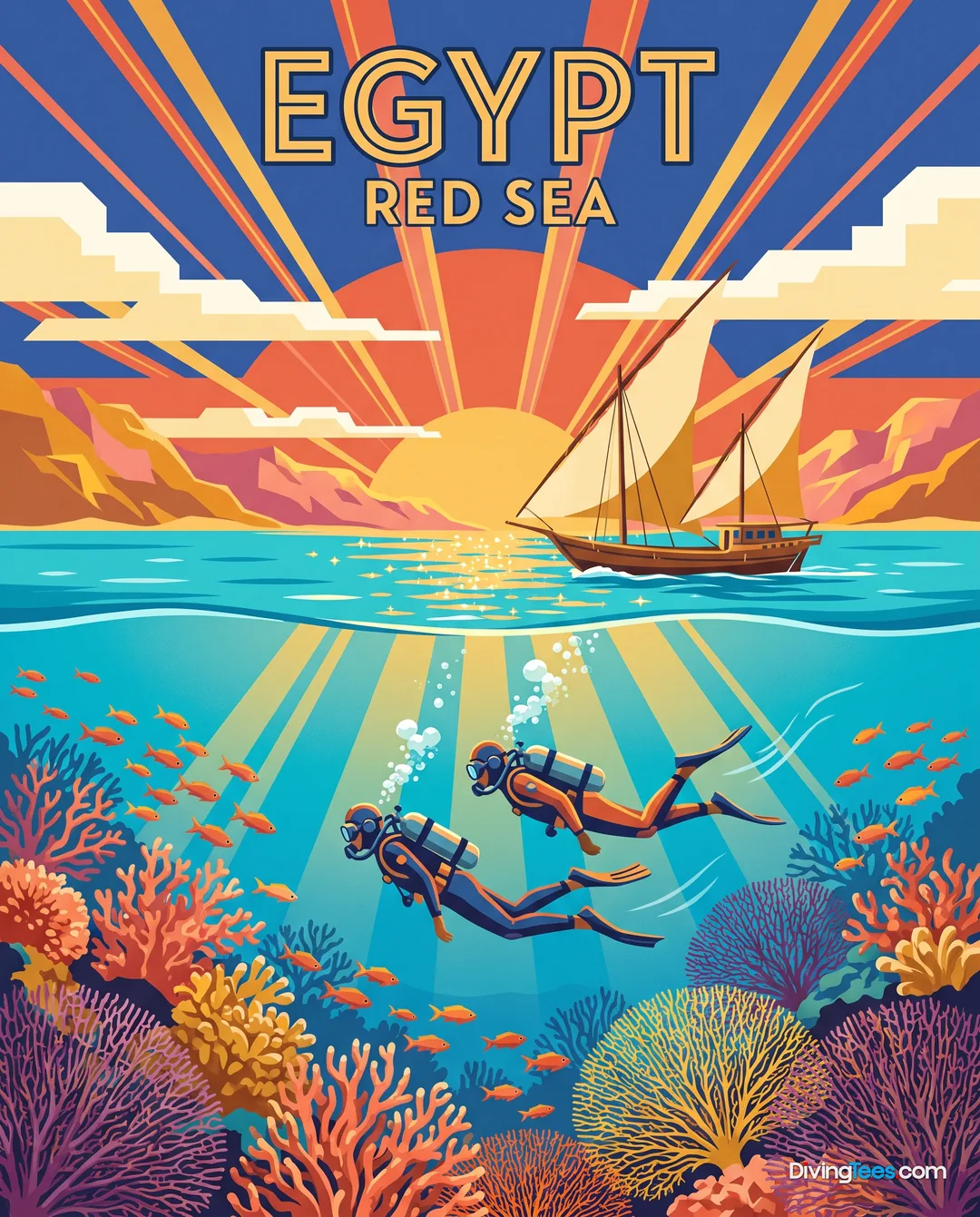
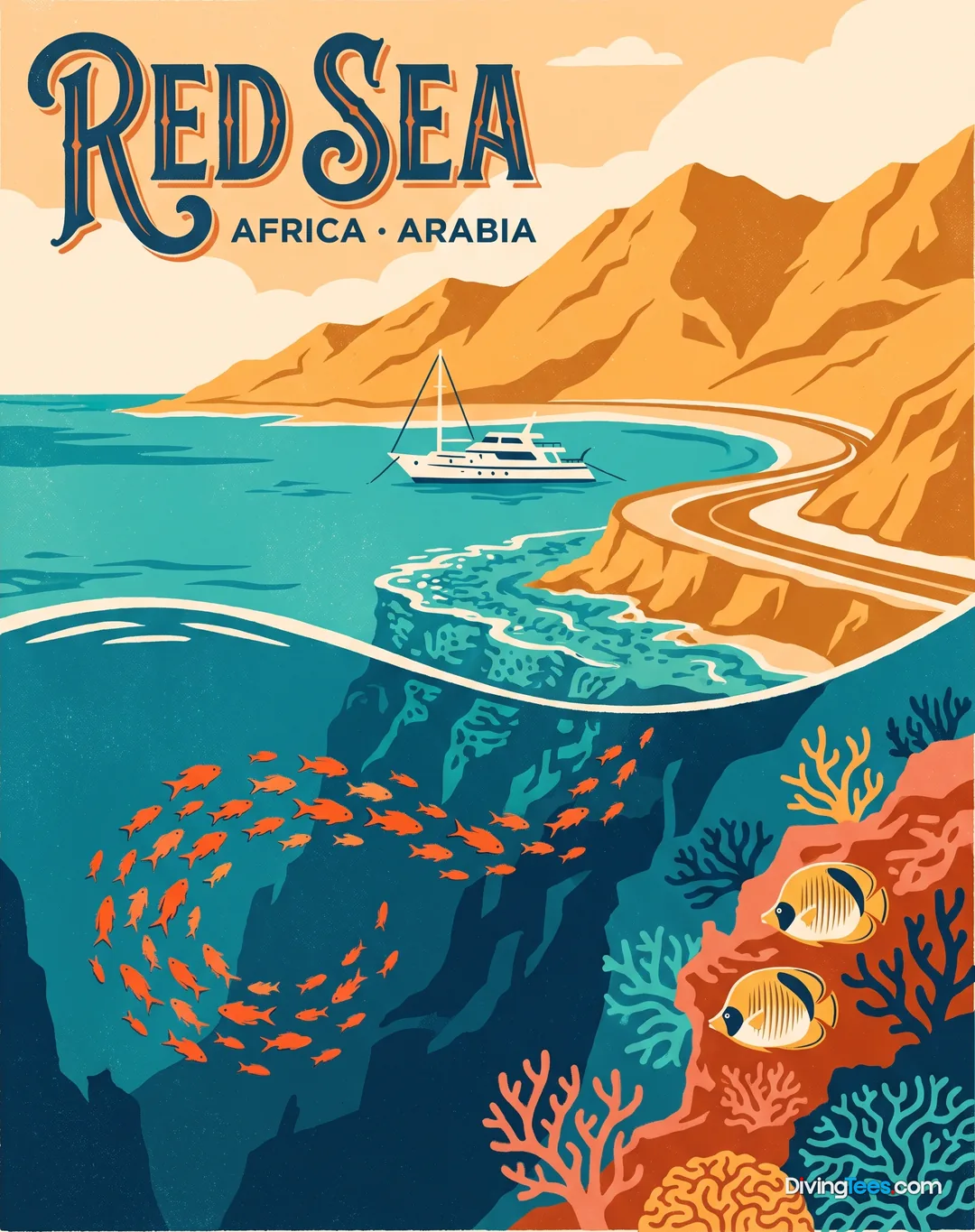
Liveaboards · Egypt
Carlton — a practical Red Sea liveaboard built around the diving
What makes this boat unique
- The Carlton carries up to 20 guests in 10 cabins, each with a private bathroom and air conditioning.
- Its diving setup includes shaded stations, rinse tanks, a dive platform, two 6.5-metre tenders and nitrox as an option.
- The boat serves three buffet meals a day, with Egyptian and international food, snacks, water, tea, coffee and soft drinks.
- Recorded departures run from Sharm El Sheikh back to Sharm El Sheikh, from 5 days and 4 nights to 8 days and 7 nights.
- SSI courses are available on board, and non-divers who prefer snorkelling can join the trip.
The invitation
The Carlton is for divers who would rather spend their budget underwater than on polished hotel details. It is a 20-guest Red Sea boat with the useful things in place: private bathrooms, air conditioning, shaded dive stations, two tenders and a full-board setup that keeps the day simple. The real reason to choose it is the range of diving attached to its Sharm El Sheikh departures. A shorter Tiran and Ras Mohammed minisafari gives access to current-swept reefs, while the longer Classic North route reaches the Thistlegorm, Rosalie Moller, Abu Nuhas and the Straits of Tiran. That makes the Carlton a sensible base for divers who want wrecks and walls in the same trip, without paying for a luxury concept they may barely use.
Boarding
Boarding takes place in Sharm El Sheikh, where the Carlton presents itself as a working dive yacht rather than a floating design hotel. The 2026 renovation gives the boat a recent refresh, while its layout remains straightforward: cabins are split between the lower, main and upper decks, with the social areas opening onto the sea. A partially covered outdoor area, an indoor lounge and a broad sun deck let people spread out after diving instead of crowding one room. Two tenders are carried for the longer runs to distant sites. Once aboard, the practical character becomes clear: equipment has a defined place, meals are served buffet-style and the crew operates around the diving day.
The atmosphere on board
The Carlton’s atmosphere is shaped by a small passenger group and a crew used to working across languages. English, German, French, Chinese, Spanish, Turkish and Italian are spoken on board. The crew’s role is practical: getting the boat ready, keeping the dive operation moving, serving food and dealing with the small problems that can otherwise wear down a week at sea. Evenings are likely to stay informal, with dinner, drinks, audio or video entertainment and the usual exchange of the day’s best sightings. SSI courses can run on board, which gives the boat a broader welcome than a purely advanced wreck platform, while the dive programme still reaches demanding sites such as Rosalie Moller and Thomas Reef.
The sites you’ll dive
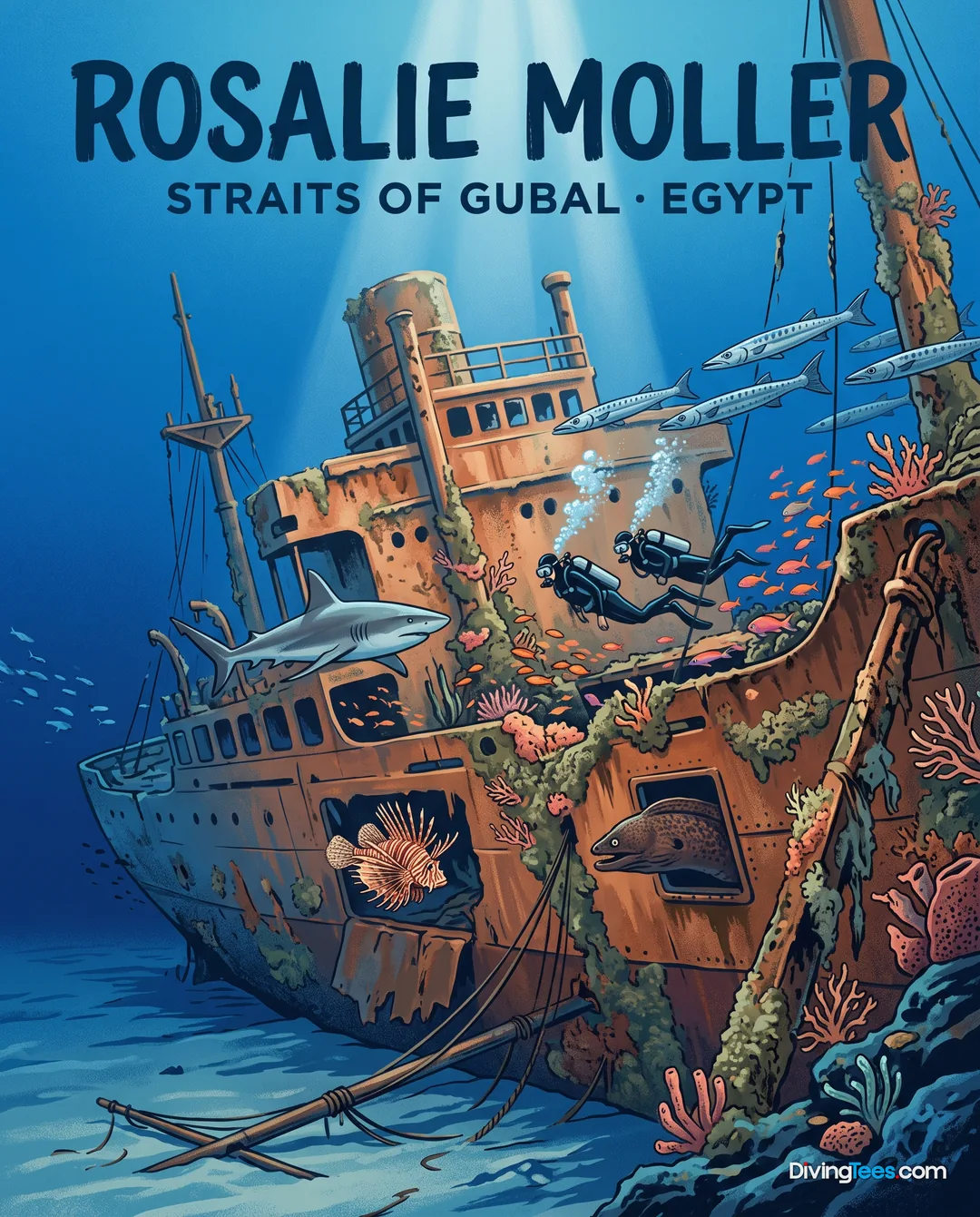
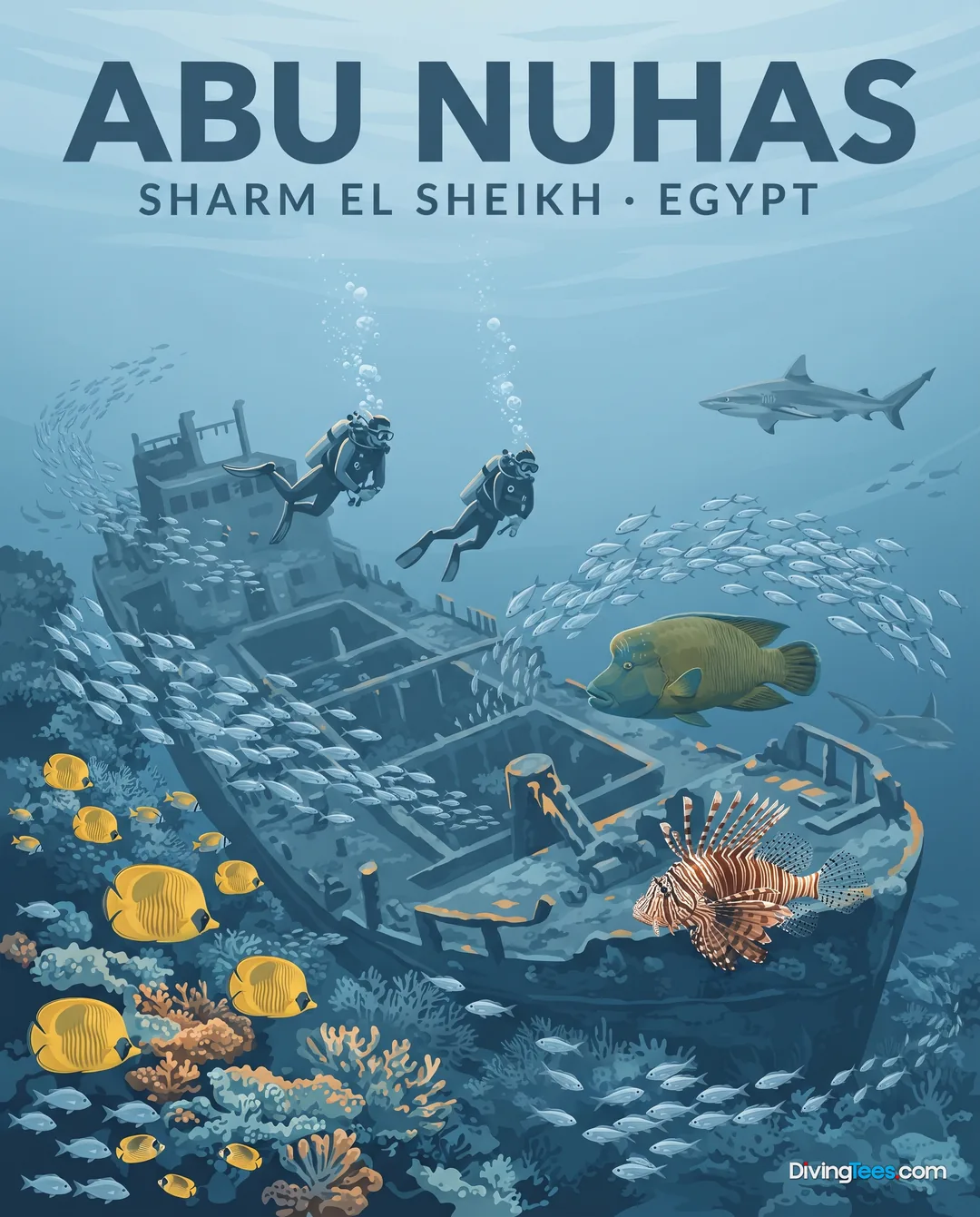
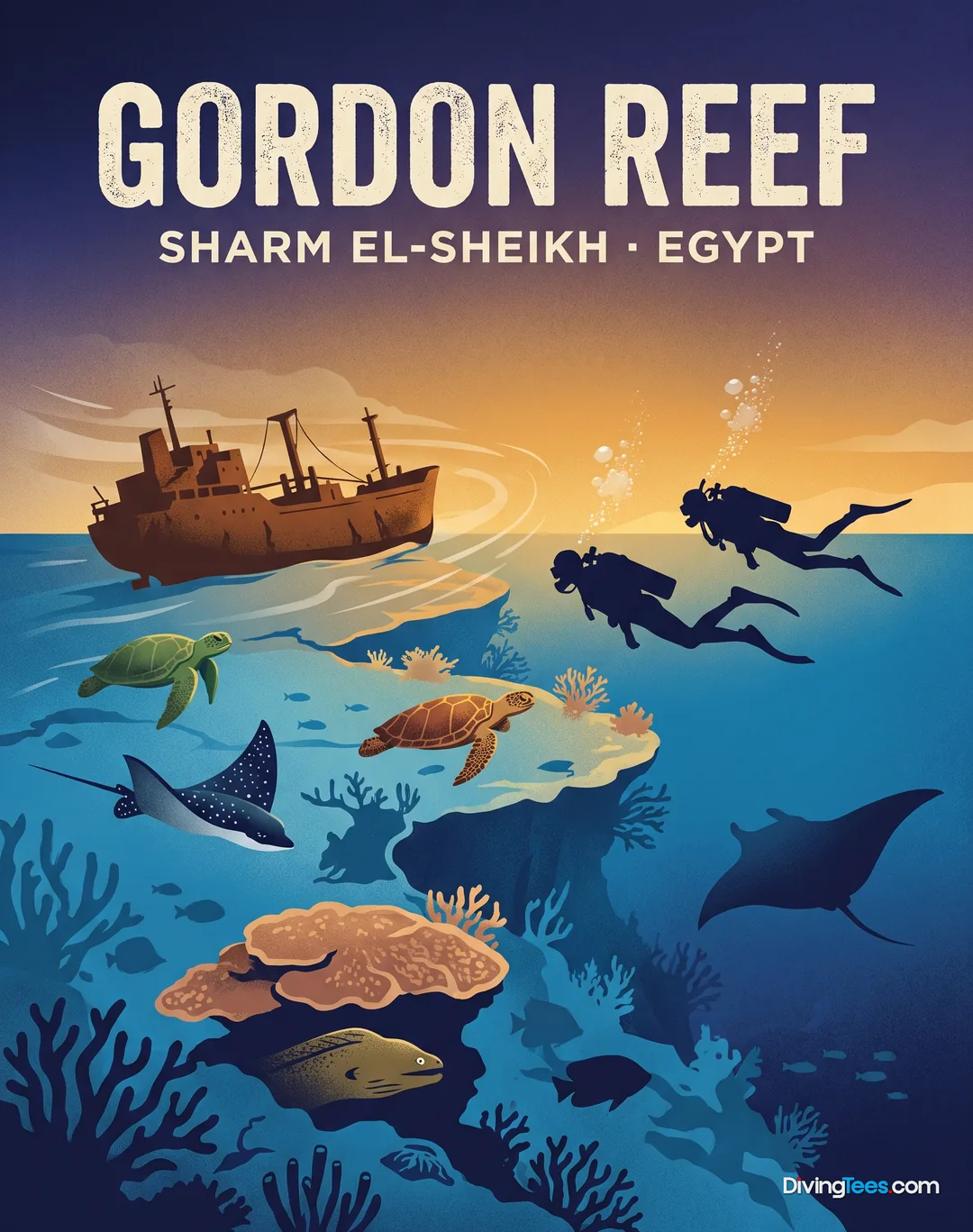
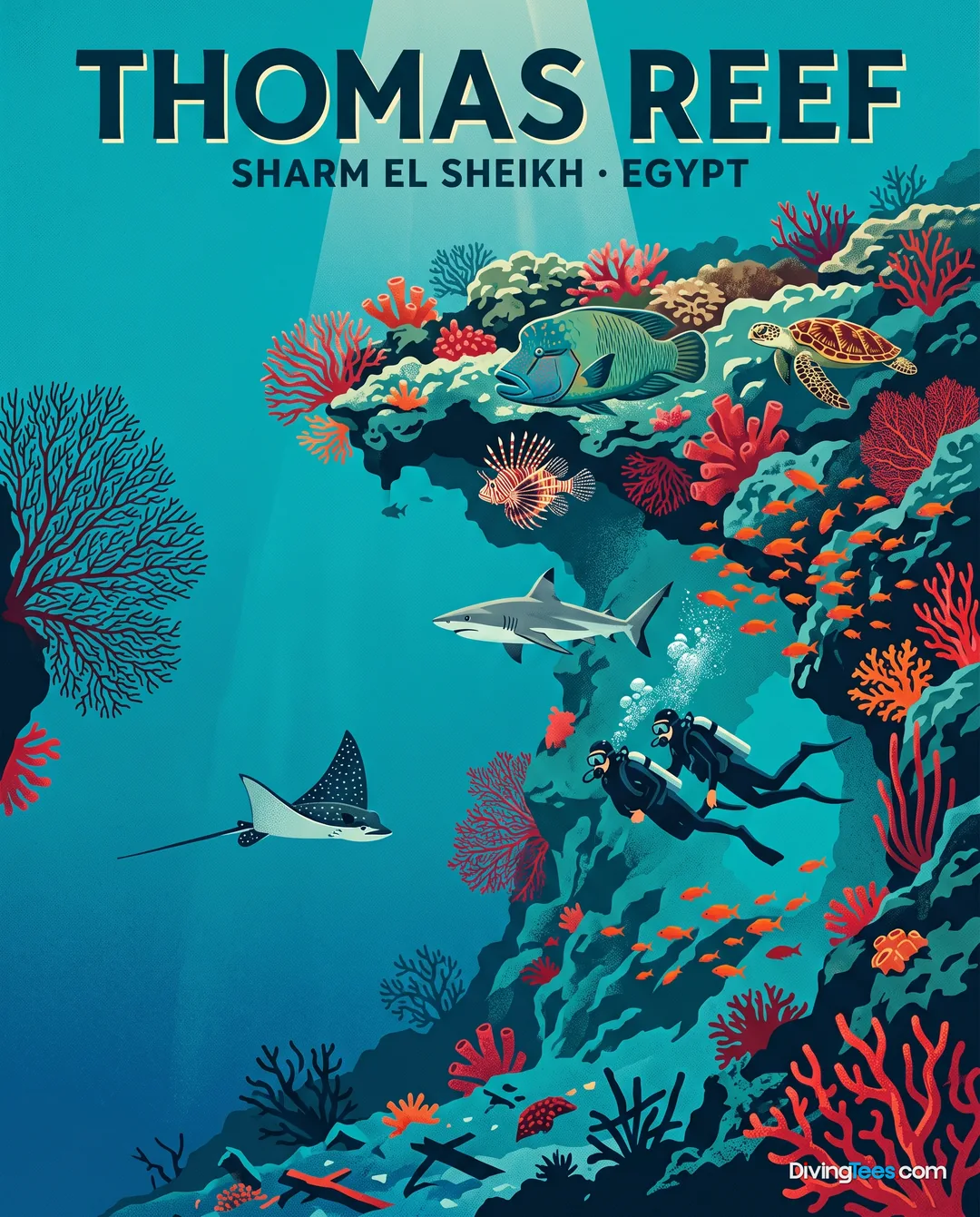
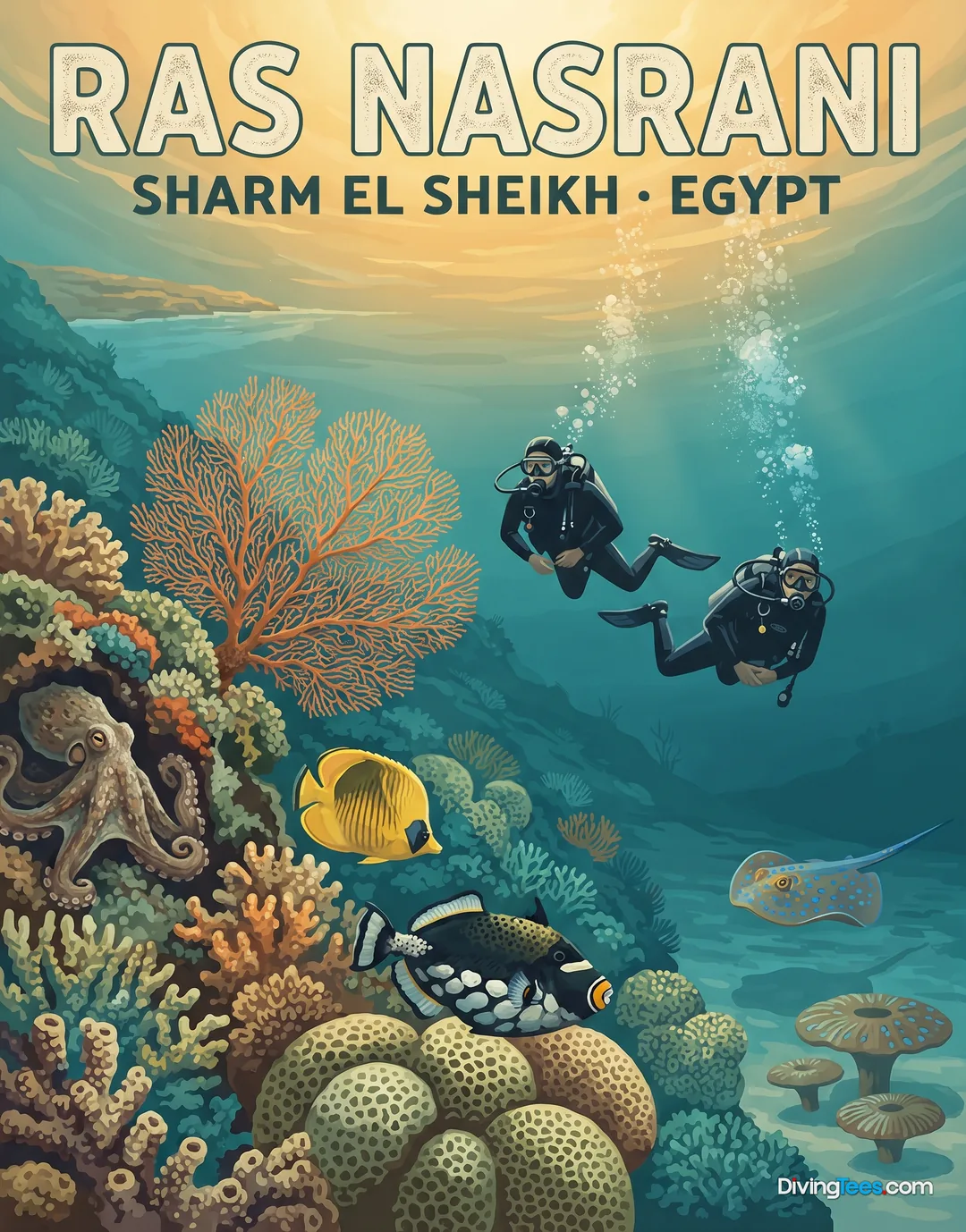
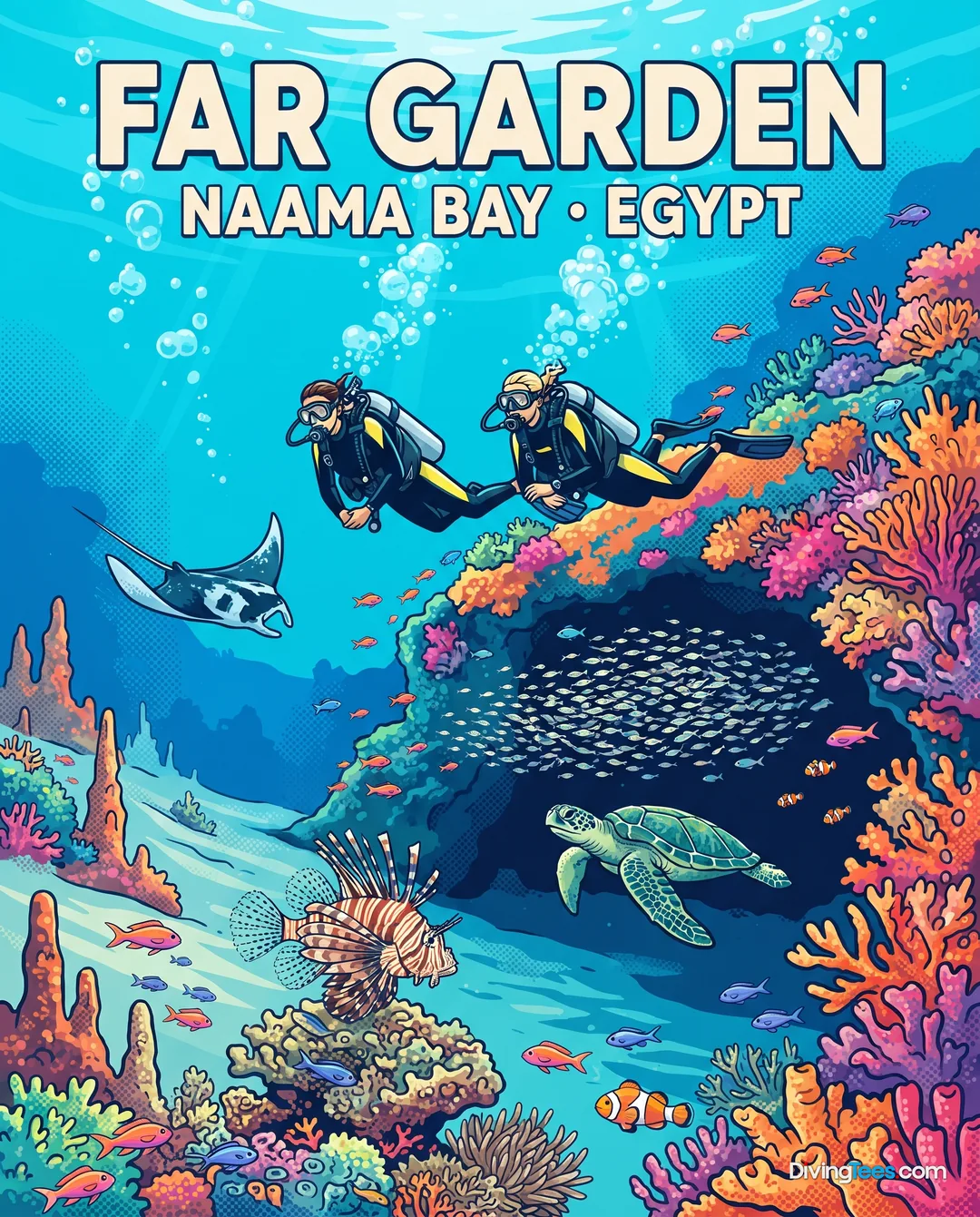
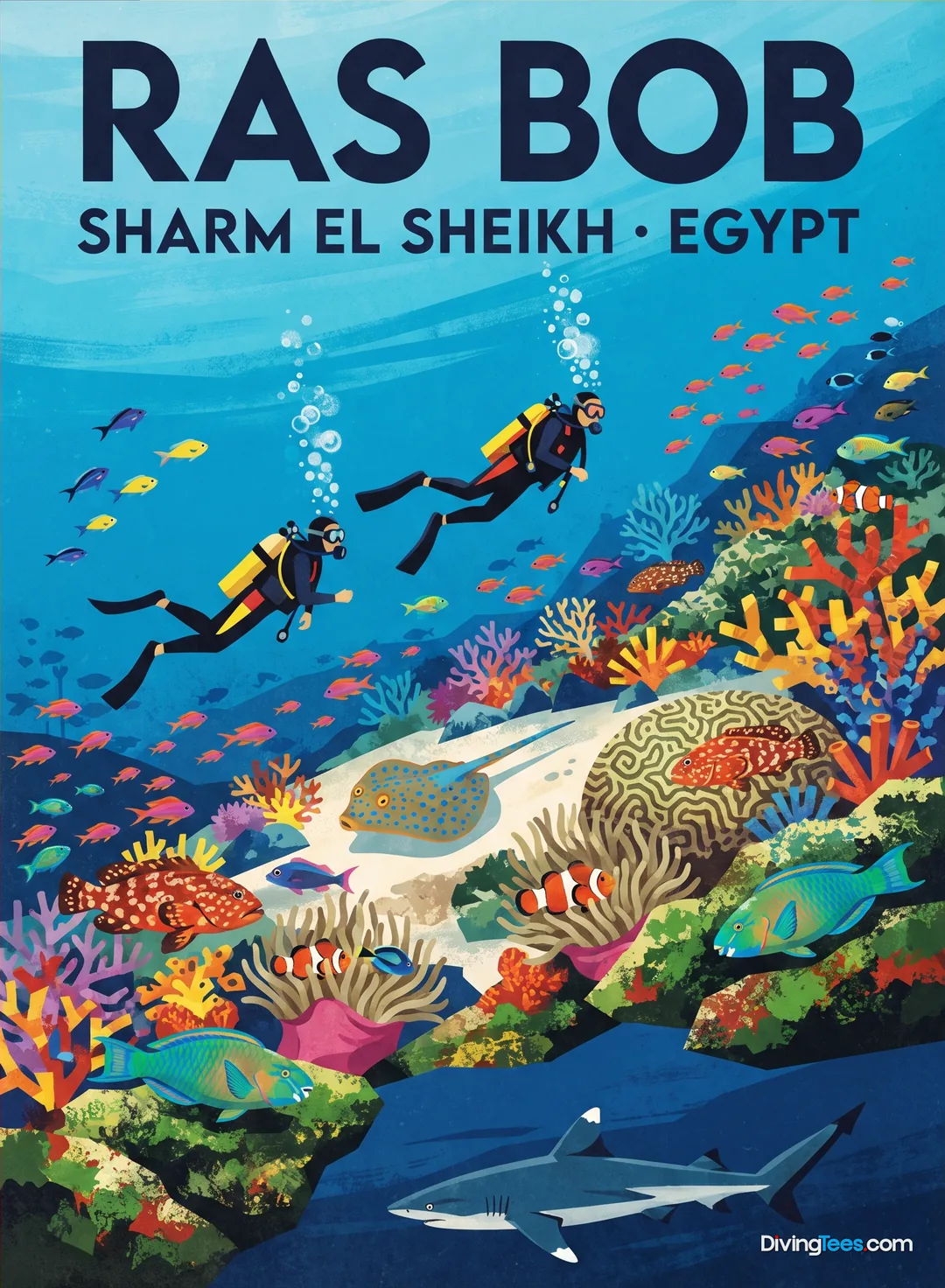
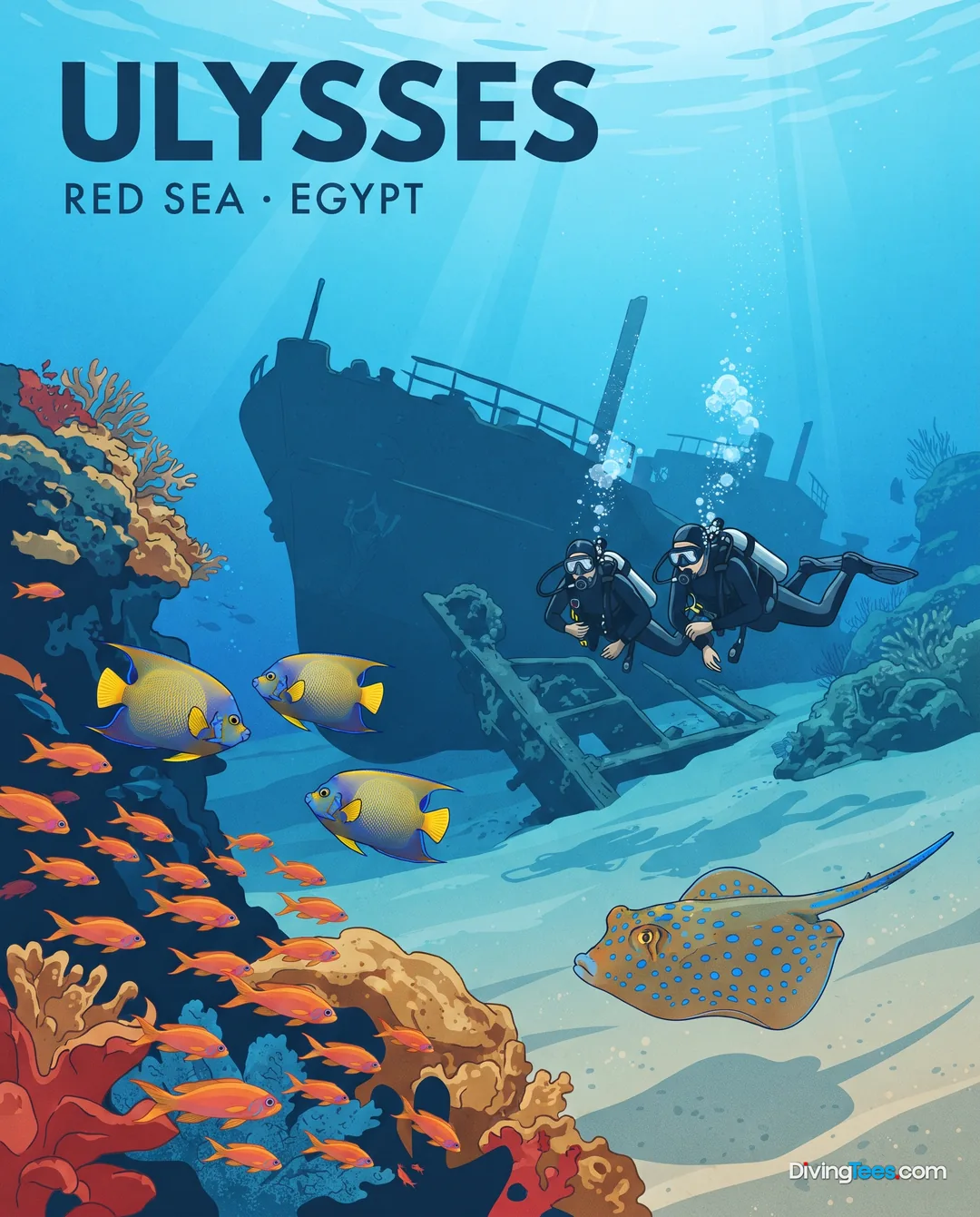
The recorded departures leave from Sharm El Sheikh and return there. The Minisafari – Tiran & Ras Mohamed lasts 5 days and 4 nights; the Classic North lasts 8 days and 7 nights. The longer route brings together wreck history and current work. At Thistlegorm, wartime cargo holds sit at a maximum of -32m, with barracudas, giant tuna, batfish and glassfish around the structure. Rosalie Moller reaches 50m, with the wreck lying between 30 and 50 metres and visited by barracudas, tuna, trevally and groupers. Abu Nuhas concentrates four wrecks in one area. In the Straits of Tiran, Gordon Reef reaches -30m, Woodhouse is a long drift, and Thomas Reef drops to -90m with deep walls, gorgonians and a canyon. Ras Nasrani reaches -60m; Far Garden -25m; Ras Bob -15m; and Ulysses -27m. Route and site choice remain subject to conditions and operations.
Itineraries, dates and prices
Prices per person. Each month shows its lowest price: click a month, or pick an itinerary.
Next departures · 39 departuresfrom £285$381€340
November 2026
December 2026
See dates and prices
If you click these links and make a purchase on the partner site, DivingDeal may earn a commission, at no extra cost to you.
Dates and prices taken from Divebooker and liveaboard.com, updated 20 October 2026
What you’ll meet underwater
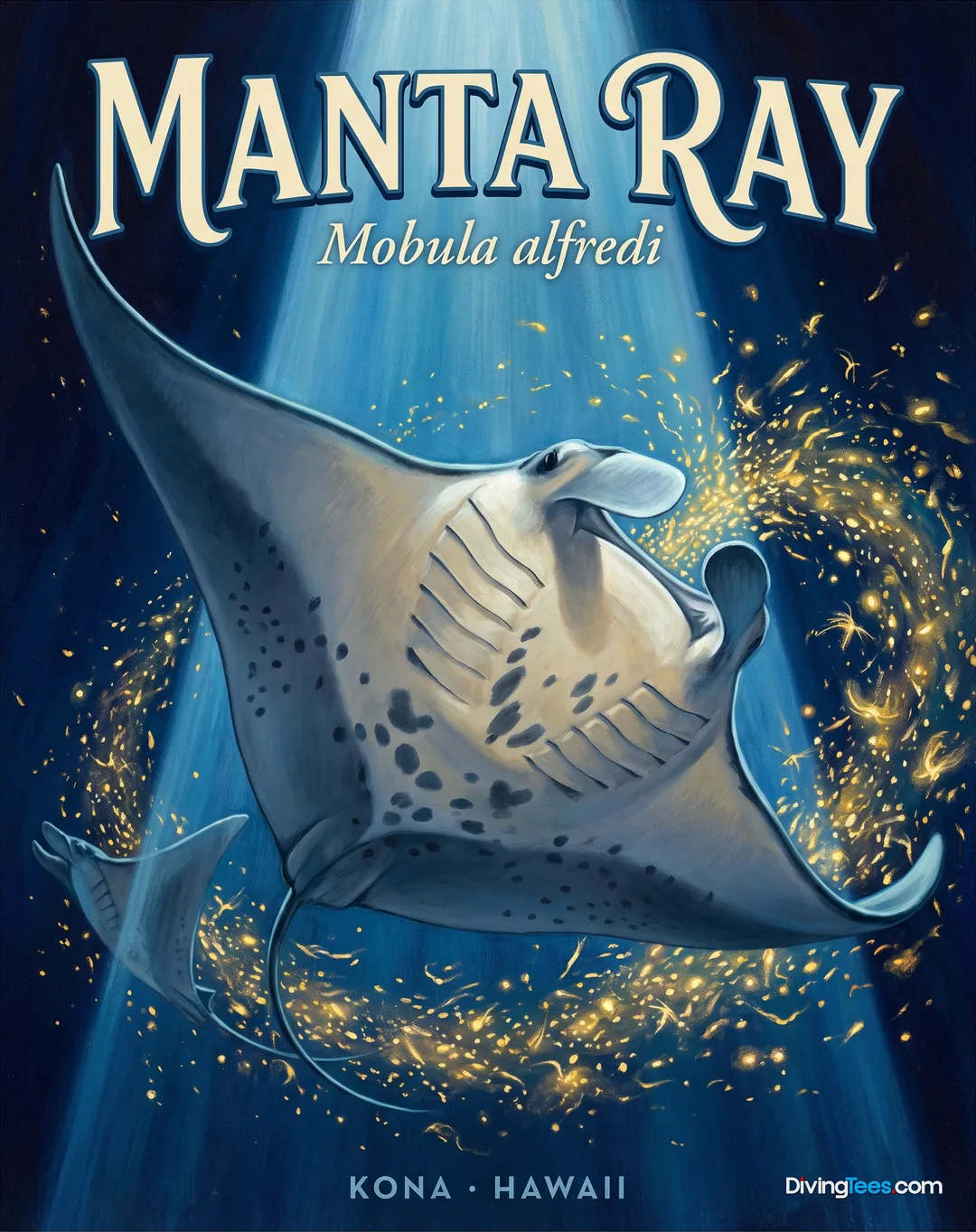
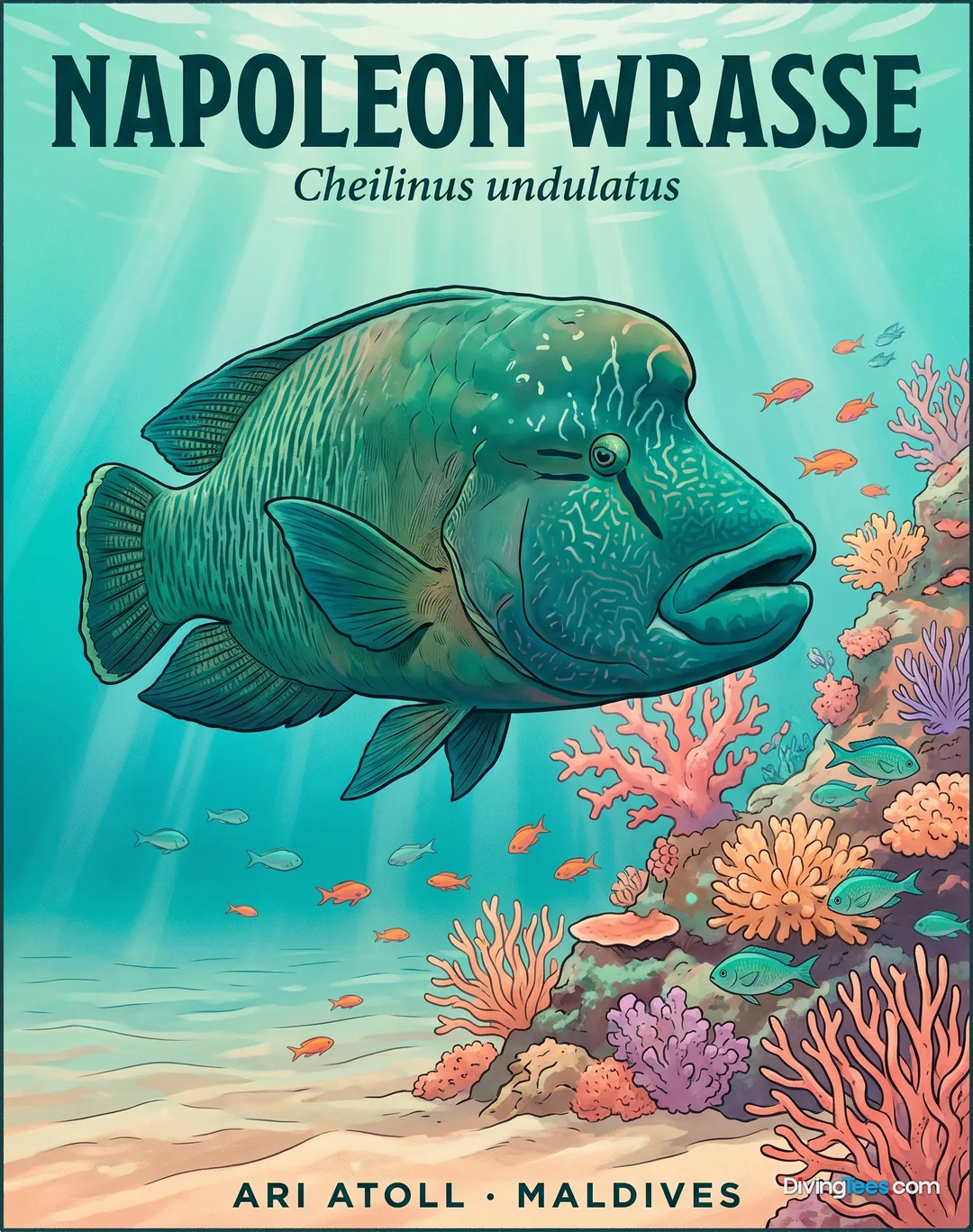
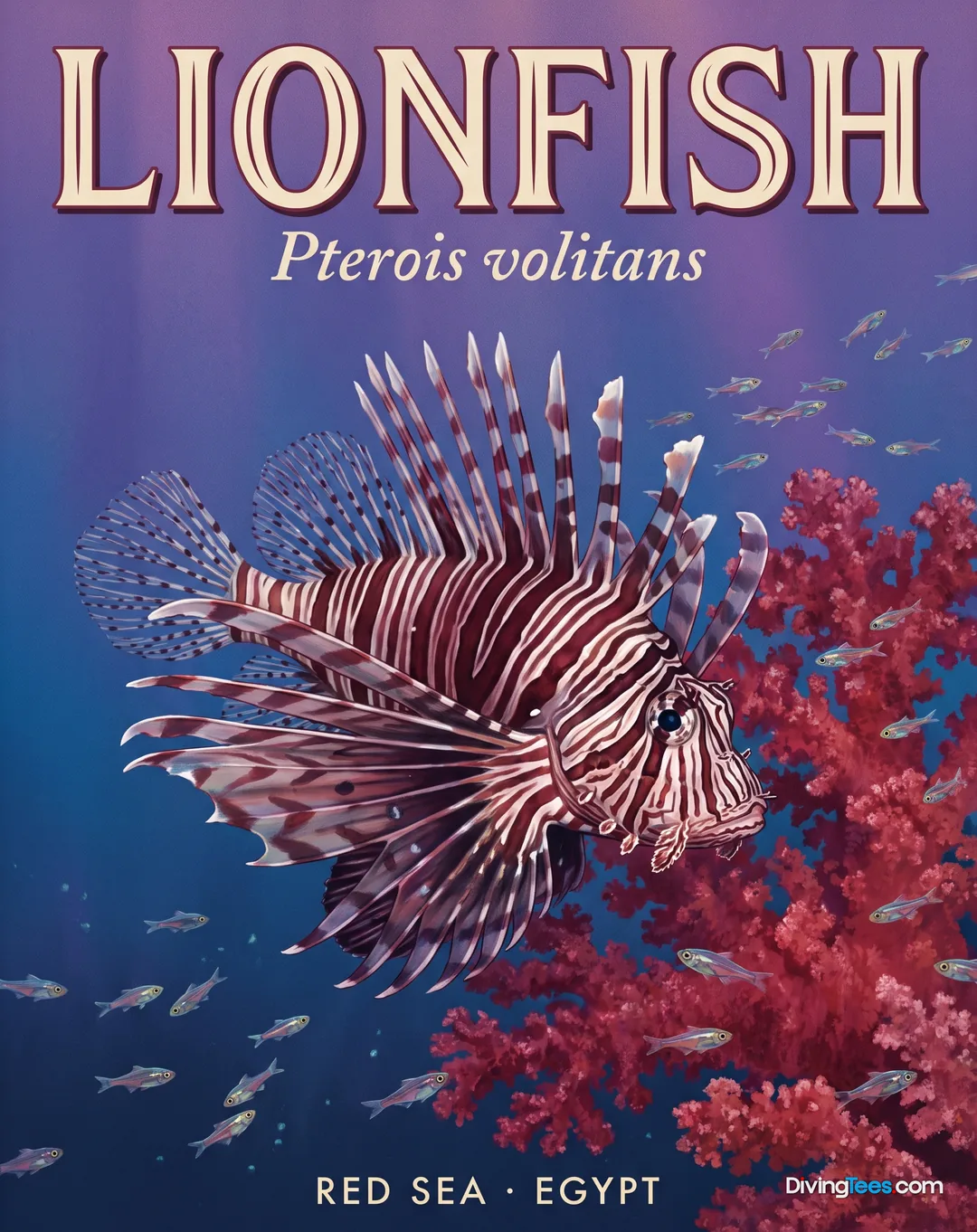
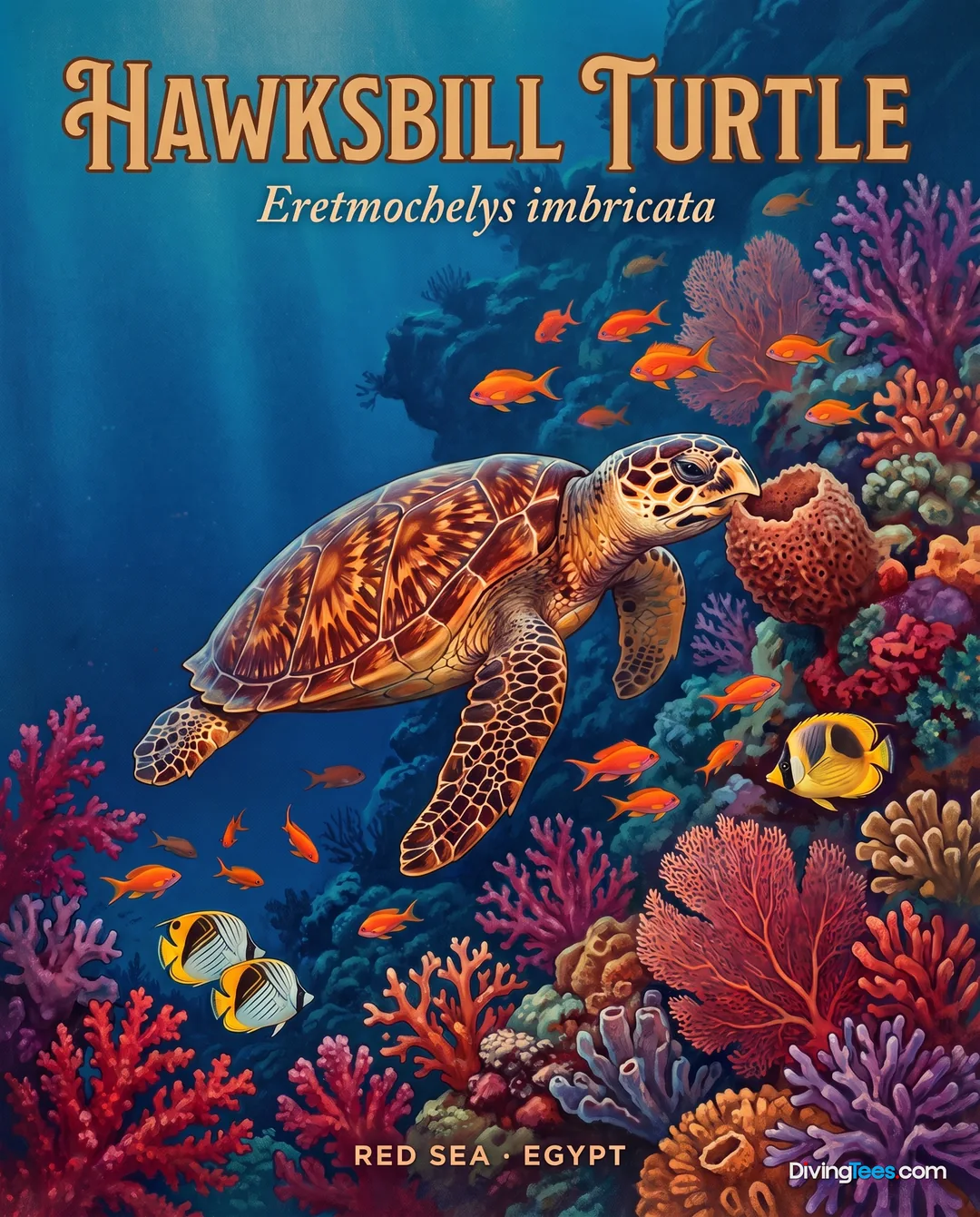
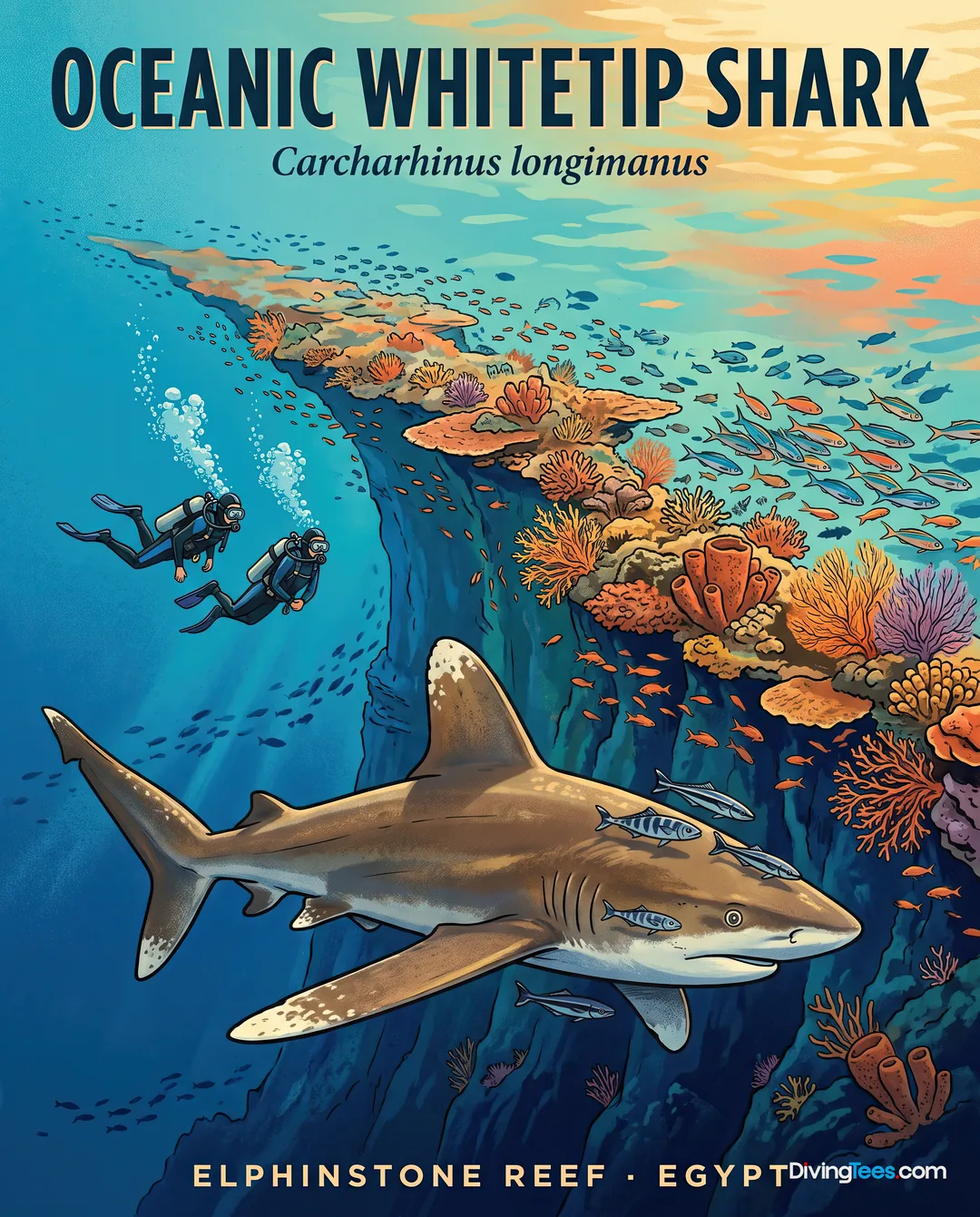
Across this route, the recurring cast is unmistakable Red Sea life: reef sharks, groupers, barracudas, manta rays, sea turtles, napoleon wrasse, morays, trevally, scorpionfish, lionfish, soft corals and clouds of glassfish. Current-swept reefs are where the larger animals make sense: Rocky Island is noted for oceanic sharks, schooling barracudas and manta rays, while Woodhouse Reef can produce sharks, eagle rays and jackfish during a drift. Some sightings belong to one particular site. Thistlegorm is the place associated with dolphins, batfish, rays and hawksbill turtles; Ras Nasrani with the oceanic whitetip shark and large gorgonians; Gordon Reef with garden eels, trumpetfish and stonefish; Rosalie Moller with bigeye trevally; and Straits of Gubal with hard coral. None of these encounters is guaranteed, but each gives a diver a reason to watch the blue as well as the reef.
Who puts you in the water
The crew speaks English, German, French, Chinese, Spanish, Turkish and Italian, allowing briefings and day-to-day questions to be handled across a wide mix of guests. The boat offers SSI courses on board, and the guest information process records certification, total logged dives and the date of the last dive before departure. Briefings set the group’s plan against the site and the conditions of the day. Safety equipment includes emergency oxygen, first-aid kits, life jackets with individual lights, life rafts, fire alarms, extinguishers, radar, GPS, VHF/DSC/SSB radio, a locating beacon and emergency flares. The crew is trained in first aid.
The dive deck and the gear
The dive deck is shaded and built around a proper platform, with rinse tanks and space for repeated entries. Two 6.5-metre, 45 HP tenders handle distant sites and collect divers away from the mother ship, while the platform provides direct water entry. The cylinder supply includes 37 twelve-litre tanks and five fifteen-litre tanks. Fifteen-litre air and nitrox tanks, plus twelve-litre nitrox tanks, can be arranged as paid extras. Air is filled by a 350-litre-per-minute compressor. Nitrox is available as an optional service, and rental equipment is normally not kept on board, so it must be arranged before arrival. Hot-water showers are available after dives.
Between dives
Between dives, the Carlton gives people three different ways to come down from the water. The air-conditioned indoor lounge is the place for a camera download, a book or a quiet hour out of the heat. Outside, a partially covered seating area offers shade, while the sun deck is open for drying wetsuits and warming up after a longer drift. When the boat is moving between sites, the sea becomes the main view rather than a programme to follow. The same spaces also suit non-divers and snorkellers, so companions do not have to spend the week confined to the cabin.
A day on board
A day begins with the first briefing and a dive before the heat builds, followed by breakfast and the work of rinsing, logging and resetting equipment. Further dives punctuate the day, with buffet meals and snacks filling the surface intervals rather than long waits ashore. When the boat is under way, the lounge, shaded outdoor area and sun deck become the places to sleep, read, review photographs or simply watch the Red Sea pass. The evening meal closes the main part of the day, but the programme can continue with a night dive, included in the diving package. After that, the boat settles back into the harbour or the night passage, ready for the next site briefing.
What you eat aboard
Food arrives as three buffet meals during the day, with Egyptian and international dishes prepared on board. Vegetarian and vegan choices are available, and snacks remain available between dives. Water, tea, coffee and non-alcoholic drinks are included; beer and wine are available separately. The dining area sits on the main deck with panoramic sea views, so meals are less about formal service than getting people fed efficiently before the next entry. On a boat where divers may return hungry, a buffet works well: take what is needed, eat, refill the bottle and get ready for the following dive.
Nights at sea
The Carlton offers three cabin choices: twin cabins on the lower deck, double cabins on the main deck and twin cabins on the upper deck. All have private bathrooms, air conditioning, standard windows, bed linen and cabin towels. The upper-deck position is the natural choice for anyone who wants to move quickly between the bunk and the outside spaces; the lower deck keeps the sleeping area closer to the working part of the boat. These are compact liveaboard rooms, not suites, but every cabin has its own bathroom and the boat carries no more guests than its ten-cabin layout allows. The first and last nights are spent aboard in the harbour.
Twin Cabin Lower Deck
Double Cabin Main Deck
Twin Cabin Upper Deck
What to know before boarding
The Carlton departs from and returns to Sharm El Sheikh. An airport transfer can be arranged as an optional extra: after baggage collection and entry formalities, a representative meets arriving guests and takes them by air-conditioned bus to the boat. Hotel transfers can also be arranged. Arriving the night before is sensible, especially when the boat is scheduled to receive guests from 15:00 and the return ends with check-out by 10:00.
Deck plan
- Year built
- 2005
- Year renovated
- 2026
- Length
- 33 m
- Beam
- 7 m
- Maximum number of passengers
- 20
- Number of cabins
- 10
- Number of bathrooms
- 10
- Engines
- Dosan Marine
- Cruising speed
- 10 knots
- Tenders
- 2 × 6.5 m 45 hp
- Website
- carltonredsea.com ↗
Hello, I'm Marina, DivingDeal.com's AI assistant. I answer in detail about hotels, dive centres and liveaboards.
Thinking about the whole trip and the flights? Talk it over with Edith →
Marina is an AI. Some links are affiliate links: DivingDeal may earn a commission, at no extra cost to you. Bookings are made with the partner.