Liveaboards · Egypt
Independence II — a spacious Red Sea safari ship built around serious diving
What makes this boat unique
- Independence II carries up to 20 divers in 10 en-suite, air-conditioned cabins.
- The dive deck has a large stern platform, two compressors, freshwater rinse tanks, warm-water showers and two diving zodiacs.
- Free nitrox is available from the onboard membrane system, with 12-litre tanks and weights included.
- Routes run from 8 days and 7 nights to 15 days and 14 nights, covering reefs, marine parks, caves and northern Red Sea wrecks.
For subtitles in English: start the video firstthen click the gearat the top right of the video, select “Subtitles/CC”, then “Auto-translate” and choose “English”.
The invitation
Independence II suits divers who choose a liveaboard for access, not decoration. Her routes reach places that demand long crossings from shore: the Brothers, Daedalus, Rocky Island, St. John’s, Fury Shoals and Elphinstone, as well as the northern wrecks and reefs. The appeal is the combination of a proper dive platform, free nitrox and enough room to live comfortably between dives. The boat takes 20 guests rather than turning the deck into a queue, and the routes are built for divers who want walls, current, pelagics, coral formations and wrecks in the same Red Sea trip. A minimum of 50 logged dives and AOWD or equivalent are required, so this is not a floating try-dive centre. It is a practical choice for divers who want demanding sites with a crew and layout that keep the focus on getting in, getting out and doing it again.
Boarding
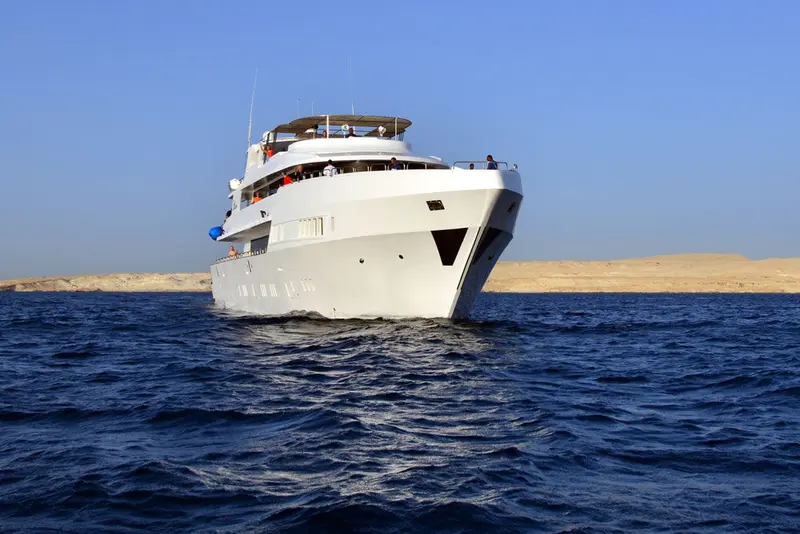
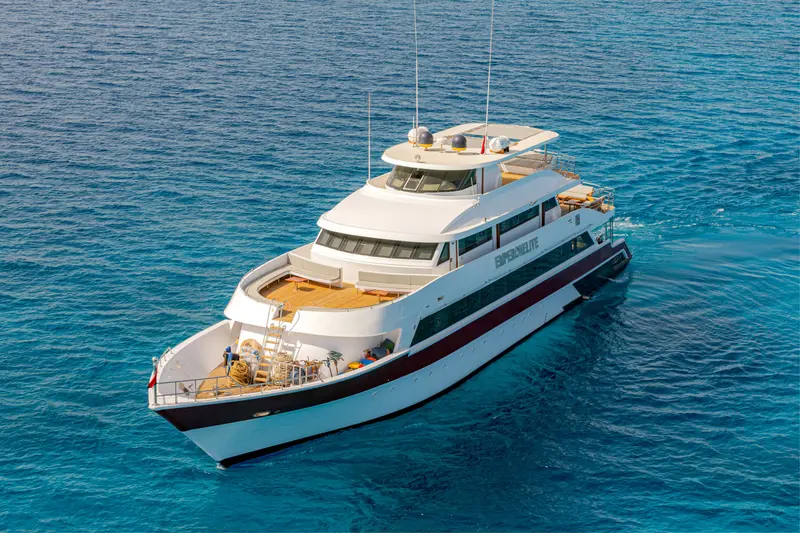
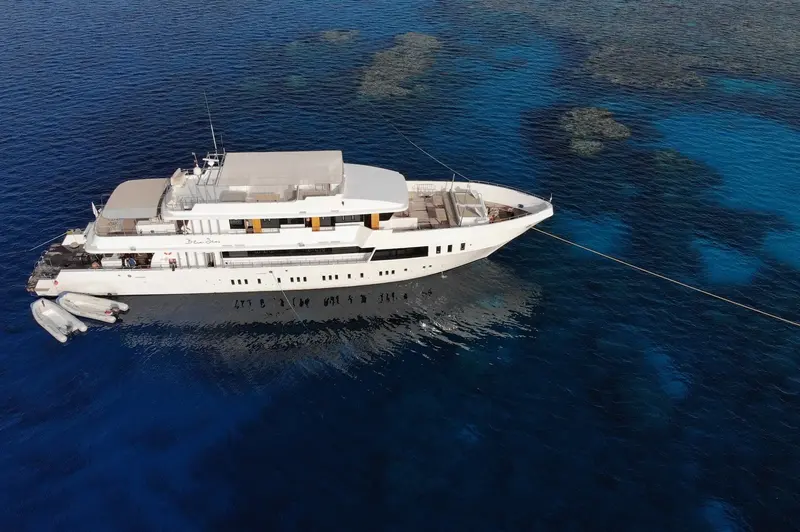
At the dock, Independence II presents as a substantial wooden safari boat rather than a compact dayboat. Teak runs through the decks and interior, with the large stern dive platform making the purpose of the vessel clear before the first briefing. Inside, the wood and small details give the saloon a warmer feel than a bare working boat, while the open-air areas keep the sea close between dives. Movement is straightforward: cabins are spread across the lower, main and upper decks, the main deck carries the working dive area and restaurant, and the upper level gives the suite its panoramic window. The boat was built in 2007 and later became the centre of Bluewater Safaris’ Egyptian operation. Its size gives 20 guests space to spread out without losing the social scale of a safari where people quickly recognise one another on the dive deck.
The atmosphere on board
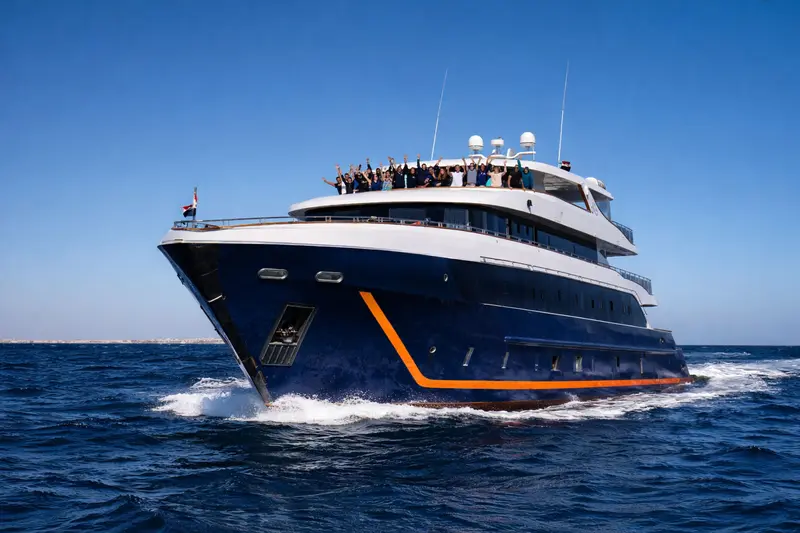
The atmosphere is shaped by a small, bilingual operation rather than by formal hotel service. English and German are spoken, and Independence II is particularly familiar territory for German-speaking divers. Crew members help with equipment on the main deck, so the repeated work of lifting, fitting and stripping gear does not fall entirely on tired divers. Briefings, meals and the evening bar naturally bring the group back together after separate dive teams have spread out underwater. The crew’s role is most visible when conditions become less simple: they are trained in emergency management and first aid, and the boat carries the equipment expected for a serious Red Sea safari. By the second or third day, the people who handle tanks, tenders and meals are no longer anonymous staff. They are the same hands meeting divers at every stage of the day.
The sites you’ll dive
The route changes the character of the trip. St. John’s and Elphinstone runs cover 8 days and 7 nights, as do Brothers–Daedalus–Elphinstone, Strait of Tiran–Best of North and the northern wreck itineraries. The longer Brothers–Daedalus–Rocky Island–St. John’s–Elphinstone route lasts 15 days and 14 nights. At Elphinstone, walls fall to -60m and the blue water is the place to watch for oceanic whitetips, hammerheads and manta rays. Rocky Island brings strong current, barracuda schools and possible mantas. Fury Shoals is different: hard coral creates canyons and intricate passages. At Carless Reef, to -40m, giant morays can leave their holes and swim in the blue. Umm Gamar reaches -30m and includes a cave at 28m, with the remains of Hans Hass’s shark cage. The Straits of Gubal reach -50m and turn wrecks into artificial reefs. Shaab Abu Nuhas, to -30m, adds coral gardens and famous wreck diving; Fanadir South and North offer sandy slopes and walls to -30m, while Gotha Abu Galawa reaches -35m and is noted for night diving. Sachwa Abu Galawa reaches -30m, with purple soft corals and gorgonian gardens. Middle Reef and Abu Kafan bring hard-coral formations, walls and current; Gotha Abu Nugar North stays shallow at -9m, with a dense coral garden.
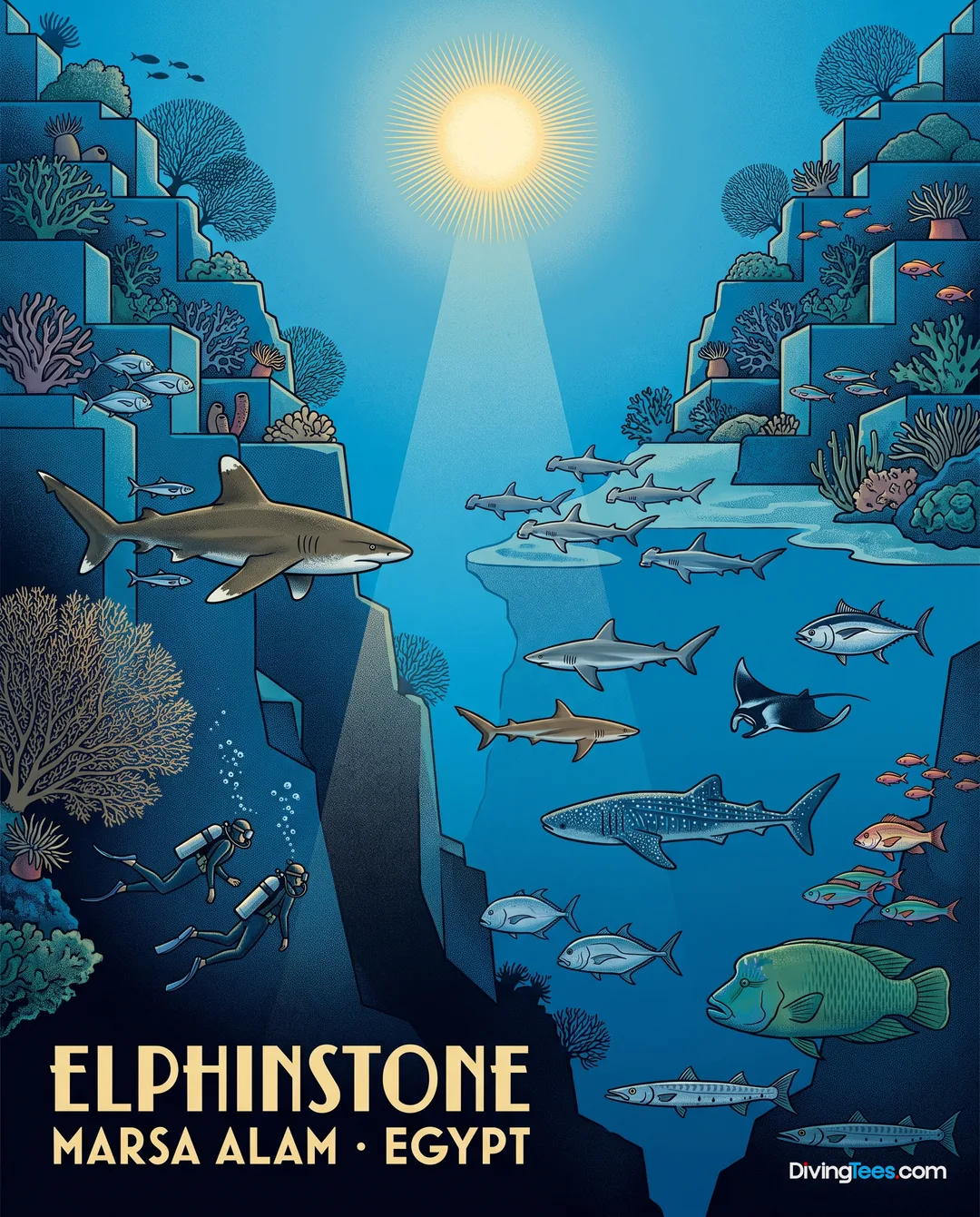
Elphinstone →
Max. depth · 60 m
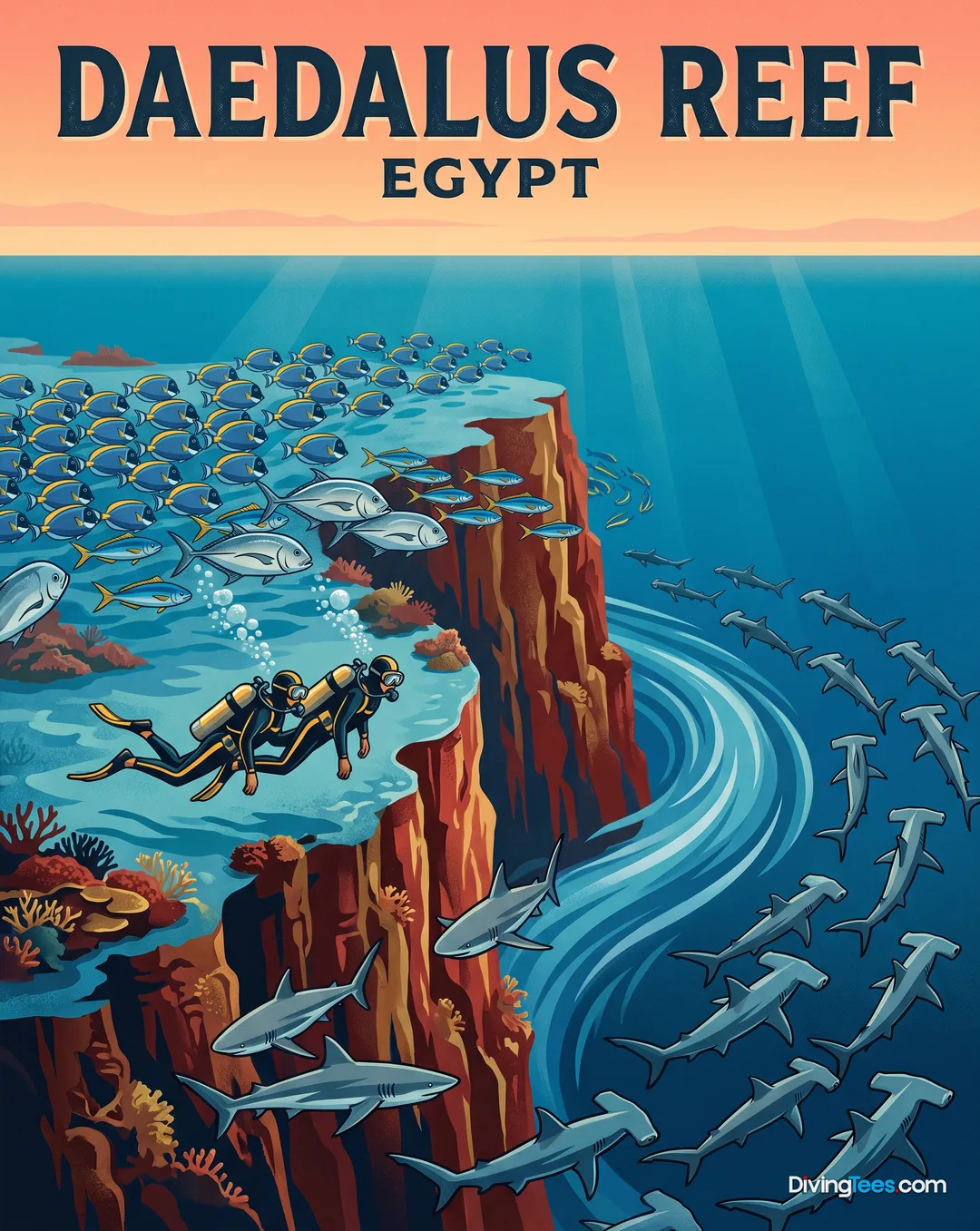
Daedalus →
Max. depth · 40 m
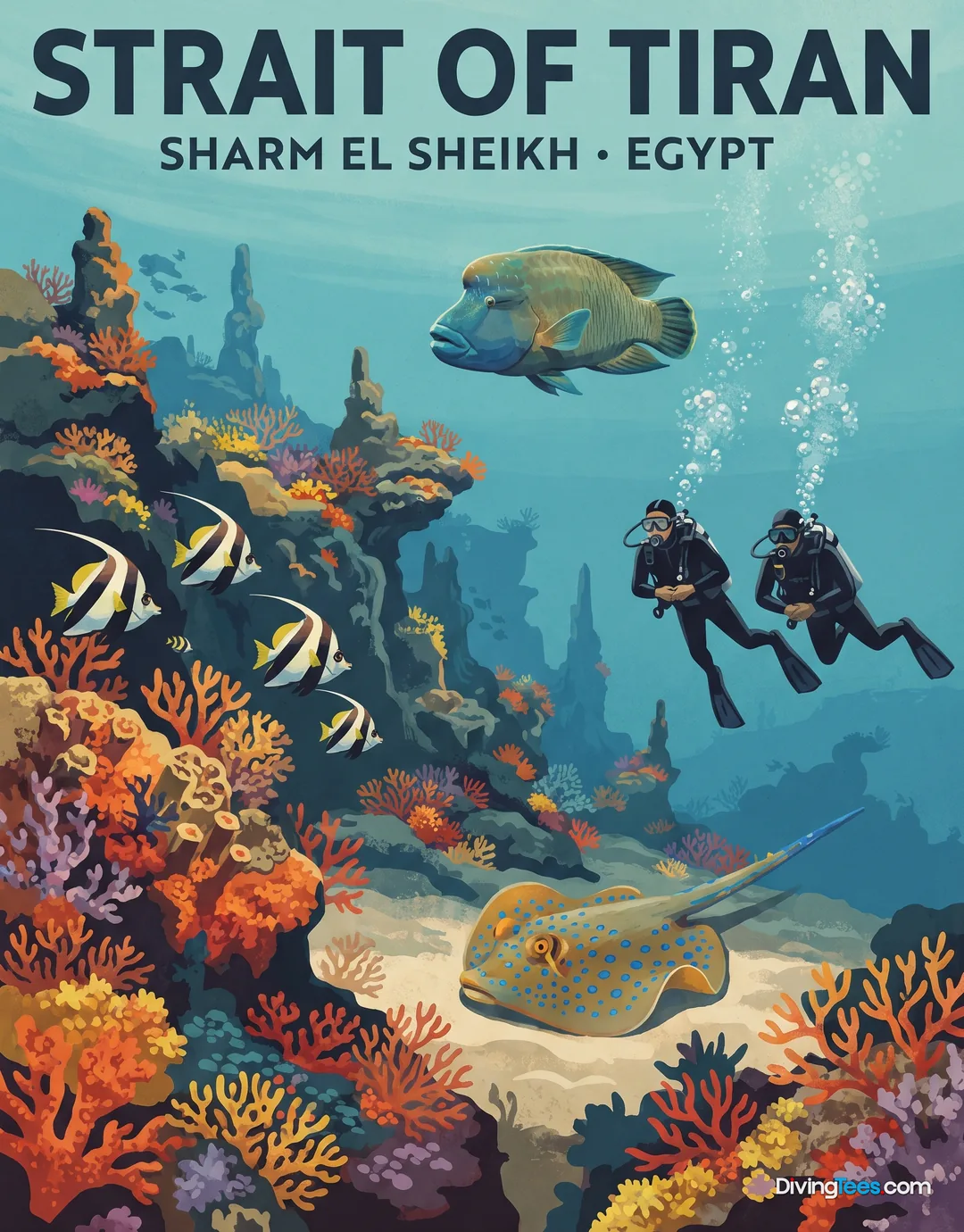
Strait of Tiran →
Max. depth · 40 m
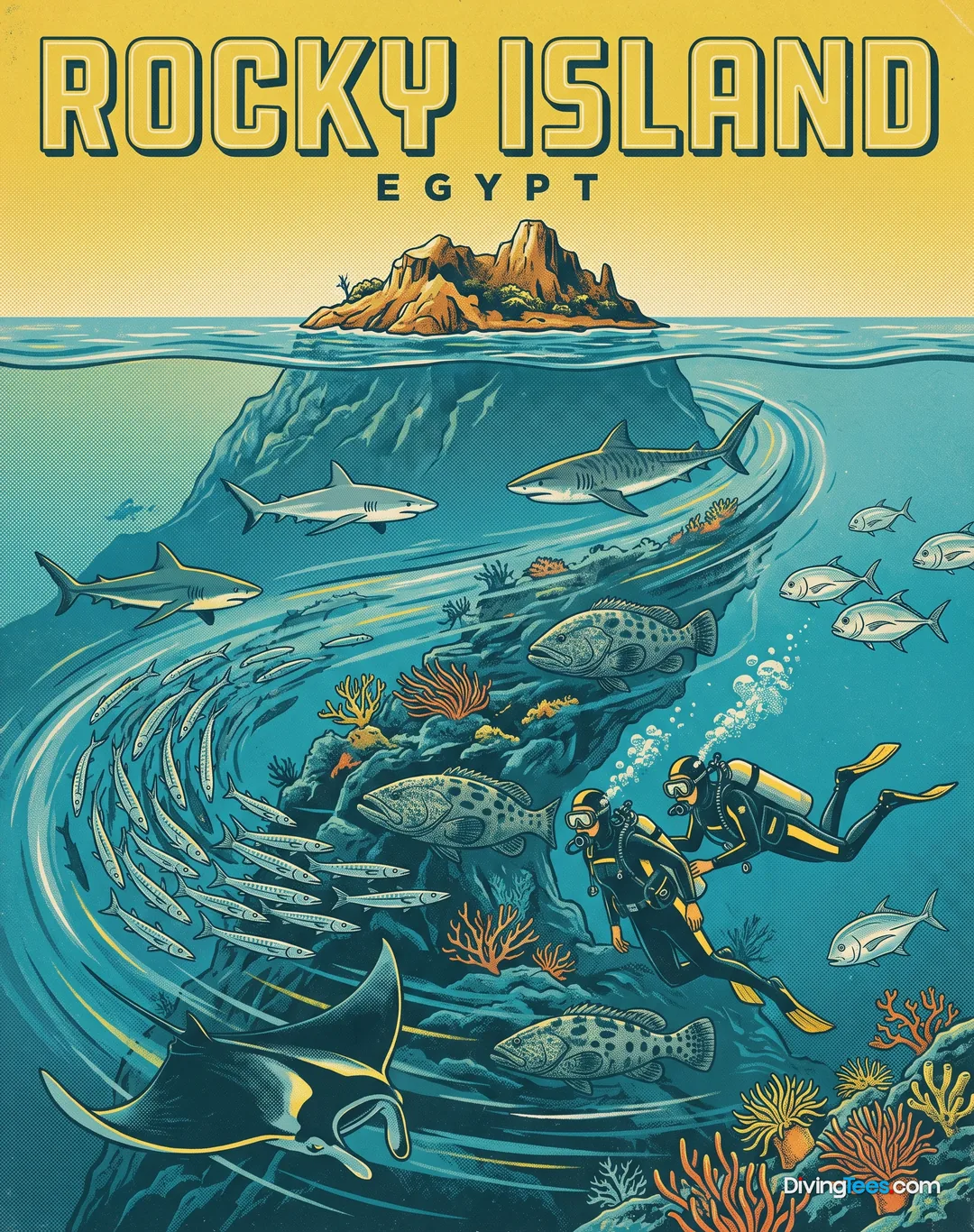
Rocky Island →
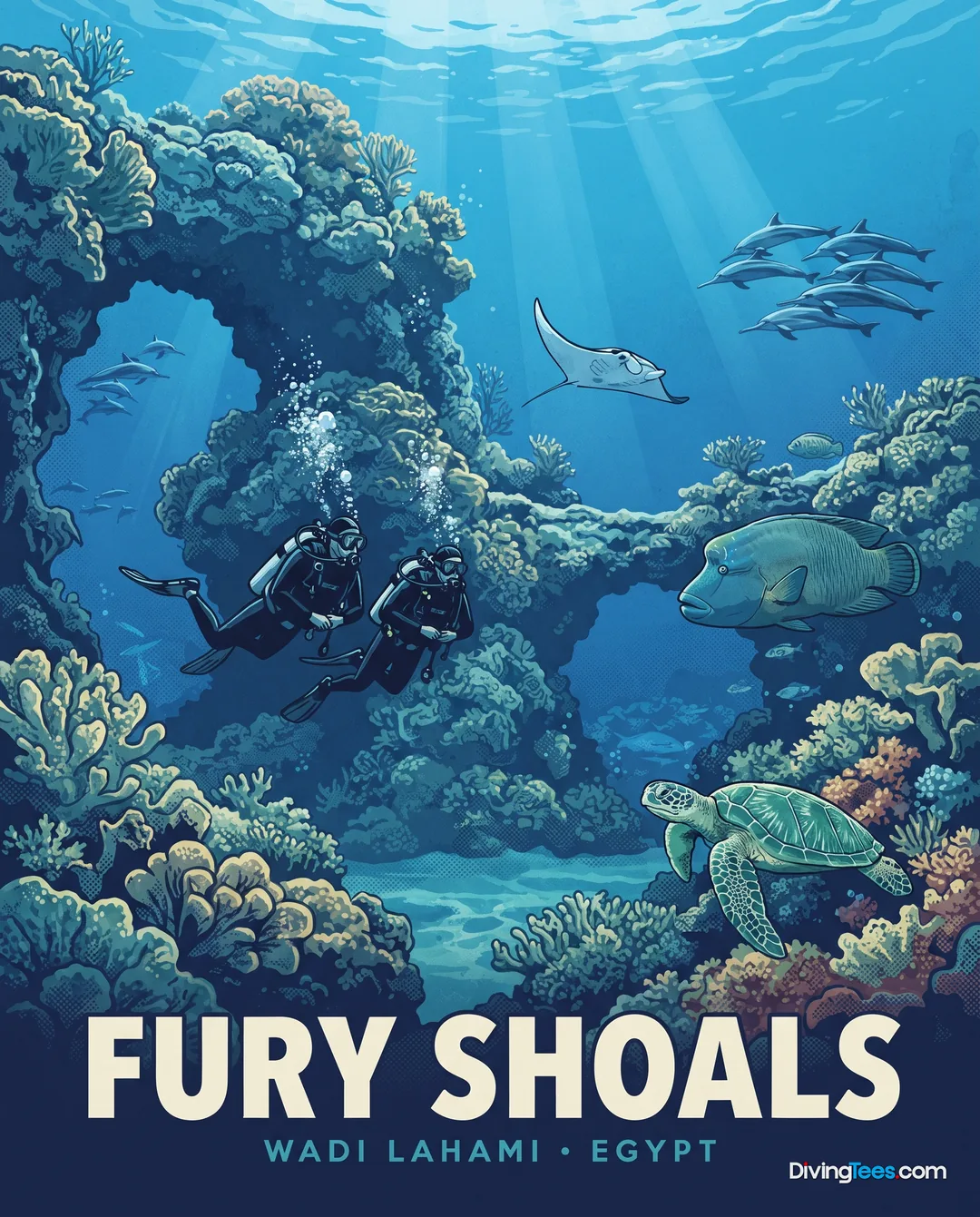
Fury Shoals →
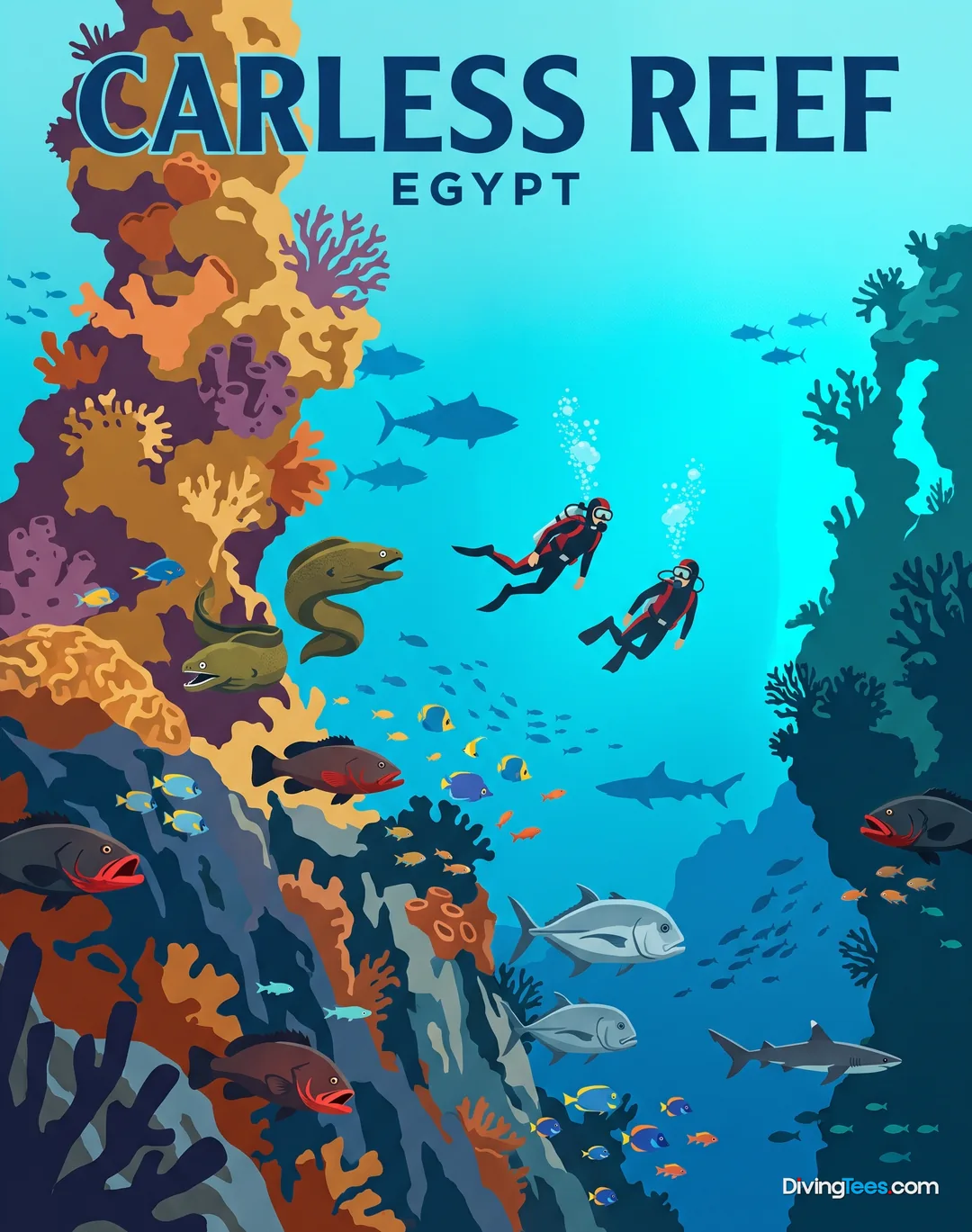
Carless Reef →
Max. depth · 40 m
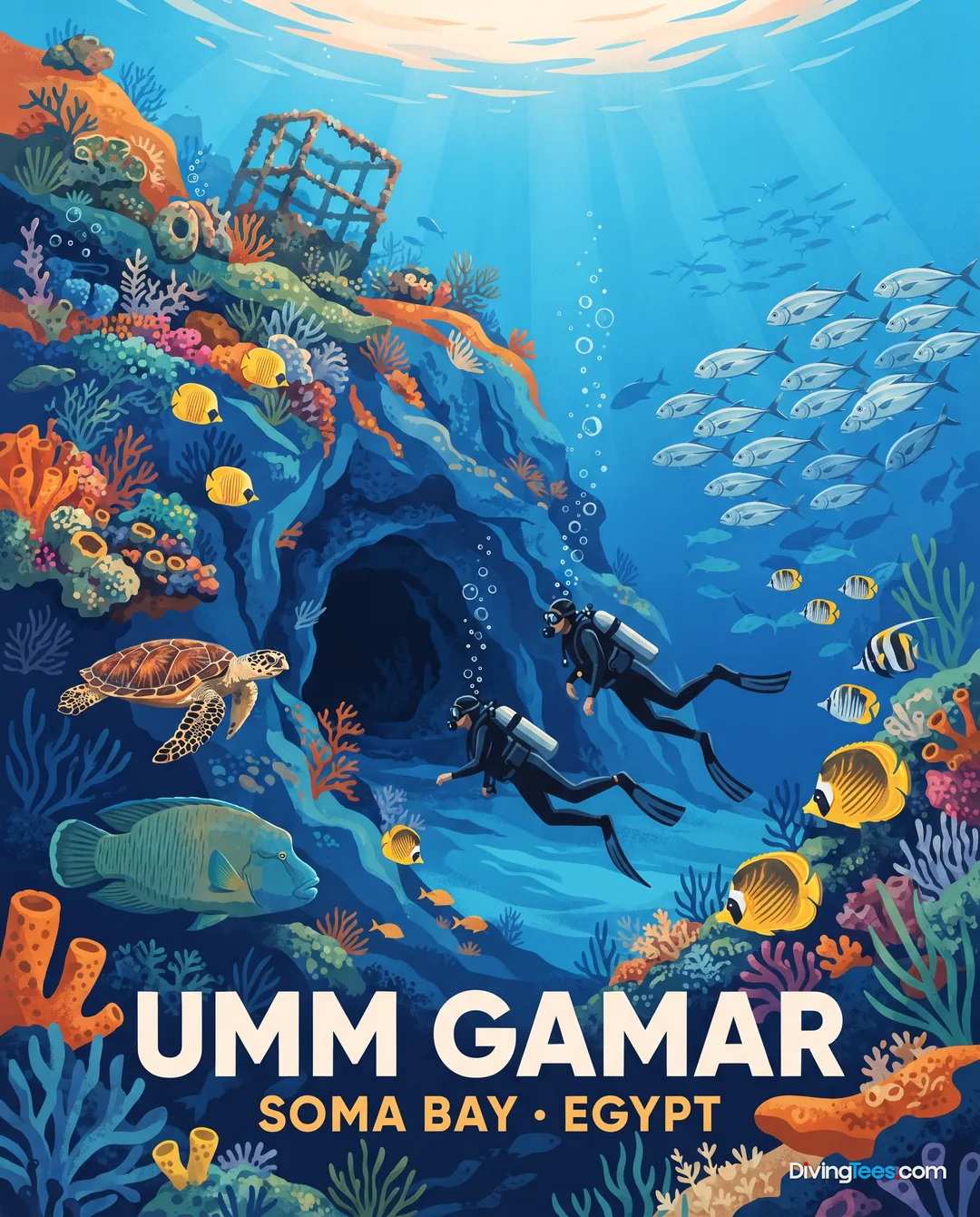
Umm Gamar →
Max. depth · 30 m
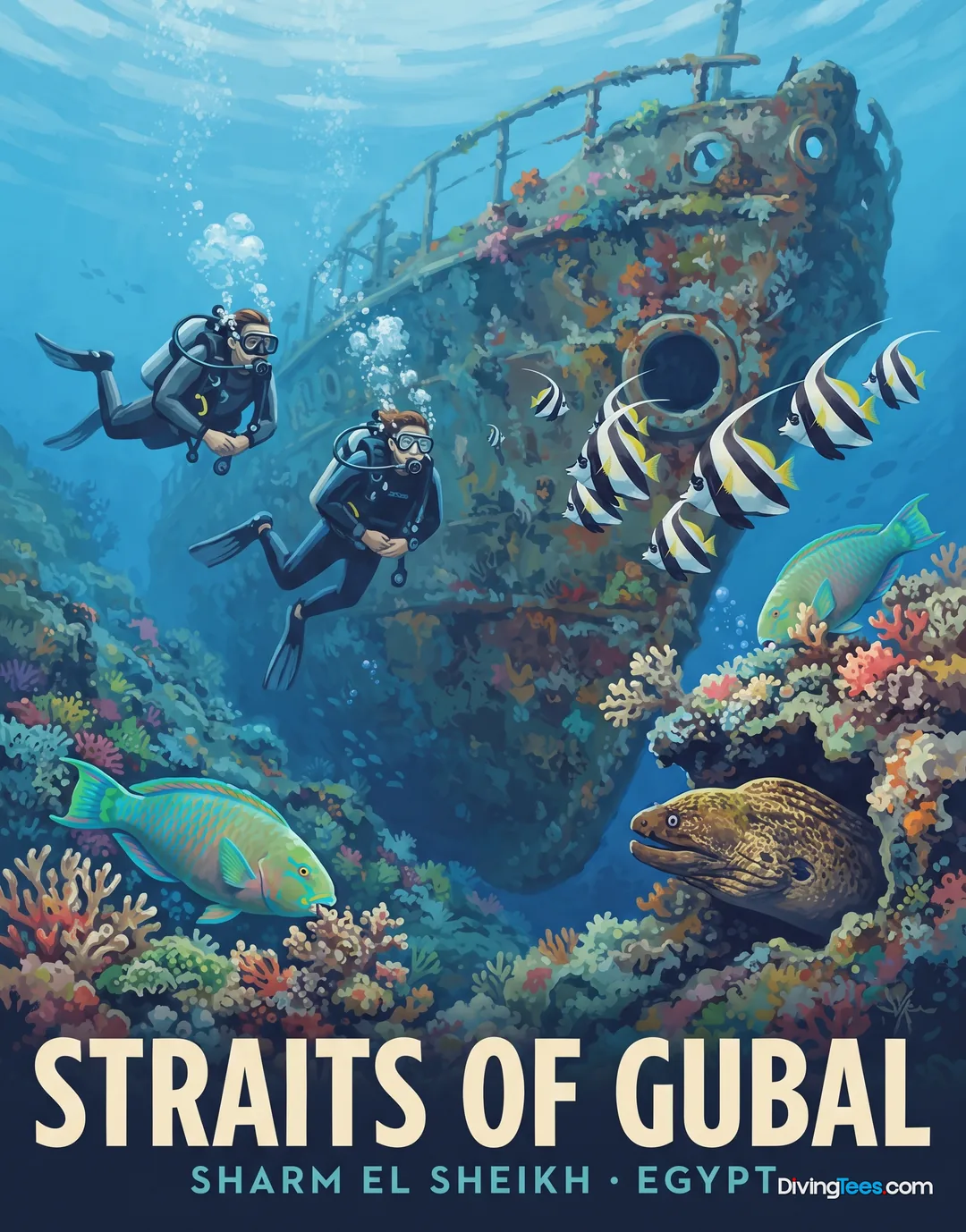
Straits of Gubal →
Max. depth · 50 m
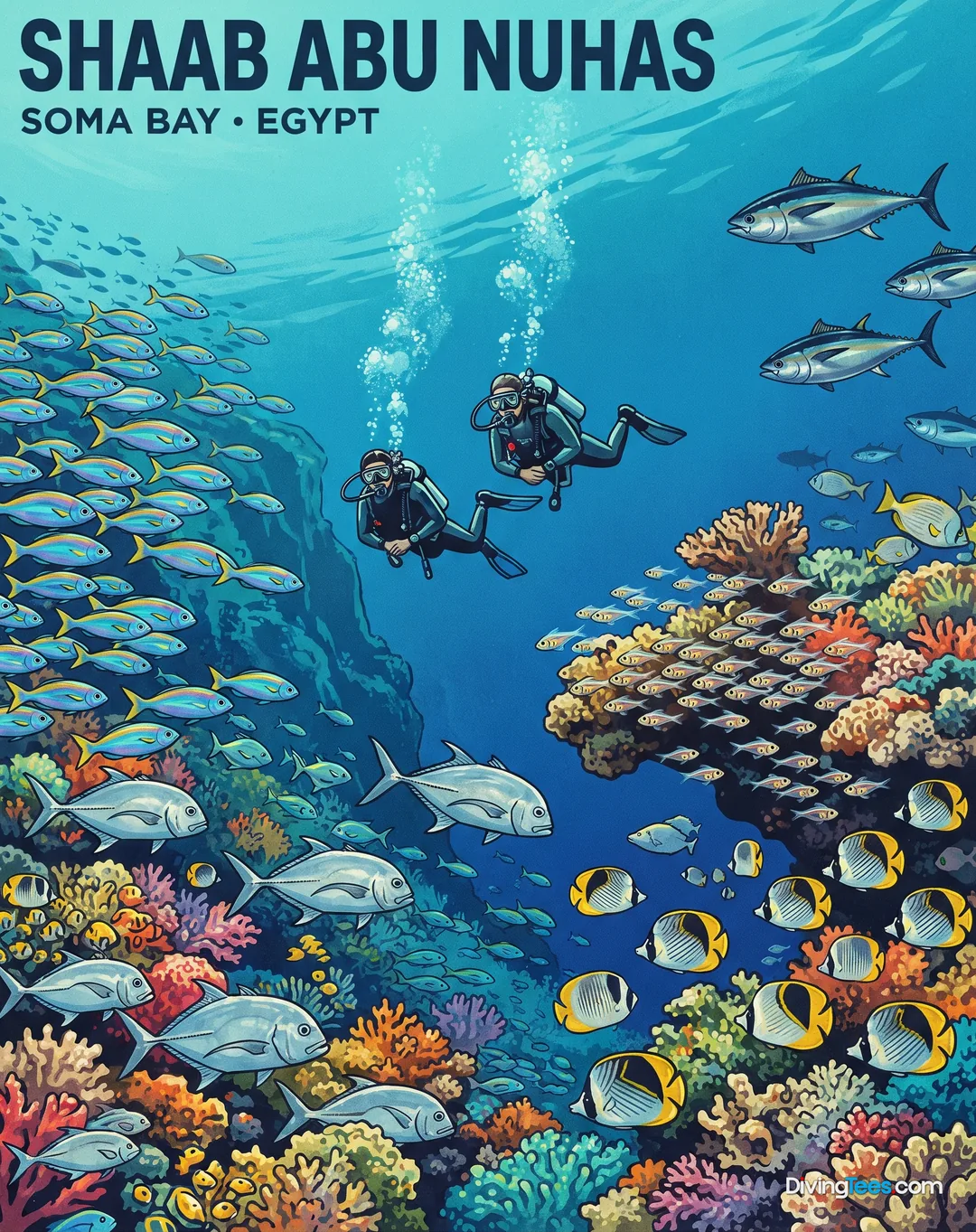
Shaab Abu Nuhas →
Max. depth · 30 m
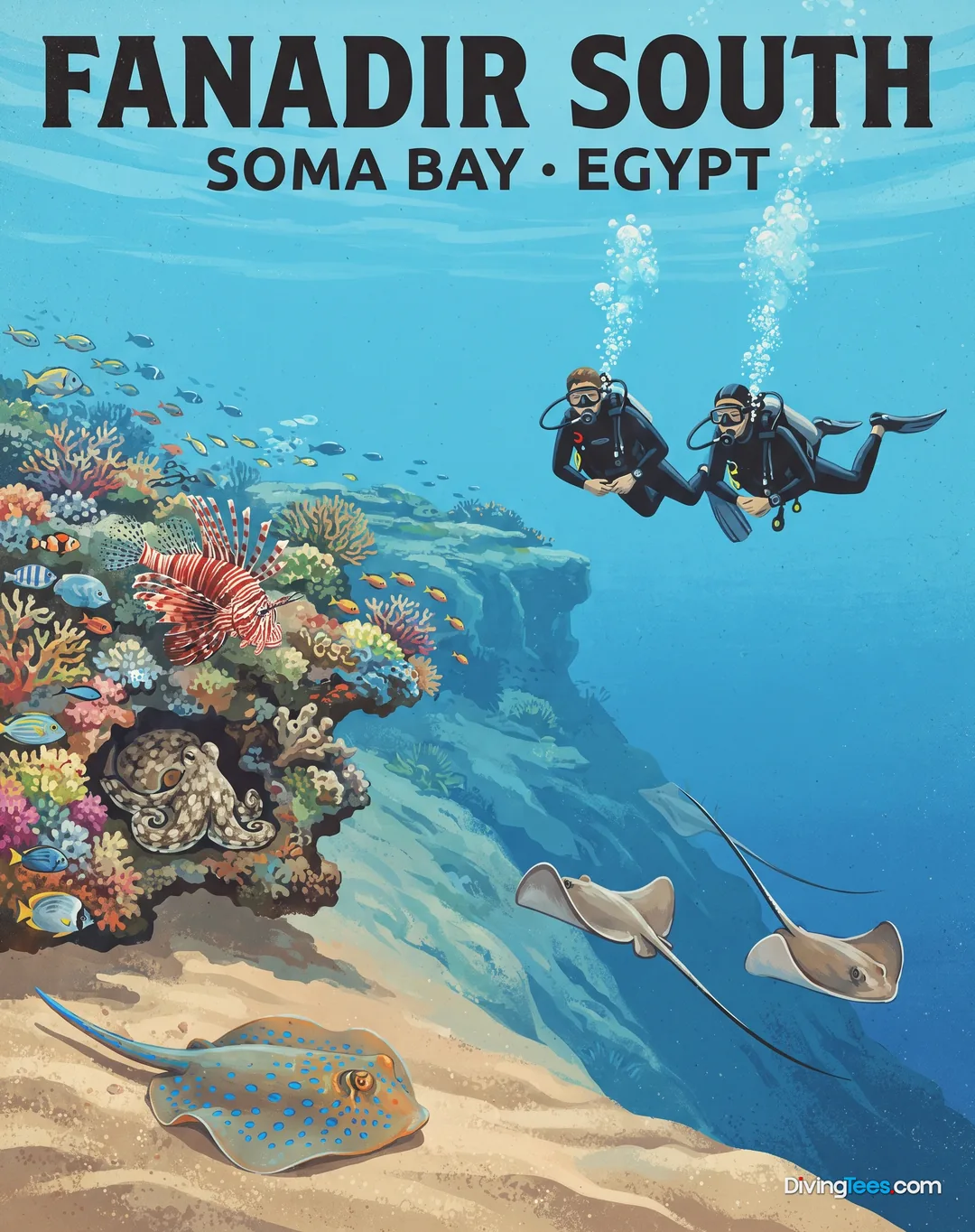
Fanadir South →
Max. depth · 30 m
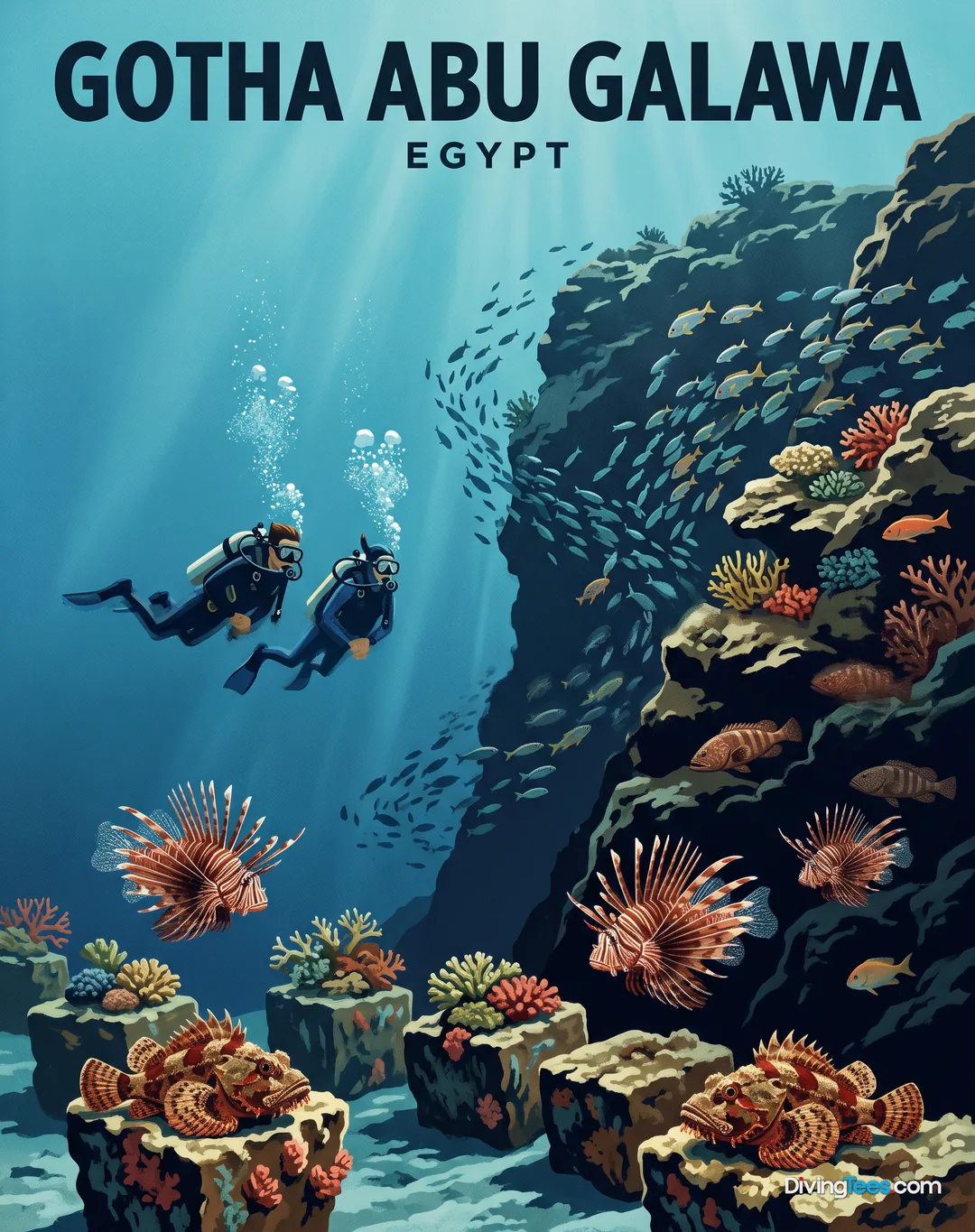
Gotha Abu Galawa →
Max. depth · 35 m
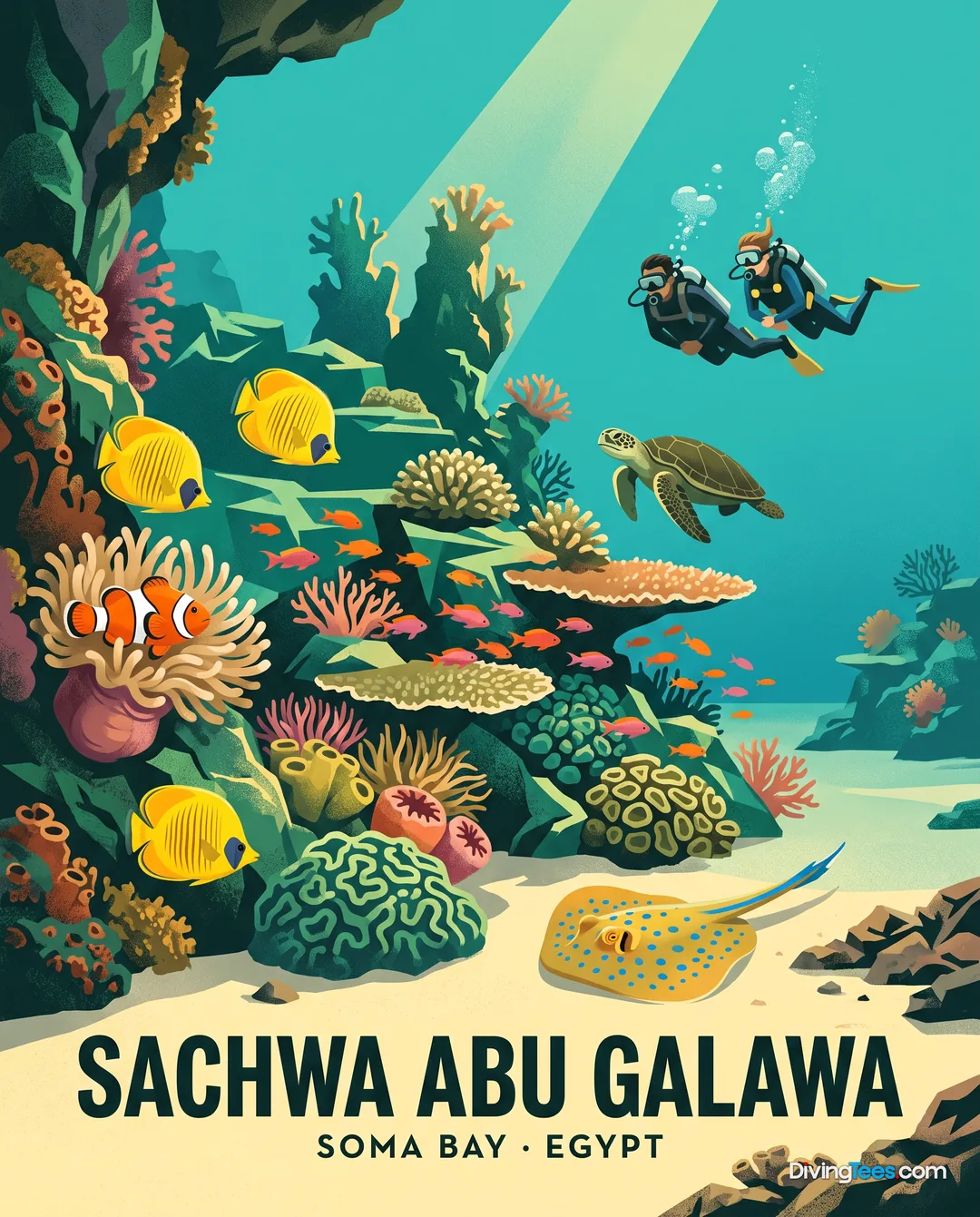
Sachwa Abu Galawa →
Max. depth · 30 m
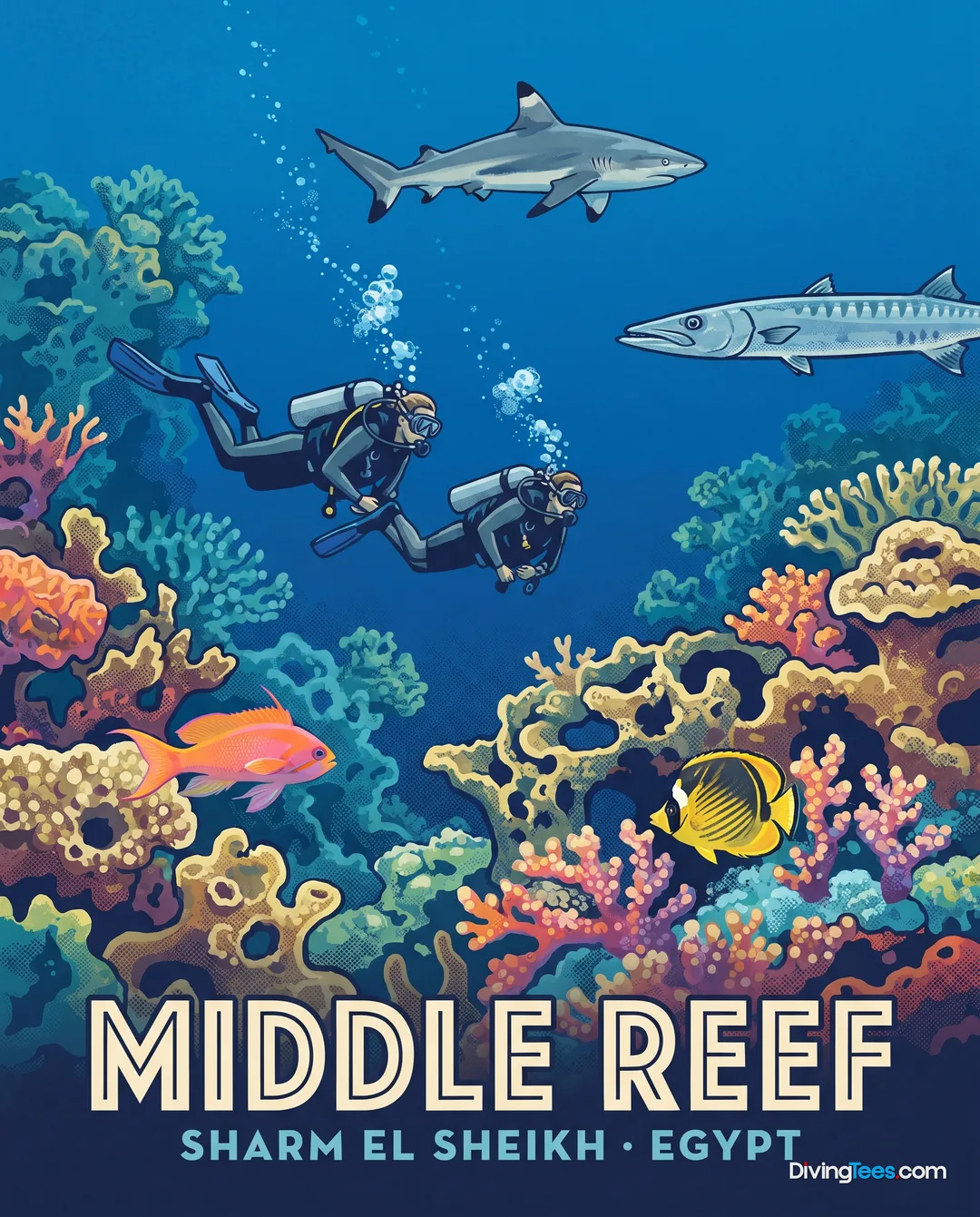
Middle Reef →
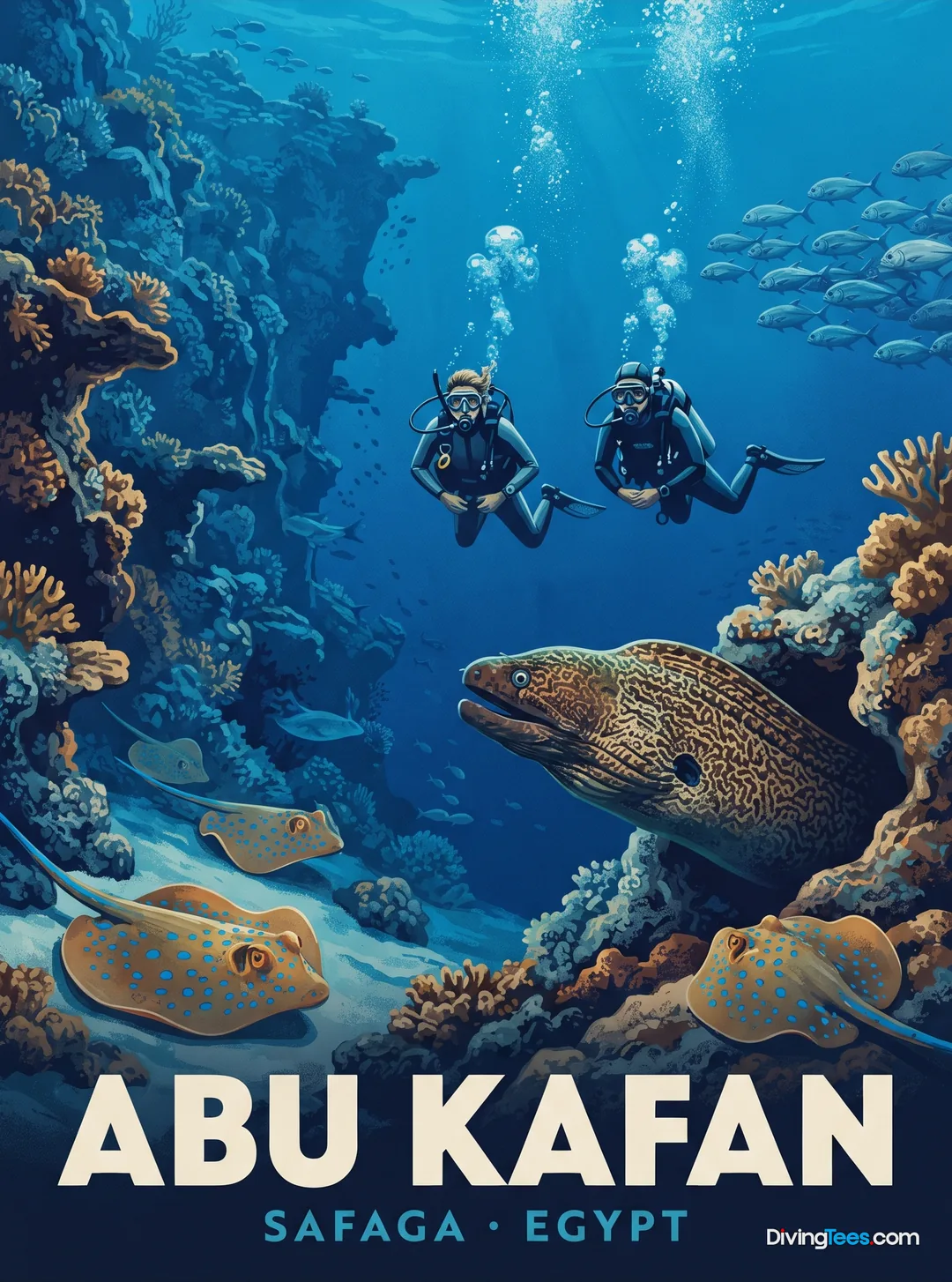
Abu Kafan →
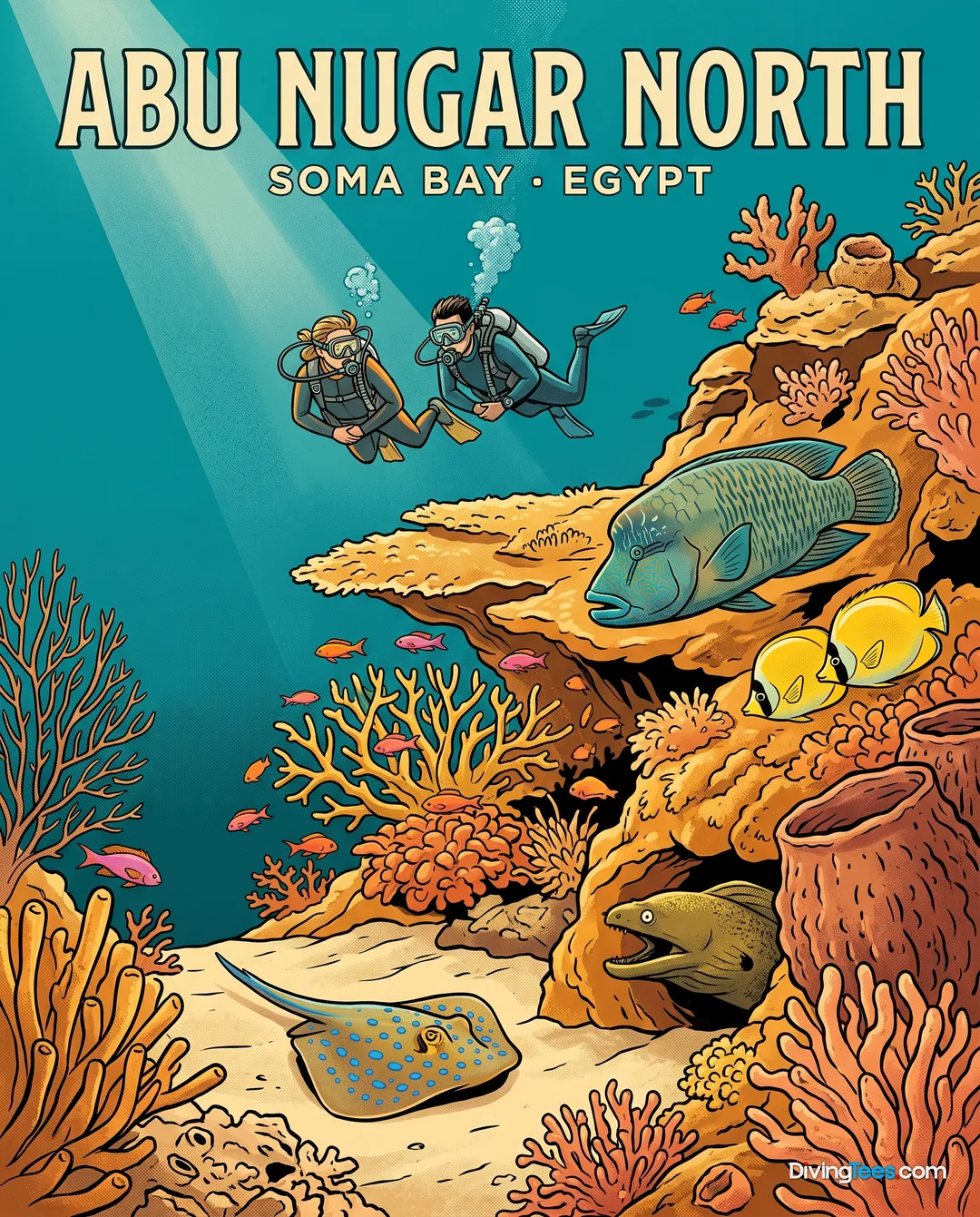
Gotha Abu Nugar North →
Max. depth · 9 m
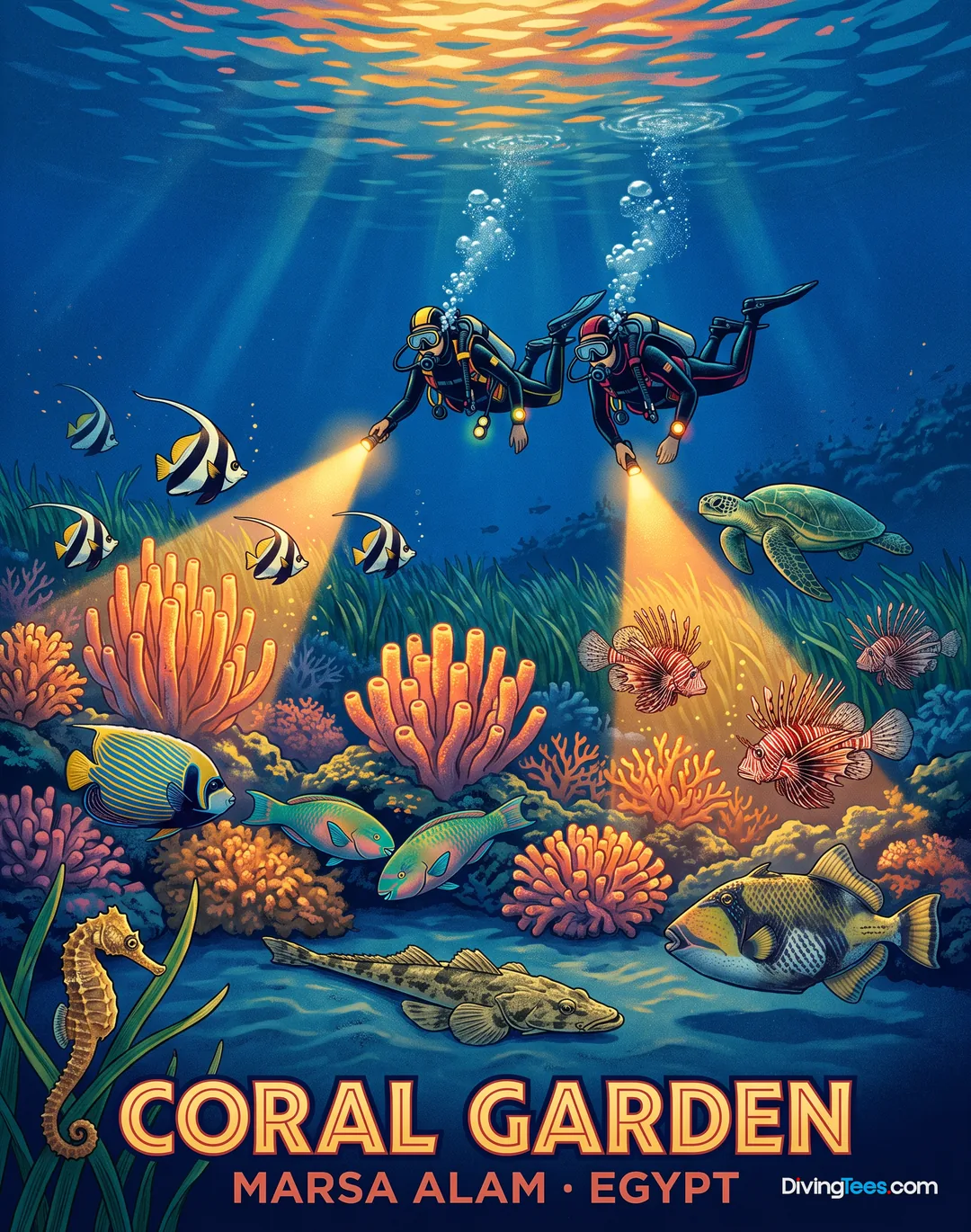
Coral Garden →
Max. depth · 20 m
Itineraries, dates and prices
Prices per person. Each month shows its lowest price: click a month, or pick an itinerary.
Next departures · 16 departuresfrom £962$1,286€1,149
November 2026
December 2026
March 2027
April 2027
See dates and prices
If you click these links and make a purchase on the partner site, DivingDeal may earn a commission, at no extra cost to you.
Dates and prices taken from Divebooker, updated 26 October 2026
What you’ll meet underwater
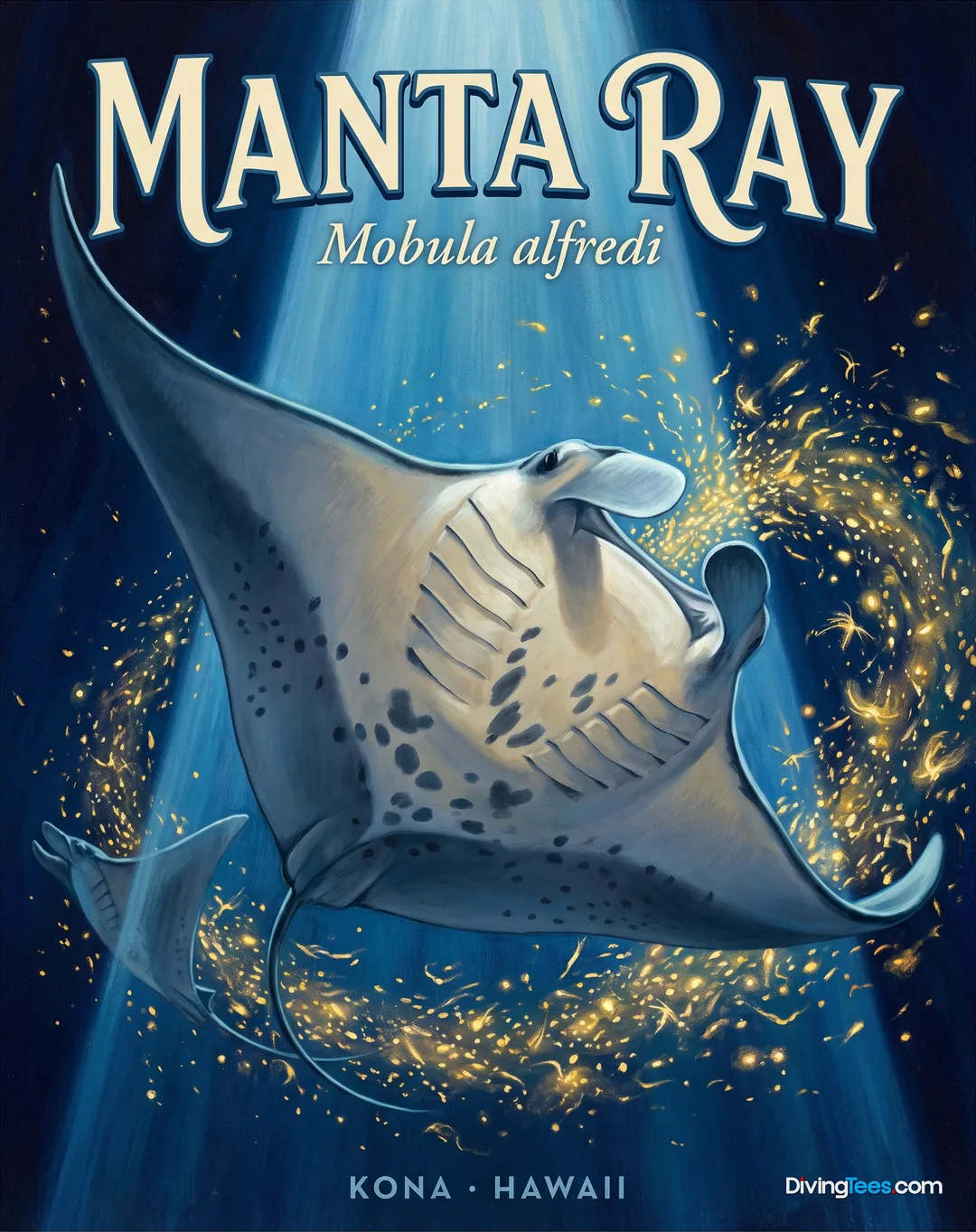
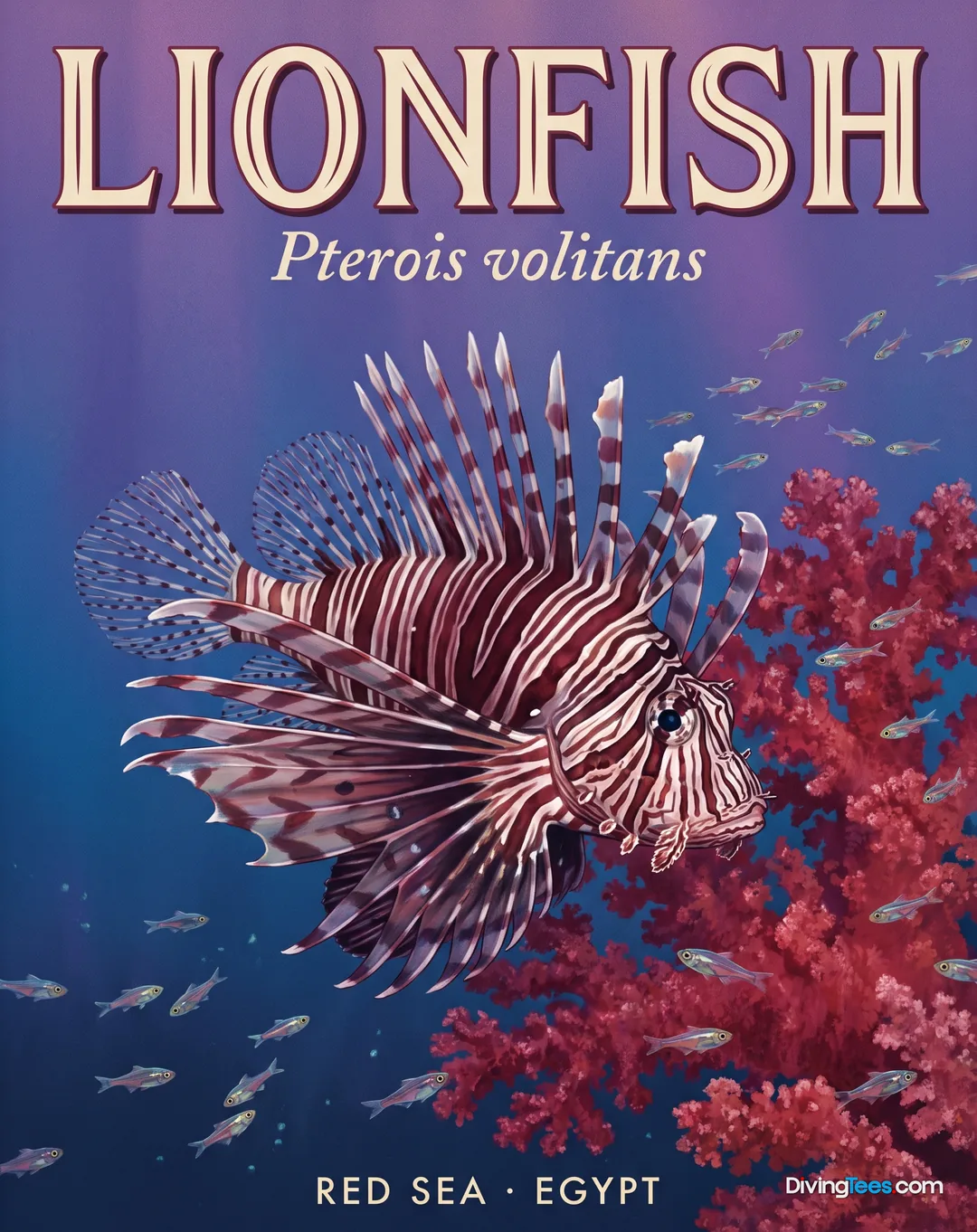
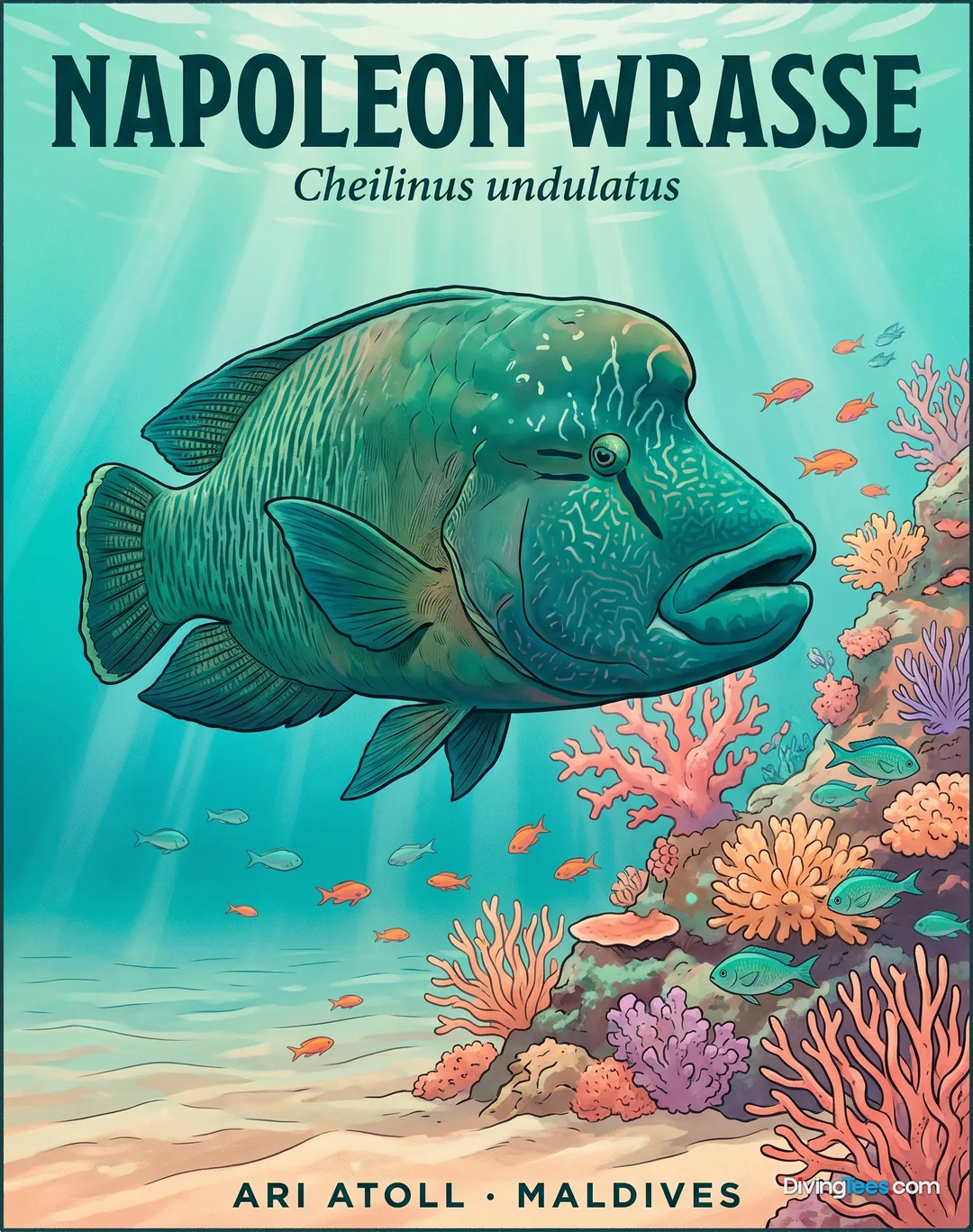
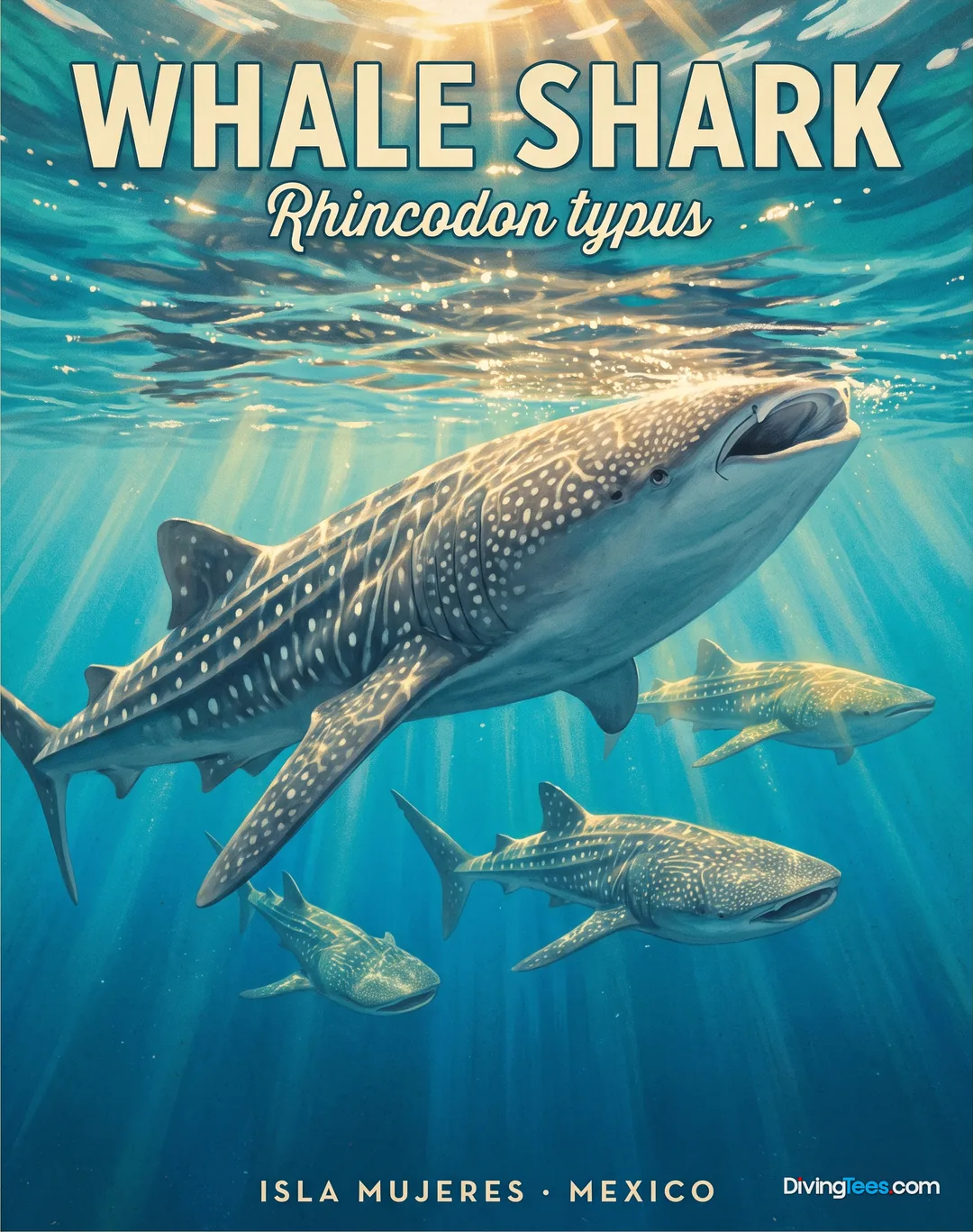
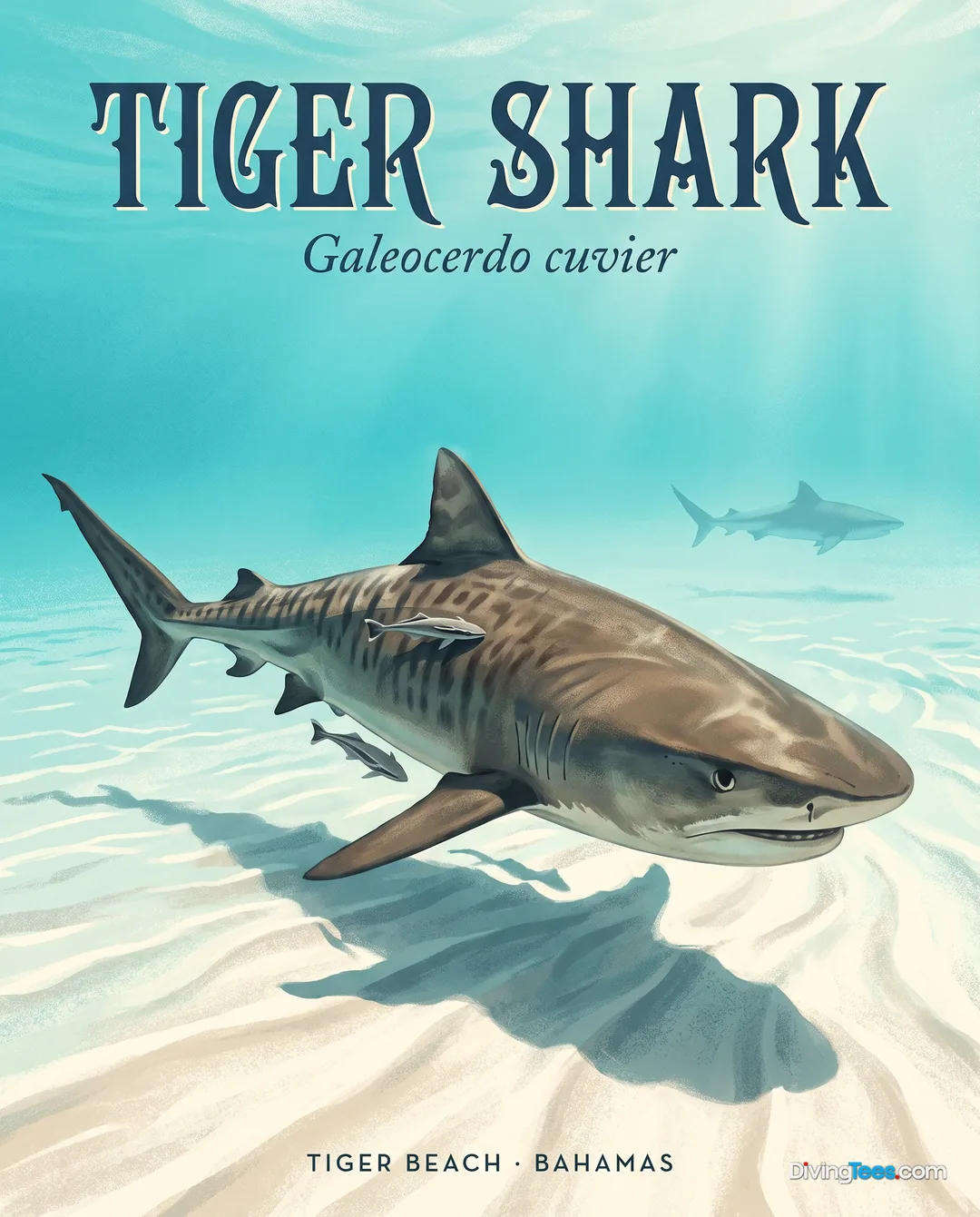
Across this route, the recurring cast is broad: morays, reef sharks, barracuda, trevally, scorpionfish, lionfish, tuna, turtles, Napoleon wrasse, dolphins and smaller reef fish among anthias, snappers and soft corals. The sites matter because the same animal does not tell the whole story. Elphinstone is the place associated with oceanic whitetips, and the route’s one-site records also include blacktip reef sharks, whale sharks, tiger sharks and giant trevally there. Fury Shoals is the specific stop for triggerfish. At Umm Gamar, look for gaterins, batfish and crocodilefish alongside the reef life. Fanadir North is where the unusual venomous fish record includes stonefish and trumpetfish. The Straits of Gubal stands apart for hard coral and giant trevally among wrecks. Conditions and luck still decide what appears. Current, blue-water edges and cleaning areas can bring the larger animals close, but no shark, manta or dolphin encounter is guaranteed.
Who puts you in the water
Dive guides work with groups of roughly 8 to 10 divers, with briefings before each dive. English and German are the working languages on board. The entry requirement is AOWD or equivalent with at least 50 logged dives, which fits the exposed walls, current work and marine-park routes better than a beginner-level operation would. Courses can be arranged on board at extra cost, but the boat is not presented as a technical-diving platform. Safety is part of the dive routine: ENOS units are included, the crew is trained in emergency management and first aid, and oxygen and a first-aid kit are carried on board. Night diving is included on suitable itineraries, but marine-park rules prohibit night dives at sites such as the Brothers, Daedalus, Elphinstone and Rocky Island. The guides and captain can change the plan when conditions require it.
The dive deck and the gear
The dive deck is built for repeated use: storage boxes keep personal equipment together, a dedicated area holds wetsuits, and the large stern platform gives divers room to kit up and enter without crowding the swimway. Two compressors fill tanks, rated at 480 l/min and 320 l/min, while a membrane system supplies free nitrox. Included tanks are 12-litre units; 15-litre tanks and full equipment rental are available at extra cost. DIN adaptors, charging stations, freshwater rinse tanks and warm-water showers are provided. Two zodiacs, each powered by a 40 PS Yamaha, take divers to sites where the boat cannot sit directly over the entry point. One tender has a ladder to make reboarding easier. Divers can enter from the platform or tender, depending on the site and conditions. Technical diving is not supported.
Between dives
Between dives, Independence II gives three distinct places to settle. The air-conditioned saloon is the retreat when the heat, wind or a long crossing has taken enough energy; the shaded outdoor seating keeps the sea in view without putting everyone in full sun; and the upper sun deck offers loungers for those who want to dry out properly. The bar and open-air saloon make the space usable after dinner as well as during surface intervals. Wi-Fi is available while there is phone reception, so it is useful for a message rather than a promise of continuous connection. Kayaks are carried onboard for time away from the dive deck. When there is no dive to prepare for, the boat gives divers somewhere to read, talk through the last jump or simply watch the reef disappear astern.
A day on board
A day begins with the first briefing, equipment checks and a descent before the heat has fully built. After the first dive comes food, rinsing and the next preparation; on a full day the pattern repeats for two to four dives, with the route deciding whether the fourth is a night dive. The first day normally starts with a check dive followed by one or two further dives while the boat moves toward the main area. Surface intervals belong to the shaded deck, the saloon, lunch and the quiet work of drying gear. On suitable routes, the boat is underway during crossings between reef systems, often while divers sleep. A night dive changes the pace: torches replace daylight, the briefing becomes tighter and the return to the platform feels different. The final diving day is limited to two dives before the boat returns toward port. Dinner closes the working part of the day, followed by the bar, the deck or bed.
What you eat aboard
The galley serves three buffet meals each day, with both Western and local food. Meals land around the diving rather than interrupting it: food is ready when divers come back, rinse equipment and have removed the salt from their faces. Dietary restrictions can be accommodated, and snacks remain available through the day. Water, tea, instant coffee and soft drinks are included. Alcoholic drinks and spirits are separate. On a route with up to four dives in a day, the buffet format has a practical advantage: a diver can eat lightly, return for more, or avoid waiting for a fixed plate while the next briefing is approaching. The table is part of the recovery cycle here. It gets divers fed, hydrated and back on deck without turning every meal into a long event.
Nights at sea
The night starts in one of five cabin types: Twin, Double, Master, Deluxe Twin or Suite. All have a private bathroom and individually adjustable air conditioning, so the essentials are handled after a day of repeated descents and wet gear. Standard twin and double cabins are on the lower deck; the Master and Deluxe Twin cabins are on the main deck, while the Suite sits above with a panoramic window. The difference matters less in the catalogue than in the return from a late dive: a place to shower, cool down and close the door. Above, the saloon is air-conditioned and furnished with sofas; outside, the sun deck and shaded seating give a choice between open sky and shelter. The boat’s wood keeps the interior from feeling clinical. Nights are made for sleep, not for pretending a liveaboard is a hotel.
Twin Cabin
Double Cabin
Master Cabin
Deluxe Twin Cabin
Suite Cabin
What to know before boarding
Recorded routes depart from and return to Hurghada or Port Ghalib, with some itineraries ending at the other port. Airport transfers can be arranged by the boat’s representatives at extra cost and are organised as group transfers; the representative meets arriving divers at the airport exit with a Bluewater Safaris sign. Because transfer and embarkation arrangements can shift, arriving the night before is the sensible choice. The return transfer to the airport is also arranged separately.
- Year built
- 2007
- Length
- 40 m
- Beam
- 8.5 m
- Maximum number of passengers
- 20
- Number of cabins
- 10
- Engines
- 2 × 12 cylinders, 1256 hp
- Tenders
- 2 × zodiacs with 40 hp Yamaha engines
- Website
- bluewater-safaris.com ↗
Hello, I'm Marina, DivingDeal.com's AI assistant. I answer in detail about hotels, dive centres and liveaboards.
Thinking about the whole trip and the flights? Talk it over with Edith →
Marina is an AI. Some links are affiliate links: DivingDeal may earn a commission, at no extra cost to you. Bookings are made with the partner.