Liveaboards · Egypt
Sinaistar — a new Red Sea liveaboard built around the dive deck
What makes this boat unique
- A 2023 Red Sea liveaboard with a 60 m² enclosed dive deck and a central 4 m² camera table.
- The boat carries up to 26 passengers in lower- and upper-deck cabins, all with private bathrooms and air conditioning.
- Two tenders, nitrox, DIN adapters, sidemount support, rebreather support and technical diving facilities are available.
- The main routes cover the Northern Wrecks, the Golden Triangle, the Deep South and Elba.
For subtitles in English: start the video firstthen click the gearat the top right of the video, select “Subtitles/CC”, then “Auto-translate” and choose “English”.
The invitation
Sinaistar is for divers who want the Red Sea’s remote reefs without accepting a cramped or improvised working deck. Its defining feature is not the bar or the sun deck but the space where every dive begins: an enclosed 60 m² platform with a proper camera table, individual seating and room to prepare without fighting wind, spray or another diver’s fins. That matters after the third dive, when a badly arranged deck becomes the main story of the week. The boat suits certified divers looking toward Brothers, Daedalus and Elphinstone, but it also runs northern wreck and southern reef routes. It is a relatively new vessel, launched in 2023, with a crew and operating team built around diving rather than occasional sightseeing. Come aboard for long days in the water, efficient transfers to the reef and a boat that treats the dive deck as its main room.
Boarding
From the dock, Sinaistar presents as a clean, modern safari boat rather than an old Red Sea workhorse. The 2023 launch shows in the way the public spaces are arranged: cabins are separated by deck level, the dive operation sits at the stern, and the upper-deck lounge opens onto the sea instead of hiding everyone inside. Once aboard, movement is straightforward. Divers can go from cabin to briefing lounge to the enclosed working deck without crossing a crowded social area. The stern platform also carries the tenders during crossings, leaving the dive deck ready for the next operation when the boat is at anchor. Inside, the main lounge has a large screen for briefings and film evenings, while the buffet restaurant seats the full group. Above it, the open-air 50BAR gives the boat its social centre. It feels designed for repeated use over a week, not for a single impressive walk-through.
The atmosphere on board
Sinaistar’s atmosphere is built less by polished service than by how well the crew removes small problems from a diver’s day. The guides and deck crew help organise the working area, launch the tenders and keep exits from the water smooth. Passengers describe the staff as professional, friendly and quick to help, while the captain’s handling is remembered as smooth and reassuring. That combination changes the tone of a week: divers can concentrate on the current, the wall or the wreck instead of searching for a missing fin strap. The group gathers naturally around the buffet, the 50BAR lounge and the camera table, where the day’s sightings are replayed before the next briefing. Evenings can be as simple as a drink outside or a film in the indoor lounge. The crew’s role is practical and visible, not theatrical. They make the boat feel dependable, and dependability is what lets a mixed group relax together after several demanding dives.
The sites you’ll dive
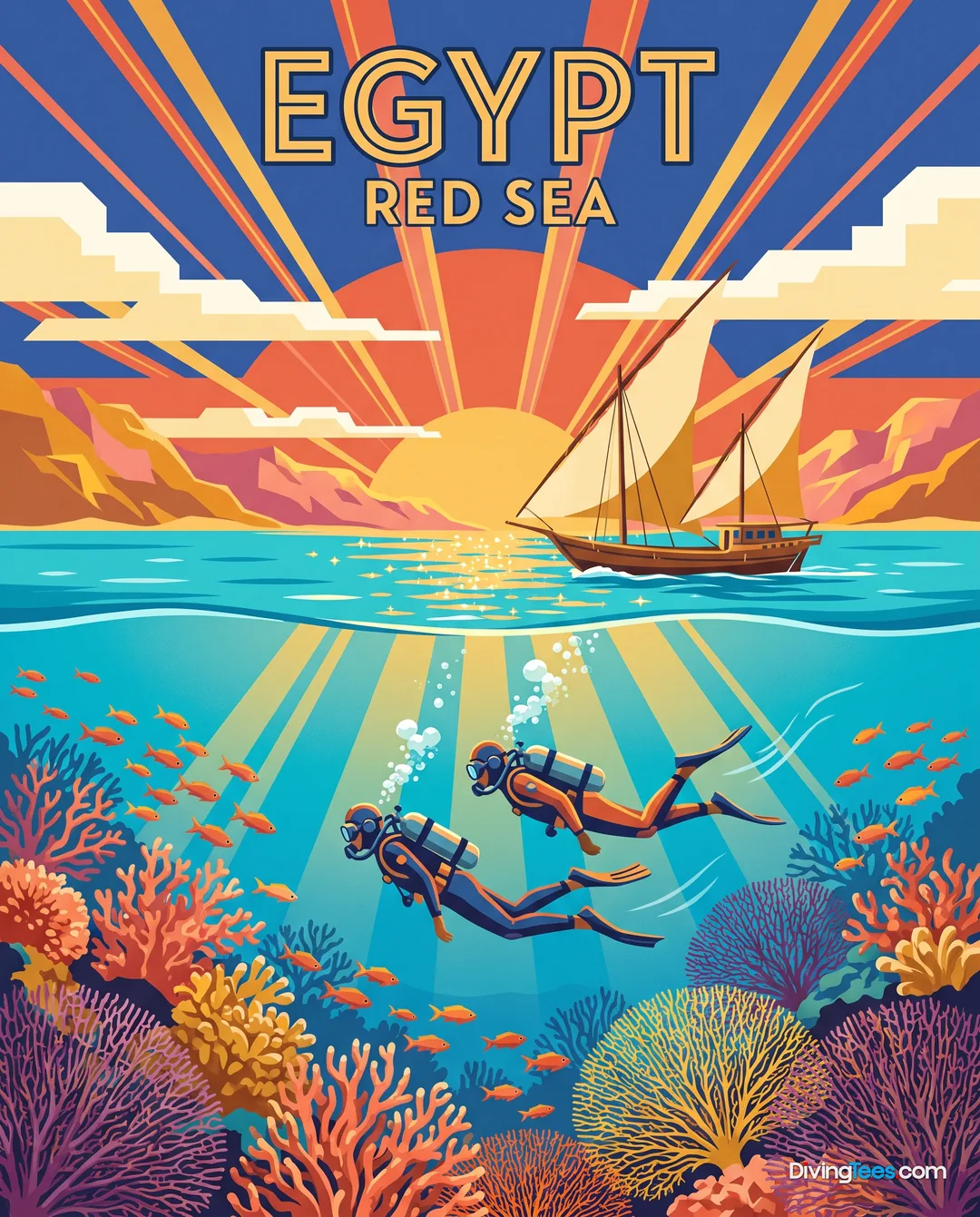
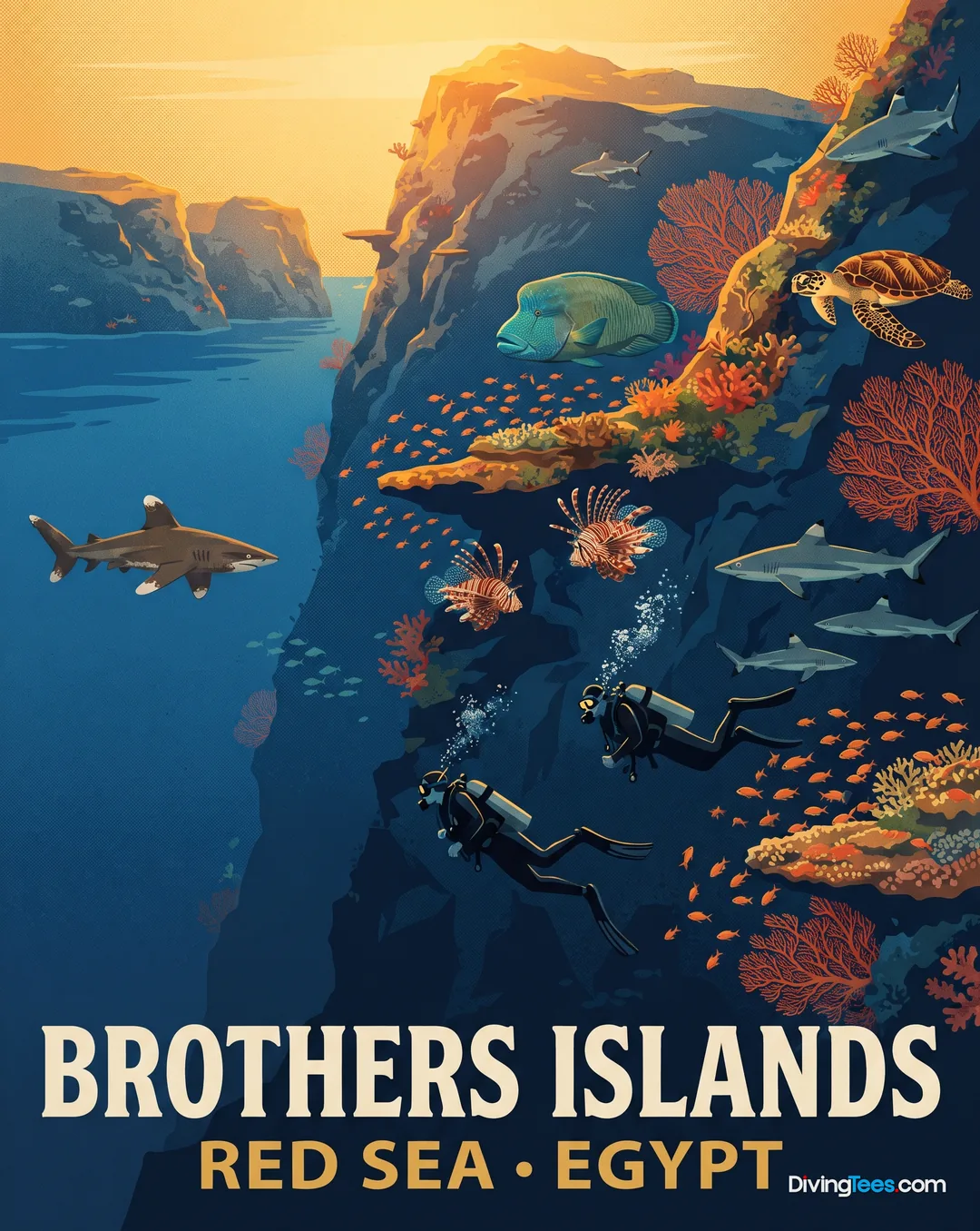
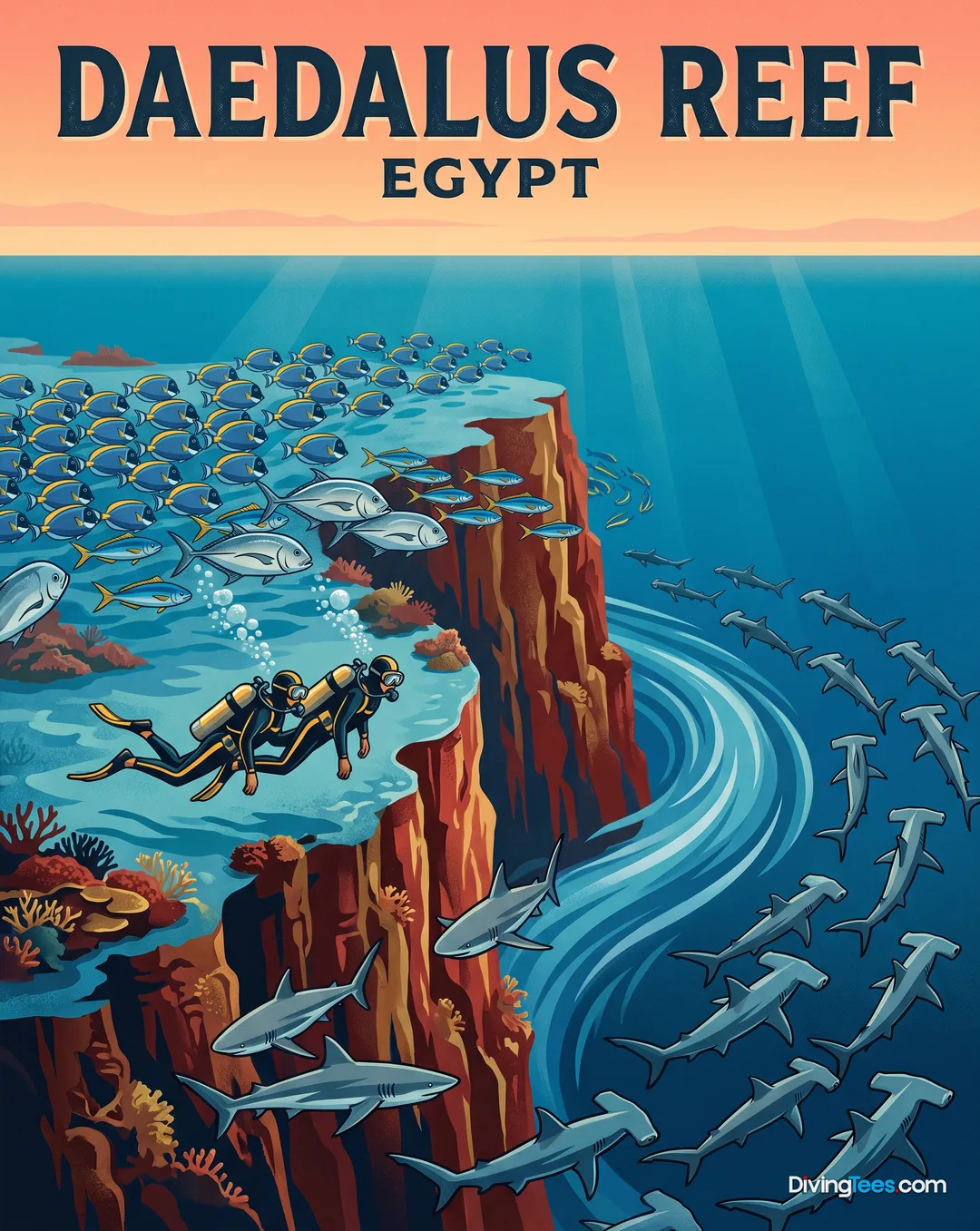
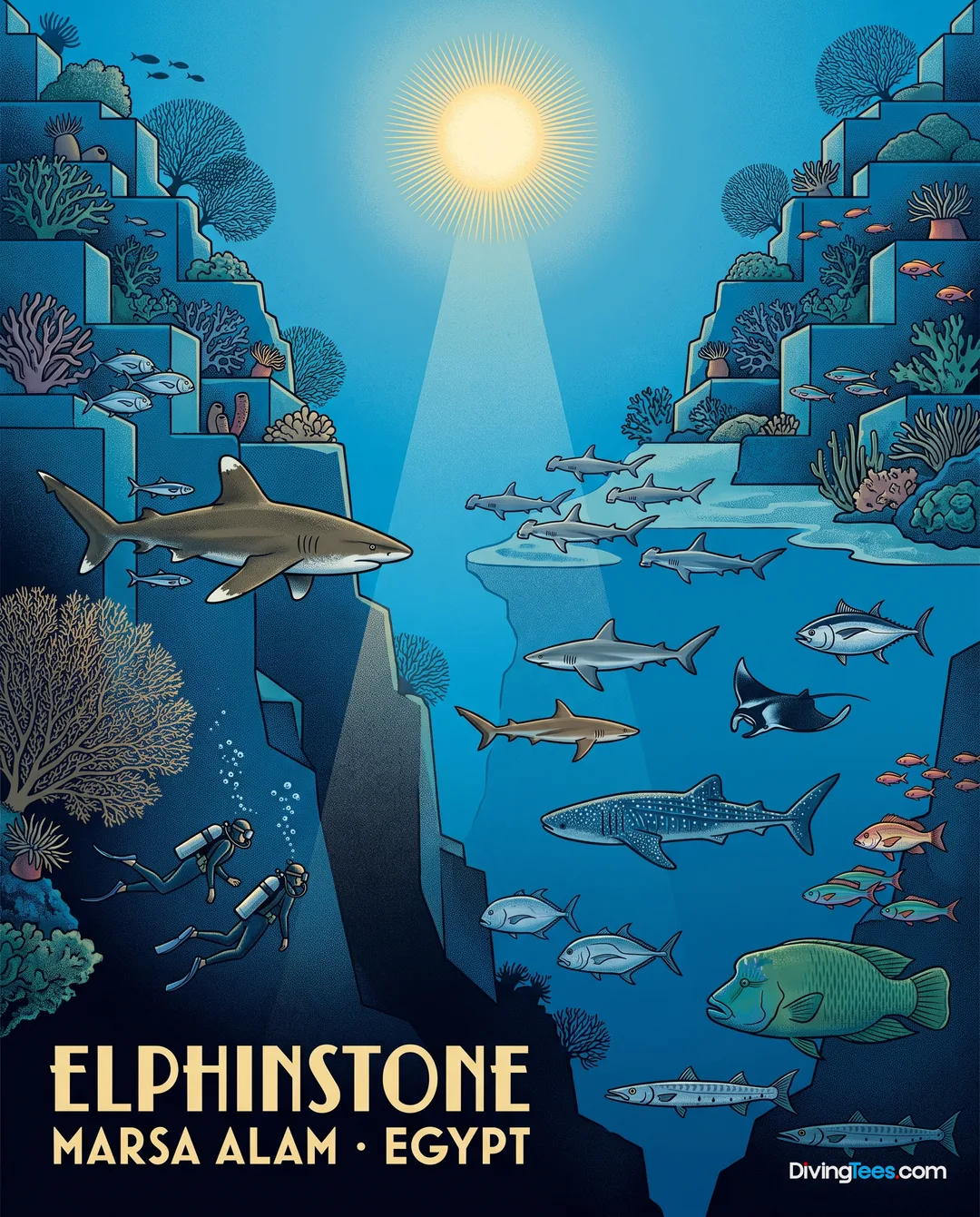
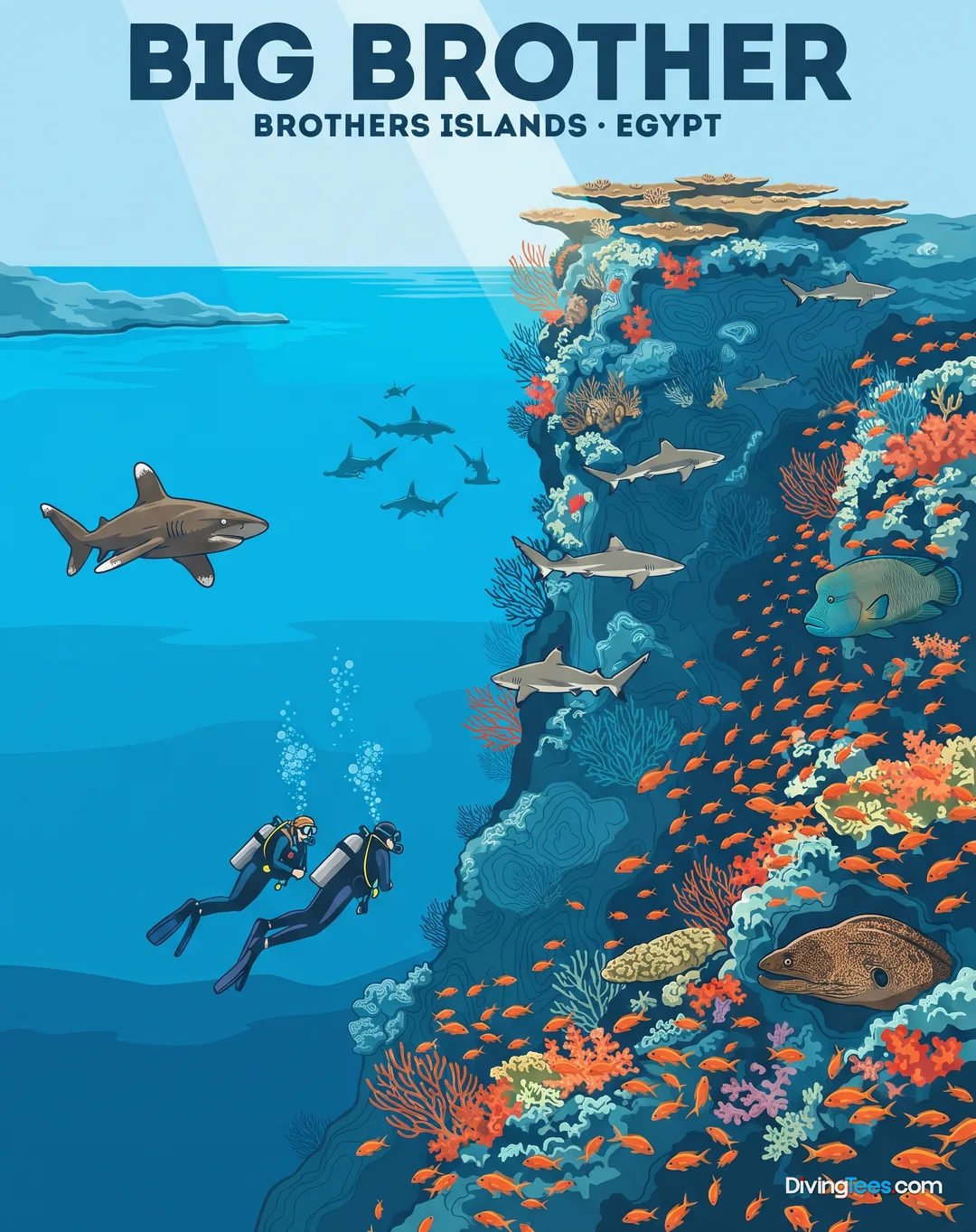
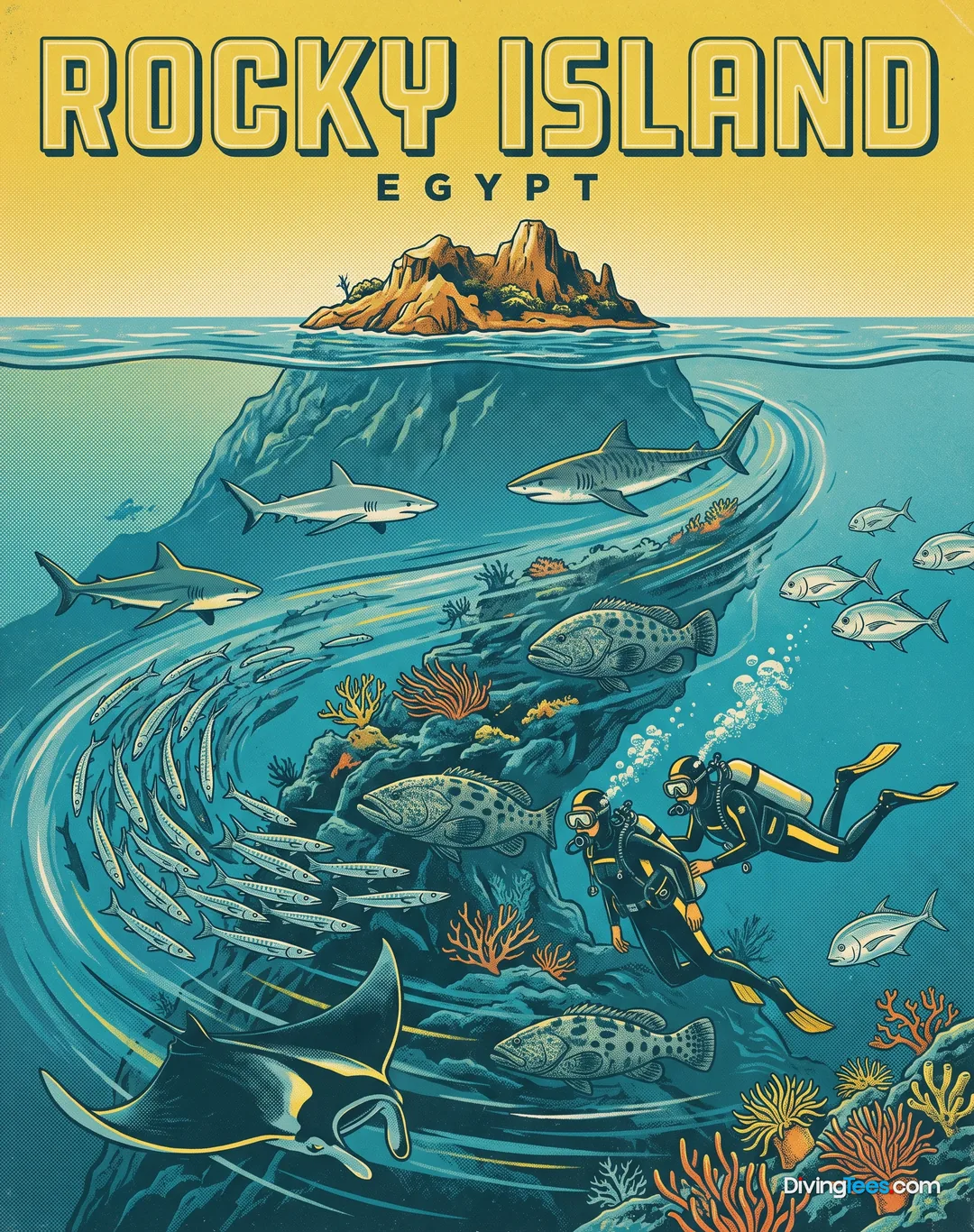
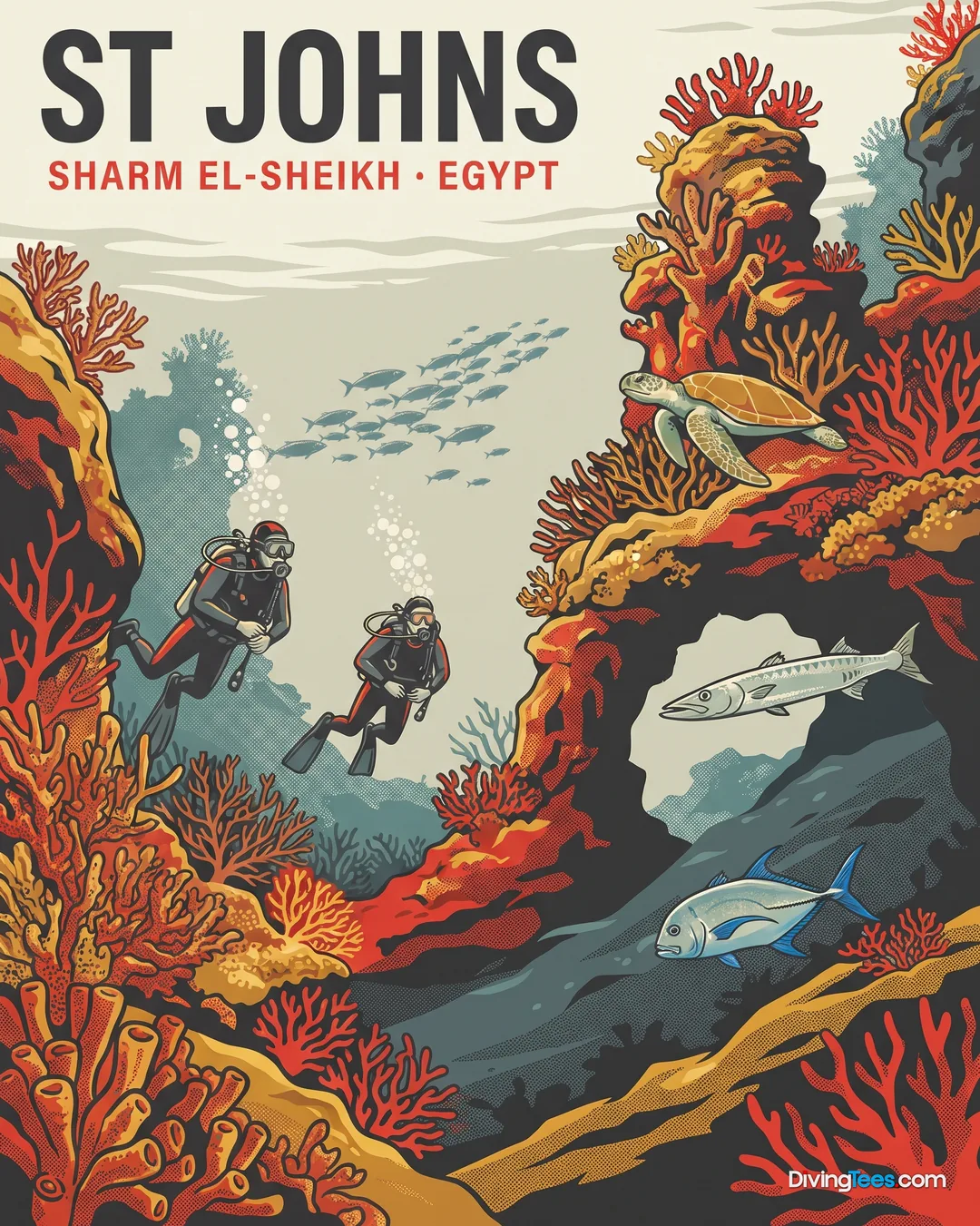
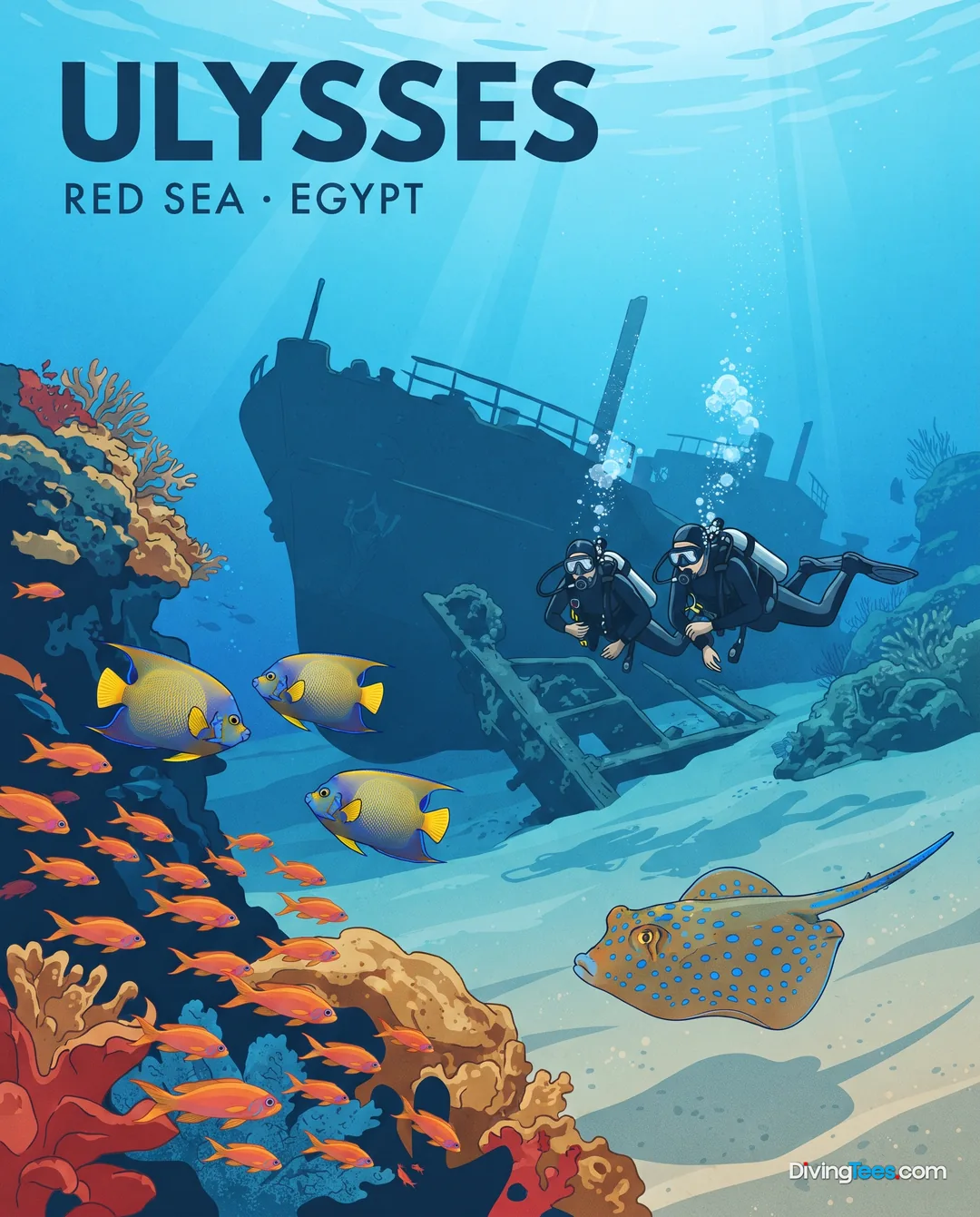
The Golden Triangle is the route that best explains why Sinaistar is built around diving: Brothers Islands, Daedalus and Elphinstone are remote, current-exposed reefs where walls and pelagics take priority over easy sightseeing. Brothers reaches a maximum of -85m and combines isolated walls, hard and soft coral, anemones and shark encounters; Big Brother adds two iconic wrecks to its walls and current. Daedalus reaches -40m, with a remote pinnacle, dramatic walls and the possibility of hammerheads, manta rays, silky sharks and oceanic whitetips. Elphinstone drops to -60m, with sheer walls, soft coral, gorgonians and pelagic shark encounters. The Deep South route links Rocky Island, Zabargad and St Johns, with strong currents, sharks, barracuda, manta rays, coral pillars and swim-throughs. Northern Wrecks runs from Hurghada to Hurghada and includes Ulysses, a merchant wreck at 27m, alongside the northern wreck circuit. Recorded departures are 8 days and 7 nights, usually from Hurghada or Port Ghalib, with some routes returning to the departure port.
Itineraries, dates and prices
Prices per person. Each month shows its lowest price: click a month, or pick an itinerary.
Next departures · 51 departuresfrom £703$940€840
November 2026
December 2026
See dates and prices
If you click these links and make a purchase on the partner site, DivingDeal may earn a commission, at no extra cost to you.
Dates and prices taken from Divebooker and liveaboard.com, updated 20 October 2026
What you’ll meet underwater
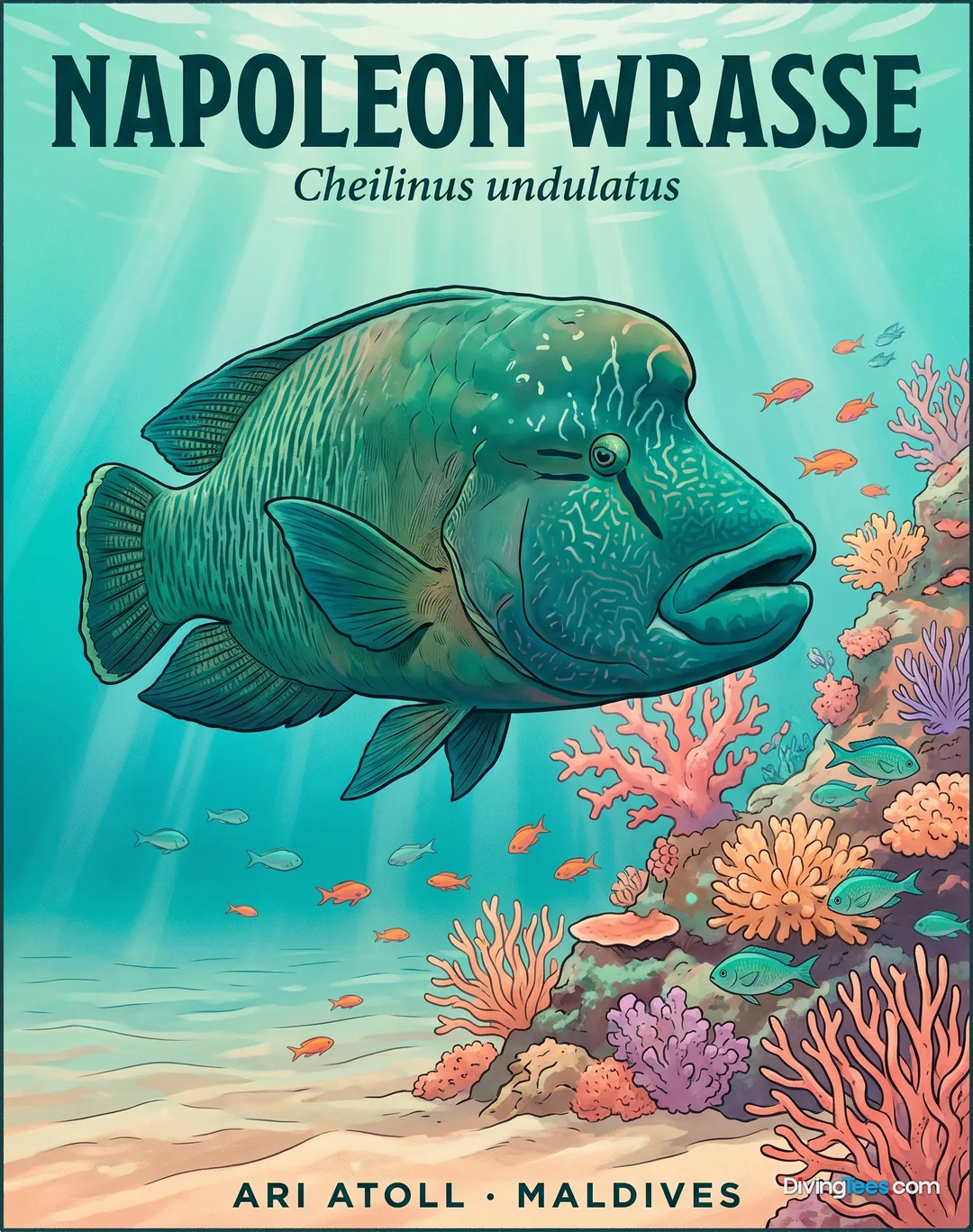
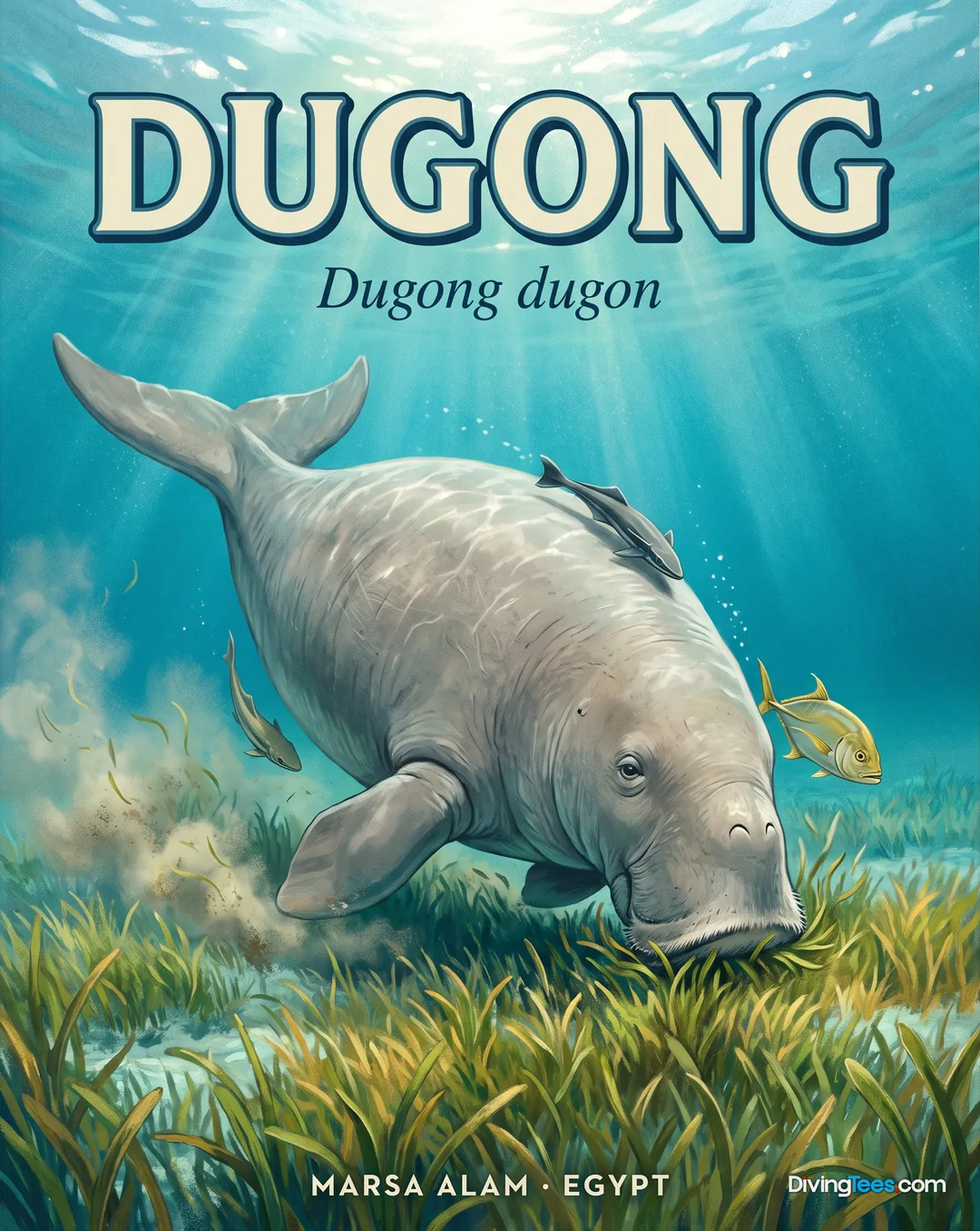
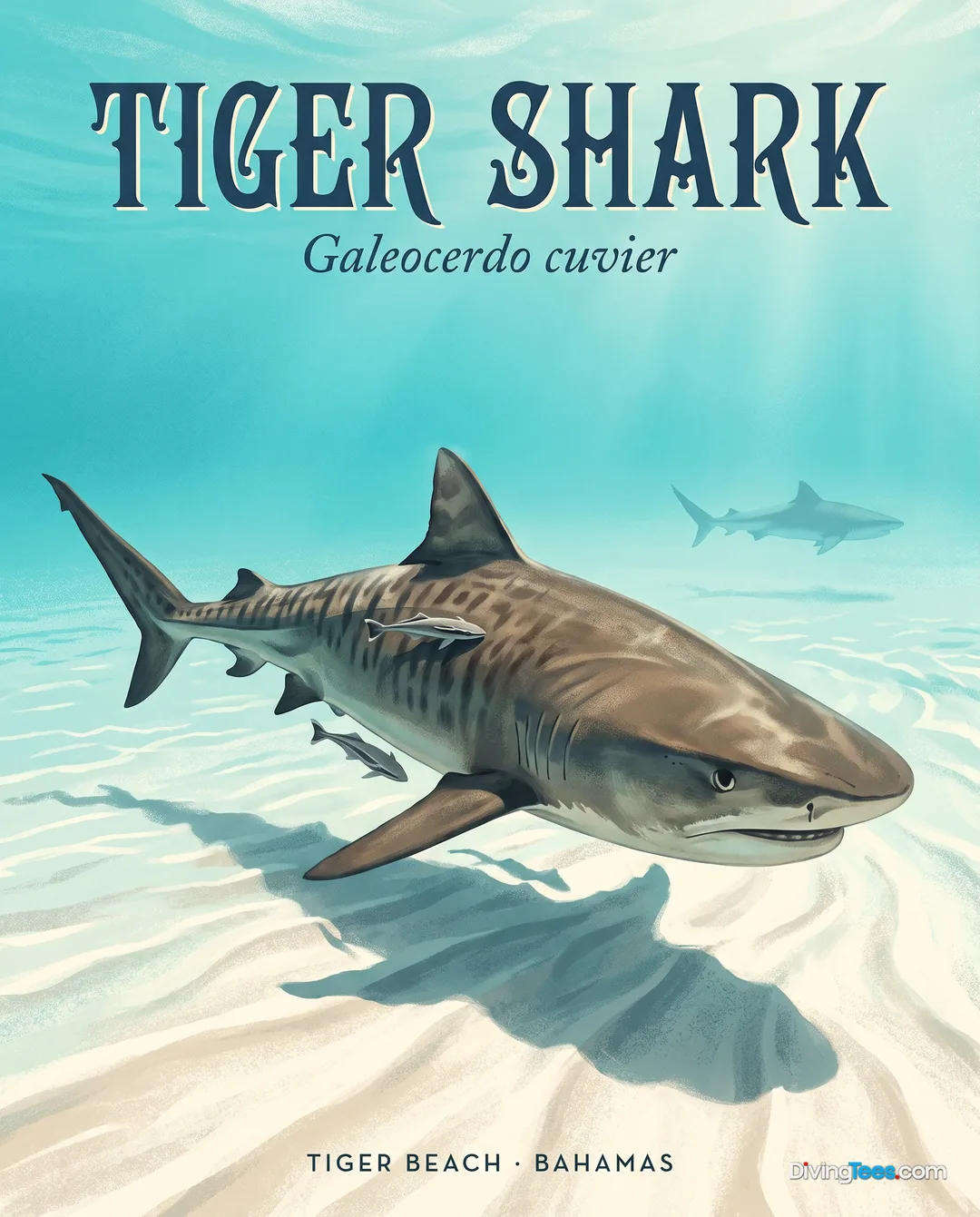
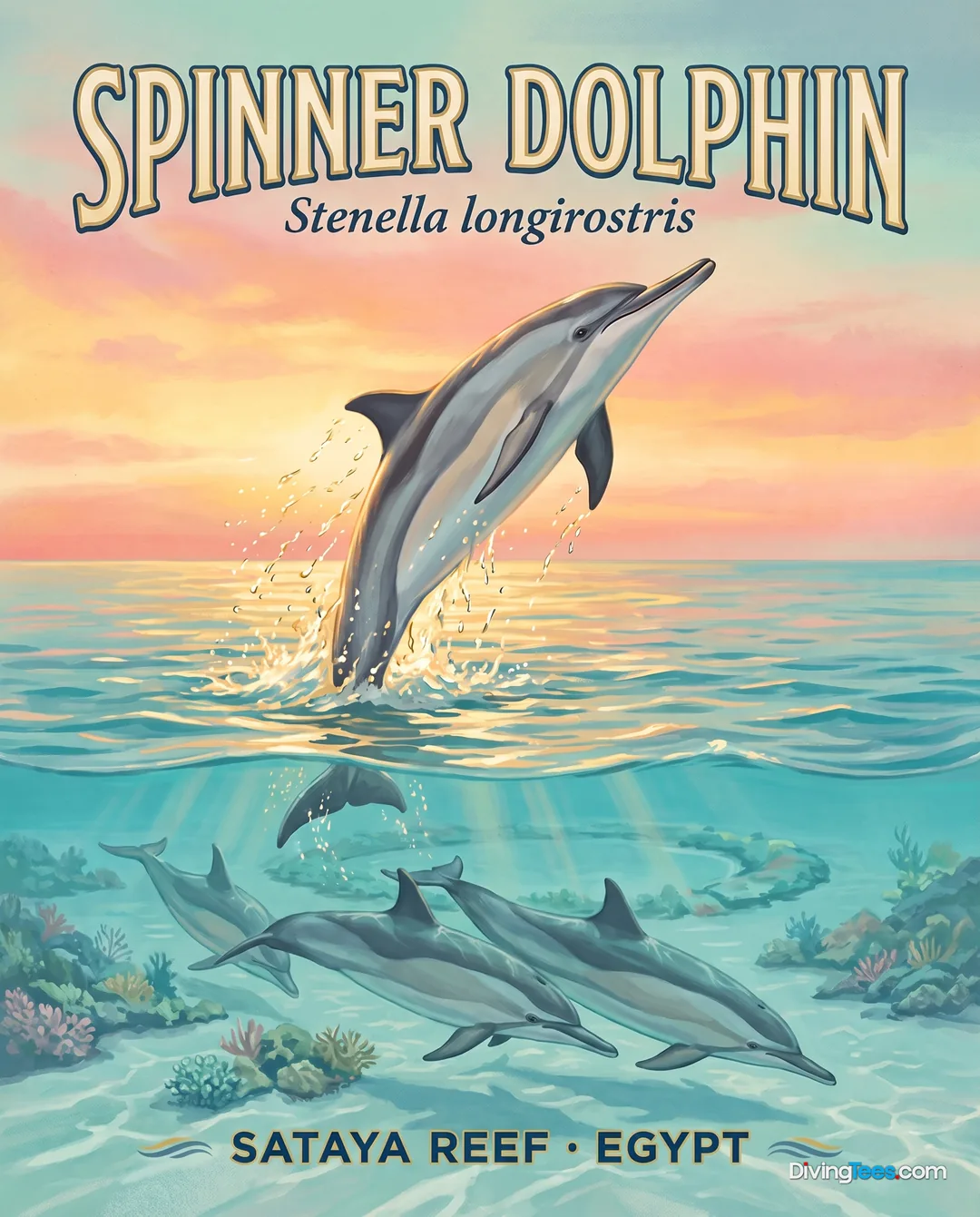
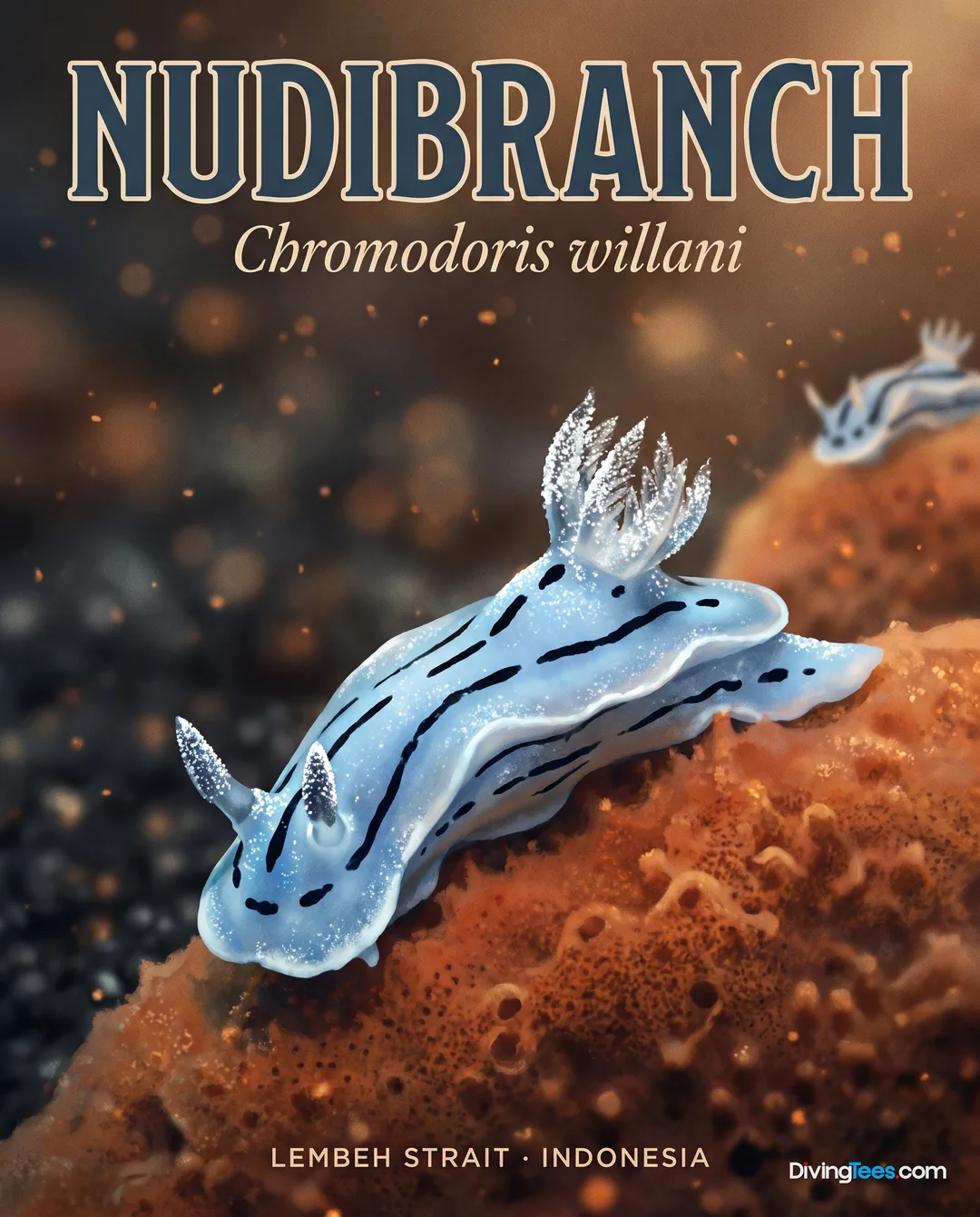
Across this Red Sea route, the recurring spectacle is movement: barracuda and jacks cutting across the blue, manta rays over the reef, reef and grey reef sharks on the walls, hammerheads where currents gather the larger pelagics, turtles over coral and schools of anthias above soft coral. Dolphins are recorded at several sites, while tuna, Napoleon wrasse, morays, hard coral and butterflyfish fill in the reef scenes between the larger encounters. Each site still has its own reason to make the crossing. Marsa Egla is the place to look for dugongs and green turtles over seagrass. Shaab Ruhr Umm Gamar combines fish life with a plateau and the remains of at least three wrecks, and is the only listed site for the giant grouper. El Fanadir has a cleaning station on a shallow pinnacle and gaterins in its reef community. Shaab Sabina is a labyrinthine coral garden with damselfish. Elphinstone carries the route’s distinctive blacktip and tiger shark records, as well as gorgonians and labrids. Shaab El Erg is the site associated with spinner dolphins and the listed nudibranch.

Who puts you in the water
A 13-person crew includes the captains, dive guides, deck crew, engineers, stewards and galley team, supported by an international operating team. Briefings can be arranged in English, German, Spanish, Russian, Italian or Estonian when requested in advance. The minimum level is Advanced Open Water Diver or equivalent. Open Water divers can join selected itineraries if they complete an Advanced course on board with a private guide. Technical diving is supported, including twin-sets, CCR and deep wreck penetration. Advanced technical dives require prior arrangement and a dedicated technical instructor. Courses offered on board include the Advanced course, nitrox certification and other diving specialities. Navigation, radar, depth sounder, GPS and VHF support the operation, with emergency oxygen, first-aid equipment, fire systems and a crew trained in emergency response.
The dive deck and the gear
The dive deck is Sinaistar’s strongest argument. It gives each diver a 60 cm-wide personal seating space on a 60 m² platform, with the sides enclosed against wind and spray. In the middle, a 4 m² camera table gives photographers a proper place to assemble and service equipment rather than balancing it on a bench. Separate camera rinsing and charging facilities support the imaging side of the operation. The standard setup includes 12-litre tanks, weights and weight belts; 15-litre tanks are available as an extra. DIN adapters are carried, and the boat supports nitrox, sidemount with one cylinder, twin-sets, rebreathers and technical diving. Two Bauer compressors fill at 650 litres per minute, with a separate nitrox compressor. Full rental equipment can be arranged in advance. Divers enter the water from the stern platform and return by tender when the site requires it; two Yamaha 70HP tenders handle those transfers. SMB, reel, computer and torch are mandatory for every diver, whether brought or rented.
Between dives
Between dives, the best place to settle is the shaded working deck itself, enclosed at the sides so wind and spray do not turn every surface into a drying rack. The open-air 50BAR lounge on the upper deck gives the group a place to talk over the last dive, while the air-conditioned indoor lounge is suited to briefings, films and the quiet part of the afternoon. Above that, the sun deck has six large loungers, benches and beanbags, with enough separation from the main social areas for reading or sleeping. When Sinaistar is underway, the stern platform carries the two tenders and the boat moves at cruising speed; once it reaches the next site, the space returns to dive preparation. A non-diver can snorkel, stay in the shade or use the upper decks without being pushed into the dive schedule. The gaps are not elaborate entertainment. They are recovery time, made easier by having somewhere to sit that is not your bunk.
A day on board
The day starts before the first descent, with the compressor already part of the boat’s working sound and the first briefing setting the route, current and group plan. Divers gear up in their assigned spaces, enter from the stern platform or transfer by tender, then return to the same deck for the surface interval. Meals punctuate the operation rather than interrupt it: breakfast around the first dive, food and snacks through the middle of the day, then dinner after the last scheduled dive. The programme normally allows 3–4 dives per day, including a night dive where conditions and permissions allow. Between descents, tanks are refilled, cameras are rinsed, and divers move between the shaded dive deck, the indoor lounge and the 50BAR. The boat may get underway between sites or during the longer transitions, while the upper decks become places to watch the coastline or lie down. By evening, the day’s sightings have been discussed, logged and photographed. Then the boat starts the same cycle again.
What you eat aboard
Meals arrive as buffet service three times a day, with snacks and fruit between them, which fits the 3–4-dive rhythm better than a formal timetable would. The chef works around the gap between dives: food is ready when divers come back hungry, and there is enough choice for a mixed group rather than a table built around one diet. The cooking combines local and Western dishes, with vegetarian and vegan options, and meals are prepared to halal standards. Gluten-free and dairy-free requirements can also be accommodated. The boat’s food has become part of its reputation for good reason: passengers describe it as varied, fresh and consistently strong, with the chef singled out more than once. That matters on a liveaboard. A good meal after a current-heavy dive is not decoration; it is the point at which the group compares sightings, checks the next briefing and gets enough energy back for the water.
Nights at sea
The cabin choice is mainly about deck level and bed arrangement: lower-deck twin cabins, upper-deck twin cabins, double cabins and a twin/double option. Every cabin has air conditioning and a private bathroom with a shower, while the upper deck places six cabins close to the open-air lounge. The lower deck is quieter socially, but the engine room is at the stern on that level, so light sleepers should choose their cabin with its position in mind. After a day of diving, the useful luxury is simple: a private shower, a dry place for clothes and air conditioning when the Red Sea heat has followed the group indoors. The upper deck leads to the 50BAR lounge; the sun deck is set aside for loungers, benches and beanbags, with access controlled by the crew while manoeuvring and cruising. At night, that upper space is also where guests can sleep under the sky. The boat offers comfort, but its real character remains practical rather than hotel-like.
Lower Deck Cabins
Upper Deck Twin Cabin
Upper Deck Double Cabins
Upper Deck Twin/Double Cabin
What to know before boarding
Sinaistar’s itineraries depart from and return to Hurghada or Port Ghalib, depending on the route; some Golden Triangle trips run from Hurghada to Port Ghalib, while others return to their starting port. Airport and hotel transfers are included, with group transfers subject to time and area limits. Transfer arrangements are confirmed with the booking details for the chosen departure. Arriving in Egypt the night before boarding is the sensible option, especially for a morning embarkation or a departure from Port Ghalib.
Deck plan
What the boat does for the ocean
Sinaistar has reduced single-use plastics on board, promotes lower-plastic alternatives and uses reef-safe products. The operation supports local conservation initiatives and follows Green Fins guidelines to reduce its impact on reefs.
- Year built
- 2023
- Year renovated
- 2023
- Length
- 38.6 m
- Beam
- 7.8 m
- Maximum number of passengers
- 26
- Number of cabins
- 13
- Number of bathrooms
- 15
- Engines
- 2 × MAN 1150HJ
- Cruising speed
- 10 -12 knots
- Tenders
- 2 × Yamaha 70 hp
- Website
- liveaboard.sinaistar.com ↗
Hello, I'm Marina, DivingDeal.com's AI assistant. I answer in detail about hotels, dive centres and liveaboards.
Thinking about the whole trip and the flights? Talk it over with Edith →
Marina is an AI. Some links are affiliate links: DivingDeal may earn a commission, at no extra cost to you. Bookings are made with the partner.