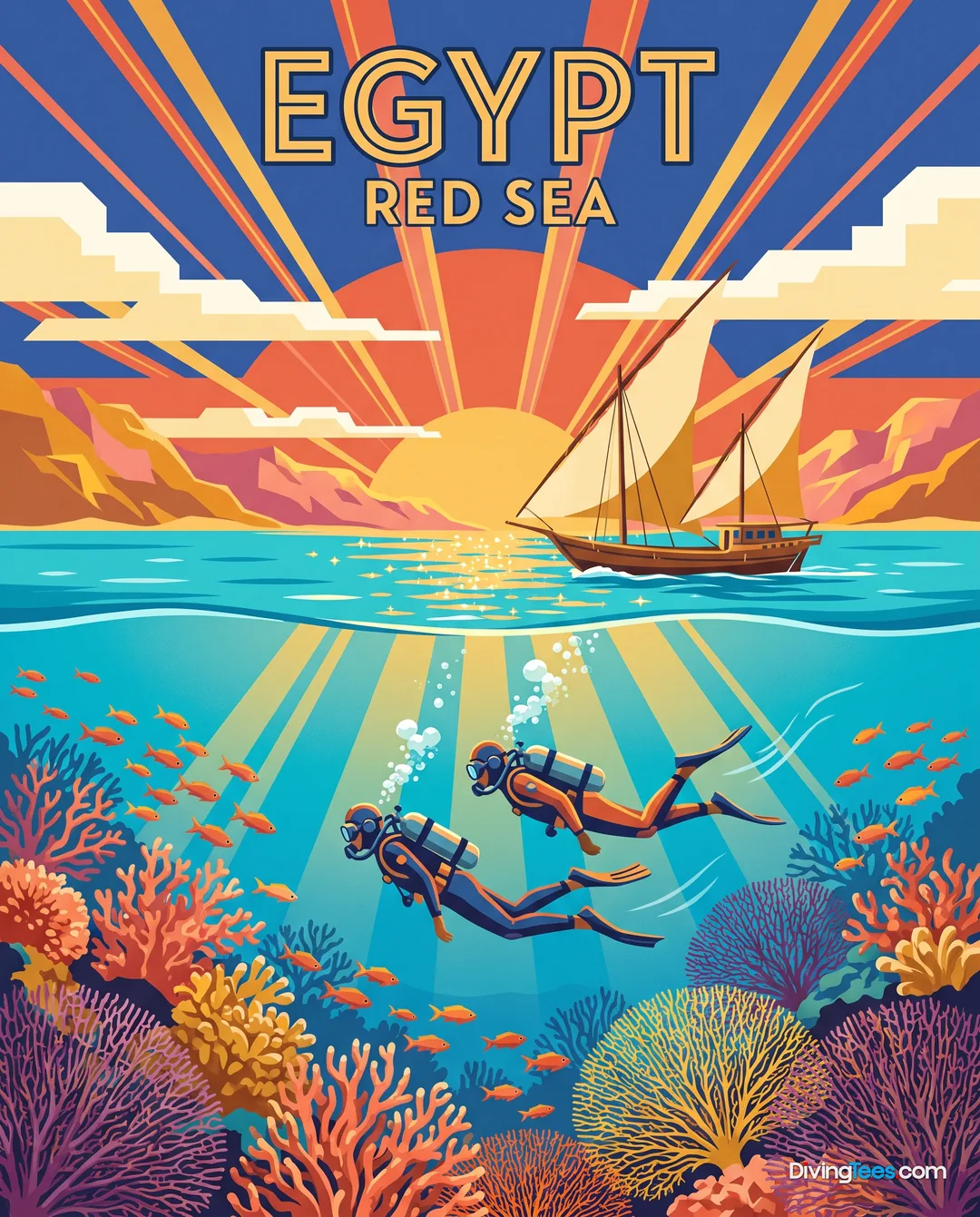
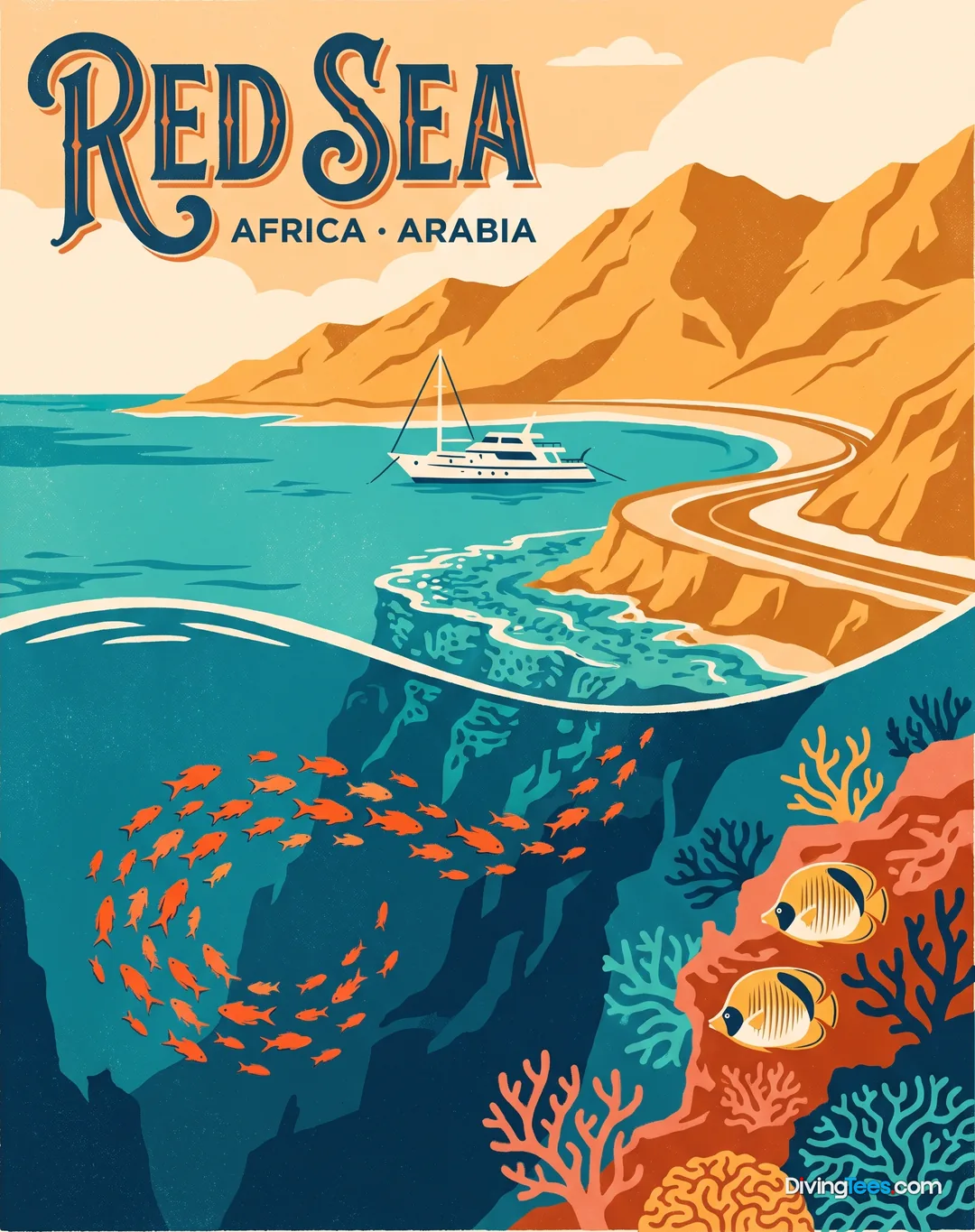
Liveaboards · Egypt
Unity — a recently refitted Red Sea dive boat built around the diving
Deal on this boat
Per person
£904$1,209€1,080 £653$873€780
Discount calculated by us, against the boat's usual price for a trip of the same length.
See all discounted dates ↓What makes this boat unique
- Unity was built in 1998 and underwent a major renovation in 2024–2025.
- The boat carries up to 24 passengers and three dive guides, with 13 cabins ranging from lower-deck budget cabins to main-deck sea-view rooms.
- The dive setup includes free nitrox for certified divers, DIN adapters, camera charging, separate camera rinse facilities and two diver tenders.
- Published eight-day, seven-night routes depart from and return to Hurghada, including The Grand Tour, North and Brothers, and Brothers–Daedalus–Elphinstone.
The invitation
Unity makes sense for divers who want access to the Red Sea’s big routes without turning the boat into a floating luxury hotel. The 2024–2025 renovation was aimed at the parts that matter over a week at sea: space, light, diving access and safety. That shows in the layout, with the salon and dining area high on the boat, a shaded terrace beside it, and a dive deck designed for repeated entries rather than occasional use. The route choice is the real reason to board. Depending on the departure, Unity can head towards the Brothers, Daedalus and Elphinstone, or combine northern wrecks and reefs with shark country. There is also room for non-divers and families, but diving remains the centre of the operation. Choose Unity for a practical Red Sea week: several guides aboard, nitrox included for certified divers, and itineraries that put remote walls, coral gardens, wrecks and pelagic encounters within reach.
Boarding
From the dock, Unity presents as a large wooden liveaboard with a long working life behind it and a recent rebuild that has brought the interior and diving spaces up to date. The renovation is important here because the boat is not being sold on age alone; it was reworked to improve movement, comfort, light and safety. Once aboard, the layout separates the main activities cleanly. Cabins sit on the lower and main decks, while dining and the terrace occupy the upper deck, leaving the dive areas to function as working spaces rather than passageways. The salon is air-conditioned, and the outside decks give the group somewhere to spread out between dives. With 24 passengers and three guides at full capacity, Unity is large enough for a serious liveaboard operation but still small enough for the same people to keep crossing paths throughout the trip. The impression is purposeful: a refitted wooden diving boat, not a resort trying to imitate one.
The atmosphere on board
Unity’s atmosphere is shaped less by formal service than by the repeated work of a diving boat. Three guides are aboard, and the same crew handles the briefings, tender movements, deck preparation and returns throughout the week. That continuity matters when dives involve remote reefs, walls and open-water conditions: the people helping with a tank in the morning are still there when a night dive is being prepared. Guests can eat together in the salon or outside on the terrace, then spread across the lounge and sun decks instead of remaining in one crowded room. The boat accommodates different budgets and welcomes non-divers, so the group need not be made up entirely of technical or highly experienced divers. In the evening, conversation naturally turns to the day’s animals, currents and navigation rather than to staged entertainment. Unity’s character is therefore sociable but workmanlike: a shared diving week, supported by a crew that keeps the practical details moving.
The sites you’ll dive
The named sites range from shallow coral gardens to remote shark walls. Elphinstone reaches -60m, with steep walls and the possibility of oceanic whitetips, hammerheads and other pelagics. The Brothers Islands reach -85m and combine isolated walls, hard and soft corals, current and pelagic encounters; Big Brother adds two iconic wrecks and depths to -40m. Daedalus reaches -40m around a remote pinnacle, where dramatic walls and open water bring reef sharks, hammerheads and mantas into the picture. Shaab Ruhr Umm Gamar reaches -40m, moving from an oval fish-filled reef to a plateau with pinnacles and the remains of at least three wrecks. Fanadir North and El Fanadir each reach -30m and -40m respectively, with walls, venomous fish and a cleaning station. Shaab Sabina is a -14m labyrinth of coral, while Gotha Abu Nugar North reaches -9m. The route also includes Shaab El Erg, El Fanous West (-15m), El Fanous East (-18m), Marsa Egla (-30m) and Carless Reef (-40m). Recorded departures are eight days and seven nights from Hurghada, including The Grand Tour, North and Brothers, and Brothers–Daedalus–Elphinstone.
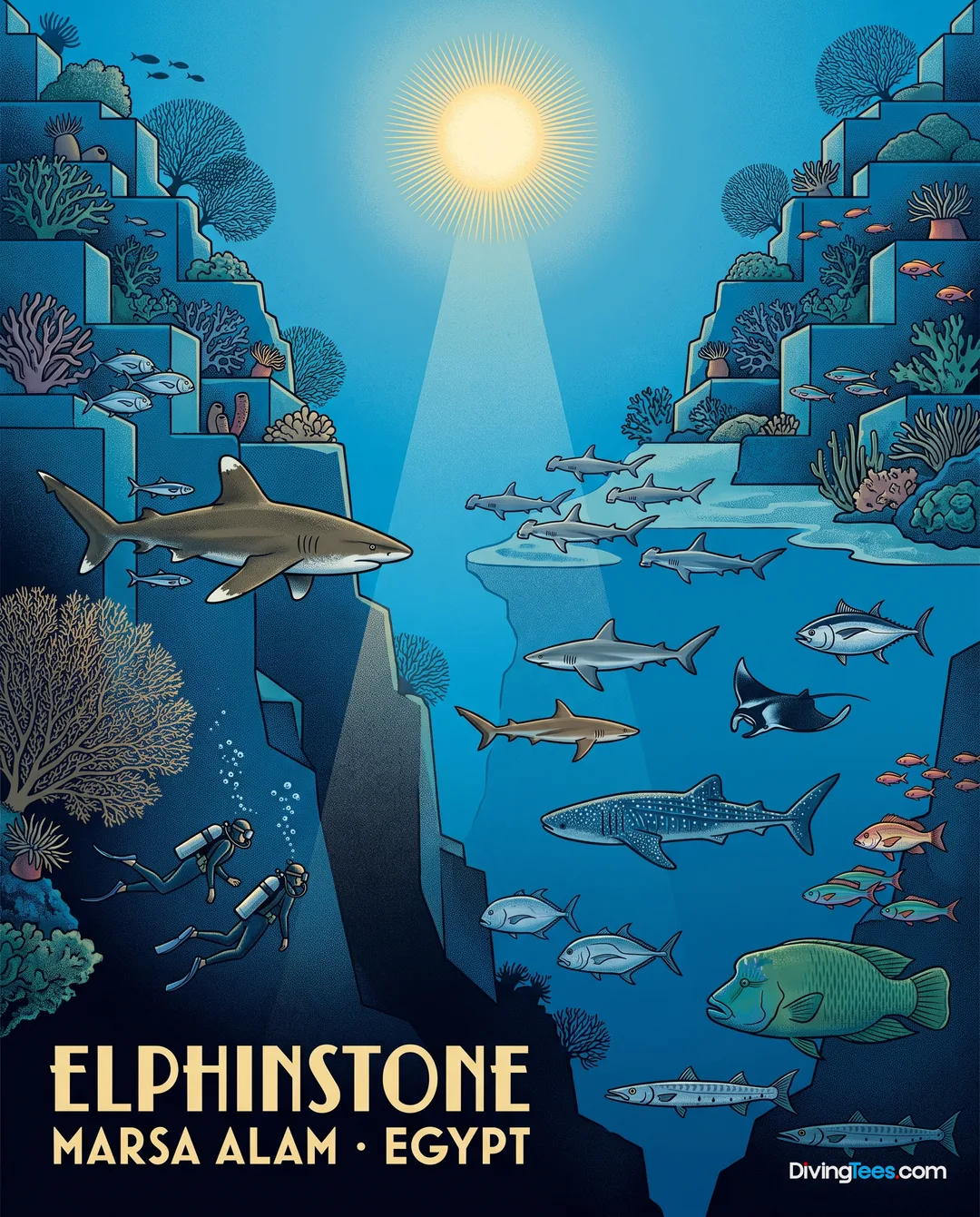
Elphinstone →
Max. depth · 60 m
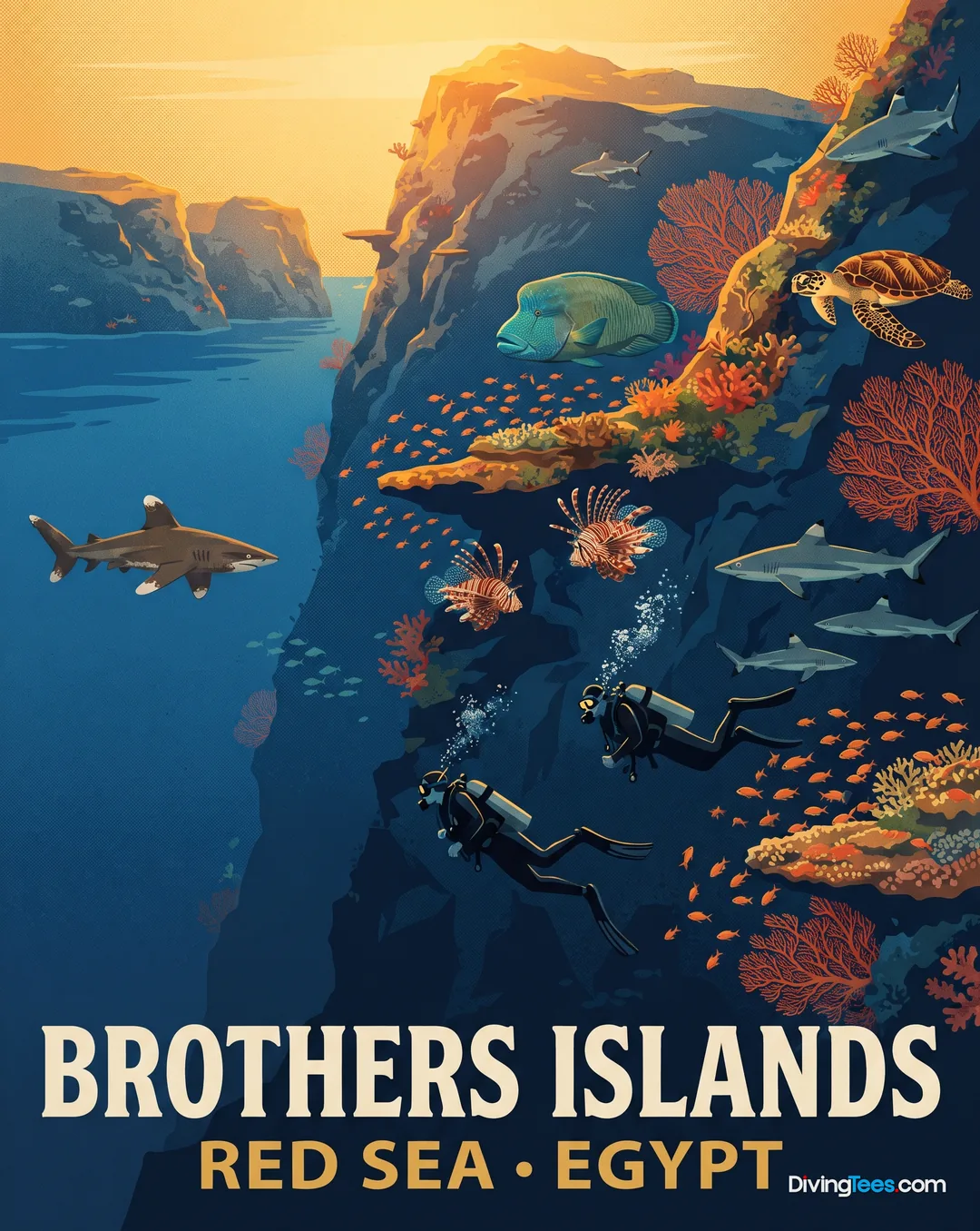
Brothers Islands →
Max. depth · 85 m
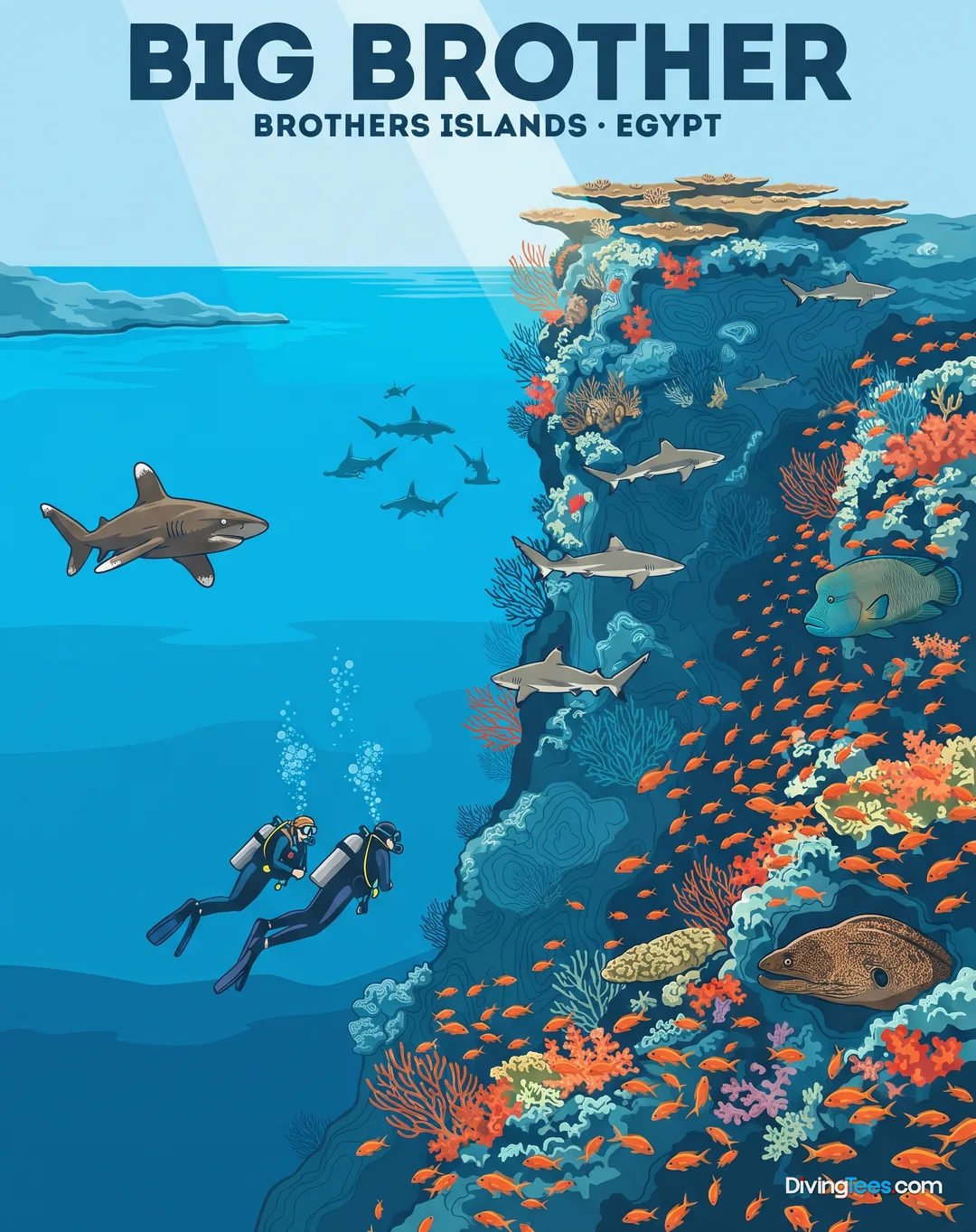
Big Brother →
Max. depth · 40 m
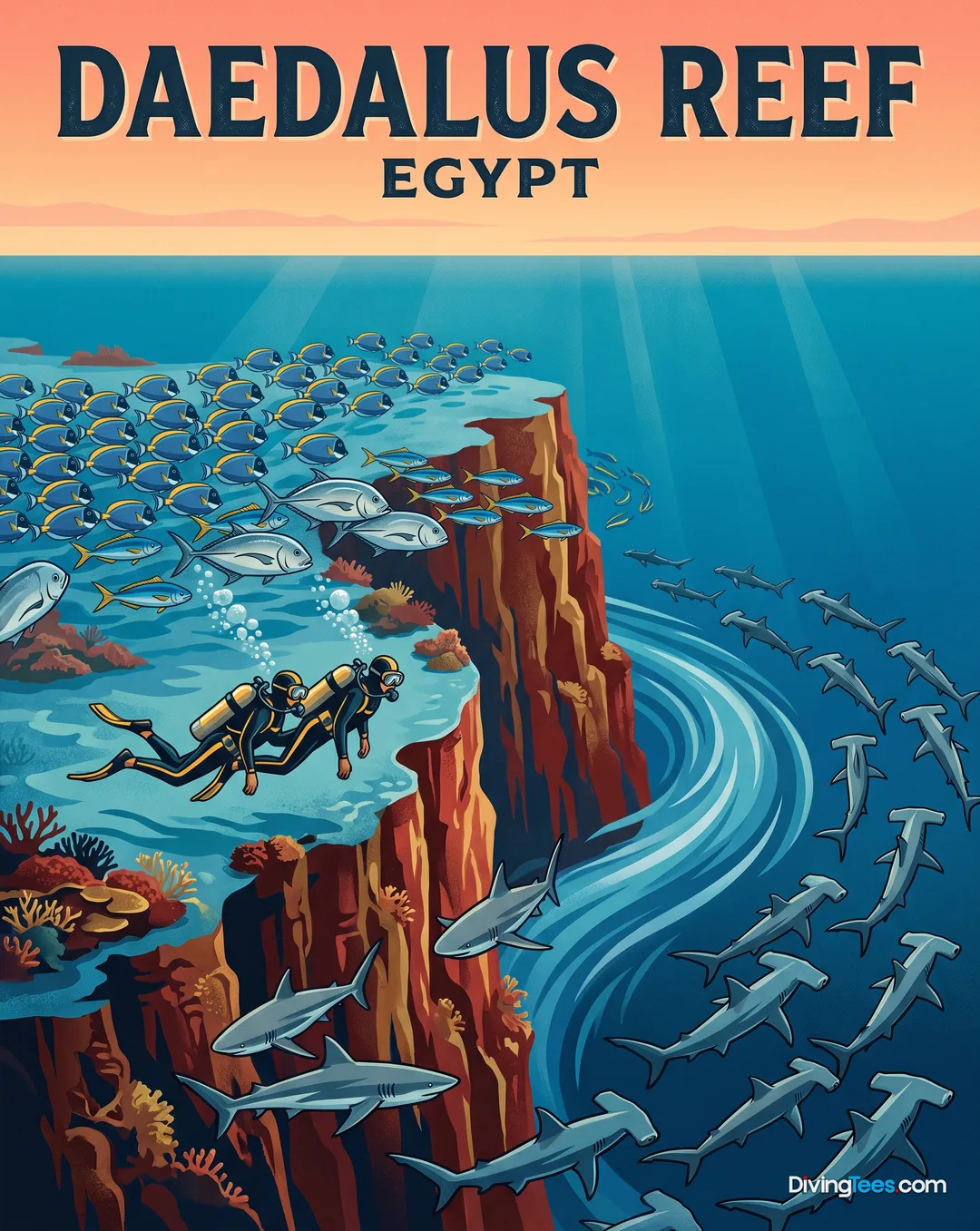
Daedalus →
Max. depth · 40 m
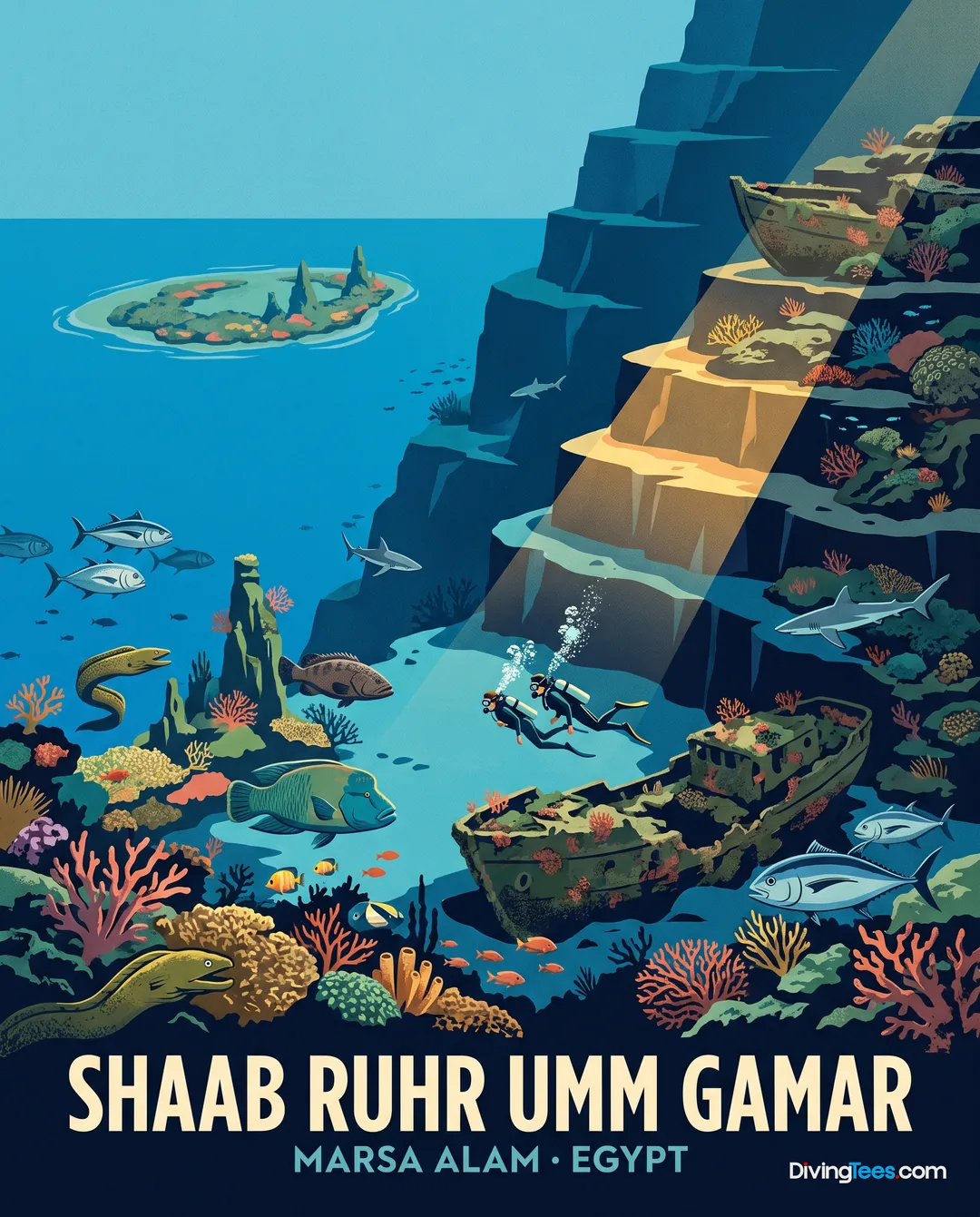
Shaab Ruhr Umm Gamar →
Max. depth · 40 m
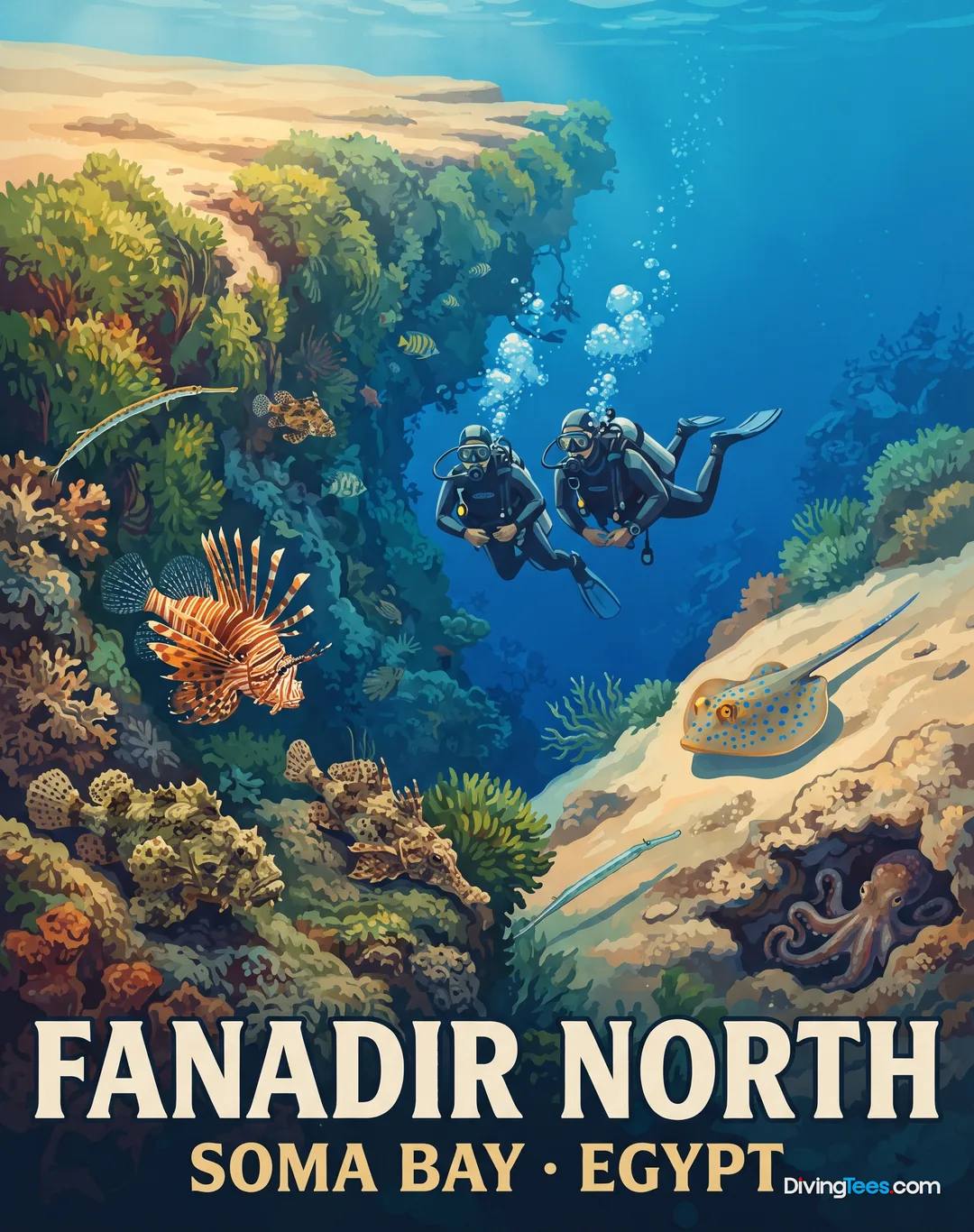
Fanadir North →
Max. depth · 30 m
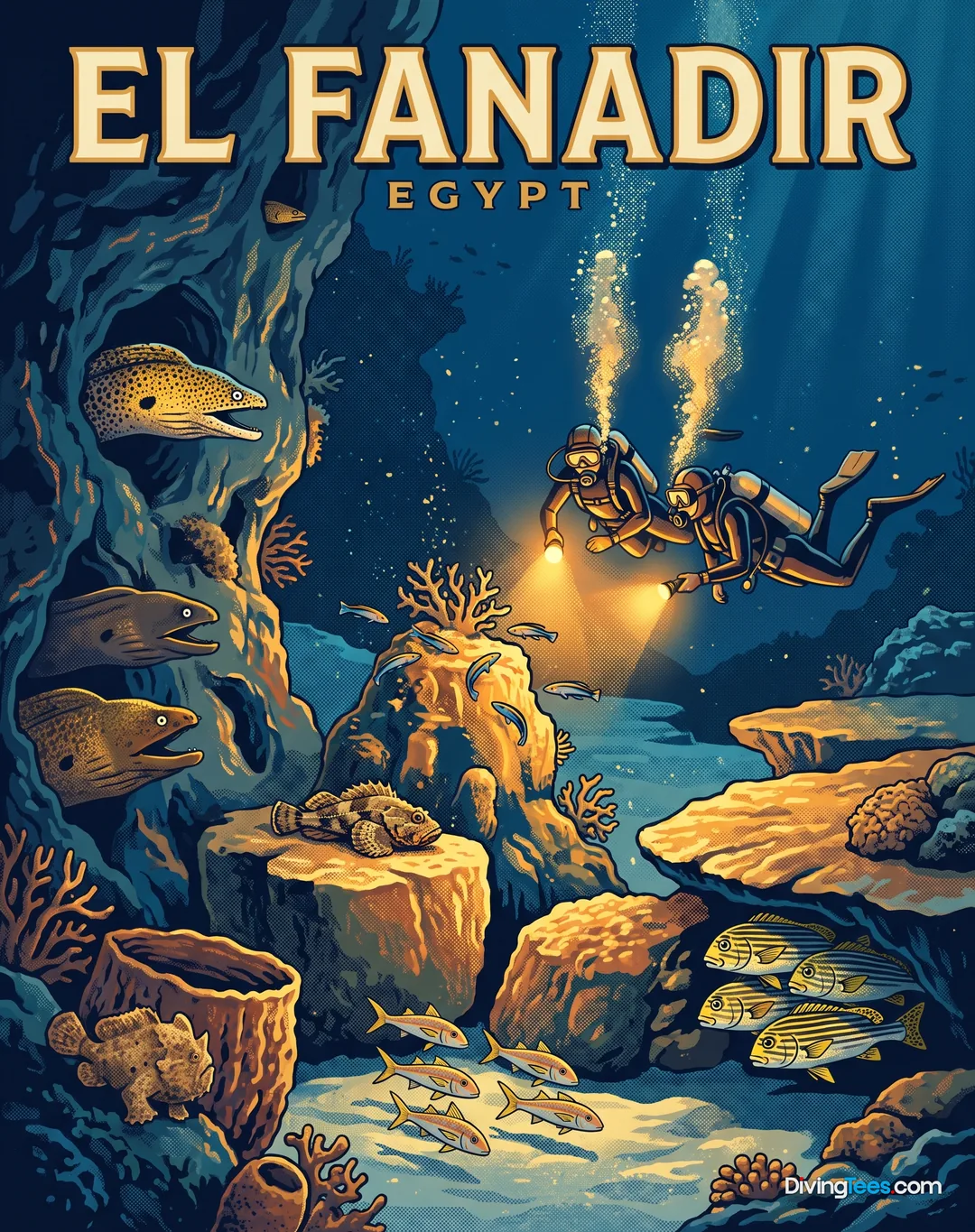
El Fanadir →
Max. depth · 40 m
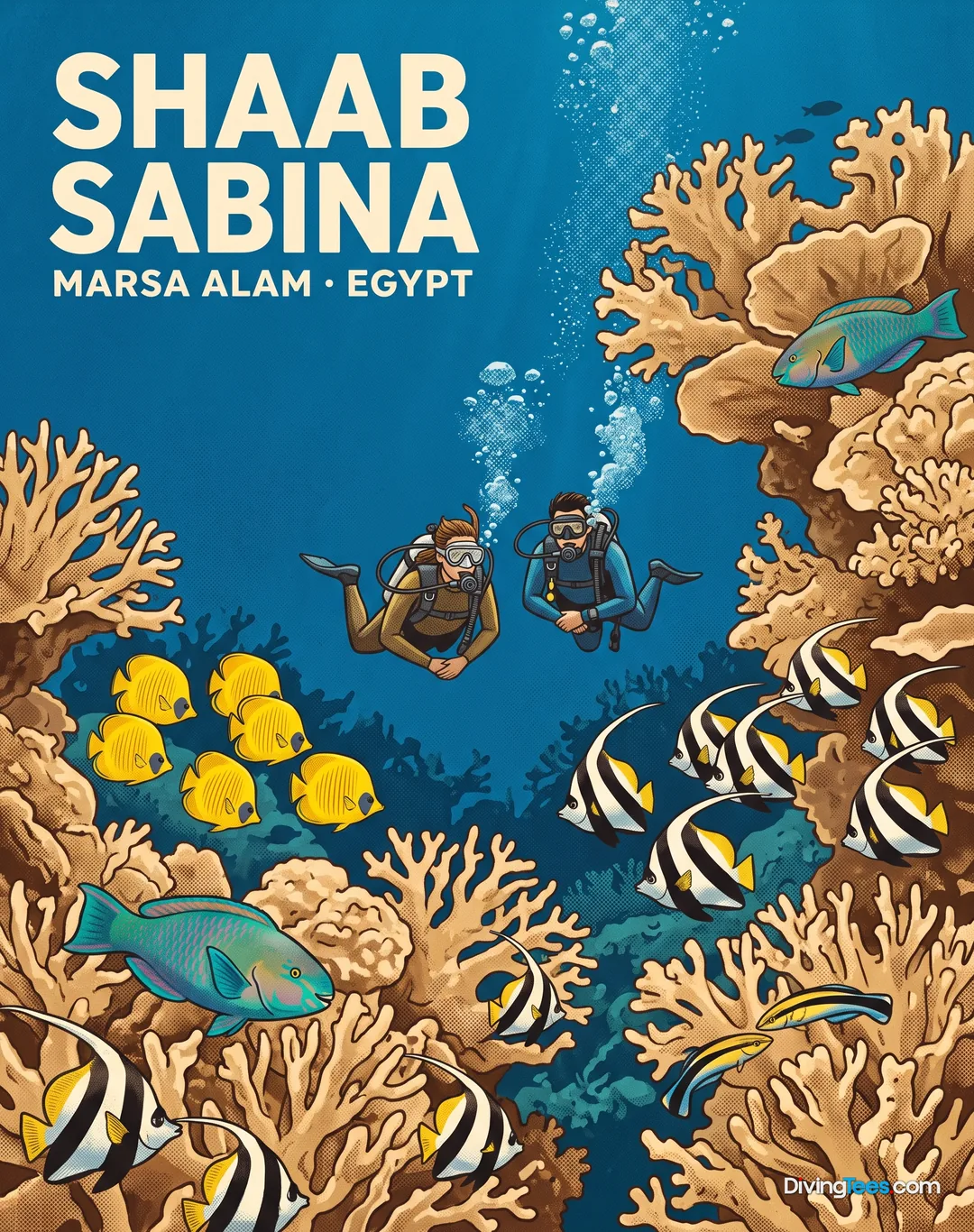
Shaab Sabina →
Max. depth · 14 m
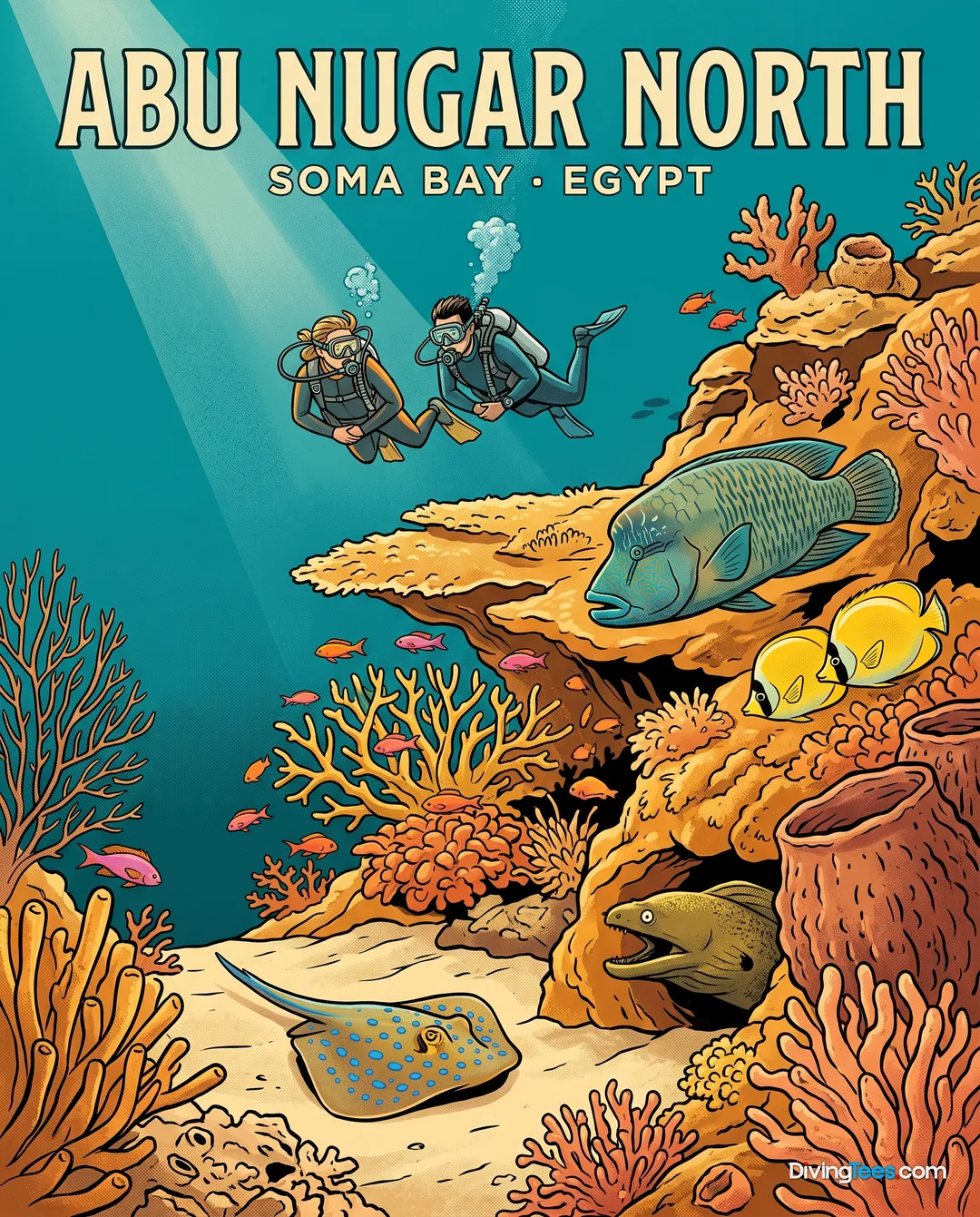
Gotha Abu Nugar North →
Max. depth · 9 m
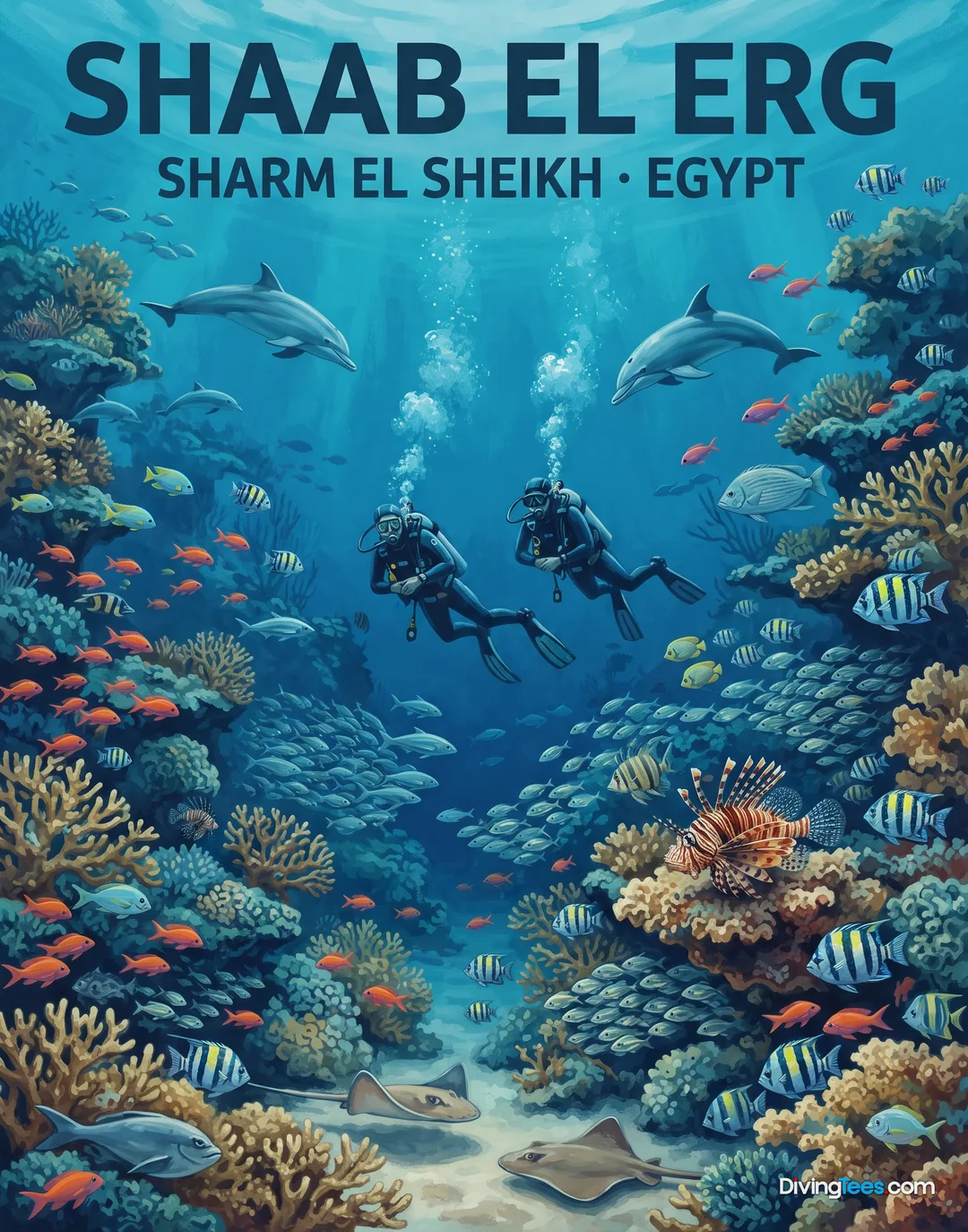
Shaab El Erg →
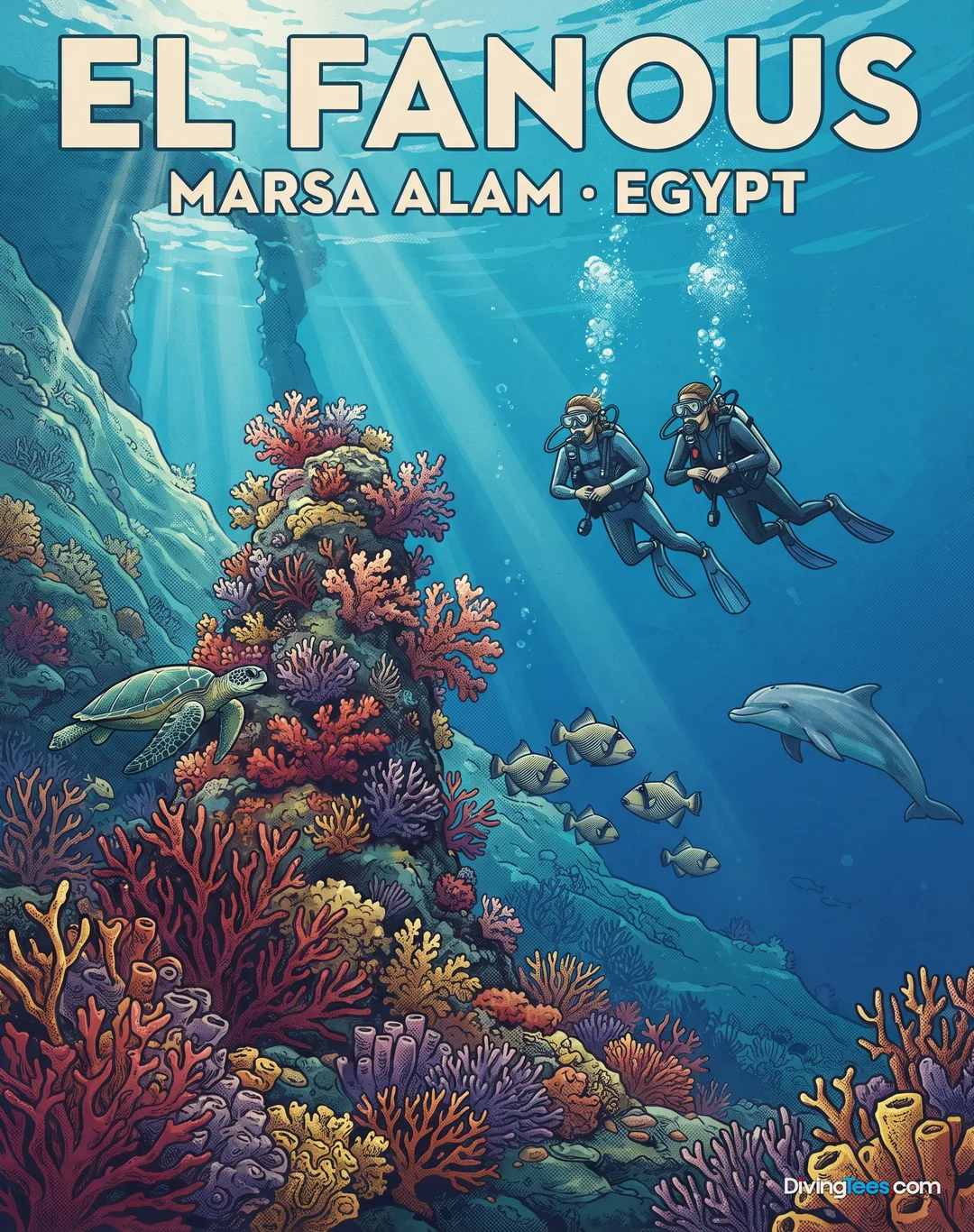
El Fanous →
Max. depth · 27 m
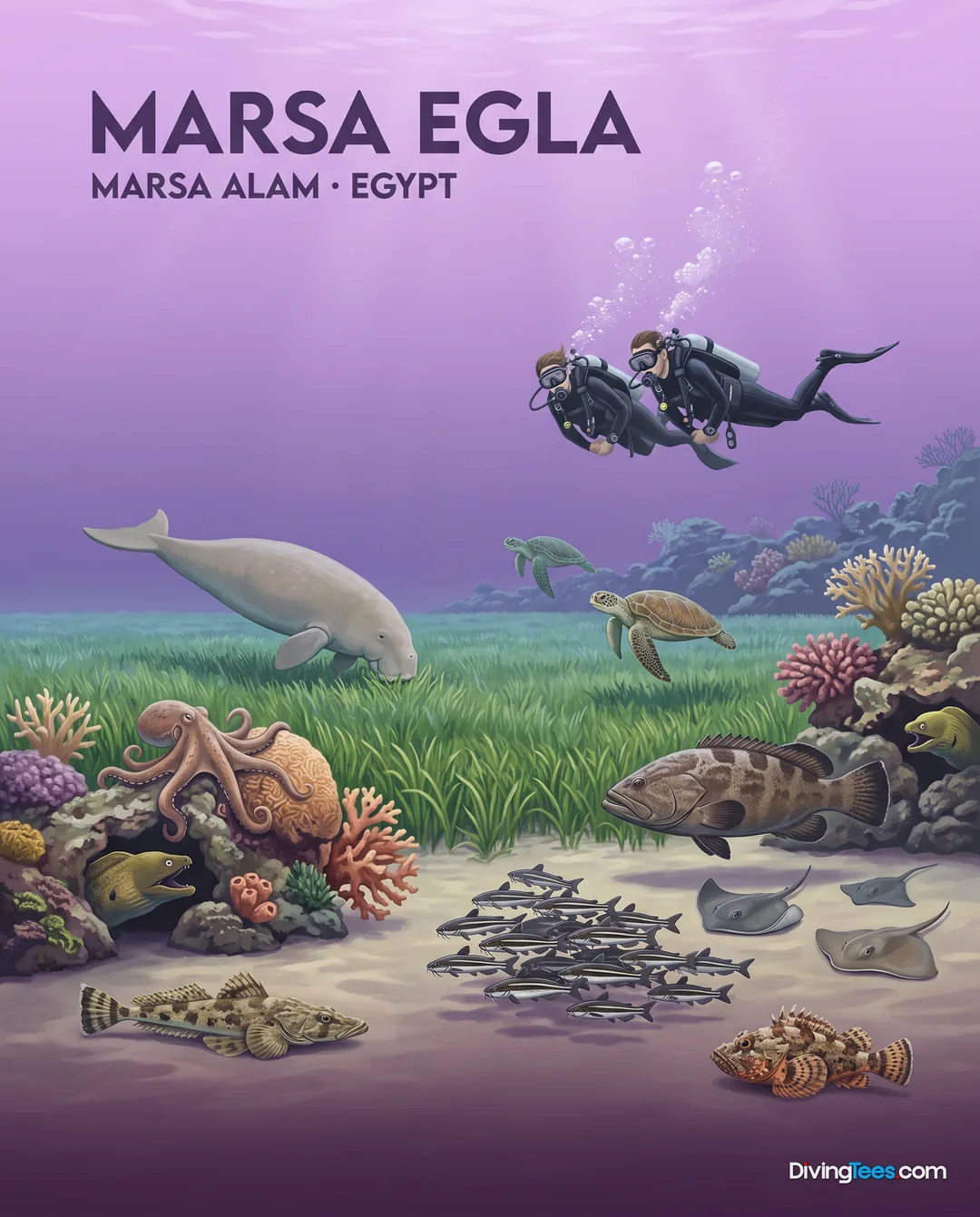
Marsa Egla →
Max. depth · 30 m
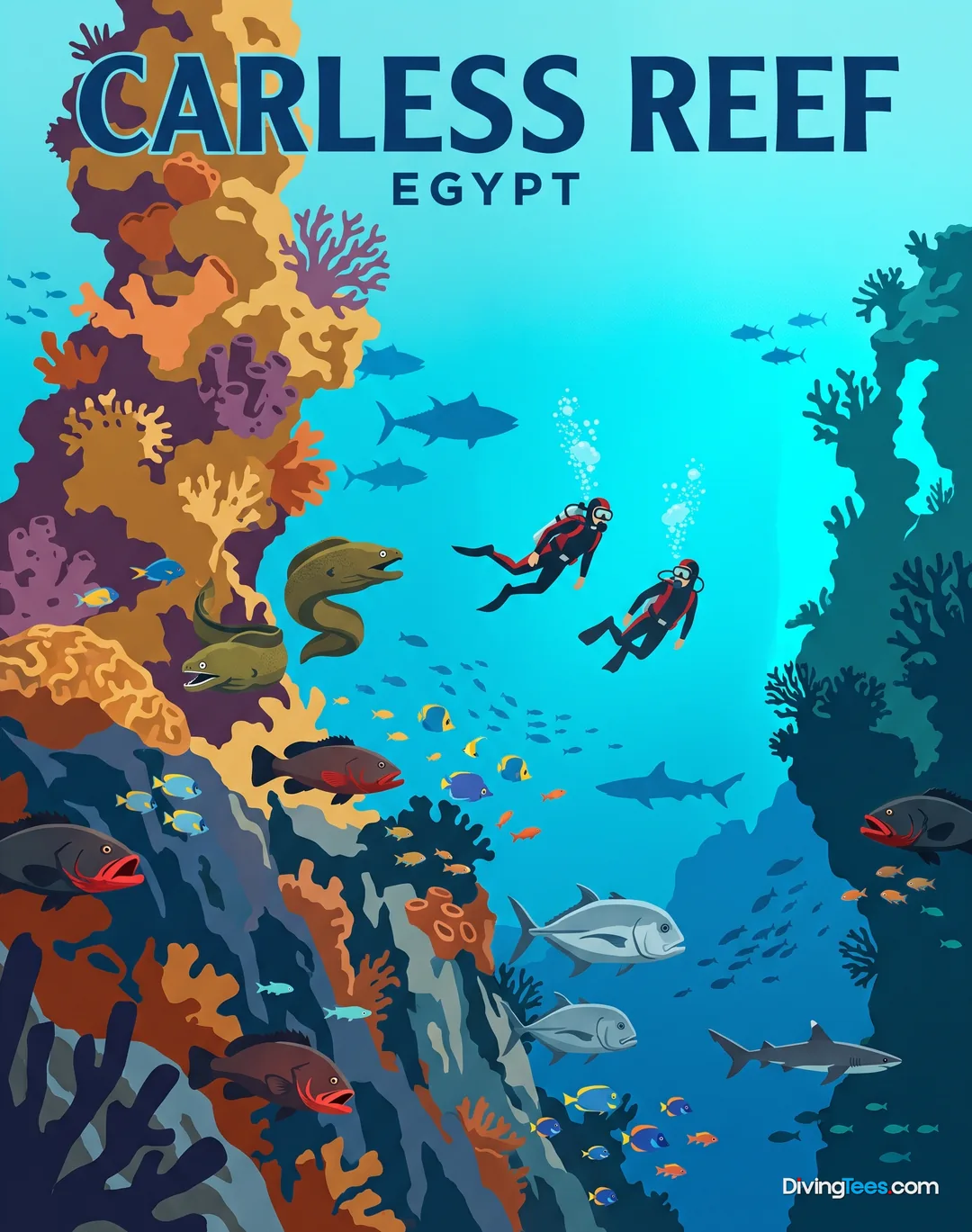
Carless Reef →
Max. depth · 40 m
Itineraries, dates and prices
Prices per person. Each month shows its lowest price: click a month, or pick an itinerary.
Next departures · 38 departuresfrom £633$846€756
October 2026
November 2026
December 2026
Green dot: a discounted departure that month. Discount calculated by us, against the boat's usual price for a trip of the same length.
See dates and prices
If you click these links and make a purchase on the partner site, DivingDeal may earn a commission, at no extra cost to you.
Dates and prices taken from Divebooker and liveaboard.com, updated 26 October 2026
What you’ll meet underwater
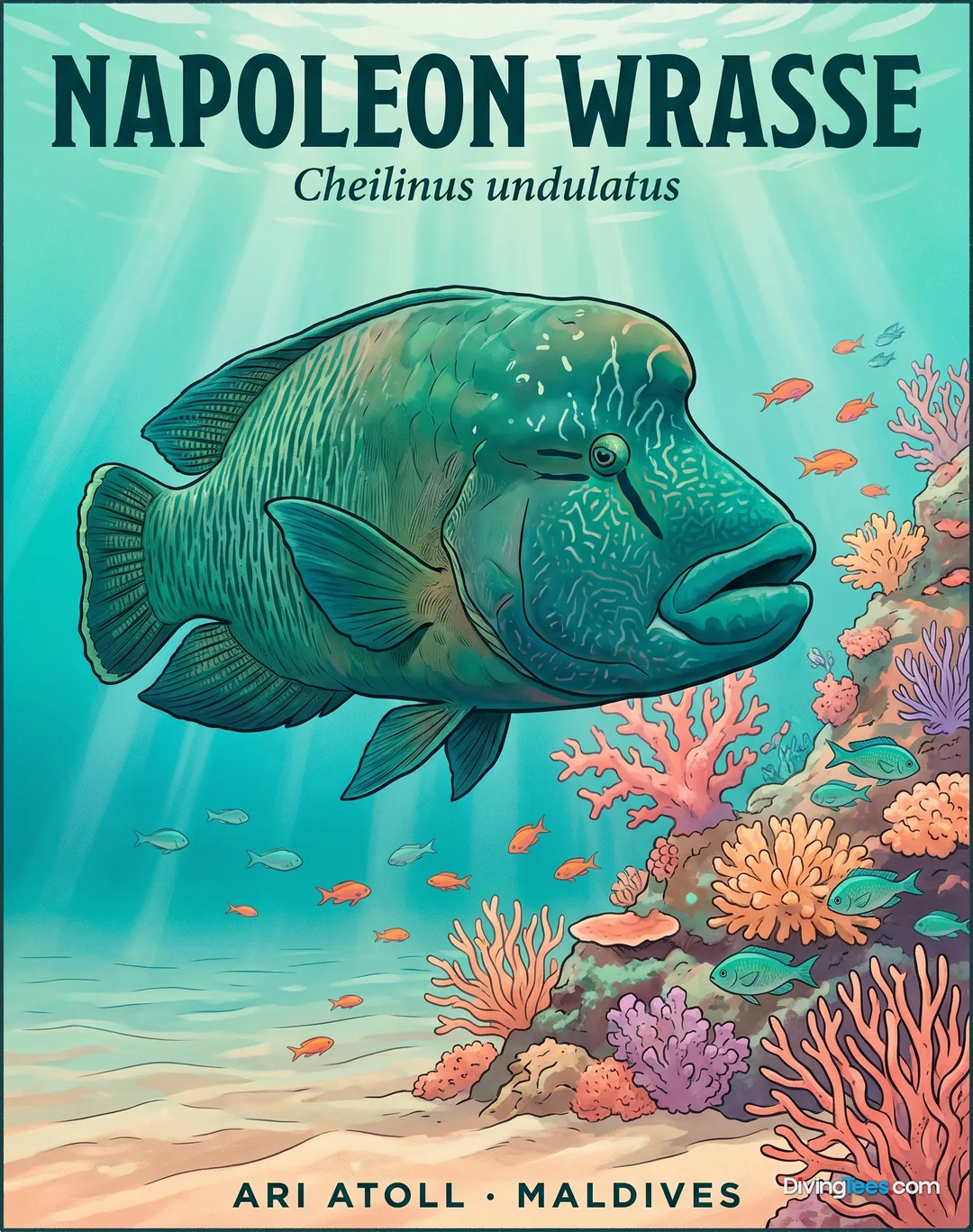
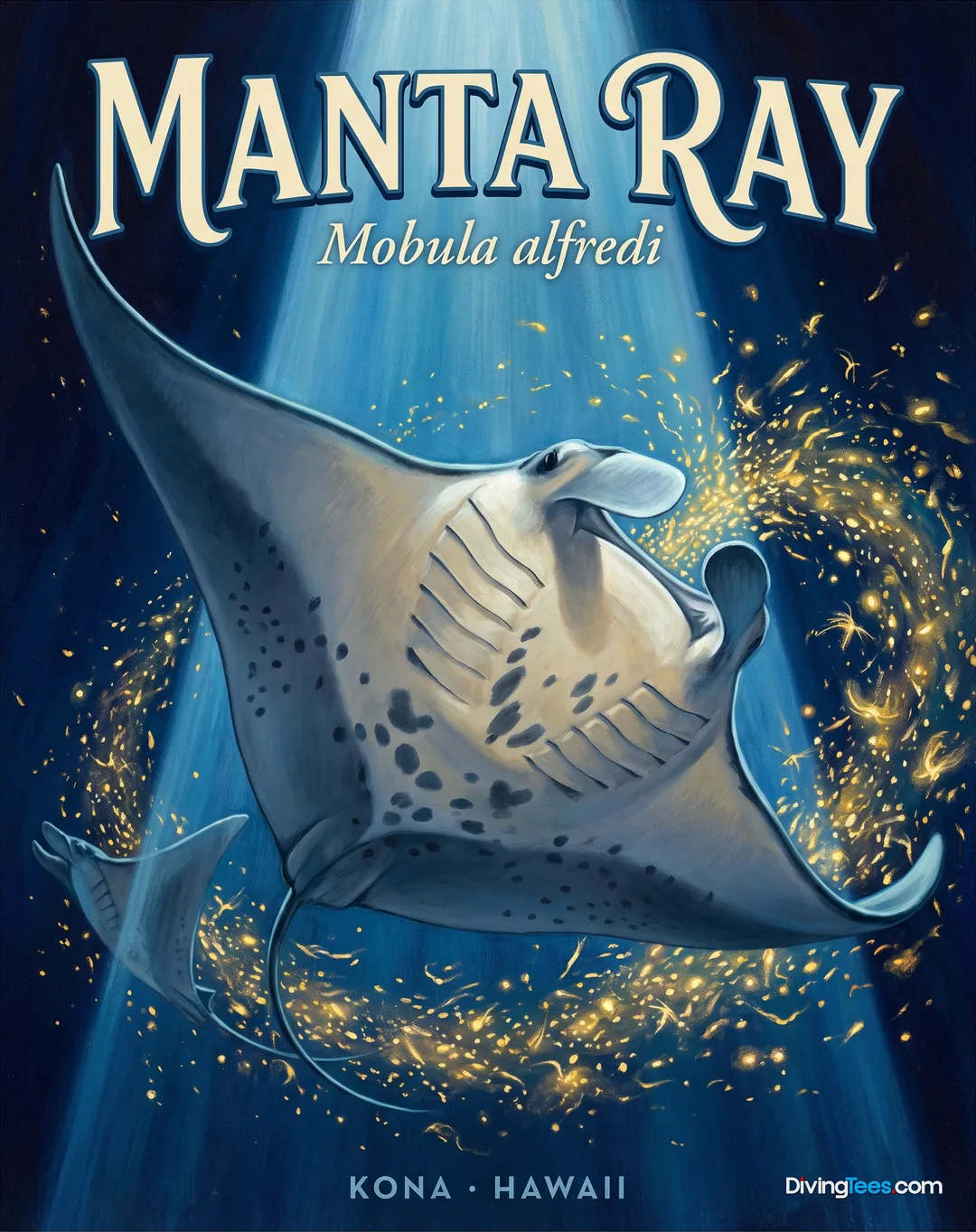
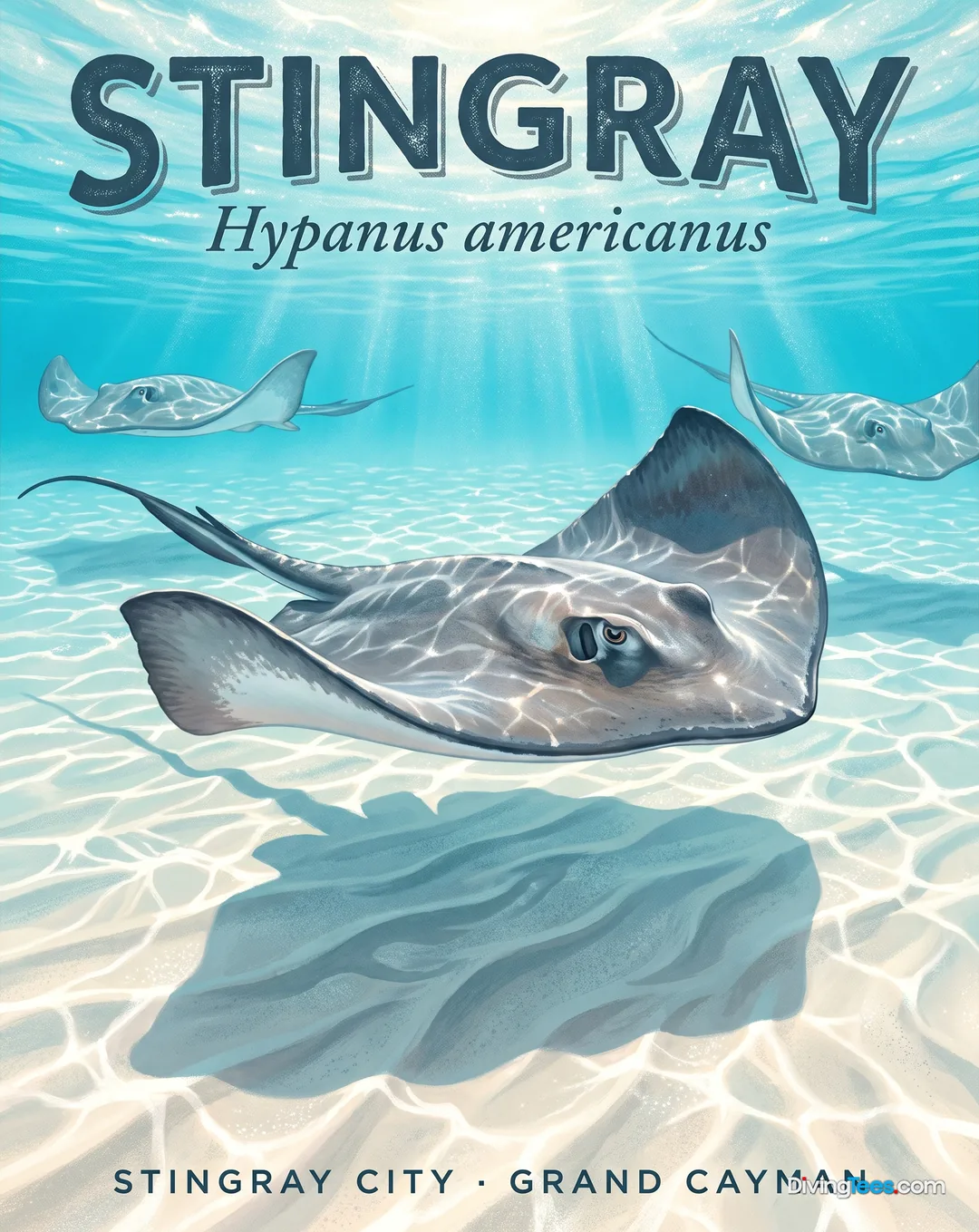
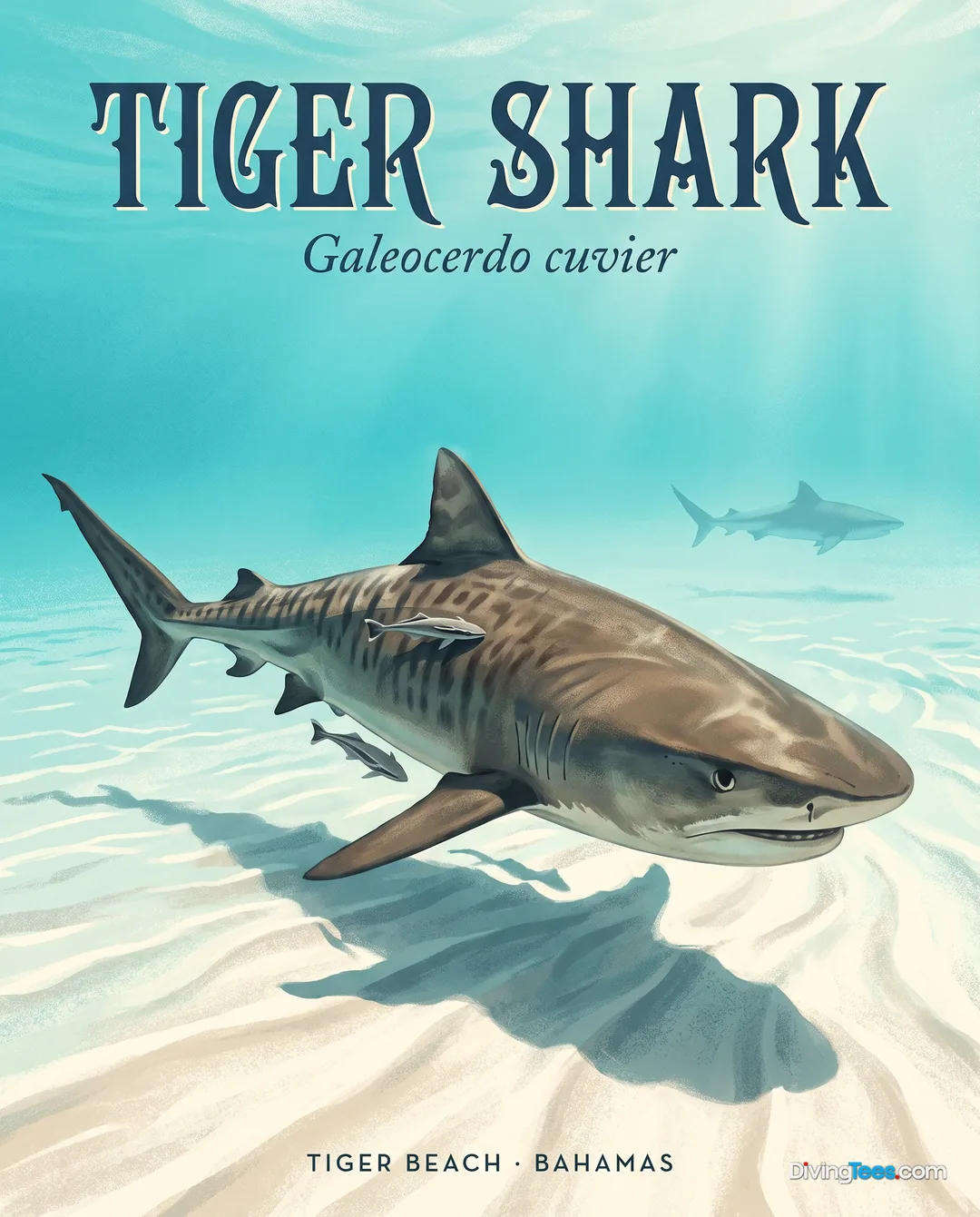
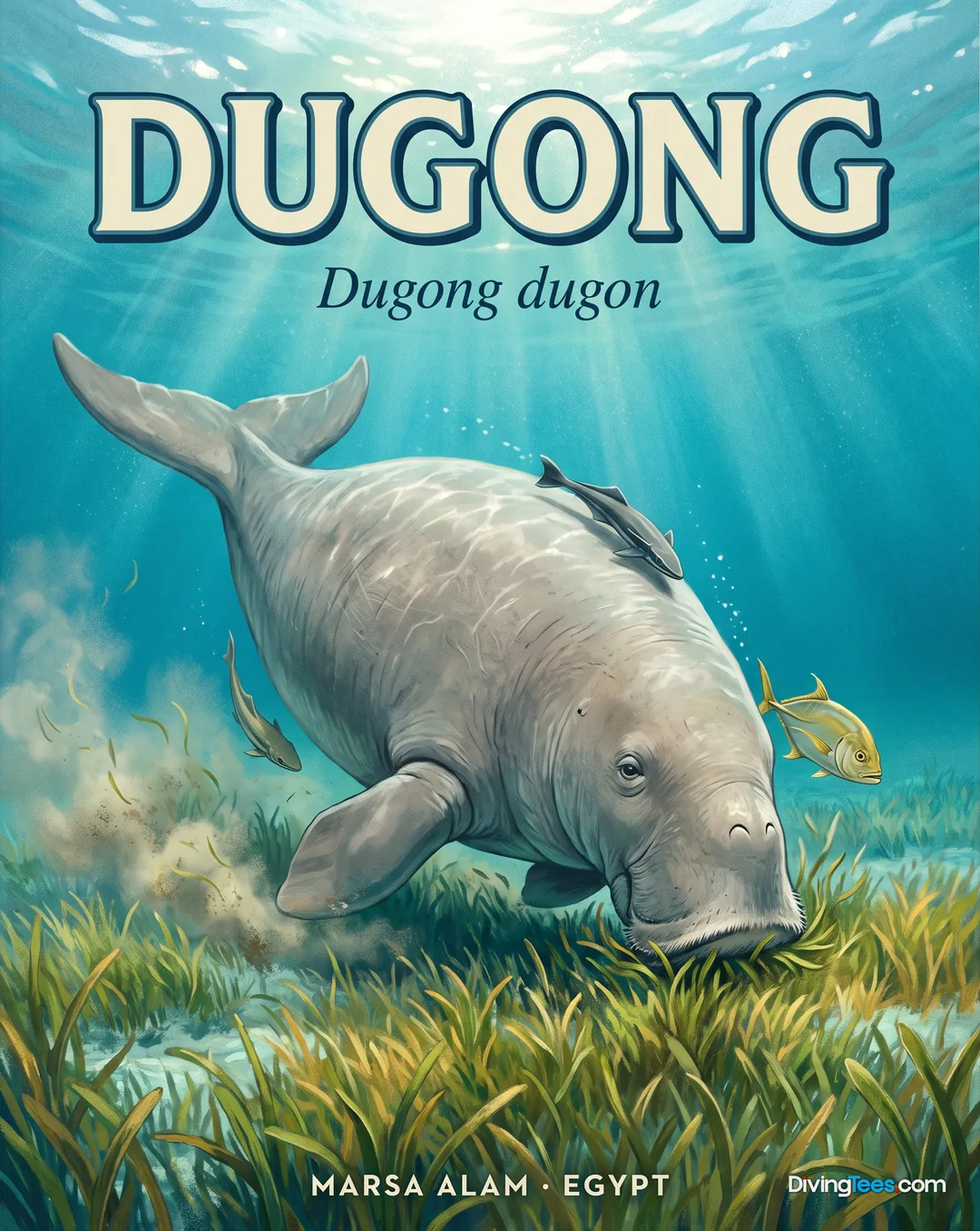
Across these sites, the recurring cast is the reason to keep looking: sea turtles, morays, reef sharks, grey reef sharks, hammerheads, tuna, barracuda, Napoleon wrasse, manta rays, jacks, anthias, scorpionfish, soft corals and stingrays. The setting changes what that life looks like. At Brothers, currents and isolated oceanic walls create the possibility of hammerheads, silvertips, whitetips and dense coral life, while Big Brother adds large pelagics around its wrecks. Elphinstone is the place to look for oceanic whitetips and the site-specific blacktip and tiger shark records, though no shark encounter is guaranteed. Daedalus is known for reef sharks, hammerheads, threshers, silkies, oceanic whitetips and manta rays around its pinnacle. Marsa Egla’s seagrass beds provide the specific chance of a dugong and green turtle. Shaab Ruhr Umm Gamar is where the route records groupers and giant groupers; Shaab El Erg is the site associated with glass fish and dolphins. El Fanadir’s cleaning station brings its own reason to slow down.
Who puts you in the water
Three dive guides work aboard Unity, and the crew speaks English, German and Russian. The northern wrecks and reefs route asks for Advanced Open Water and 20 logged dives, while North and Brothers and Brothers, Daedalus and Elphinstone ask for Advanced Open Water and 30 logged dives. The latter routes involve stronger currents, greater depth and more exposure to open-sea conditions. Dive courses are available aboard, including PADI training arranged in advance; the PADI Advanced Open Water course is specifically listed. Briefings take place in the dedicated briefing area before the group moves to the platform or tender. The boat carries emergency oxygen, first-aid kits, life rafts and vests, fire detection and extinguishers, radar, GPS, radio, an EPIRB beacon and trained first-aid crew. The dive operation is guided, with the tenders taking divers to and collecting them from the sites.
The dive deck and the gear
The dive deck is set up for repeated recreational dives, with a shaded working area, briefing space, tank rinse points, DIN adapters, camera charging and a separate rinse facility for cameras. Two Bauer compressors and a Mariner compressor support filling operations. Standard 12-litre tanks and weights are part of the diving package; 15-litre tanks and rental equipment are available as paid extras. Nitrox is provided free to certified divers, subject to availability. The boat carries two diver tenders, one with a Yamaha 40 HP engine and one with 25 HP, so divers can be taken away from the mothership and collected after the dive. Entries and exits use the diving platform and tender support rather than asking every diver to climb a high side ladder. Outdoor showers are available after the return. DIN users have adapters aboard, and divers should state their tank and rental needs when booking.
Between dives
Between dives, Unity gives the group several different temperatures and degrees of noise. The air-conditioned salon is the place to cool down, eat and sit out the brightest part of the day; the shaded terrace keeps the outside view without putting everyone in full sun. Higher decks provide open space for sunbathing, watching the sea and waiting for the next briefing. Camera divers have charging facilities and a separate rinse area, so cameras do not have to compete with masks and fins for every available surface. The boat’s upper-deck dining arrangement also makes an afternoon without a dive easier to spend outside rather than in a corridor or cabin. Internet is available, but the more relevant interruption is the tender returning with divers and the deck preparing for the next entry. When the boat is underway between sites, the open decks become the natural place to watch the reef line disappear and discuss what was seen below.
A day on board
A diving day starts with a briefing before the first entry, then repeats the sequence that makes a liveaboard work: kit up, enter from the platform or tender, return for a shower and food, and leave enough surface time before the next dive. Meals and snacks keep appearing between those stages, while the boat moves when distance between reefs makes travel worthwhile. The schedule is not a resort timetable; it is built around conditions, the route and the next useful dive. Some days concentrate on a site such as Daedalus or the Brothers, where walls and pelagics reward more than one descent. Other parts of the itinerary shift between reef, wreck and shallow garden. A night dive is included in the package, adding a final entry after the daylight work is done. Then the deck quietens, the salon or terrace becomes the meeting point, and the cabins take over until the next briefing. That is the rhythm: diving first, with everything else fitted around it.
What you eat aboard
Meals are served buffet-style, with Egyptian and Western cooking sharing the table and vegetarian and vegan options available. Full board covers the meals, while snacks remain available through the day alongside water, tea, coffee and soft drinks. Dinner can be taken inside the air-conditioned salon or outside on the terrace, and wine is served with the evening meal. That arrangement suits a diving week because nobody has to turn a surface interval into a formal restaurant visit. Food arrives around the dives, not the other way round: something substantial after coming back aboard, another meal before the next entry, and snacks for the gaps when the previous dive has left everyone hungry. The galley combines local and international dishes rather than promising one fixed style. On a boat making repeated dives at remote reefs, the useful luxury is reliable food, easy access and enough choice for different diets.
Nights at sea
The cabin choice determines how much of the night you spend listening to the sea or simply closing the door on the day. Lower-deck cabins are the budget end of the boat, with private bathrooms, air conditioning and portholes; the Standard Twin offers more storage, while the Saver and Super Saver cabins trade space for a lower-cost bed. A lower-deck cabin can also be arranged as a twin, double or triple. On the main deck, sea-view twins and the larger bow-view double bring daylight and outside views into the room, with individual air-conditioning control, private bathrooms and fridges. Hot water is available for showers, and cabins are serviced daily. The practical point is not decoration. After repeated dives, a private bathroom, a working air-conditioning control and somewhere to put equipment matter more than a polished room. Guests who want the cabin to feel less enclosed should choose a main-deck sea-view category; those putting their budget into the diving can sleep in the lower-deck rooms and use the boat’s open decks when awake.
Standard Saver Cabin
Seaview Suite Main Deck
Standard Twin Cabin
Standard Family Cabin
Seaview Twin Main Deck
Super Saver Cabin
What to know before boarding
Unity’s recorded departures and returns are from Hurghada, on eight-day, seven-night itineraries. Airport and hotel transfers are included, so the collection point should be given clearly when the booking is made. Arriving in Hurghada the night before is the sensible way to protect the first day from flight delays or a late arrival. The exact route and port arrangements can change with weather and coastguard instructions.
Deck plan
What the boat does for the ocean
Unity operates a strict no-touch, no-take policy, with no gloves or pointer sticks used during dives. The crew also provides educational talks and material about the marine life and ecosystems encountered, linking the rules to what divers see underwater. These are concrete habits that reduce contact with the reef and make conservation part of the dive operation rather than a slogan.
- Year built
- 1998
- Year renovated
- 2024-2025
- Length
- 32.4 m
- Beam
- 7.2 m
- Maximum number of passengers
- 24
- Number of cabins
- 13
- Number of bathrooms
- 15
- Engines
- 2 × 420 hp Mann
- Cruising speed
- 8 knots
- Tenders
- 1 × Yamaha 40 hp 1 × 25 hp
- Website
- red-sea-relax.com ↗
Hello, I'm Marina, DivingDeal.com's AI assistant. I answer in detail about hotels, dive centres and liveaboards.
Thinking about the whole trip and the flights? Talk it over with Edith →
Marina is an AI. Some links are affiliate links: DivingDeal may earn a commission, at no extra cost to you. Bookings are made with the partner.