
Scuba Life Cozumel
Google 5/5 (1,421 reviews)
13 km away as the crow flies
Cozumel · Mexico · Americas
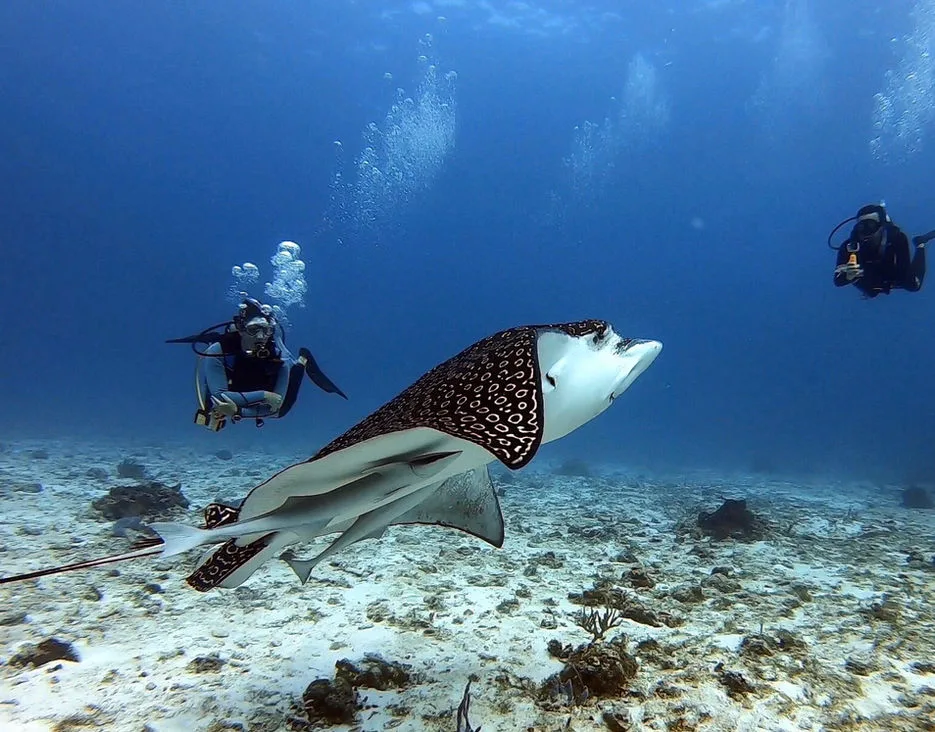
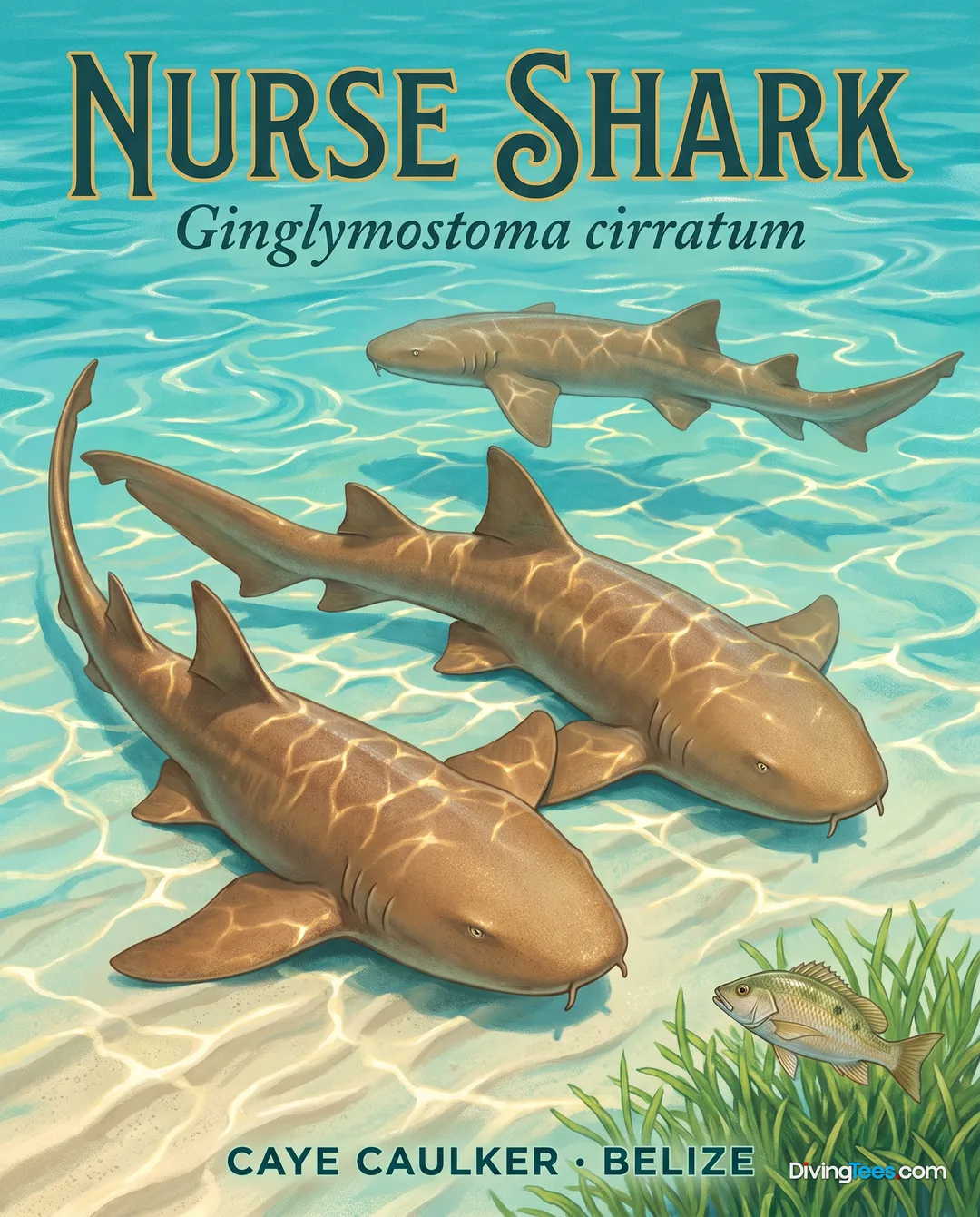
Max. depth · 19 mPaso del Cedral offers an exhilarating drift dive across vibrant coral formations, where nurse sharks (Ginglymostoma cirratum) and eagle rays (Aetobatus narinari) are regular encounters.
For subtitles in English: start the video firstthen click the gearat the top right of the video, select “Subtitles/CC”, then “Auto-translate” and choose “English”.
Dropping into Paso del Cedral, you immediately feel the momentum of the current. This site is a classic Cozumel drift, carrying you along a vibrant reef system. The profile ranges from 12 to 19 metres, making it accessible while offering plenty of depth to explore the intricate coral structures. You'll find yourself gliding effortlessly, allowing more focus on the captivating marine activity unfolding around you.
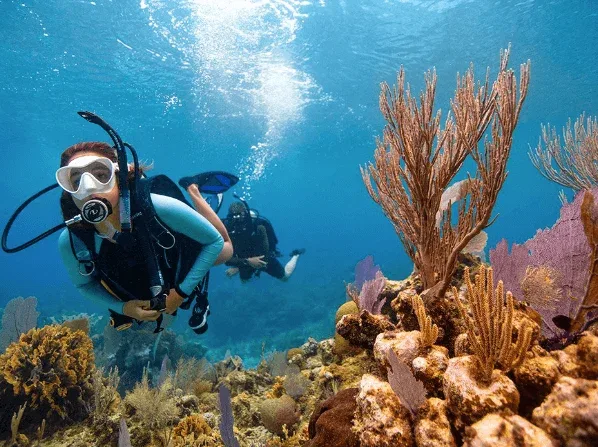
The reef here is punctuated by dramatic coral passages and impressive mounds, forming a complex landscape that provides shelter and hunting grounds for an array of marine life. As you drift, keep an eye on the ledges and overhangs; these are prime spots for discovering resident species. The healthy coral growth creates a thriving ecosystem, supporting everything from smaller reef fish to larger pelagic visitors.
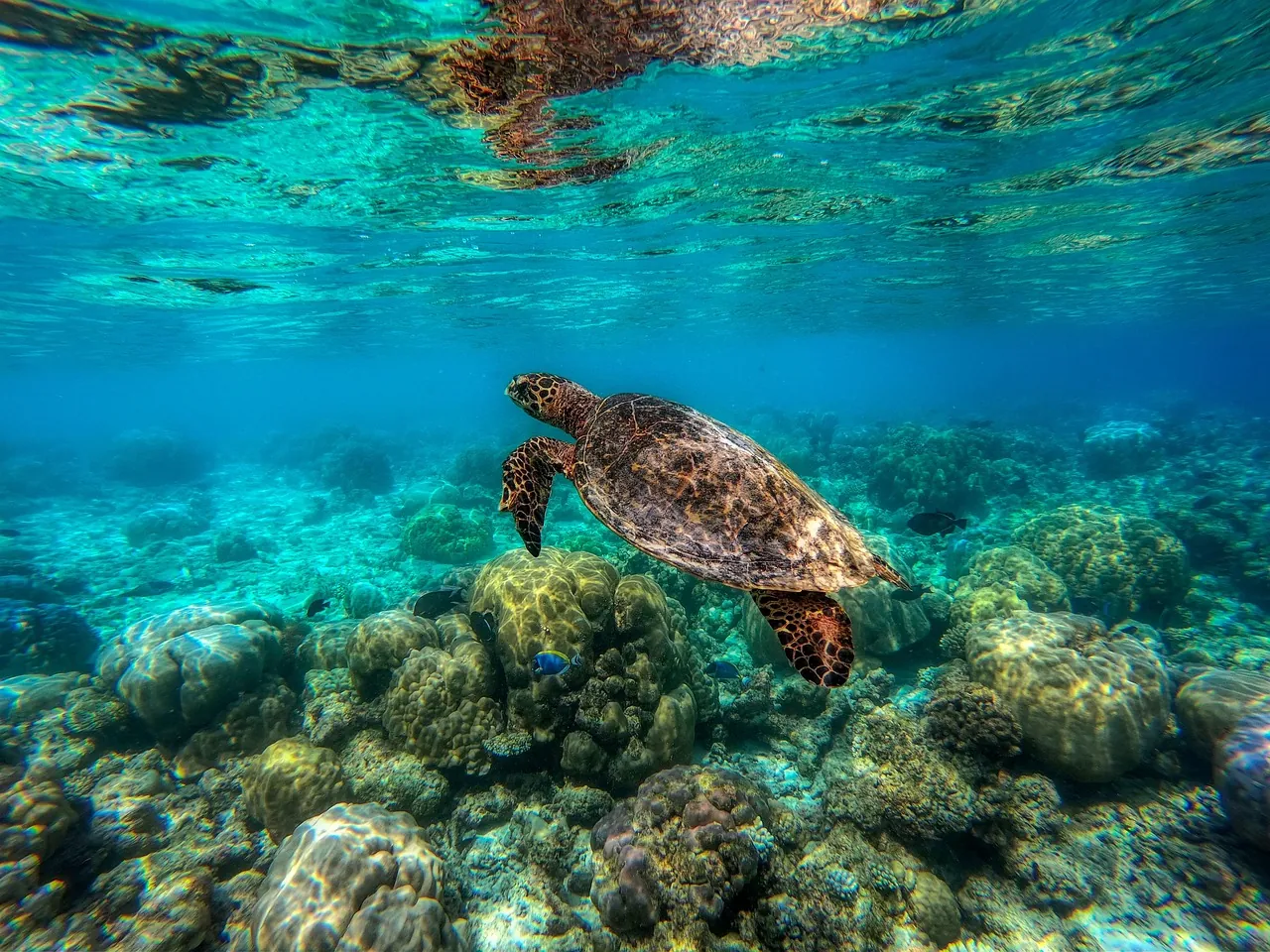
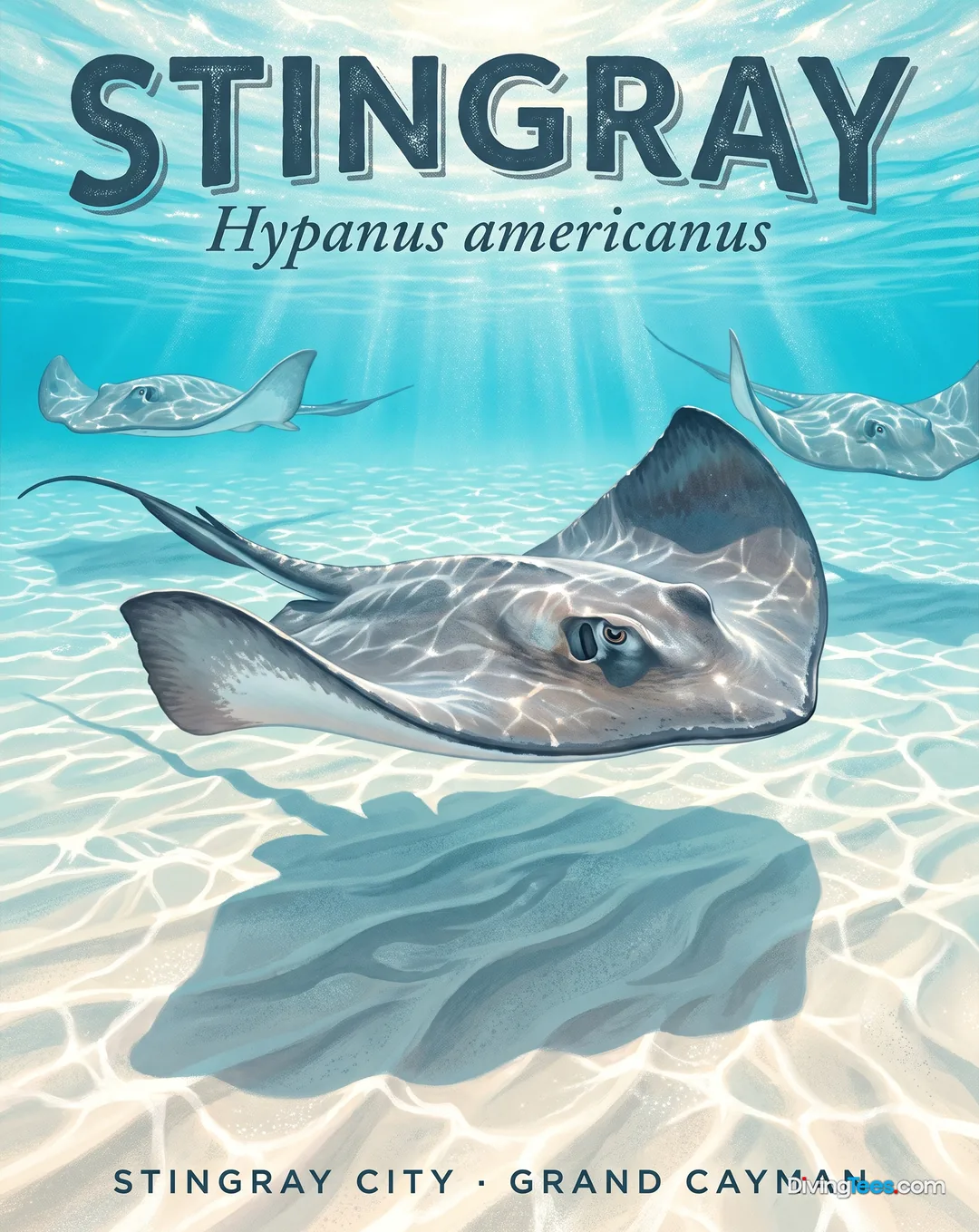
Expect to encounter a rich diversity of life at Paso del Cedral. Turtles are frequently spotted, often gracefully navigating the current alongside you. Nurse sharks (Ginglymostoma cirratum) often rest within the coral formations, offering a calm presence amidst the moving water. The open water above and around the reef is where you might catch a glimpse of eagle rays (Aetobatus narinari) and even stingrays gliding by.
The strong current at this site plays a significant role in bringing in nutrients and promoting visibility, which typically ranges between 24 and 30+ metres. This clarity, combined with the energetic marine life, creates a highly engaging experience. Photographers will appreciate the chance to capture dynamic shots of reef sharks and other inhabitants against the backdrop of the vibrant reef.
Paso del Cedral is an intermediate level dive, largely due to the moderate to strong currents that define the site. The depth profile ranges from 12 to 19 metres. Visibility is consistently good, often between 24 and 30+ metres.
Paso del Cedral is an intermediate-level dive because moderate to strong currents define the site. You should be comfortable with drift diving and moving water before choosing it. The current carries you along the reef, allowing you to focus on the coral passages, mounds, ledges, overhangs, and marine life.
Paso del Cedral ranges from 12 to 19 metres deep. This profile gives you access to a reef with intricate coral structures, passages, and mounds while keeping the dive within a moderate depth range. As you move through the site, the formations provide shelter and hunting grounds for marine life.
You should expect moderate to strong currents at Paso del Cedral, making it a classic Cozumel drift dive. The current carries you along the reef and contributes to nutrient movement and good visibility. It also shapes the experience, with coral formations, ledges, and overhangs passing around you as you drift.
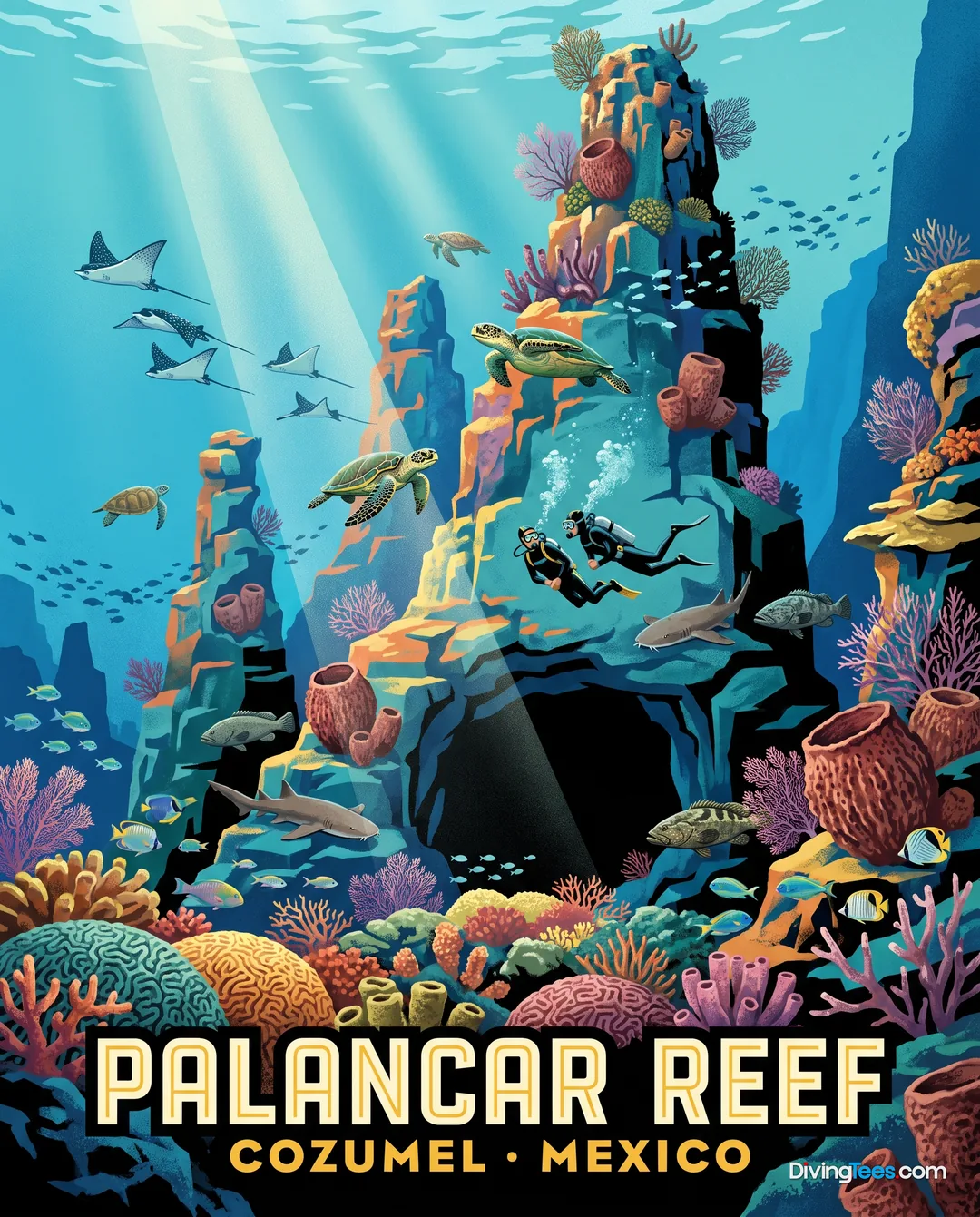
At Paso del Cedral, you can see dramatic coral passages, impressive mounds, turtles, nurse sharks, eagle rays, stingrays, parrotfish, and angelfish. Nurse sharks may rest within coral formations, while eagle rays and stingrays can glide through the open water. Visibility typically ranges from 24 to 30+ metres.