

Scuba Life Cozumel
Google 5/5 (1,421 reviews)
14 km away as the crow flies
Cozumel · Mexico · Americas
Max. depth · 40 mExplore Palancar Reef, Cozumel's signature dive destination, renowned for its extensive coral formations, dramatic walls, and exceptional biodiversity.
For subtitles in English: start the video firstthen click the gearat the top right of the video, select “Subtitles/CC”, then “Auto-translate” and choose “English”.
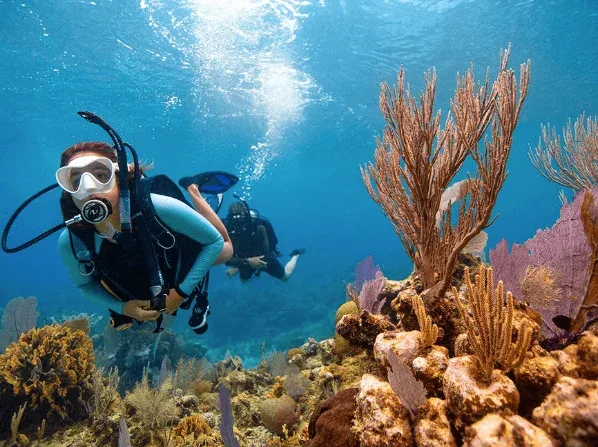
Palancar Reef, explored by Jacques Cousteau in 1961, stands as Cozumel's iconic dive destination, a sprawling and dynamic underwater complex that has defined the island's reputation among divers. This isn't a single spot but an extensive reef system segmented into distinct areas such as Gardens, Caves, Horseshoe, and Pinnacles, each offering a unique profile and experience. The reef's structure is dominated by massive coral formations, creating a topography rich with deep overhangs, swim-throughs, and caverns that draw you deeper into its ecosystem.
The overall dive profile typically involves a descent onto reef tops usually found between 7 and 10 meters, before dropping into the deeper sections. While some parts, like Palancar Gardens, offer comfortable diving between 9 and 21 meters, the outer areas and walls can lead down to 30 meters or more. You'll navigate through canyons formed by enormous coral spires, often finding calmer pockets within these natural channels, even when currents increase on the exposed points of the reef. The reef transitions into a more pronounced wall, forming part of the deeper Cozumel shelf, where the landscape shifts with dramatic overhangs and hidden alcoves. You'll move through areas described as fascinating caves, where the reef provides shelter and hunting grounds for various species.
Tunnels and passages carve through the coral, leading divers into different sections of the reef while exposing them to varying light conditions and marine encounters. This geological complexity means that even experienced divers will discover new features on repeat visits, making Palancar a site that reveals its full extent over multiple dives.
Visibility here consistently reaches 24 to 45 meters, providing clear views of the vibrant coral and expansive reef structure. The site is part of the Mesoamerican Barrier Reef, second only to the Great Barrier Reef in scale, and this connection translates into exceptional biodiversity. You'll encounter a dense covering of hard corals, punctuated by gorgonians and black corals in deeper, less illuminated zones, creating a kaleidoscope of form and texture on every dive. The light filters down, illuminating the vibrant primary colors of the corals on the shallower sections.
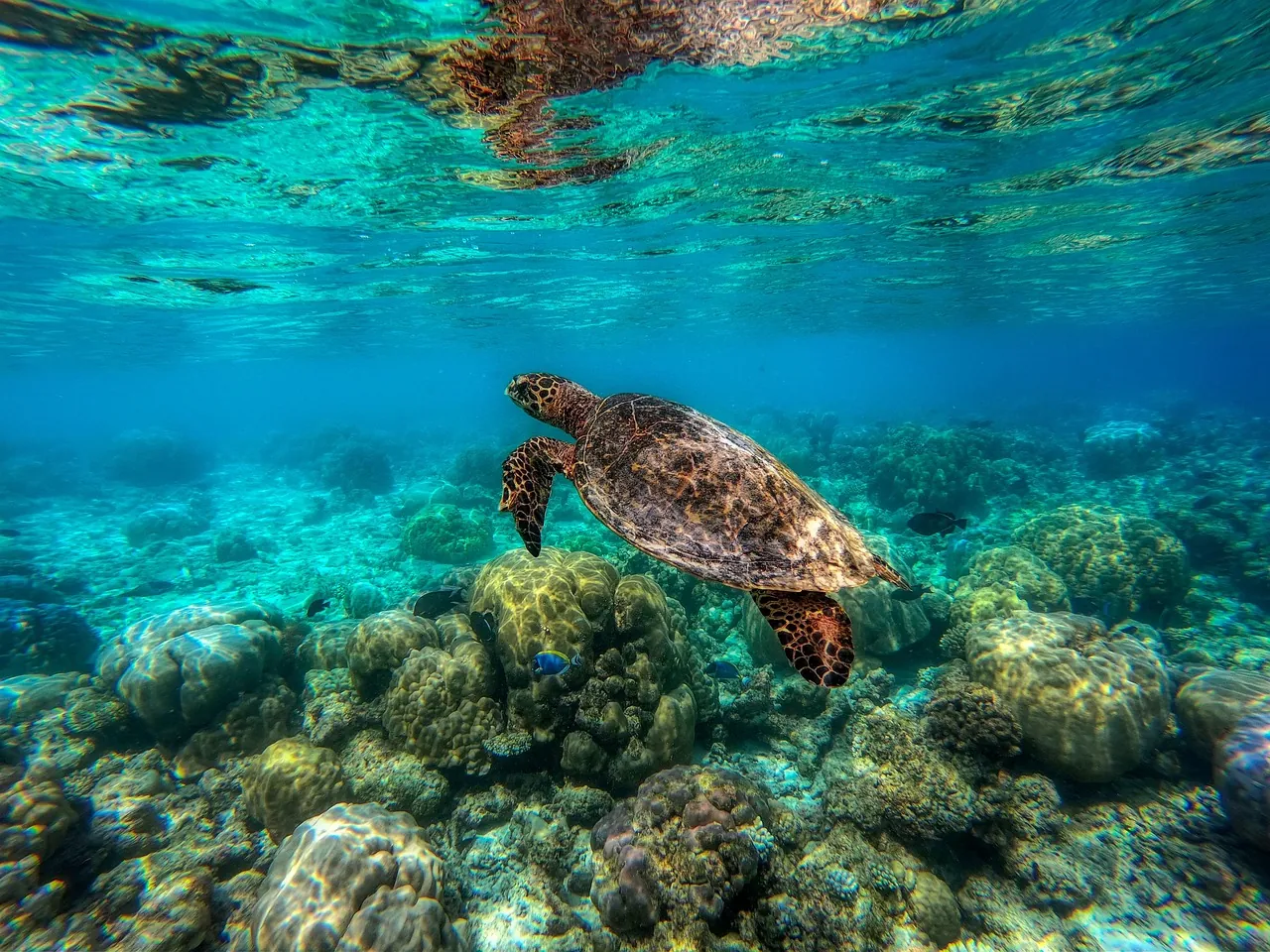
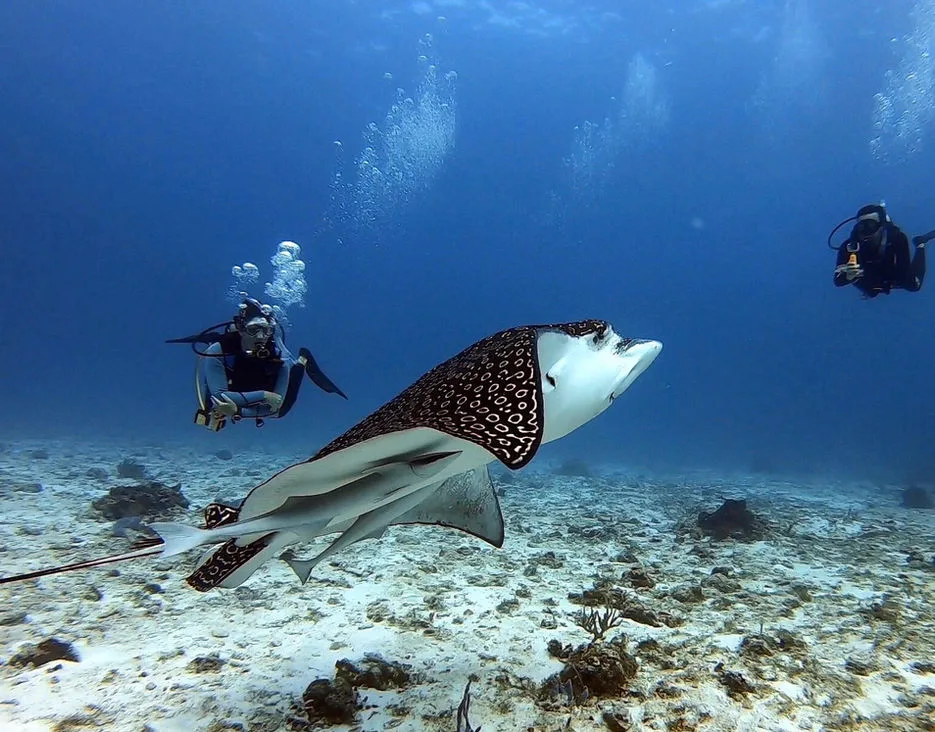
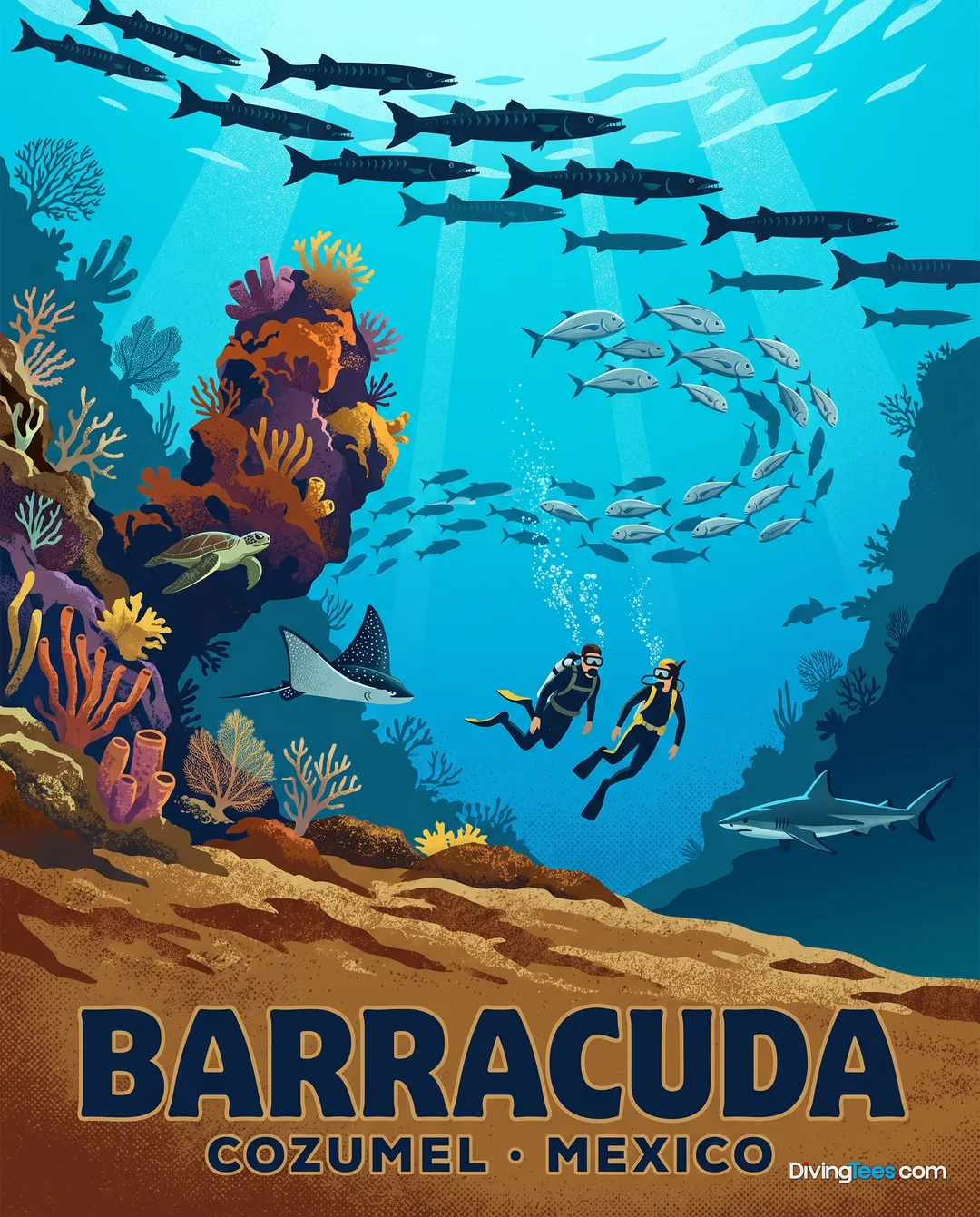
The resident fauna at Palancar is a main draw, with prolific populations of marine turtles, such as the Hawksbill turtle, frequently encountered gliding through the reef. Nurse sharks (Ginglymostoma cirratum) are also common, often found resting in the sandy patches or under ledges. Eagle rays (Aetobatus narinari) are regular visitors, especially between December and April, often seen in gracefully synchronized schools, moving effortlessly along the current-swept sections of the reef. Beyond the larger species, the reef hosts a rich array of smaller inhabitants. Nassau groupers (Epinephelus striatus), various angelfish, moray eels, and diverse tropical fish species populate the coral formations. Look closely within the crevices and tunnels, and you might spot the endemic splendid toadfish (Sanopus splendidus), a unique find to Cozumel's waters, known for its distinct patterns and secretive nature. Barracudas (Sphyraena barracuda) patrol the deeper sections and near cave entrances, and other sharks are also sighted moving along the wall or within the more extensive caverns, including smaller reef sharks.
Currents at Palancar are a defining characteristic, often providing a stimulating drift dive experience. While generally described as gentle to moderate, they can shift and intensify quickly, especially closer to the reef points or during specific tidal movements. This variability requires an attentive approach and a good understanding of your position relative to the reef structure; a certified park guide is essential for navigating these conditions safely.
Dive depths at Palancar range from a minimum of 5 meters near the reef crests to a maximum of 40 meters along the deeper walls. While sections like Palancar Gardens are accessible to Open Water Divers, the variable and potentially strong currents mean that an Advanced Open Water Diver certification is recommended, particularly for deeper or more exposed areas. Currents can range from moderate to strong, requiring good buoyancy control and current diving experience. Visibility is consistently excellent, typically between 24 and 45 meters. Conditions are favorable year-round, with December to April offering peak visibility and increased sightings of pelagic species like eagle rays.
Palancar Reef offers favorable conditions year-round. December to April brings peak visibility and increased chances of seeing eagle rays, which may appear in schools. This period suits you if pelagic encounters are a priority, while the reef’s coral formations, tunnels, passages, and resident marine life remain available throughout the year.
Parts of Palancar Reef, including Palancar Gardens, are accessible to Open Water Divers. Advanced Open Water Diver certification is recommended for deeper or more exposed sections, where conditions can be more demanding. You should also have good buoyancy control and current diving experience before exploring areas affected by stronger flow.
Palancar Reef ranges from five meters near the reef crests to forty meters along the deeper walls. Some areas, such as Palancar Gardens, offer diving between nine and twenty-one meters, while outer sections and walls descend to thirty meters or more. Your route determines whether you stay shallow or explore deeper terrain.
At Palancar Reef, you can explore extensive coral formations, pinnacles, tunnels, passages, and caverns while encountering marine turtles, nurse sharks, eagle rays, tropical fish, moray eels, and groupers. Currents support dynamic drift diving but can shift from moderate to strong, requiring attentive positioning, buoyancy control, and current experience.