
Scuba Life Cozumel
Google 5/5 (1,421 reviews)
5.7 km away as the crow flies
Cozumel · Mexico · Americas
Max. depth · 24 mExplore a unique Cozumel reef where large coral heads rise from a sandy bottom, creating distinct ecosystems in a mild current.
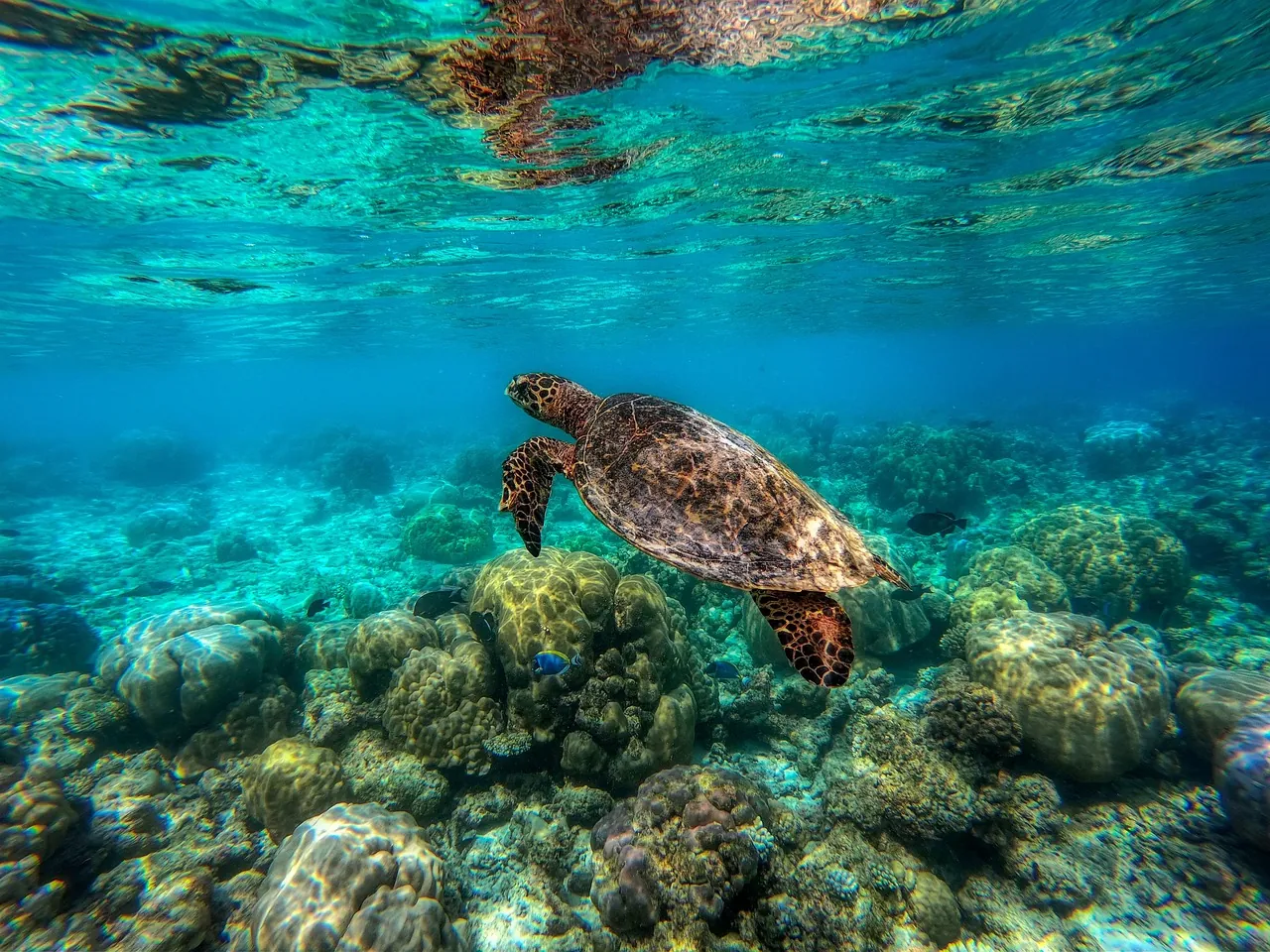
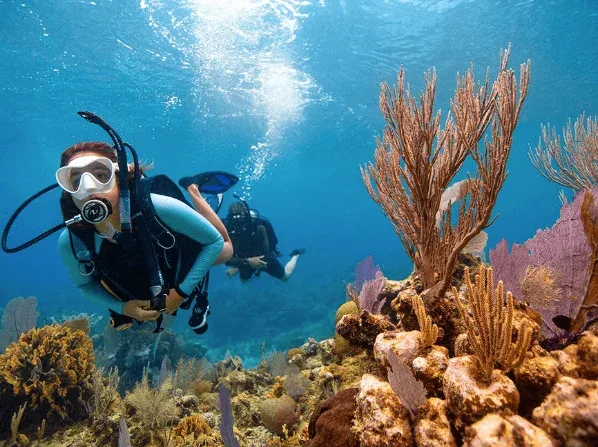
Diving Chankanaab Bolones brings you to a unique Cozumel reef profile, distinct from the island's typical wall dives. You'll descend onto a sandy platform, a canvas from which large, discrete coral heads, or 'bolones,' emerge. These formations rise significantly, up to 3 to 4 metres off the seabed, creating isolated habitats. Each coral head acts as its own small ecosystem, fostering a concentrated variety of marine life around its structure, offering an immersive experience as you navigate between them.
The site runs parallel to the shallower Chankanaab reef, often dived as a drift, allowing you to cover ground while observing the topography. As you move along, you'll find yourself near an underwater canyon wall, a deeper edge to this unique environment. The average depth for exploration here typically ranges between 18 and 24 metres, making it accessible to a wide range of certified divers. Scattered coral blocks punctuate the sandy stretches, providing additional nooks and crannies for resident species, contrasting with the main coral head formations.
Currents at Chankanaab Bolones are generally light, typically flowing from north to south, which makes for a relaxed drift dive. This consistent, mild flow is influenced by the mid-island eddy and some cooler freshwater outflow from the Chankanaab lagoon. While strength and direction can shift with weather patterns, particularly seasonal changes, they remain considerably less intense than those experienced on Cozumel's outer reefs, offering a more forgiving environment for buoyancy control around the coral structures.
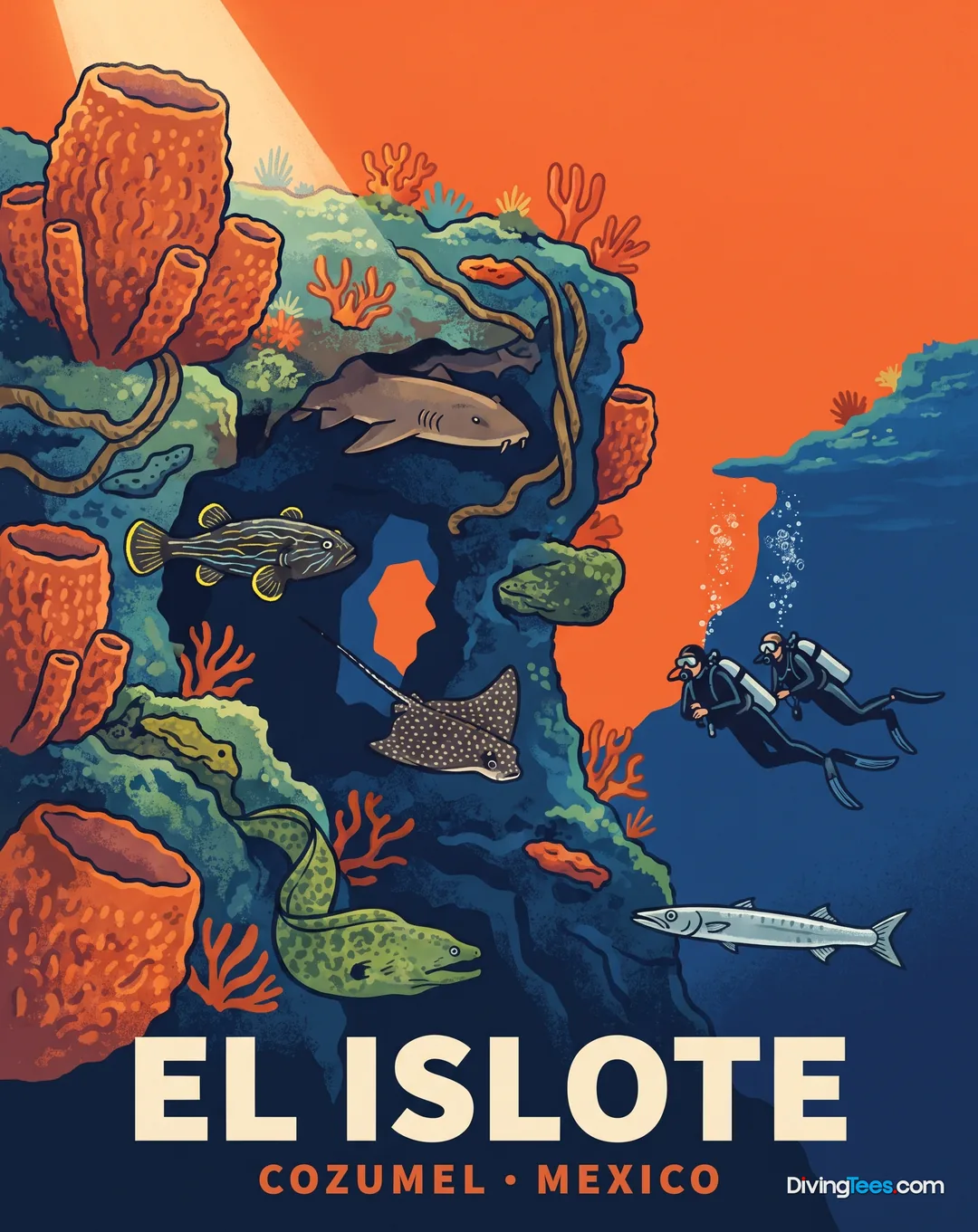
Beneath the coral heads and in the sandy patches, you'll encounter a diverse resident population. Look for spiny lobster and various crabs tucked into crevices. Spotted moray eels and green moray eels are common, often peering out from their shelters. The sand bottom is home to southern stingrays and peacock flounders, which camouflage themselves effectively. Keep an eye out for octopus, reef squid, and the occasional sea horse, especially around the base of the coral formations.
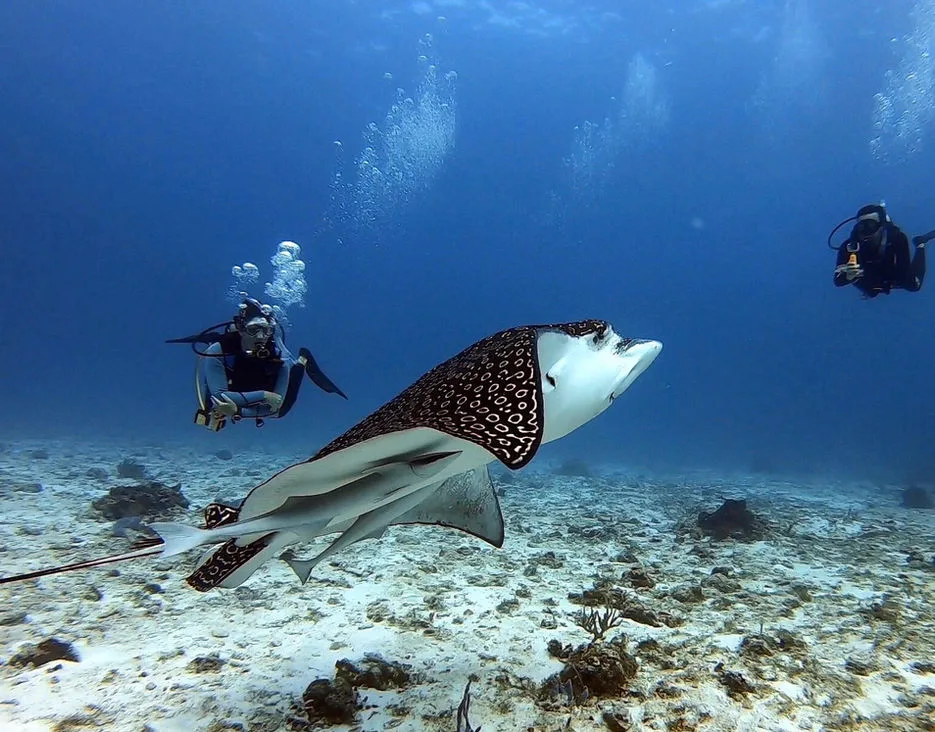
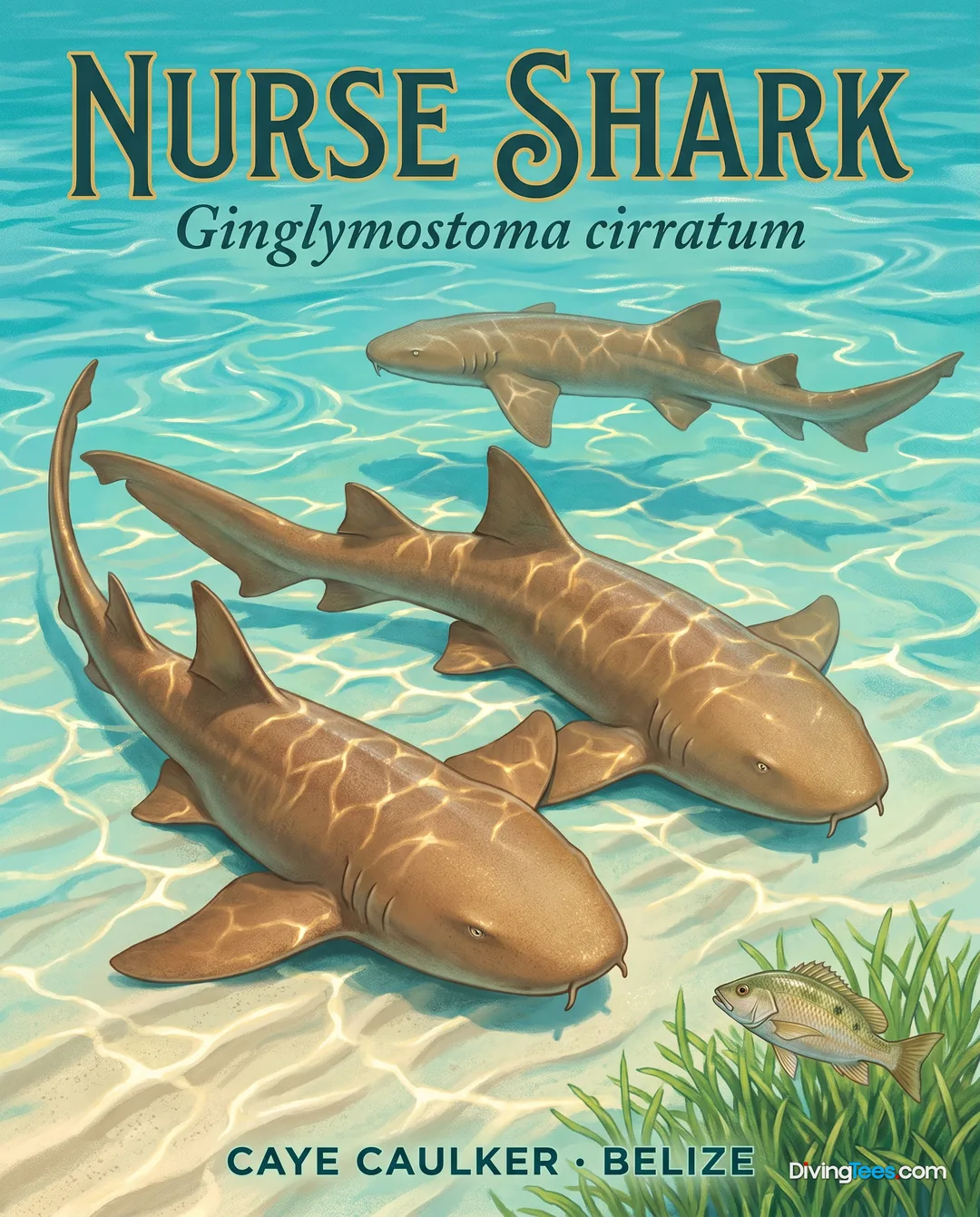
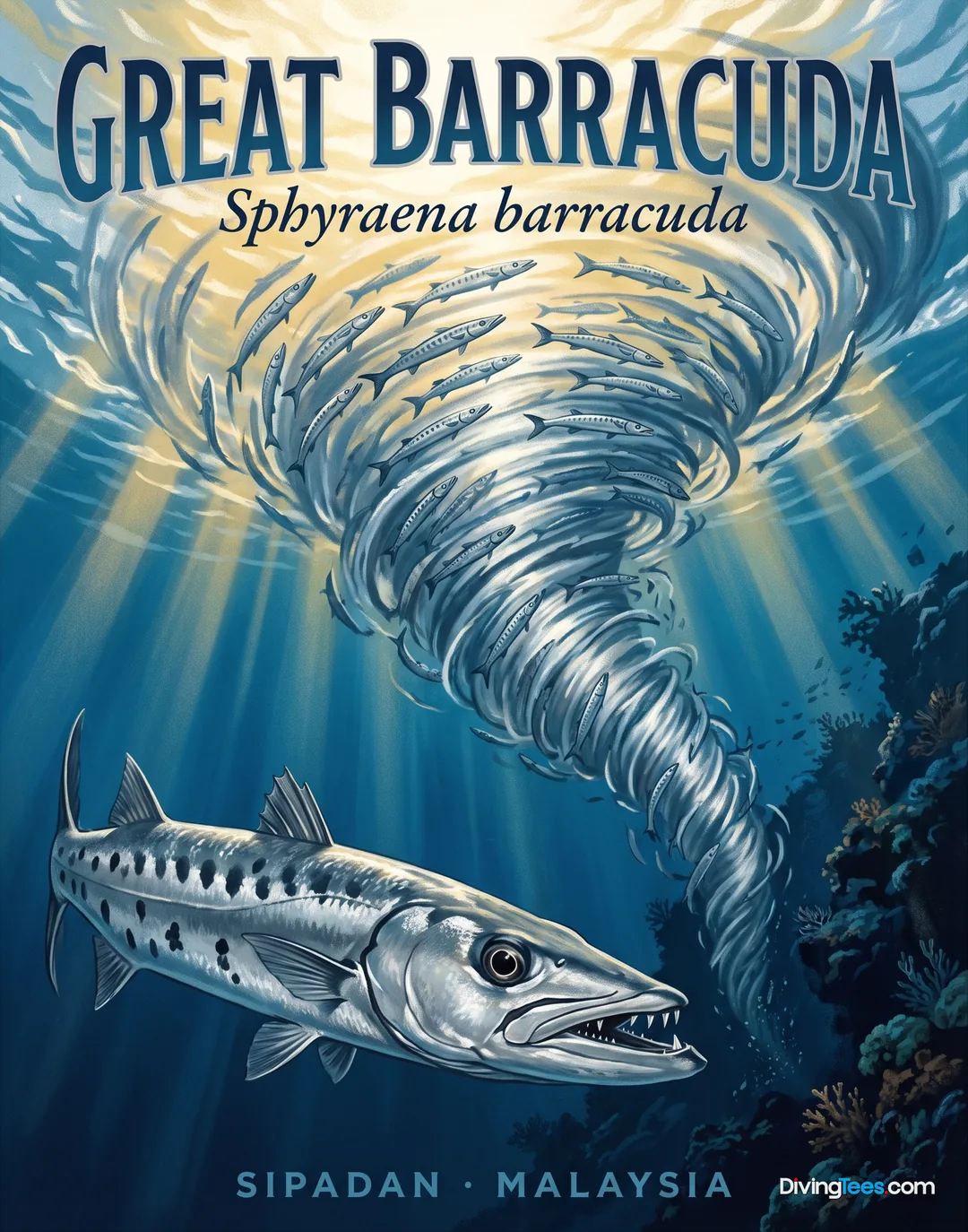
The open water around the bolones also hosts a range of larger fish. Barracudas are often seen cruising, while schools of grunt and snapper frequent the area. Triggerfish, queen angelfish, parrotfish, butterflyfish, and damselfish add vibrant colours to the reef. Nurse sharks are known to rest in quieter areas, and you might spot an eagle ray gliding gracefully by. Tarpon and jackknife fish also make appearances, often found near the more sheltered sections of the reef.
Chankanaab Bolones holds several distinctive features that set it apart. You’ll find remnants of an old boat, which has become a focal point for schooling grunts, providing an interesting backdrop for observation. There's also a cavern feature, inhabited by tarpon, marked with a warning sign where it transitions into a more extensive cave system. While tempting, respecting the warning and avoiding penetration into the deeper cave sections is essential for safety, ensuring your dive remains within recreational limits.
Beyond the natural beauty, the site includes an underwater statue of Christ and another of the Virgin of Guadalupe, offering unique photo opportunities and points of interest. These features, combined with the distinctive coral heads, create a landscape that is both ecologically rich and visually engaging. The occasional passing of the Atlantis tourist submarine adds a curious dimension, offering a fleeting glimpse of another world within your dive.
The unique structure of these isolated coral heads provides ample opportunities for both macro and wide-angle photography. The way each bolone supports its own community means you can spend time observing specific interactions, from the behaviour of a splendid toadfish hidden among the rocks to the intricate patterns of a scorpionfish. Filefish, cowfish, and trunkfish are also present, often blending into the reef environment, rewarding a careful eye.
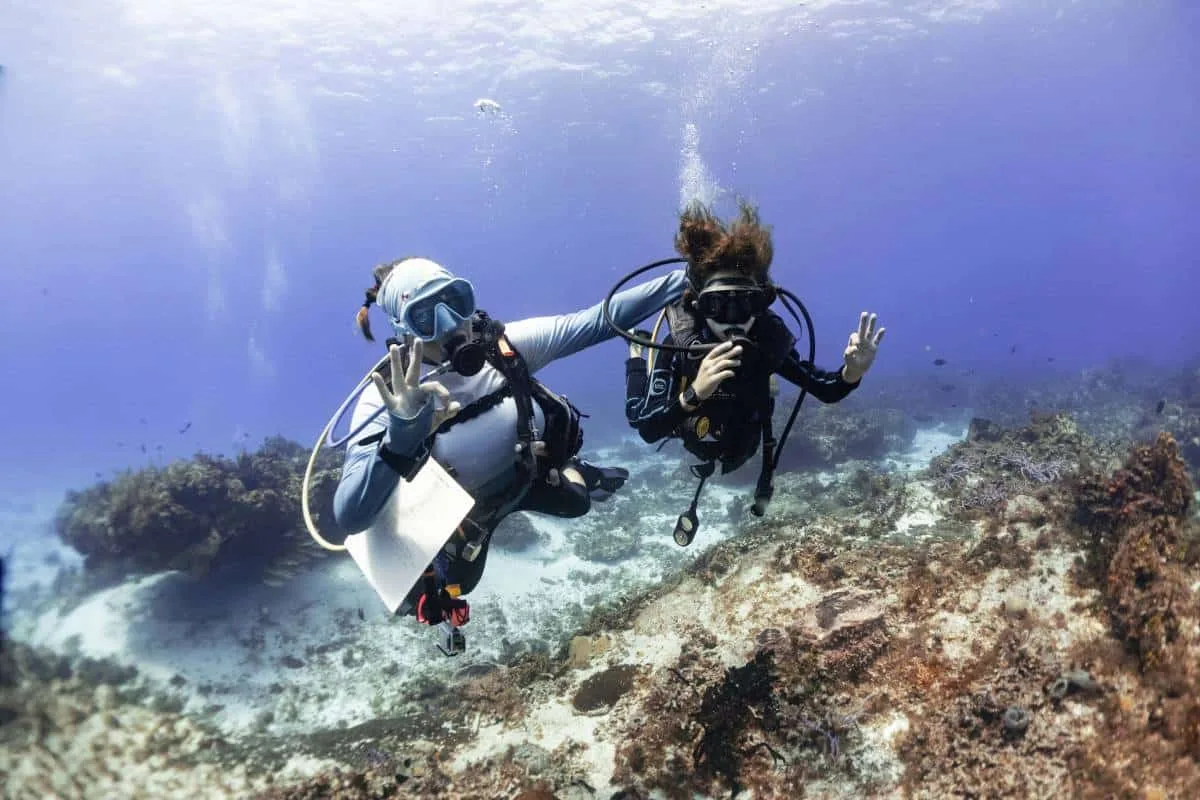
This site is accessible for Open Water divers comfortable with mild currents and maintaining good buoyancy around coral structures. Dive depths range from a minimum of 18 metres to a maximum of 24 metres. Currents are generally light and predictable, typically running north to south. Visibility here consistently ranges between 20 to 30 metres, offering clear views of the reef structure and marine life.
Chankanaab Bolones is accessible to Open Water divers who are comfortable with mild currents and can maintain good buoyancy around coral structures. Its drift profile and forgiving flow suit certified divers, provided you stay within recreational limits and respect the warning at the cavern where it transitions into a deeper cave system.
At Chankanaab Bolones, the exploration depth ranges from 18 to 24 metres. You descend onto a sandy platform with isolated coral heads rising from the bottom, while scattered coral blocks and an underwater canyon wall add structure to the route.
Currents at Chankanaab Bolones are generally light, predictable, and typically run north to south, making the site suitable for a relaxed drift dive. Strength and direction can shift with weather patterns and seasonal changes, but the flow is less intense than on Cozumel’s outer reefs.
At Chankanaab Bolones, you can look for nurse sharks, southern stingrays, eagle rays, moray eels, octopus, barracudas, grunts, and snapper around isolated coral heads. The site also features an old boat, a tarpon-inhabited cavern, and underwater statues of Christ and the Virgin of Guadalupe.