
Mar Adentro Diving
Google 4.9/5 (506 reviews)
Mahahual · Mexico · Americas
Max. depth · 30 mDescend into the untouched marine biosphere of Banco Chinchorro, where coral formations meet shipwrecks, some dating back to the 1600s.
For subtitles in English: start the video firstthen click the gearat the top right of the video, select “Subtitles/CC”, then “Auto-translate” and choose “English”.
Banco Chinchorro stands as the largest coral atoll in the Northern Hemisphere, an isolated reef system that hosts some of the most intact coral ecosystems in the Caribbean. Designated a UNESCO Biosphere Reserve, this expansive atoll covers 800 square kilometers, with less than one percent of its surface emerging from the water as three small cays. The dive profile here often involves transitioning from these shallow, fringing reefs to deeper sections, offering diverse environments from sandy plains to vibrant coral structures.
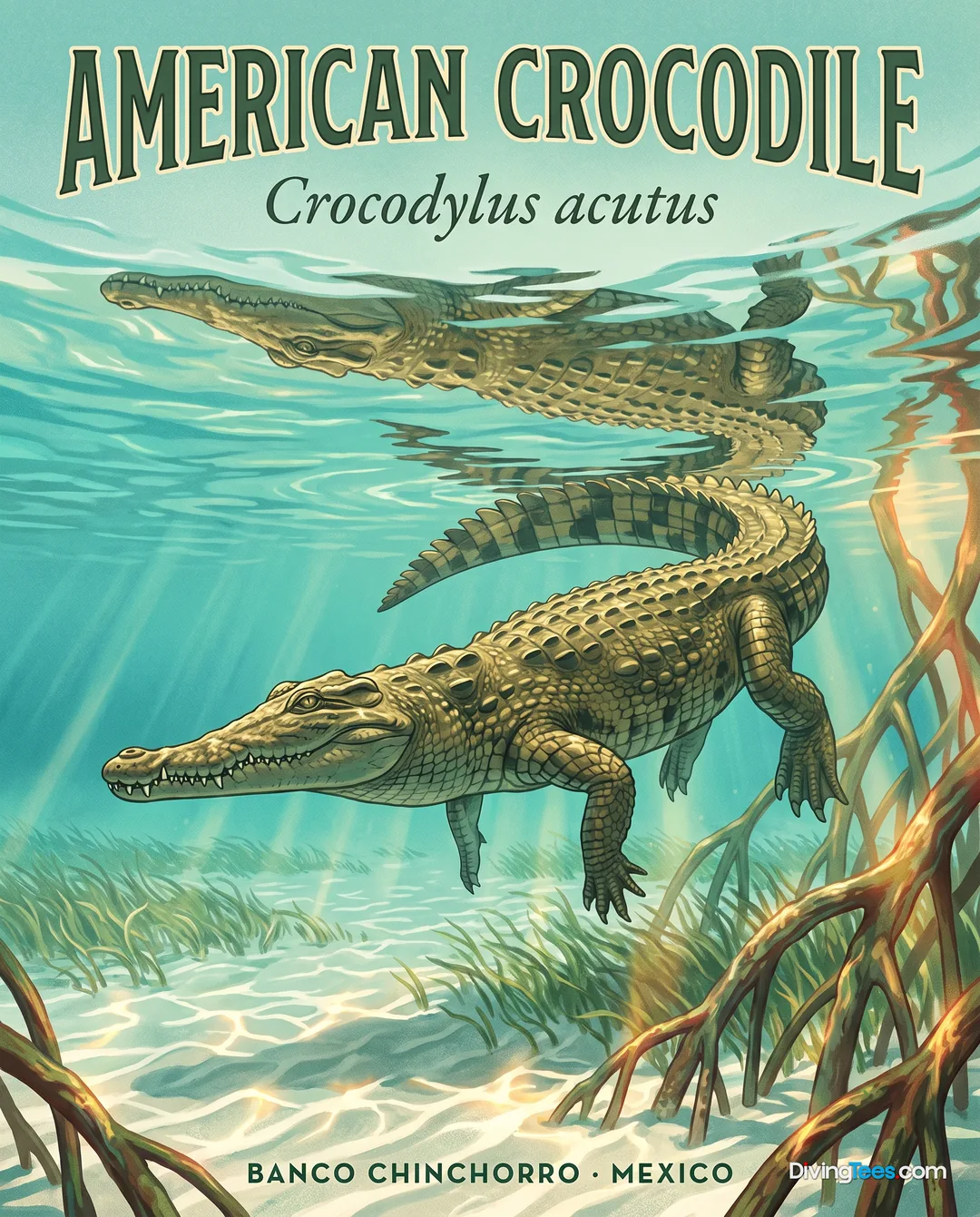
The topography of Banco Chinchorro is defined by a ring of coral surrounding a shallow, five-meter deep inner lagoon. While the cay areas are known for American crocodiles (Crocodylus acutus) in their mangrove habitats, divers will primarily encounter the rich marine life of the reefs and open water. The outer reef slope transitions from intricate coral formations to vast sandy areas, providing a habitat for a variety of species, including turtles, eagle rays (Aetobatus narinari), moray eels, and garden eels.
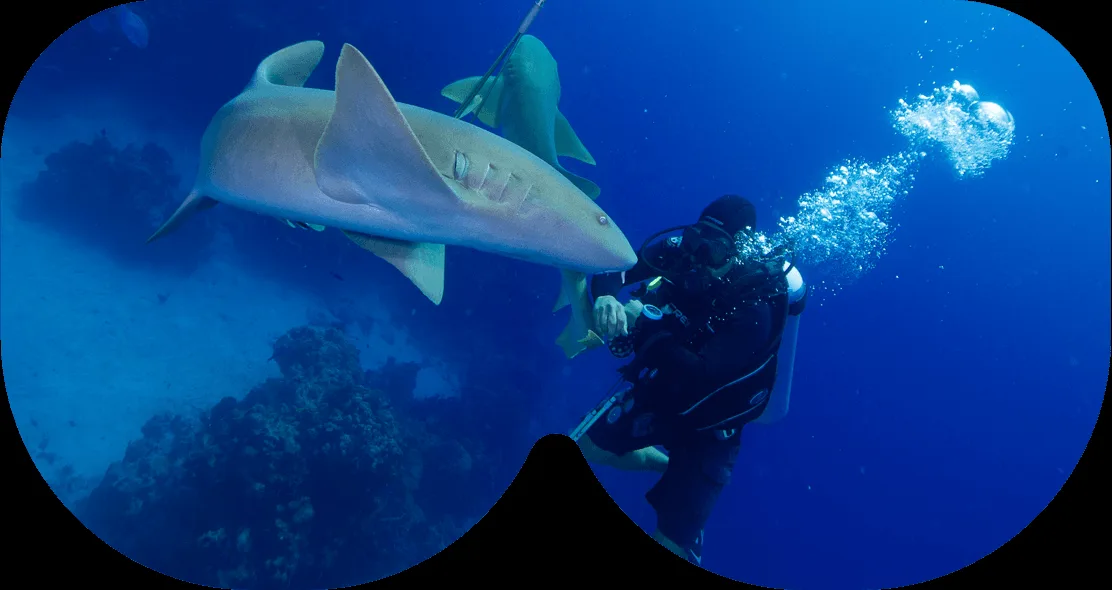
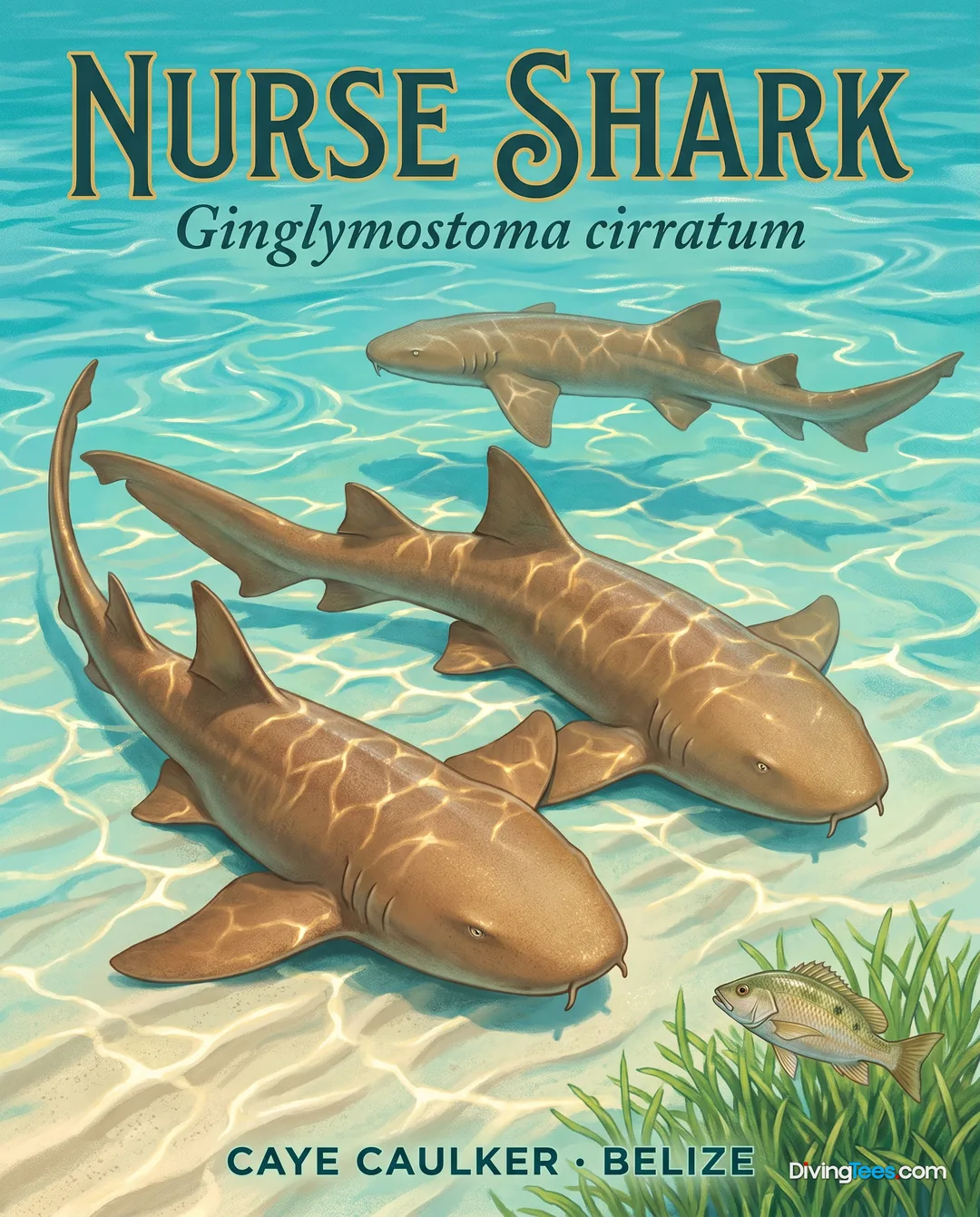
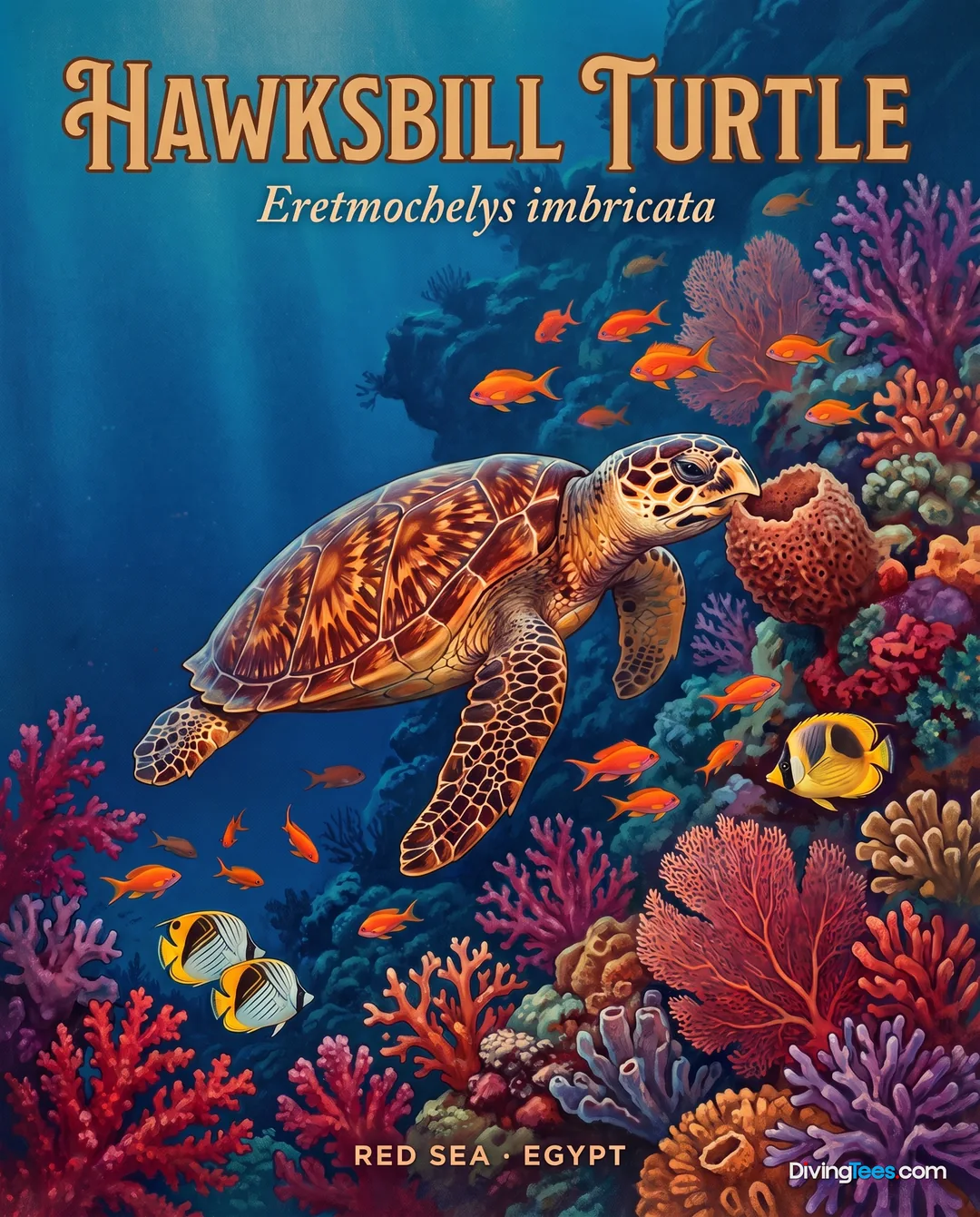
Below the surface, the atoll’s structure allows for varied dive experiences. You can find yourself gliding over extensive sand flats dotted with low reef mounds where marine life aggregates. This environment is particularly conducive to observing species like green sea turtles (Chelonia mydas), loggerhead sea turtles (Caretta caretta), hawksbill sea turtles (Eretmochelys imbricata), and nurse sharks (Ginglymostoma cirratum), which are often found resting near the coral heads.
What truly distinguishes Banco Chinchorro are its numerous shipwrecks. This location is a marine archaeological sanctuary with 69 registered sites, including 18 historical wrecks from the 17th and 18th centuries, alongside more contemporary vessels. Some of these wrecks are visible just below the surface, while others rest in shallow waters, providing accessible and compelling exploration for divers. The preserved nature of these sites offers a unique window into maritime history, making each wreck dive a journey through time.
Diving here exposes you to an abundance of coral species, close to 100 variations, as well as sponges and anemones. These structures create complex habitats that support over 200 species of fish, 104 species of crustaceans, and 104 species of molluscs. The sheer biodiversity in this protected environment means you are likely to encounter a broad spectrum of Caribbean reef inhabitants, from the smallest invertebrates to various pelagic visitors.
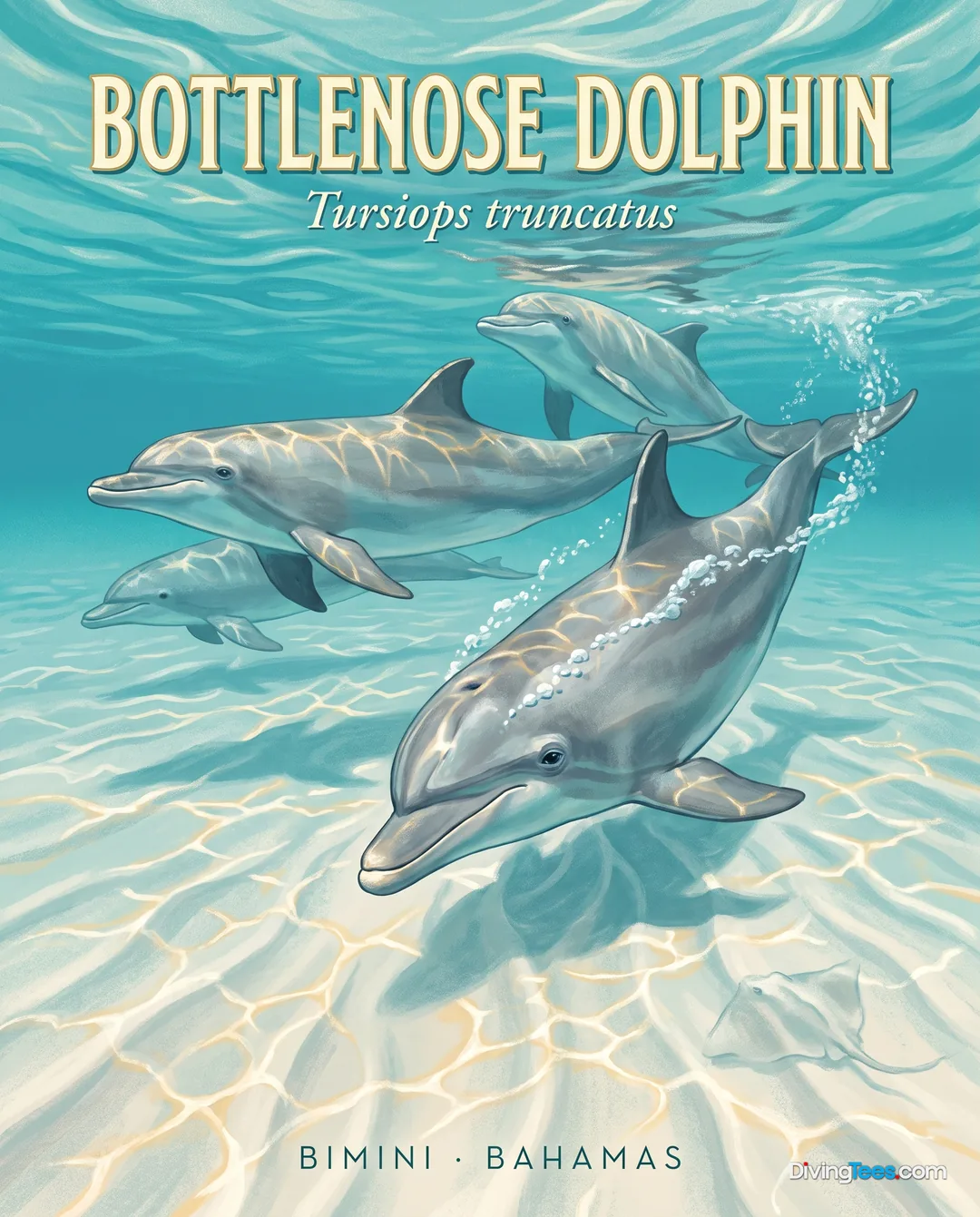
While the focus is often on the reefs and wrecks, the diverse ecosystem also supports larger marine animals. You may encounter up to six different shark species, including the resident nurse sharks, as well as occasional sightings of false killer whales (Pseudorca crassidens) and dolphins (Delphinus delphis). These encounters highlight the healthy, vibrant nature of Banco Chinchorro as a truly remote and protected marine environment.
The isolated nature of Banco Chinchorro, located far off the coast, plays a significant role in maintaining its pristine condition. This distance means fewer disturbances and a more intact ecosystem compared to more accessible reef systems. The visibility typically ranges from 20 to 30 metres, offering clear views of both the intricate reef life and the historical shipwrecks. The prevailing calm conditions generally ensure comfortable diving throughout the year, adding to the appeal of this unique atoll.
Dive depths at Banco Chinchorro range from 5 to 30 metres. The site is accessible to certified divers, implying an Open Water Diver certification as a minimum. Visibility generally holds between 20 to 30 metres, with calm conditions prevailing for most of the year. The best period for diving Banco Chinchorro is year-round, offering consistent conditions.
You can dive Banco Chinchorro year-round, with consistent conditions and calm conditions prevailing for most of the year. Visibility generally ranges from 20 to 30 metres, giving you clear views across the reefs, sandy areas, coral structures, and historical shipwrecks. The atoll’s remote location contributes to its protected marine environment.
Banco Chinchorro is accessible to certified divers, with Open Water Diver certification implied as the minimum level. You should be prepared for varied environments, because dives may transition from shallow fringing reefs to deeper sections. The atoll includes sandy plains, coral formations, shallow lagoon areas, and outer reef slopes.
At Banco Chinchorro, dive depths range from 5 to 30 metres. You may explore the shallow, five-metre-deep inner lagoon, fringing reefs, sandy plains, coral structures, and deeper sections of the reef system. Shipwrecks are found just below the surface and in shallow waters, offering accessible exploration at different depths.
While diving Banco Chinchorro, you can see intact coral reefs, shipwrecks, sponges, anemones, and a wide range of Caribbean marine life. Possible encounters include green, loggerhead, and hawksbill turtles, eagle rays, moray eels, garden eels, nurse sharks, dolphins, and many reef fish among the coral formations.