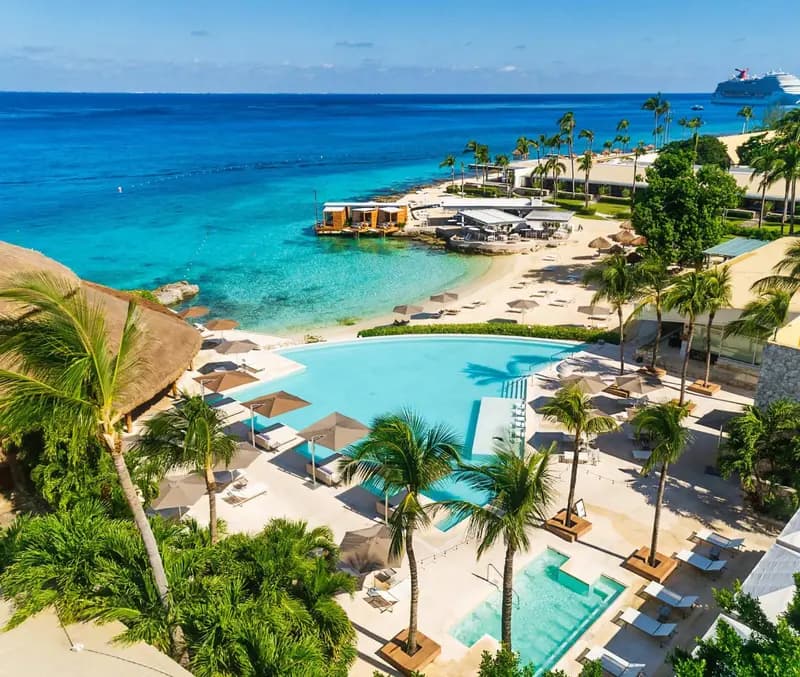
Presidente InterContinental Cozumel Resort & Spa by IHG
★★★★★
★ 9.3/10 (1,117 reviews)
21 km away as the crow flies
Dive centre · Riviera Maya · Mexico
4.9494 Google reviewsExperience the clarity of the Mayan jungle through professional cave and reef diving with a team established in Playa del Carmen since 1990.
For subtitles in English: start the video firstthen click the gearat the top right of the video, select “Subtitles/CC”, then “Auto-translate” and choose “English”.
Located on 1st Avenue between calles 22 and 24 in Playa del Carmen, Tank-Ha Dive Center has been a fixture of the local diving community since 1990. They specialise in the dual nature of the region's diving, balancing the ethereal, freshwater environments of the jungle cenotes with the more dynamic, salt-water reef systems of the Caribbean.
As a 5-star PADI and SDI affiliated centre, the team focuses on a personalised approach to diving. They maintain a strict ratio of a maximum of four divers per guide, ensuring that every excursion is tailored to your specific experience level and confidence.
The staff are fluent in both English and Spanish, providing clear communication for international divers. Rather than relying on automated systems, the team is based directly at the centre and is available via email, WhatsApp, or telephone to assist with trip planning and logistics.
Tank-Ha offers a comprehensive range of training through both PADI and SDI. For those new to the water, they provide Discover Diving and PADI Bubblemaker for younger divers aged 8 to 9, leading up to full Open Water Certification.
Experienced divers can progress through Advanced Open Water, Deep Diver, and Rescue Diver courses, or work towards professional levels such as Divemaster. They also offer specialised SDI Deep Adventure training and Enriched Air (Nitrox) courses to help you manage your gas planning more effectively.
The centre provides full equipment hire for those not travelling with their own kit, featuring high-quality brands such as Apeks, Zeagle, Scubapro, Suunto, and Cressi. For those looking to extend their bottom time, Nitrox is available and provided at no extra cost to certified Nitrox divers.
On-site facilities include comfortable areas for divers to prepare, and snacks and water are provided during excursions to keep you hydrated between dives.
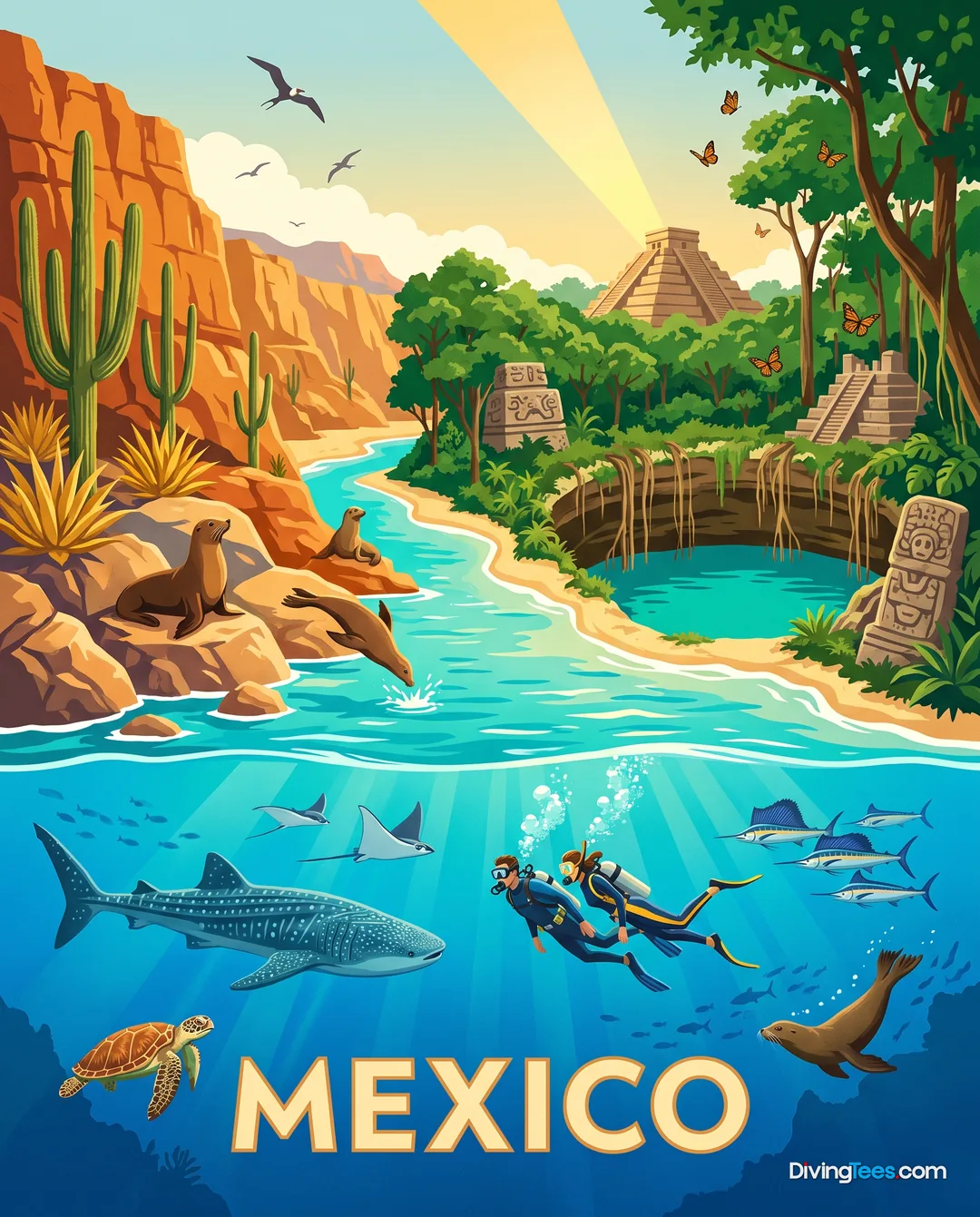
Dos Ojos is a classic cenote site where you can experience cathedral light beams and wide passages. It is an intermediate-level site with exceptional visibility in the cavern zone, often featuring stunning sun columns in the mid-morning.
Barracuda Reef offers an open-ocean experience with depths between 18 and 28 metres. This site is suited for advanced divers due to the potential for moderate to strong currents and the presence of reef jacks and schooling fish.
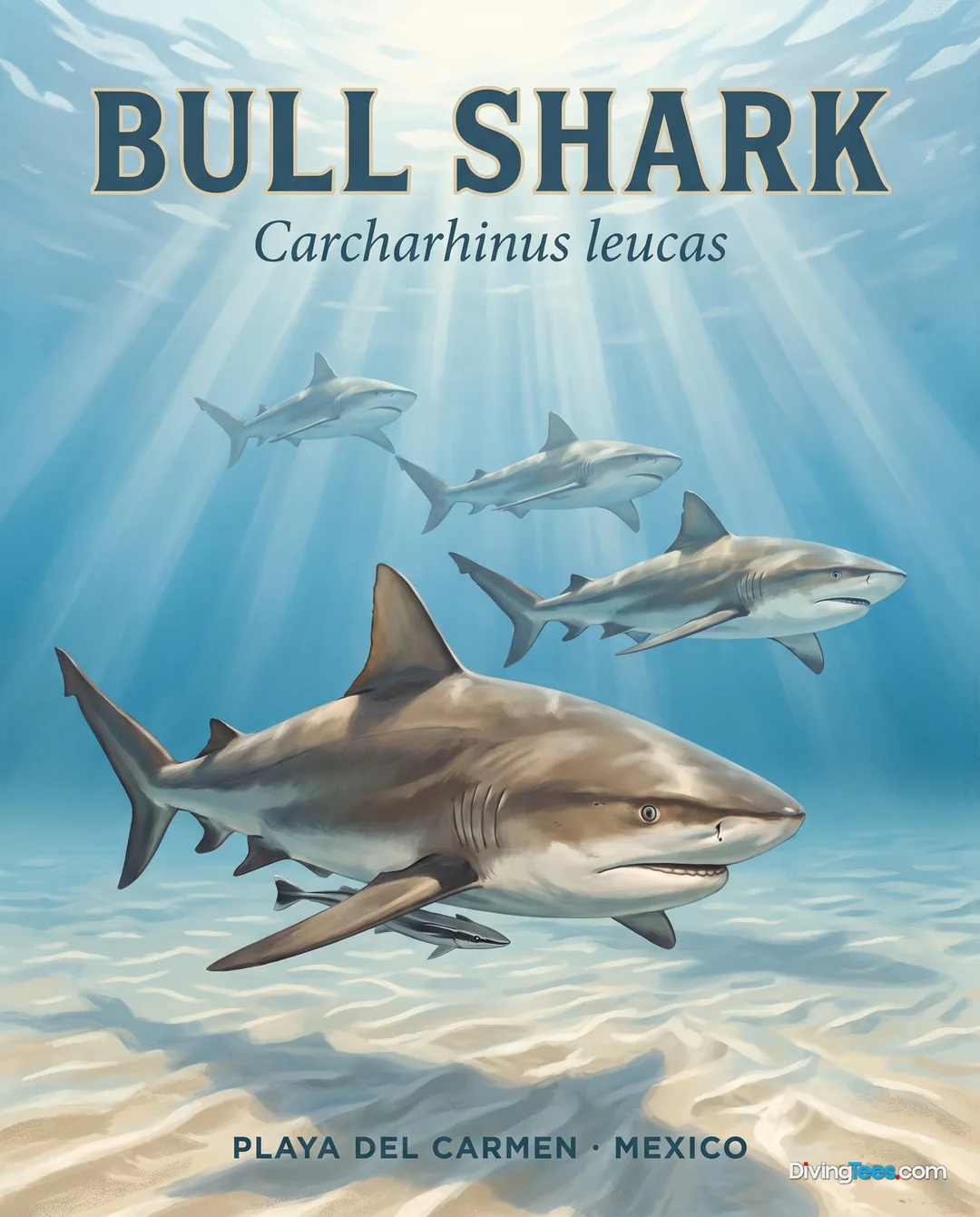
Shark Point provides a unique opportunity to observe bull sharks (Carcharhinus leucas) in their natural habitat. This is an advanced dive where you descend by a fixed line to a sandy observation area, followed by a second dive on a shallower nearby reef.
Casa Cenote is a beginner-friendly site where freshwater meets the sea amidst mangrove-lined shallows. It is an ideal location for refreshers or your first open-water experience, offering the chance to see the halocline where the two water layers meet.
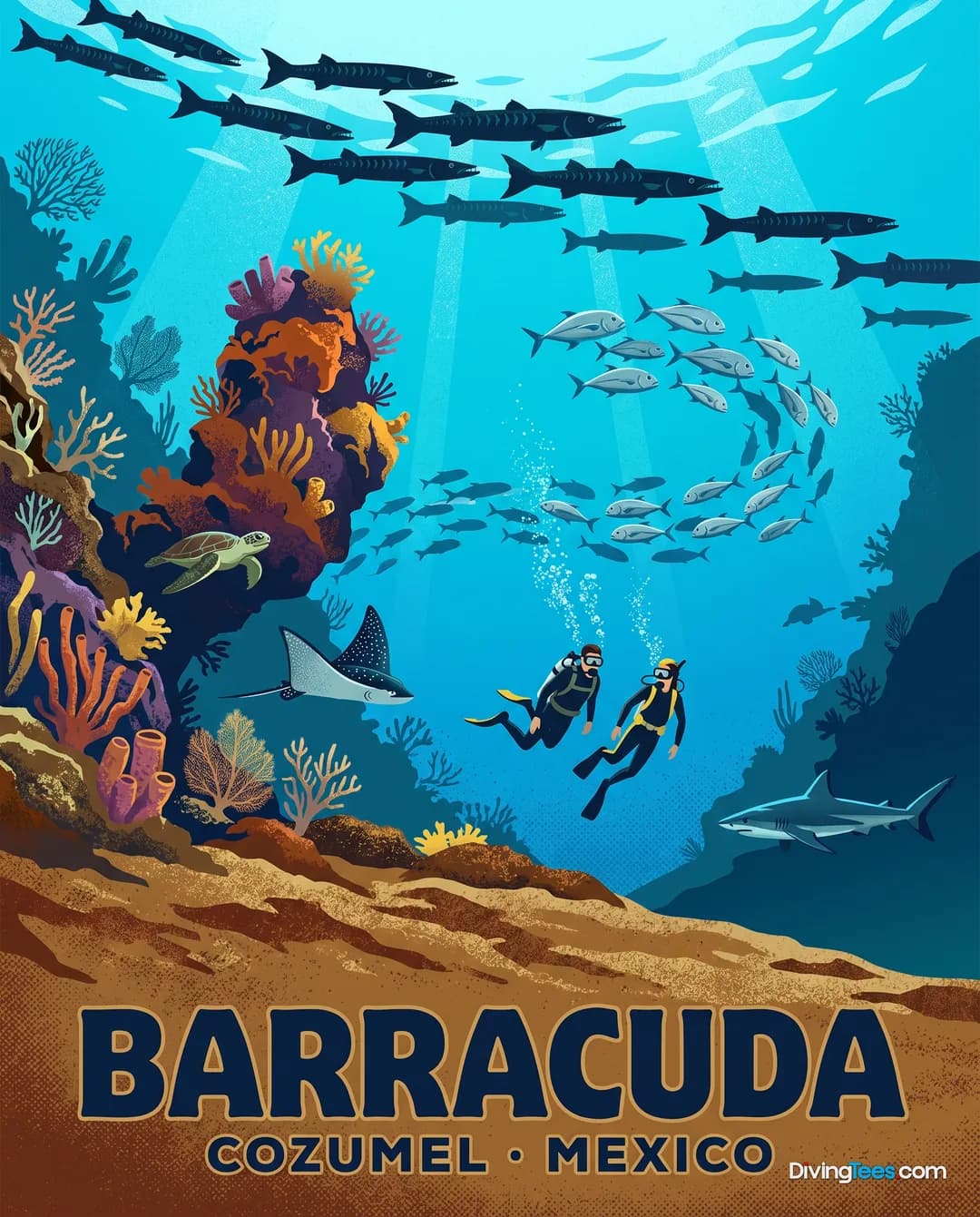
down to 40 m
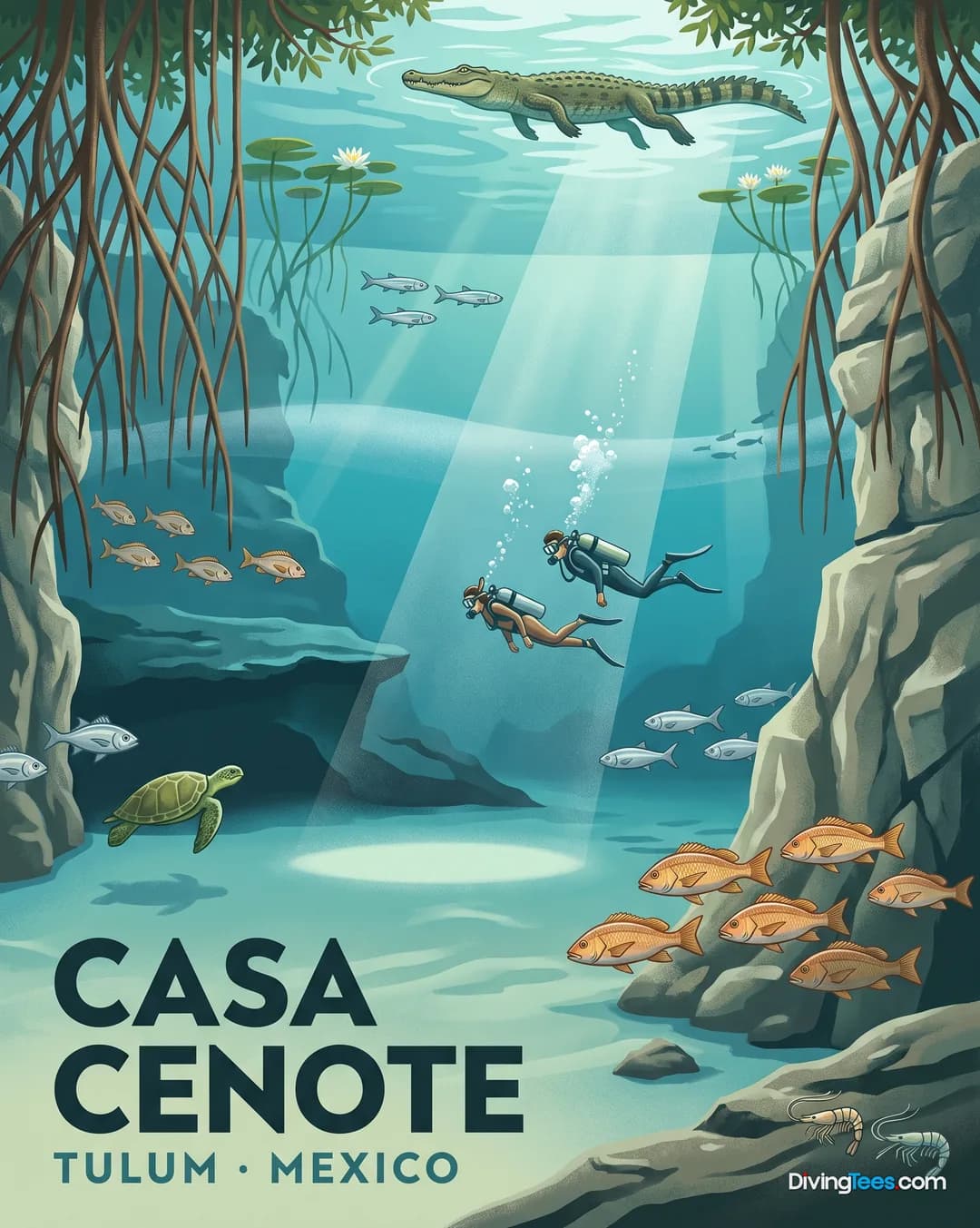
down to 12 m
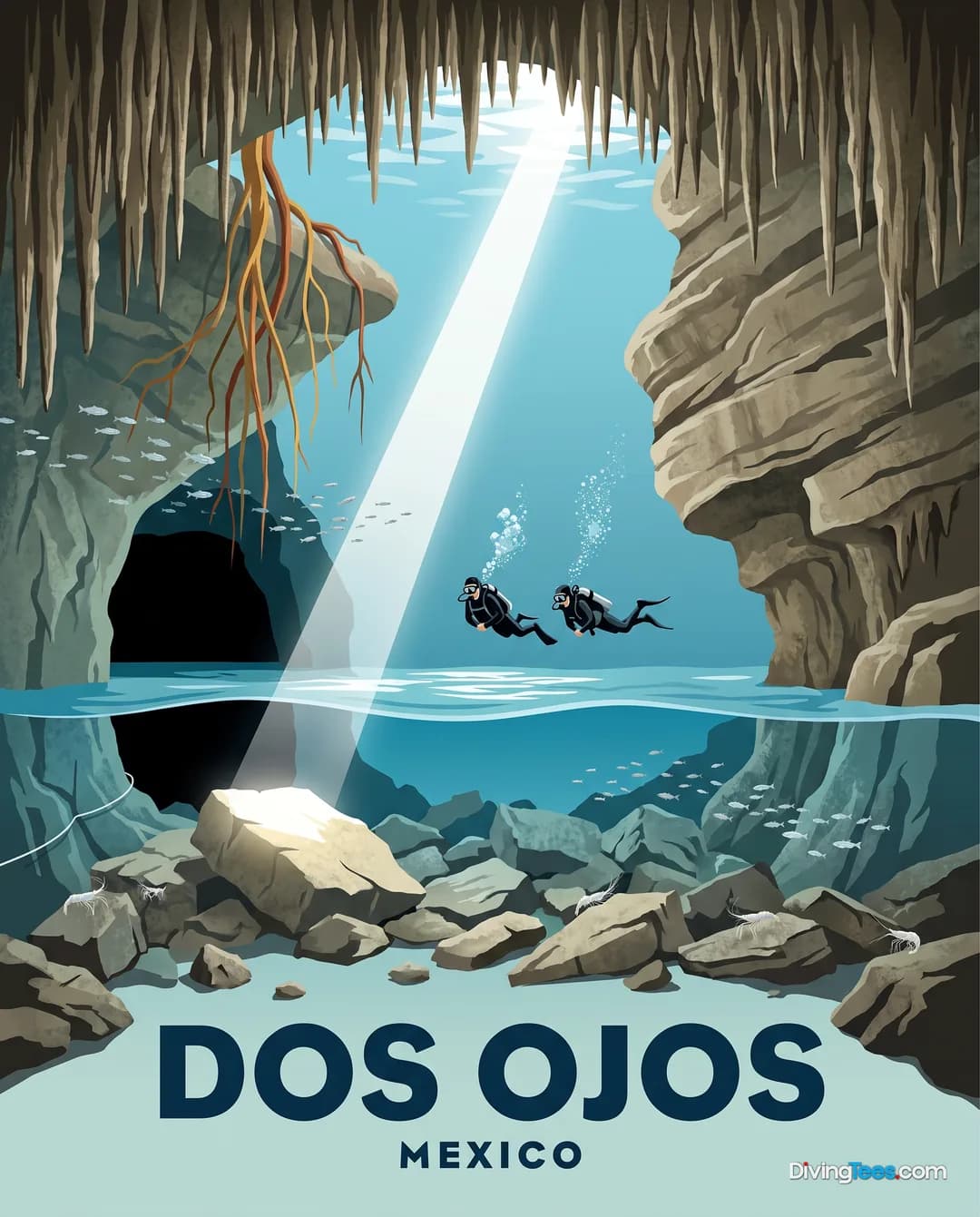
down to 17 m
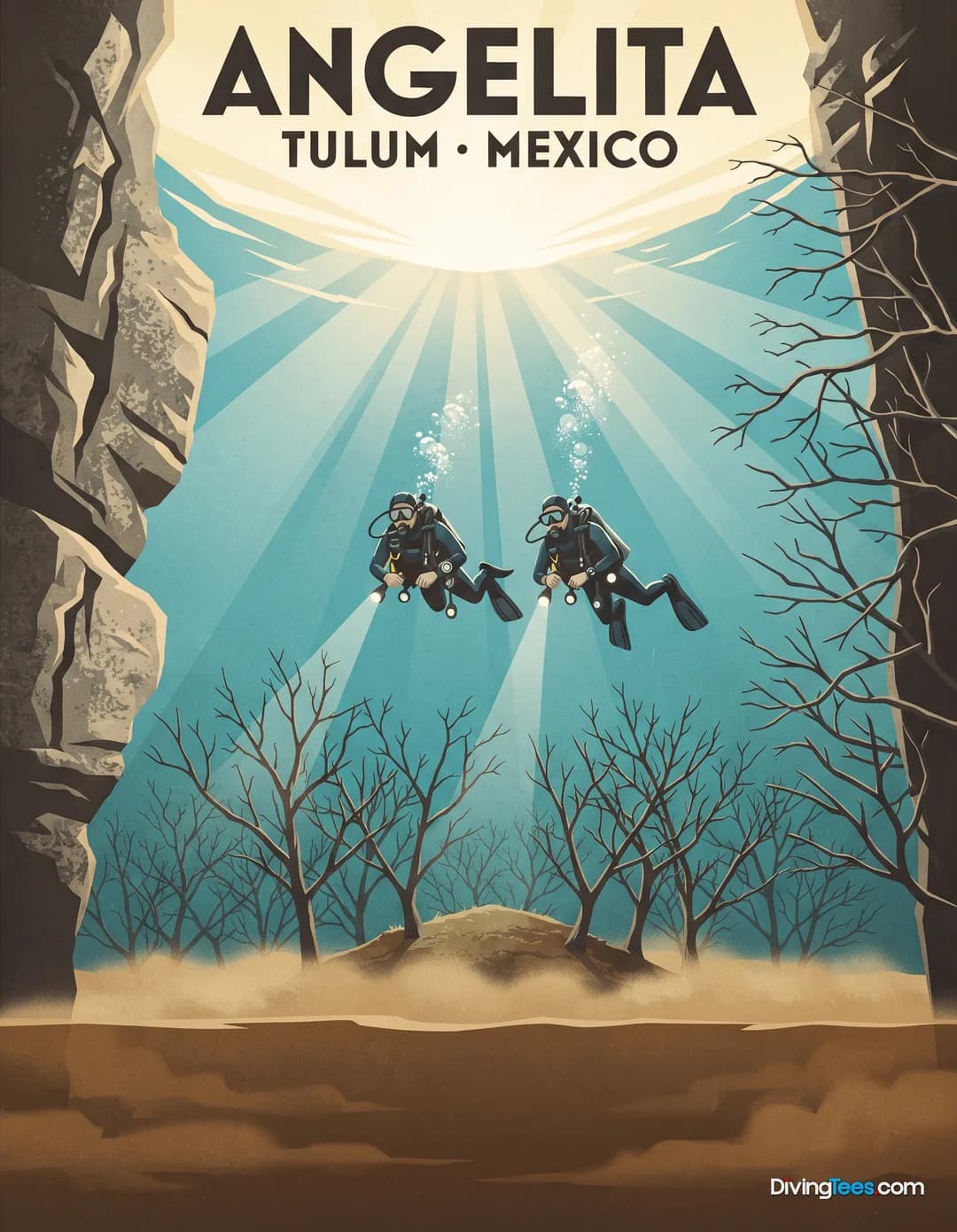
down to 30 m
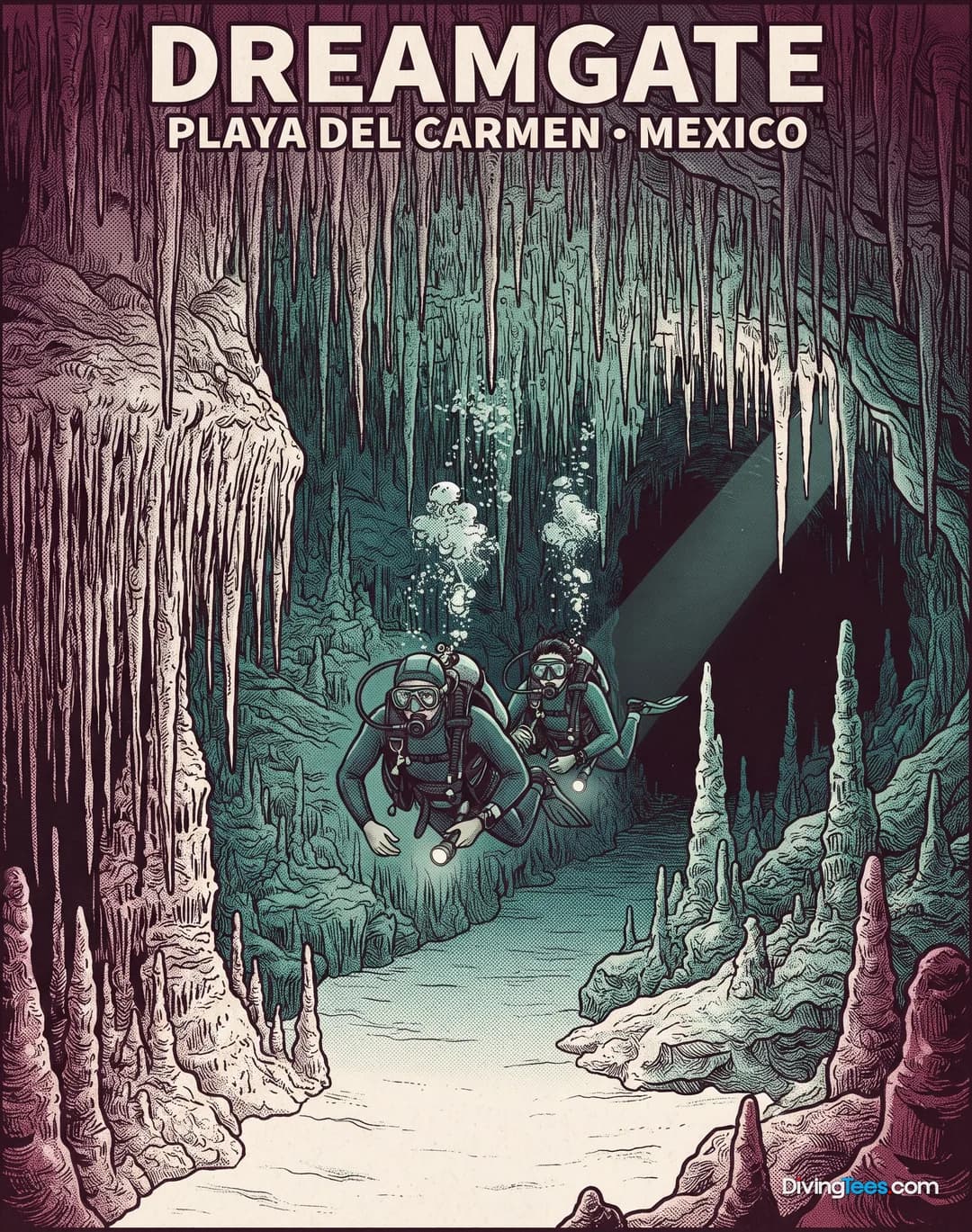
down to 9 m
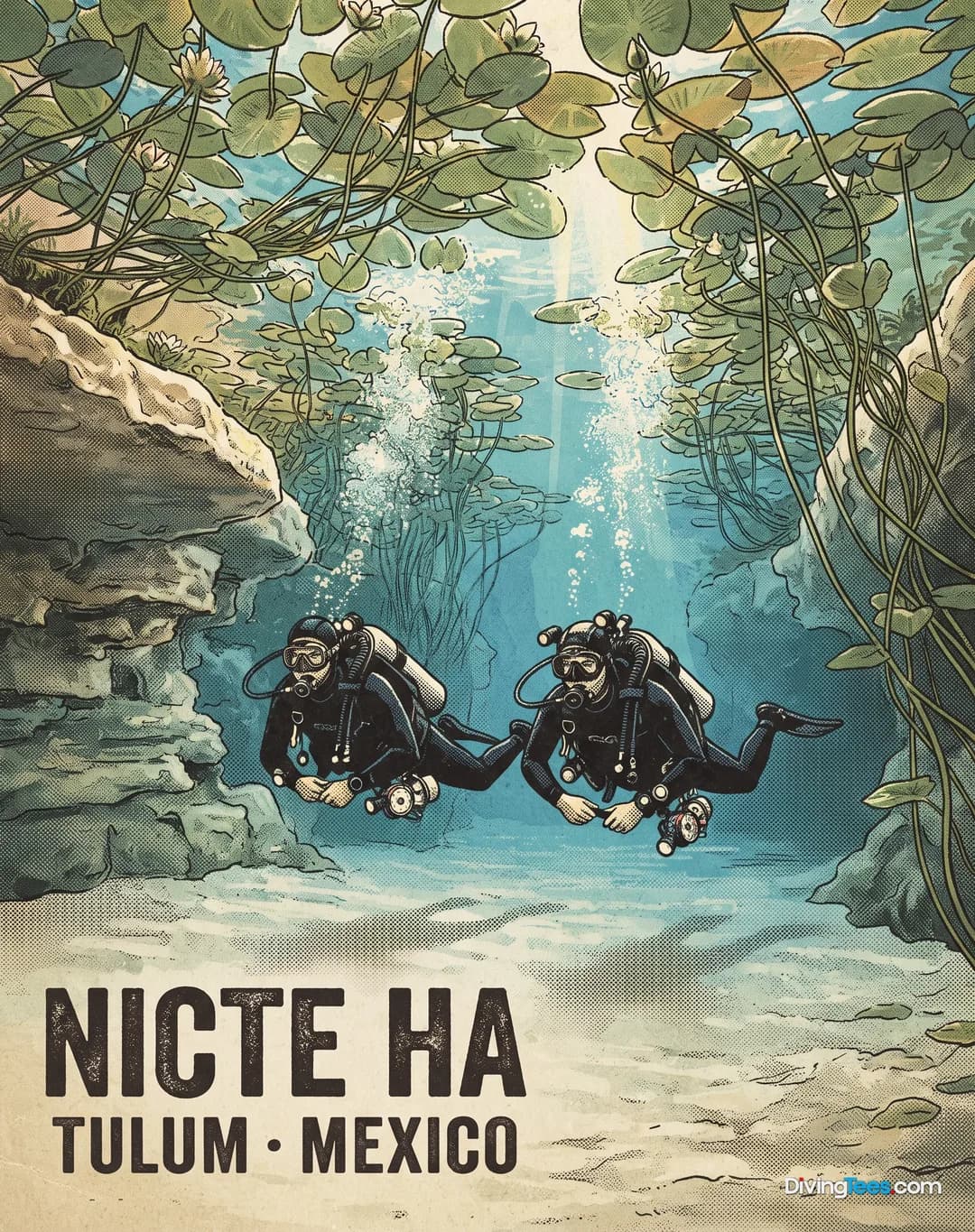
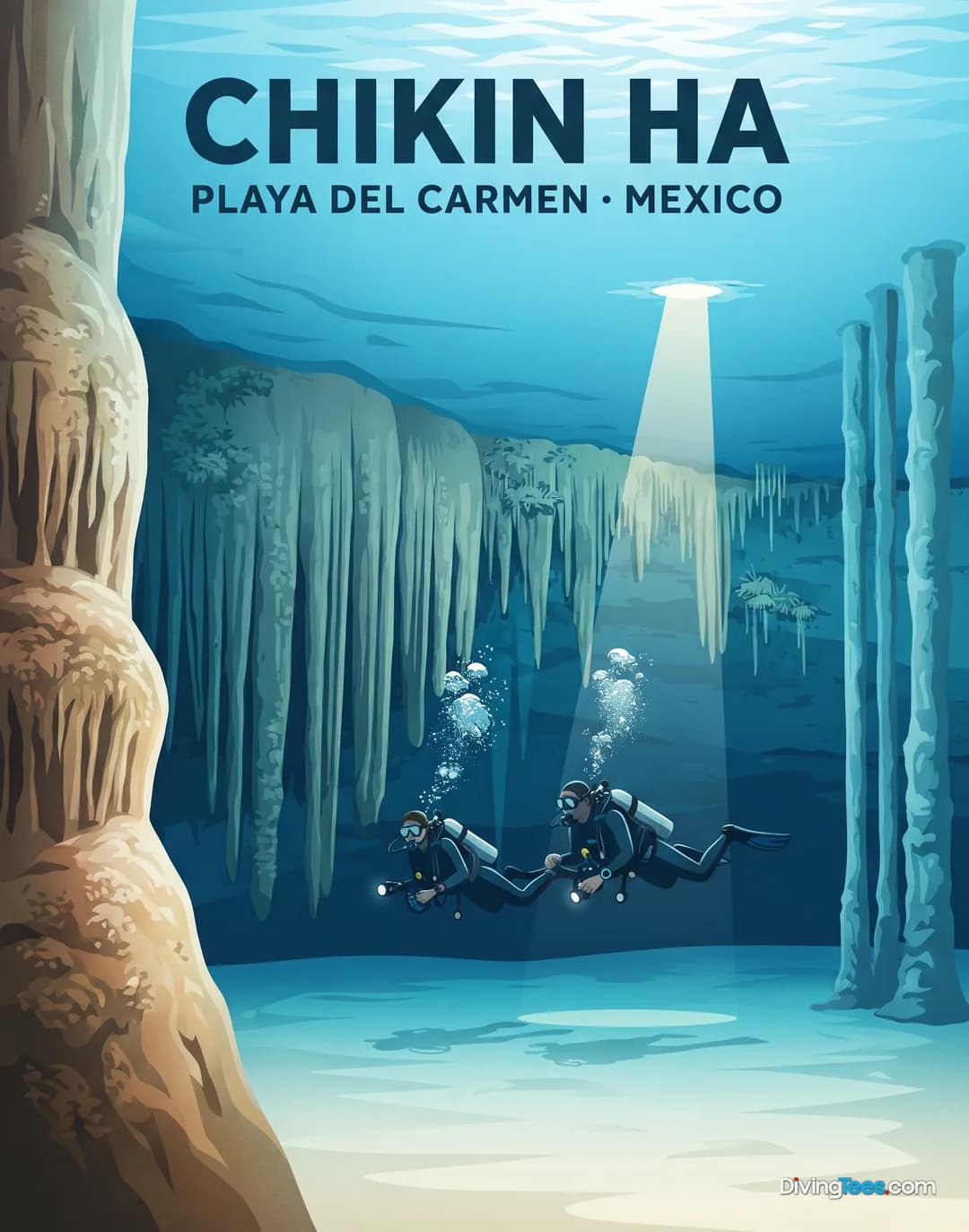
down to 15 m
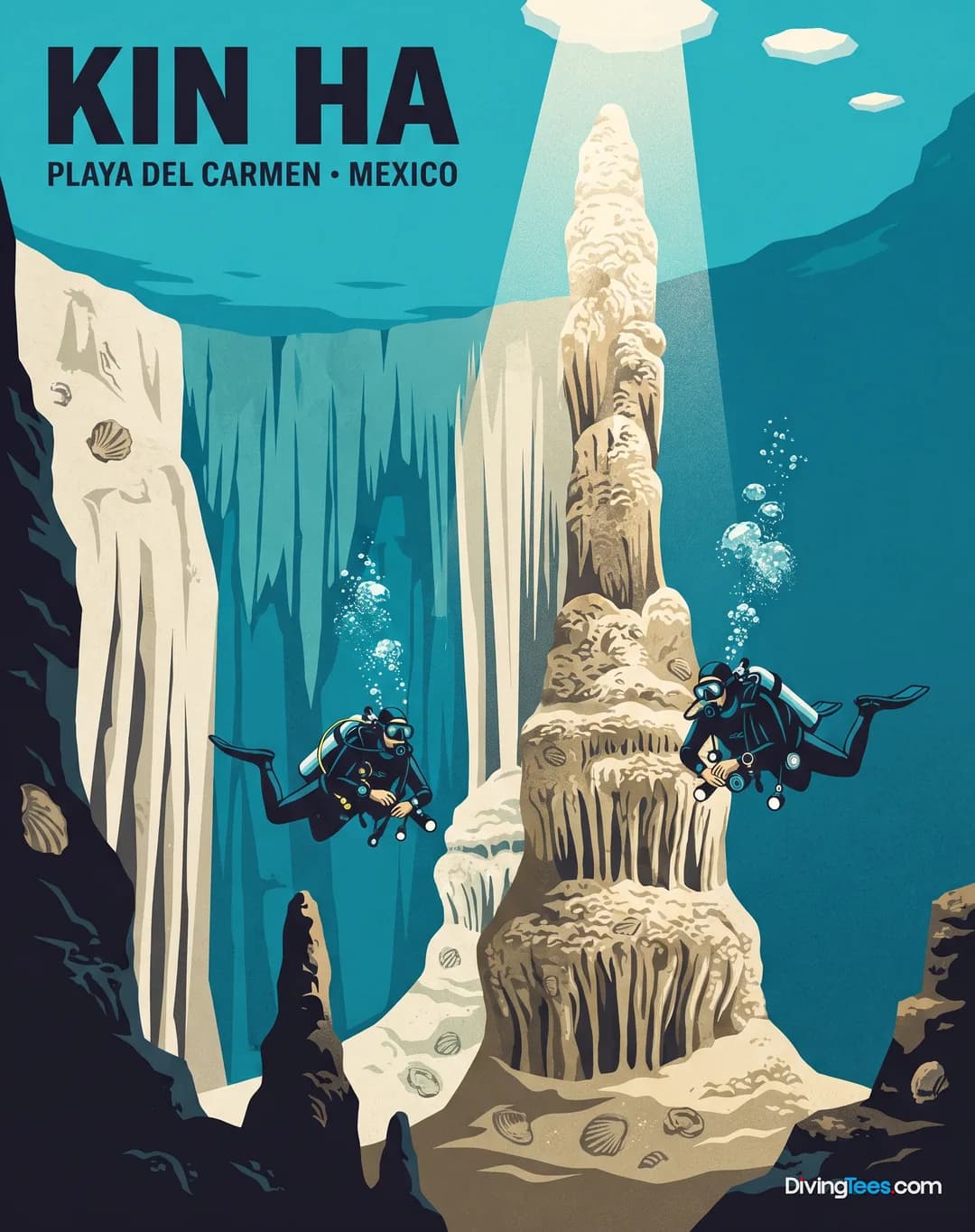
down to 30 m
And some of the dive sites the centre runs.
The reef systems and cenotes host a vast array of marine life. You will encounter various species including snapper (Lutjanus), sea turtles (Cheloniidae), and diverse reef fish. In the open ocean, look for schooling fish, reef jacks, and occasionally larger pelagics.
Macro life is abundant for those with a keen eye, including octopus (Octopus vulgaris), various crustaceans, and shrimp (Caridea). You may also spot nudibranchs (Chromodoris willani) and seahorses (Hippocampus kuda) amongst the more intricate parts of the reef and cave structures.
For those visiting between mid-November and mid-February, bull sharks (Carcharhinus leucas) can be observed at Shark Point. If you are in the area between mid-May and mid-September, you may also encounter whale sharks during their seasonal migration.
Diving conditions vary significantly between the two main environments. Cenotes are generally characterised by still water with no current, providing a stable environment for cavern exploration.
In contrast, the open-ocean reefs can experience moderate to strong currents. The ocean can also become wavy during whale shark season, which is an important factor to consider when planning your boat trips.
Hello, I'm Marina, DivingDeal.com's AI assistant. I answer in detail about hotels, dive centres and liveaboards.

Thinking about the whole trip and the flights? Talk it over with Edith →
Marina is an AI. Some links are affiliate links: DivingDeal may earn a commission, at no extra cost to you. Bookings are made with the partner.
★★★★★
★ 9.3/10 (1,117 reviews)
21 km away as the crow flies
★ 9.2/10 (267 reviews)
18 km away as the crow flies
★★★★
★ 8.5/10 (955 reviews)
less than 1 km away as the crow flies

★★★
★ 8.6/10 (448 reviews)
18 km away as the crow flies