

Let's Dive Tulamben
Google 5/5 (2,215 reviews)
Bali · Indonesia · Asia
Descend into the exhilarating currents of Nusa Penida, Lembongan, and Ceningan, where steep walls and vibrant reefs host giant mantas, moonfish, and schools of pelagic life.
The islands of Nusa Penida, Lembongan, and Ceningan, accessible by a 50-minute boat ride from Bali, present a dive experience defined by their strong and often changing currents. These sites are predominantly wall and reef dives, with Nusa Penida generally featuring steeper drop-offs compared to Lembongan. As you descend, the dynamic nature of the water movement becomes immediately apparent, dictating the flow of your dive and leading to an exhilarating drift that unveils spectacular underwater scenery.
Visibility here is consistently good, often reaching 20 meters or more, allowing for expansive views of the underwater landscape. However, be prepared for sudden temperature changes caused by thermoclines, which can drop the water temperature significantly, adding another dimension to the dive experience. These thermoclines are often associated with the upwellings that bring nutrient-rich waters, attracting the larger marine life that makes these sites so renowned.
The strong and unpredictable currents at Nusa Penida, Lembongan, and Ceningan mean that all dives are drift dives, requiring a keen awareness of your surroundings and excellent buoyancy control. This constant flow sculpts the reef structures and supports a rich ecosystem, fostering dense schools of fish that shelter from the main current in the lee of the walls and bommies. Navigating these currents is part of the thrill, turning each dive into a dynamic exploration.
Along the reef walls and plateaus, you'll encounter extensive coral formations, including intricate coral whips that extend into the current, filtering nutrients. Keep an eye out for the delicate cypraea eggs, often nestled within crevices or attached to the host corals, a testament to the thriving micro-life of the reef. The health and abundance of these smaller creatures act as a magnet for larger predators, making the transition zones between current and shelter particularly active.
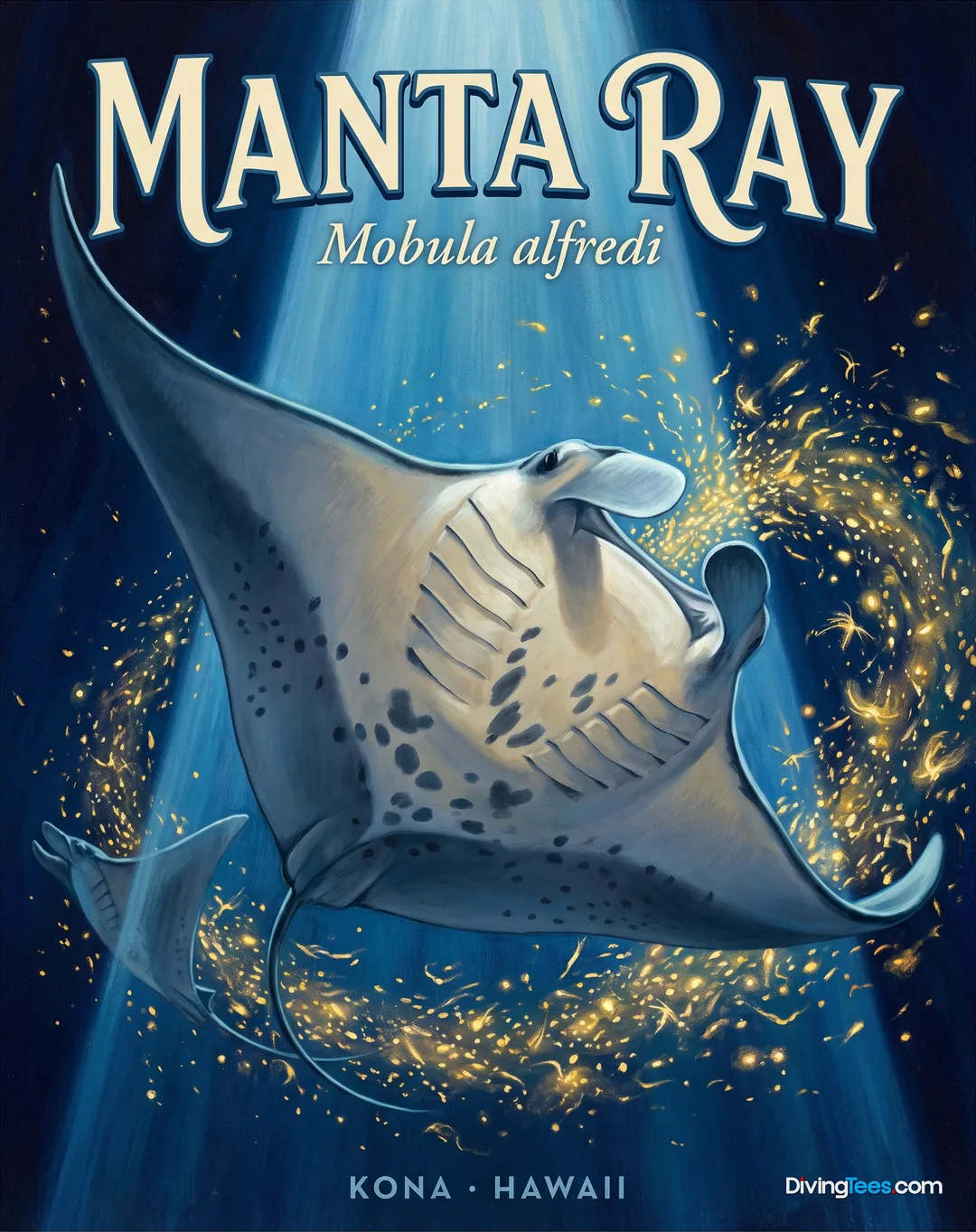
These currents also serve as highways for majestic pelagic species. Manta rays (Mobulidae) are a consistent presence, gliding effortlessly against the flow, often spotted at cleaning stations or feeding in the nutrient-rich waters. You might also encounter eagle rays (Myliobatidae) soaring gracefully past, alongside various shark species, adding an element of thrill to your dive. These regular encounters with significant marine life underscore the ecological importance of the area.
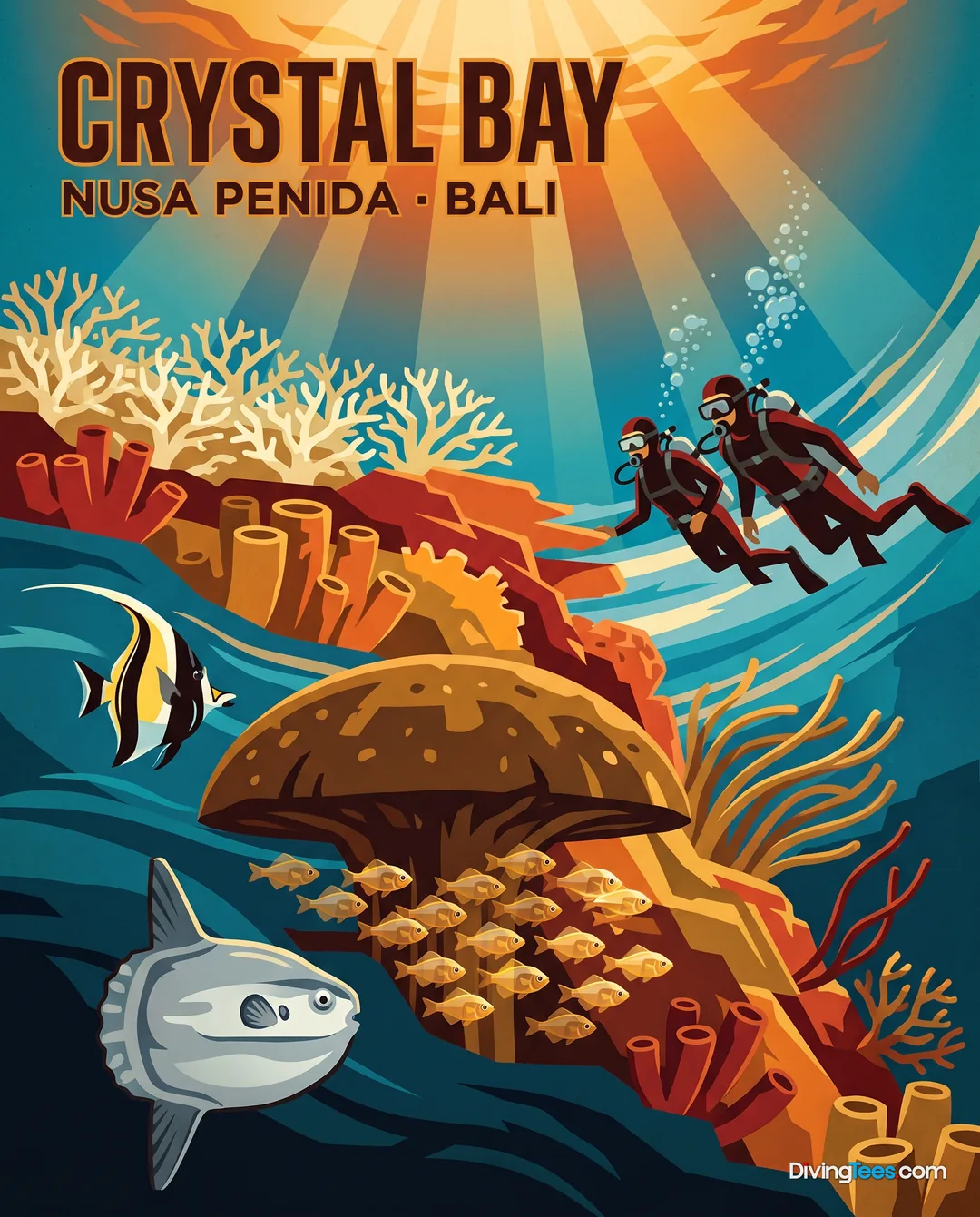
Further out and at varying depths, the possibility of encountering large pelagics continues to excite. Giant turtles (Cheloniidae) can be seen traversing the reef, often pausing to rest on ledges or feed on sponges. The elusive sunfish (Mola mola), or moonfish, are another draw card for these waters, typically making seasonal appearances at deeper cleaning stations. Observing these rare and magnificent creatures in their natural habitat is often a highlight of diving here.
Diving around Nusa Penida, Lembongan, and Ceningan is exclusively accessible from an advanced diving level due to the challenging and often strong to very strong, changing currents. All dives are drift dives, requiring experience with such conditions. Visibility is generally excellent, ranging from 20 to 45 meters, however, be prepared for potential thermoclines causing sudden temperature drops.
Moonfish, also called Mola mola, make seasonal appearances at deeper cleaning stations around Nusa Penida, Lembongan, and Ceningan. The surrounding waters also attract manta rays, eagle rays, sharks, and giant turtles, so you may encounter substantial marine life while exploring the reefs and walls.
You need an advanced diving level for Nusa Penida, Lembongan, and Ceningan. The sites involve strong, often changing currents, and every dive is a drift dive. You also need experience in moving water, keen awareness of your surroundings, and excellent buoyancy control to manage the conditions.
Expect strong to very strong, changing currents around Nusa Penida, Lembongan, and Ceningan. All dives are drift dives, with water movement directing the route and creating an exhilarating flow. Fish often shelter behind walls and bommies, while current-facing coral whips filter nutrients from the moving water.
You can explore steep walls, reefs, plateaus, and vibrant coral ecosystems, including coral whips and cypraea eggs. Encounters may include manta rays, eagle rays, sharks, giant turtles, and seasonal moonfish. Visibility is generally excellent, although thermoclines can cause sudden temperature drops during the dive.