Adventure Divers Bali
Google 5/5 (1,690 reviews)
27 km away as the crow flies
Bali · Indonesia · Asia
Max. depth · 26 mBlue Lagoon offers a dual character of sandy slopes and vibrant coral walls, teeming with diverse marine life for divers of all levels.
For subtitles in English: start the video firstthen click the gearat the top right of the video, select “Subtitles/CC”, then “Auto-translate” and choose “English”.
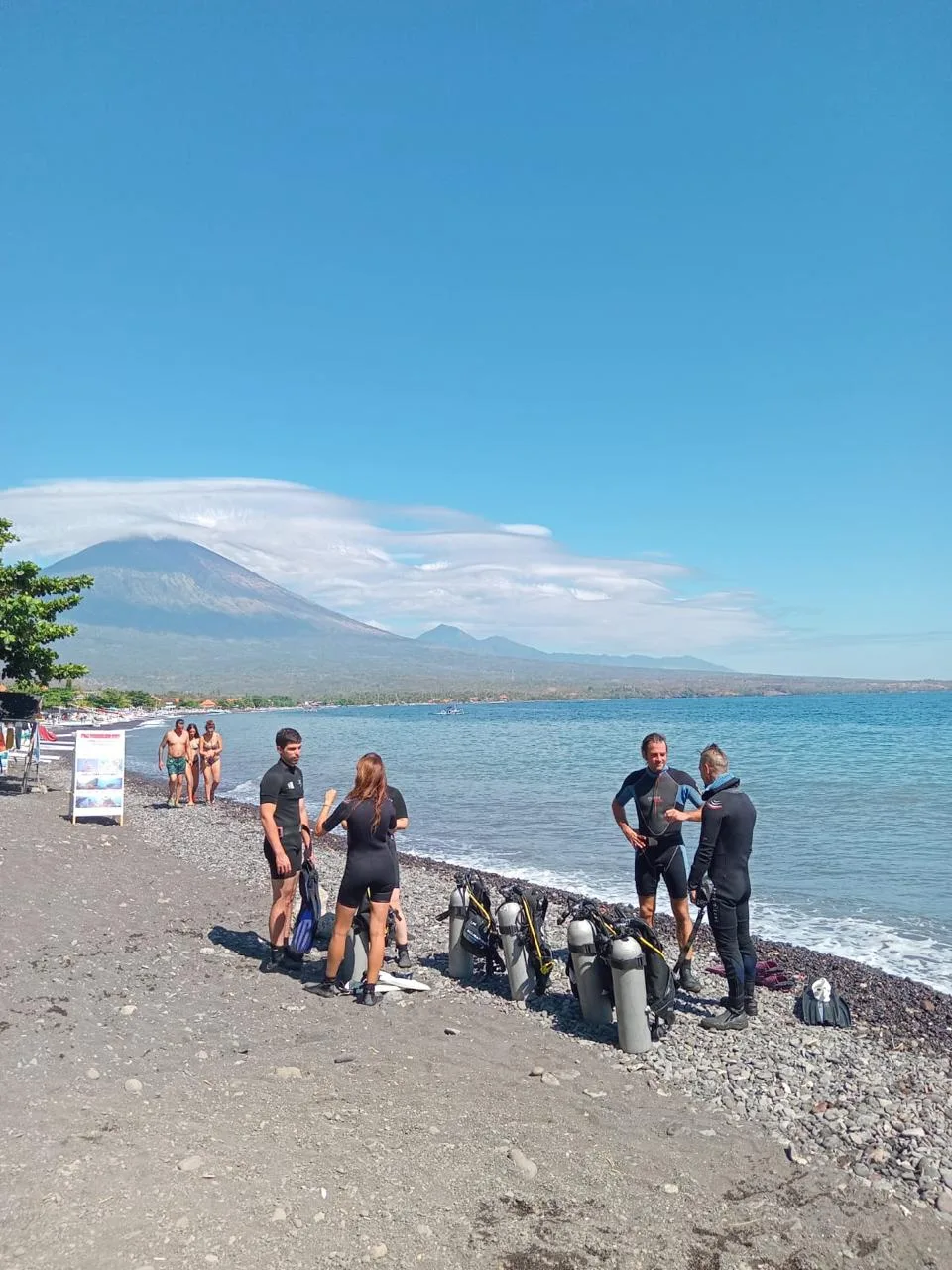
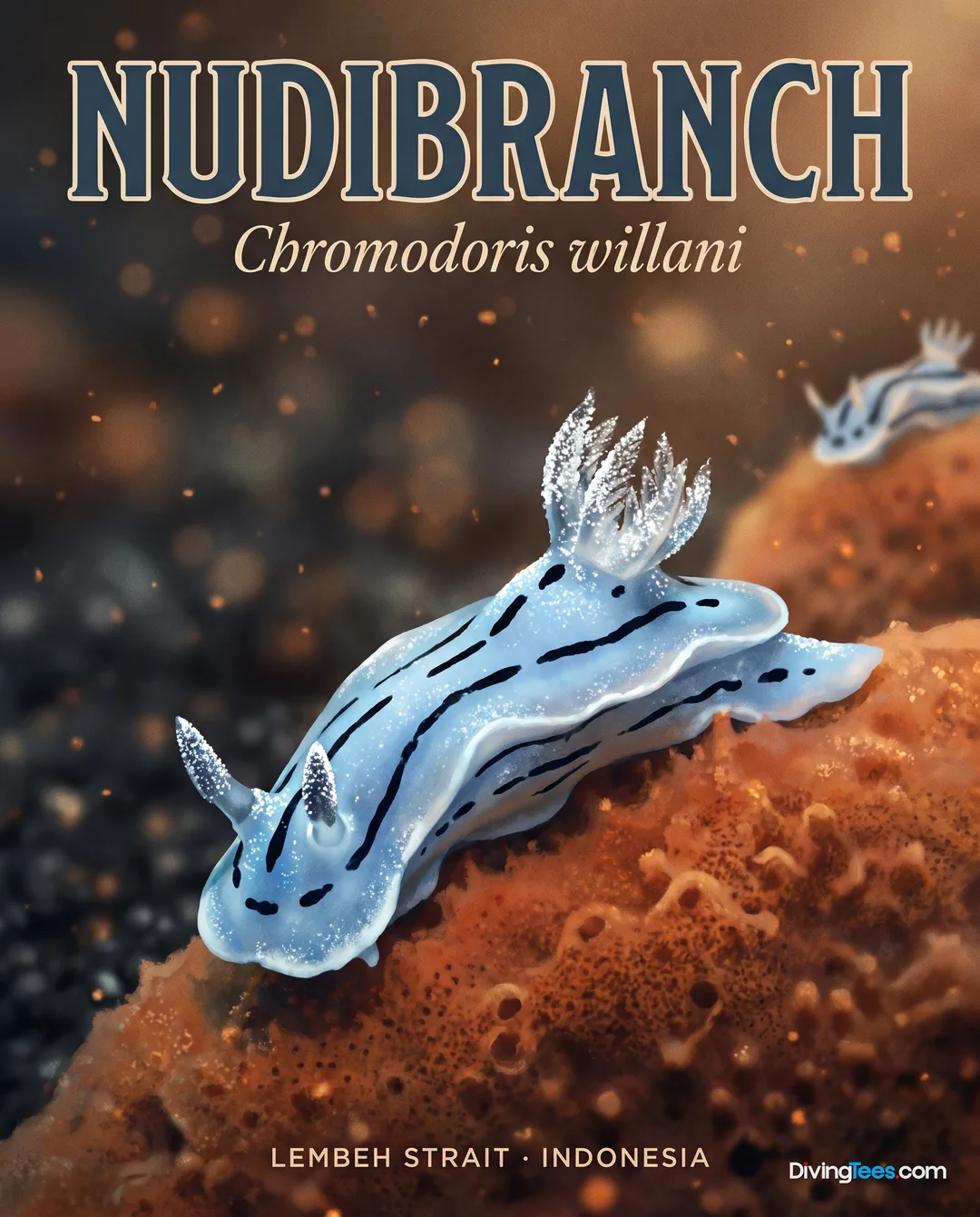
Blue Lagoon, a mere 5-minute boat ride from Padang Bai's bustling harbour, is nestled by a small beach to the northeast of Padang Bai, offering a tranquil entry point to a diverse underwater landscape. The dive begins on a gentle sandy slope, a subtle introduction before the topography deepens into more dramatic features. This initial sandy expanse is a hunting ground for keen-eyed divers, often revealing the subtle movements of ribbon eels (Rhinomuraena quaesita) or the intricate patterns of flatworms (Plathelminthes) camouflaged against the seafloor. As you continue your descent, the sandy slope gives way to a grand coral wall, rising with impressive formations and offering a different diving experience.
This transition zone is particularly rich, where the soft bottom meets the hard coral, creating varied habitats. Here, you'll start to encounter the larger coral outcrops, which are vibrant ecosystems in themselves, providing shelter and sustenance for a dense population of reef fish and invertebrates.
What sets Blue Lagoon apart is its dual character, offering two distinct diving zones, each with its own charm and resident species. The reef divides into distinct northern and southern sections, each offering unique exploration. The main action often begins with the northern portion, where the reef forms a dramatic vertical drop from the shallows, plunging to a sandy area. This interplay of hard and soft bottom creates a dynamic habitat for a myriad of marine creatures. The vertical wall on the northern side is a visual feast, an intricate tapestry woven from a vibrant assortment of hard and soft corals, large sponges, and delicate tunicates. Every crevice and overhang seems to host life, making it a prime location for those who appreciate the finer details of the reef. As your eyes adjust, you'll begin to notice the often-overlooked wonders: an abundance of nudibranchs and colorful flatworms moving across the coral surfaces, showcasing the incredible biodiversity of this Balinese hotspot. This section truly offers a kaleidoscopic journey through the reef's rich microcosm.
Moving towards the southern part of Blue Lagoon, the dive profile shifts to a gentler, more expansive environment. Here, the reef begins in shallow waters, presenting an interesting mix of slopes and vast sandy zones punctuated by picturesque soft coral mounds. This area provides ample opportunity for unhurried exploration, allowing you to drift and observe the marine life at a relaxed pace. The gradual slope and scattered coral formations create a diverse habitat, contrasting beautifully with the sheer drop of the northern wall. A highlight of the southern sector is the extensive field of staghorn corals. This sprawling garden of hard corals forms a crucial ecosystem, providing shelter and foraging grounds for countless reef inhabitants. Keep a keen eye out as you traverse these living structures, as the dense coral growth offers perfect camouflage for small fish and invertebrates.
While the sandy slope, while seemingly barren to the untrained eye, is a prime location for spotting frogfish (Antennariidae) patiently waiting for prey, or the expertly disguised leaf scorpion fish (Taenianotus triacanthus) blending seamlessly with its surroundings. These are encounters that reward patience and a keen observational eye, often revealing creatures you might otherwise swim past. Moving towards the coral blocks and the wall, the marine life shifts. Angelfish (Pomacanthidae) glide gracefully among the corals, while crevices and overhangs host secretive lobsters (Palinuridae) and industrious cleaner shrimps (Caridea). It's a continuous exploration, as each section of the site presents new opportunities for discovery, from the tiniest nudibranchs (Nudibranchia) to the more flamboyant Spanish dancers (Hexabranchus sanguineus) that often emerge during twilight hours.
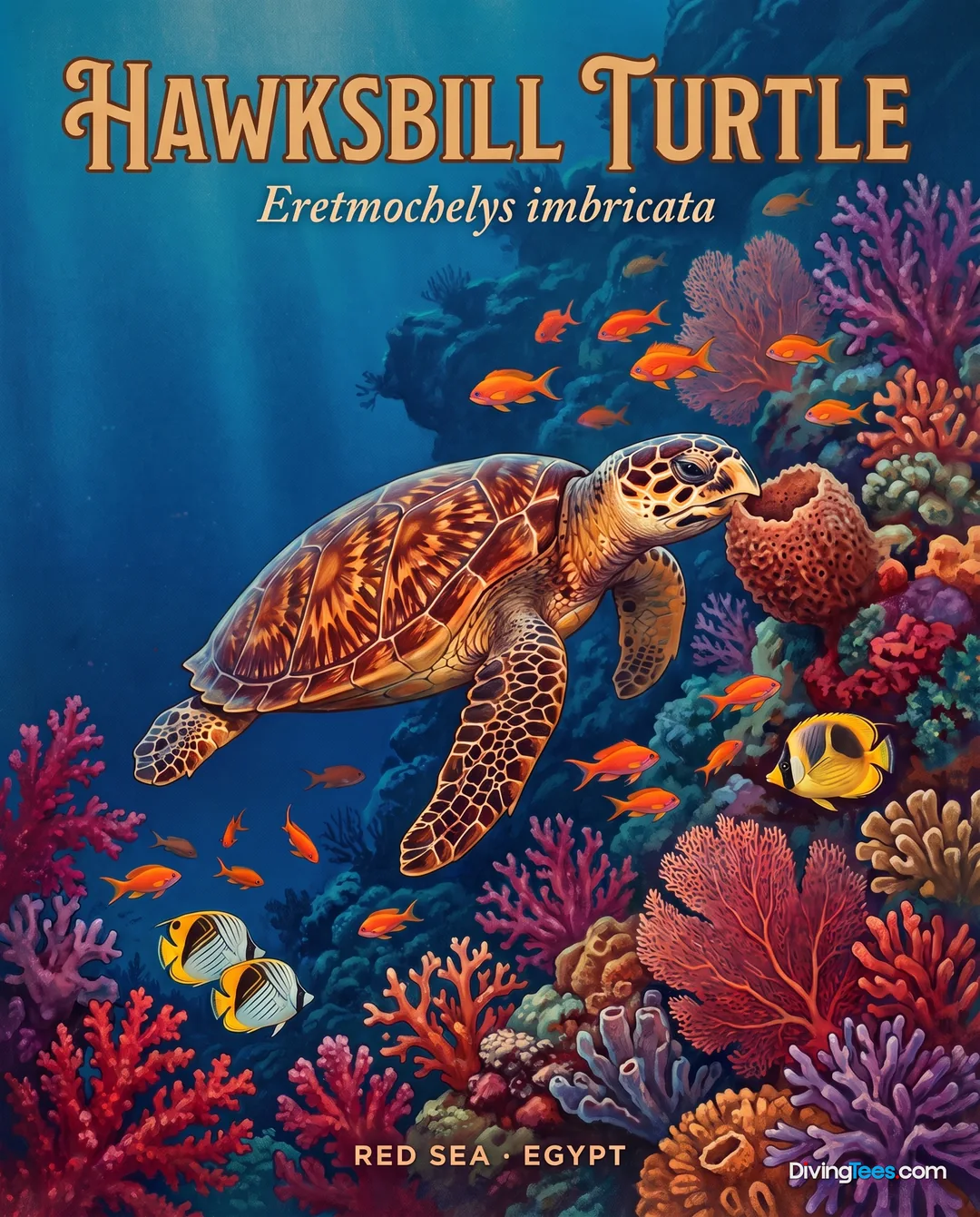
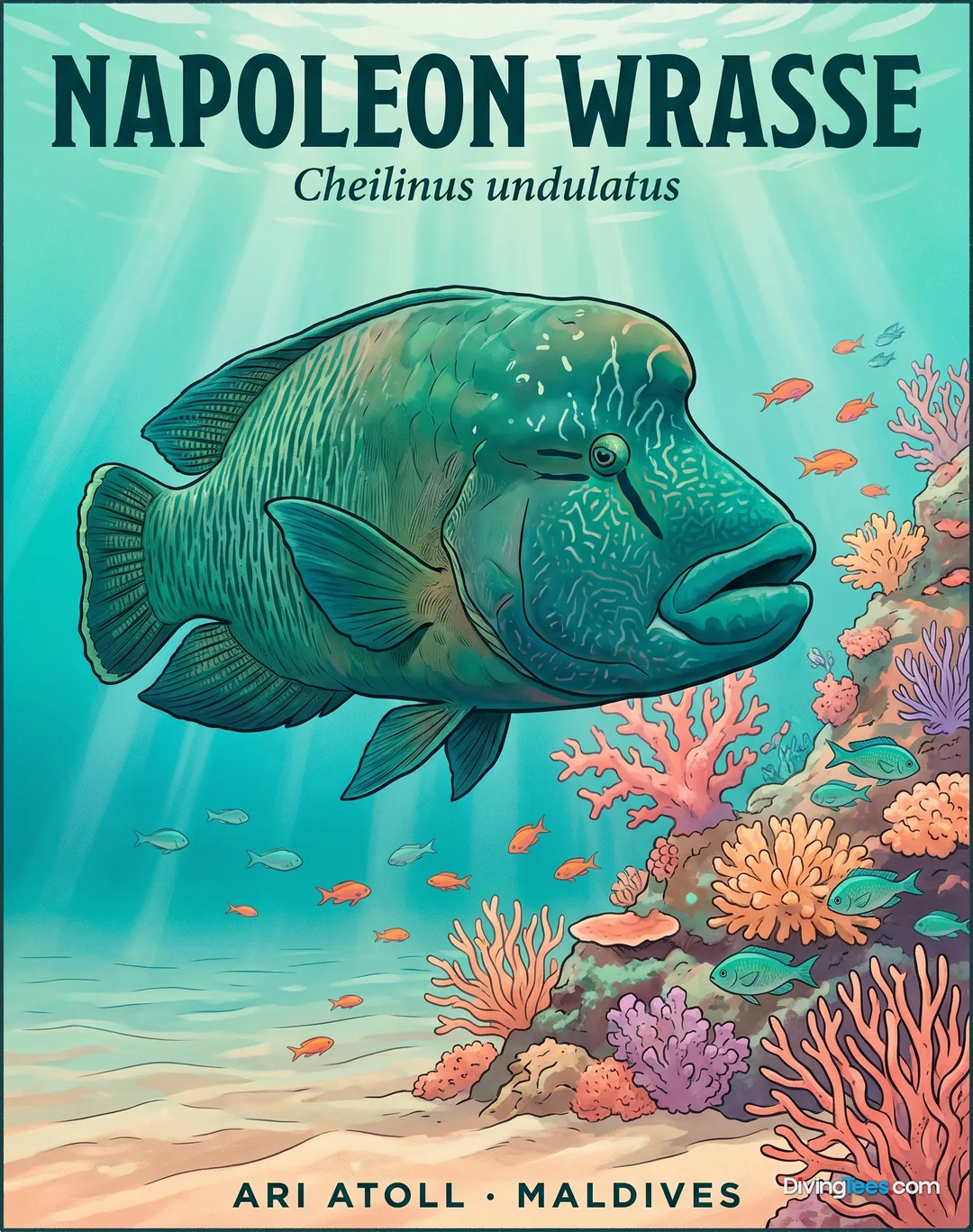
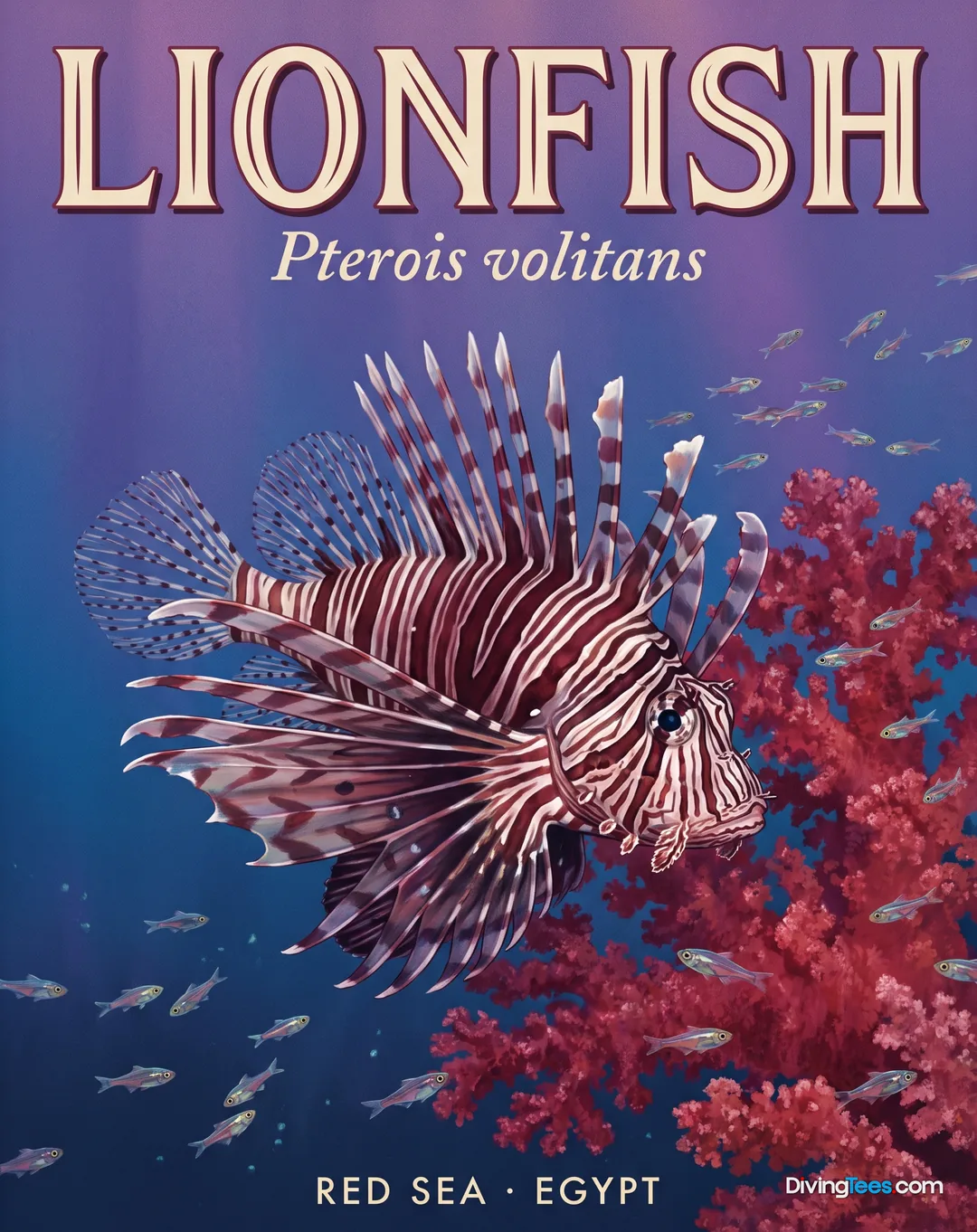
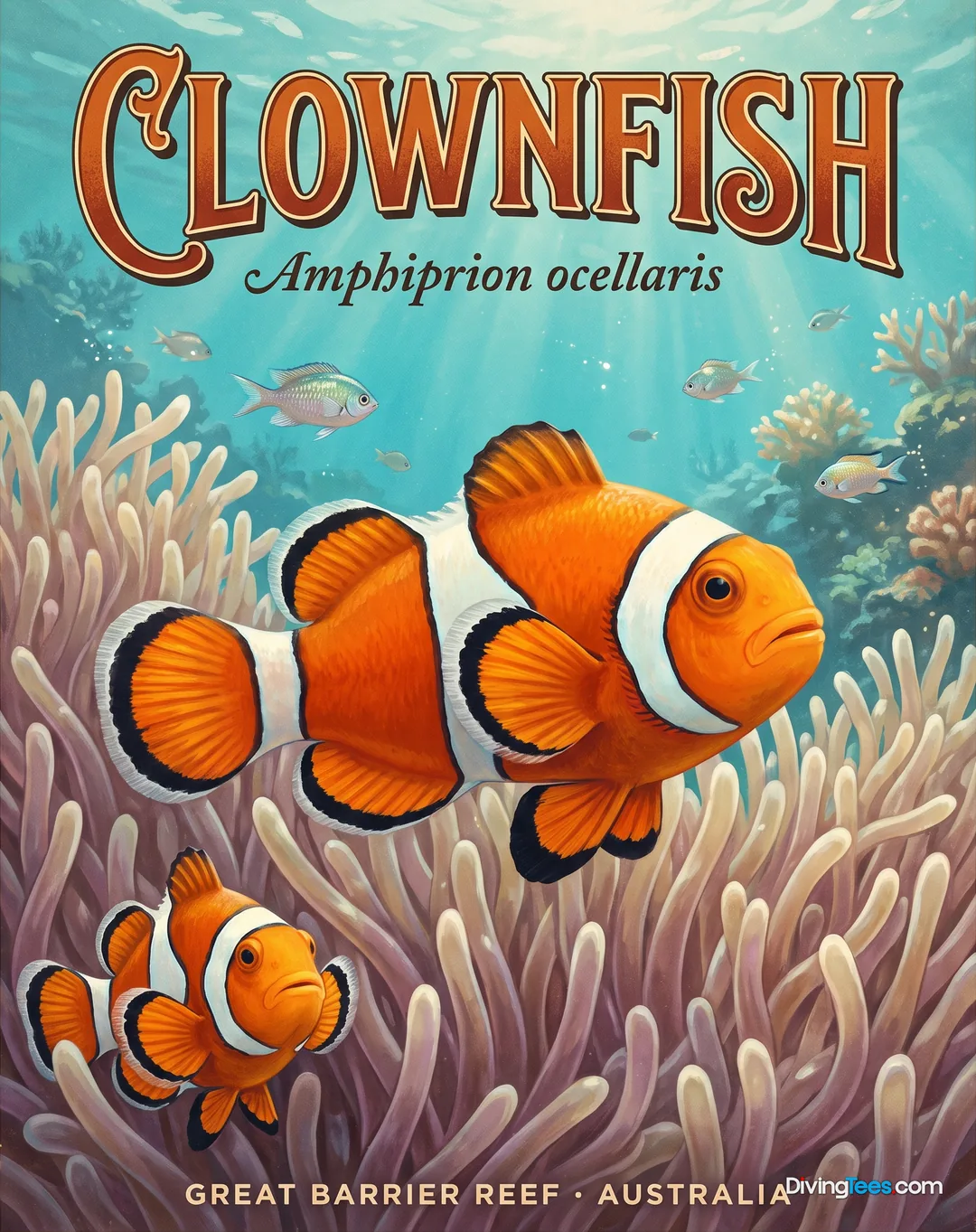
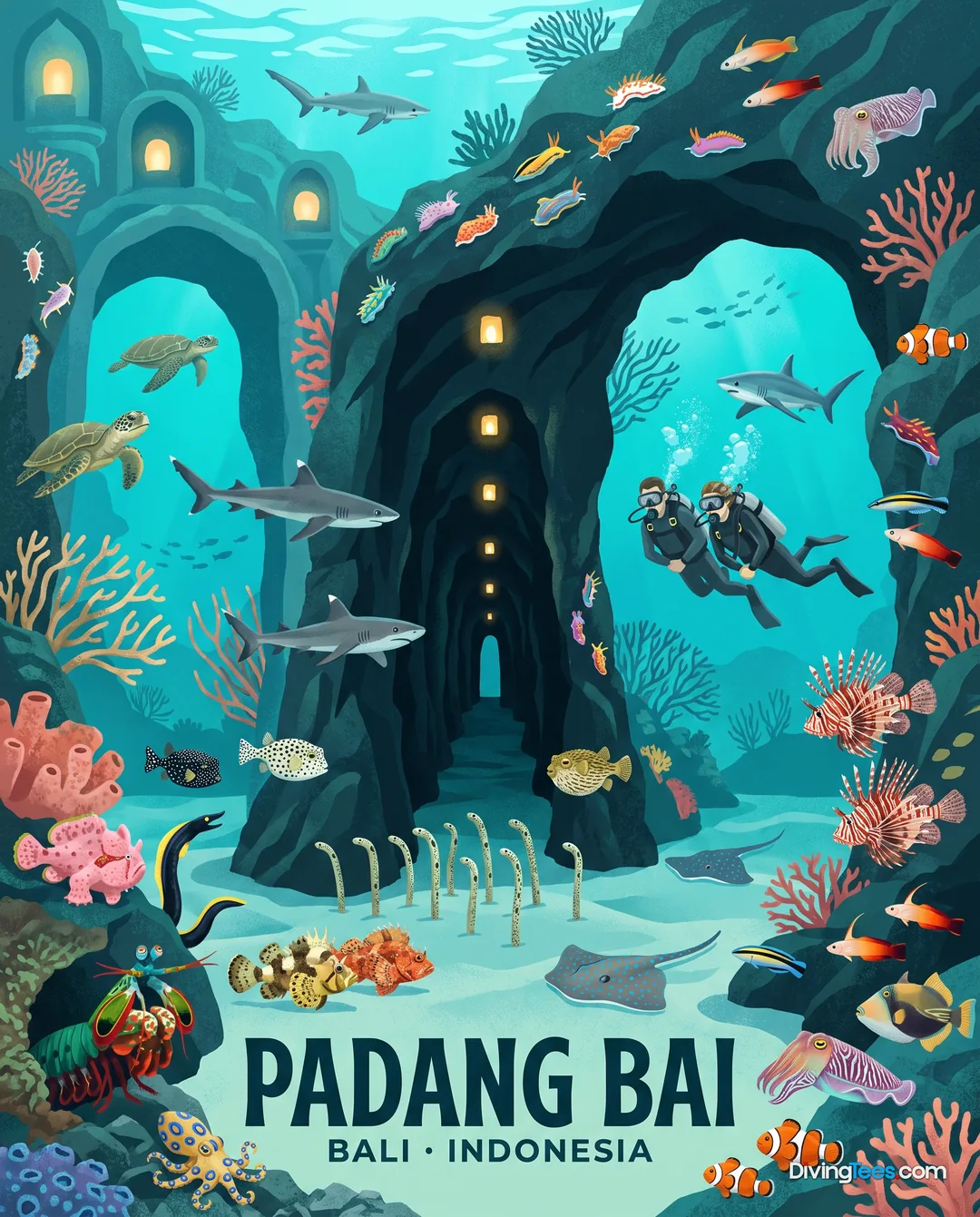
Beyond the macro, the site hosts a substantial population of reef fish. You'll encounter clownfish defending their anemone homes, and the distinct Moorish idol navigating the reef. Lionfish are present, both spotfin and pacific varieties, often found perched on coral. Other reef residents include thornback boxfish and common porcupinefish drifting by. Green sea turtles and hawksbill turtles are frequently spotted, often grazing on corals or resting under ledges. Reef sharks patrol the edges of the reef, providing a perspective of predators within the ecosystem. Occasionally, you might even spot a Napoleon wrasse moving gracefully through the deeper sections. The diversity of the coral — from large elephant ear corals to tabular formations and extensive starfish colonies — creates a vibrant backdrop for the abundant marine life.
The conditions here are particularly conducive to night dives, transforming the familiar underwater world into an entirely new realm. Under the beam of your dive light, the nocturnal creatures emerge from their daytime hiding spots, and the vibrant colours of the corals become even more saturated. It's during these night excursions that you might witness the Spanish dancer unfurling its brilliant red mantle, or find various species of scorpion fish (Scorpaenidae) more active on the hunt, adding another layer of excitement to an already rewarding site. Octopuses emerge from their hiding spots, and cuttlefish demonstrate their impressive camouflage. You might also encounter various crabs scuttling across the bottom, and the striking Spanish dancer nudibranch, adding a different dimension to the familiar reef structure.
Blue Lagoon is accessible for divers of all levels, including beginners, with a maximum depth of 26 metres and a minimum depth of 10 metres. Currents generally range from very weak in protected areas to strong on the outer reef edges, which can attract larger pelagics. Visibility typically ranges between 10 and 35 metres, often extending to around 15 metres, with conditions particularly favorable during the dry season from April to October.
Blue Lagoon has conditions particularly favorable during the dry season from April to October, when visibility typically ranges between 10 and 35 metres and often extends to around 15 metres. The site also suits night diving, when octopuses, cuttlefish, crabs, scorpion fish, and Spanish dancer nudibranchs become active.
Blue Lagoon is accessible to divers of all levels, including beginners. The site has a maximum depth of 26 metres, while the listed depth range is 4 to 26 metres. Its gentle sandy slope provides an approachable start, and deeper areas include the northern vertical wall and sandy sections.
At Blue Lagoon, currents generally range from very weak in protected areas to strong along the outer reef edges. Many sections have very weak currents and are suitable for all levels. Stronger flow at the outer edges can attract larger pelagics, adding a different character to those parts of the site.
Blue Lagoon offers ribbon eels, frogfish, leaf scorpion fish, nudibranchs, flatworms, turtles, reef sharks, reef fish, and occasional Napoleon wrasse. Coral walls, outcrops, sponges, tunicates, and staghorn fields provide varied habitats. Night dives may reveal octopuses, cuttlefish, crabs, and Spanish dancer nudibranchs.