

Let's Dive Tulamben
Google 5/5 (2,215 reviews)
less than 1 km away as the crow flies
Bali · Indonesia · Asia
Max. depth · 30 mExplore the USAT Liberty, a 120-meter World War II cargo ship wreck, transformed into a vibrant coral reef teeming with diverse marine life, accessible directly from shore.
For subtitles in English: start the video firstthen click the gearat the top right of the video, select “Subtitles/CC”, then “Auto-translate” and choose “English”.
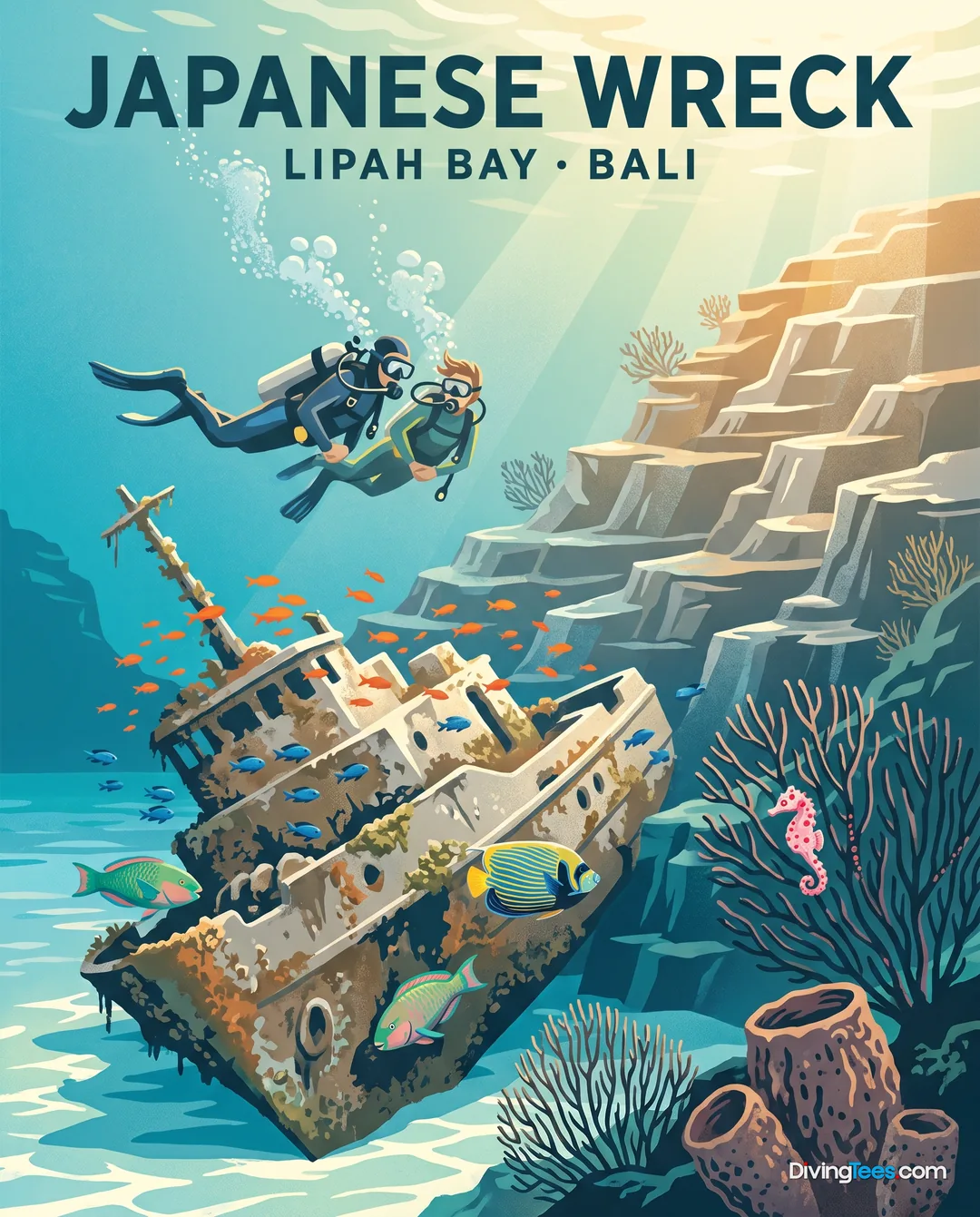
The USAT Liberty wreck, a 120-meter long cargo vessel torpedoed in 1942, lies off Tulamben, Bali. Initially beached, it slid into deeper water during the 1963 Mount Agung eruption, transforming it into its current resting place on a black sand slope, parallel to the shore. This event created a unique dive site, accessible directly from the rocky shore, placing divers just meters from the wreck. Sections begin near the surface, allowing snorkelers and novice divers immediate access, while the wreck then slopes downwards, following the natural contours of the seabed, with its deepest sections reaching 30 meters.
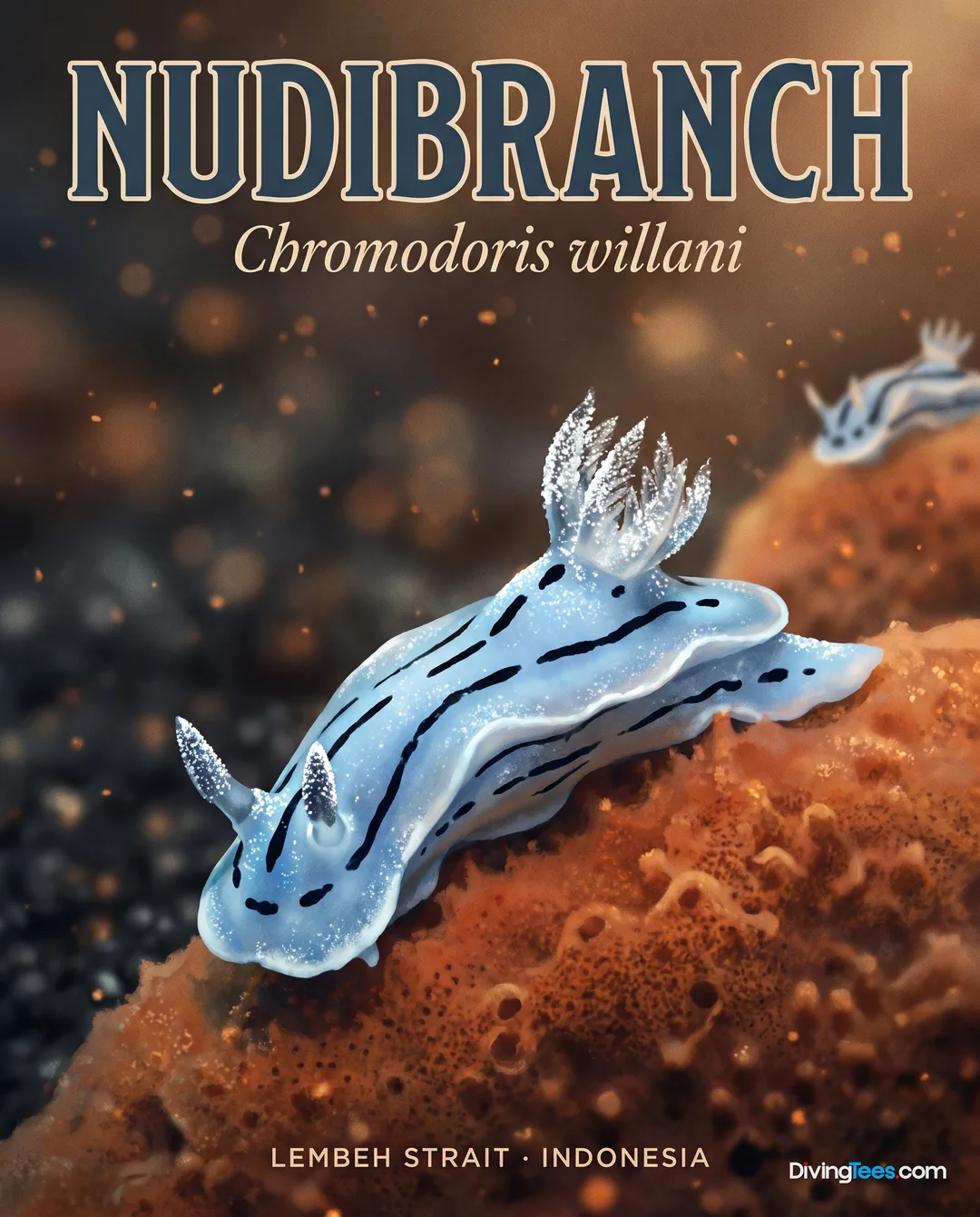
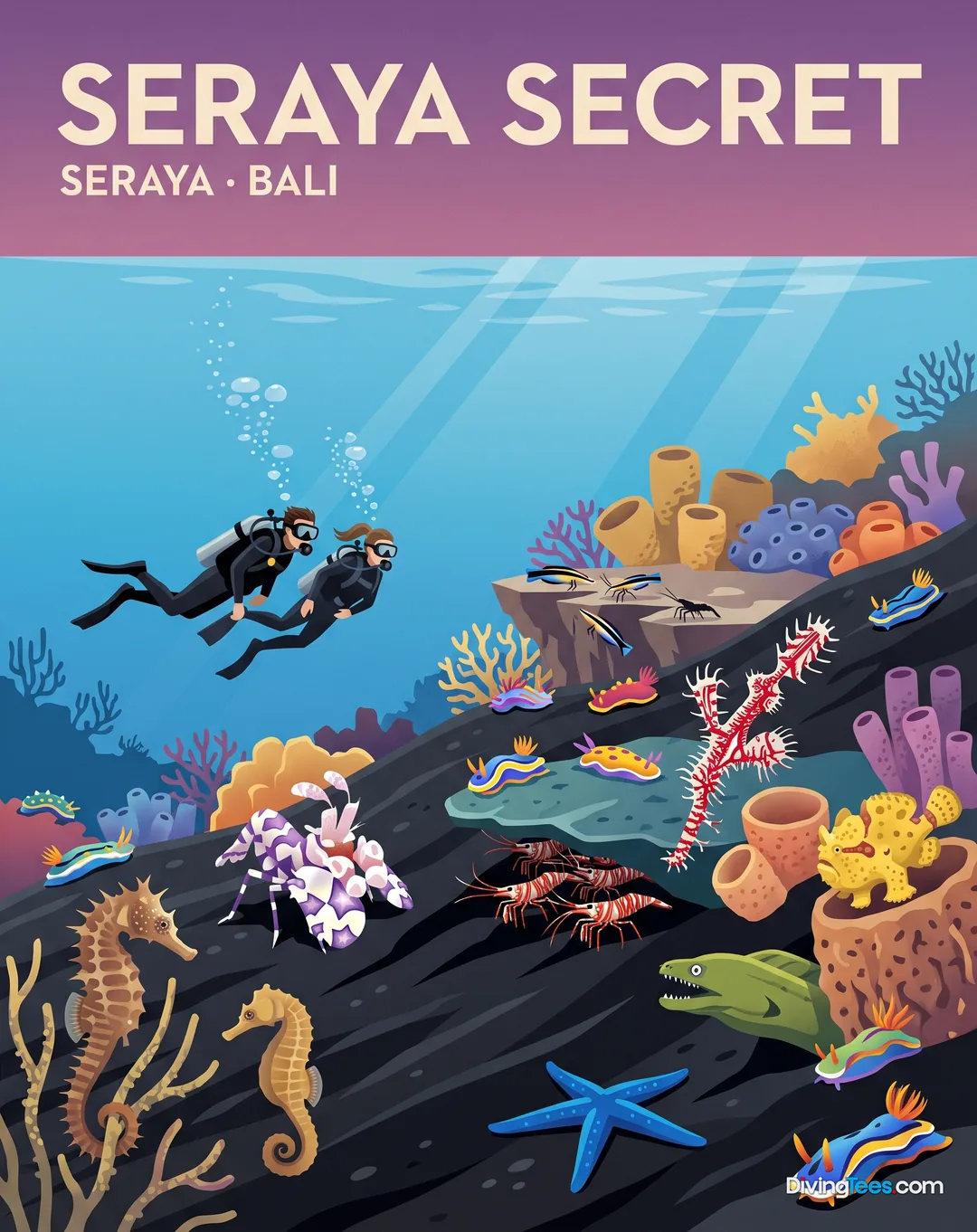
As you descend, the sheer size of the Liberty becomes apparent, its structure broken but largely intact, lying on its side. Corals, both soft and hard, have colonized nearly every surface, transforming the steel into a colorful ecosystem. Gorgonians, sponges, sea anemones, and diverse crinoids create a varied backdrop for countless marine residents, making the entire structure a canvas of reclaimed life. The wreck is a focal point for macro life and an array of reef fish. Seek out pygmy seahorses camouflaged among gorgonians, leaf scorpionfish swaying gently, and frogfish patiently awaiting prey. Mimic octopuses and ribbon eels are occasionally sighted, along with various nudibranchs, rewarding those who observe the intricate details of the reef's smaller inhabitants.
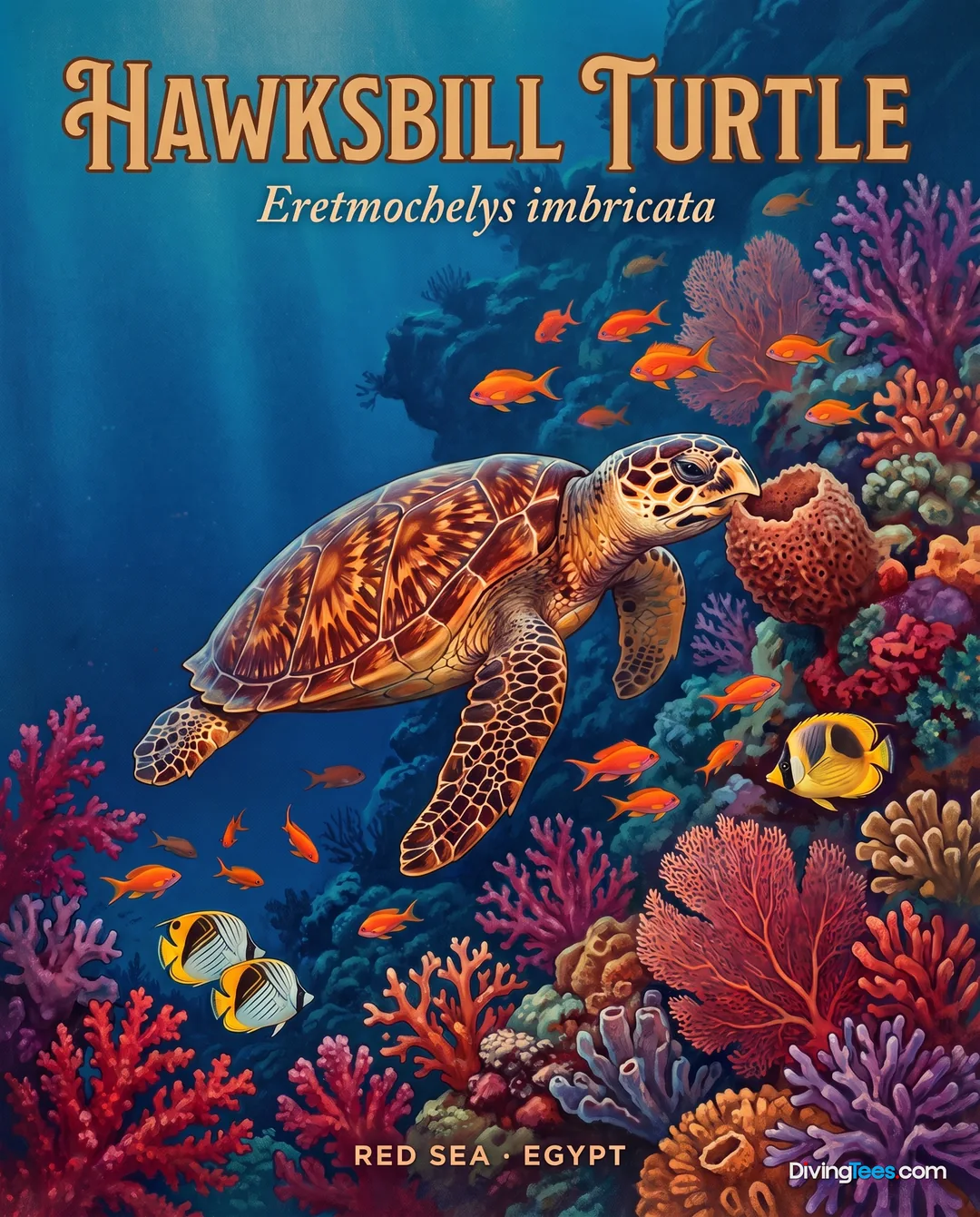
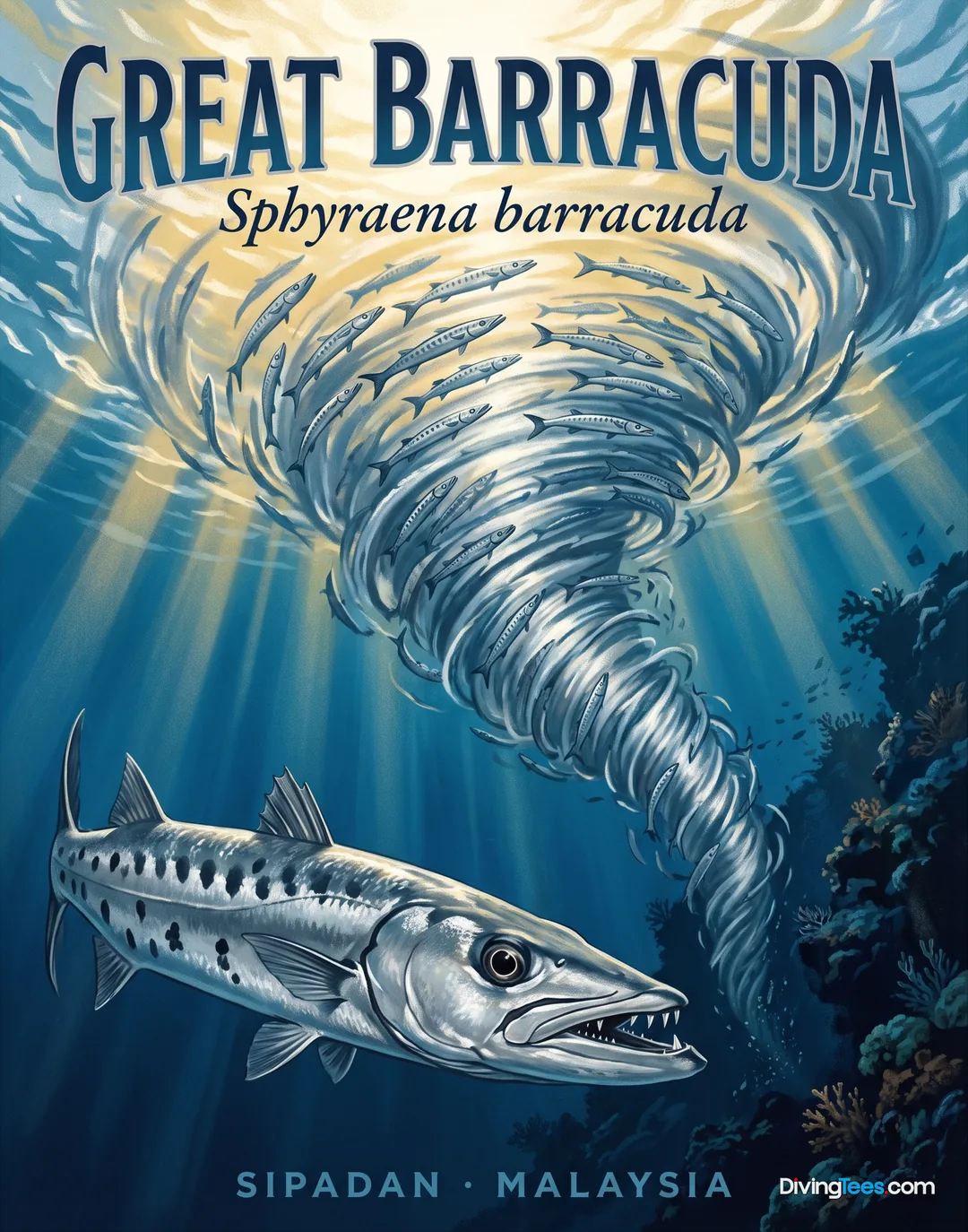
Beyond the smaller marine life, the Liberty supports a significant population of larger species. Giant barracudas are often encountered, either solitary or in small groups. Large schools of trevally and sweetlips frequent the wreck, moving through its structure. Green sea turtles and hawksbill sea turtles are regular visitors, often seen feeding on corals, while various groupers, snappers, and angelfish make the wreck their home. One of the site's most impressive inhabitants is the resident school of bumphead parrotfish. These impressive fish are often seen grazing on the corals during the day, and at dawn, or during night dives, you might observe them congregating within the wreck for their nighttime resting rituals. You'll also encounter unicorn fish and parrotfish, their powerful jaws audibly scraping algae from the coral-covered hull.
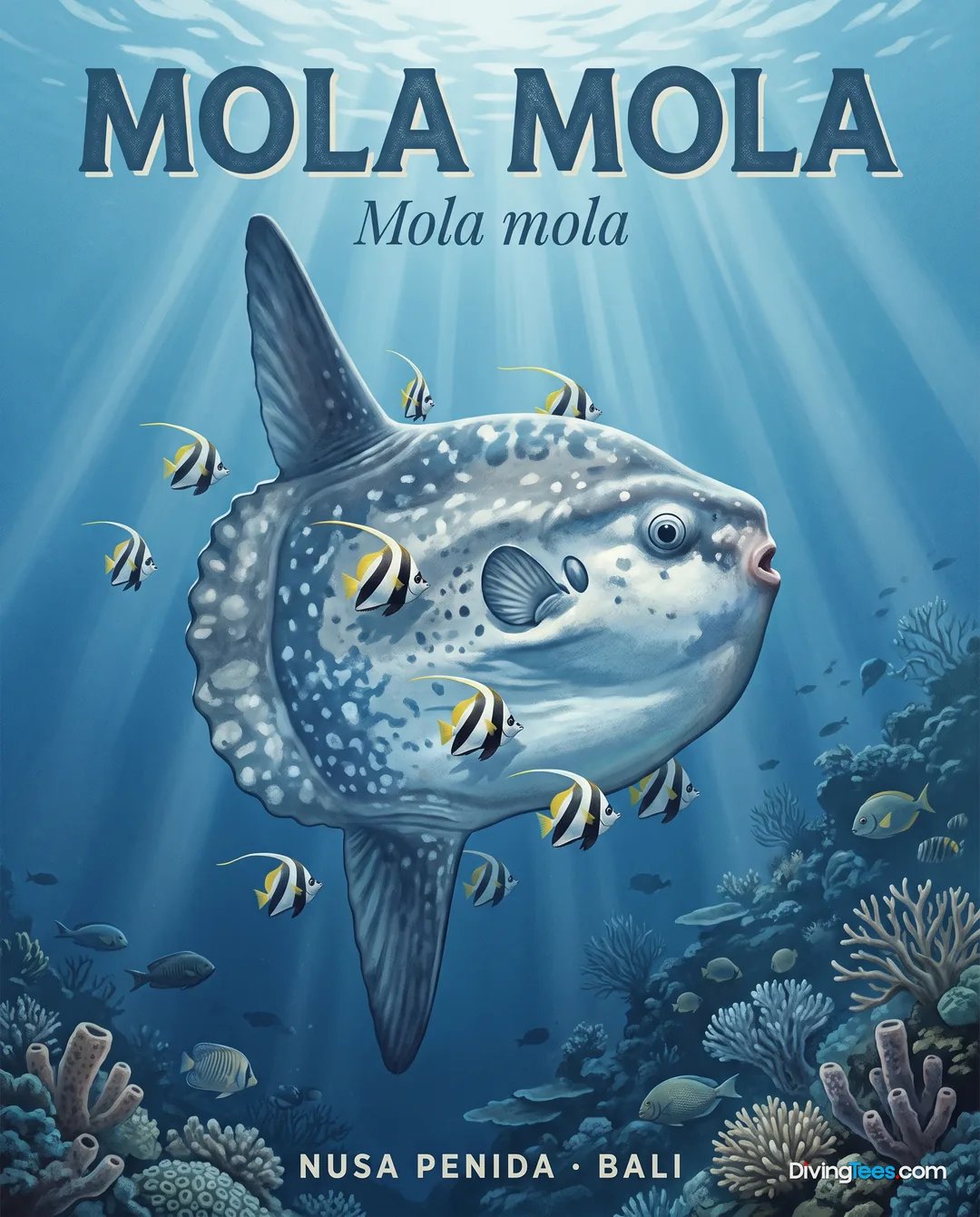
The Liberty wreck also hosts larger pelagic species. Blacktip and whitetip reef sharks cruise the perimeter, and eagle rays glide by in the blue. Giant groupers patrol the deeper sections, and seasonally, mola-mola can be sighted in the deeper waters. Night dives offer a different perspective as nocturnal creatures emerge, with Spanish dancers gliding elegantly and moray eels actively hunting, adding a continuous shift in marine activity. For those with appropriate training, the wreck offers open passages and swim-throughs, allowing for internal exploration of cargo holds and engine rooms, providing a different perspective of the ship’s preserved structure.
The USAT Liberty Wreck is accessible for all certified divers, with depths reaching a maximum of 30 meters. Shallower sections are suitable for Open Water divers, while Advanced Open Water certification is recommended for deeper exploration and wreck penetration. Current is typically weak to mild, though moderate flow can sometimes be experienced; always consult local dive operators. Visibility generally ranges from 15 to 25 meters, often reaching 30 meters. Early morning dives are often preferred for optimal conditions and marine life viewing.
Early morning dives are often preferred at USAT Liberty Wreck for favorable conditions and marine life viewing. You can also dive at night, when nocturnal creatures emerge, including Spanish dancers and moray eels. Seasonal mola-mola sightings may occur in deeper water, while bumphead parrotfish gather inside the wreck at dawn or during night dives.
USAT Liberty Wreck is accessible to all certified divers. Open Water divers can explore the shallower sections, which begin near the surface. Advanced Open Water certification is recommended for deeper exploration and wreck penetration. Internal passages, cargo holds, engine rooms, and swim-throughs require appropriate training.
USAT Liberty Wreck ranges from 5 to 30 meters deep, with the wreck following the slope of the black sand seabed. Currents are typically weak to mild, although moderate flow can sometimes occur. Visibility generally ranges from 15 to 25 meters and often reaches 30 meters.
At USAT Liberty Wreck, you can see a coral-encrusted World War II cargo ship supporting bumphead parrotfish, trevally, turtles, barracudas, reef fish, pygmy seahorses, frogfish, and nudibranchs. Green and hawksbill turtles visit regularly, while blacktip and whitetip reef sharks, eagle rays, giant groupers, and seasonal mola-mola may appear.