Liveaboards · Indonesia
Jaya — a traditional phinisi for focused Raja Ampat diving
What makes this boat unique
- Jaya is a traditional 23-metre phinisi built for up to 14 guests, with seven air-conditioned cabins.
- Small dive groups, a spacious dive platform and four-metre diver tenders keep the operation personal and practical.
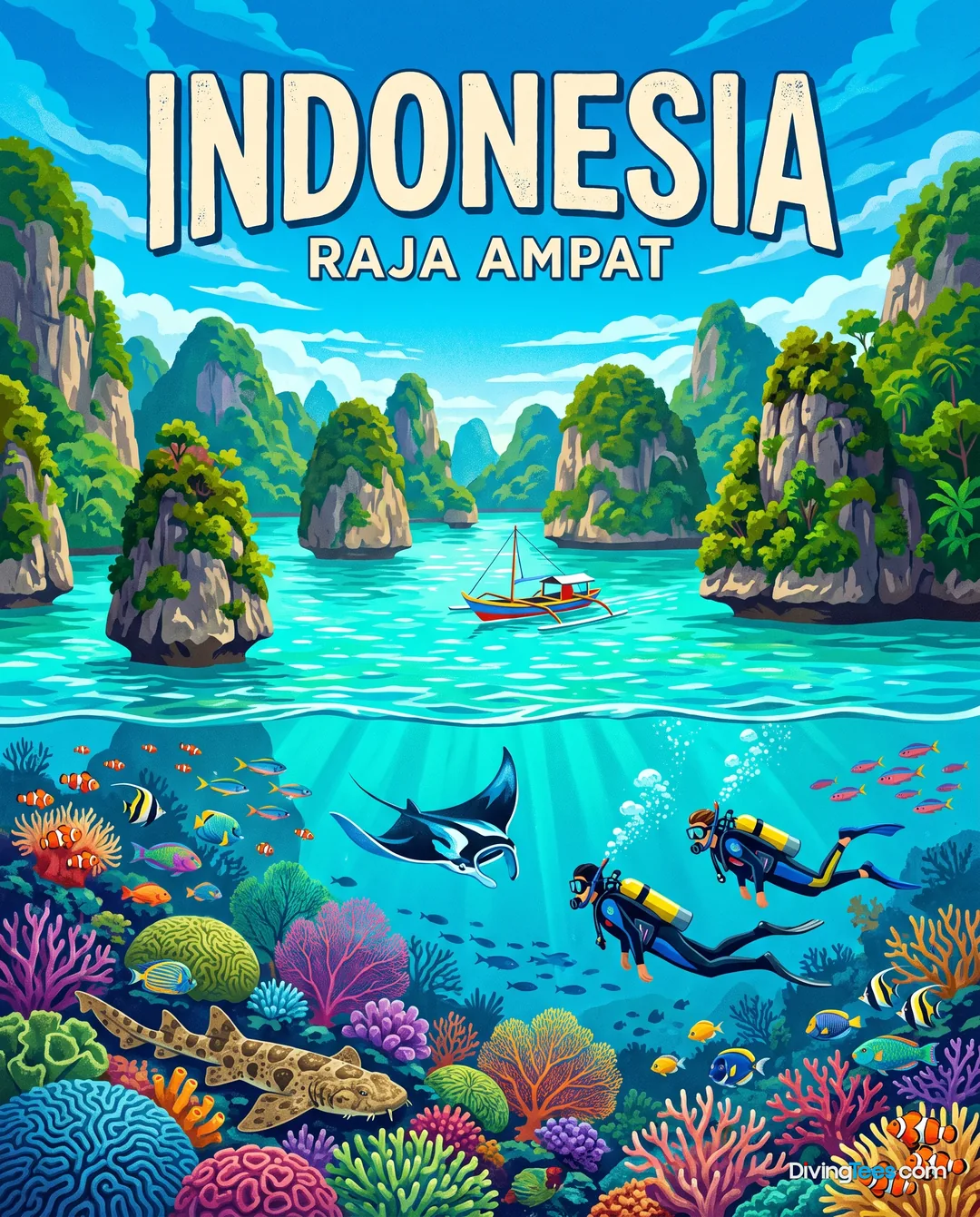
- The route centres on Raja Ampat sites such as Cape Kri, Blue Magic, Manta Sandy and Melissa's Garden.
- Meals include local cuisine, buffet service, à la carte dinners and options for vegetarian and vegan divers.
- Jaya operates seven-day Best of Dampier trips and longer 11-day Raja Ampat–Ambon expeditions.
For subtitles in English: start the video firstthen click the gearat the top right of the video, select “Subtitles/CC”, then “Auto-translate” and choose “English”.
The invitation
Jaya is for divers who choose a boat for the water first, then for the people sharing it. The traditional phinisi character matters here: this is an Indonesian sailing vessel arranged around a week of diving, not a floating hotel trying to imitate one. The guest list stays at 14, and the dive groups are kept small enough for guides to know who is comfortable in current, who wants time for macro life and who is waiting for the manta. That changes the trip more than another lounge cushion would. Raja Ampat supplies the reason to come: cleaning stations, coral gardens, schooling fish and current-fed encounters across the Dampier Strait. Jaya suits divers who want the crew to keep the day organised, the food to be taken seriously and the boat to remain relaxed between dives.
Boarding
From the dock, Jaya reads as an older, traditional phinisi rather than a new yacht polished into anonymity. She was built in 1999, and that age is part of the character: the appeal lies in Indonesian boatbuilding tradition and a working vessel shaped around diving, not in showroom perfection. Once aboard, the layout makes its purpose clear. The open areas lead naturally towards the dive platform, where equipment can stay arranged instead of being carried through guest spaces. With only 14 passengers, the boat remains sociable without becoming a crowd. By the second day, faces and names are familiar; by the third, the crew knows whose camera needs the careful rinse and who wants the first look at the blue. Jaya is best understood as a seasoned expedition boat with a well-practised diving routine.
The atmosphere on board
Jaya's atmosphere comes from organisation without stiffness. The crew's conviviality is part of the boat's identity, and the strong feedback on crew, food and diving points to a trip where the practical details are handled before they become interruptions. Guides keep the diving personal; the rest of the crew keeps cabins, meals, towels and equipment moving in the background. That combination is why the boat can feel social without feeling packed. A week aboard produces the usual small community of divers, but Jaya's role is not to force that process with entertainment. The evening is more likely to be a meal outdoors, a conversation about mantas or a camera screen passed around the table. The boat works best for people who want company, not a party ship.
The sites you’ll dive
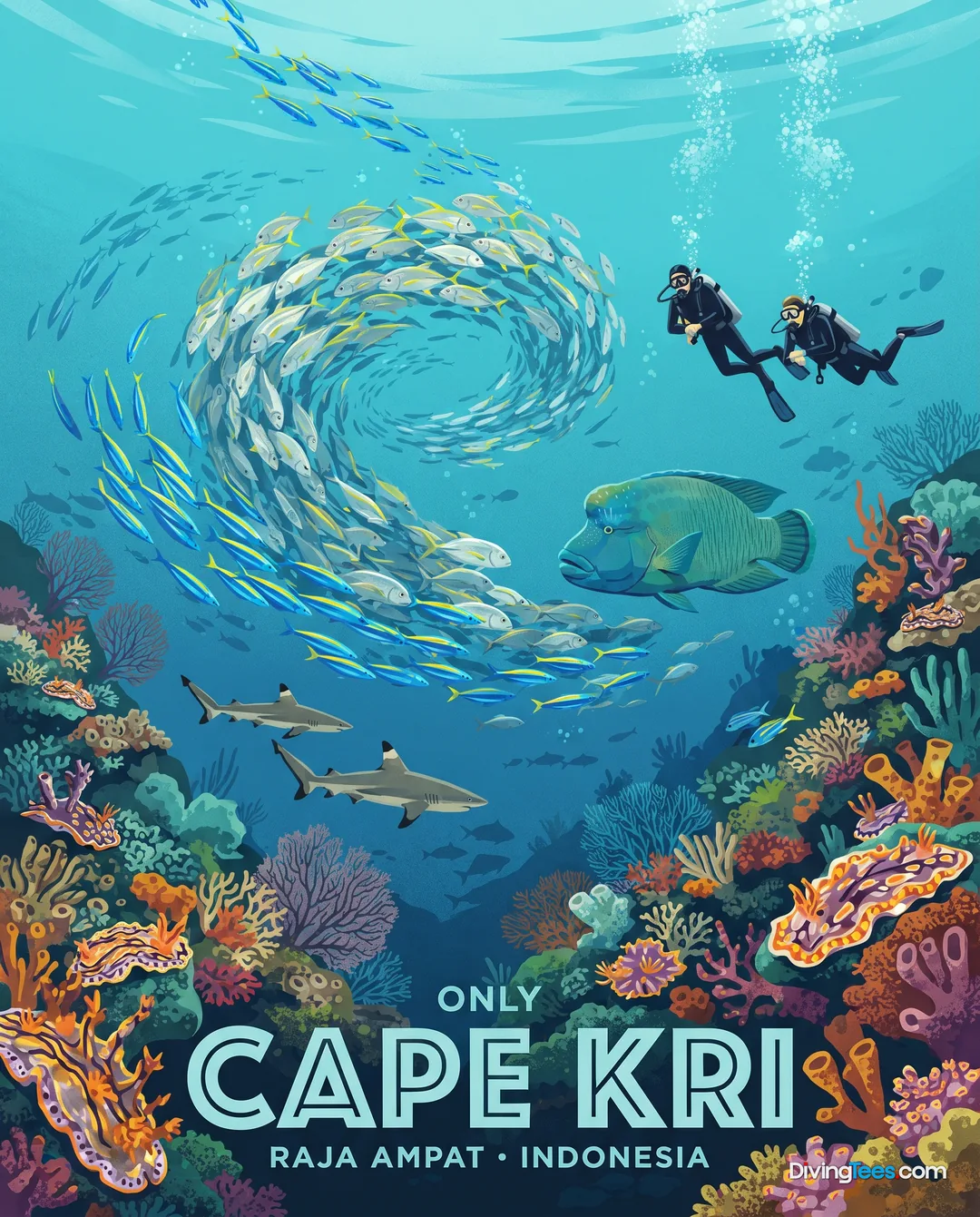
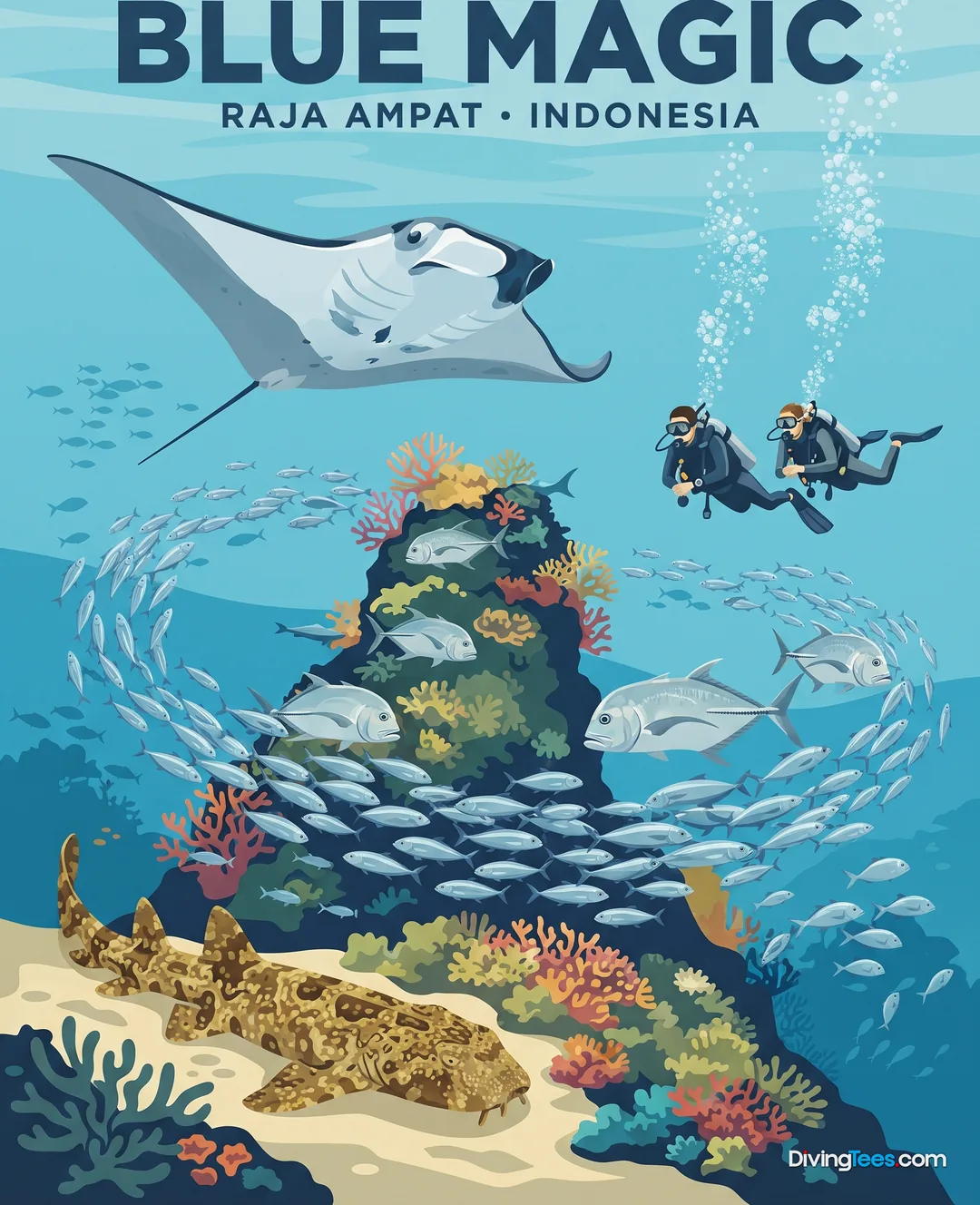
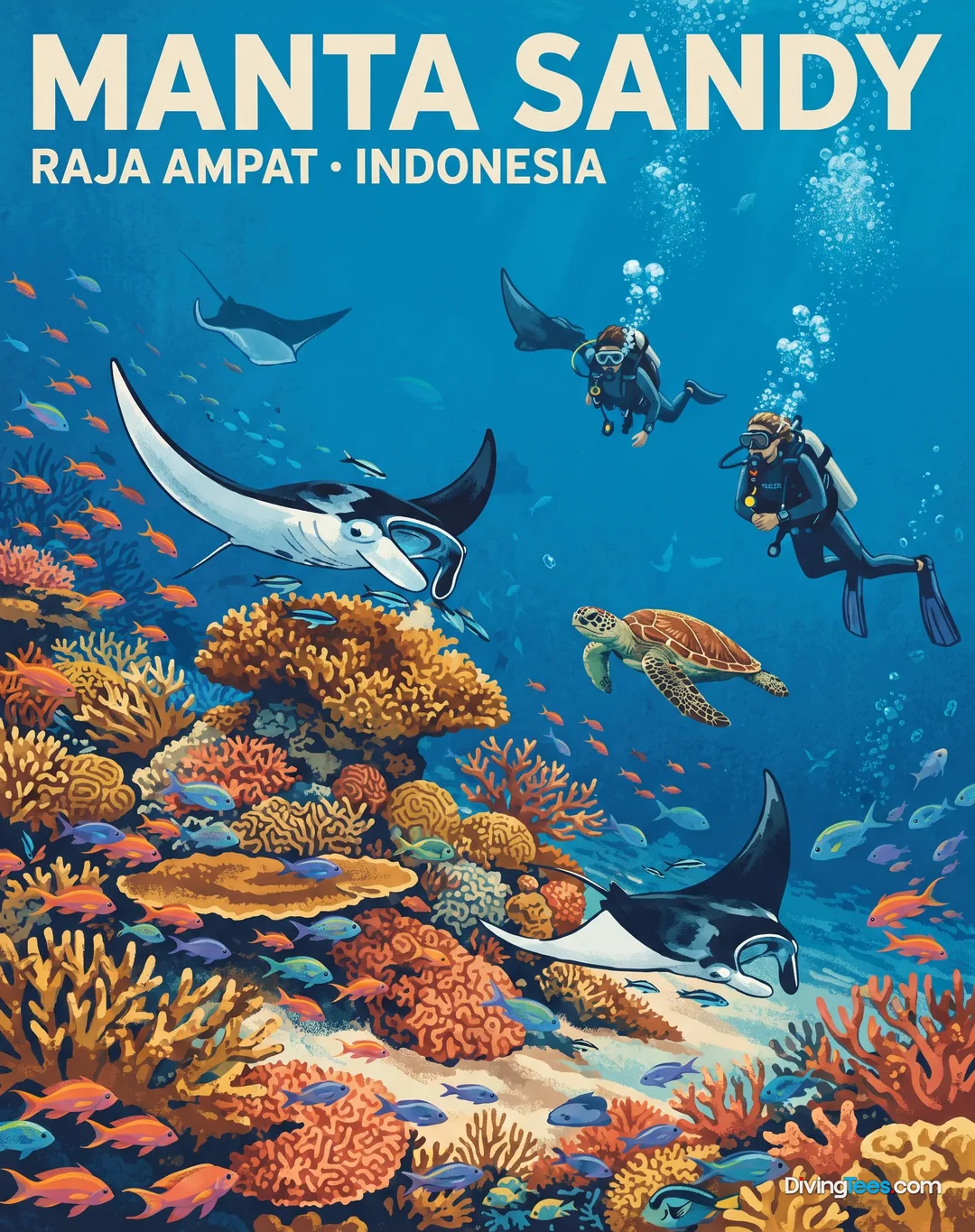
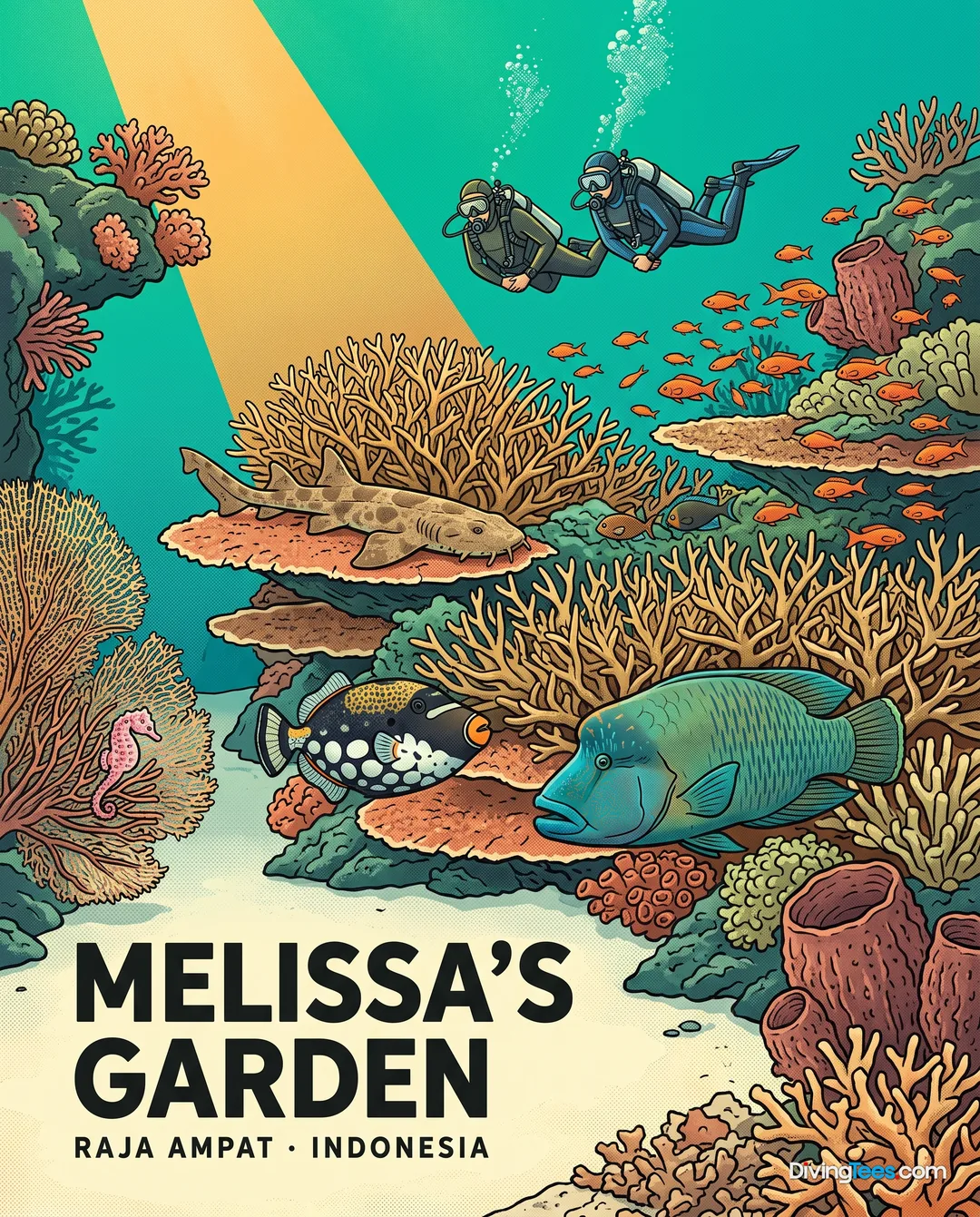
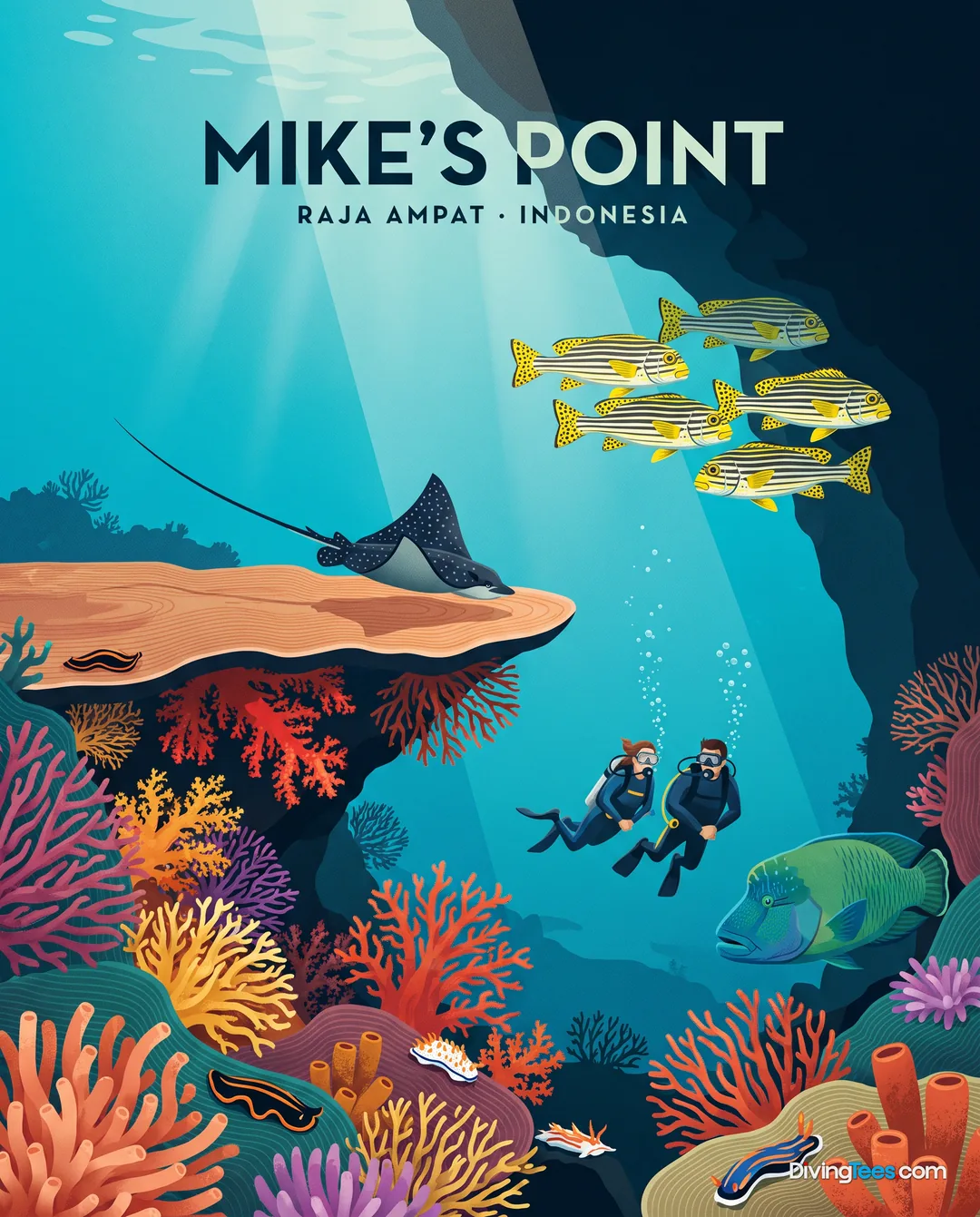
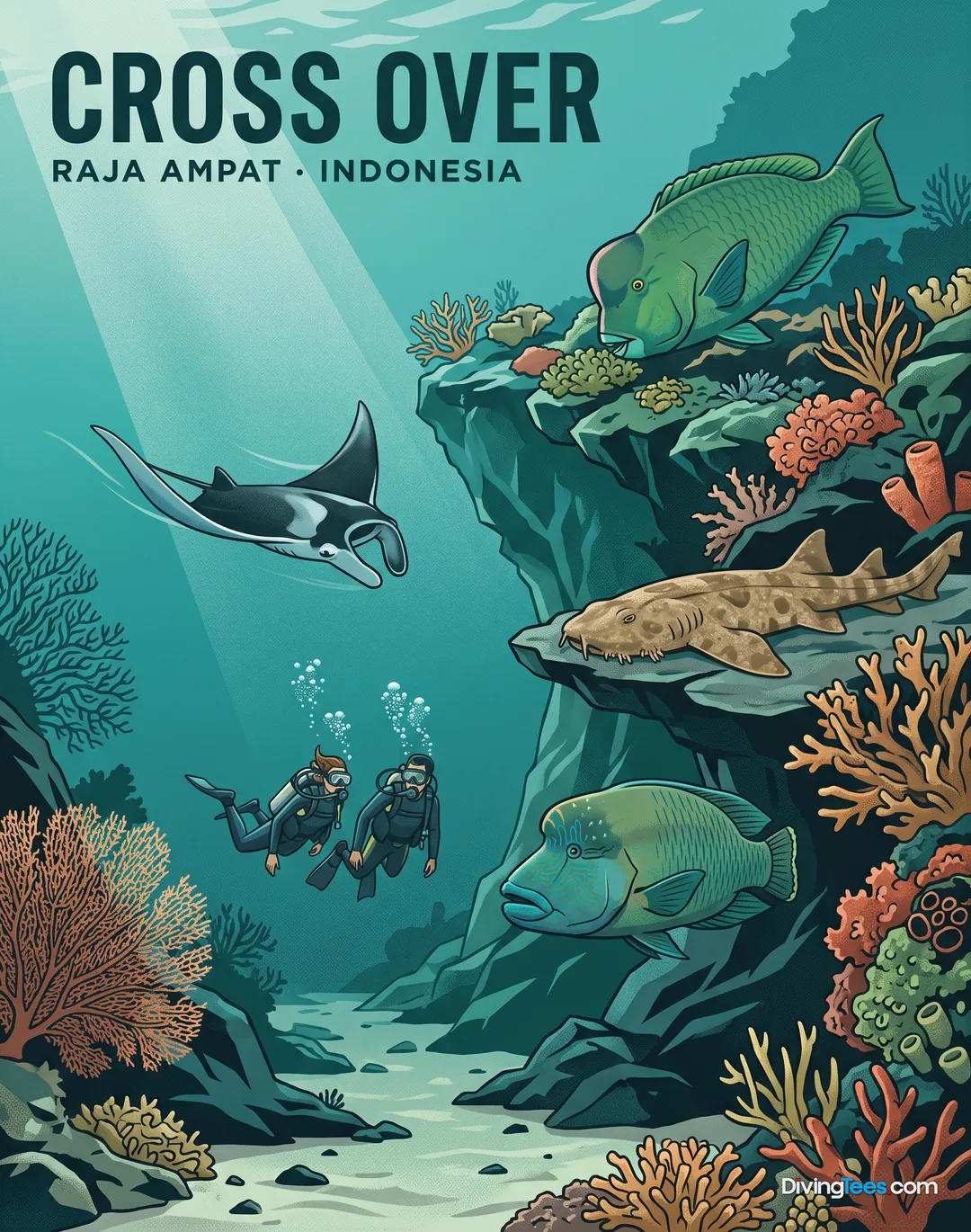
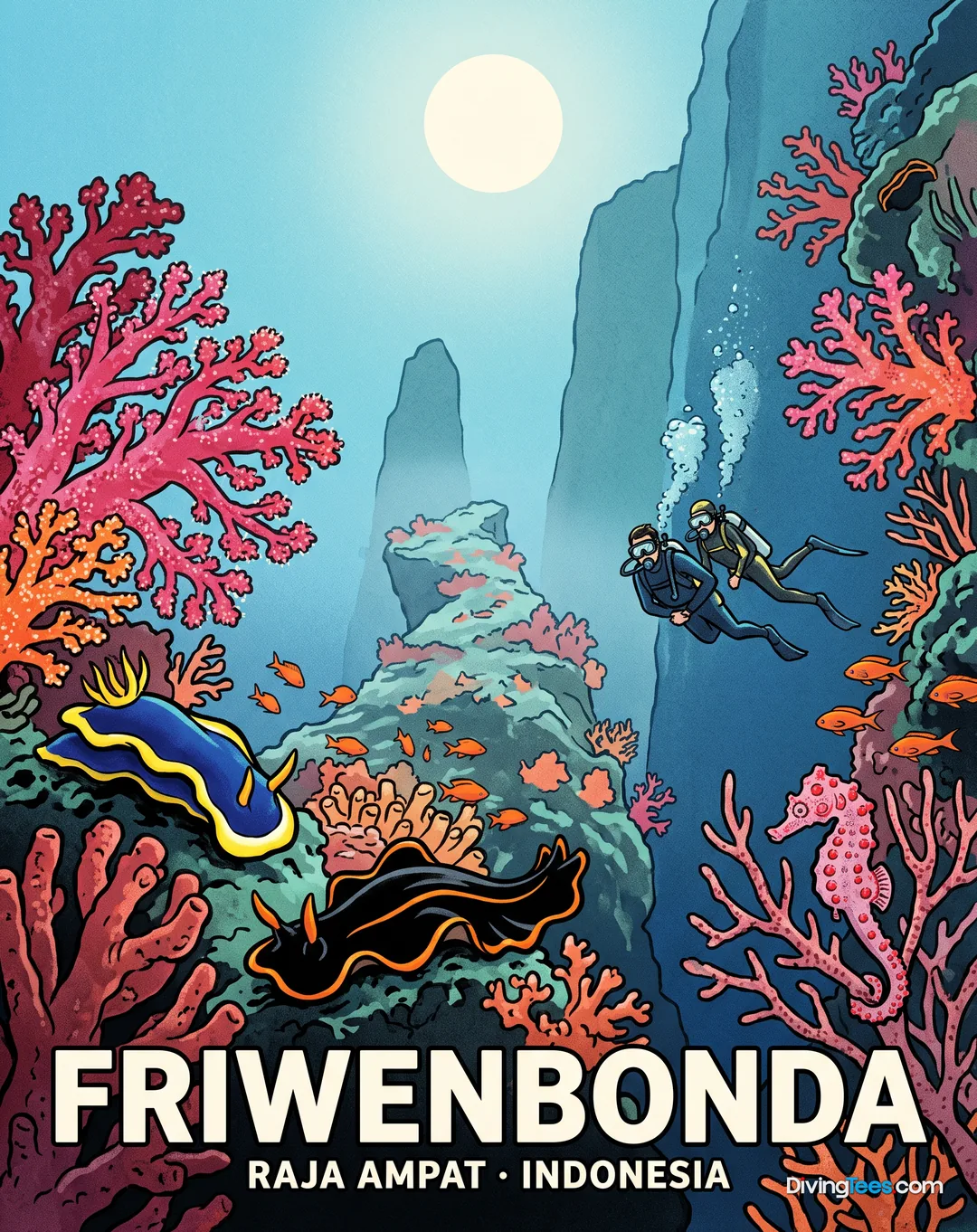
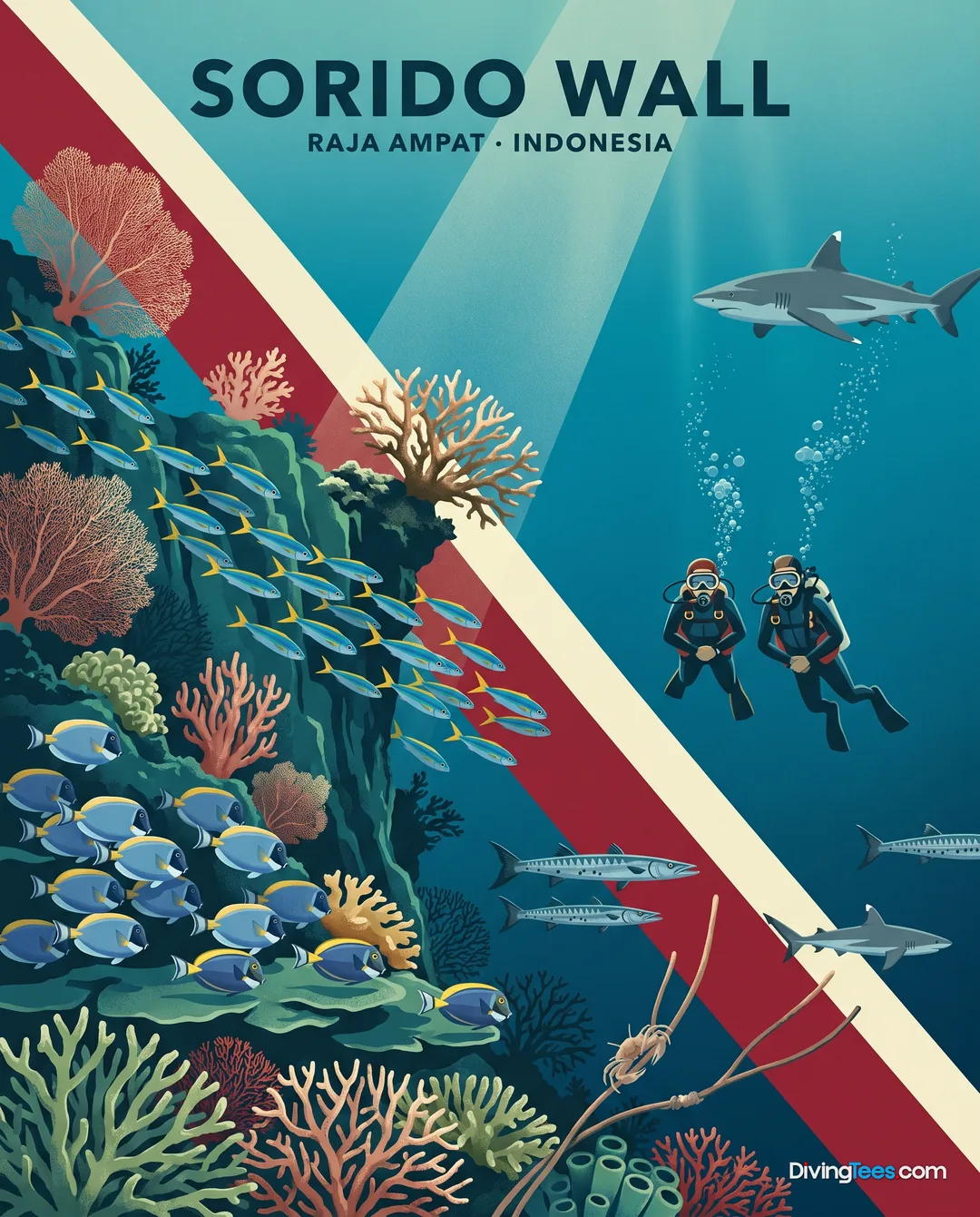
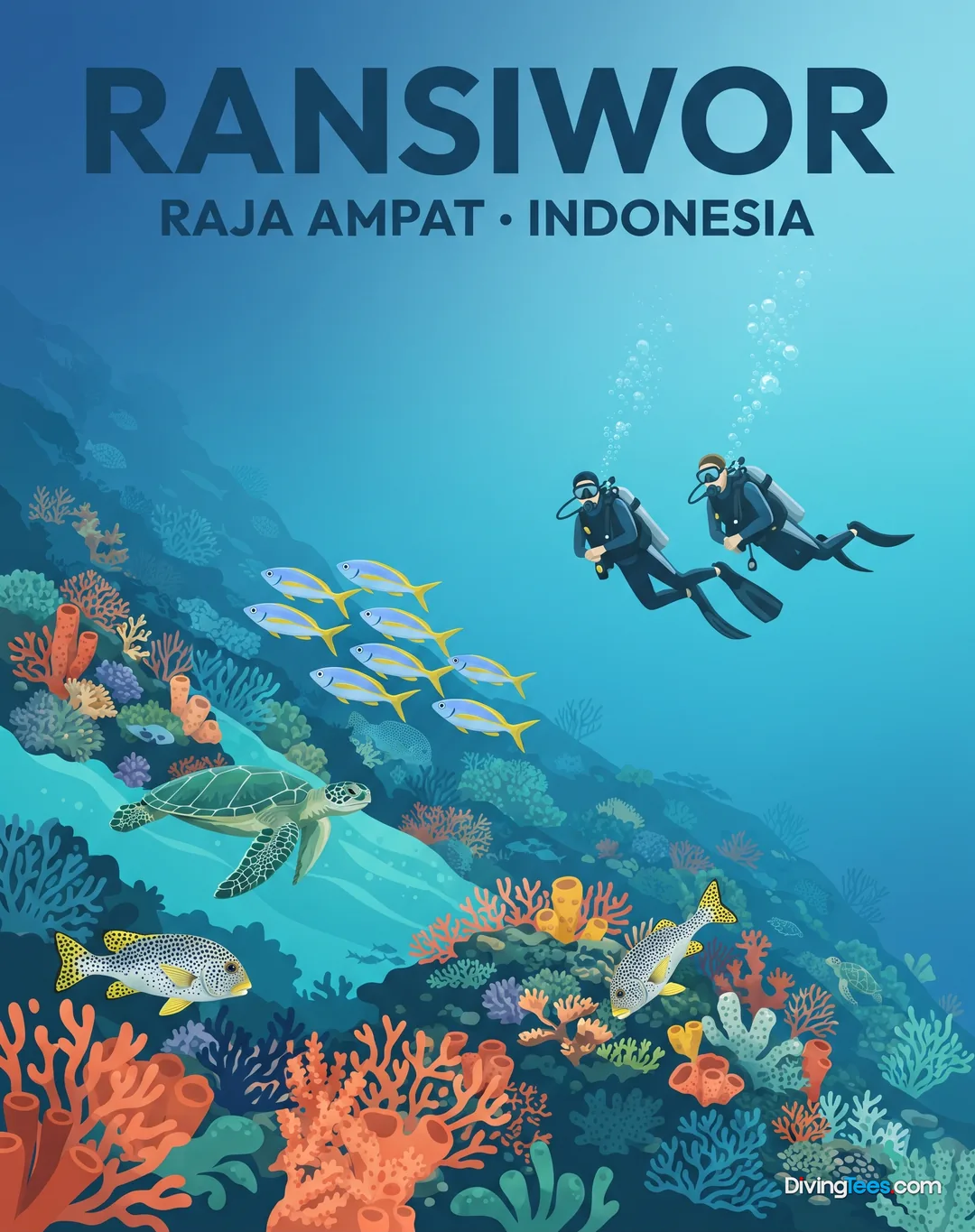
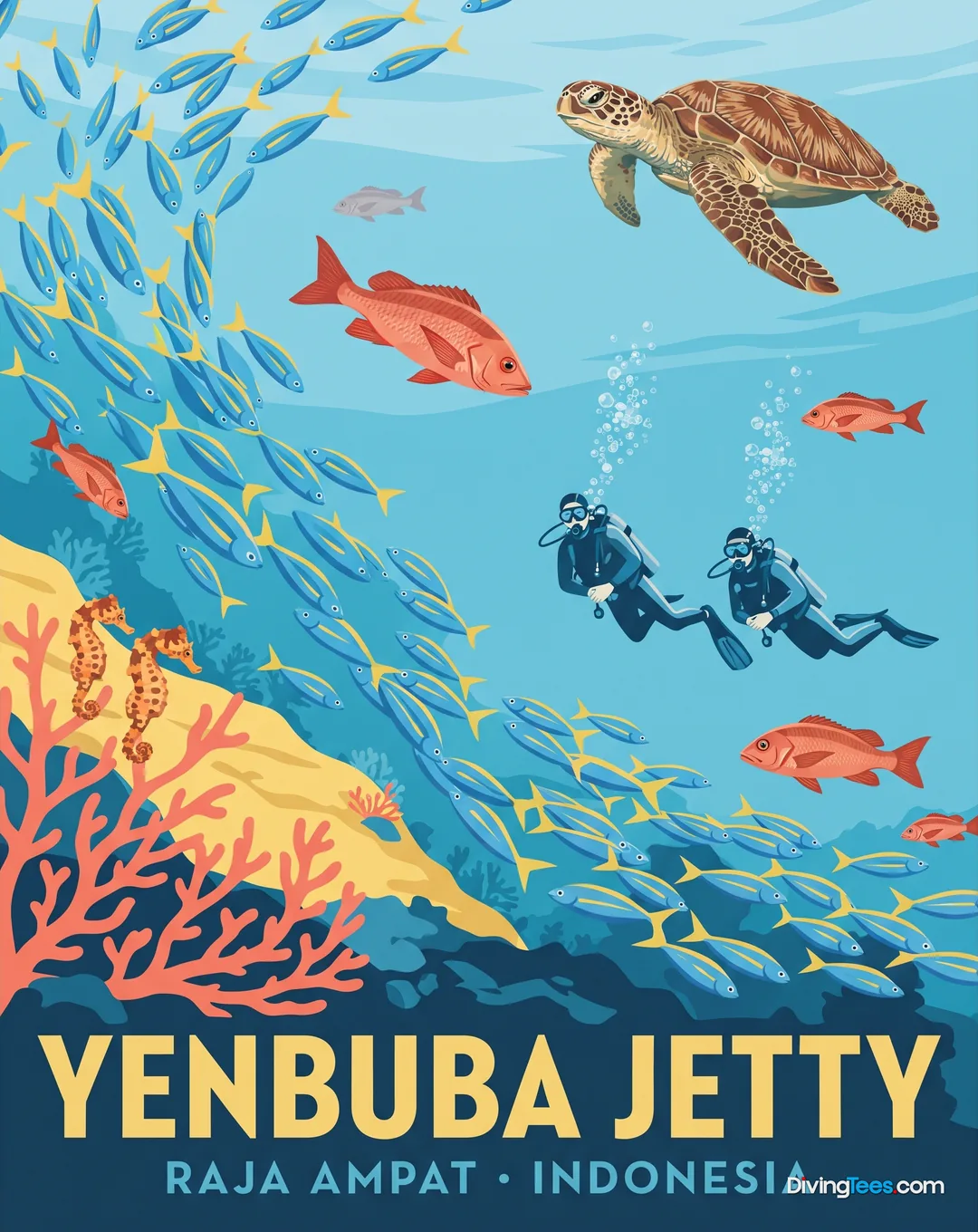
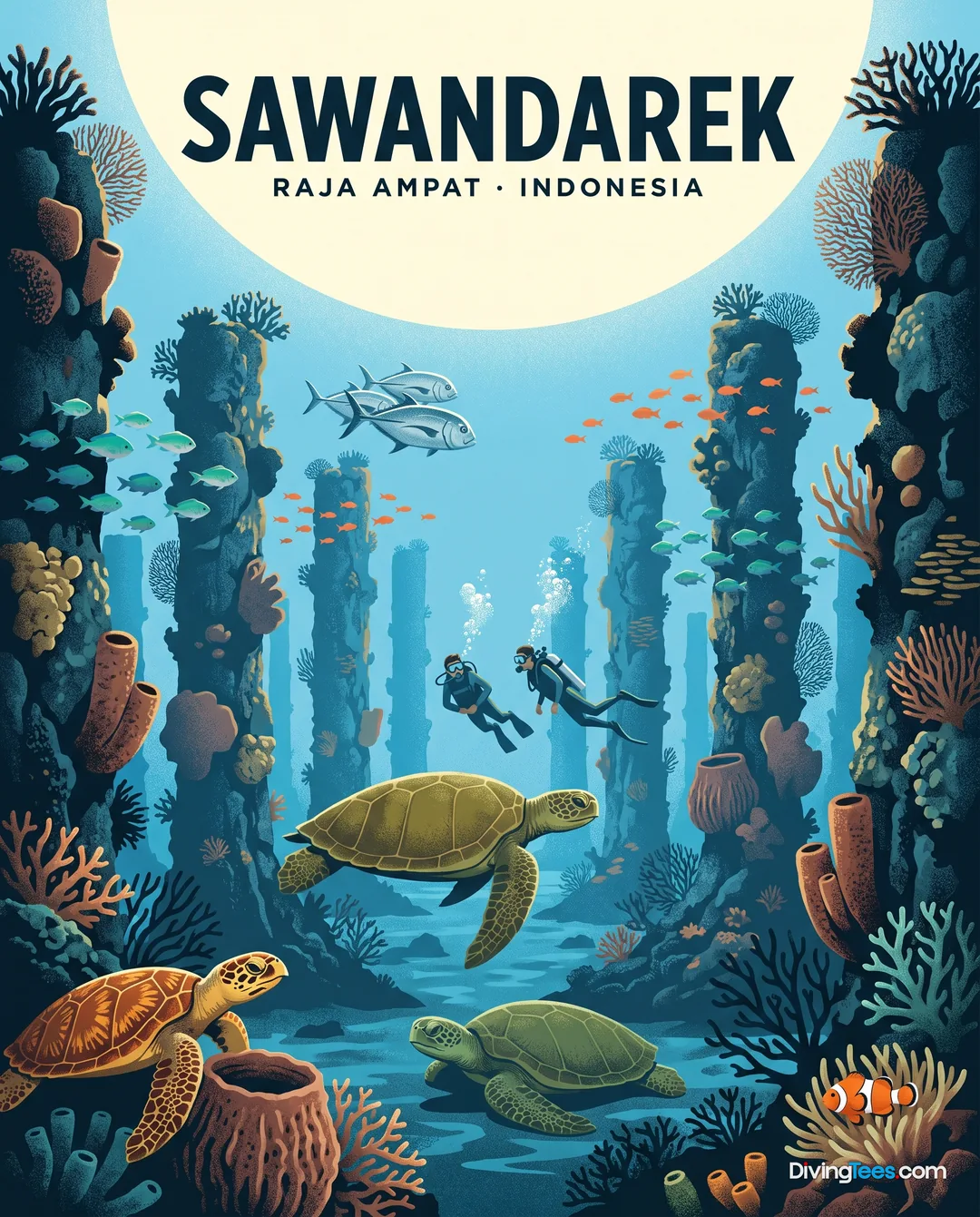
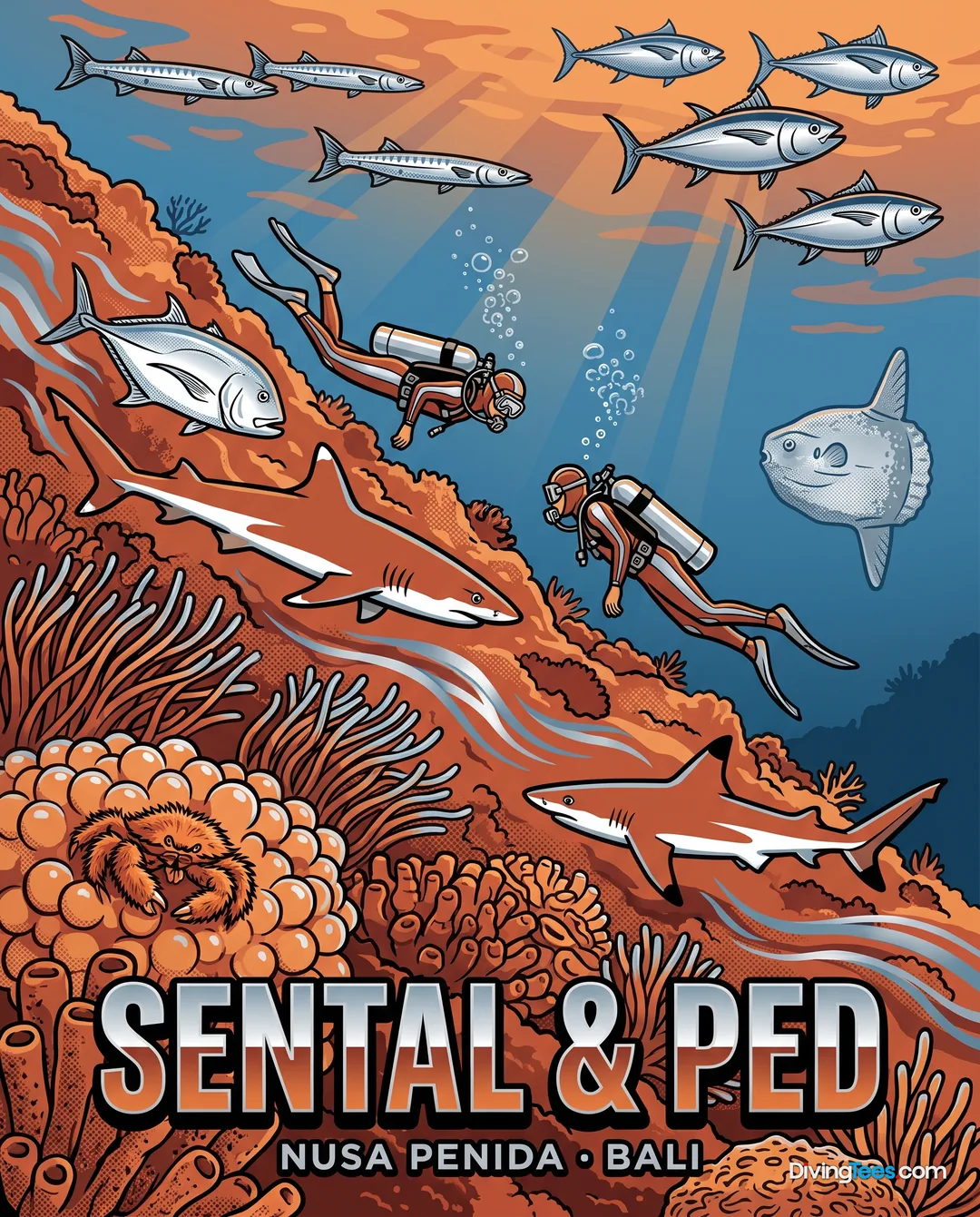
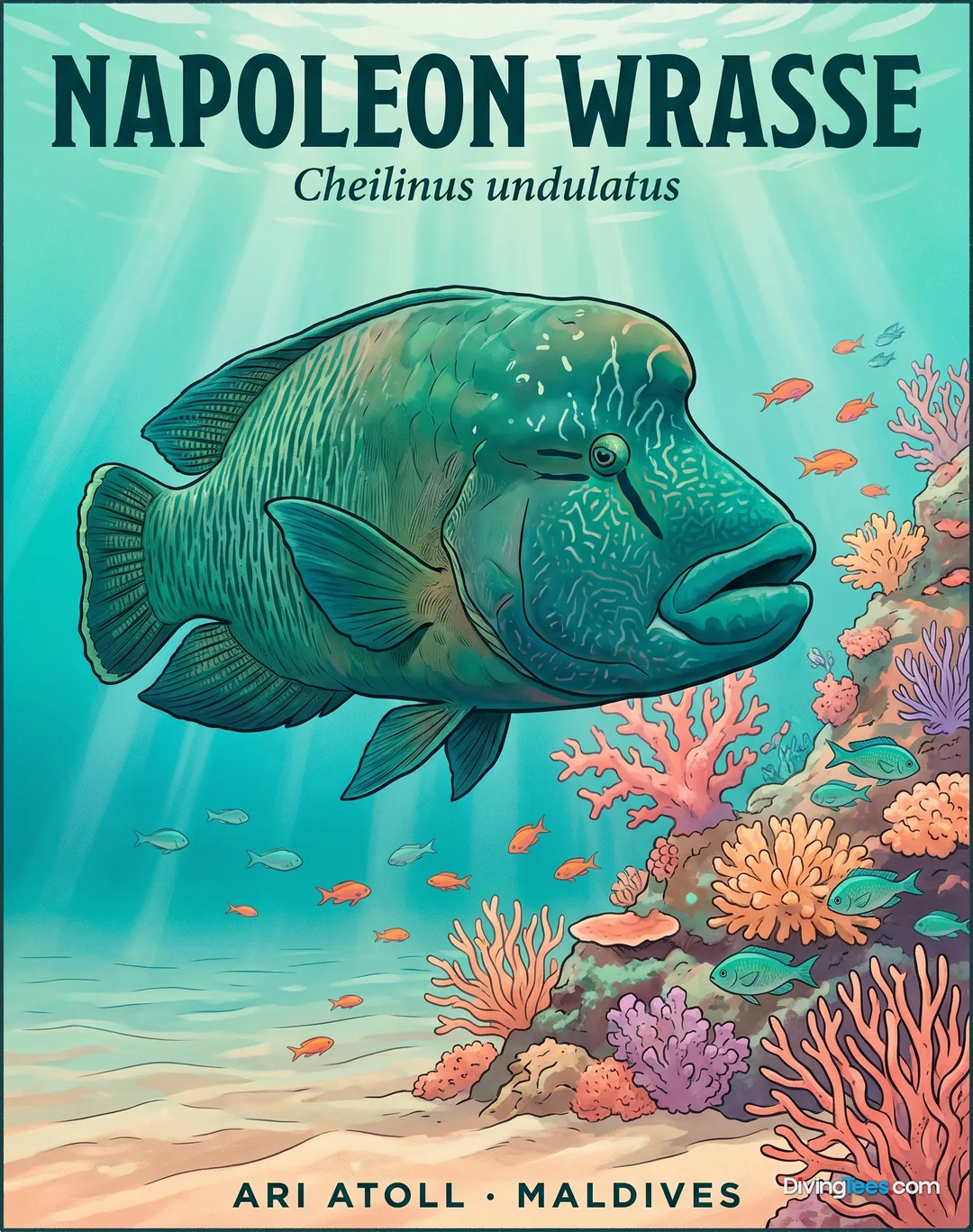
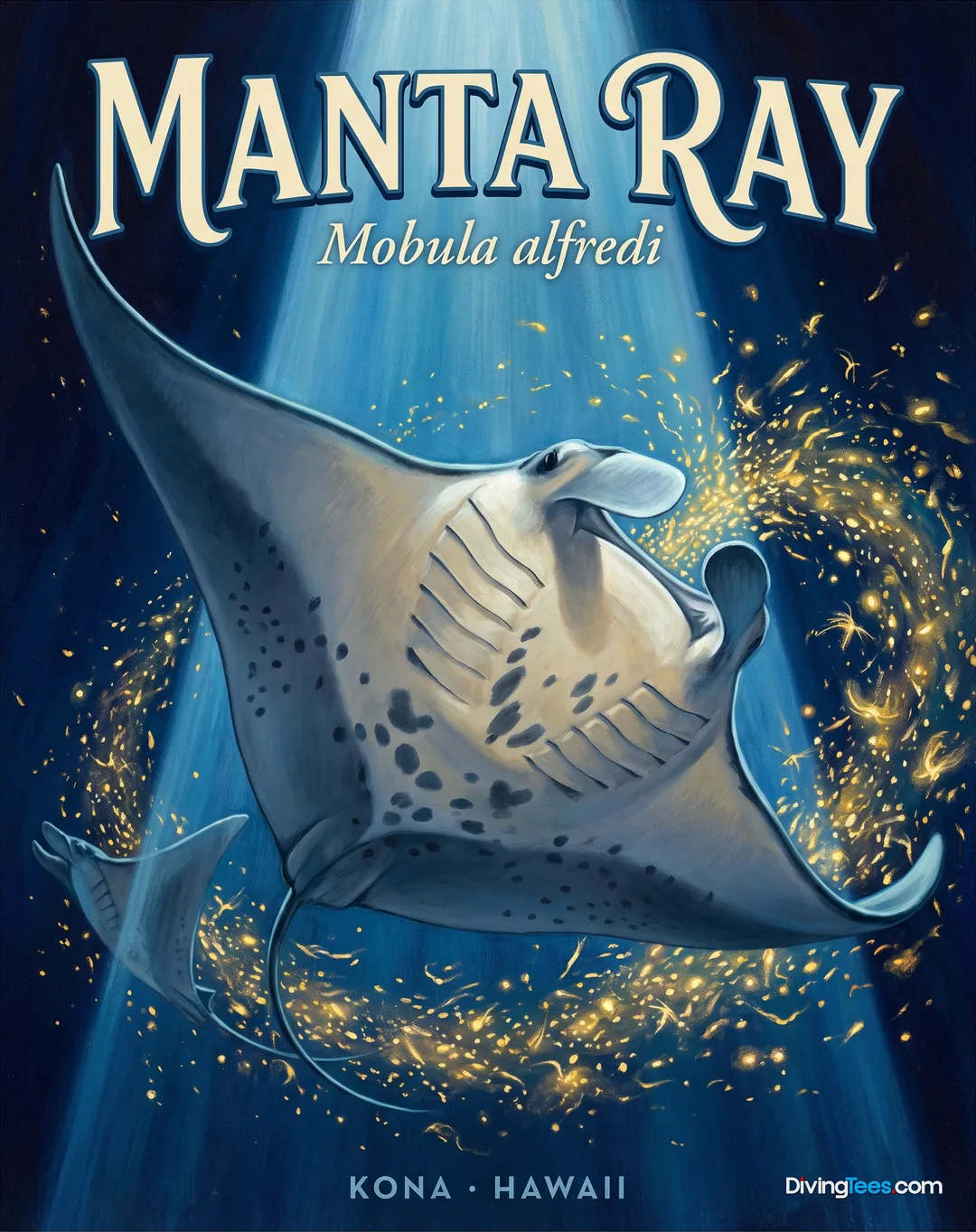
Cape Kri is the headline: one dive there recorded 374 fish species, with huge schools of emperors and fusiliers, Napoleon wrasse and reef sharks moving through the scene. At Blue Magic, schooling fish and giant trevally share the blue with oceanic manta rays, wobbegong sharks, tuna and barracuda. Manta Sandy is more deliberate, built around reef mantas hovering at cleaning stations where divers and snorkelers can watch the behaviour at close range. Melissa's Garden is the coral-garden contrast, with soft corals and staghorn formations; its maximum depth is -35m. Mike's Point combines reef overhangs full of soft corals and sweetlips with a flat plateau where eagle rays may pass; the maximum depth is -40m. The route also reaches current sites such as Cross Over, coral walls at Friwenbonda and Sorido Wall, and the gentle slopes of Ransiwor, which reaches -30m. Yenbuba Jetty descends beneath coral-covered pilings before opening onto a sloping reef, also to -30m; Sawandarek brings giant green turtles and schooling jackfish into the shallows. Best of Dampier trips run for 7 days and 6 nights, while the Raja Ampat–Ambon and Ambon–Raja Ampat expeditions run for 11 days and 10 nights.
What you’ll meet underwater
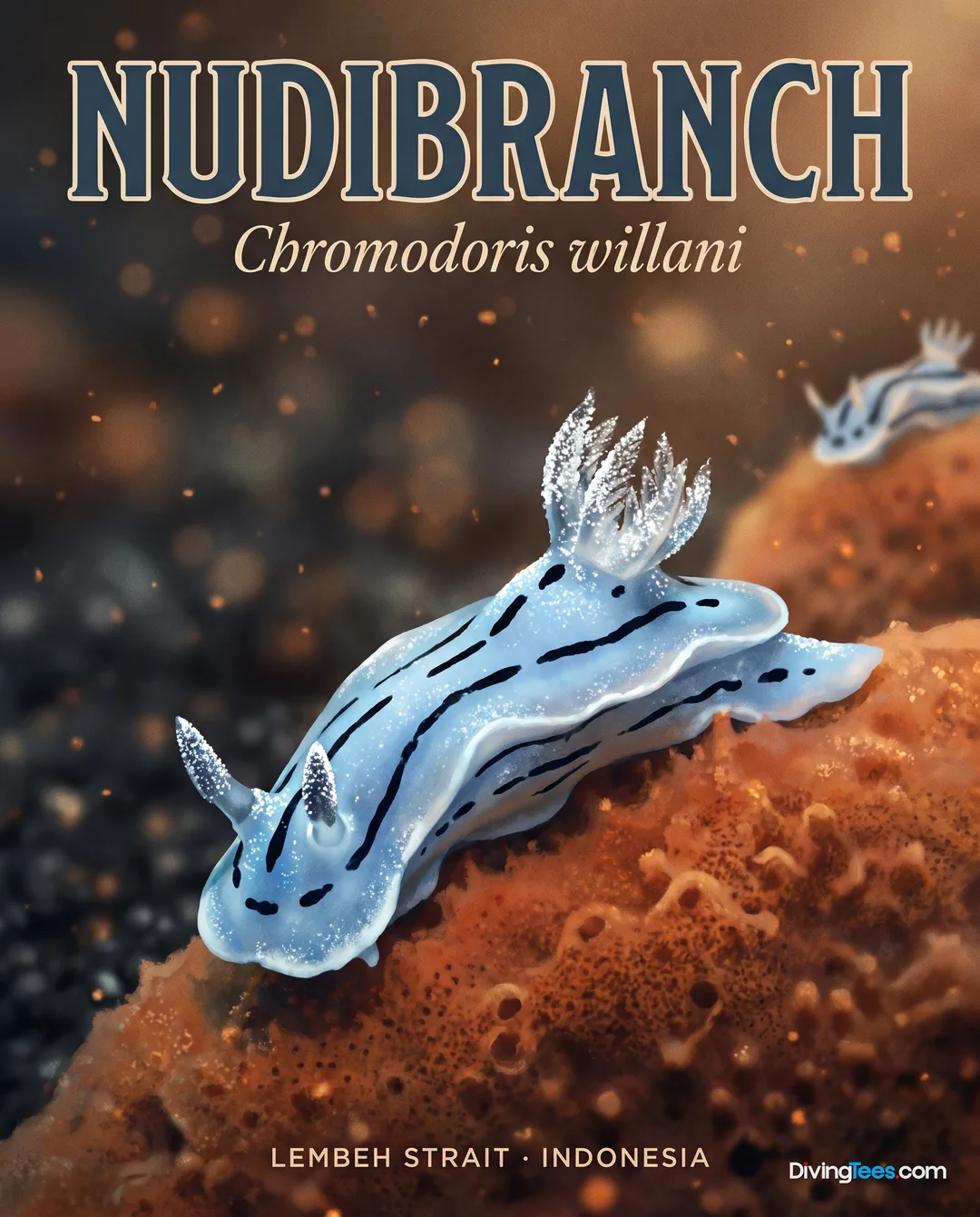
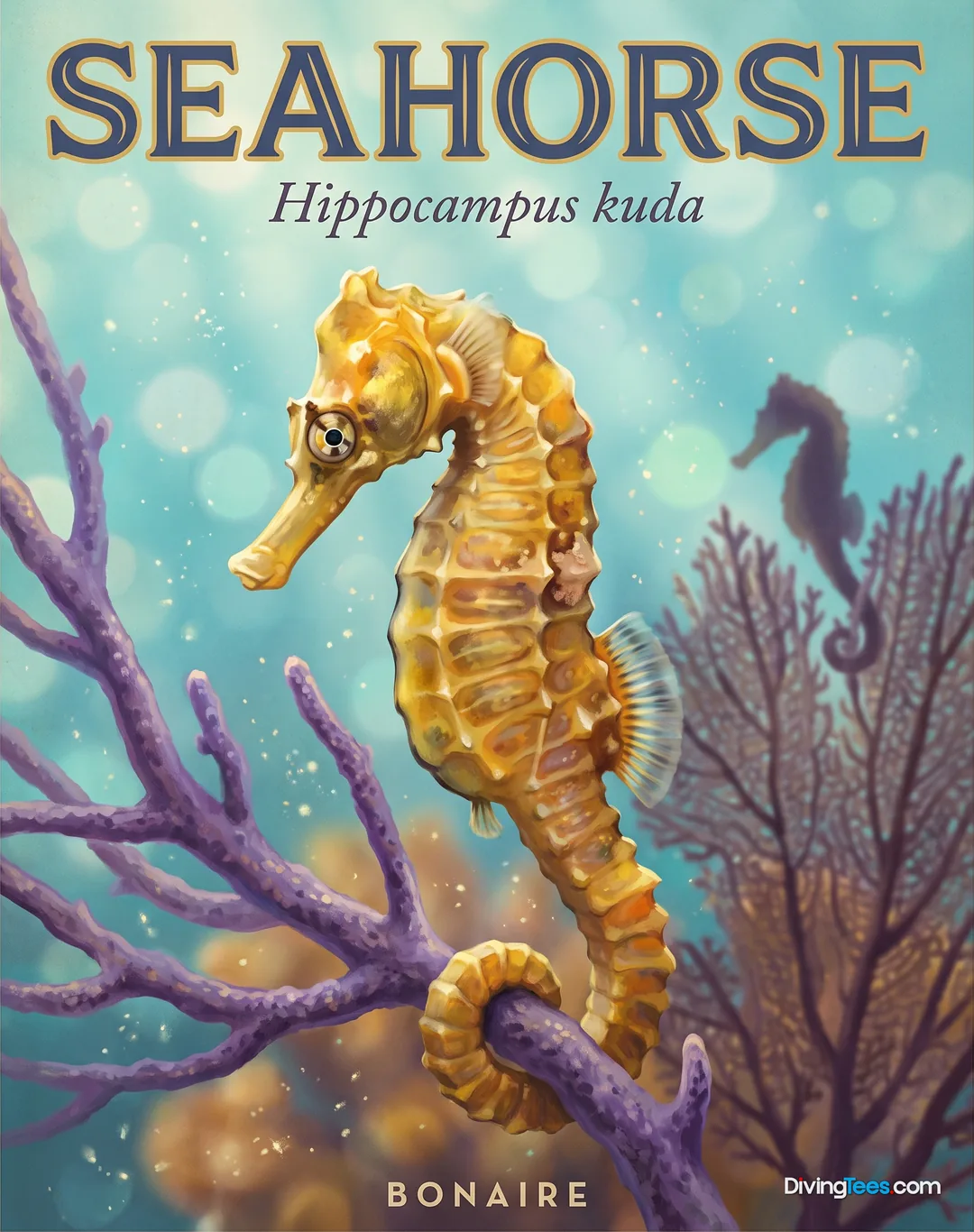
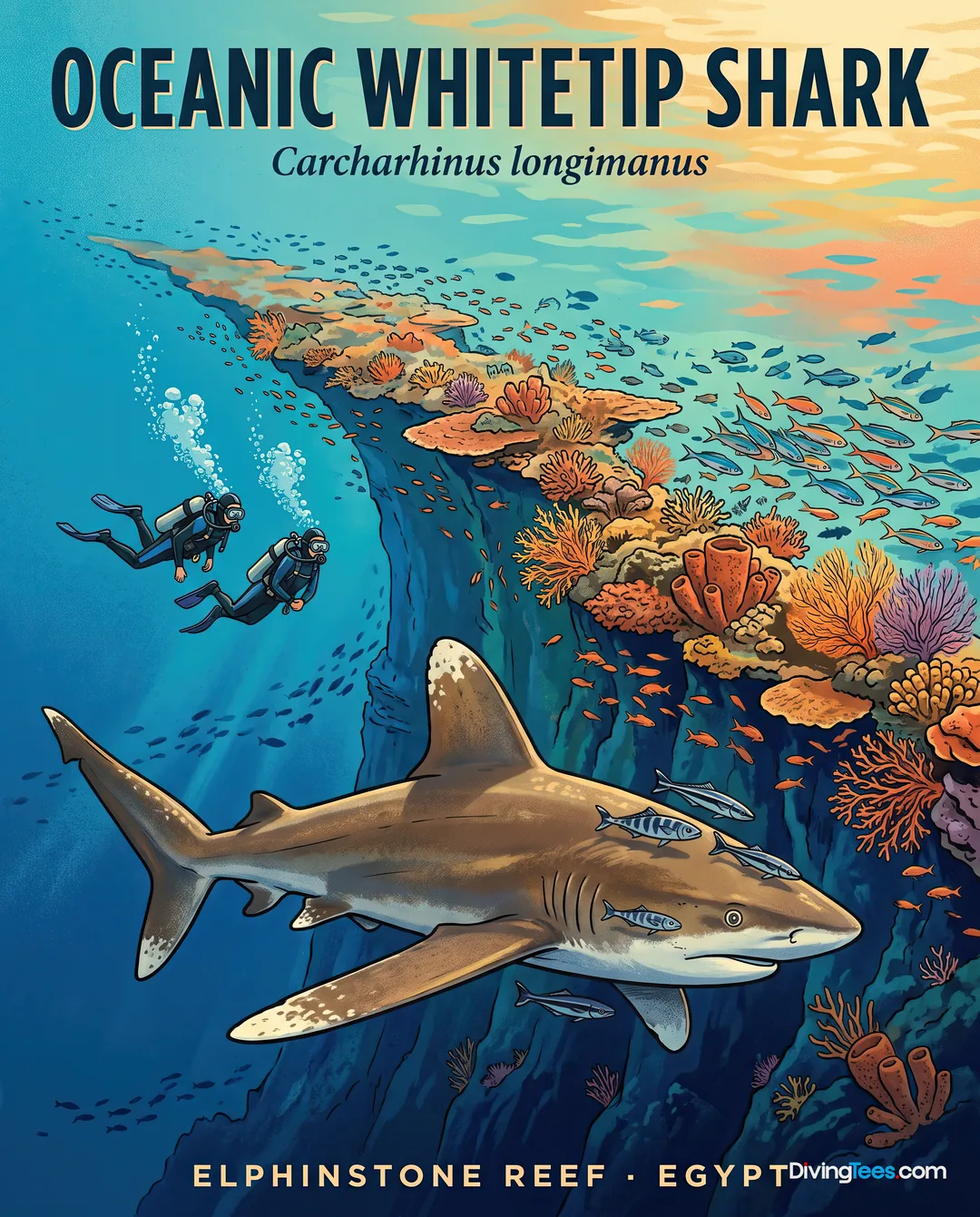
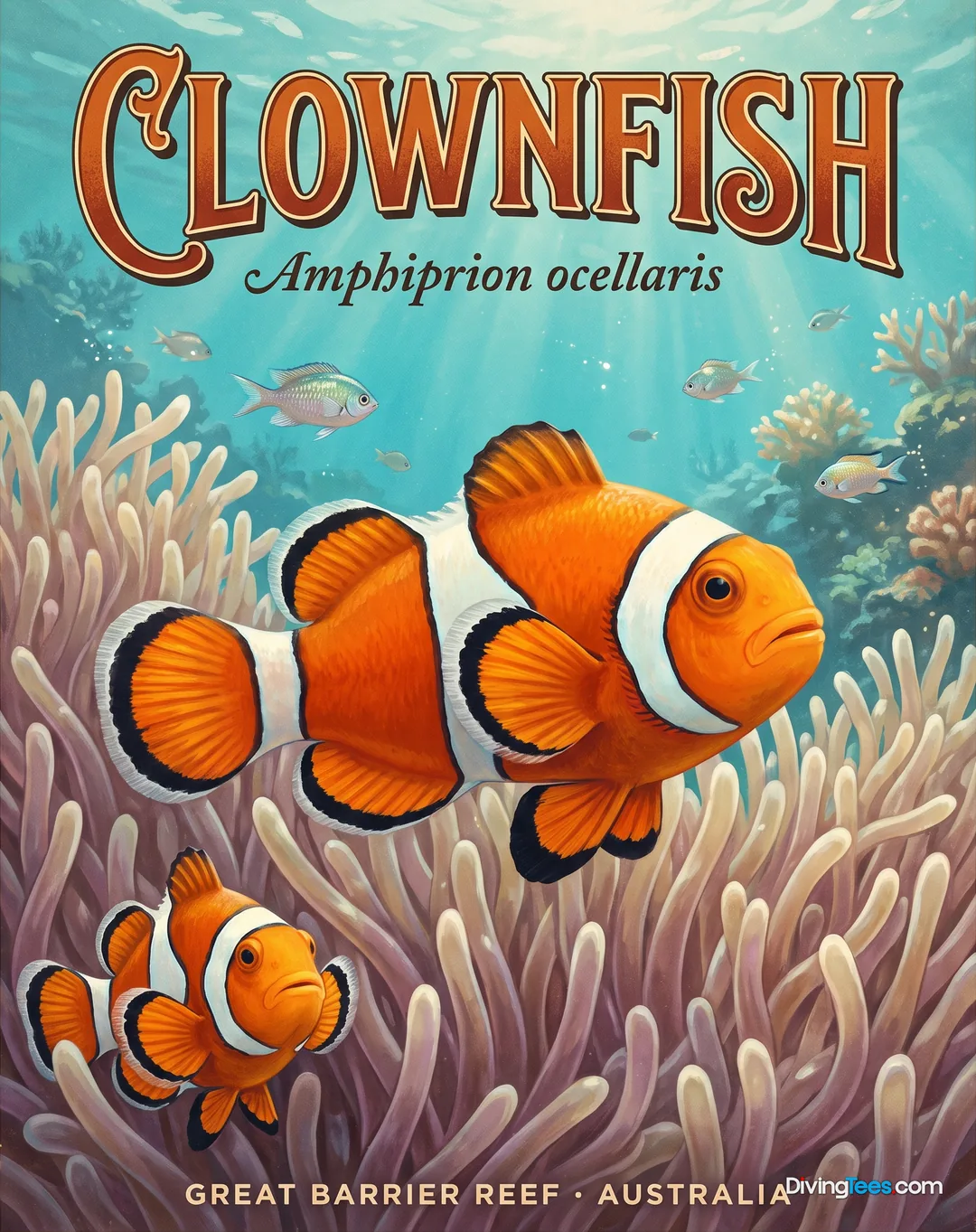
The recurring spectacle is density: barracuda and reef sharks appear across seven sites, nudibranchs across seven, while trevally, fusiliers, turtles, Napoleon wrasse, sweetlips and humphead parrotfish keep turning a reef into moving water rather than a static garden. Soft corals and pygmy seahorses add the slower search, especially for divers who look into the reef instead of only into the blue. Some encounters give a site its reason for being there. Cape Kri is the only listed site for giant grouper and whitetip reef sharks. Blue Magic is the only site on this route listed for oceanic whitetip sharks and tuna. South Kri is the place to look for big-eye trevally, crabs and shrimp among schooling fish and macro life; Ransiwor is the specific site for octopus and clownfish; Yenbuba Jetty is where anthias and damselfish are recorded; Sorido Wall is noted for surgeonfish. The mantas at Manta Sandy and Blue Magic are tied to cleaning-station or schooling-fish habitat, not a promise that every dive produces a sighting.
Who puts you in the water
The crew speaks English, and Jaya is recommended for the way its team combines conviviality with organised diving. Small groups are a published feature, allowing divers to be grouped with attention to ability and experience rather than sent into Raja Ampat's current as one large block. Briefings lead the operation: the guide explains the site and conditions, then the tender handles the practical return from the water. Oxygen, first-aid kits, radar, sonar, GPS and VHF/DSC/SSB radio are carried for the boat's safety and dive response. A private dive guide is available as an optional extra. No minimum logged-dive requirement, instructor roster, course programme or defibrillator provision is given, so divers should judge their own comfort with current sites and ask the operator about any training needs before boarding.
The dive deck and the gear
The dive deck is spacious and was designed for divers rather than adapted from a passenger boat. Equipment has dedicated storage, there are DIN adapters and rinse tanks, and camera users get a separate rinse area plus a photo space. Four-metre tenders powered by 40hp Yamaha outboards take divers to the sites and collect them after the dive, keeping the main boat clear while groups are in the water. Oxygen and first-aid kits are carried on board. Rental equipment is available, but the supplied specifications do not identify tank material or volume, compressor type, nitrox blending, SMB provision or equipment brands. Nitrox is not presented as a standard inclusion. That is the point to settle before committing if gas choice or a particular rental setup matters to the trip.
Between dives
Between dives, Jaya gives people somewhere to come out of their equipment without disappearing into a cabin. The terrace and relaxation areas are the natural places to sit, compare sightings and let the surface interval pass; outdoor dining keeps meals connected to the islands and weather around the boat. Photographers have a dedicated space and a separate camera rinse, so a housing does not have to compete with masks and fins for the same bucket. Non-divers and snorkelers are welcome, which makes the boat workable for a mixed group. Internet is available as a paid extra, but Raja Ampat is better served by the deck: a reef still visible in the mind, a coffee, and the next briefing arriving before anyone has finished talking about the last dive.
A day on board
A day on Jaya is built around the next descent. The first briefing comes before the first dive, followed by the tender ride, the return to the platform and a meal or snack while tanks are prepared again. Surface intervals are long enough to eat, drink, talk through the site and settle the camera before the boat moves on. The route can place three dives into a day and, on some expedition days, four; the exact pattern follows the itinerary and conditions. Crossing between areas becomes part of the day rather than dead time, with the boat carrying divers towards the next reef while the deck dries and the galley gets ahead of the next meal. Evenings are for dinner, sorting photographs and listening to the plan for tomorrow. On the Ambon–Banda itinerary, a sunset harbour dive is included for mandarin fish; other days finish after the final scheduled dive.
What you eat aboard
Food is one of Jaya's strongest points. Meals are served buffet-style, with local dishes alongside vegetarian and vegan options, and dinner can also be ordered à la carte. Beer is available, while snacks remain within reach through the day. That matters on a liveaboard where the table is not a decorative corner but the recovery station between dives: breakfast sets up the first descent, lunch replaces what the water took out of you and dinner closes the working part of the day. The food is described as generous and consistently well prepared, which is exactly what a four-dive routine needs. There is enough choice for different appetites without turning the galley into a restaurant performance.
Nights at sea
The cabins are on the lower deck, with standard windows and air conditioning. The choice is between twin cabins and double cabins with en-suite bathrooms, so the practical decision is whether the room is shared or private rather than whether it sits in a different class of luxury. Five bathrooms serve seven cabins. After a day of current and repeated climbs onto the tender, the useful things are a cool room, a proper place to shut the door and a window that gives the cabin some connection with the sea. Jaya does not sell its nights as resort accommodation. The space is there to sleep, dry out and start again, while the larger shared areas carry the social life of the trip.
Twin Cabin
Double Ensuite Cabins
What to know before boarding
Jaya's Best of Dampier trips depart from and return to Waisai. The Raja Ampat–Ambon expedition runs from Waisai to Ambon, while the Ambon–Raja Ampat expedition runs from Ambon towards Waisai or Sorong. The Ambon–Banda–Ambon expedition boards and ends at Tulehu Harbour, Ambon. Arrive the night before: a liveaboard departure is a poor place to discover that a ferry, road transfer or flight has slipped.
Deck plan
- Year built
- 1999
- Length
- 23 m
- Beam
- 5.7 m
- Maximum number of passengers
- 14
- Number of cabins
- 7
- Number of bathrooms
- 5
- Engines
- Mitsubishi 200 hp
- Tenders
- 4 m with 40 hp Yamaha
- Website
- scuba-republic.com ↗
Hello, I'm Marina, DivingDeal.com's AI assistant. I answer in detail about hotels, dive centres and liveaboards.

Thinking about the whole trip and the flights? Talk it over with Edith →
Marina is an AI. Some links are affiliate links: DivingDeal may earn a commission, at no extra cost to you. Bookings are made with the partner.