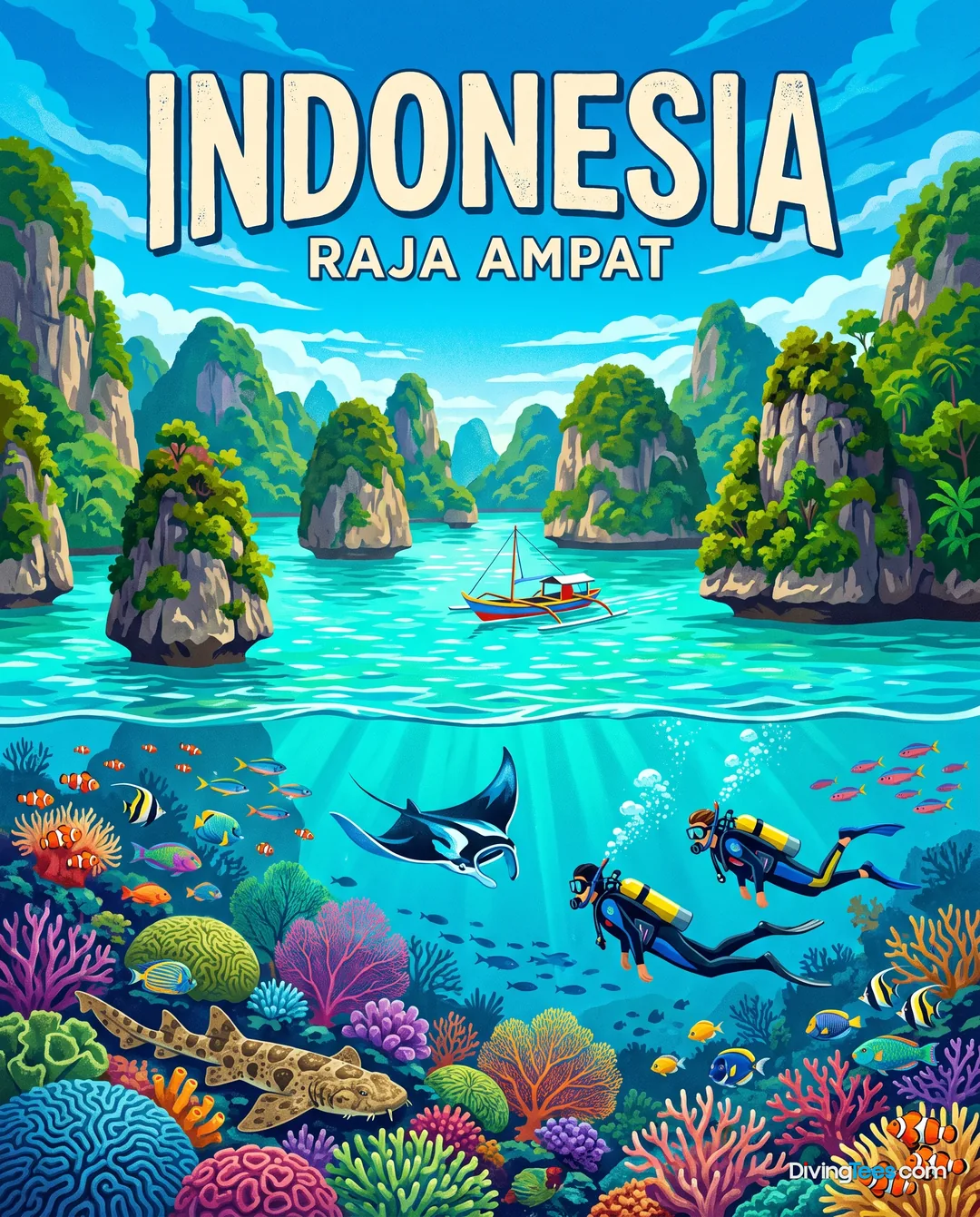
Liveaboards · Indonesia
Ratu Laut — a compact wooden phinisi built for conservation-led Raja Ampat diving
What makes this boat unique
- Ratu Laut carries up to 12 divers in four air-conditioned cabins, with shared hot-water showers.
- The dive programme offers two to three dives a day, including night dives, with two dives on the final day.
- Two fiberglass dinghys take divers to the sites, while twin Bauer compressors fill the included 12-litre tanks.
- Barefoot Conservation routes the liveaboard through Raja Ampat while supporting manta research and community projects.
The invitation
Ratu Laut is for divers who want Raja Ampat's reefs without stepping onto a large floating resort. This is a compact wooden phinisi with four cabins, a small guest group and a dive operation shaped around access to the water rather than luxury. The boat's strongest card is the combination of location and purpose: trips reach cleaning stations, current-swept reefs and macro sites across central, northern and southern Raja Ampat, while Barefoot Conservation connects some cruises with manta identification, reef surveys and local community work. The hull and facilities are modest. The gain is a boat where the dive team, the route and the people around the table matter more than polished finishes. Choose it for reef density, mantas, schooling fish and the chance to understand some of the work behind protecting them.
Boarding
From the dock, Ratu Laut looks like what she is: a traditional wooden phinisi adapted for diving, with a working rather than yacht-like presence. She began life as a surfing charter boat and was extensively renovated in 2016, including her engine and safety equipment, before becoming a scuba liveaboard. On board, the layout is compact and practical. The dive deck is forward and the kitchen is aft, so the boat's working areas are close to the guest spaces rather than hidden away. A covered indoor saloon gives the group somewhere to eat and talk, while the open upper deck provides the wider view once the anchor is up. Her small size makes the operation feel direct: the dinghys, compressors, galley and dive team are all part of the same short walk.
The atmosphere on board
Ratu Laut's atmosphere comes from the small group and the conservation setting, not from formal luxury. Guests share the saloon, the deck and the dive preparation space, so the people who help with a manta presentation or a survey briefing are close to the same people guiding the dives. The crew's role extends beyond carrying tanks: they help divers prepare, explain the day's sites and keep an eye on comfort and safety in a compact operation. English and Indonesian are spoken on board. Passenger feedback consistently points to kind, helpful crew and professional guides, while also being clear that the boat is small and its functionality limited by shared facilities. That trade is honest. Ratu Laut offers less space, but more contact with the people running the expedition.
The sites you’ll dive
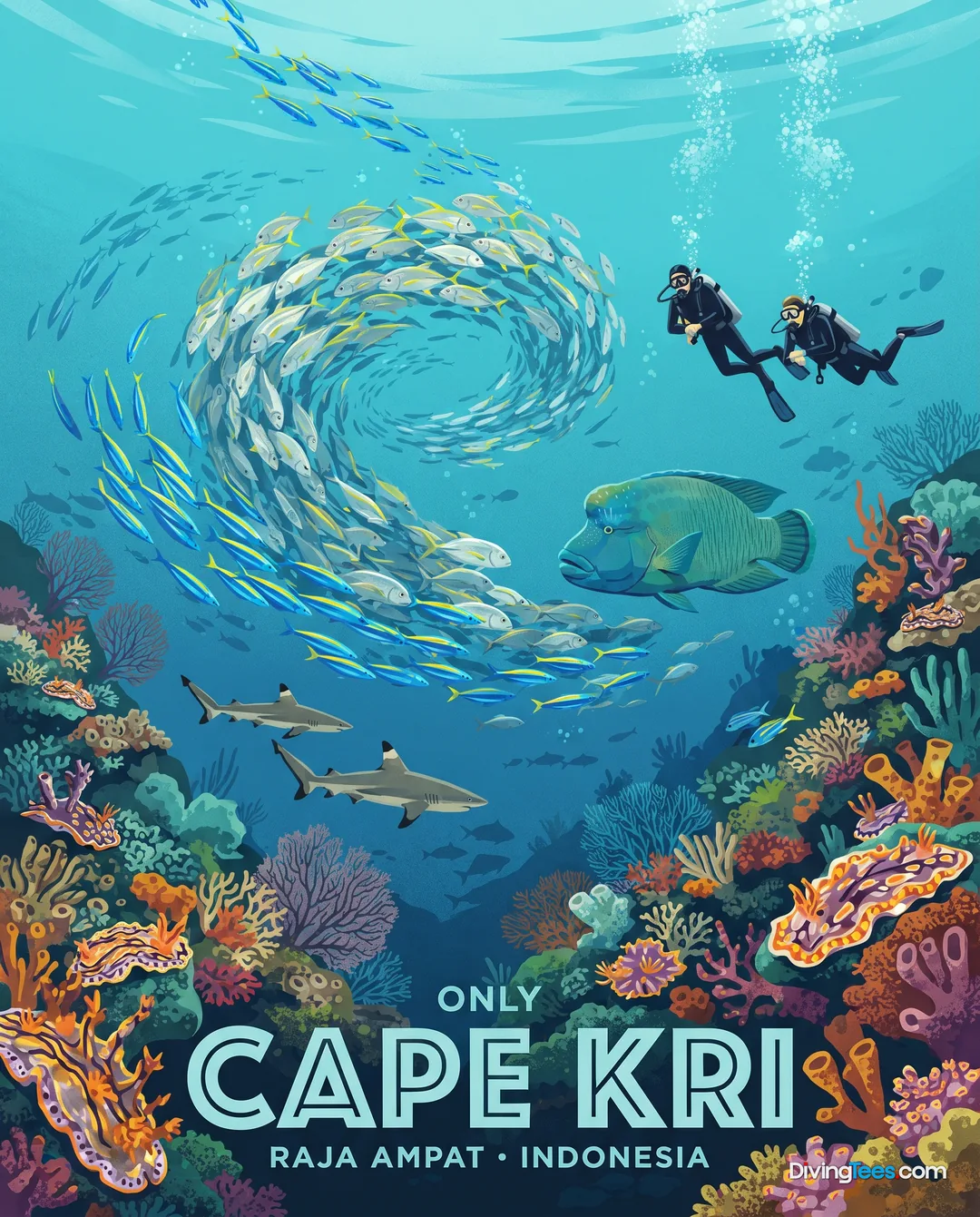
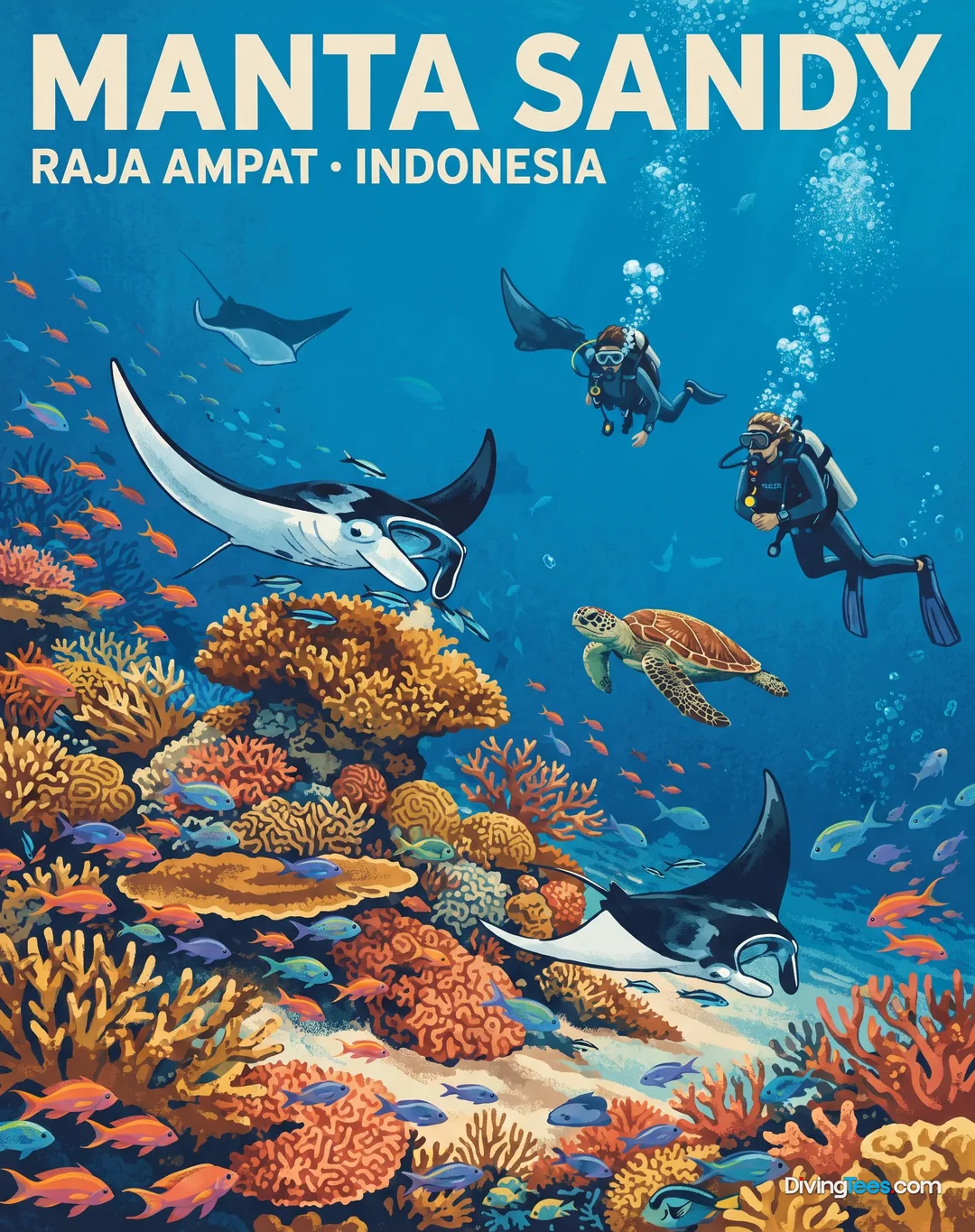
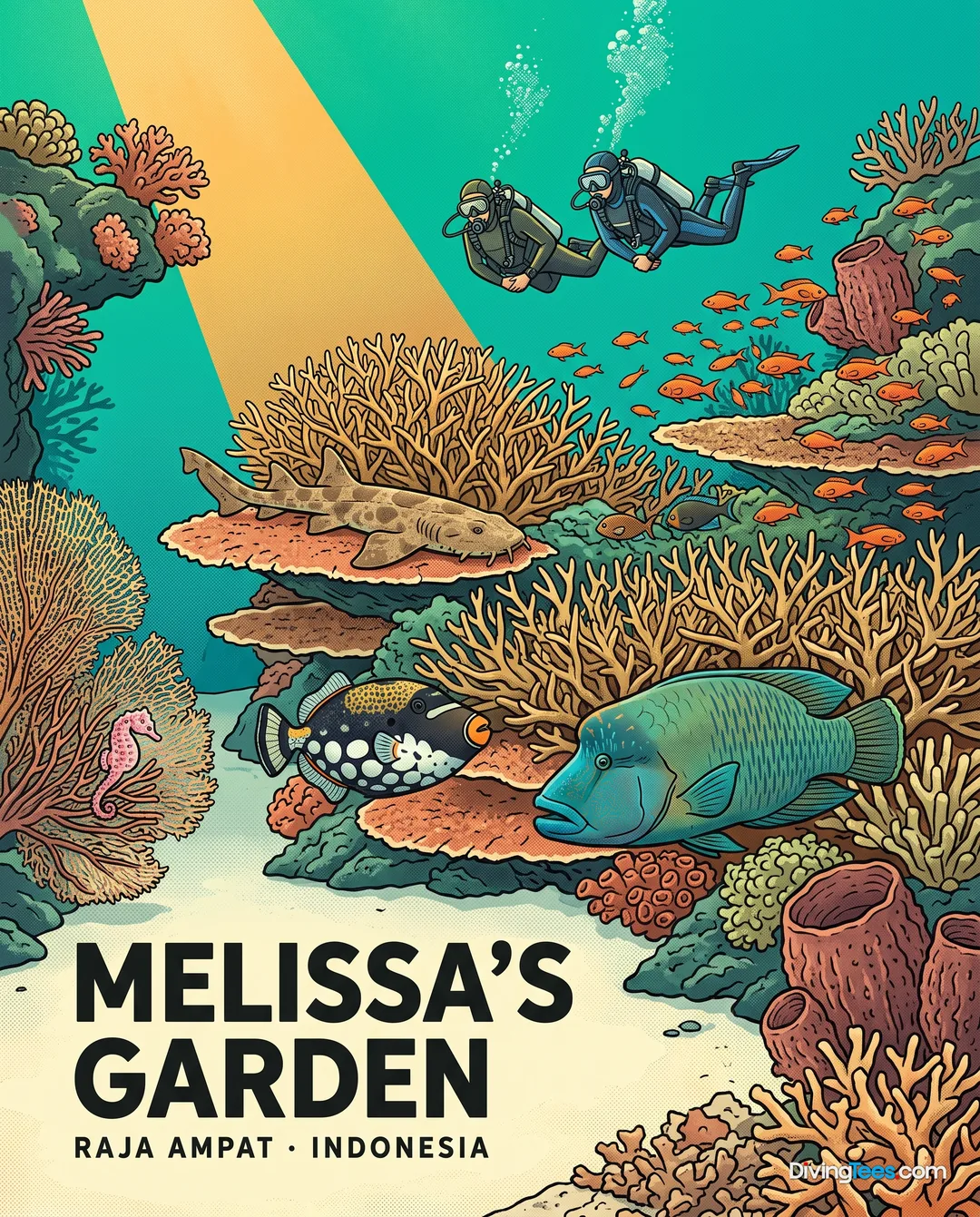
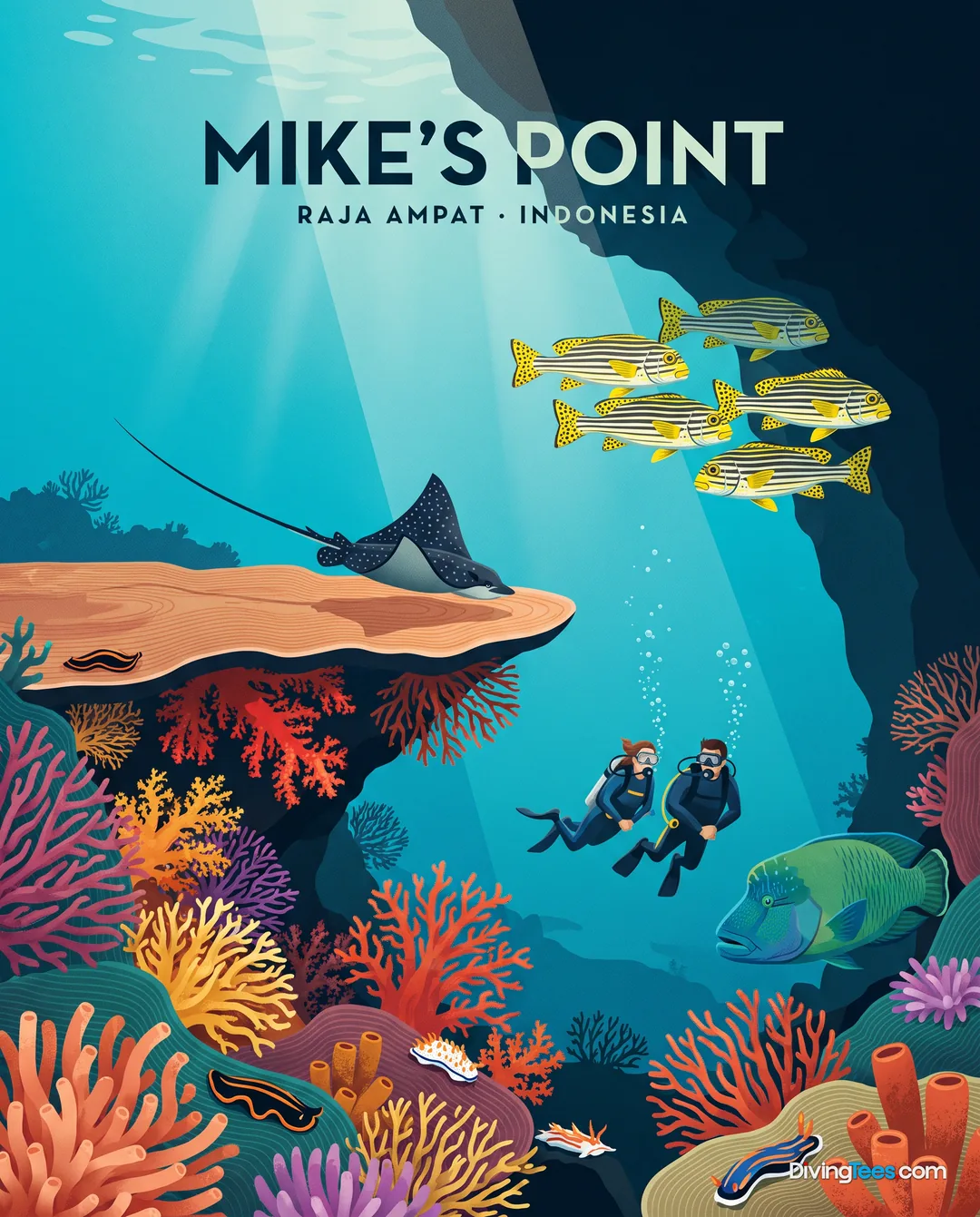
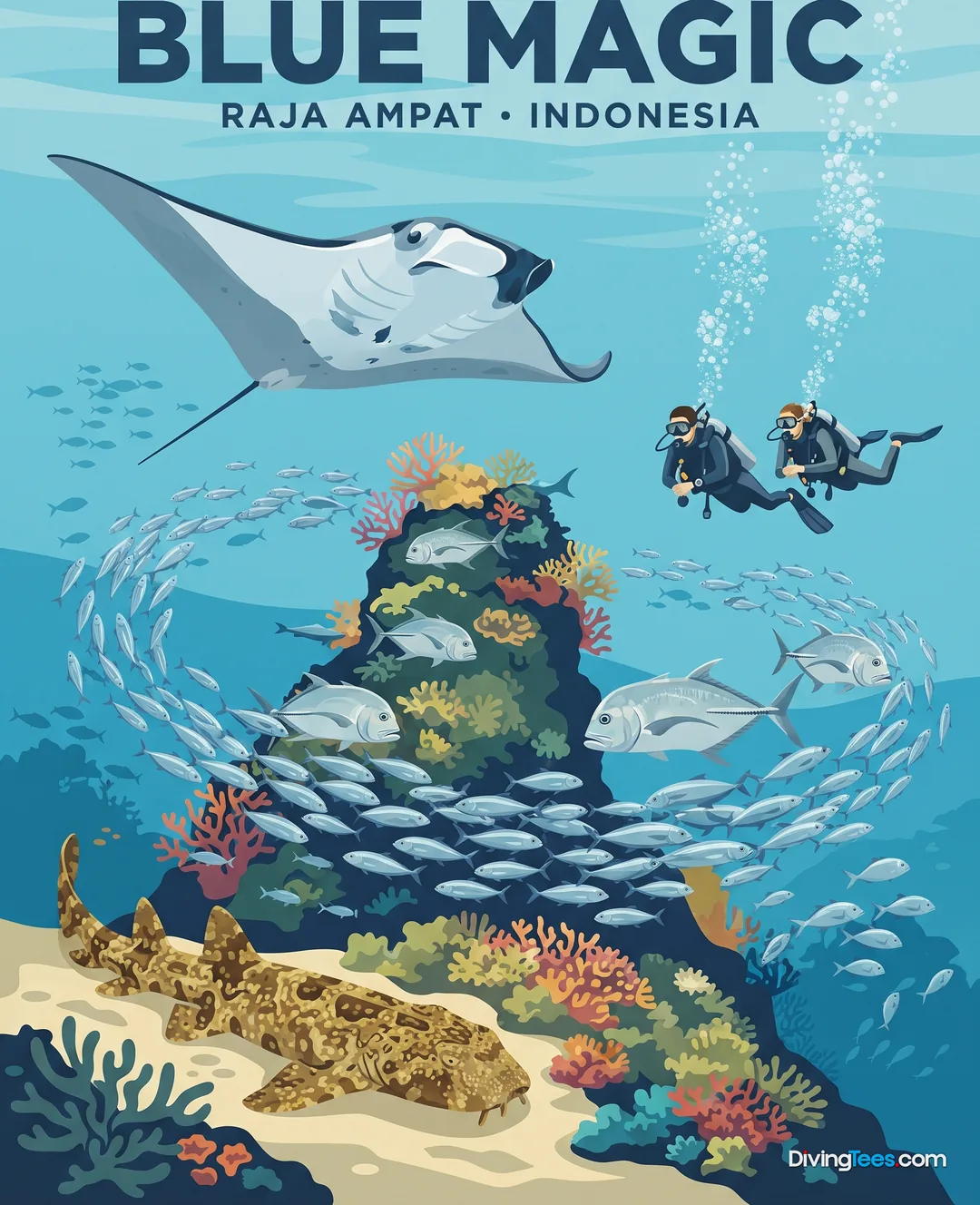
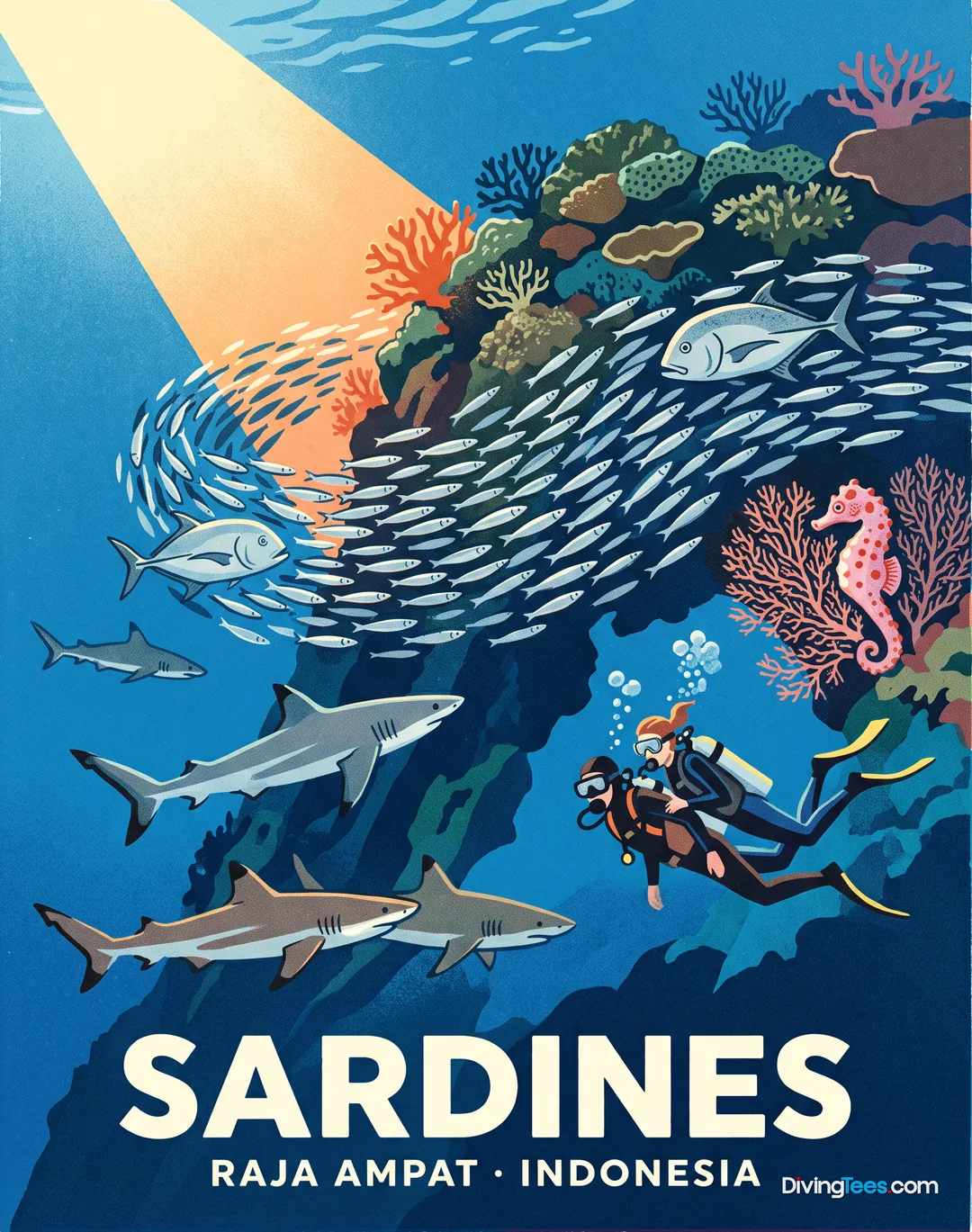
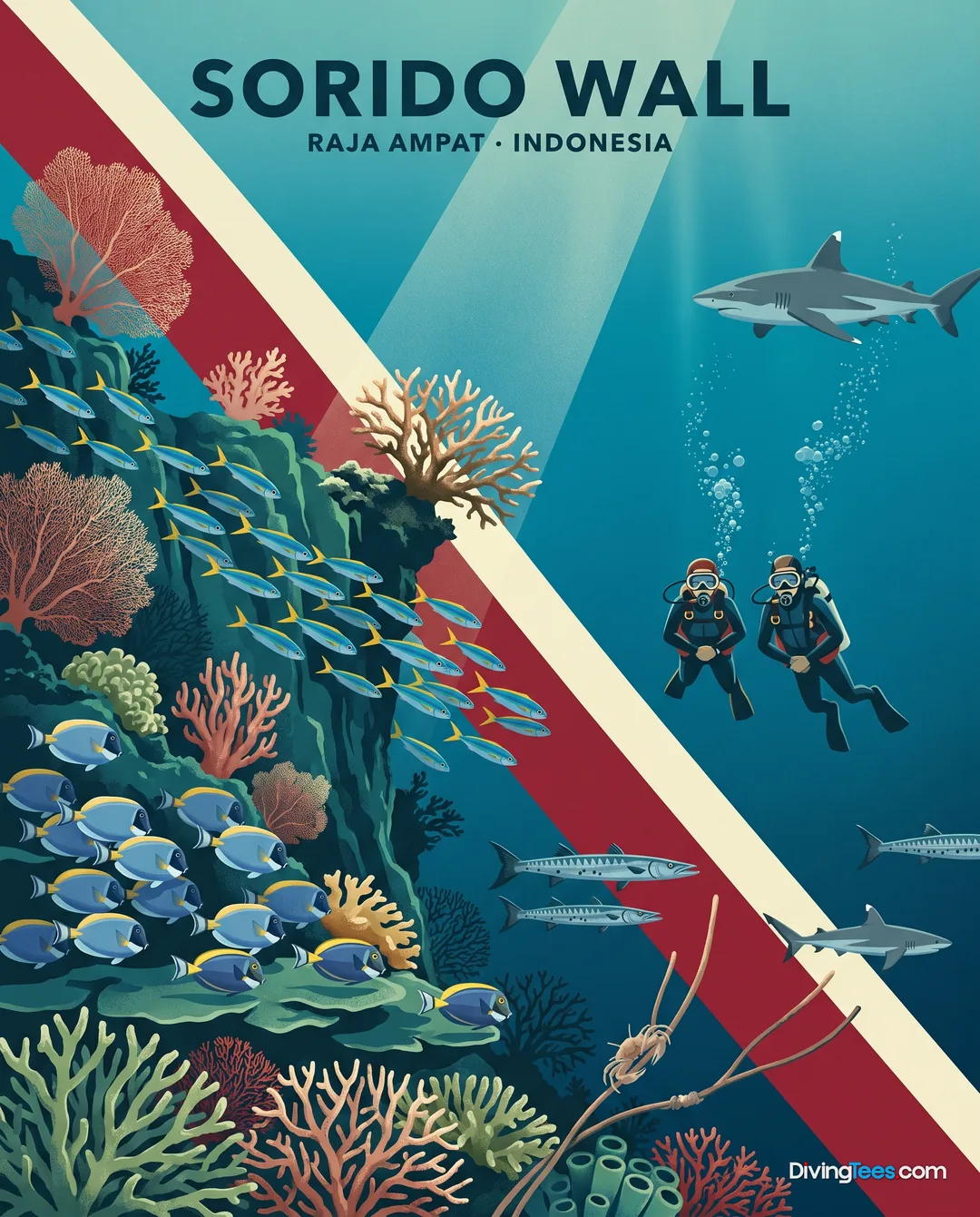
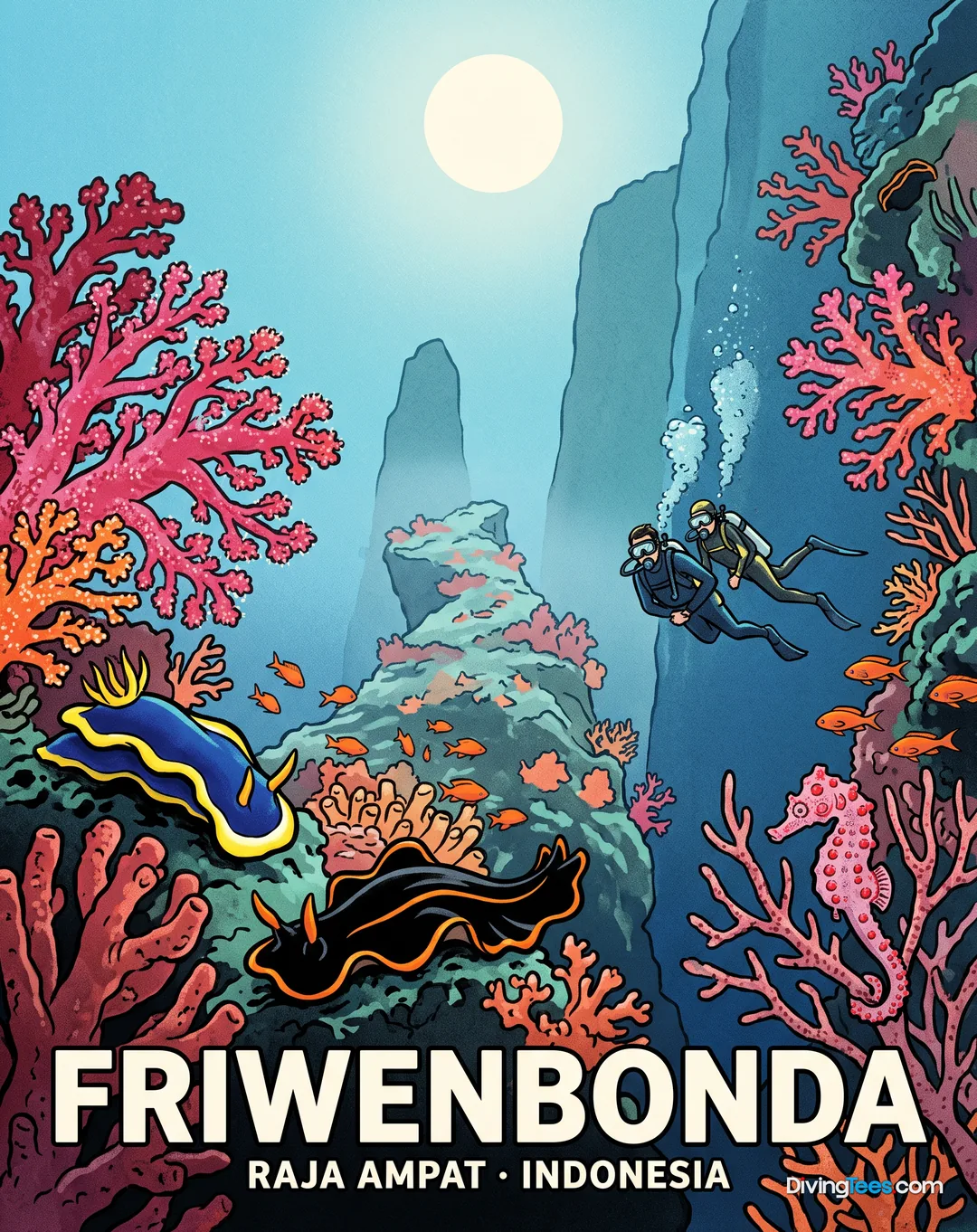
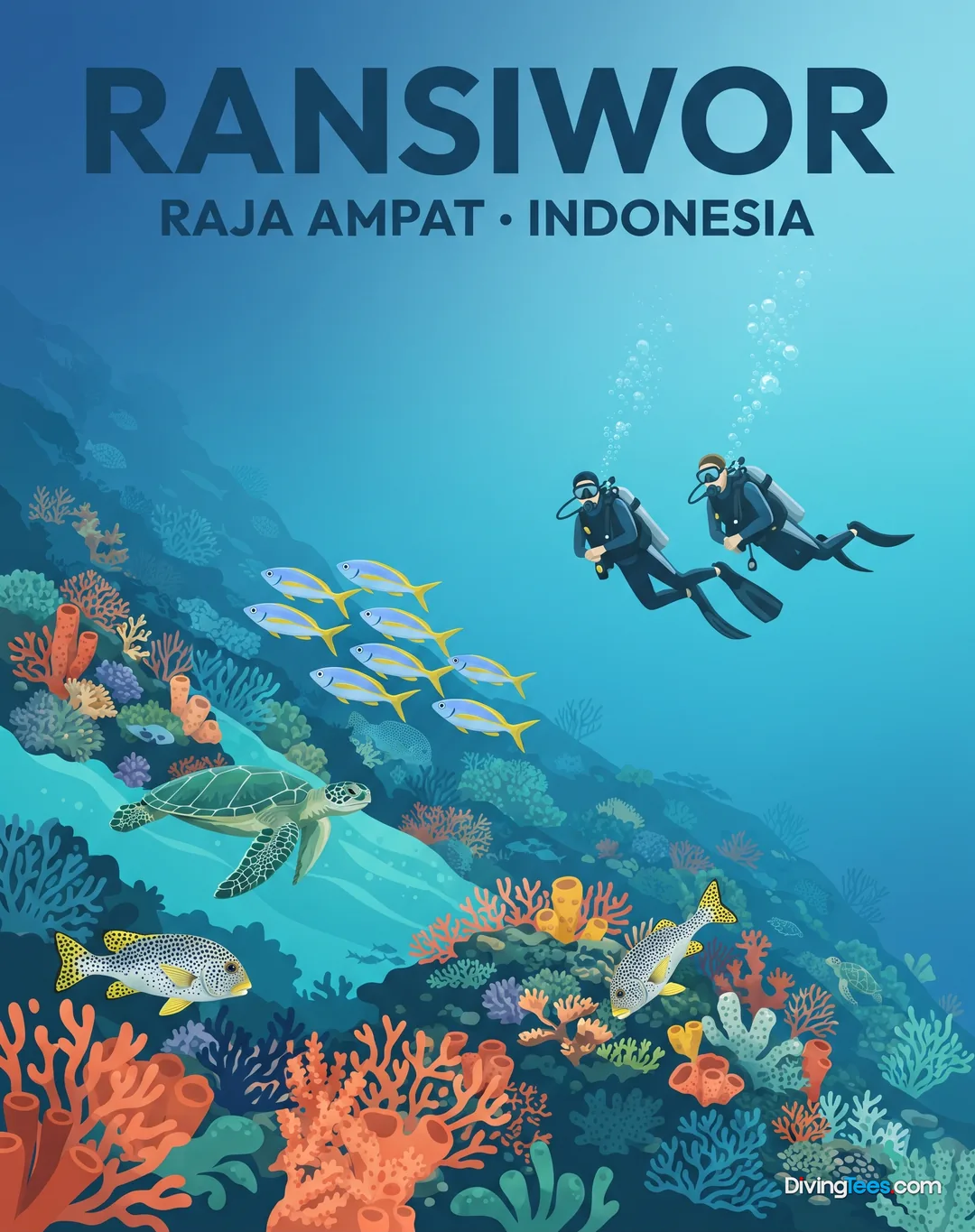
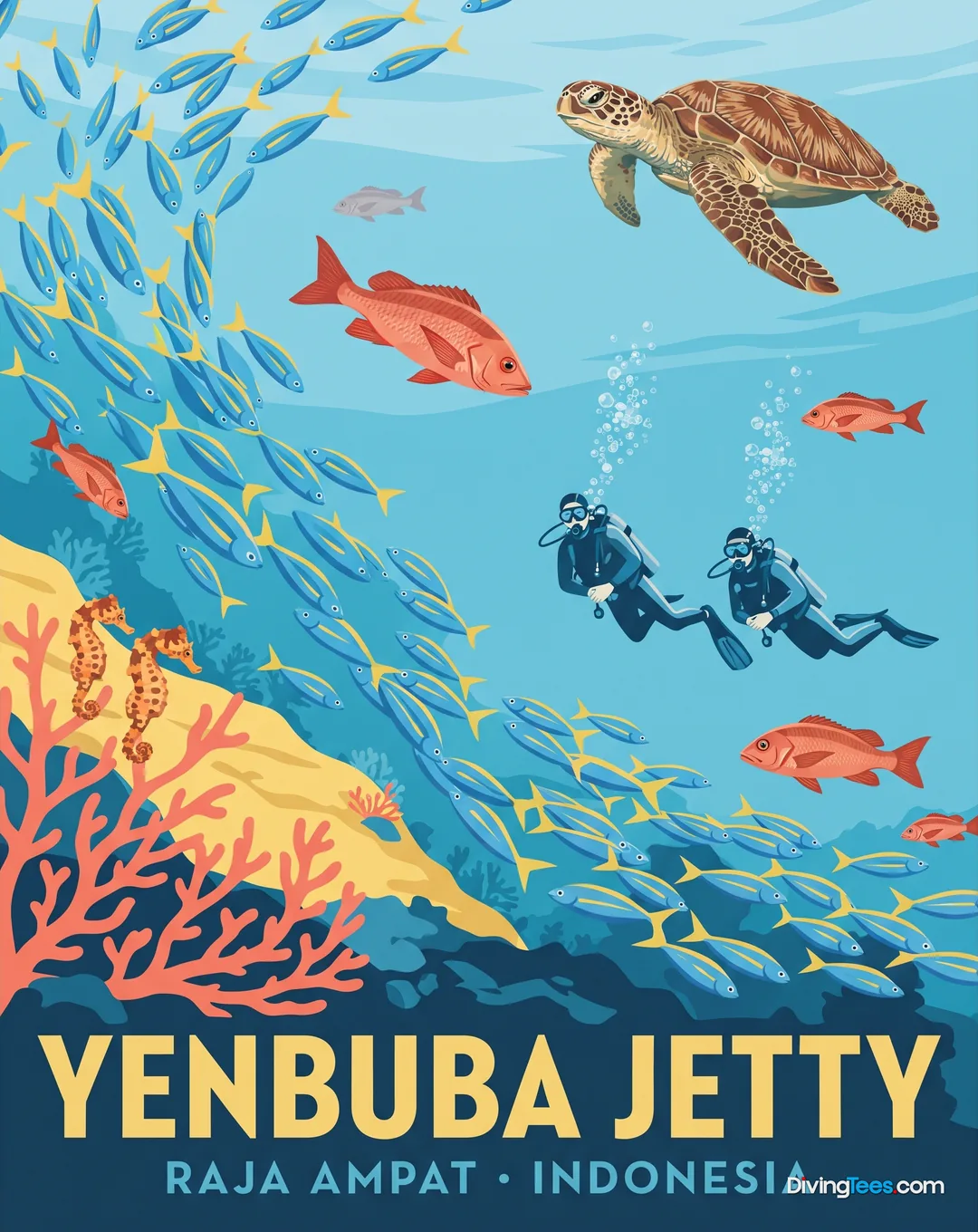
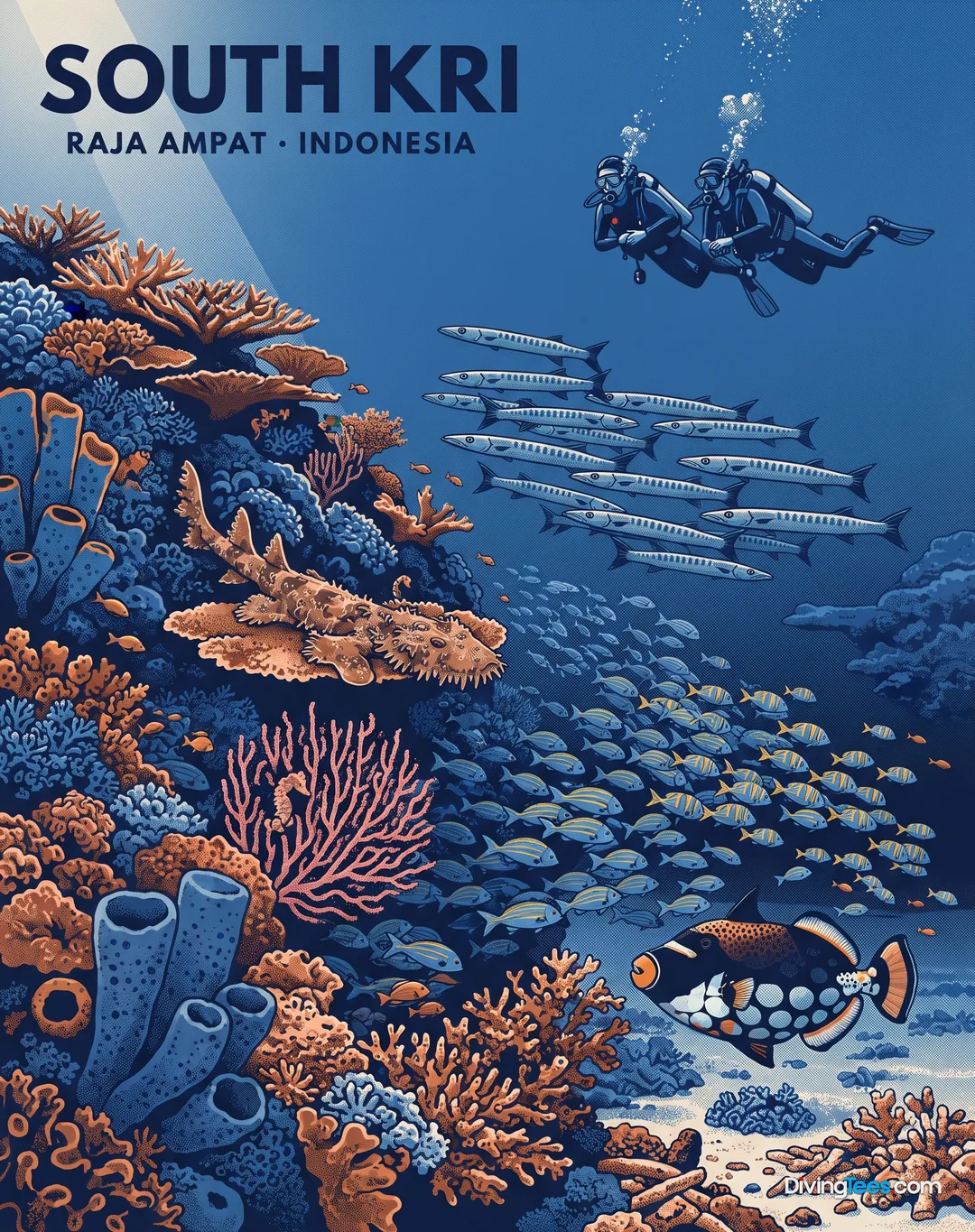
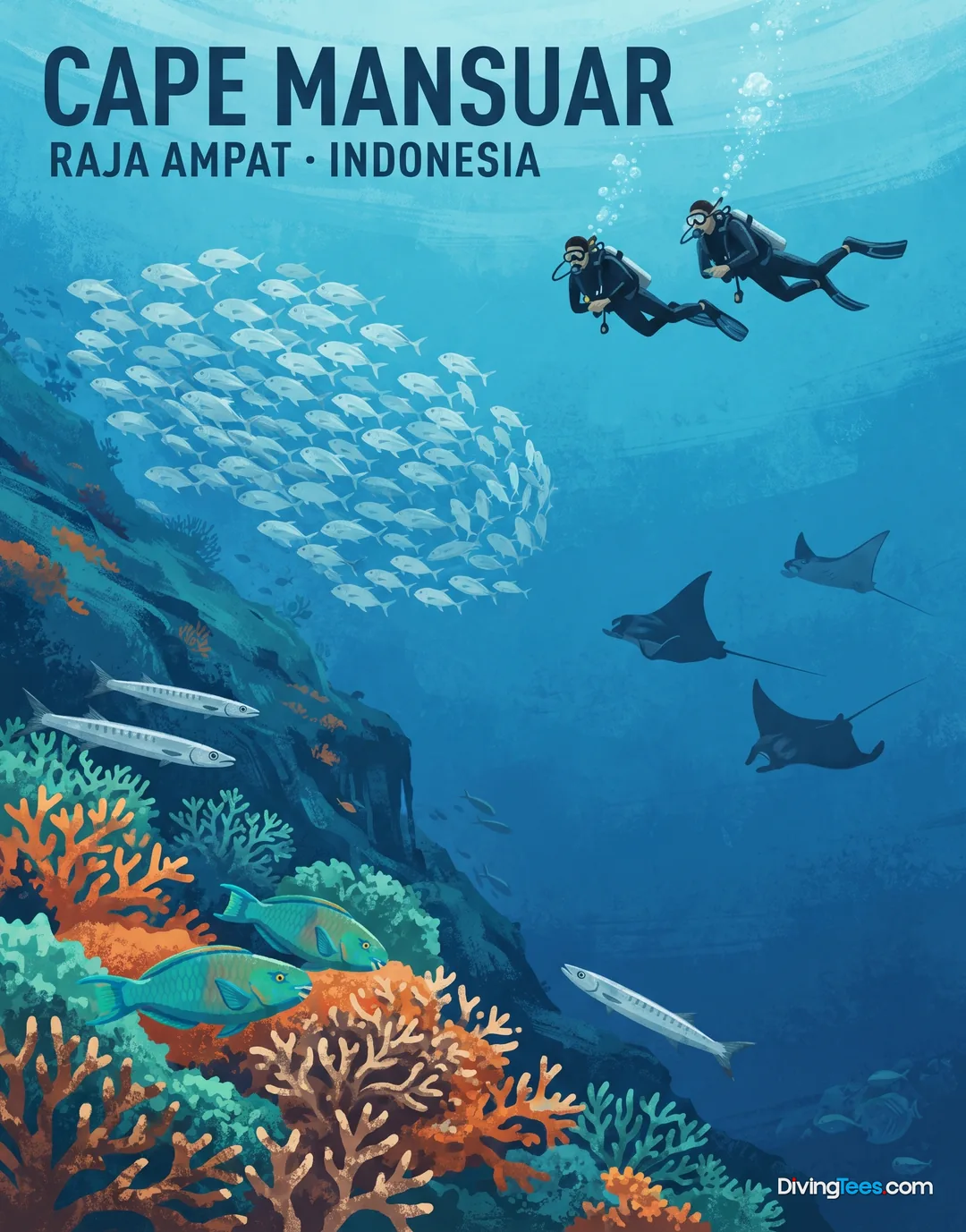
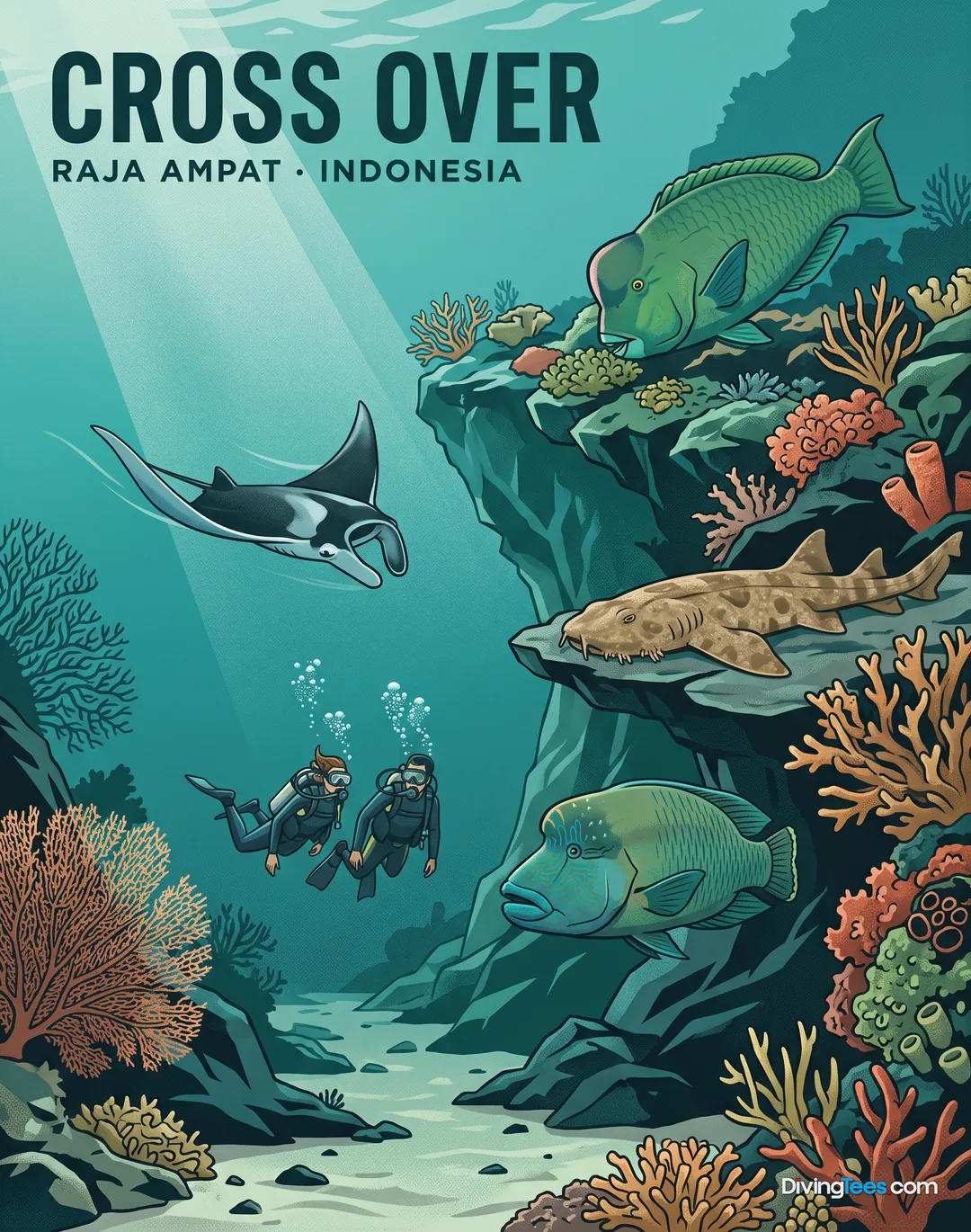
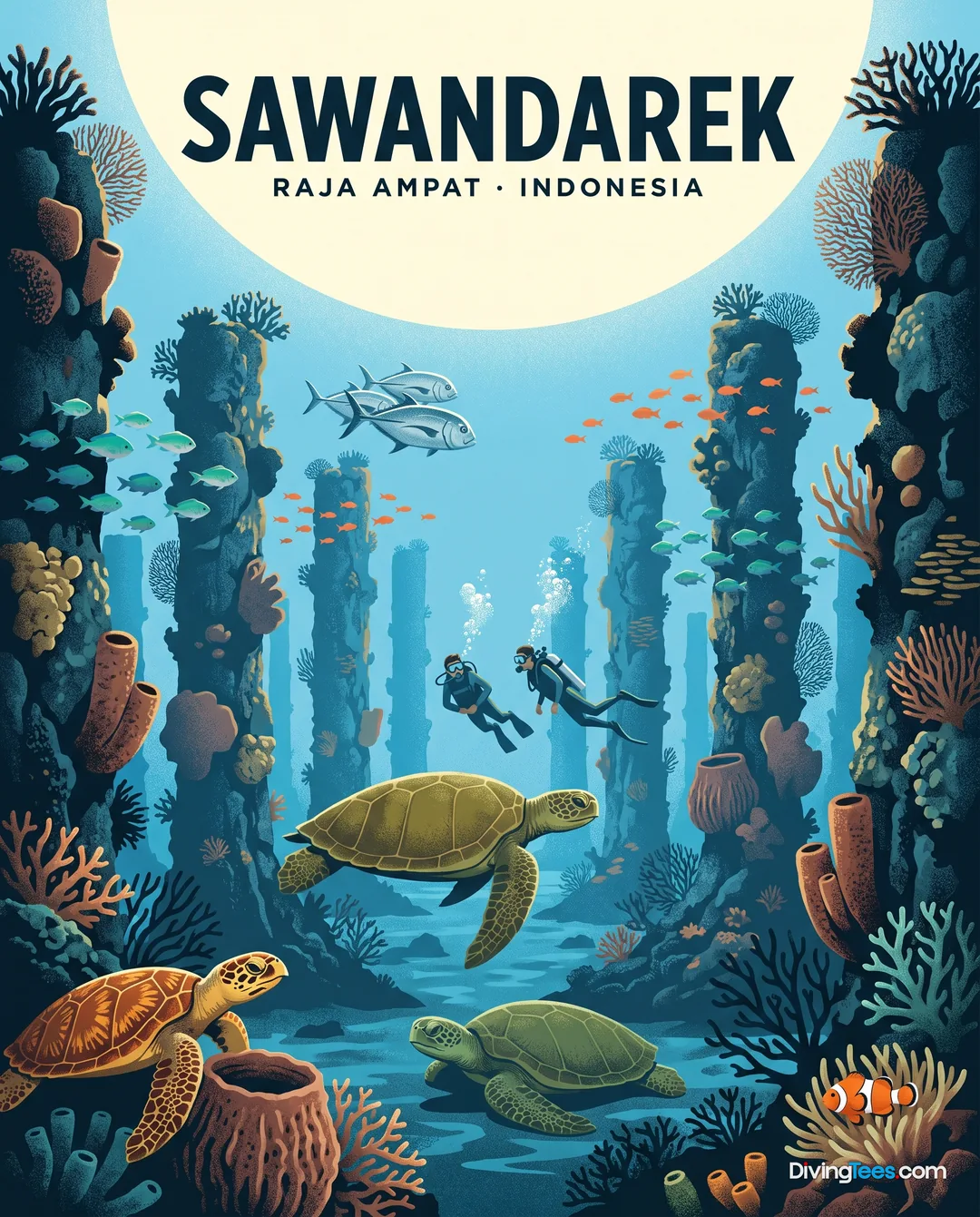
The route stays in Raja Ampat, with seven-day, six-night Central and North cruises and longer 10-day, nine-night, 12-day, 11-night and 10-day, nine-night Central, South and Misool itineraries, all running Waisai to Waisai. In the central and northern waters, Cape Kri brings huge schools and reef sharks, while Manta Sandy is the place to wait over cleaning stations for reef mantas. Melissa's Garden reaches 35 metres and combines soft corals with staghorn formations; Mike's Point drops to 40 metres around overhangs, soft corals, sweetlips and a plateau where eagle rays may pass. Blue Magic is a current-influenced reef where schooling fish and oceanic mantas may appear. Sardines turns dense fish concentrations into a moving wall. Sorido Wall adds barracudas, reef sharks, fusiliers and surgeonfish. Friwenbonda is a soft-coral wall rich in nudibranchs and pygmy seahorses, while Ransiwor reaches 30 metres at cleaning stations and yellow-back fusilier schools. Yenbuba Jetty also reaches 30 metres, with fish around coral-covered pilings and a sloping reef below. At South Kri, Cape Mansuar, Cross Over and Sawandarek, expect drifts, schooling fish, turtles, sharks and macro life rather than one single signature encounter.
What you’ll meet underwater
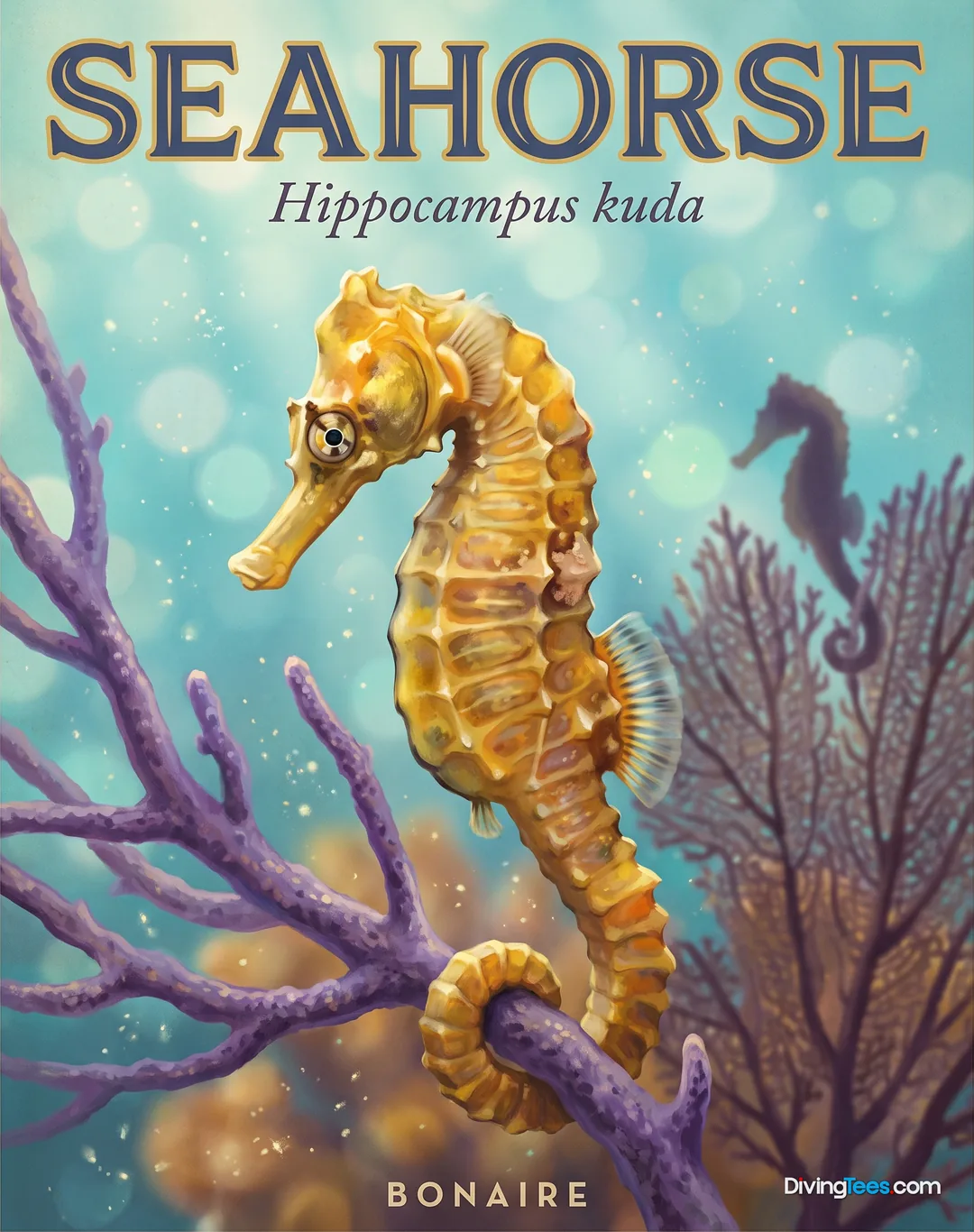
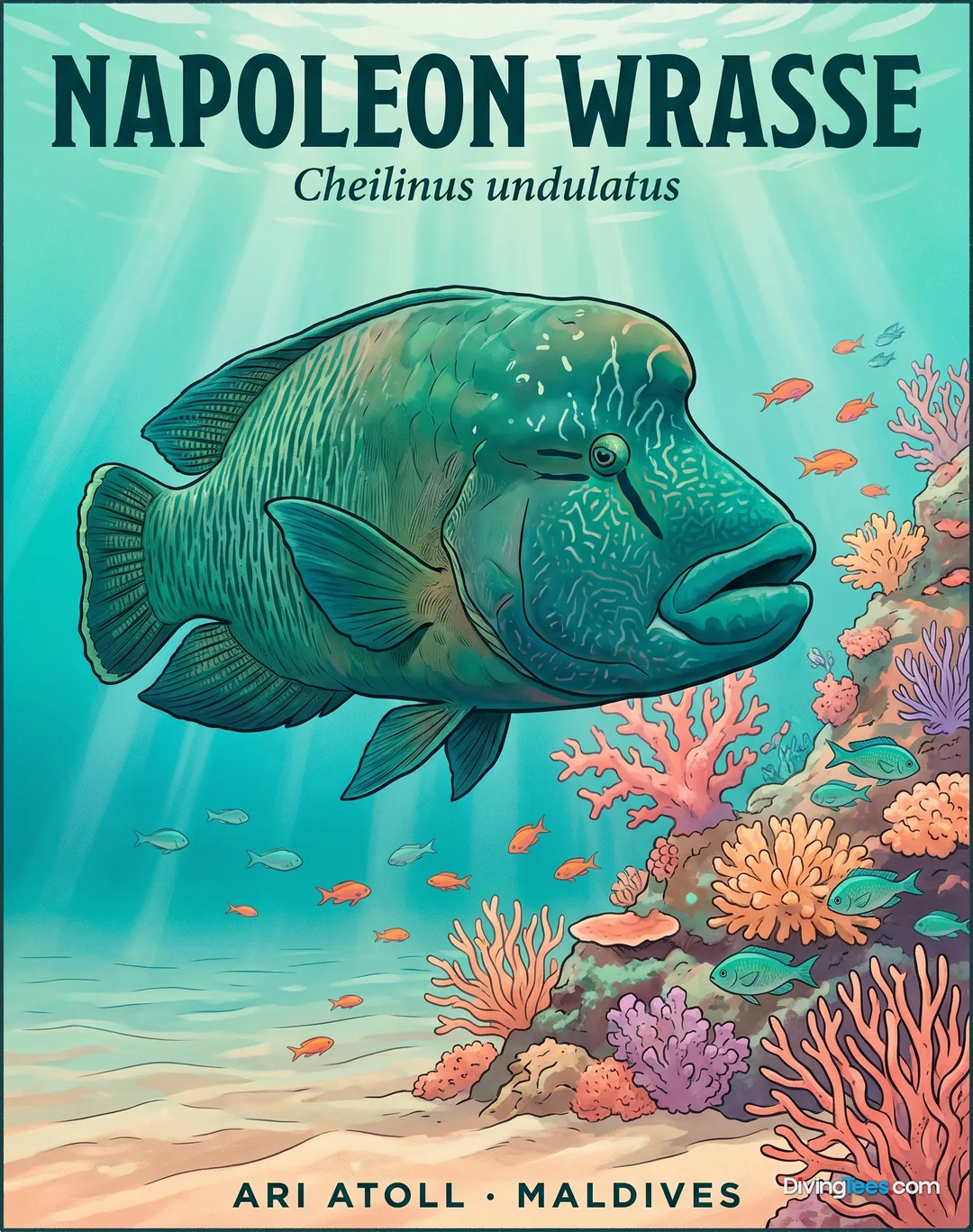
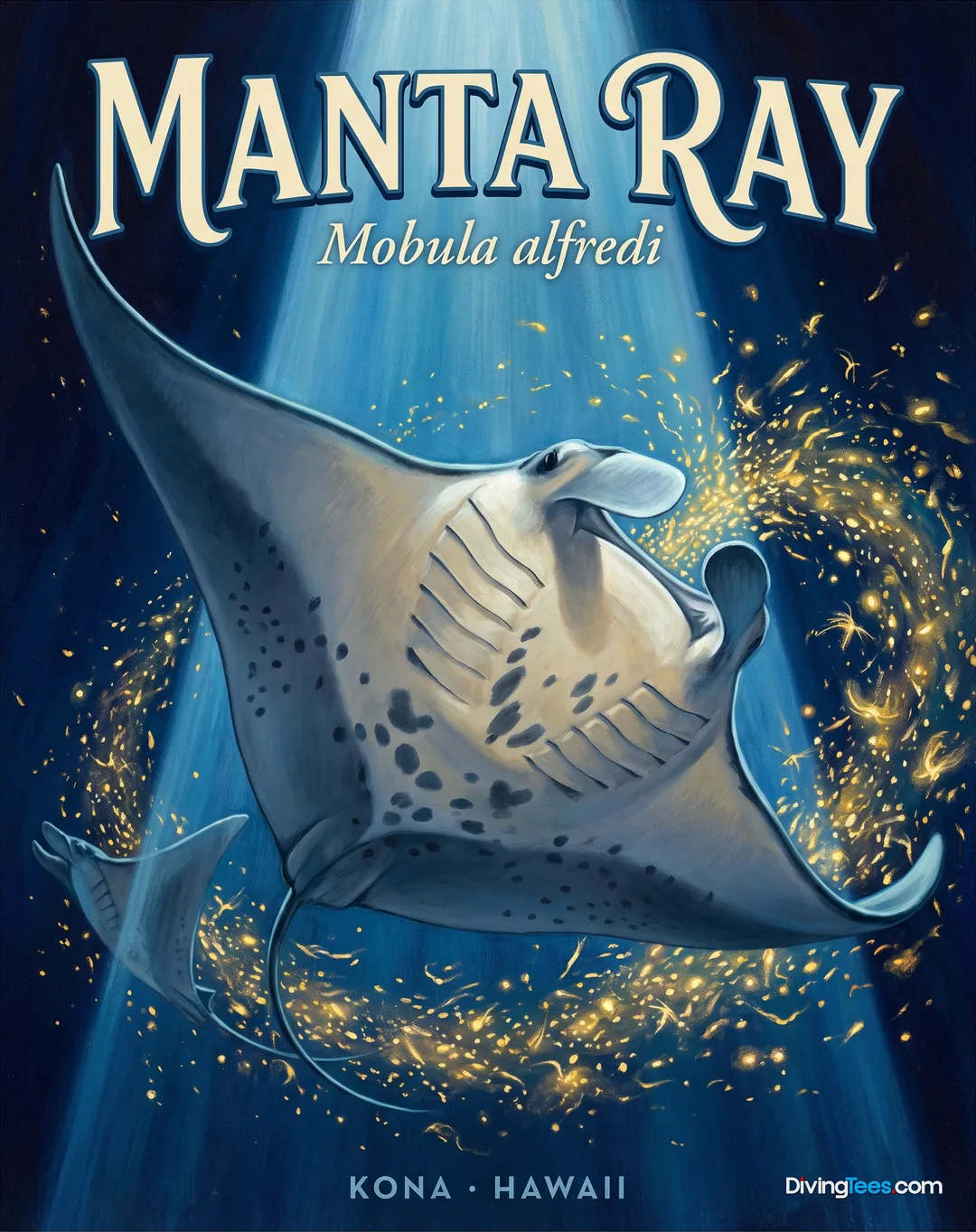
The regular spectacle is movement: barracudas and reef sharks occur across seven sites, while nudibranchs appear throughout the route in the close-up world beneath the larger action. Carangids and fusiliers gather across much of the itinerary, alongside Napoleon wrasse, blacktip reef sharks, turtles, sweetlips, humphead parrotfish, soft corals, pygmy seahorses and eagle rays. The reason to return to particular sites is what concentrates the life there. Cape Kri is associated with the giant grouper; Blue Magic is the site for oceanic reef sharks, tuna and oceanic manta rays. Ransiwor can produce a titan triggerfish, an octopus and a Moorish idol around its cleaning stations. South Kri is where the route records bigeye trevally, crabs and shrimp, while Yenbuba Jetty brings anthias and damselfish around the pilings. Sorido Wall is the place for surgeonfish. Manta Sandy offers reef mantas at cleaning stations, where divers and snorkelers can watch them hover through the service.

Who puts you in the water
The dive team speaks English and Indonesian, and dive guides are included. Groups are organised at a four-to-one guest-to-guide ratio, giving the guide enough control for current-sensitive sites without turning every dive into a private outing. The minimum entry point is Open Water Diver or equivalent with at least 10 logged dives. That requirement matters in Raja Ampat, where current, drift profiles and dinghy pickups can demand more independence than a sheltered training site. Briefings cover the site and the way divers will be collected after the dive, then the guide works with the group underwater rather than forcing everyone into the same pace. Oxygen, first-aid equipment, life vests and emergency rafts are carried on board, and the crew is trained for emergencies. PADI instruction is part of the wider expedition staff's role, but no specific recreational course schedule is listed for these cruises.
The dive deck and the gear
The forward dive deck is the centre of the boat's working life. It is equipped with a camera and photography station, separate rinse tanks for underwater cameras, charging stations and warm-water showers for the return from a dive. The standard tanks are 12-litre tanks with weights; 15-litre tanks can be rented as an extra. Two Bauer compressors serve the operation: a Mariner 200 and a Capitano 140. Nitrox is not available, and the boat is not set up for technical diving. Rental equipment is available at extra cost, but the brands and the precise DIN or yoke arrangement are not stated. Two fiberglass dinghys act as diving tenders, taking groups to the site and collecting divers after the dive. The setup is functional and direct, suited to recreational divers who bring their own computer, torch and surface marker buoy.
Between dives
Between dives, most people move between the indoor saloon and the open upper deck. The saloon is the practical refuge for food, briefings, camera work and conversation, with air-conditioning when the heat builds. Outside, the upper deck gives the better view of the islands and the water while Ratu Laut is underway or lying at anchor. The boat has sun loungers, but the space is not expansive; this is a place to settle into a corner rather than disappear into a private lounge. Longer crossings provide the quietest hours, with the route itself becoming the activity: reef islands slide past, equipment dries, and the next site gradually replaces the last one in conversation.
A day on board
A day begins with the dive team getting equipment ready and the first briefing before the boat or dinghys carry the group to the opening site. The programme normally builds around two or three dives, with the possibility of a night dive and two dives on the final day. Breakfast and later meals break up the diving, while surface intervals happen in the saloon, on the upper deck or beside the camera station as images are checked and sightings compared. When the next site lies farther away, Ratu Laut gets underway and the crossing becomes part of the day rather than dead time. The final dive may take place after the light has gone, when the same reef changes into a small circle of torch beams, hunting fish and nocturnal movement. Then gear is rinsed, tanks are left for the next cycle, and the boat settles into its night passage or anchorage.
What you eat aboard
Meals are served buffet-style, with both local and Western food, and the boat provides tea, coffee, water and electrolytes. Previous guests describe the cooking as Asian in style, with spicy dishes appearing at the table. Local staff prepare the meals, except on Sundays when expedition staff and volunteers take over the cooking. That arrangement fits the boat's conservation background and keeps the galley close to the life of the trip. Meals are not elaborate restaurant service; they are the fuel between dives, eaten with wet hair, camera stories and the day's sightings still being argued over. Soft drinks are extra, while hot and cold soft drinks are otherwise part of the onboard offering.
Nights at sea
The cabins are simple bunk rooms with individual air-conditioning: two quad cabins and two twin cabins, all sharing hot-water showers rather than private bathrooms. One quad cabin is on the main deck; the others are arranged below or on the lower deck. That means less privacy and less room than on a larger modern liveaboard, but also fewer corridors and no long walk from bunk to saloon. The wood carries the character of a working boat, while the air-conditioning gives relief after a day in humid Raja Ampat. A compact cabin suits divers who use it mainly to sleep, shower and dry out between dives. Those who need generous storage or en-suite space should choose a larger vessel instead.
Quad Cabin
Twin Cabin
What to know before boarding
Trips depart from Waisai and return to Waisai. A scheduled group transfer is included from the Sorong Pier, including the transfer from Meridien Hotel to the ferry, the ferry journey from Sorong to Waisai, and the return transfer. The meeting and transfer details are provided with the trip arrangements. Arriving in Sorong the night before is advised so a delayed flight does not put the ferry connection at risk.
What the boat does for the ocean
Barefoot Conservation uses Ratu Laut trips to support manta research and community projects, with profits directed through its Indonesian foundation. On selected expeditions, marine biologists and community liaison staff give talks, train guests to photograph manta identification markings and help them enter sightings into a manta database. The route also connects with Barefoot Conservation's Reef Check, marine-life monitoring and reef-restoration work around Arborek. These activities make the boat part of a conservation programme rather than simply a platform for sightseeing.
- Year built
- 2008
- Length
- 24 m
- Beam
- 6 m
- Maximum number of passengers
- 12
- Number of cabins
- 4
- Engines
- 2 250 hp turbo diesels
- Tenders
- 2 fiberglass dinghies
- Website
- barefootconservation.org ↗
Hello, I'm Marina, DivingDeal.com's AI assistant. I answer in detail about hotels, dive centres and liveaboards.

Thinking about the whole trip and the flights? Talk it over with Edith →
Marina is an AI. Some links are affiliate links: DivingDeal may earn a commission, at no extra cost to you. Bookings are made with the partner.