Liveaboards · Indonesia
Sea Safari 8 — a traditional phinisi for Indonesia’s big-water diving
What makes this boat unique
- Sea Safari 8 is a 34.35-metre Indonesian phinisi built in 2003 and renovated yearly.
- It carries up to 23 passengers in 12 air-conditioned cabins, all with private bathrooms.
- The dive setup includes a platform, two Yamaha-powered tenders, DIN adapters, sidemount, technical diving and rebreather support.
- Routes cover South Halmahera from Ternate and Central and North Raja Ampat from Sorong.
- English- and Japanese-speaking crew serve local and Western food, with vegetarian and vegan choices.
For subtitles in English: start the video firstthen click the gearat the top right of the video, select “Subtitles/CC”, then “Auto-translate” and choose “English”.
The invitation
Sea Safari 8 makes sense for divers who want Raja Ampat’s current-swept reefs without giving up a proper liveaboard lounge, outdoor terrace and space to spread out between dives. The boat links South Halmahera and Raja Ampat, so the choice is not only between cabins and dive sites but between two very different kinds of Indonesian water: whale-shark country around Halmahera and dense reef life around Sorong. Step aboard for reef sharks, manta rays, schooling fish and small animals on the same trip, with a naturalist guide for the surface stops and a dive operation that accommodates DIN, sidemount, technical and rebreather divers. The reason to choose it is range: serious diving, but not a boat designed only around the dive deck.
Boarding
From the dock, Sea Safari 8 has the unmistakable profile of a working Indonesian phinisi rather than a converted yacht. Its traditional wooden construction comes from ulin, the dense ironwood used in the operator’s phinisi fleet, while the yearly renovation keeps the boat from feeling forgotten at sea. Inside, the impression is practical and open: a spacious air-conditioned saloon, a dining area, and a broad outdoor terrace where the horizon remains part of the trip. The boat is large enough to give a group room to separate, yet its 12 cabins and maximum of 23 guests keep the liveaboard human-scaled. There is one main engine, so engine noise is part of choosing a working vessel, especially for cabins close to the machinery. The reward is a stable platform for long Indonesian crossings, with three auxiliary engines supporting life aboard.
The atmosphere on board
Sea Safari 8 is run as a working dive boat with enough communal space for the group to form naturally. The crew speaks English and Japanese, and their role reaches beyond tying up tanks: they handle transfers, meals, cabins, tenders and the small practical tasks that keep divers ready for the next entry. Passengers describe clean, spacious cabins, very good meals and crew who remain helpful throughout the trip. The boat’s naturalist guide adds another layer when the itinerary moves ashore or shifts to snorkeling. Evenings belong to the terrace or saloon, with drinks available, cameras being checked and the day’s sightings being compared. The atmosphere is casual rather than formal. That suits divers who want competent service without being managed every minute.
The sites you’ll dive
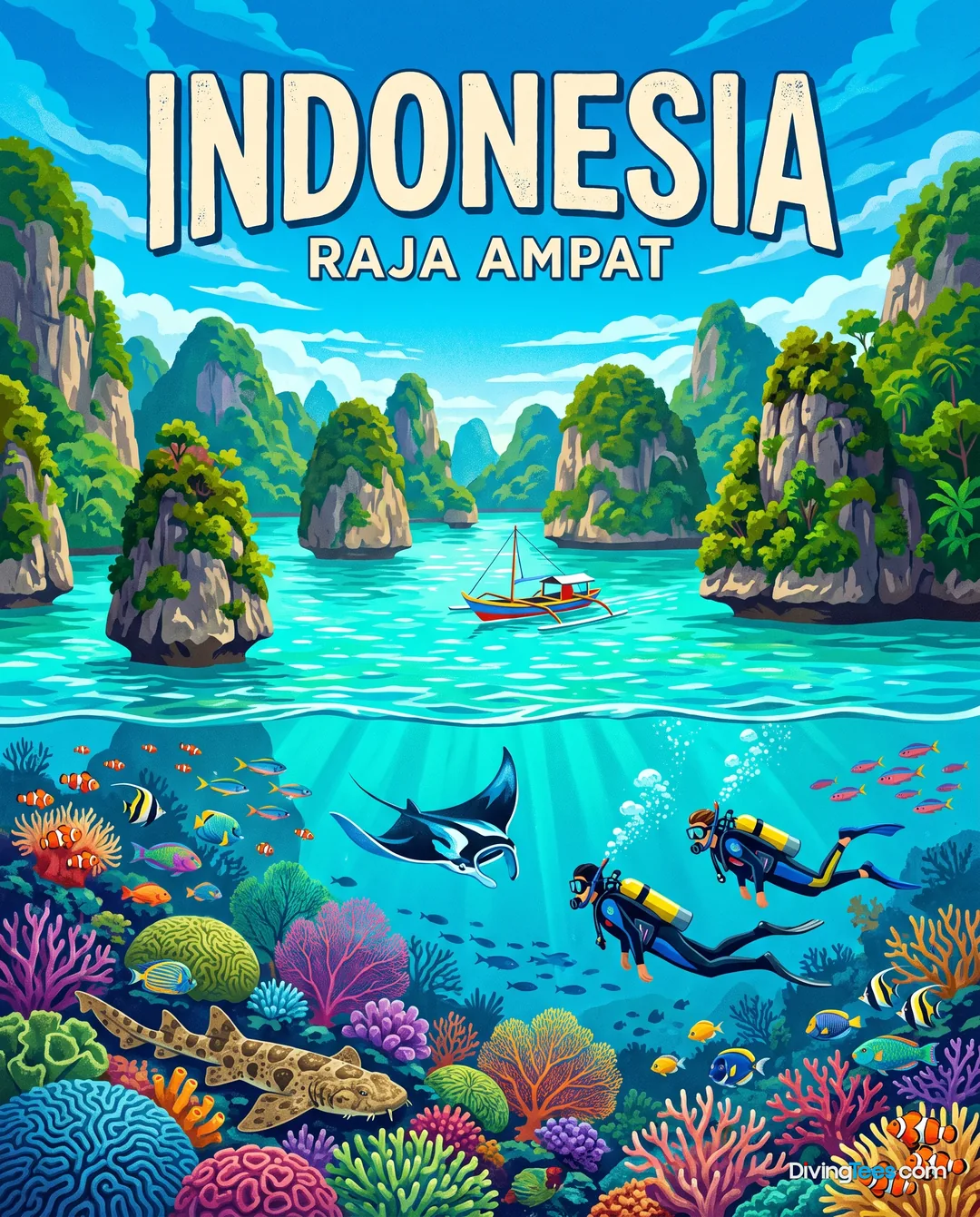
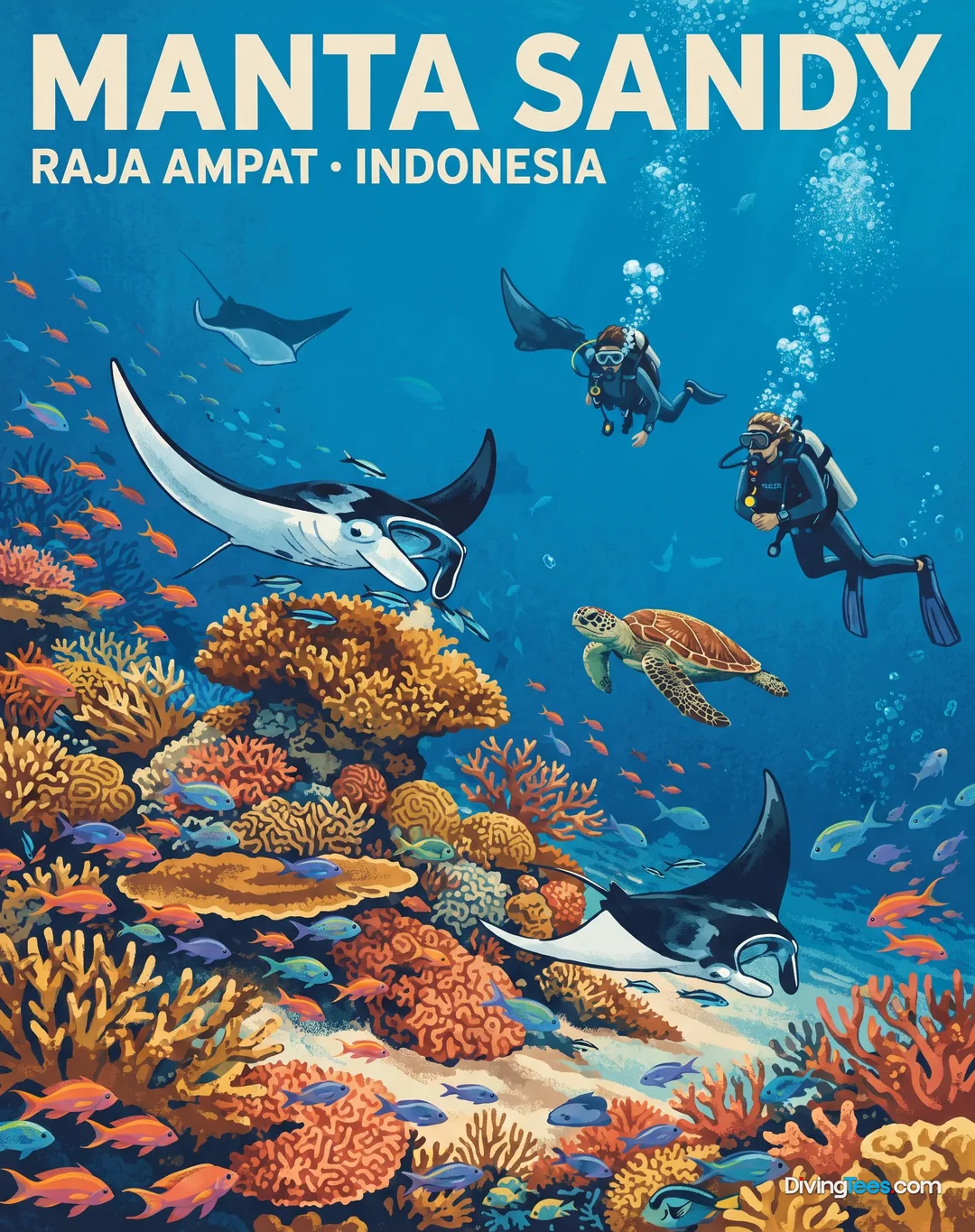
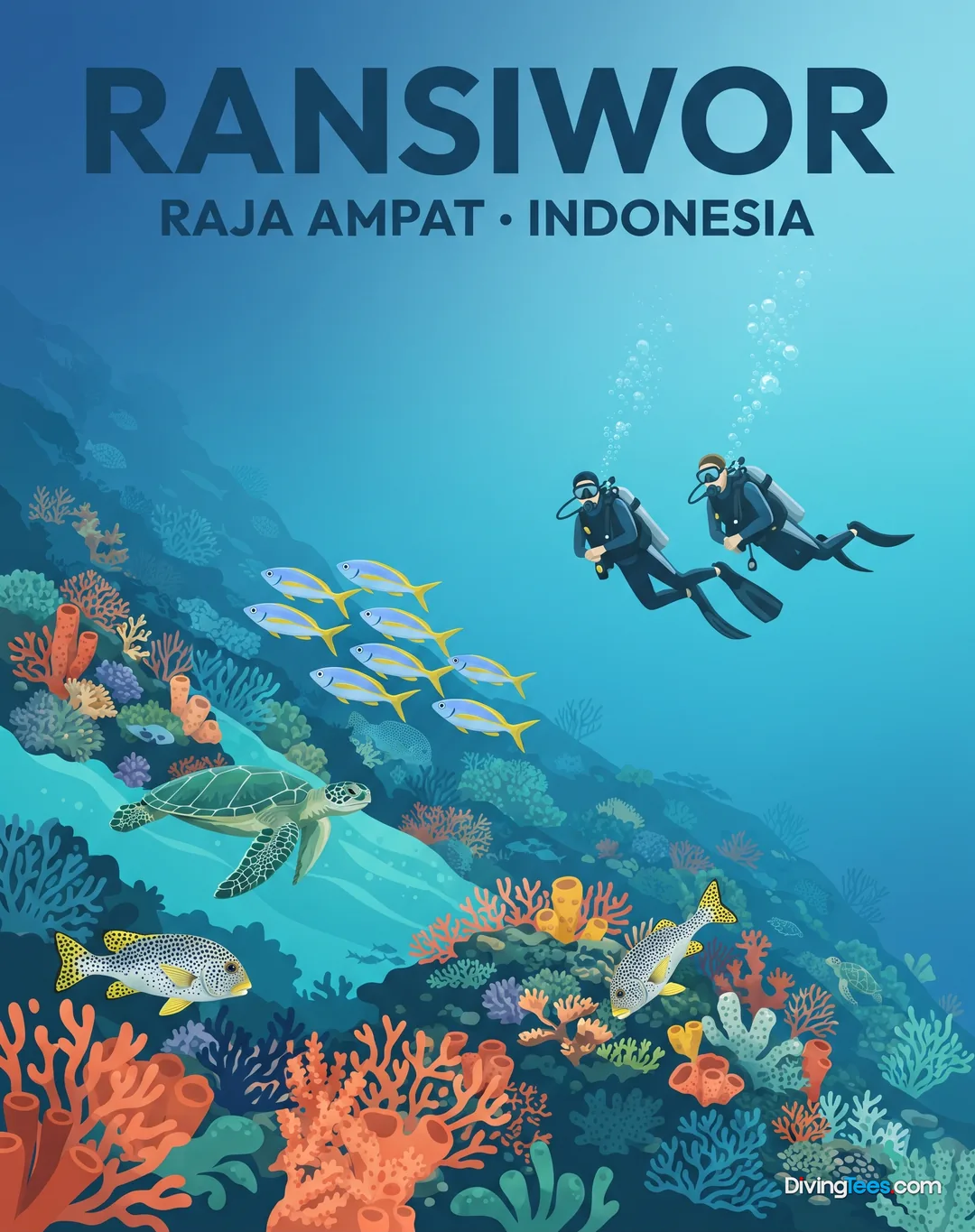
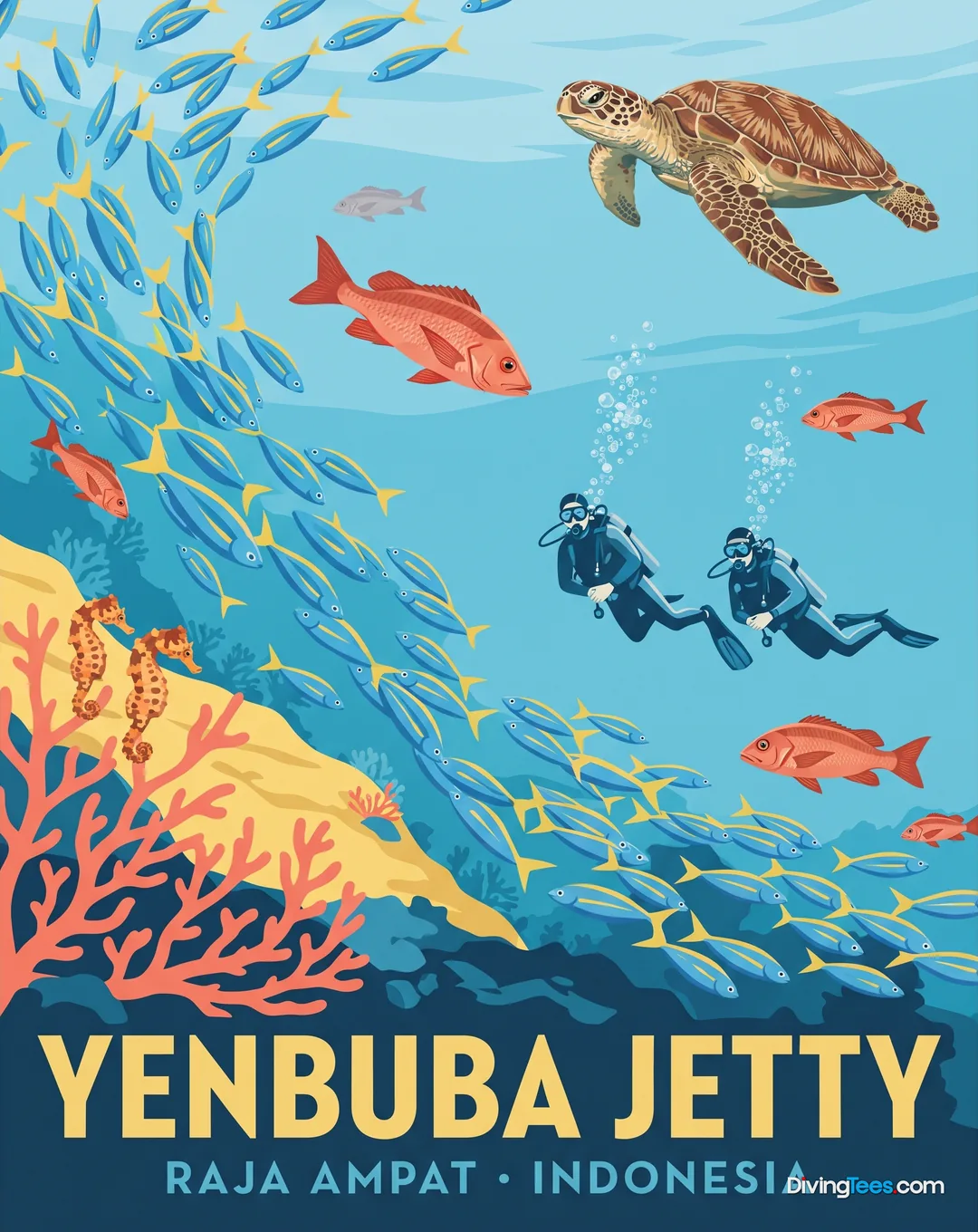
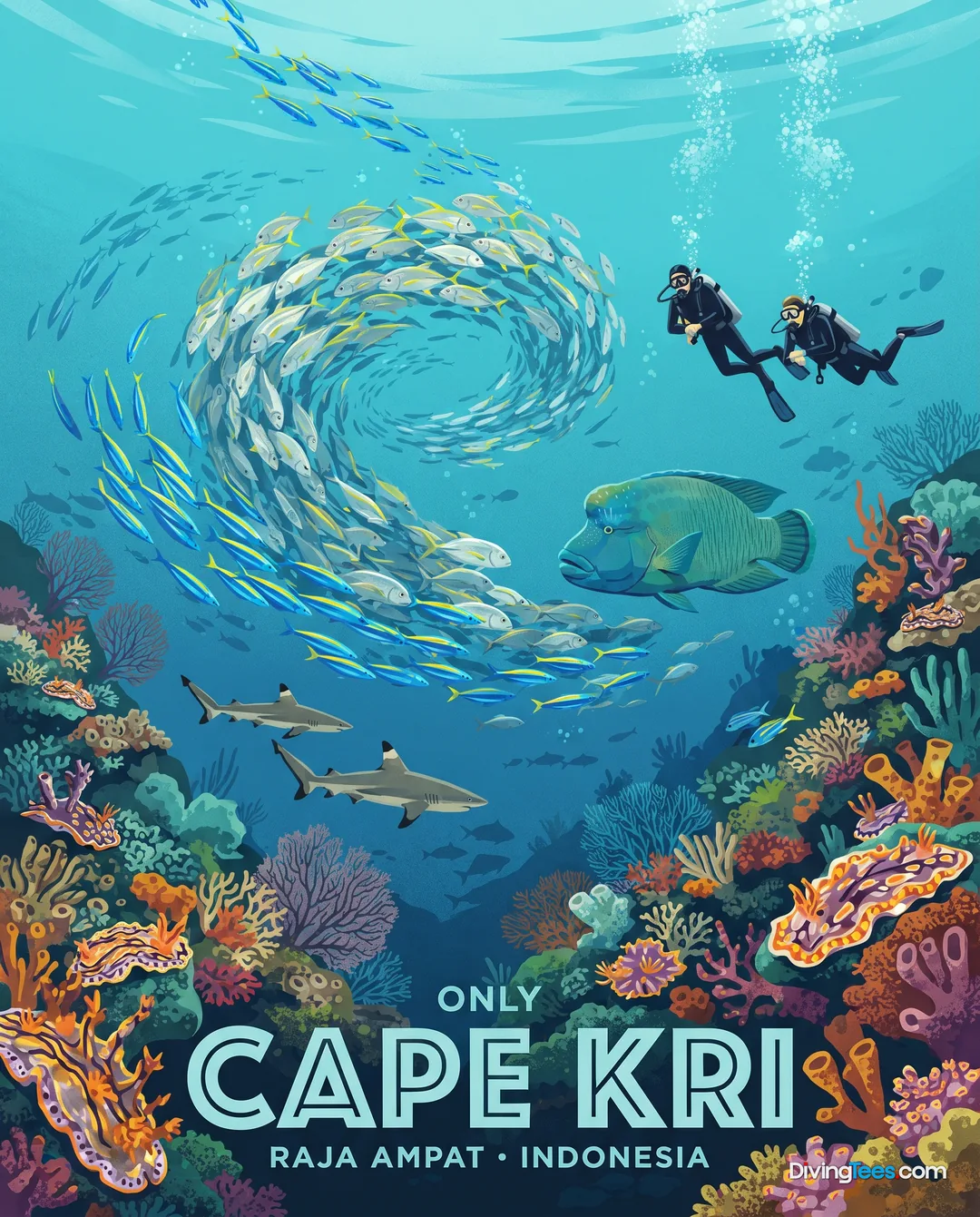
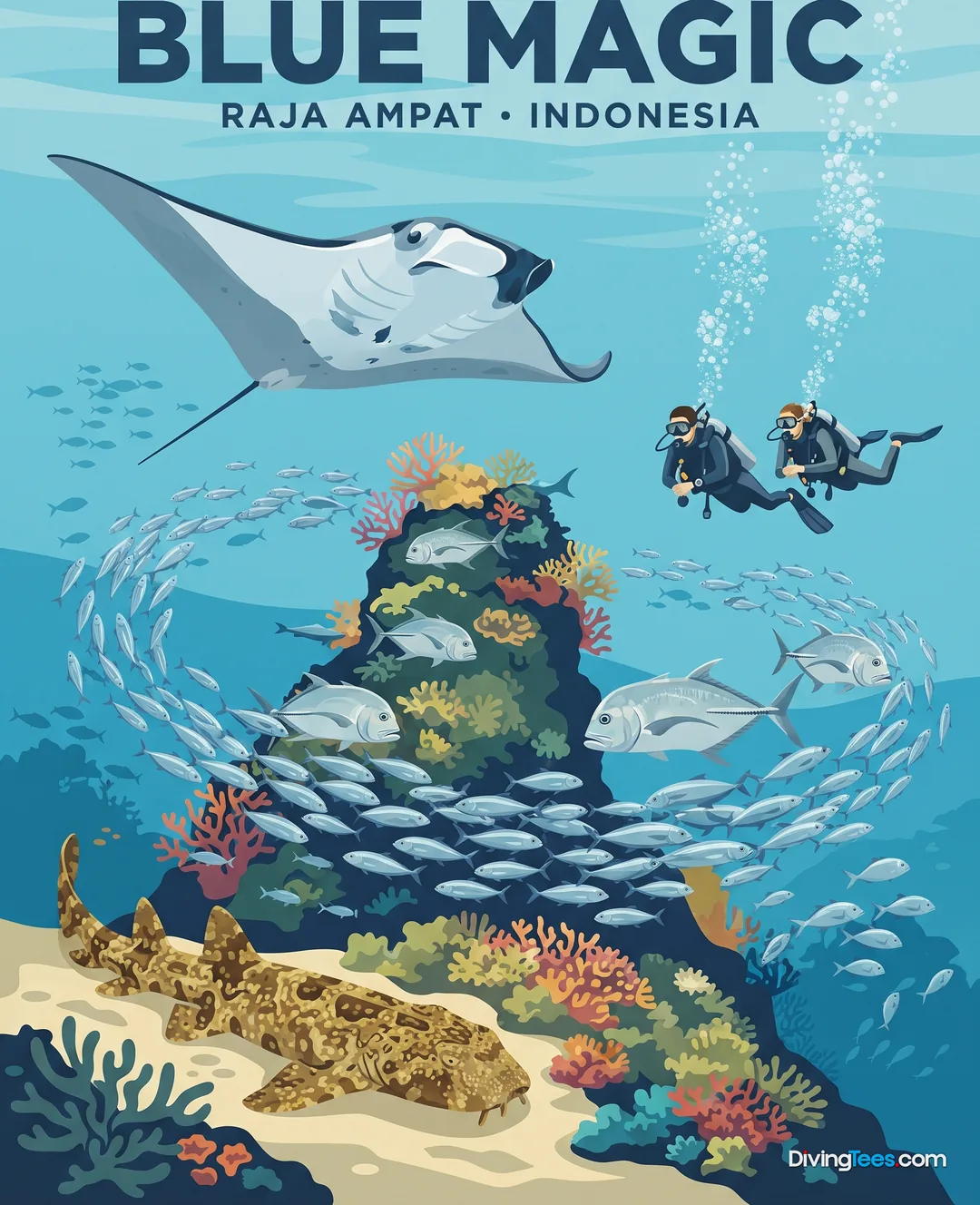
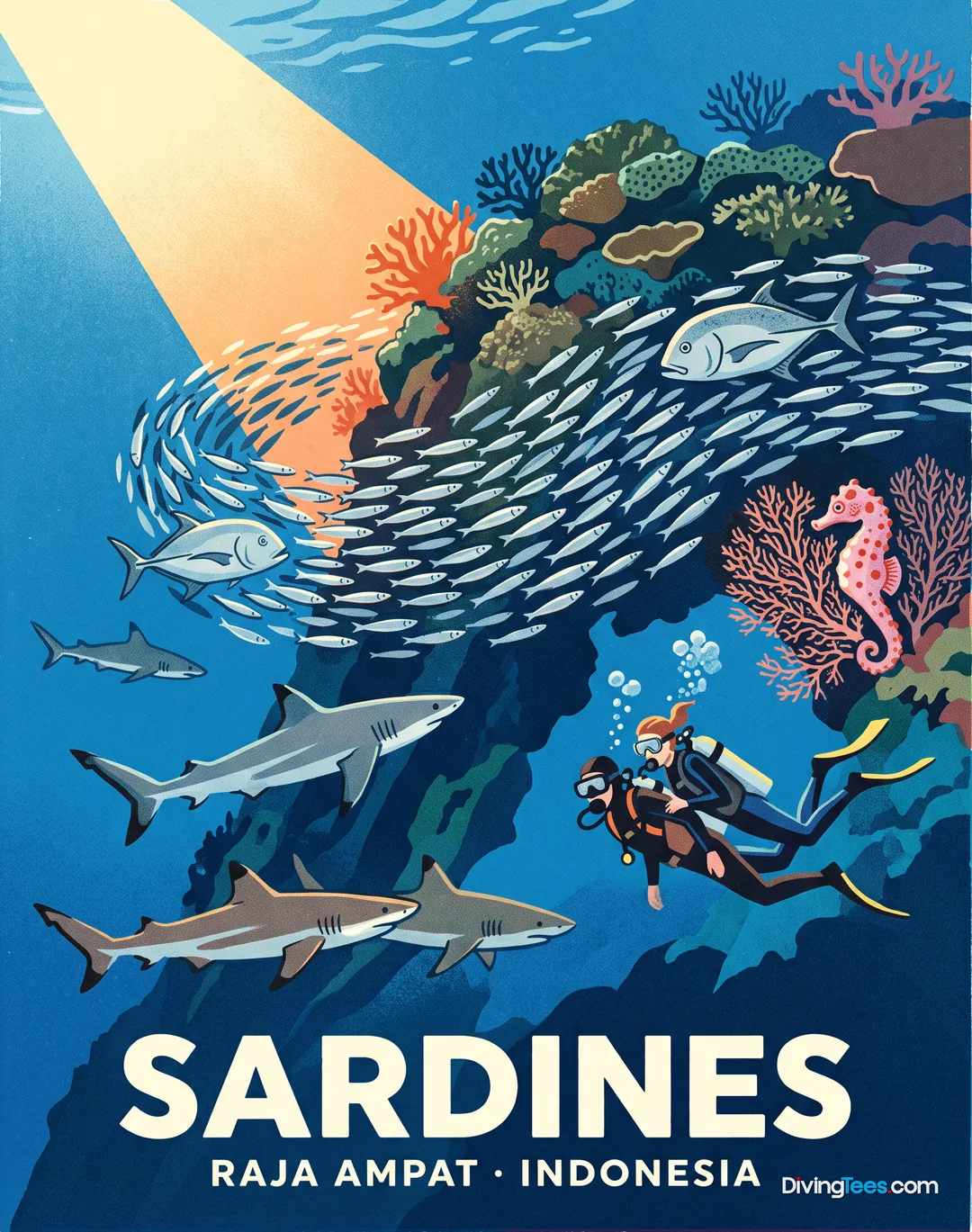
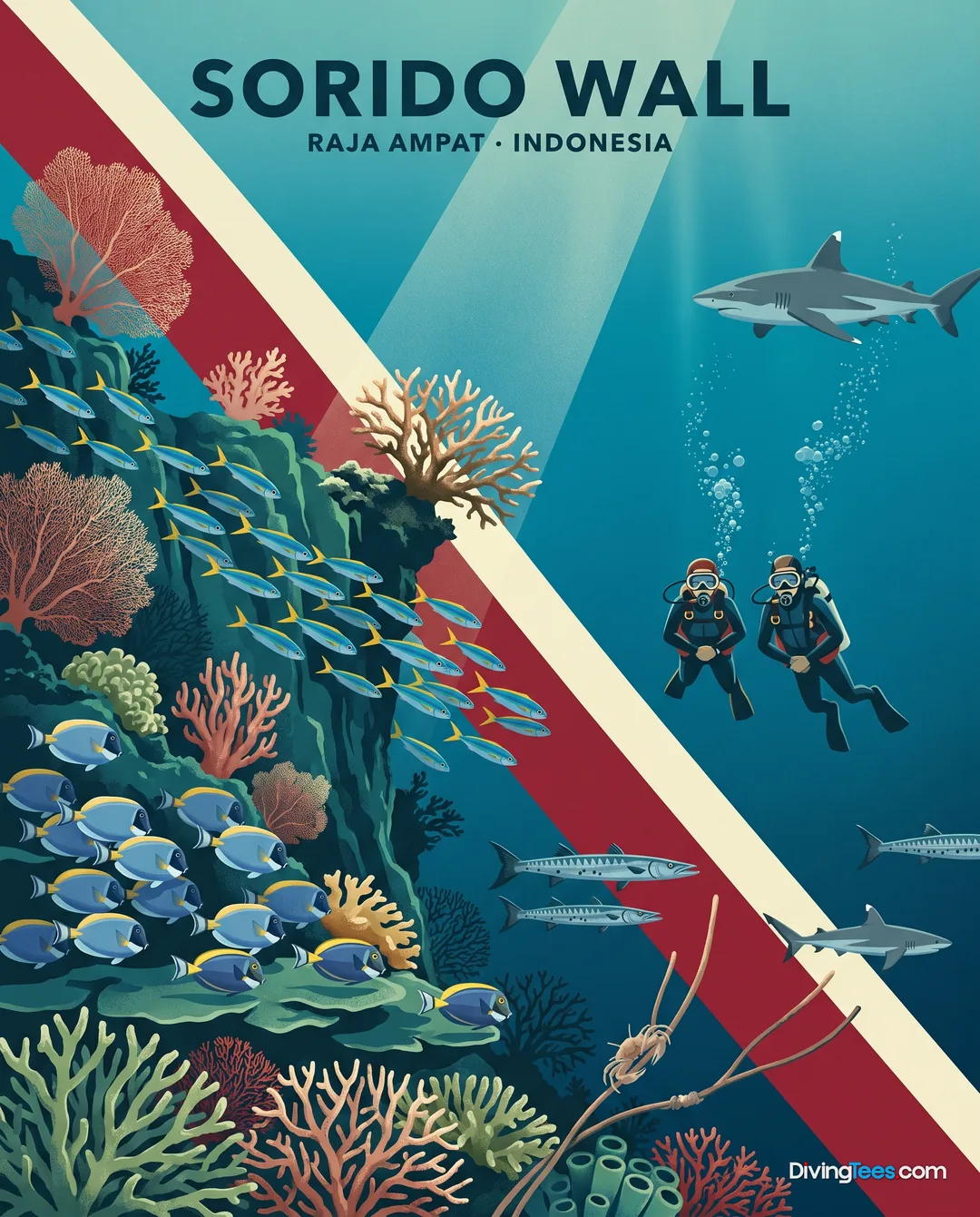
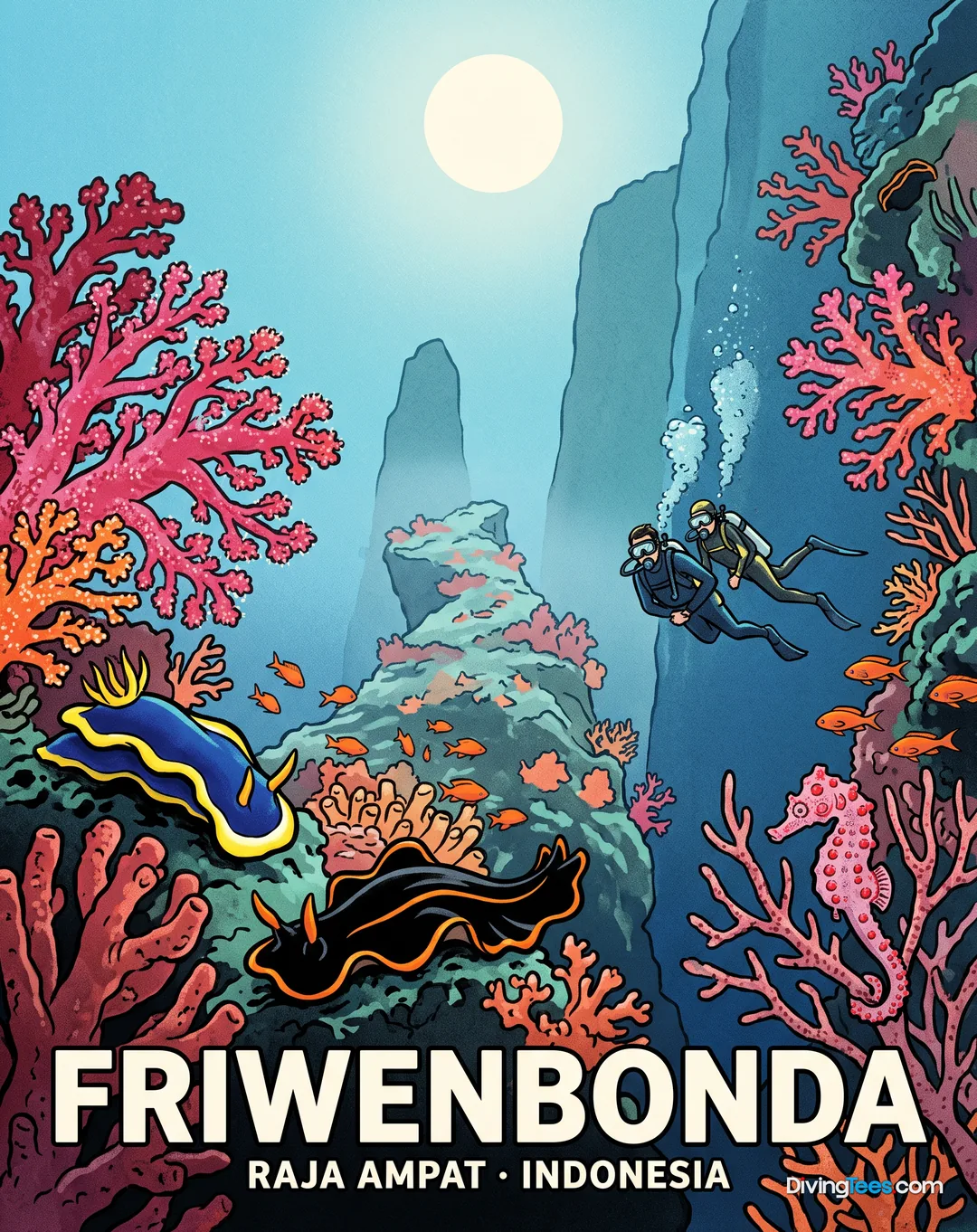
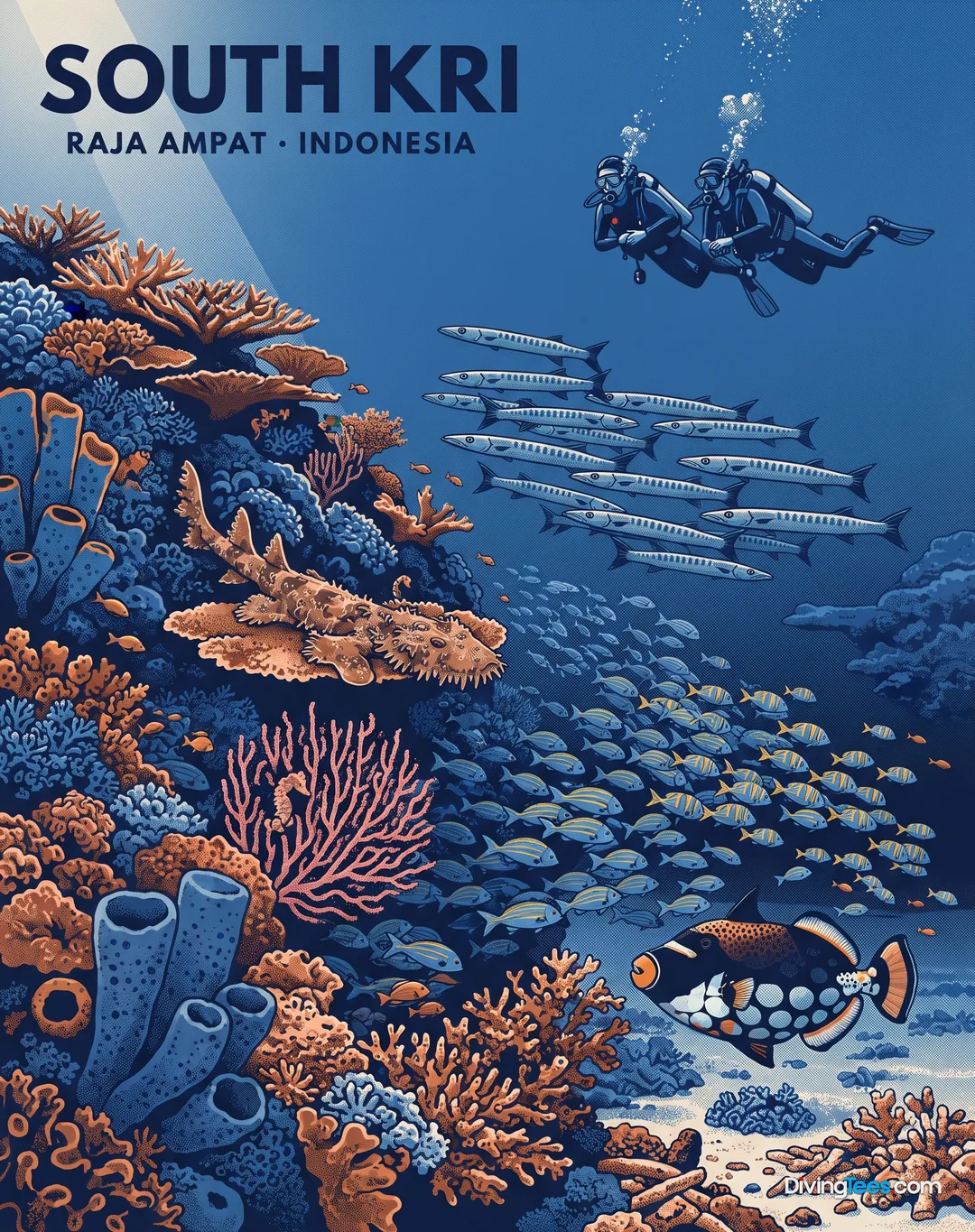
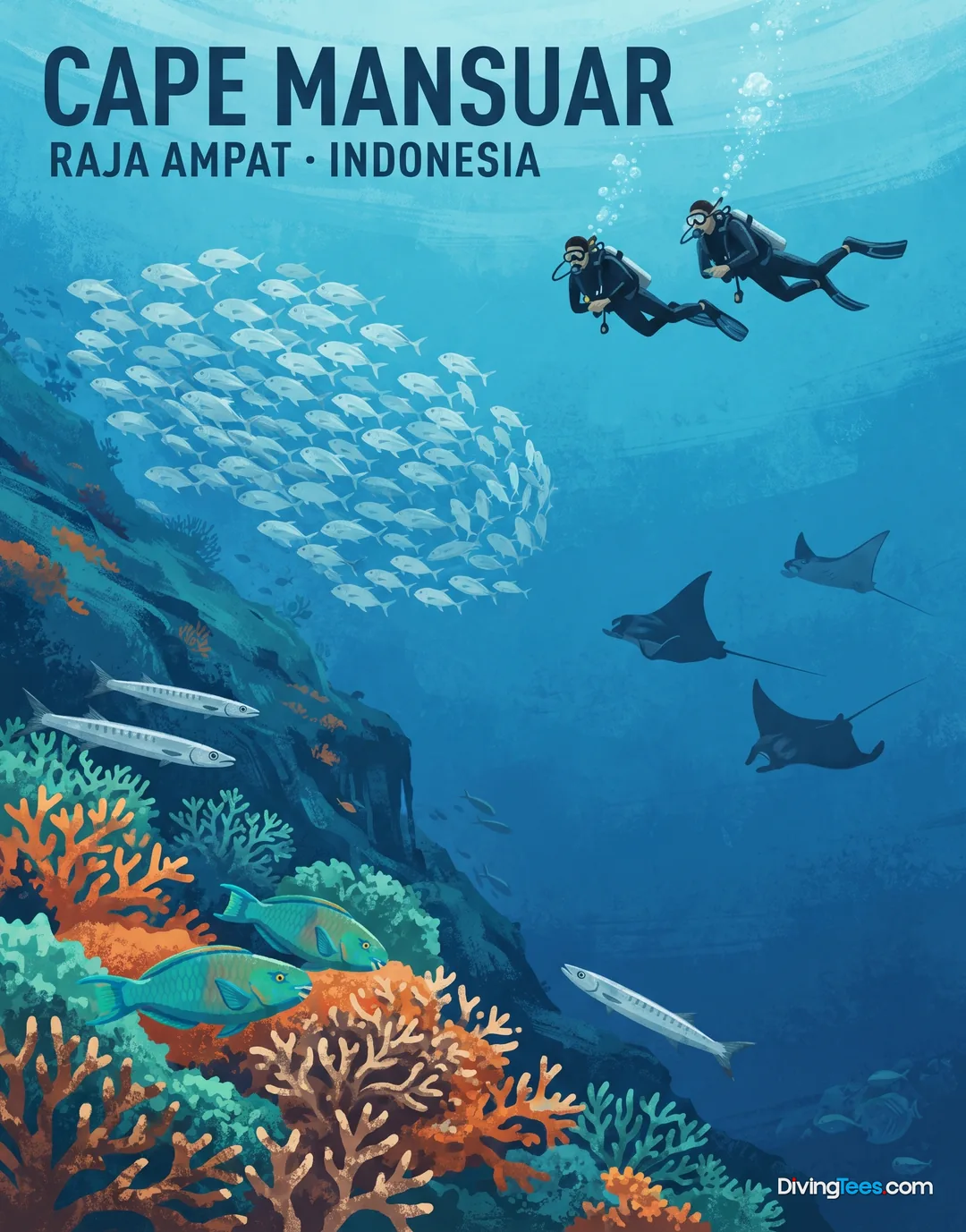
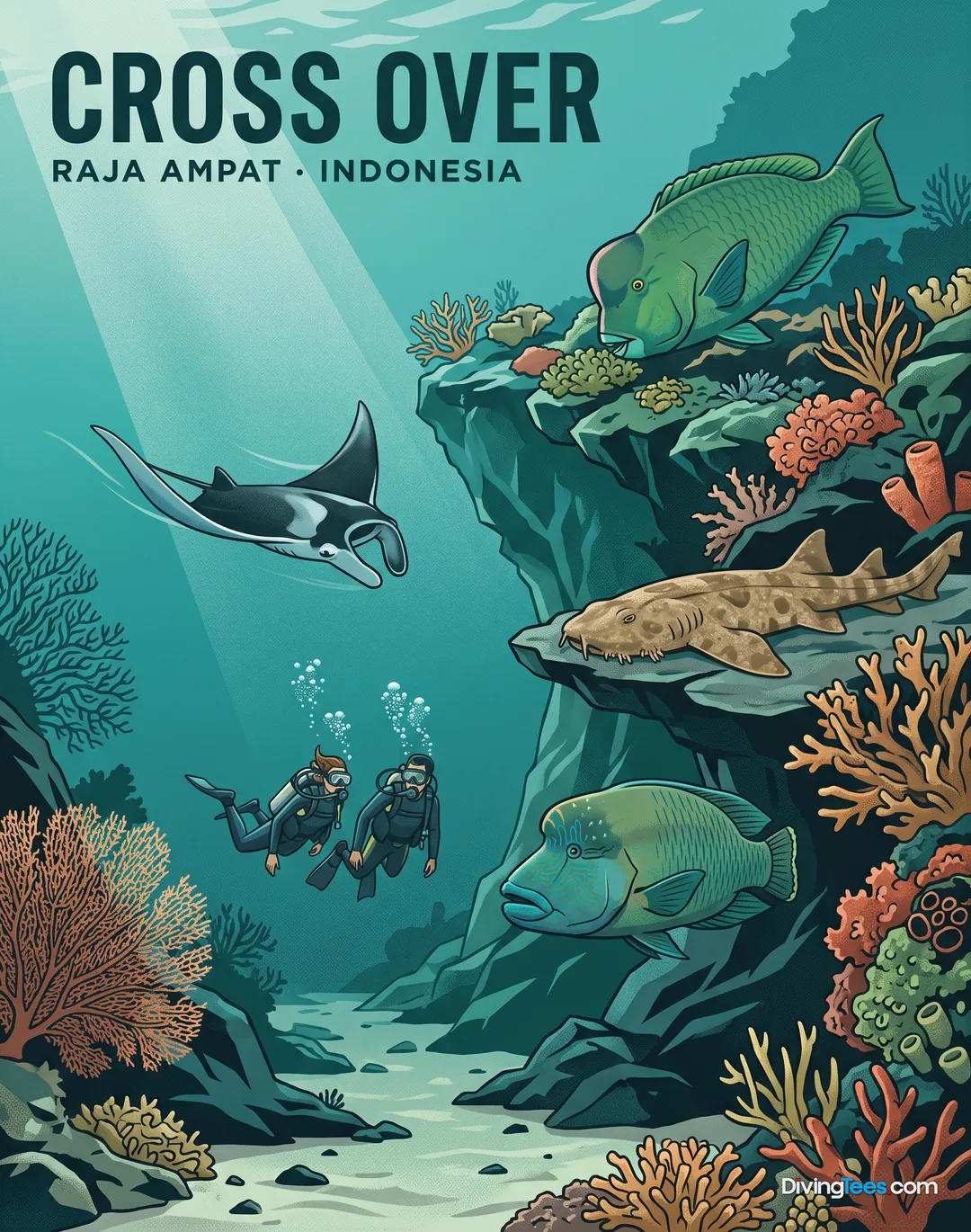
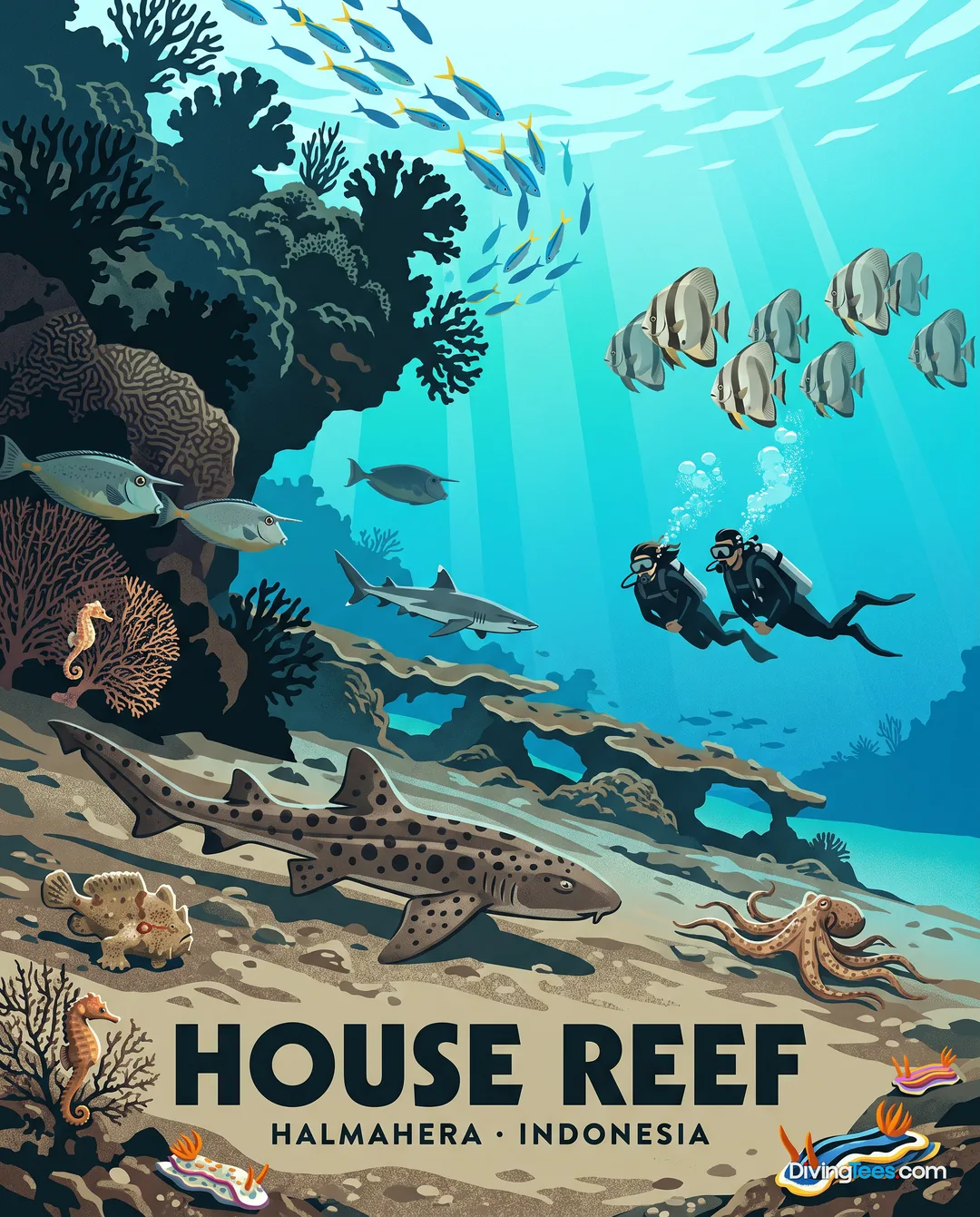
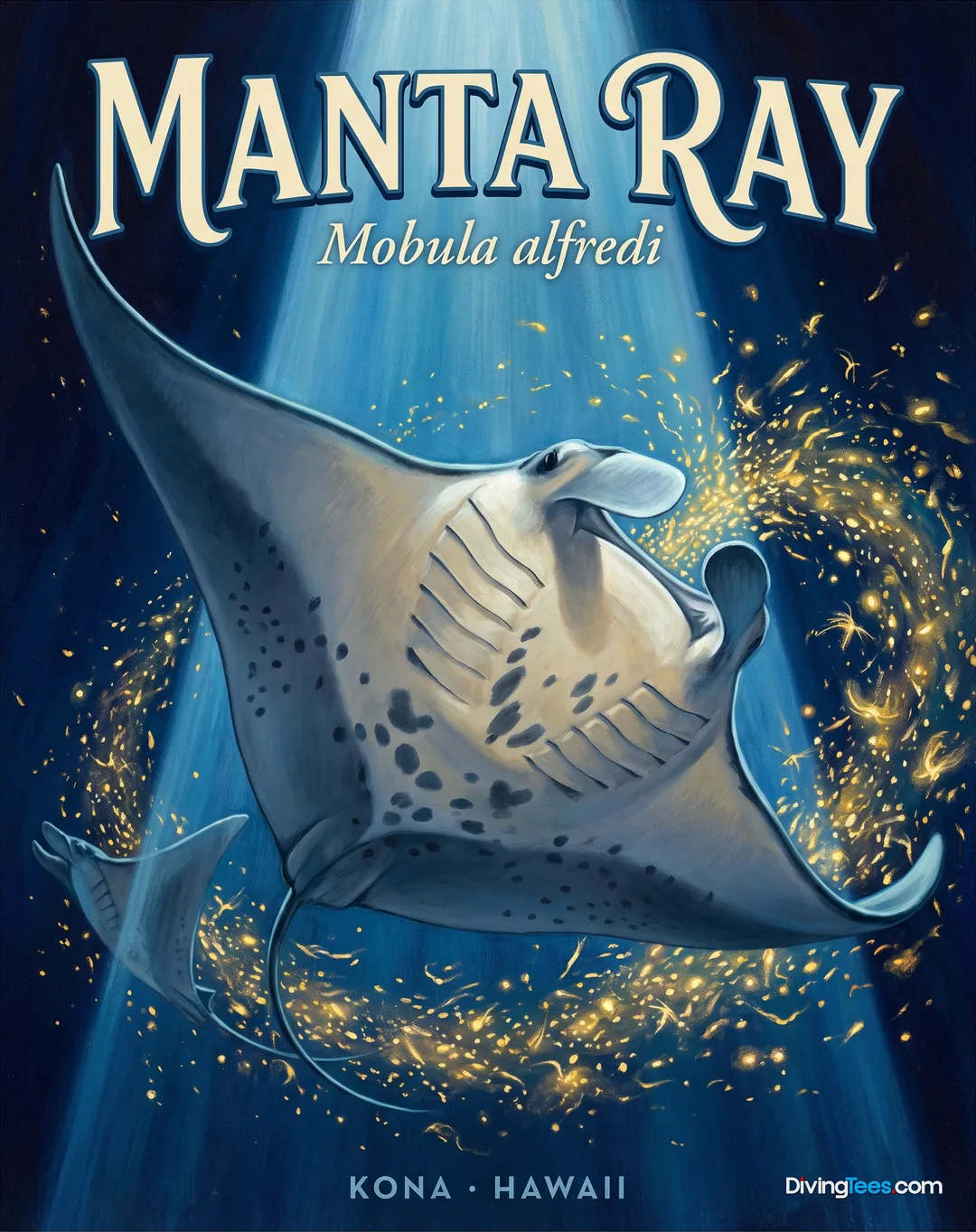
The Raja Ampat route is built around contrast. At Manta Sandy, reef manta rays hover over cleaning stations, giving divers and snorkelers a close view of the behaviour that brings them there. Mike’s Point reaches a maximum of -40m, with reef overhangs, soft corals, sweetlips and an open plateau where eagle rays may pass. Melissa’s Garden reaches -35m and combines soft coral with staghorn formations; Ransiwor reaches -30m and follows gentle slopes, cleaning stations and yellow-back fusiliers. Yenbuba Jetty, also to -30m, starts beneath fish-filled, coral-covered pilings before opening onto a sloping reef. Cape Kri is known for extraordinary fish density; Blue Magic brings schooling fish, wobbegong sharks and oceanic manta rays. Sardines, Sorido Wall, Friwenbonda, South Kri, Cape Mansuar and Cross Over add drifts, walls, soft-coral slopes, barracudas and reef sharks. The recorded trips run from Sorong through Central and North Raja Ampat and back in 6, 7, 8 or 9 days, while the South Halmahera itinerary runs Ternate–Halmahera–Ternate for 7 days and 6 nights. House Reef in Halmahera starts directly from shore.
What you’ll meet underwater
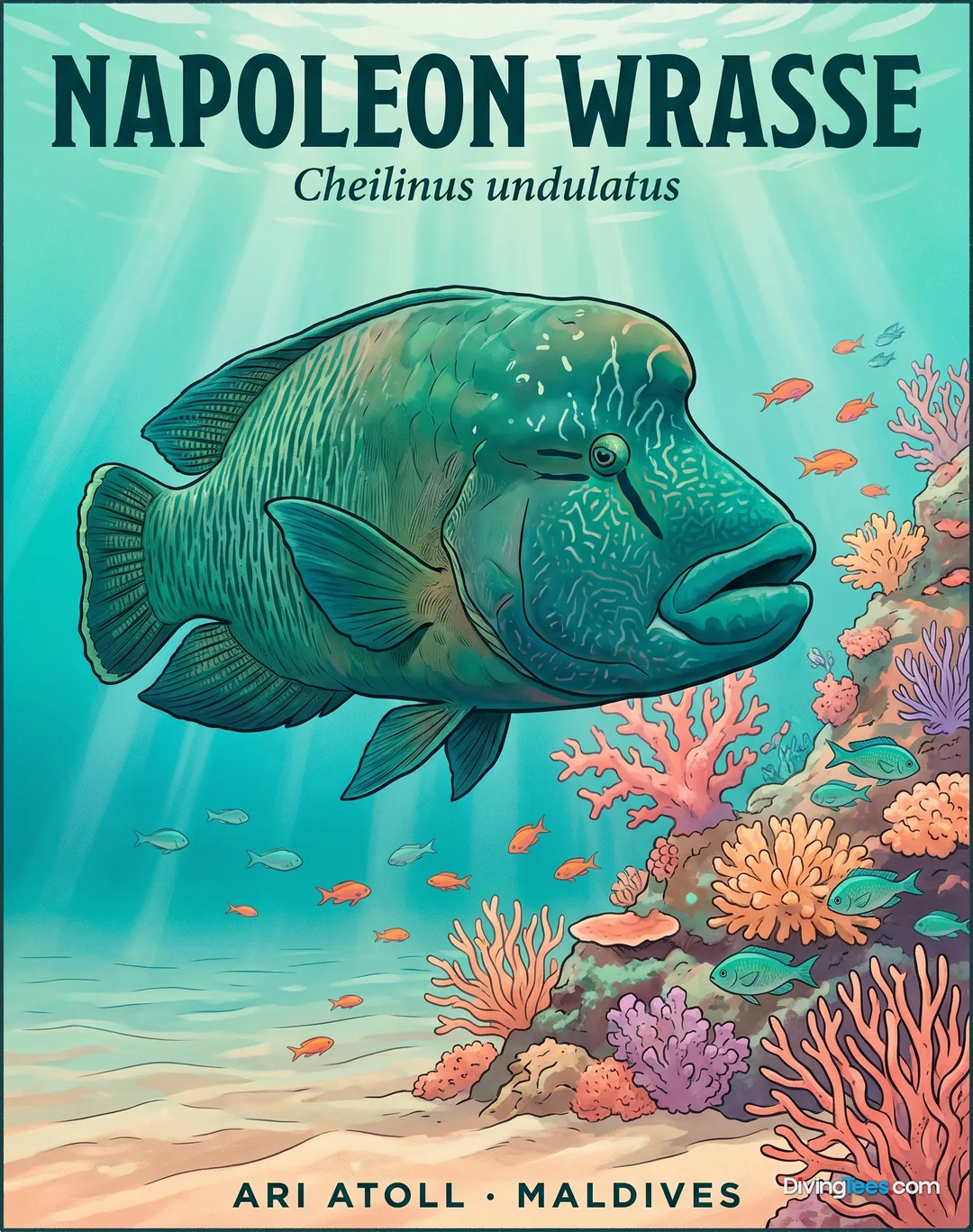
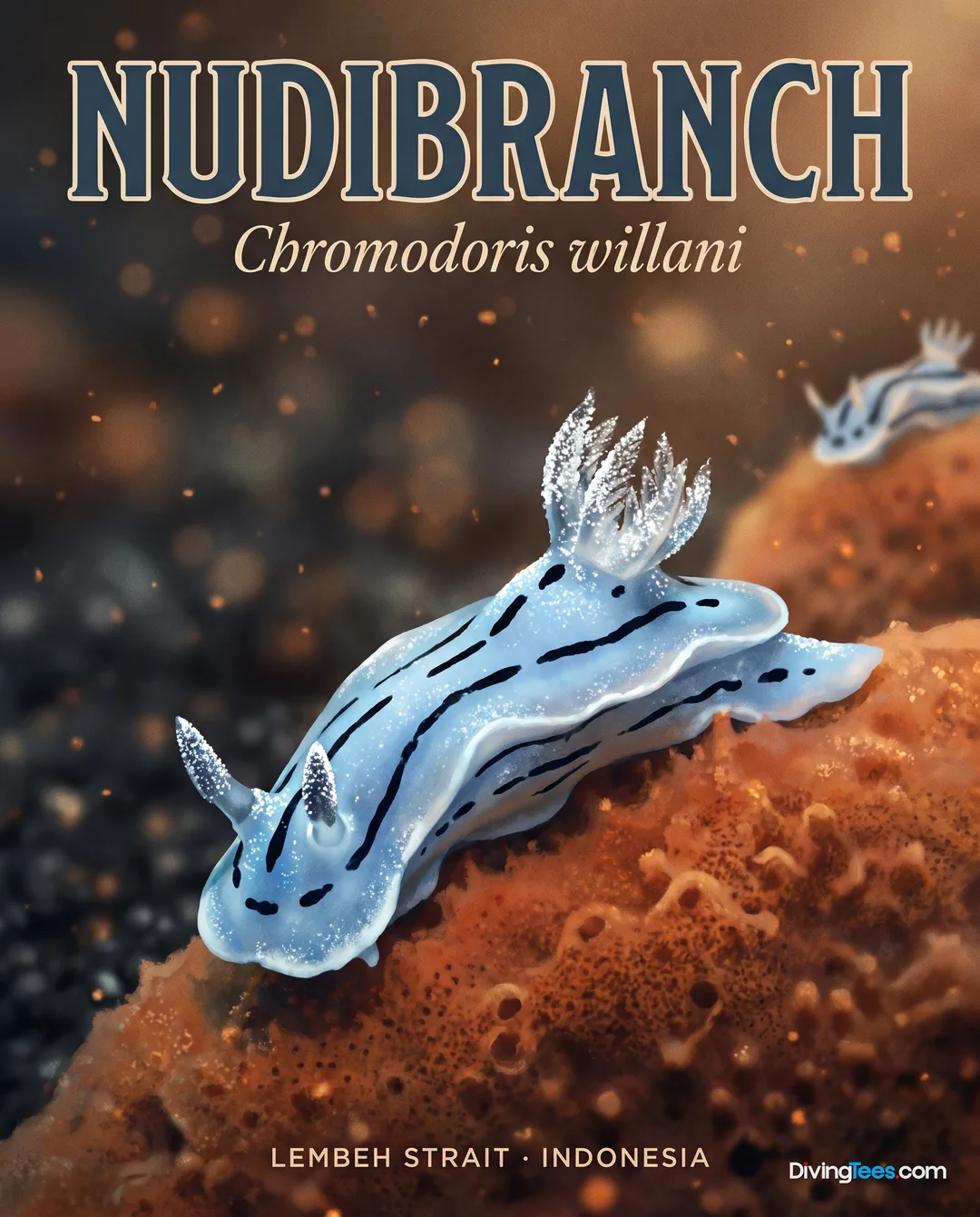
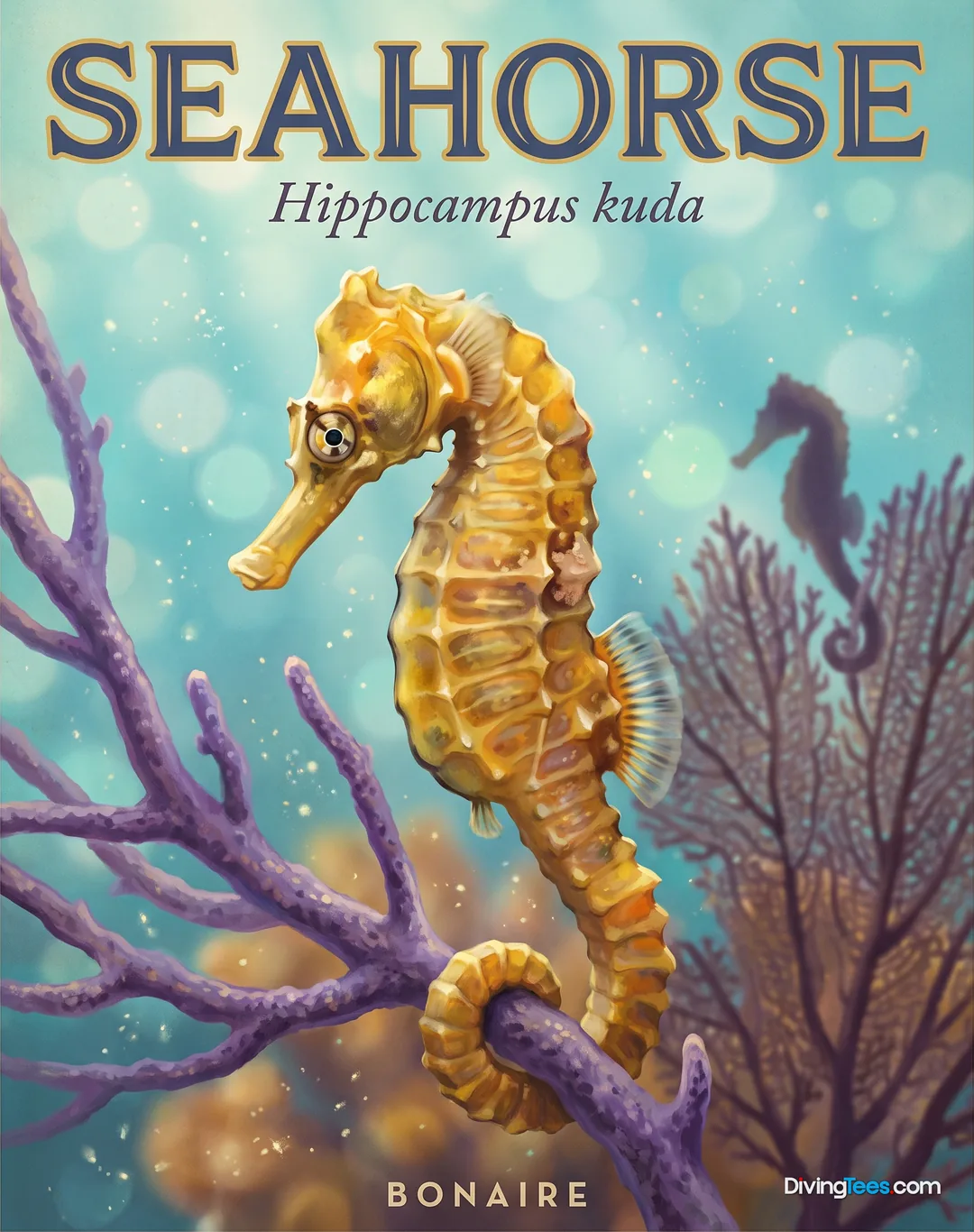
Across this route, the recurring cast is substantial: reef sharks, fusiliers, barracudas, turtles, Napoleon wrasse, trevally, humphead parrotfish, soft corals, nudibranchs and pygmy seahorses. The spectacle changes with the site. Cape Kri is the place for giant grouper and whitetip reef sharks, as well as the dense fish life that made a single dive there famous for 374 observed fish species. Blue Magic is where oceanic white-tip sharks and tuna join the schooling fish and oceanic manta rays. Yenbuba Jetty can reward a slower search with anthias and damselfish around the coral-covered pilings. South Kri is the named site for bigeye trevally; Sorido Wall brings surgeonfish alongside barracudas and reef sharks. House Reef has its own small-scale prizes: gobies, seahorses and moray eels, alongside turtles, reef sharks, sea snakes and nudibranchs. Cleaning stations, current lines and healthy coral explain why large animals and dense schools gather at particular sites, but no encounter is guaranteed.
Who puts you in the water
The crew includes English- and Japanese-speaking dive staff, naturalist guiding and snorkeling guidance. Briefings lead into organised group diving, with the tenders used to place divers at the site and collect them after surfacing. Sea Safari 8 welcomes recreational divers as well as sidemount, technical and rebreather divers, but the boat does not permit solo or decompression diving; every diver must use a computer. Nitrox certification and scuba-diving certifications can be arranged as optional services, while a private dive guide is also available as an extra. The exact guide-to-diver ratio, required logged dives and instructor qualifications are not given, so this boat suits divers who can manage their own equipment and follow a clear no-deco profile. Oxygen, first-aid kits, VHF/DSC/SSB radio, GPS, radar and emergency beacons are carried aboard.
The dive deck and the gear
The dive deck is built for more than standard recreational cylinders. Sea Safari 8 supports nitrox, sidemount, technical diving and rebreathers, and DIN adapters are available. Rental equipment can be arranged in advance, subject to availability; the range of brands and cylinder materials is not stated. Divers use a platform to enter the water, while two Yamaha 50-horsepower outboard tenders handle site access and diver collection. That matters in Raja Ampat, where the tender can take the group to a specific pinnacle, wall or current line rather than making every diver surface beside the hull. The operation also has a photo area and charging stations, useful for cameras and lights between dives. A dive computer is required, and decompression diving and solo diving are not allowed.
Between dives
Between dives, the natural place to settle is the outdoor terrace, where shade, wind and the changing islands do more work than a television ever could. The air-conditioned saloon gives a cooler option after a long surface interval, while the dining area becomes a practical meeting point for food, cameras and dive talk. Kayaks and a stand-up paddleboard open another way to see the shoreline, and naturalist excursions take the trip beyond the reef. There is also a library, audio and video entertainment, a paid internet connection and an onboard photo area for divers who need to sort the day’s images. When the boat is underway between sites, the useful luxury is simply space: somewhere to sit wet, tired and still watching Indonesia move past.
A day on board
The day is organised around dive briefings, entries from the platform or tenders, surface intervals and meals rather than a rigid clock printed on the wall. The first briefing comes before the first dive; after surfacing, divers return to the boat or are collected by tender, eat, hydrate and prepare for the next site. The terrace and air-conditioned saloon carry the quiet hours, while the boat moves between islands when the itinerary requires it. A later dive may shift the emphasis from schooling fish and current work to a wall, a coral garden or macro life. Evenings leave room for a night dive when the itinerary includes one, followed by dinner, camera work and sleep in the cabin. The following day begins with the same useful interruption: a briefing, a tank and another piece of reef.
What you eat aboard
Food is one of Sea Safari 8’s strongest points, with full-board meals served as a buffet and snacks available through the day. The galley combines Western cooking with local Indonesian dishes, so a week does not become a repetition of the same familiar plate. Vegetarian and vegan options are available, and the boat carries beer, wine and a selection of more substantial wines; alcoholic and non-alcoholic drinks beyond the standard service are extras. Meals matter here because they are the fixed points around which the diving is built: divers come back hungry, eat without ceremony, then return to the shade, the camera table or the next briefing. The kitchen has to keep pace with that cycle. Passenger feedback consistently singles out the food as a highlight.
Nights at sea
The cabins are arranged as upper-, middle- and lower-deck twin cabins, with double cabins also available on the middle deck. Each has air conditioning, a private bathroom and a standard window; the cabin deck is the main deck. The useful difference is not a promise of resort silence but the way the boat gives people somewhere to go when a bunk feels too small: an indoor saloon, dining space, terrace and an outdoor area for looking at the sky after the last dive. Cabins are kept clean during the trip, and the layout gives divers a place to retreat without disappearing from the group entirely. At night, the wooden hull, machinery and sea remain part of the experience. Choose the cabin location with that in mind.
Upper Deck Twin Cabin
Lower Deck Twin Cabins
Middle Deck Twin Cabins
Middle Deck Double Cabins
What to know before boarding
Raja Ampat trips depart from and return to Sorong; South Halmahera trips depart from and return to Ternate. Airport and hotel transfers are included, with the crew meeting guests at the relevant airport and taking them to the boat. Arriving in the departure port the night before is the sensible choice, especially for international connections and domestic flights in Indonesia.
Deck plan
- Year built
- 2003
- Year renovated
- Each year
- Length
- 34.4 m
- Beam
- 10 m
- Maximum number of passengers
- 23
- Number of cabins
- 12
- Number of bathrooms
- 13
- Engines
- 1 × CUMMINS KT-19 = 272 KW (365 PH) 1.800 RPM & 3 Auxilliary
- Cruising speed
- 12 knots
- Tenders
- 2 × Yamaha 50 hp outboard engines (4-stroke)
- Website
- seasafaricruises.com ↗
Hello, I'm Marina, DivingDeal.com's AI assistant. I answer in detail about hotels, dive centres and liveaboards.

Thinking about the whole trip and the flights? Talk it over with Edith →
Marina is an AI. Some links are affiliate links: DivingDeal may earn a commission, at no extra cost to you. Bookings are made with the partner.