Liveaboards · Indonesia
Wellenreng — a small wooden phinisi for private Indonesian diving
What makes this boat unique
- A 25-metre wooden phinisi renovated in 2025, with three guest cabins and space for up to nine passengers.
- The boat is built around small private groups, with a local guide, three to four dives a day and night dives included.
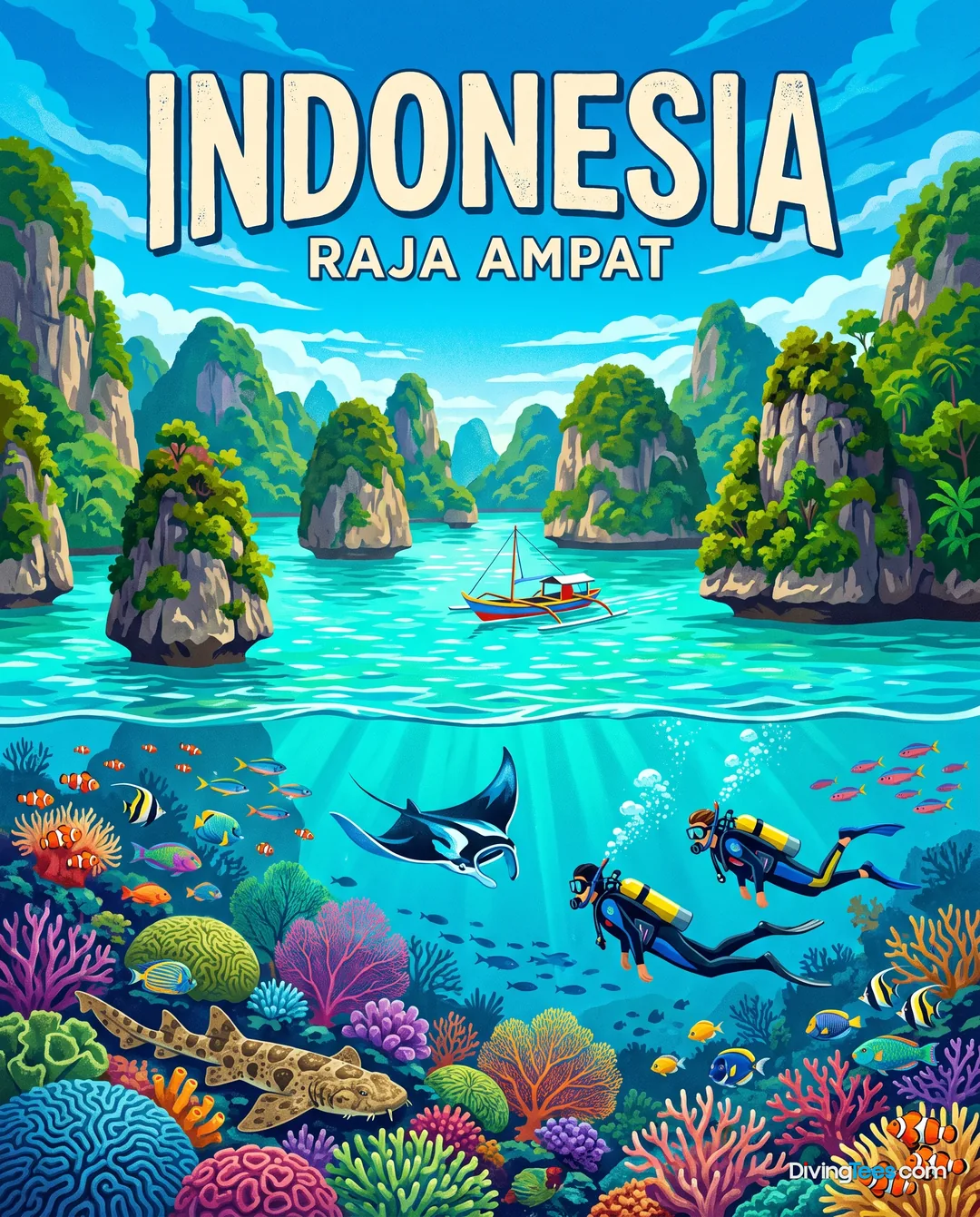
- Raja Ampat itineraries reach sites such as Cape Kri, Blue Magic, Manta Sandy and Melissa's Garden.
- Nitrox, Wi-Fi, airport and hotel transfers, full board, kayaks and snorkelling equipment are included; Starlink is available as an option.
For subtitles in English: start the video firstthen click the gearat the top right of the video, select “Subtitles/CC”, then “Auto-translate” and choose “English”.
The invitation
Wellenreng suits divers who want Raja Ampat without the feeling of joining a floating resort. Three cabins keep the guest list small, and the boat is aimed at private groups and families rather than a full-scale cruise operation. That changes the reason to choose it: the trip can leave room for a quiet anchorage, a snorkelling stop, a beach visit or a slower surface interval instead of treating every hour as a transfer between scheduled activities. The diving remains the centre of the journey. Nitrox is included, night dives are part of the programme, and the tender is set up for divers rather than sightseeing alone. Above the reef, there is enough room to eat outside, watch the islands pass and step away from the group when needed. Wellenreng is for a small party that wants access to remote Indonesian sites, but also wants the boat to feel like a private base between dives.
Boarding
The first impression is of a working wooden phinisi rather than a standard white dive cruiser. Wellenreng has the long, traditional profile of an Indonesian sailing boat, with open-air dining, an upper observation area and a sundeck arranged for looking outward rather than hiding indoors. The 2025 renovation matters here: it gives an older wooden hull a more current interior without removing the character that makes a phinisi feel connected to these waters. Movement between the spaces is straightforward, with the cabins below and the social areas above. The shaded main deck is where people naturally gather after arriving, while the higher deck gives the boat its best view of the islands and anchorages. One Mitsubishi engine provides the propulsion, so this is not a silent sailing passage; underway, the engine is part of the boat's presence. The reward is a compact vessel where the crew can see what is happening and guests are not lost in corridors.
The atmosphere on board
The atmosphere is shaped by the guest count. With three cabins, a private group can become a known group quickly: the same faces at the breakfast table, on the tender and around the camera workspace. The crew-to-passenger ratio is close to one-to-one, so service is personal in a practical way rather than theatrical. A local team handles the diving, meals, transfers and the small decisions that keep a remote itinerary moving. That leaves the cruise director and guides free to adjust an outing when conditions or an unexpected wildlife encounter makes it worthwhile. The boat is comfortable for couples, families, photographers and snorkellers travelling alongside divers, without asking non-divers to disappear during the water sessions. In the evening, people tend to regroup on the shaded observation deck or around an outdoor dinner, with the library, audio-video area and open sea providing quieter alternatives. Wellenreng's strongest quality is not polish alone; it is the sense that a small number of people are being looked after on the same boat, not processed through it.
The sites you’ll dive
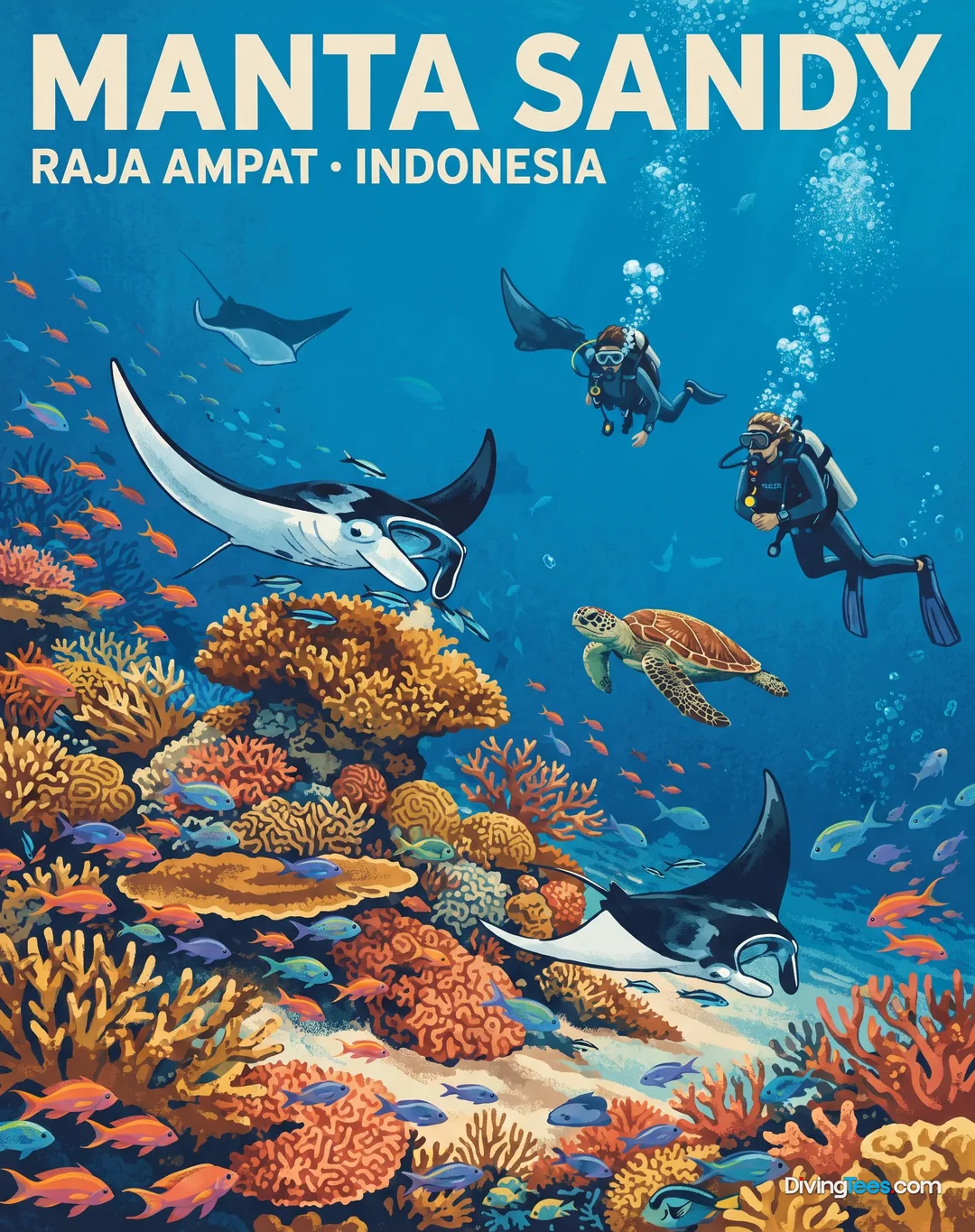
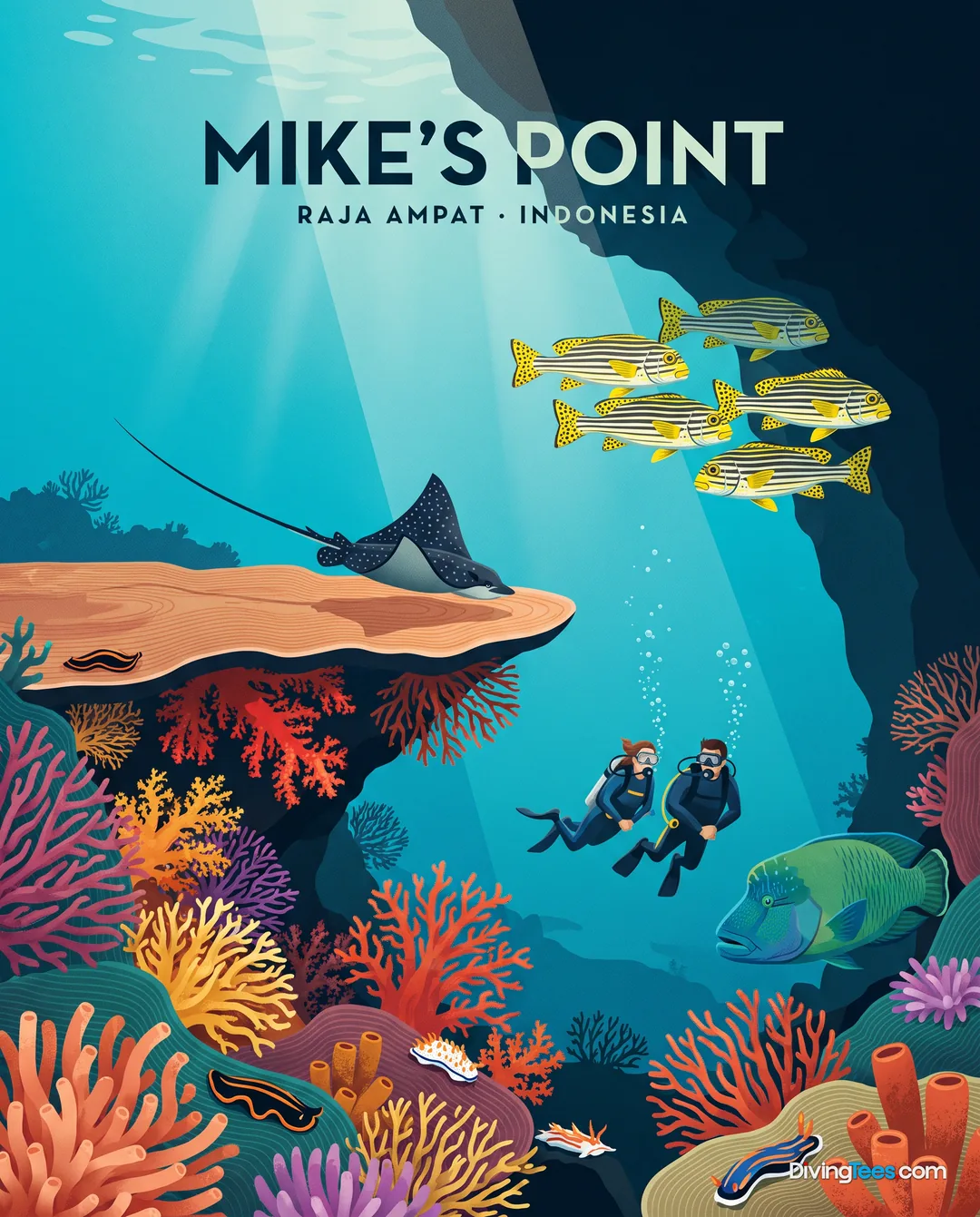
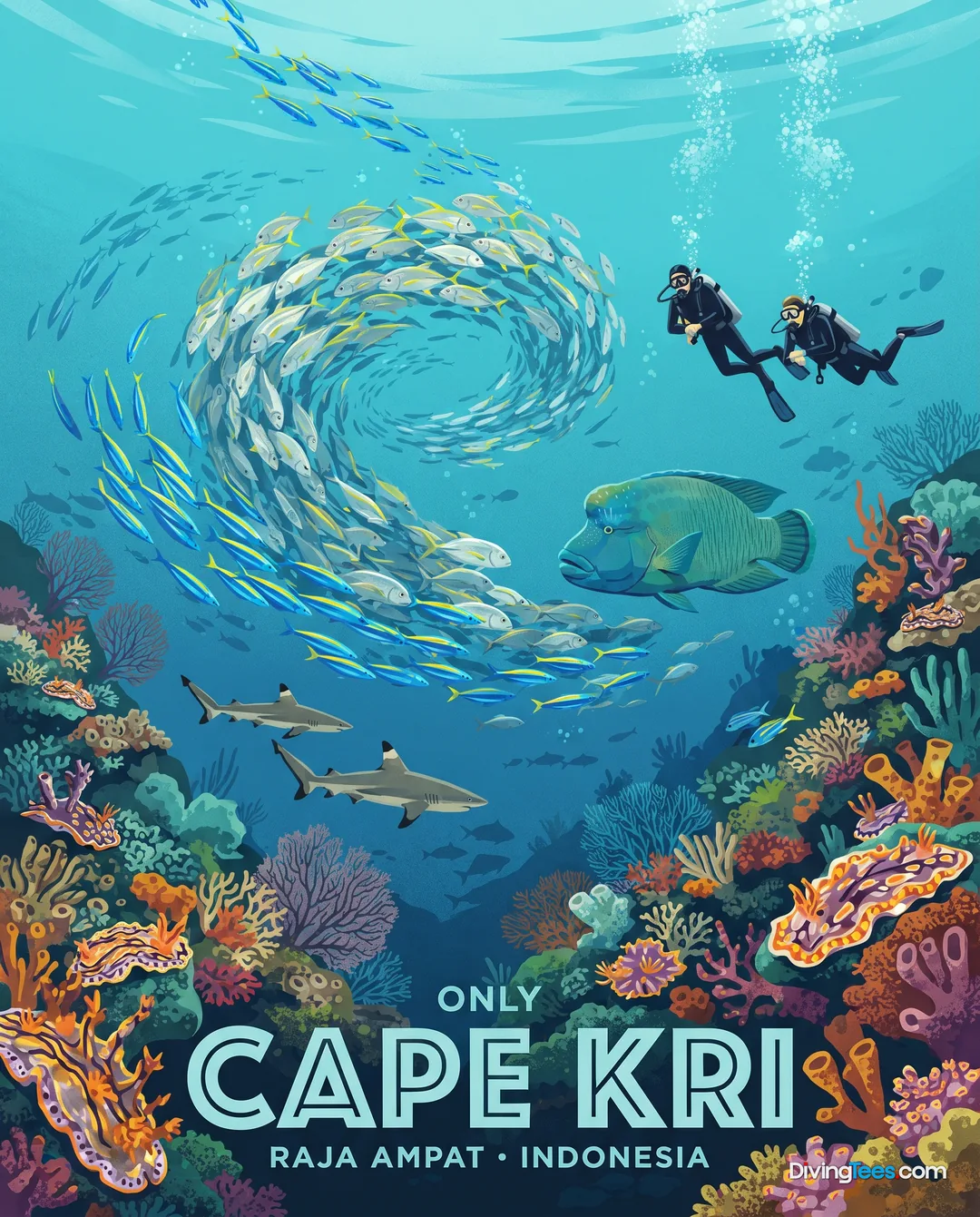
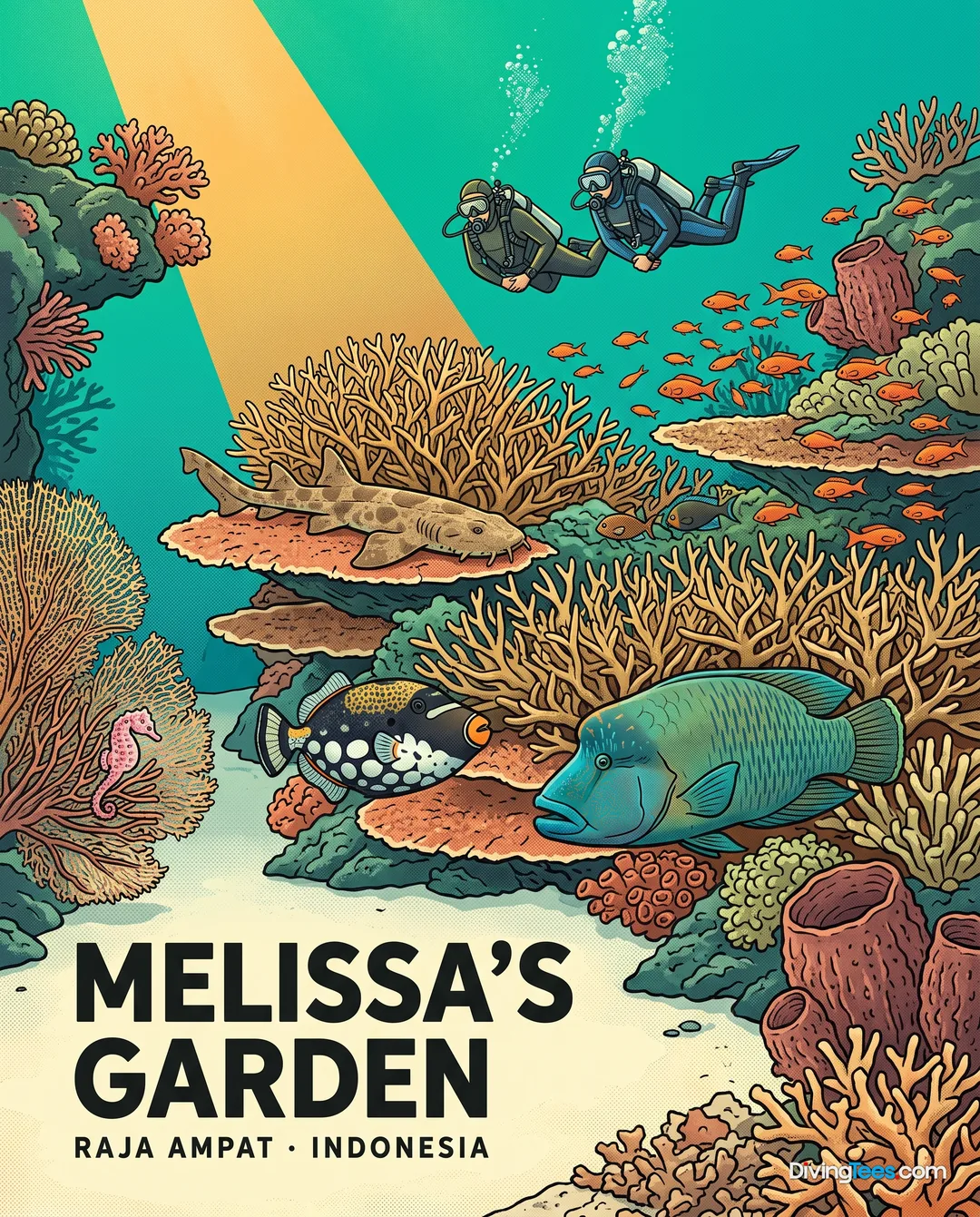
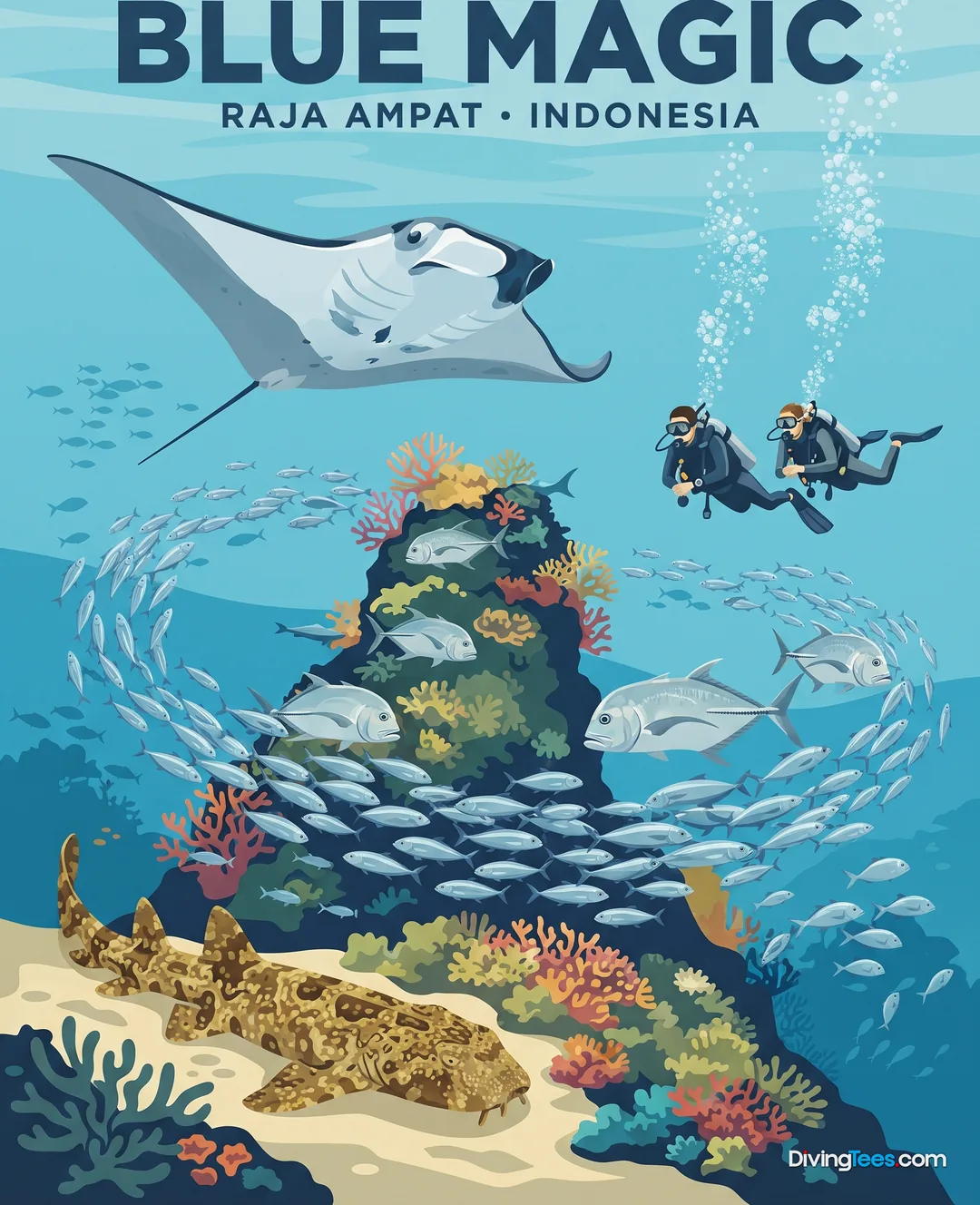
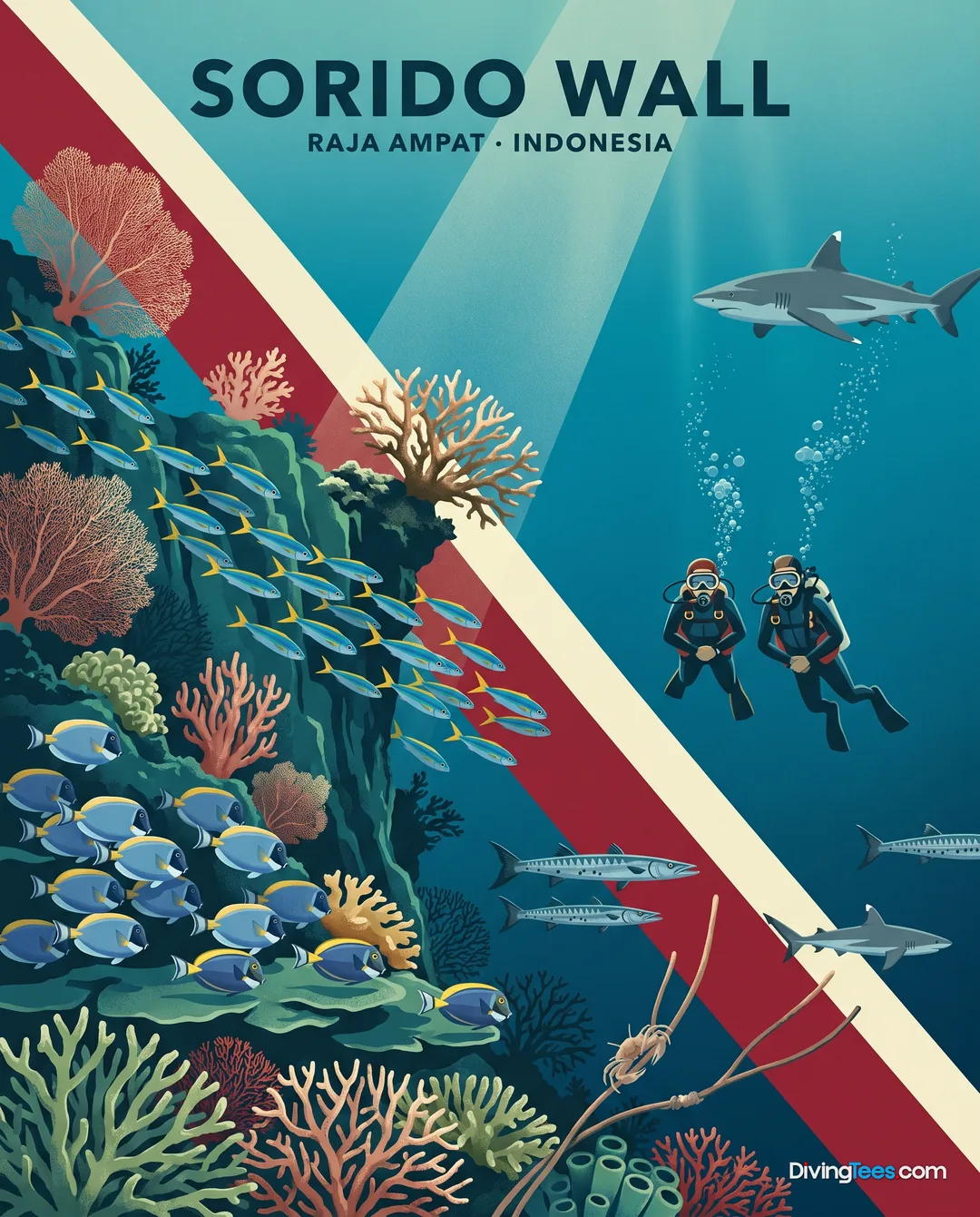
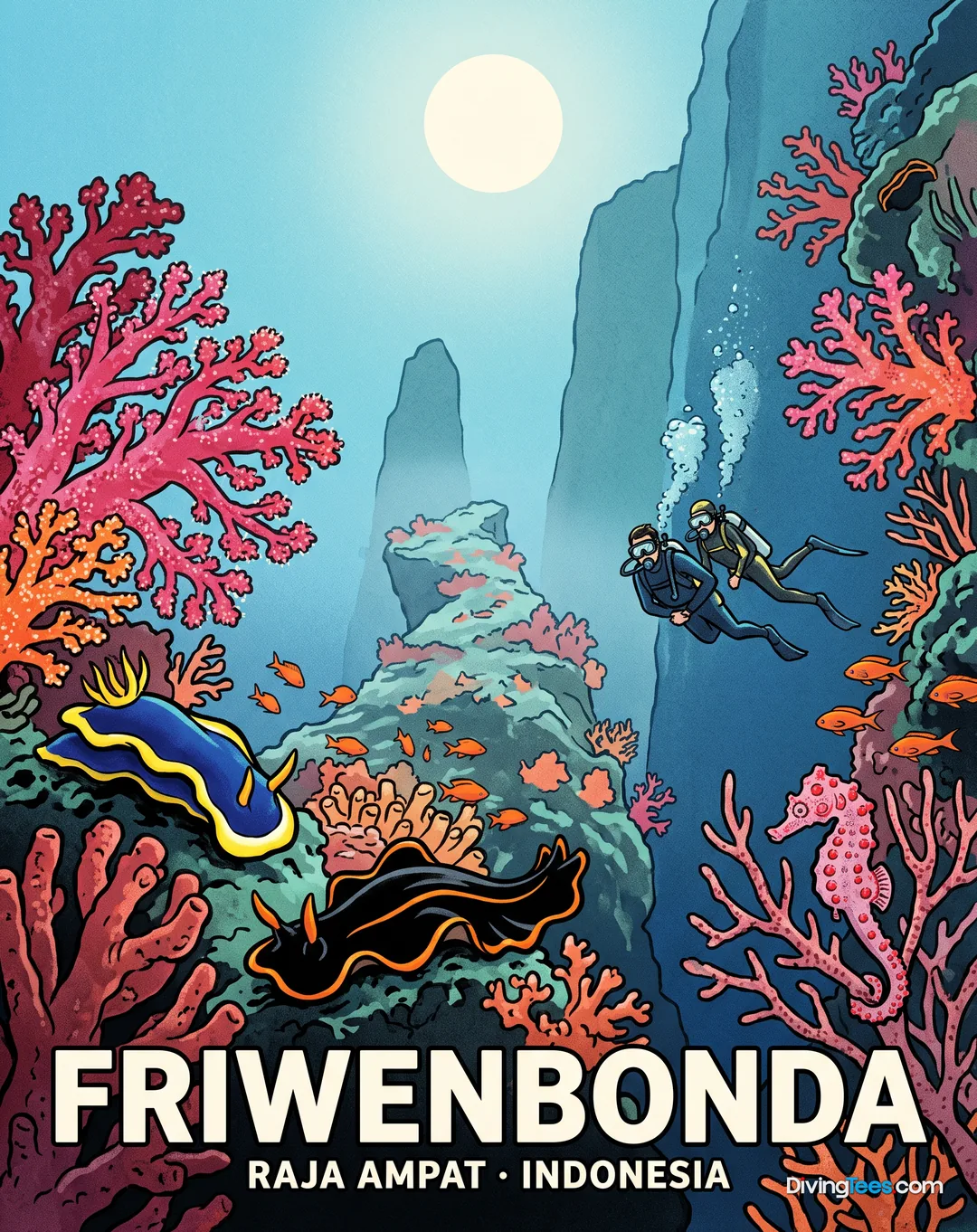
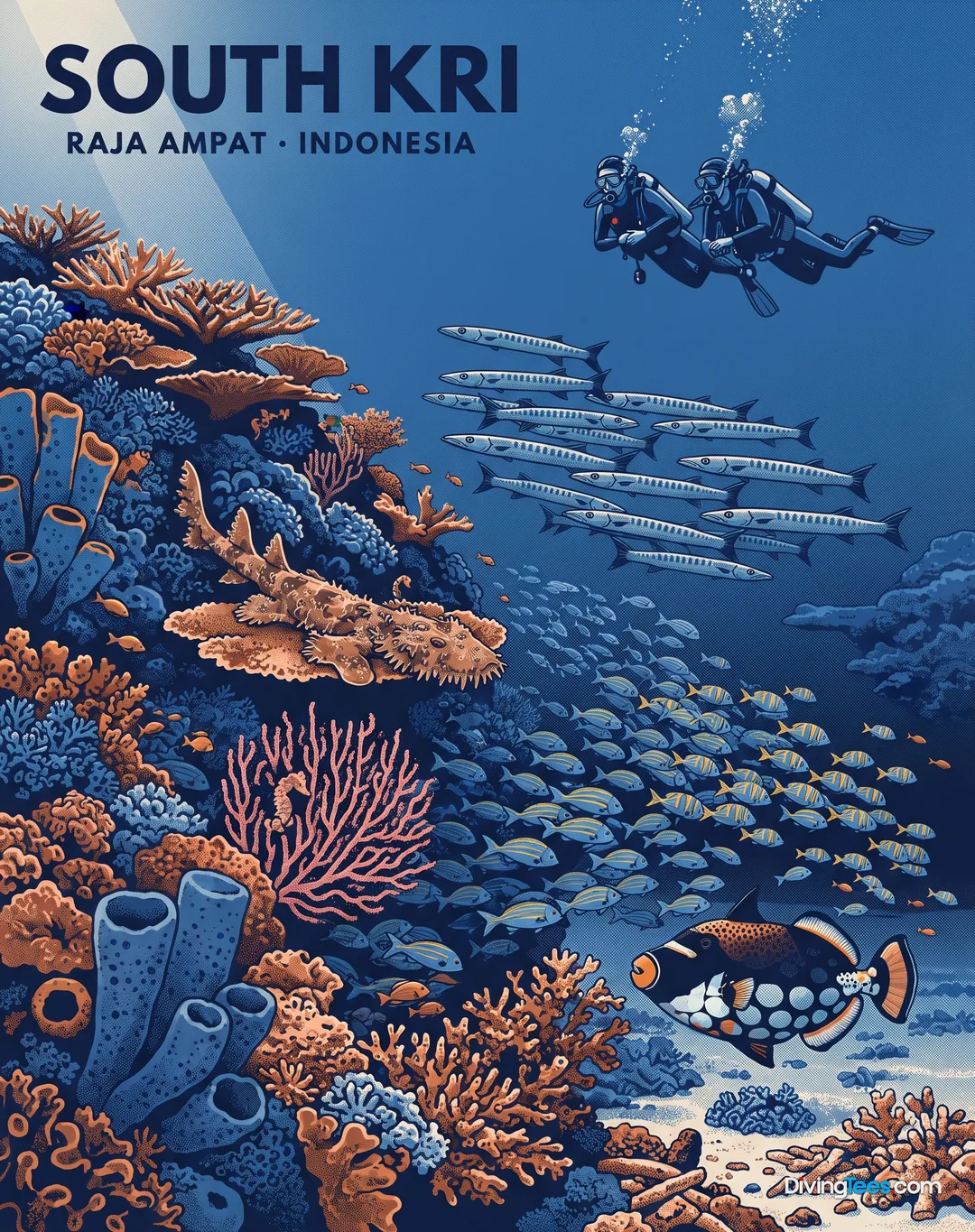
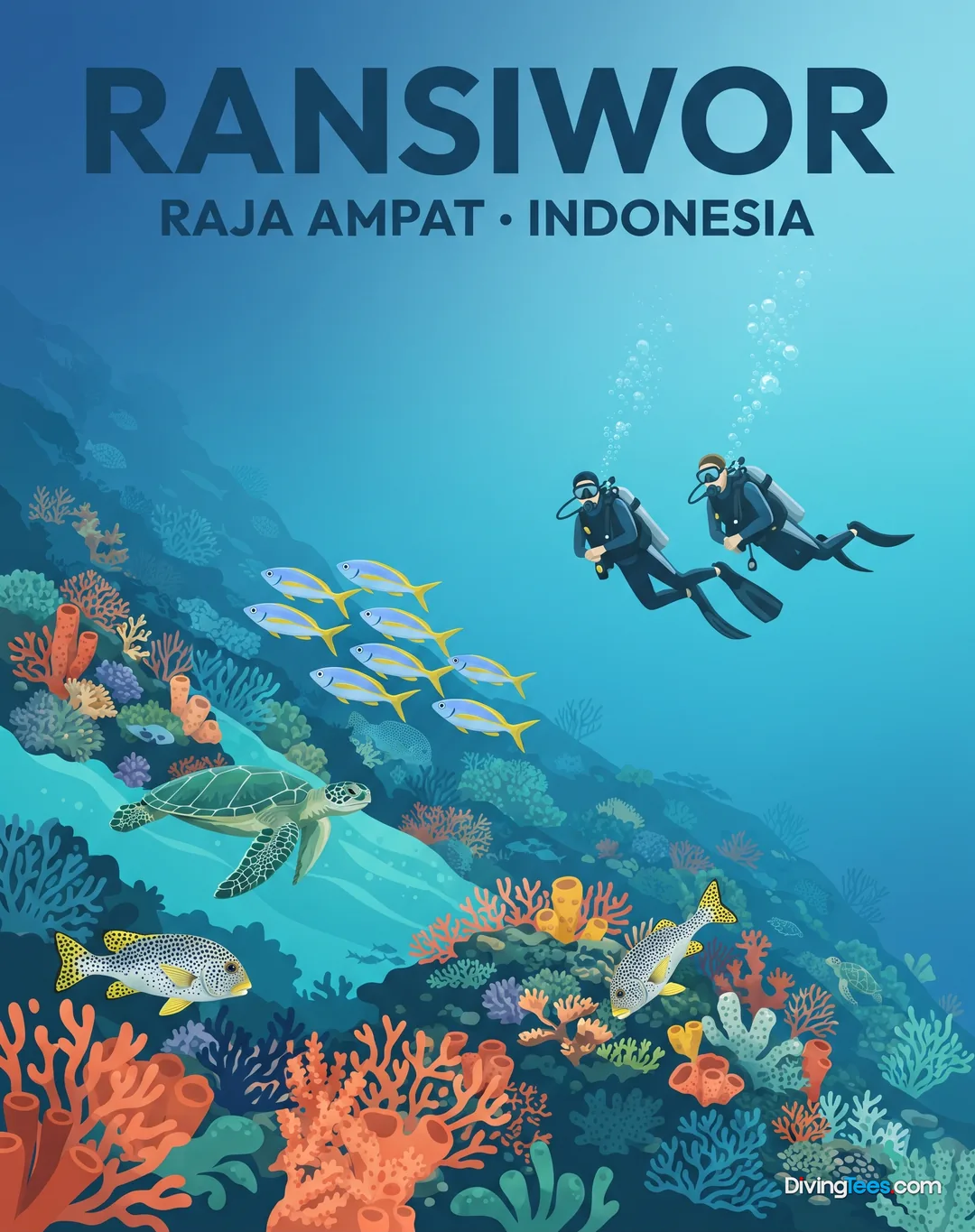
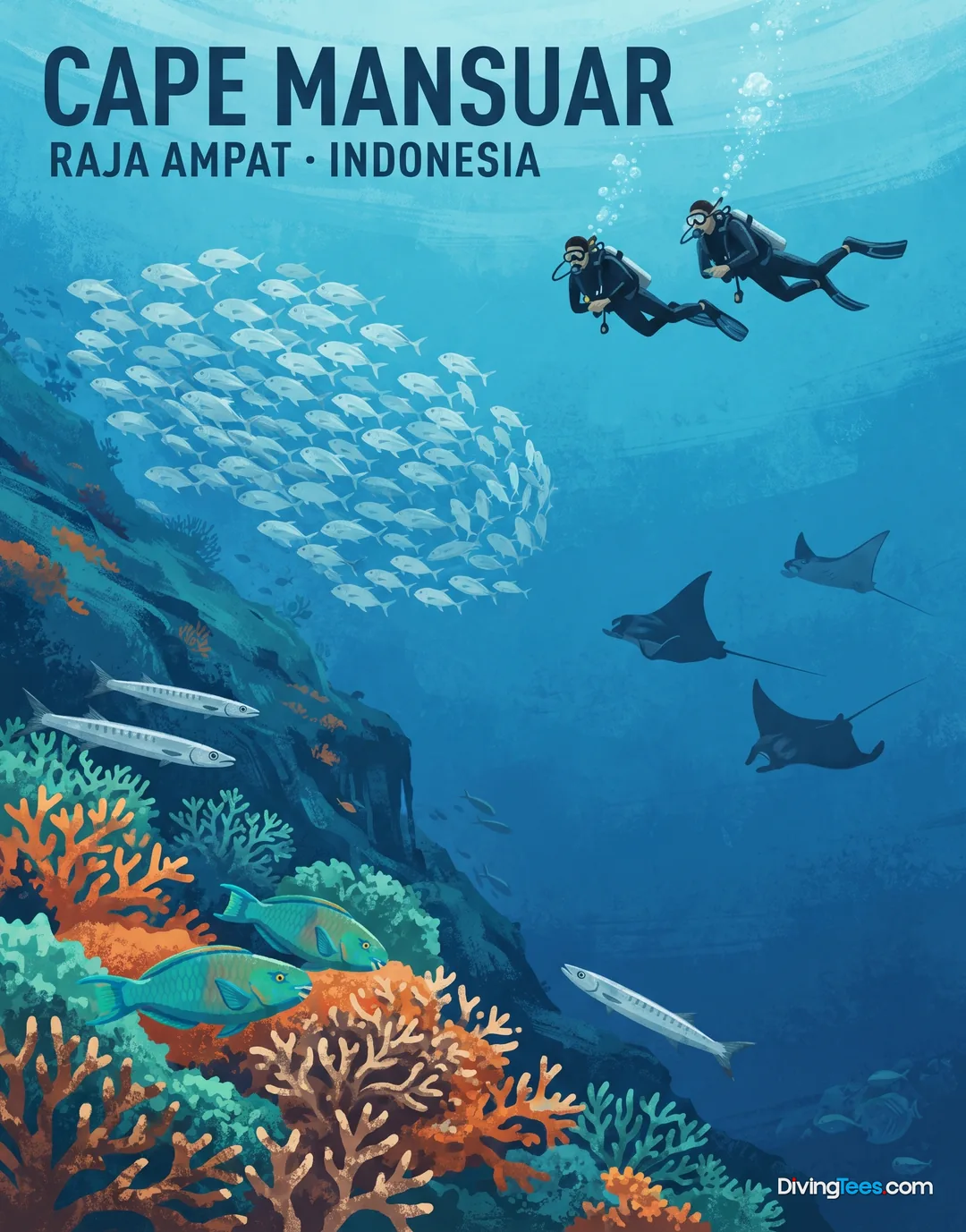
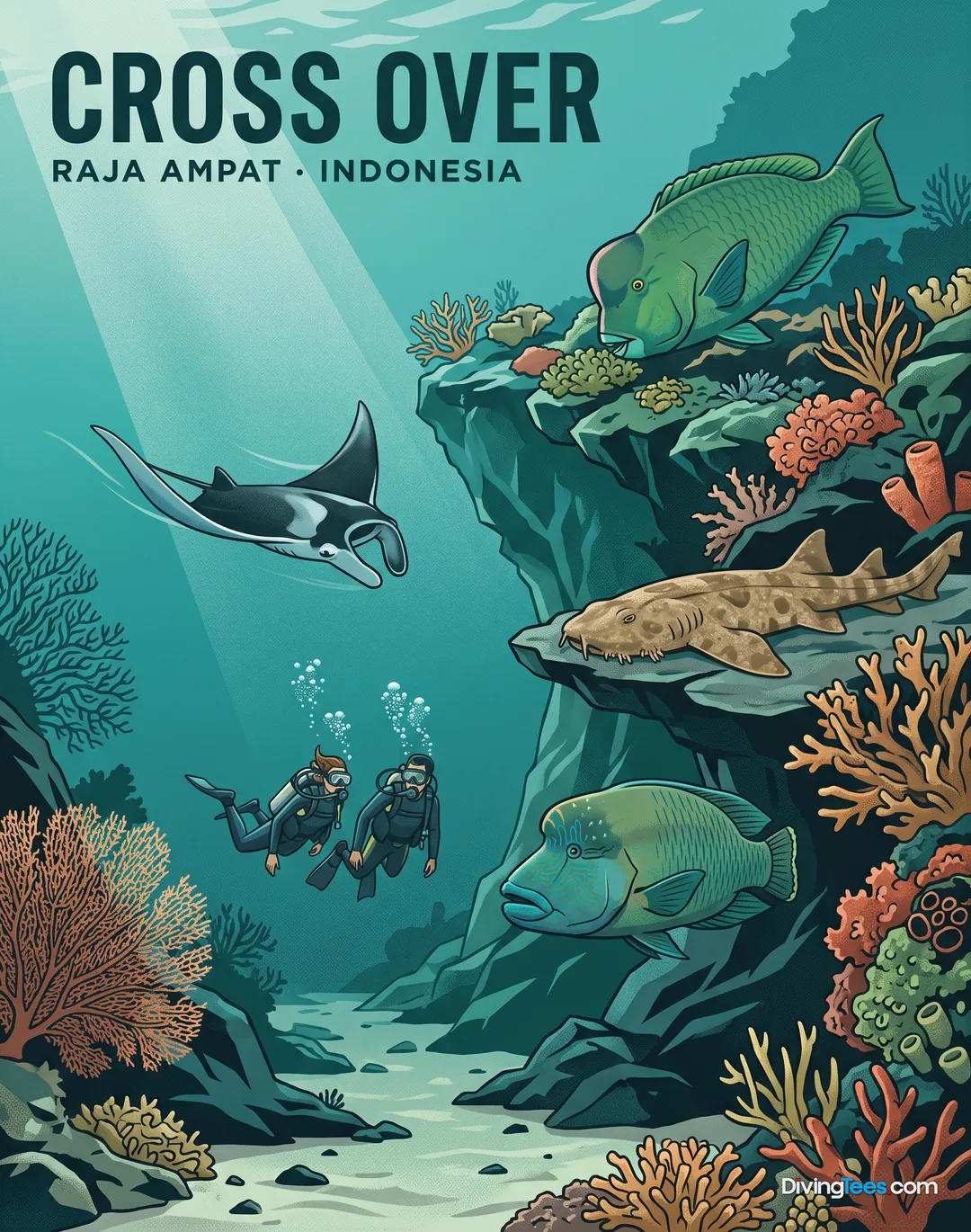
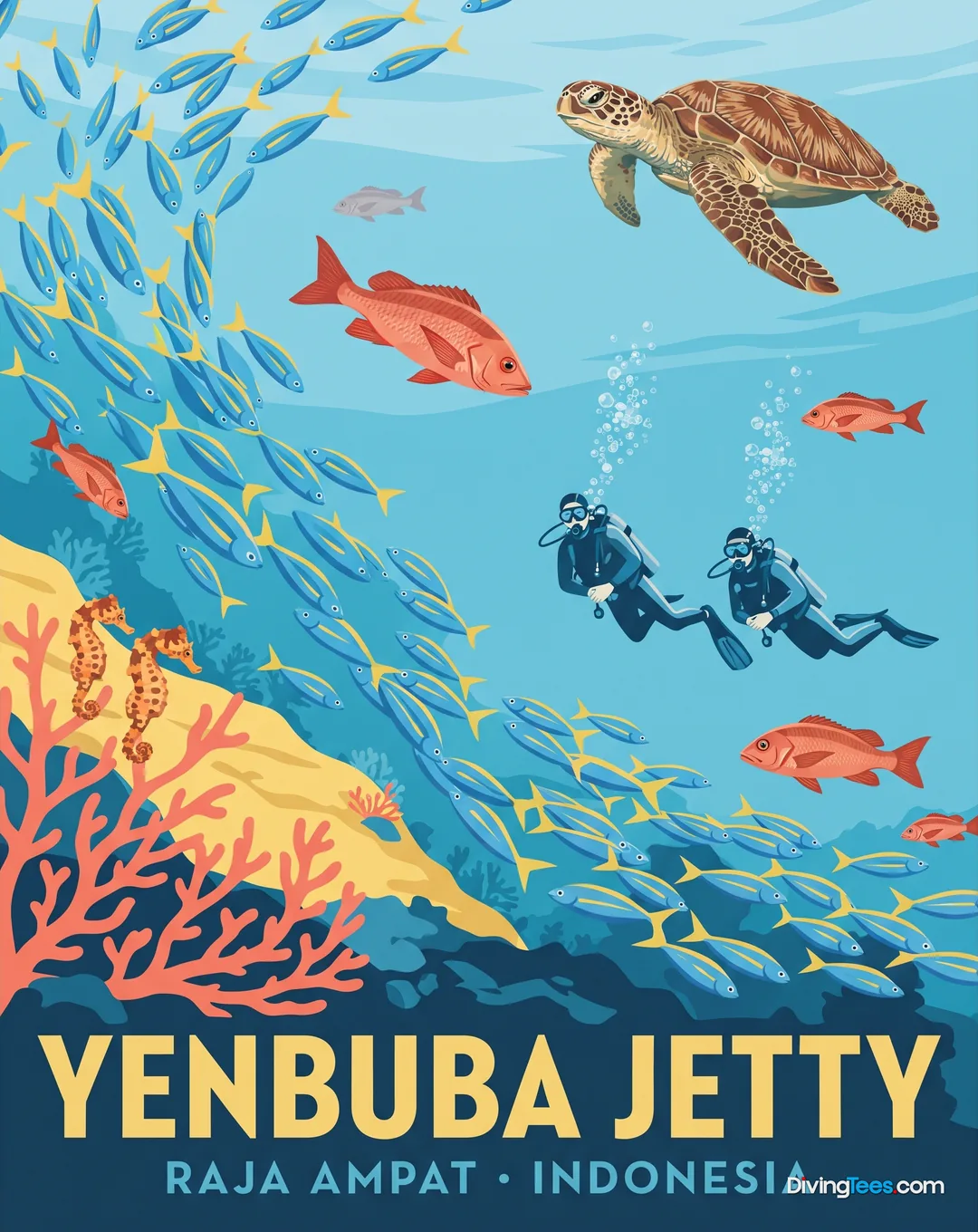
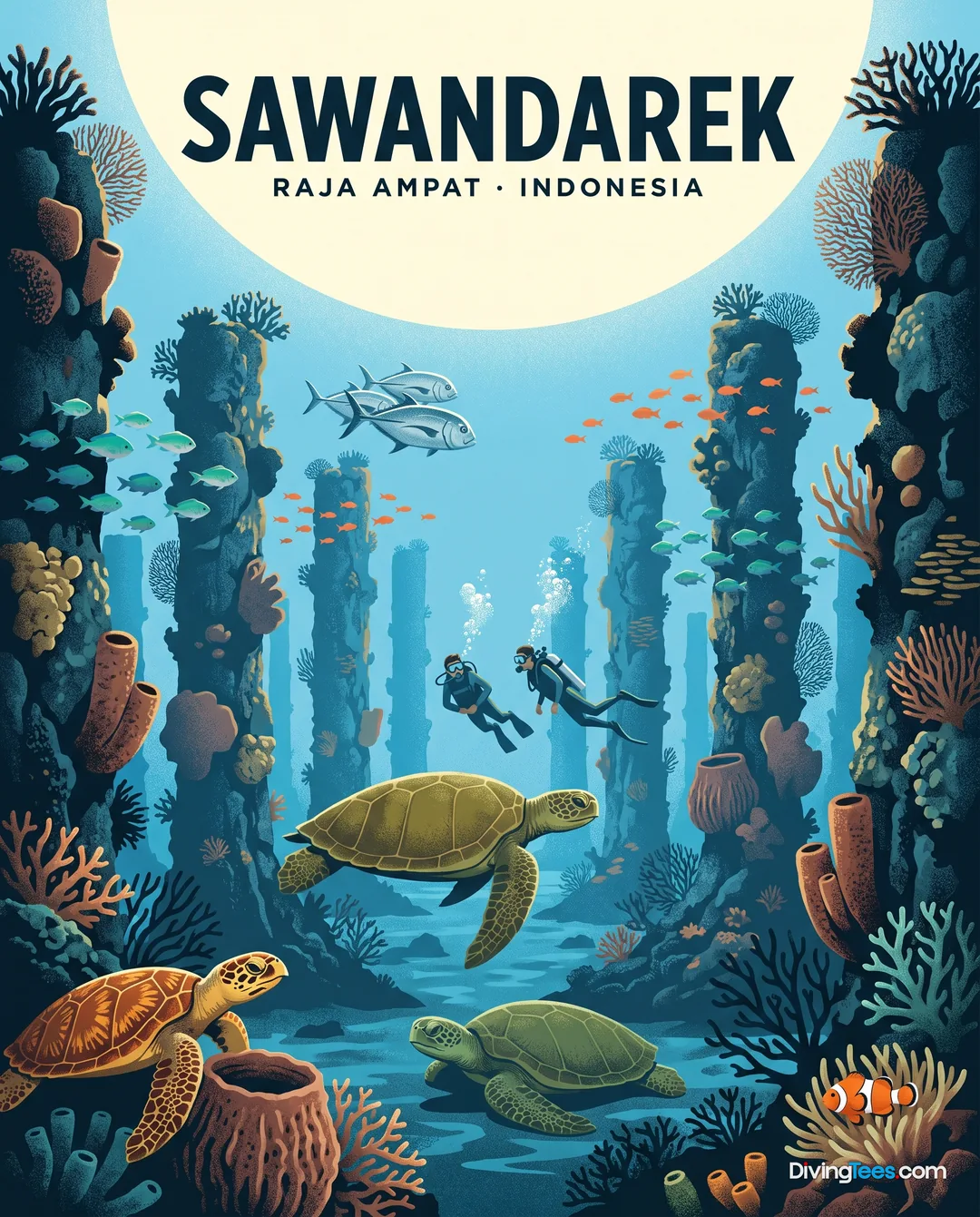
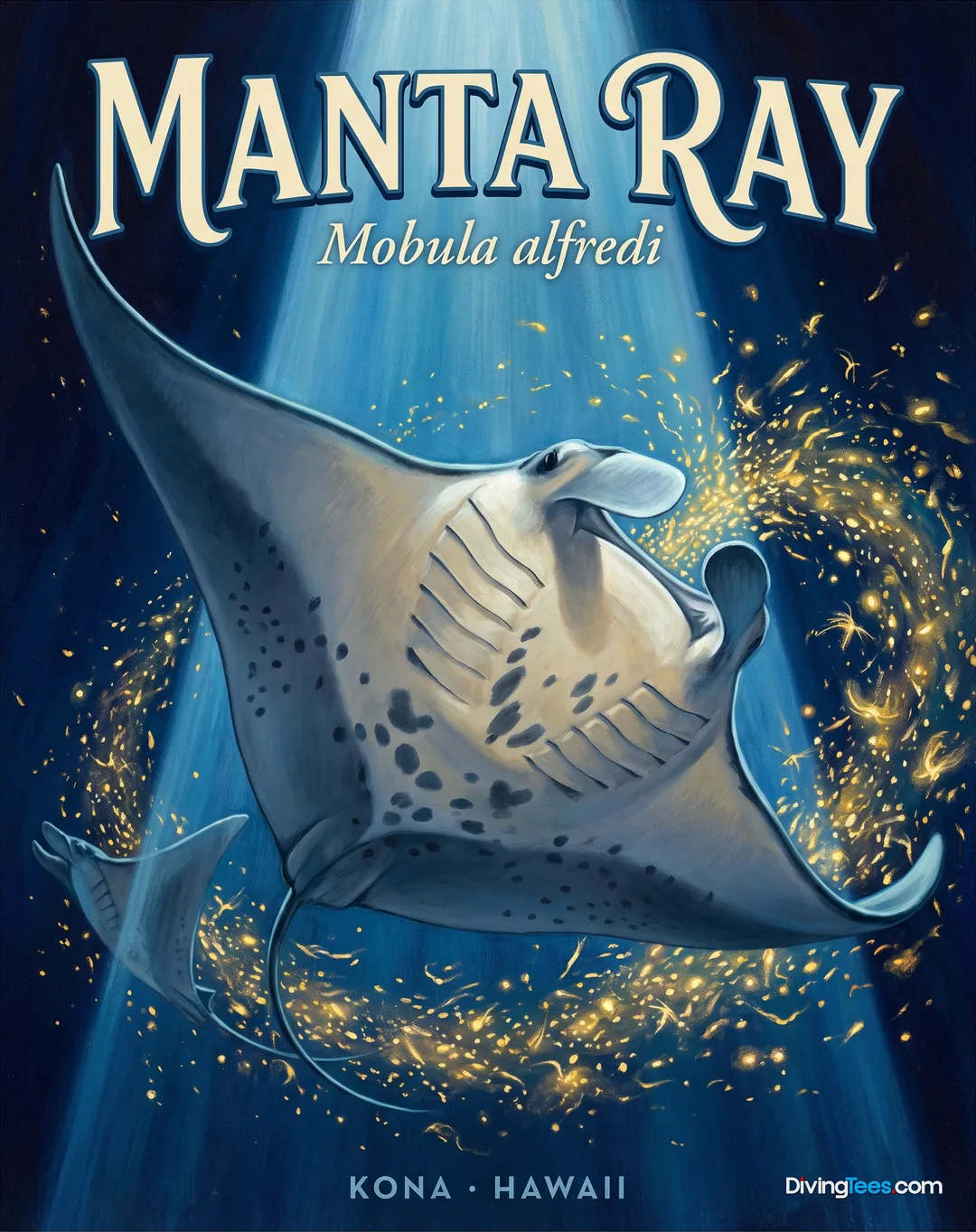
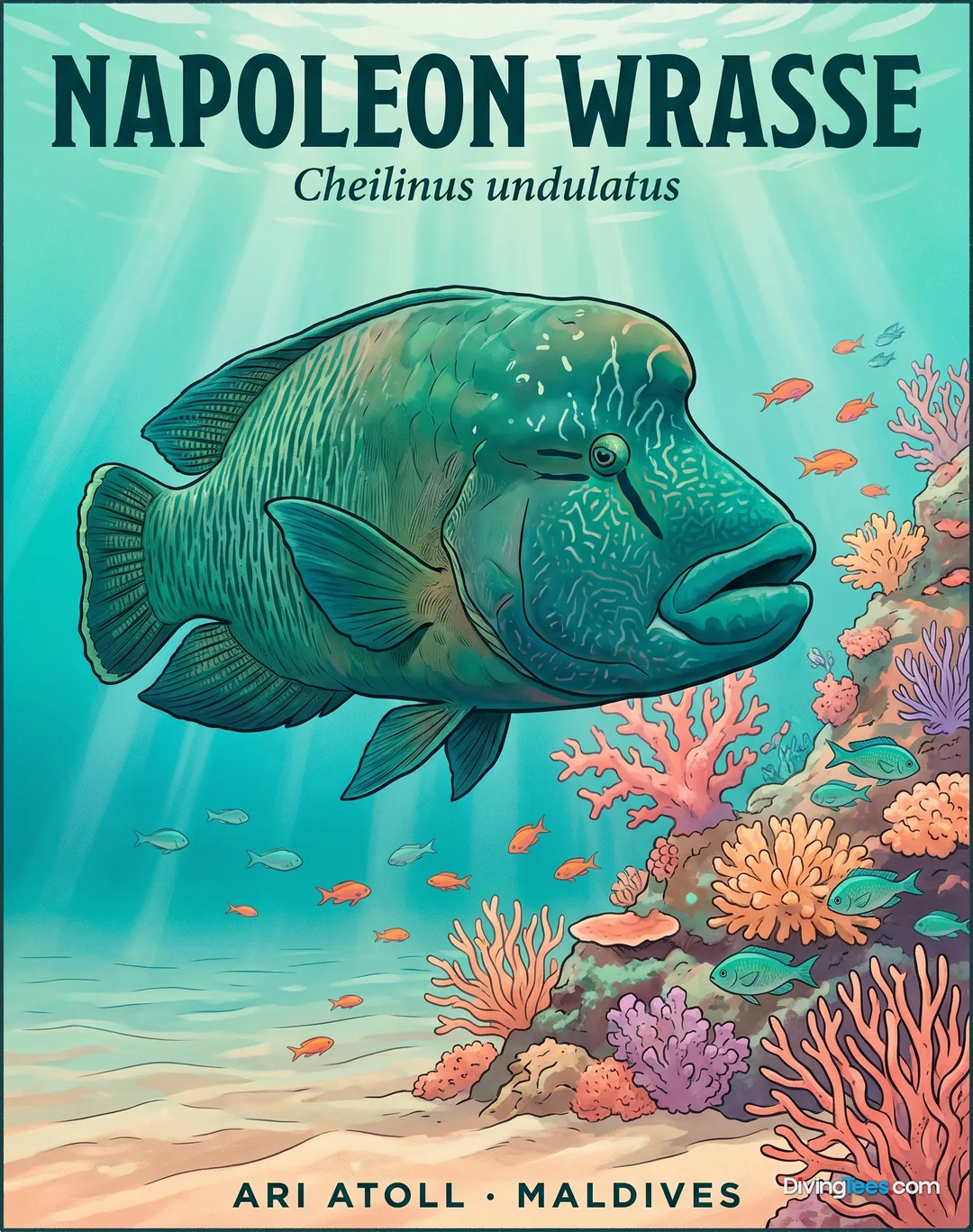
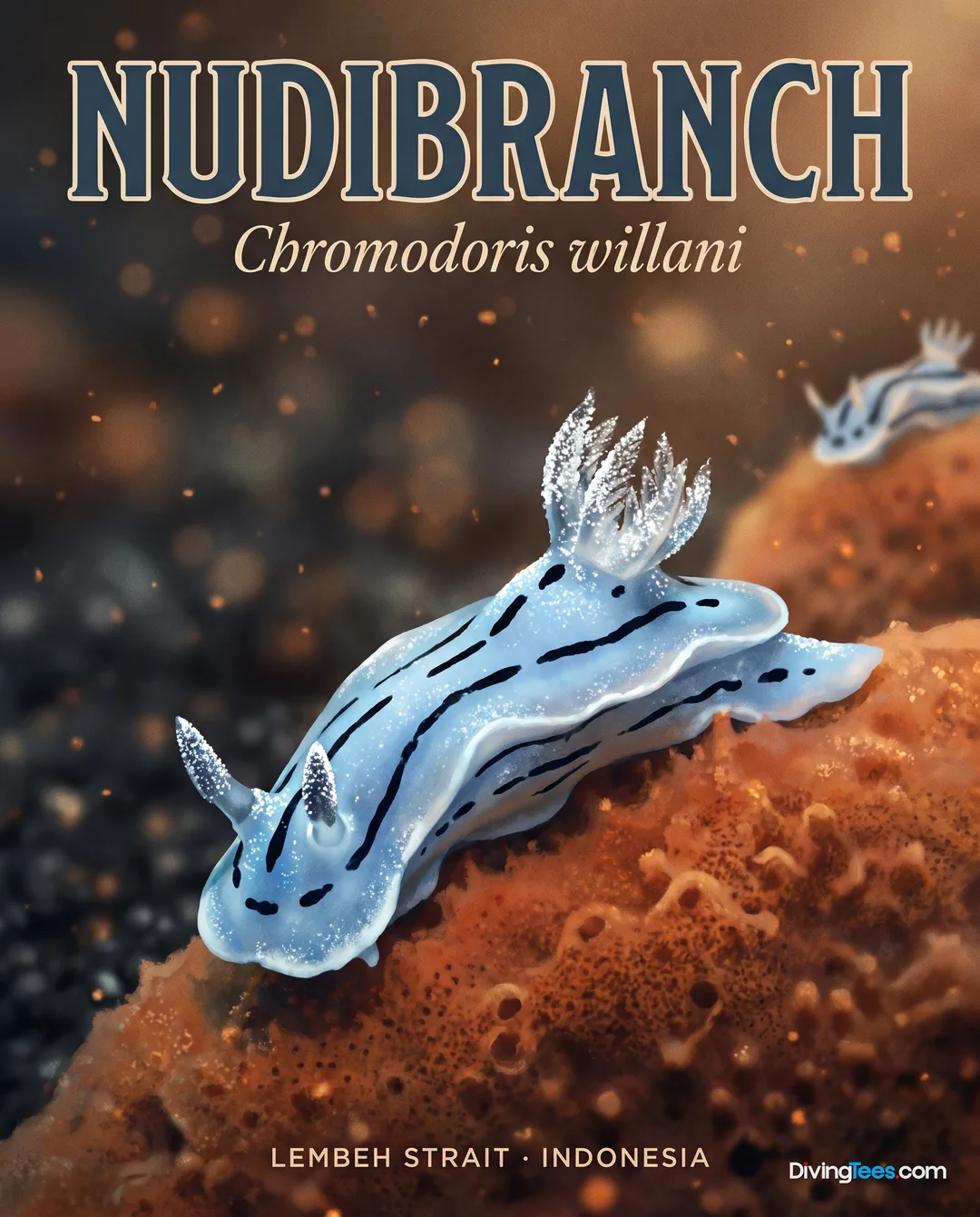
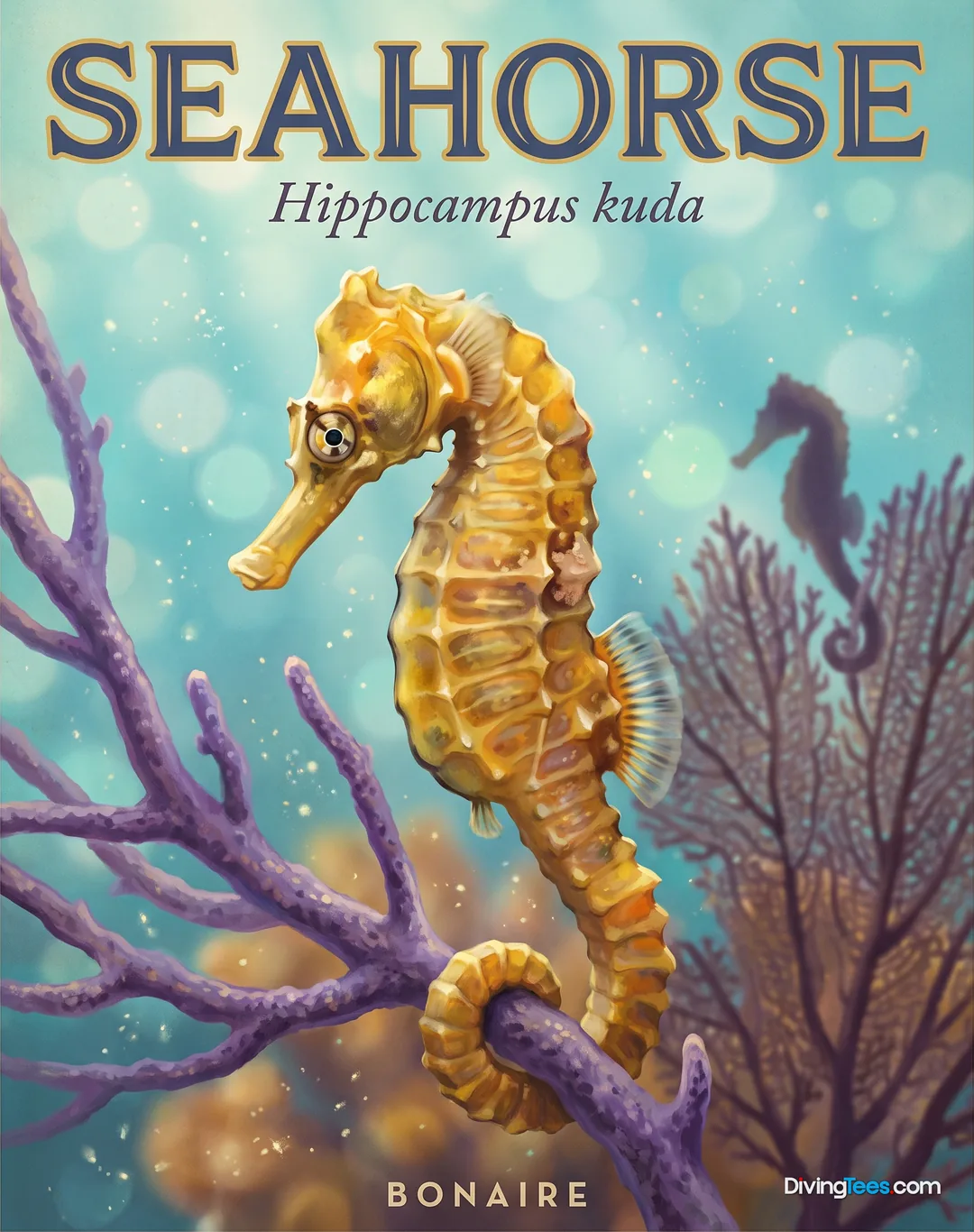
Raja Ampat's central sites give this boat a strong reason to be chosen by divers who want both large-animal encounters and close reef work. At Manta Sandy, reef manta rays hover over cleaning stations that can also be watched by snorkellers. Mike's Point combines reef overhangs full of soft corals and sweetlips with a flat plateau where eagle rays may pass; its maximum depth is -40m. Cape Kri is the abundance dive, with large schools of emperors and fusiliers, Napoleon wrasse and reef sharks, and 374 fish species observed on a single dive. Melissa's Garden reaches -35m among soft corals and staghorn formations. Blue Magic brings schooling fish, wobbegongs, giant trevally, dogtooth tuna, barracuda and the possibility of oceanic mantas. Sorido Wall puts barracuda and reef sharks beside fusiliers and surgeonfish. Friwenbonda is a colourful soft-coral wall with nudibranchs, flatworms and pygmy seahorses; South Kri adds macro life to a relaxed drift. Ransiwor reaches -30m, with cleaning stations and yellow-back fusiliers. Cape Mansuar, Cross Over, Yenbuba Jetty at -30m and Sawandarek add current-fed schools, coral-covered pilings, turtles and rich sloping reefs. Recorded Raja Ampat departures run from Sorong to Sorong for 8 days/7 nights or 10 days/9 nights; a Banda Sea and Raja Ampat route runs from Ambon to Sorong for 11 days/10 nights.
What you’ll meet underwater
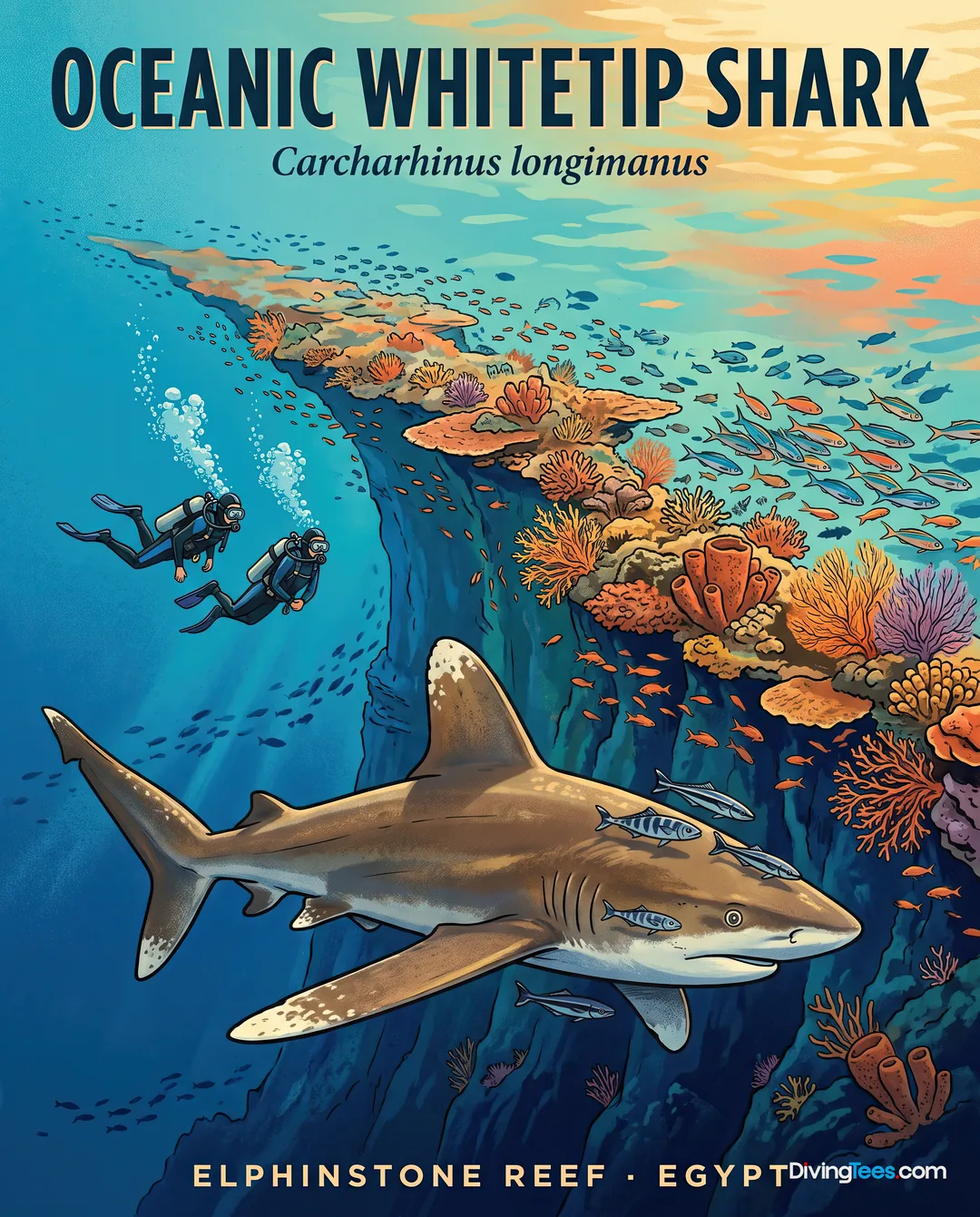
The recurring spectacle is scale and variety in the same week: barracuda, reef sharks, trevally, fusiliers, Napoleon wrasse, sweetlips, humphead parrotfish, turtles, nudibranchs, soft corals, eagle rays and pygmy seahorses are all part of the route's underwater cast. Currents and cleaning stations can concentrate the larger animals, while the reef itself keeps offering smaller subjects for a slower look. The site-specific encounters are what give the itinerary its sharp edges. Cape Kri is the place for the giant grouper and white-tip reef shark. Blue Magic is the site associated with oceanic whitetip sharks and tuna, as well as oceanic mantas. Yenbuba Jetty can produce anthias and damselfish around its coral-covered pilings. South Kri is where the route records bigeye trevally, crabs and shrimp among the macro life. Ransiwor is the site linked with octopus and clownfish, while Sorido Wall is the place to look for surgeonfish alongside its barracuda and reef sharks. None of these animals is a promise; the appeal is that the sites give each sighting a reason and a setting.
Who puts you in the water
A local dive guide leads the small dive groups, keeping the underwater team smaller than the guest list rather than moving everyone as one block. The crew speaks English and Indonesian, so briefings and practical instructions can be handled in those languages. The diving is set up for tailor-made days, including sunrise dives, daytime dives and night dives, with the guide adapting the plan to the site and the group. No minimum number of logged dives or formal qualification level is stated, so divers should discuss their experience before choosing current-exposed sites. Nitrox certification and scuba-diving certifications are available as optional courses or services on board. Safety equipment includes oxygen, first-aid kits, life jackets, fire alarms and extinguishers, radar, sonar, GPS, VHF/DSC/SSB radio and an emergency position-indicating radio beacon. The boat also carries mobile and satellite phones, flares and a trained first-aid crew. That is a solid safety framework, while details such as group ratios, recall procedures and instructor qualifications should be established directly with the operator before a technical or current-heavy plan is fixed.
The dive deck and the gear
The dive operation is compact but properly arranged for repeated water entries. Wellenreng carries 12-litre and 15-litre aluminium tanks in DIN or INT configuration; the 15-litre size is available as rental equipment, and other rental gear can be arranged. Nitrox is included for the dives. The shaded dive area has a platform, freshwater rinse tanks for equipment and cameras, a separate camera-rinse facility, a camera workspace with charging station, and a freshwater hot-water shower for the return from the sea. Entry and recovery are handled through a 7-metre fibreglass dinghy with individual seats, tank holders and twin 40-horsepower engines. That is the important distinction from a tender used only to ferry passengers: tanks stay organised, seats give divers a proper place to settle, and the twin engines allow the tender to collect divers away from the boat. A local dive guide accompanies small groups. Oxygen and first-aid equipment are carried for emergencies, and the boat supports sidemount diving. Equipment rental is optional; no equipment brands are specified.
Between dives
Between dives, Wellenreng gives the trip a choice of pace. The shaded observation deck has beanbags and broad views, while the sundeck is for those who want direct sun between swims. A small library includes fish and bird identification books, a useful excuse to check a name before the next briefing rather than reach for a phone. Kayaks and a stand-up paddleboard take guests into calm bays, lagoons and mangrove channels; snorkelling can begin from the boat or continue over a nearby reef. On a longer surface interval, the tender can reach an uninhabited beach for swimming and relaxation, or take guests ashore for a village visit, bird watching or a jungle excursion. The boat also offers land visits, viewpoints and sunset viewing from the deck. Wi-Fi is included, and Starlink is available as an option, but the best gaps in the day may be the ones spent watching flying fish beside the hull or letting someone else choose the next conversation.
A day on board
A diving day can start with a sunrise entry, after the first briefing and before the heat builds over the islands. The next dive follows once tanks and divers are reset, with breakfast and snacks supporting the intervals rather than interrupting them. A third dive may come later in the day, and a fourth can be a night dive when the site and conditions suit the plan. Between entries, guests move from the shaded dive area to the observation deck, settle on the beanbags, snorkel, paddle, kayak or take the tender to a beach. Meals mark the changes in pace: breakfast after the opening dive, food and drinks through the surface intervals, then an outdoor dinner when the diving is done. The boat may get underway during a crossing between anchorages, while a quiet afternoon can be spent without another dive at all. After dark, the deck becomes the place to compare the night dive with the morning's reef, or simply watch the islands disappear around the boat.
What you eat aboard
Meals are served mainly outdoors, at a large shaded table on the main deck, with the sea changing behind the plate as the boat moves between sites. The kitchen combines Indonesian flavours with Western cooking and uses local ingredients, with fresh fish, salads and fruit forming a recurring part of the food on board. Breakfast is substantial, and snacks, hot drinks and cold drinks are available through the day, which matters when four water entries can make a diver hungry long before dinner. Coffee comes from local Indonesian beans, prepared with an espresso and cappuccino machine. Dinner can be served outside at anchor or during a sunset passage, and the food programme includes local dishes, Western dishes, vegetarian and vegan choices, barbecue meals on the beach, beer and wine. The table is less a formal restaurant than the place where a group compares notes after a dive, eats before the next one and gathers again when the day's gear is finally put away.
Nights at sea
The cabins sit on the lower deck in the middle of the boat, where the motion should feel more settled than at the bow or stern. Each has a porthole, individually adjusted air conditioning, a private bathroom with hot shower, a small desk, reading lights, a safe and an additional single bed. The Master Cabin has a king bed; the two Deluxe Cabins have queen beds. These are practical details on a diving trip: a porthole brings daylight into the bunk, air conditioning gives the body a dry place to recover, and hot water is waiting after the last saltwater rinse. The cabins are non-smoking, with linens, towels, bathrobes and toiletries provided. Space is still limited by the size of the boat, and three cabins mean that the social life happens outside them. At night, the difference is not hotel-like seclusion but the feeling of sleeping low in a wooden boat, with the sea and the vessel's movement close by.
Master Cabin
Deluxe Cabins
What to know before boarding
The recorded Raja Ampat routes depart from Sorong and return to Sorong; the combined Banda Sea and Raja Ampat route runs from Ambon to Sorong. Airport and hotel transfers are included, so the transfer is arranged from the airport or your hotel to the embarkation point and back. The exact meeting instructions are provided with the trip details. Arriving the night before is the sensible choice for an early or locally timed departure and leaves room for a delayed connection.
Deck plan
- Year built
- 2011
- Year renovated
- 2025
- Length
- 25 m
- Beam
- 6 m
- Maximum number of passengers
- 9
- Number of cabins
- 3
- Number of bathrooms
- 4
- Engines
- 1 × Mitsubishi 6D22
- Cruising speed
- 7 knots
- Tenders
- 1 fibreglass dinghy, 7 m, with 2 × 40 hp
- Website
- thewellenreng.com ↗
Hello, I'm Marina, DivingDeal.com's AI assistant. I answer in detail about hotels, dive centres and liveaboards.

Thinking about the whole trip and the flights? Talk it over with Edith →
Marina is an AI. Some links are affiliate links: DivingDeal may earn a commission, at no extra cost to you. Bookings are made with the partner.