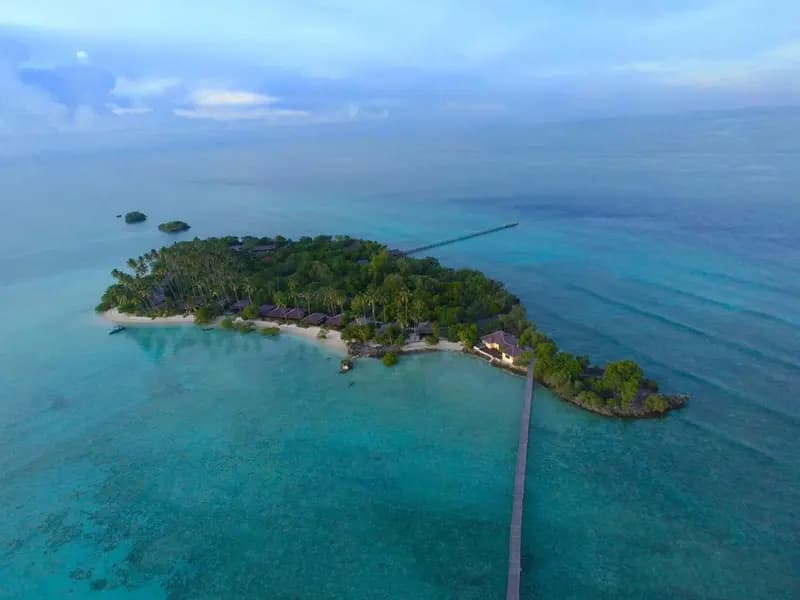



Maratua - Extra Divers
★ 4.6/5 (81 reviews)
22 km away as the crow flies
Indonesia · Asia
Barracuda channels, Kakaban’s coral walls, turtles and a stingless jellyfish lake make Derawan an island journey where reef, macro and pelagic dives meet.
For subtitles in English: start the video firstthen click the gearat the top right of the video, select “Subtitles/CC”, then “Auto-translate” and choose “English”.
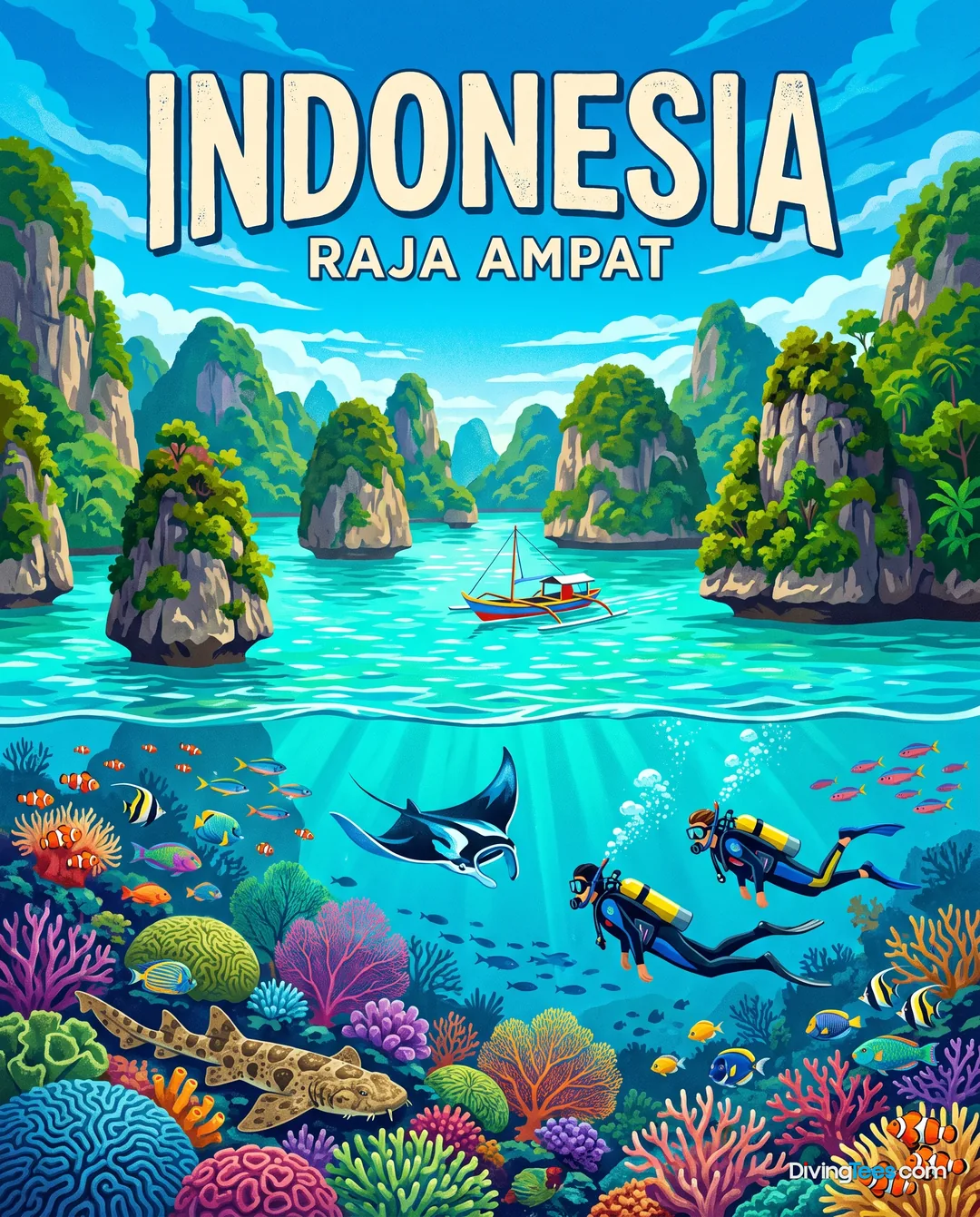
Kakaban’s coral walls and the barracuda channel at Big Fish Country show what Derawan does well: it puts very different underwater experiences within one island journey. There are shallow reef dives, deeper walls, drift diving, macro subjects and the possibility of larger pelagics. Derawan, Maratua, Sangalaki and Kakaban each add something different, so the destination works best as a planned stay rather than a single resort and a handful of identical boat trips.
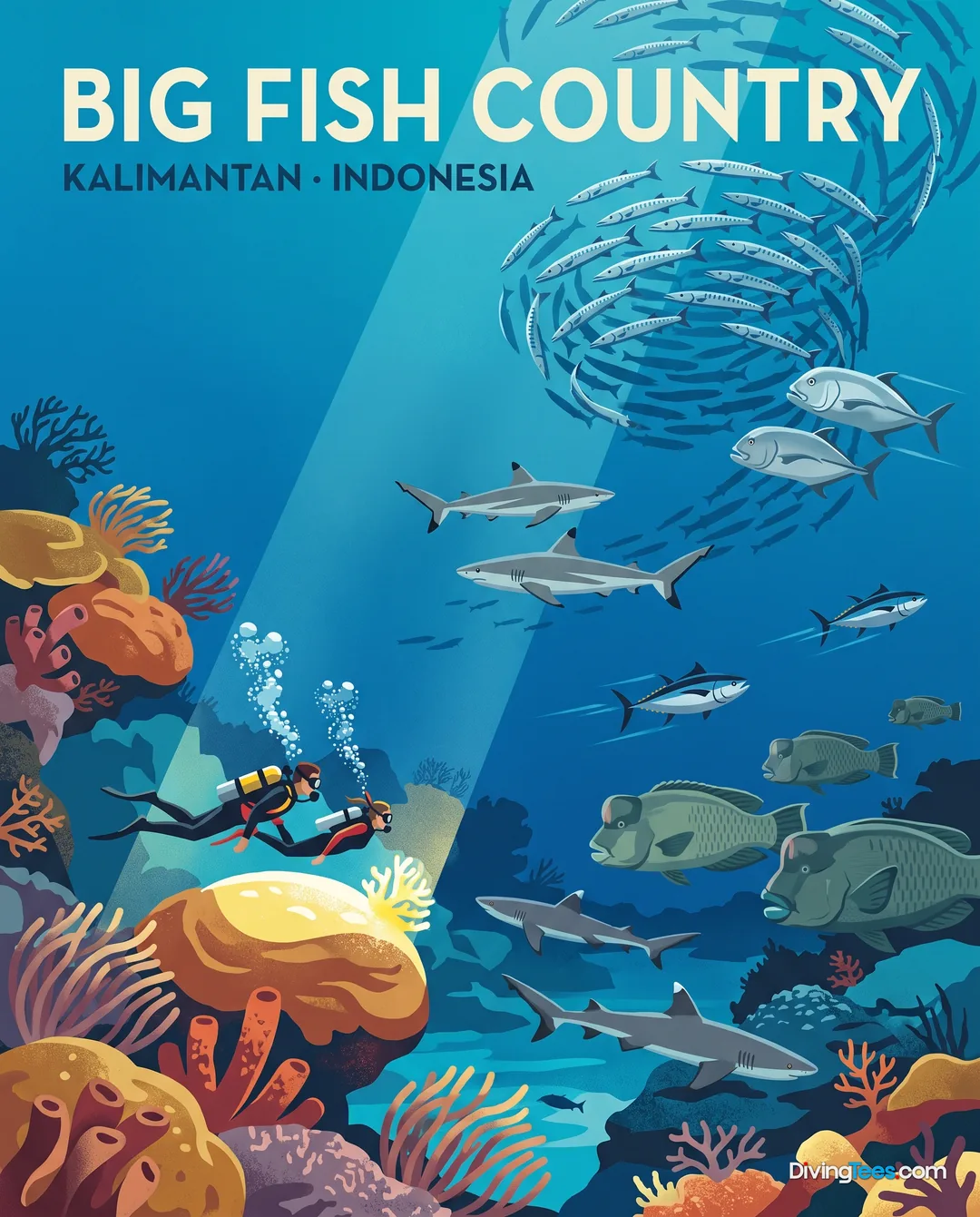
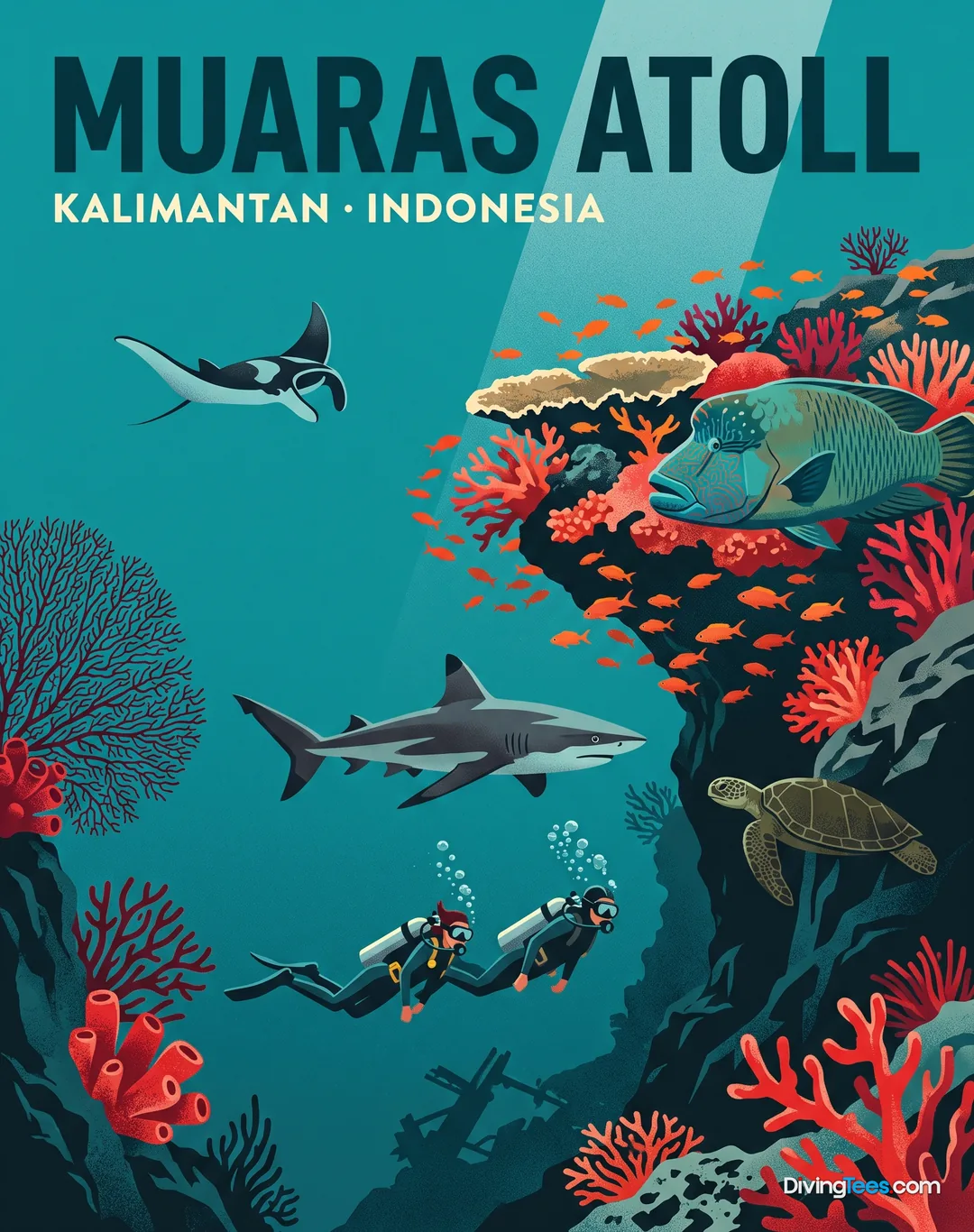
The diving shifts between coral reefs, steep walls, house reefs and current-shaped channels. Big Fish Country, also known as The Channel, is a drift dive built around moving water and schooling barracudas, while Nunukan combines an accessible house reef with a more energetic outer wall. Virgin Cocoa reaches 25 metres and can suit a broad range of certified divers when the current is manageable. Kakaban is more demanding in places, with wall and point currents and profiles reaching 65 metres. Muaras Atoll offers reef-top shallows before the walls drop beyond 40 metres. Conditions are variable rather than uniformly calm. Some dives are relaxed; others require good timing, a controlled descent and comfort with drifting. Visibility is likewise condition-dependent, so the attraction is the changing terrain and marine life, not a guaranteed underwater postcard.
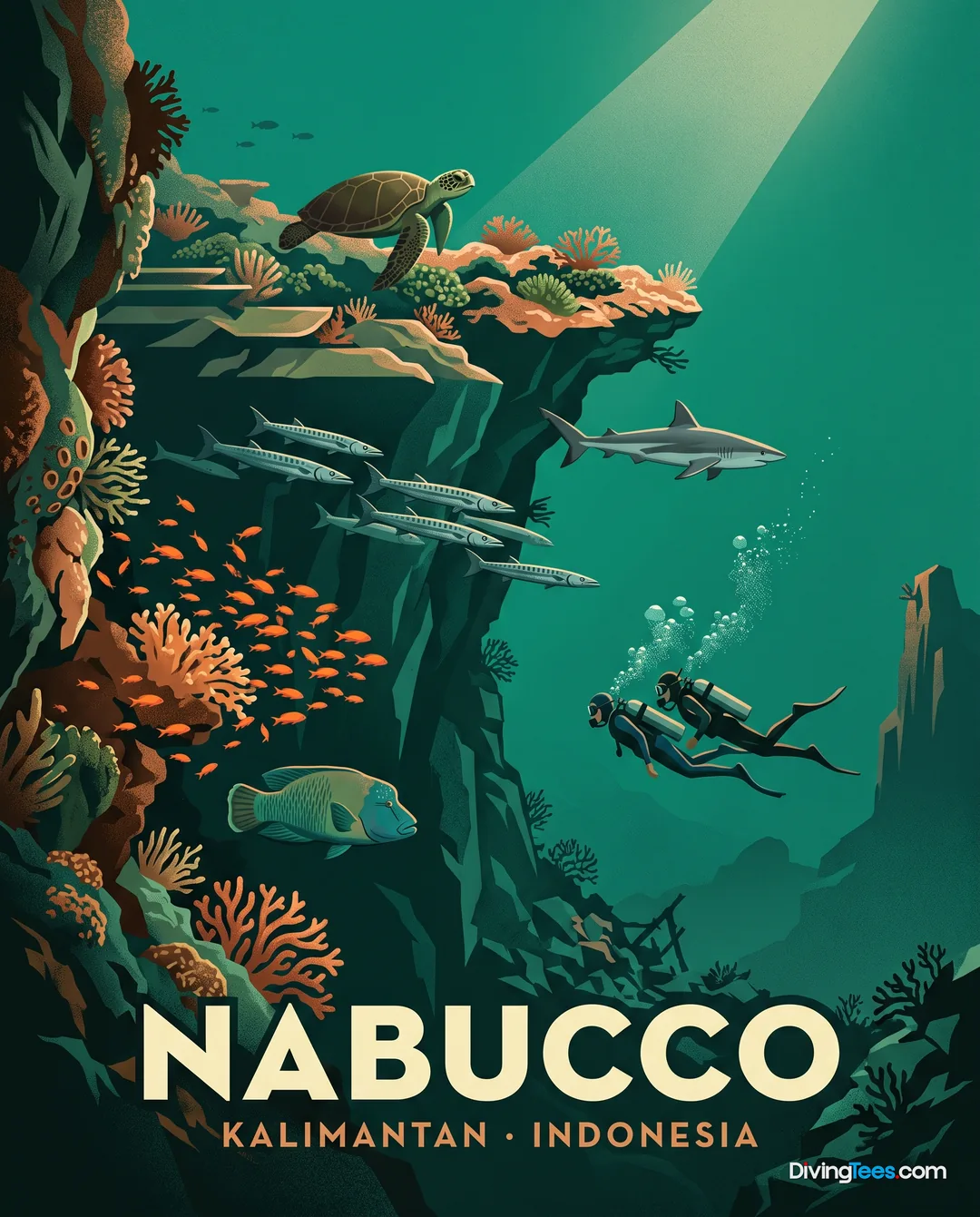
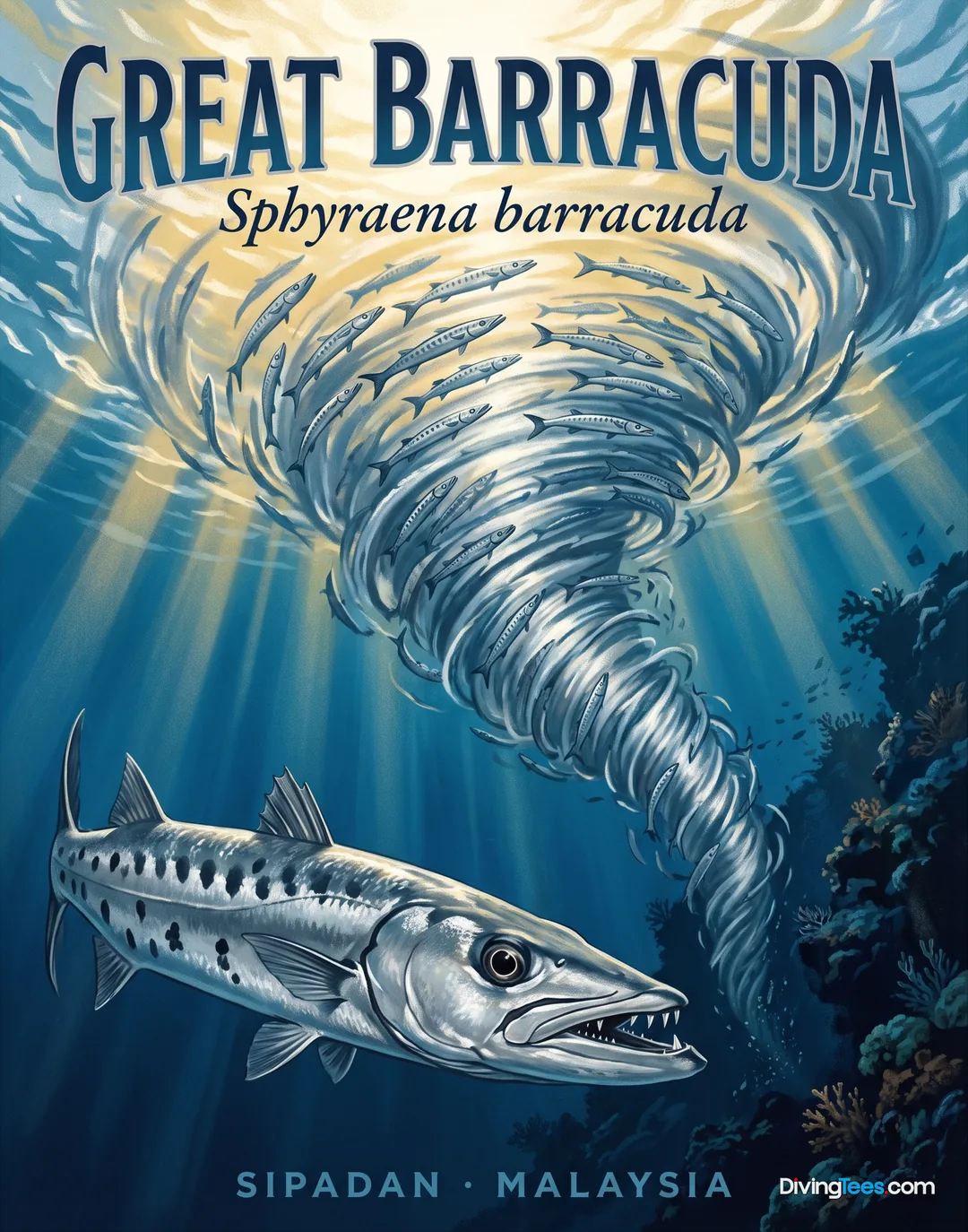
The larger encounters are part of Derawan’s appeal, though they remain wildlife encounters rather than fixtures on a timetable. Big Fish Country is associated with great barracuda, tuna, bigeye trevally and reef sharks, while whitetip reef sharks may appear around suitable reef and channel terrain. Nabucco adds the possibility of hammerheads and eagle rays alongside macro life. Sea turtles are a regular part of the island experience. Kakaban also brings a very different kind of wildlife: its non-stinging jellyfish lake, visited as part of the wider island outing. Frogfish and reef fish reward slower looking on reef and macro dives. Manta rays occur occasionally, with sightings depending on local conditions and how boats distribute their outings between the islands.
April to June is the clearest practical window in the measured season data, and the sea is at its calmest then. That matters in an archipelago where the final boat crossings and inter-island dive trips are part of the holiday, not an optional extra. Calmer water makes those transfers less wearing and gives centres more flexibility when planning channel, wall and outer-reef dives. Outside that period, diving can still be worthwhile, but visibility, sea conditions and the movement of pelagic animals may shape the day more strongly. There is no single month that guarantees every attraction across Derawan, so the sensible choice is to use the calmer April-to-June period when combining several islands.
Derawan suits all levels overall, provided the itinerary matches experience. A newer diver can enjoy calmer reef and house-reef sections, while current channels and exposed walls call for stronger situational awareness. Advanced Open Water or at least 20 logged dives is advisable for Kakaban’s drift and wall sites; Muaras Atoll recommends Advanced Open Water and around 50 logged dives because of its walls and possible moderate currents. Nitrox is useful for a schedule built around repeated dives.
From London Heathrow, London Gatwick or Manchester, the journey starts with an international flight followed by a domestic connection to Berau or Tarakan. From there, the route continues by road to a jetty on the Berau coast, then by boat to the islands. That boat leg is structural: it cannot simply be replaced by a short taxi ride, and the final crossing depends on the island and the weather. Allow sensible connection time between the domestic flight, road transfer and departure of the boat. Once based on an island, accommodation is generally close to the dive operation, with walking, a short shuttle or a boat transfer used for local movements. Inter-island programmes add further boat transfers, so keeping the same embarkation point where possible reduces unnecessary handling and fatigue.
Build the trip around the islands rather than one headline encounter. Combining Derawan, Maratua, Kakaban and Sangalaki gives the best chance of experiencing the different reef, macro, wall and pelagic settings. If manta rays are the priority, ask how the day’s boats are being allocated between the islands; there is no fixed site that removes the wildlife element from the equation. Keep spare time for inter-island boats, and do not schedule the return flight too tightly after a transfer day. A short-looking day can become mostly logistical if sea conditions change. Sleep close to the dive base and, on small islands, bring simple spares such as mask straps and charging adapters. Do not assume that staying on one island will cover the sites that make Derawan distinctive, and keep a non-diving day for beaches, surface wildlife and short transfers rather than forcing another boat-heavy excursion.
A seven- to ten-day stay gives the archipelago room to work: begin from one island base, use boat days to reach Kakaban, Sangalaki or other sectors, and change islands only when the programme genuinely benefits. Liveaboards are also possible and make more sense for linking remoter areas such as Muaras Atoll. Land-based trips are easier on the routine, with accommodation usually beside the dive base. Non-divers are best suited to beaches, boat outings and marine life viewed from shore or pontoons.
Hello, I'm Marina, DivingDeal.com's AI assistant. I guide you through destinations, areas and countries.

Thinking about the whole trip and the flights? Talk it over with Edith →
Marina is an AI. Some links are affiliate links: DivingDeal may earn a commission, at no extra cost to you. Bookings are made with the partner.
★ 4.6/5 (81 reviews)
22 km away as the crow flies

★ 4.6/5 (80 reviews)
10 km away as the crow flies

★ 5/5 (3 reviews)
7.8 km away as the crow flies

★ 5/5 (1 review)
8.1 km away as the crow flies