

Dive Central Gili
★ 5/5 (1,539 reviews)
less than 1 km away as the crow flies
Gili Islands · Indonesia · Asia
Max. depth · 25 mDescend onto a network of actively growing artificial structures on the east of Gili Trawangan, designed to foster coral regrowth and attract a rich array of macrofauna.
Bio Rocks lies just east of Gili Trawangan, a short boat ride or shore dive away. This is not a natural reef in the traditional sense, but a series of interconnected artificial structures. Divers encounter various metal frames serving as foundations for coral attachment and regeneration. These installations are part of an ongoing eco-conscious initiative, leveraging low electrical currents to accelerate coral growth and actively restore damaged reef areas.
As you descend onto the Bio Rocks, the dive profile is relatively shallow, with marine life concentrated across structures extending to 25 metres. The artificial reef's design, with its varied shapes and sheltered nooks, creates an ideal environment for macro life. You'll find yourself slowly navigating around these constructions, peering into crevices where smaller creatures often hide, making keen observation key to a rewarding dive experience here.
The site truly comes alive with diverse macrofauna, offering a different kind of photographic opportunity than larger reef systems. Keep an eye out for pipefish moving subtly among the corals. Juvenile frogfish are a common and sought-after sight, often camouflaged against their surroundings. Flatworms and various crustaceans are also regular residents, requiring a slow pace and a good eye to spot.
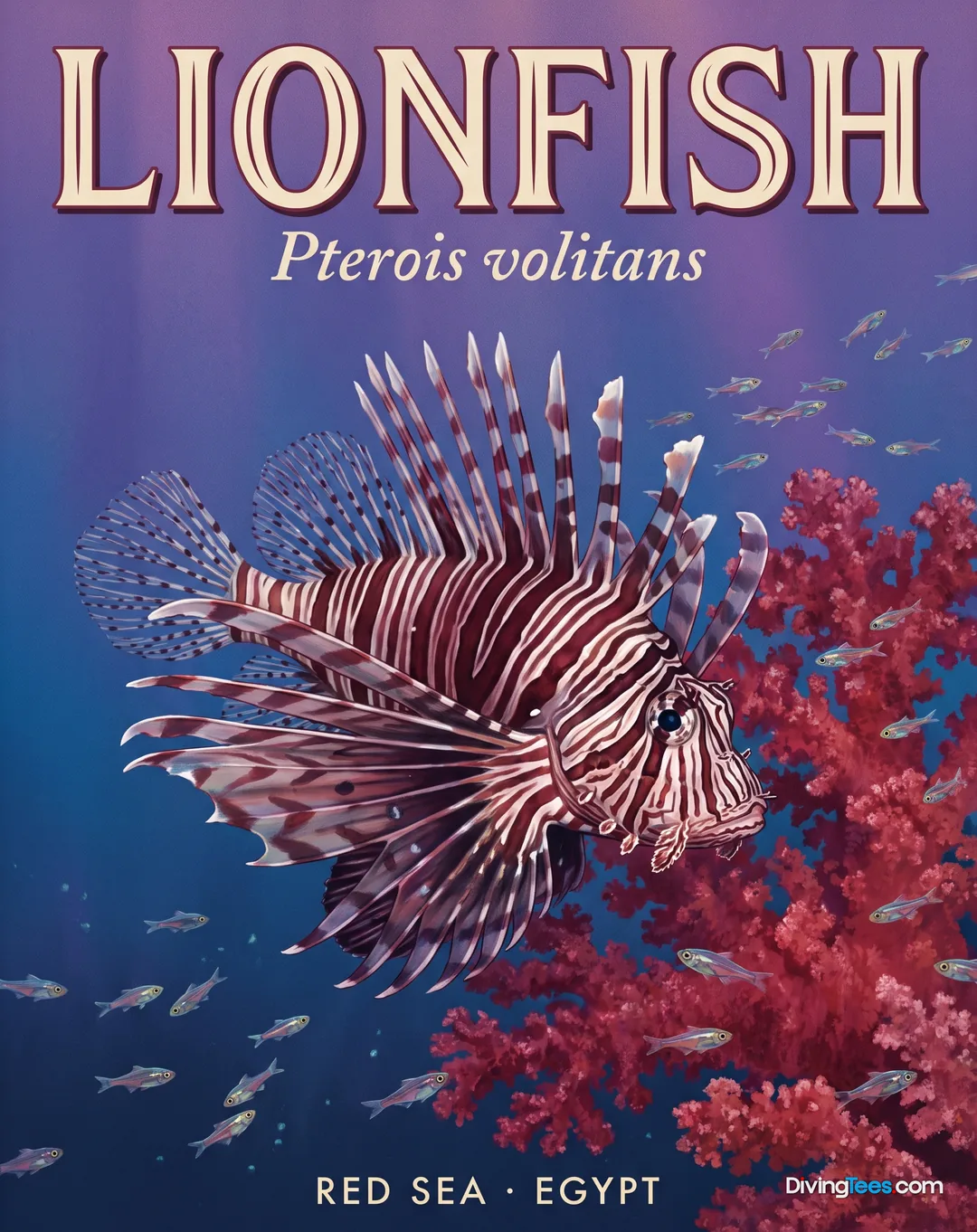
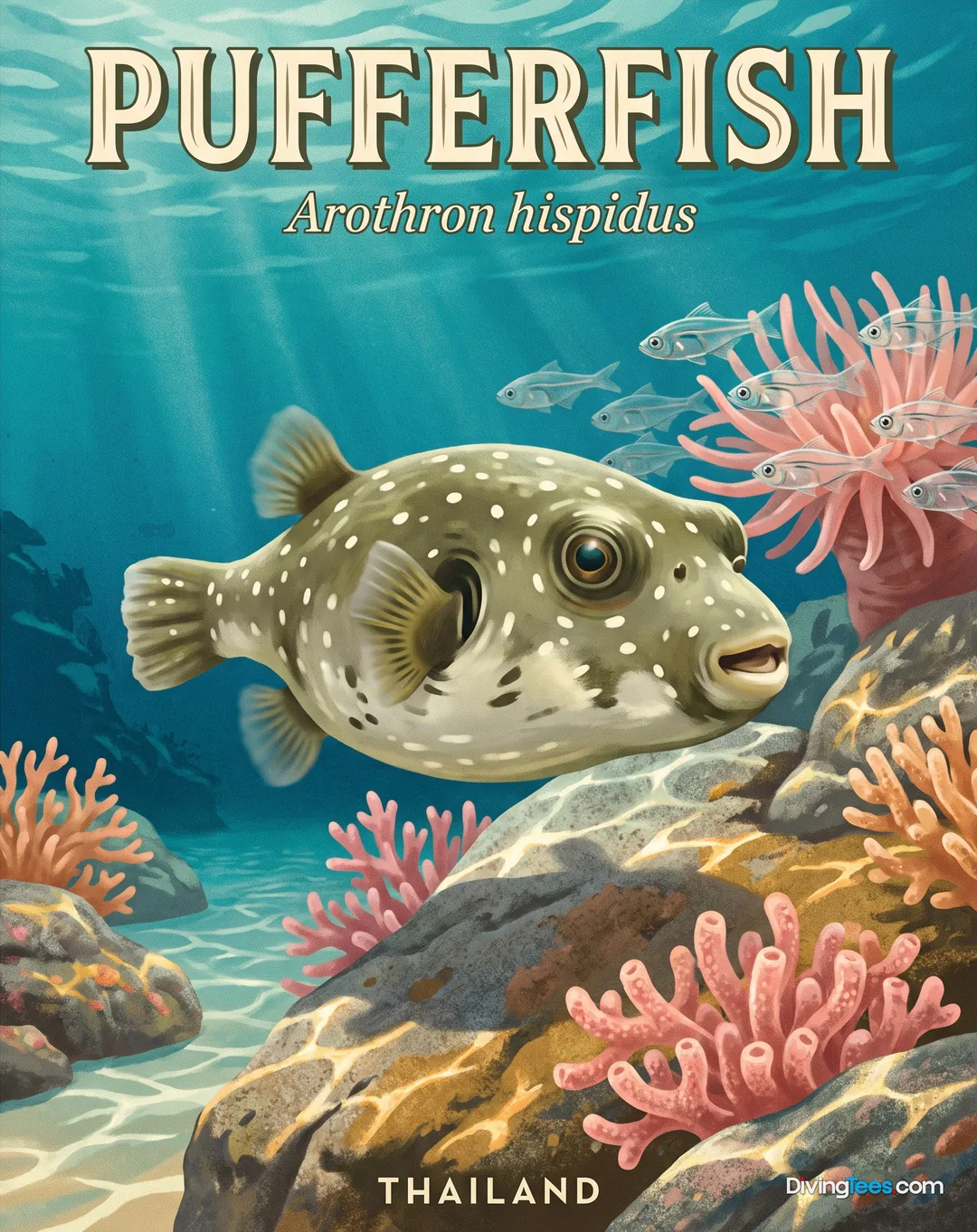
Beyond the macro life, a range of reef fish have made the Bio Rocks their home. Lionfish are frequently seen resting in sheltered areas, alongside schools of sweetlips and batfish. Trumpet fish and pufferfish slowly cruise around the structures, blending into their environment. Ornate ghost pipefish are another highlight, often found clinging to soft corals, demonstrating how effectively these artificial habitats support a complex ecosystem.
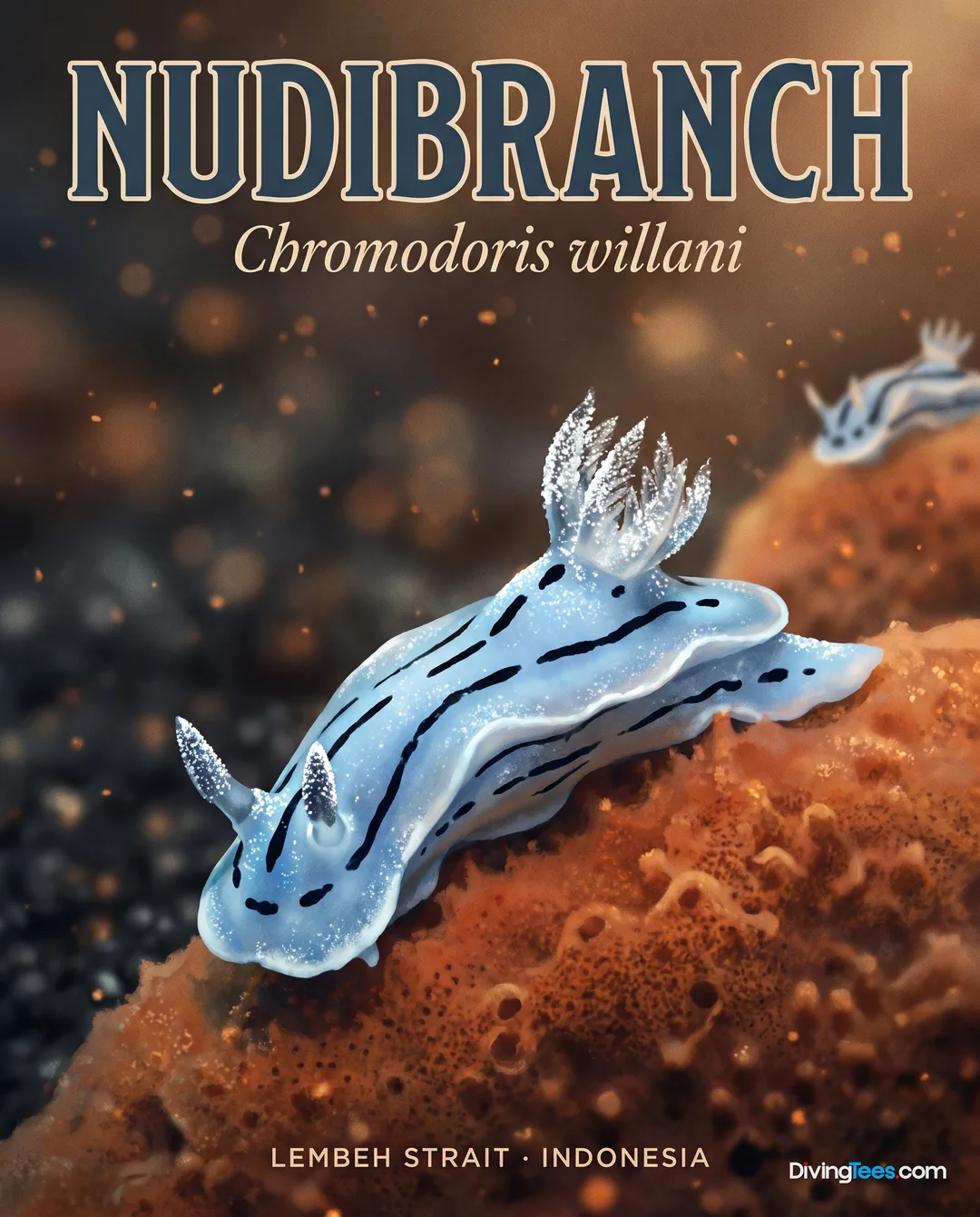
Night dives here offer a different perspective, with nocturnal species becoming more active. Spanish dancers, nudibranchs, crabs, and shrimp emerge from their daytime hiding spots, offering dynamic photo opportunities. Even during the day, the continuous hum of activity around the Bio Rocks structures highlights their success in attracting and sustaining marine biodiversity, providing a clear example of effective reef rehabilitation efforts.
While specific current and visibility data for this site are not available, diving on the Bio Rocks takes place in a depth range of up to 25 metres. This site is accessible for divers of all certification levels. The prime diving season in the Gili Islands generally runs from May to June and again from October to November, offering milder conditions. Water temperatures typically range from 27 to 32°C.
★★★★
★ 9.6/10 (144 reviews)
2.2 km away as the crow flies
★★★
★ 8.9/10 (662 reviews)
3.8 km away as the crow flies
★★★
★ 8.3/10 (722 reviews)
less than 1 km away as the crow flies
★★
★ 8.9/10 (296 reviews)
15 km away as the crow flies