

Viking Divers Gili Trawangan
Google 5/5 (331 reviews)
1.7 km away as the crow flies
Gili Trawangan · Indonesia · Asia
Max. depth · 32 mDeep Turbo presents a dramatic underwater landscape of coral pinnacles and canyons, attracting pelagic action in its often-strong and confused currents.
For subtitles in English: start the video firstthen click the gearat the top right of the video, select “Subtitles/CC”, then “Auto-translate” and choose “English”.
Deep Turbo is positioned north of Gili Trawangan, sitting within the channel between Gili Trawangan and Gili Meno. This location defines much of its character, with a sand bottom supporting massive coral pinnacles and mounds that rise sharply. The site's primary structure consists of these deep-lying pinnacles and ridges, forming a complex topography of overhangs and outcrops down to a maximum recorded depth of 32 metres, with the top of the mounds reaching as shallow as 18 metres.
Upon descent, you'll find yourself navigating a series of coral gardens, weaving through a labyrinth of large barrel sponges, gorgonian fans, and soft corals that cling to the dramatic rock formations. The dive profile involves exploring these varied structures, with canyons and valleys interspersed between the larger mounds. This intricate landscape offers numerous hiding spots and sheltered areas, even when the surrounding water is in motion, providing focus points as you drift along the reef.
The currents at Deep Turbo are a defining feature, and understanding their behaviour is key to planning your dive. While the general condition can be described as strong, it's more accurate to prepare for variable and often confused currents. The site's name, 'Turbo,' refers to a vortex effect created as water funnels between the ridges and across its open oceanic exposure, leading to currents that can shift direction without warning. This variability means you need to stay alert and adjust your position frequently, using the reef structure for shelter and observation.
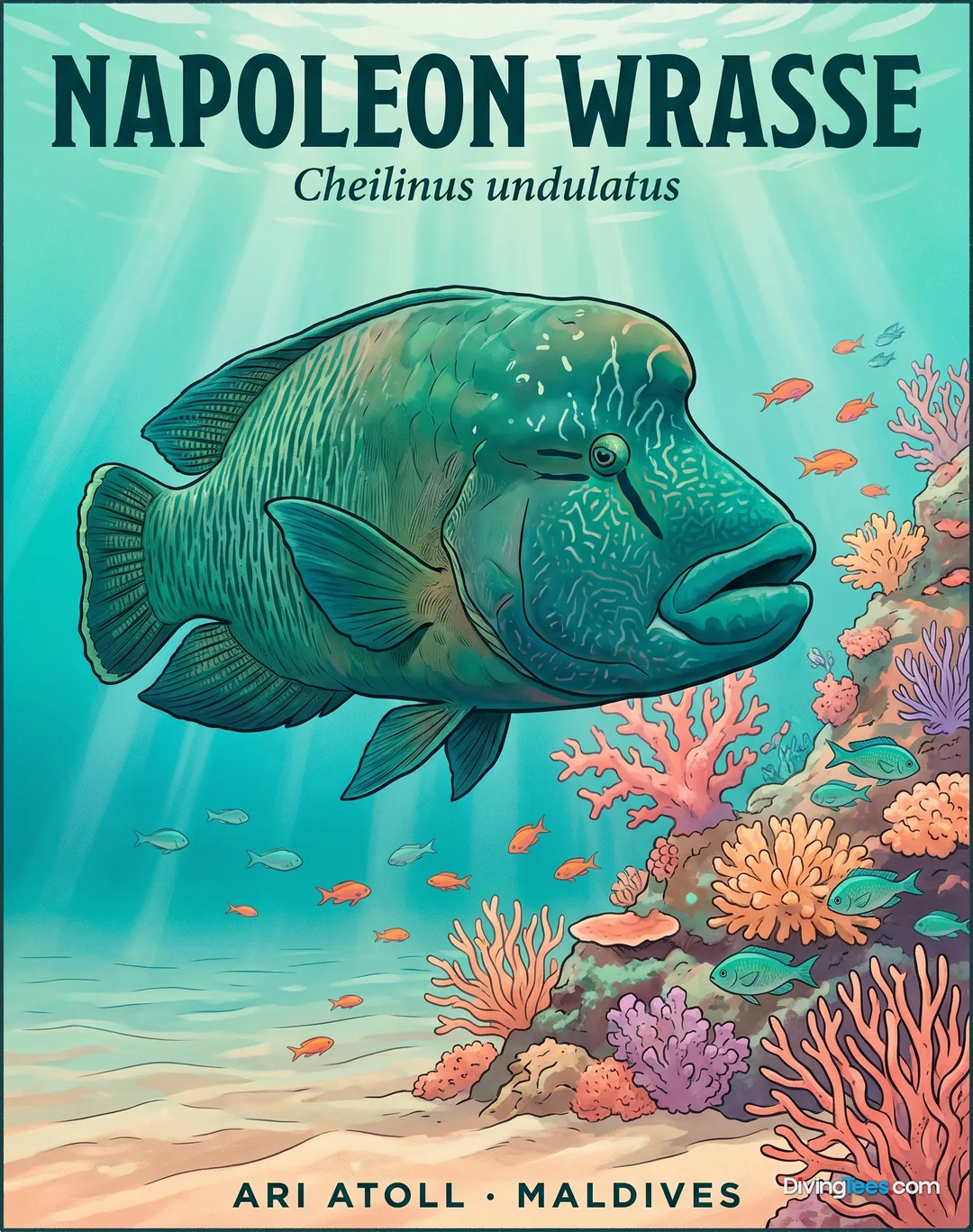
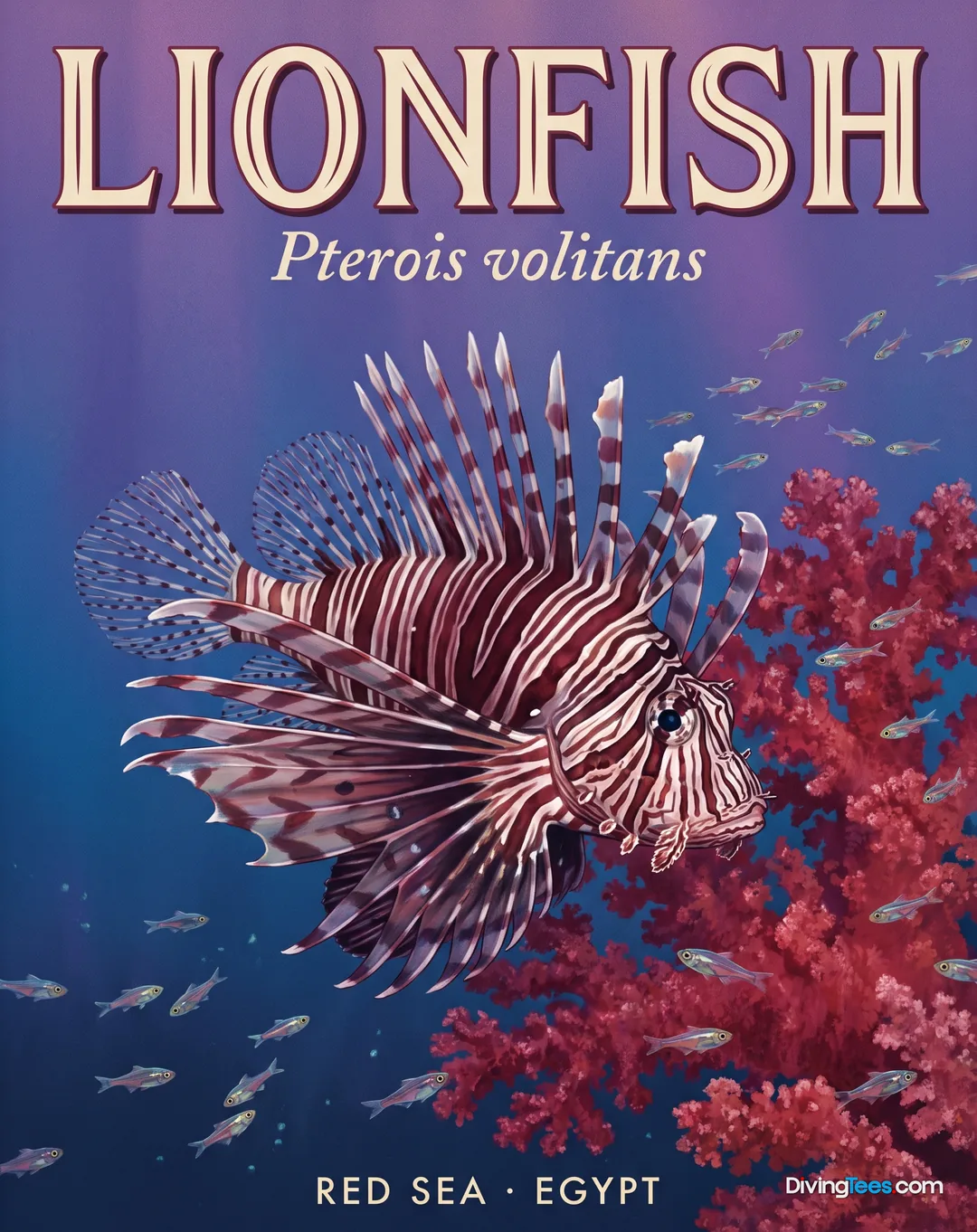
Beneath the surface, the dynamic water movement attracts a significant amount of pelagic life. Keep an eye into the blue for sightings of white-tip reef sharks and black-tip reef sharks patrolling the outer edges of the reef structure. Eagle rays are regular visitors, often spotted gliding gracefully near the sandy areas or along the reef's slopes. The presence of these larger species, including tuna and jackfish, underscores the site's rich food chain, driven by the consistent flow of nutrients.
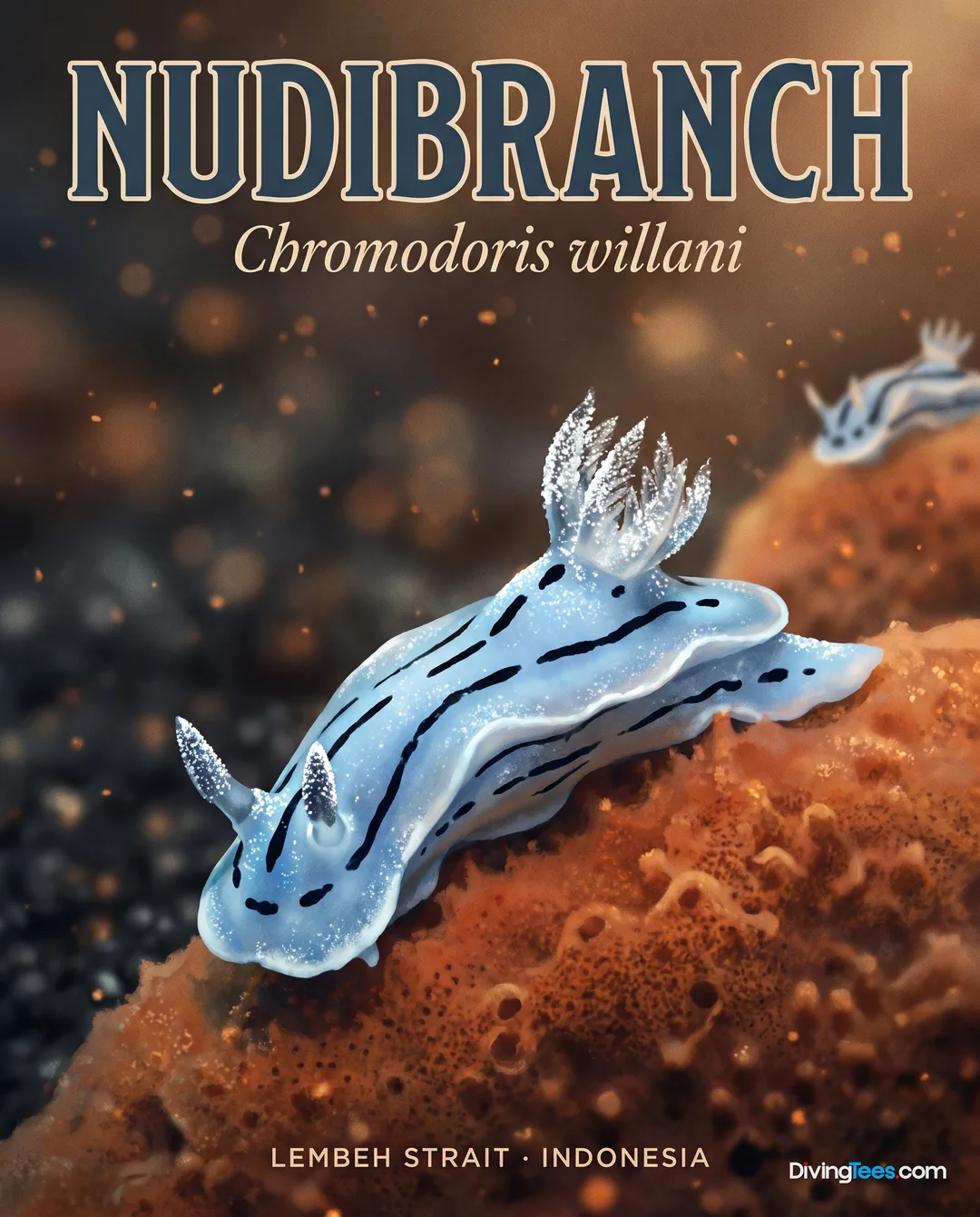
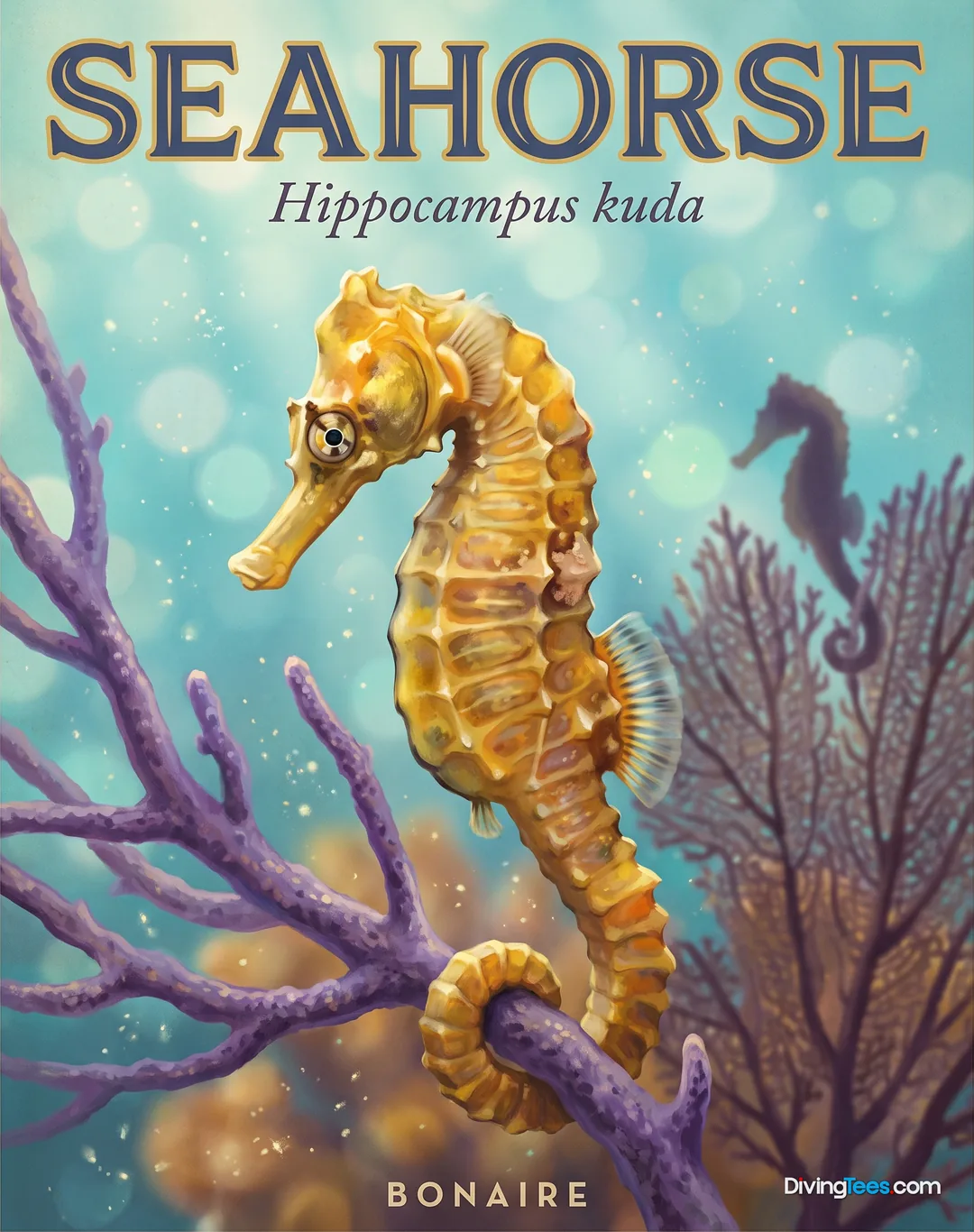
Closer to the reef, the ecosystem flourishes with a variety of resident species. Look for different types of moray eels hidden within coral crevices and groupers often found lurking around the larger coral formations. The intricate structure of the soft corals and gorgonians also provides habitat for more delicate creatures, such as pygmy seahorses, if you have the eye and patience for careful searching. Nudibranchs are abundant, displaying a wide range of colours and forms across the reef.
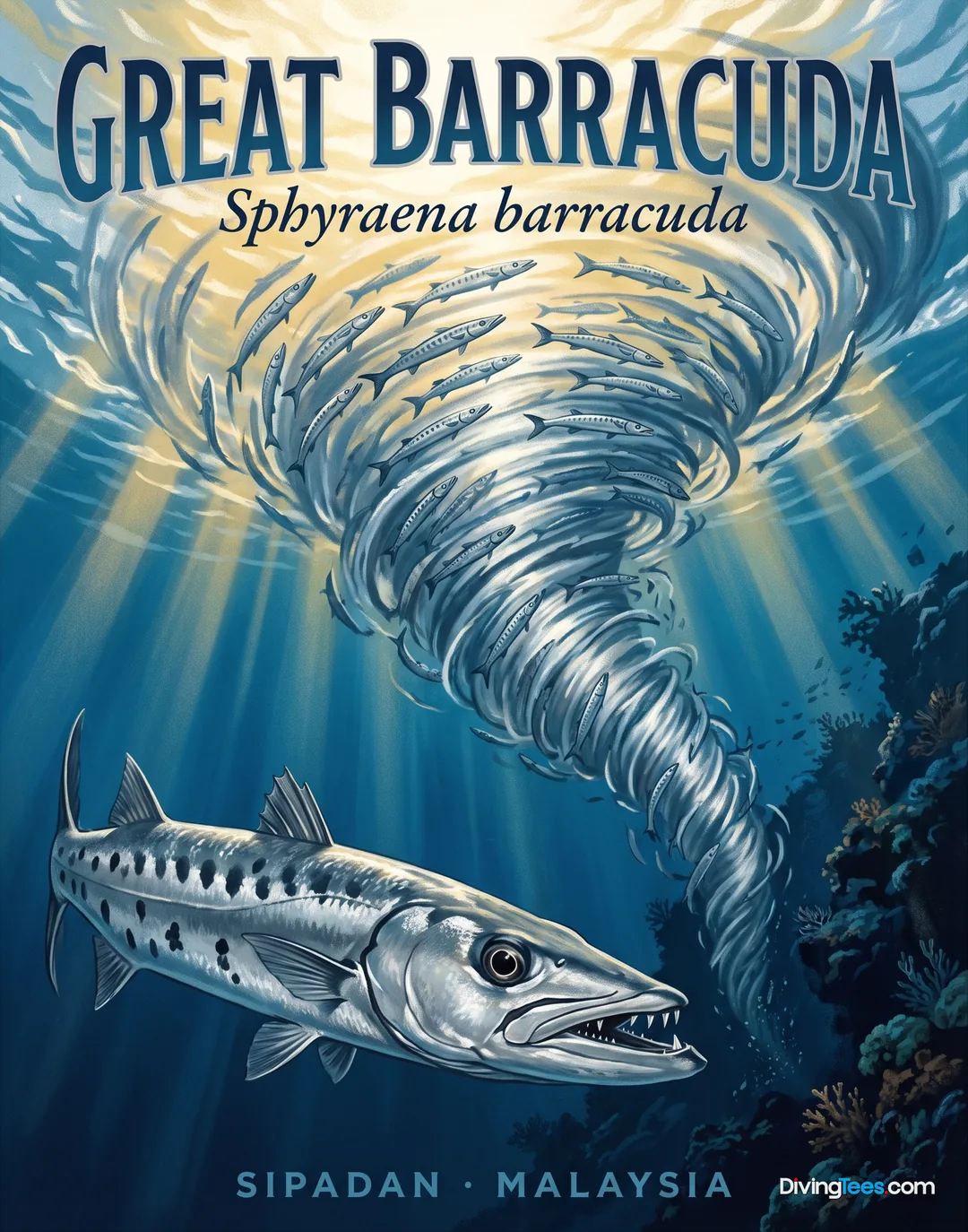
Exploring the shallower sections of the pinnacles and mounds, particularly those around 18 metres, reveals dense populations of schooling fish. You may encounter large schools of jackfish and barracudas, often seen circling specific coral structures. Humphead parrotfish are also present, grazing on the corals and contributing to the health of the reef. The transition from the sandy bottom to these coral-encrusted formations is where much of the macro life and smaller reef fish concentrate.
For those experienced in managing stronger currents, Deep Turbo offers a truly engaging drift dive. The challenge of the current is balanced by the reward of varied marine encounters, from schooling fish to larger pelagic species. It's a dive that requires careful buoyancy control and an understanding of how to use the topology to your advantage, whether you're seeking shelter behind a pinnacle or pushing out into the flow to observe passing sharks or rays.
Deep Turbo is an advanced dive, suitable for Advanced Open Water Divers or those with an equivalent certification and at least 50 logged dives in varied conditions. Depths range from 18 metres on the upper parts of the pinnacles to a maximum of 32 metres on the sandy bottom, making Nitrox diving a sensible option for extended bottom time. Currents are a defining feature of this site, generally strong and often confused, requiring experience with drift diving. Visibility is typically good, reaching 20 metres or more. There is no specific best period beyond the general regional conditions.
Deep Turbo has no specific best period beyond the general regional conditions. You can therefore consider it within those broader conditions, while remembering that this site lies in the channel between Gili Trawangan and Gili Meno. Its character is shaped by strong, variable currents and open oceanic exposure.
Deep Turbo is an advanced dive for Advanced Open Water Divers or divers with an equivalent certification and at least 50 logged dives in varied conditions. You should also have experience with drift diving, because the site’s generally strong currents can be variable and often confused, demanding alert positioning and buoyancy control.
Deep Turbo extends from upper pinnacle sections at 18 metres to a sandy bottom reaching 32 metres. Its coral pinnacles, ridges, canyons, valleys, overhangs, and outcrops form the profile between these levels. The depth and extended bottom-time considerations also make Nitrox diving a sensible option at this site.
At Deep Turbo, currents are generally strong, variable, and often confused, with a vortex effect as water funnels between ridges. You may encounter white-tip and black-tip reef sharks, eagle rays, jackfish, barracudas, tuna, moray eels, groupers, nudibranchs, pygmy seahorses, humphead parrotfish, soft corals, gorgonians, and barrel sponges.