

Dive Central Gili
★ 5/5 (1,539 reviews)
2.2 km away as the crow flies
Gili Islands · Indonesia · Asia
Max. depth · 22 mDescend onto a gently sloping reef, where vast coral gardens shield resident reef sharks and schooling snapper at depths accessible to all divers.
For subtitles in English: start the video firstthen click the gearat the top right of the video, select “Subtitles/CC”, then “Auto-translate” and choose “English”.
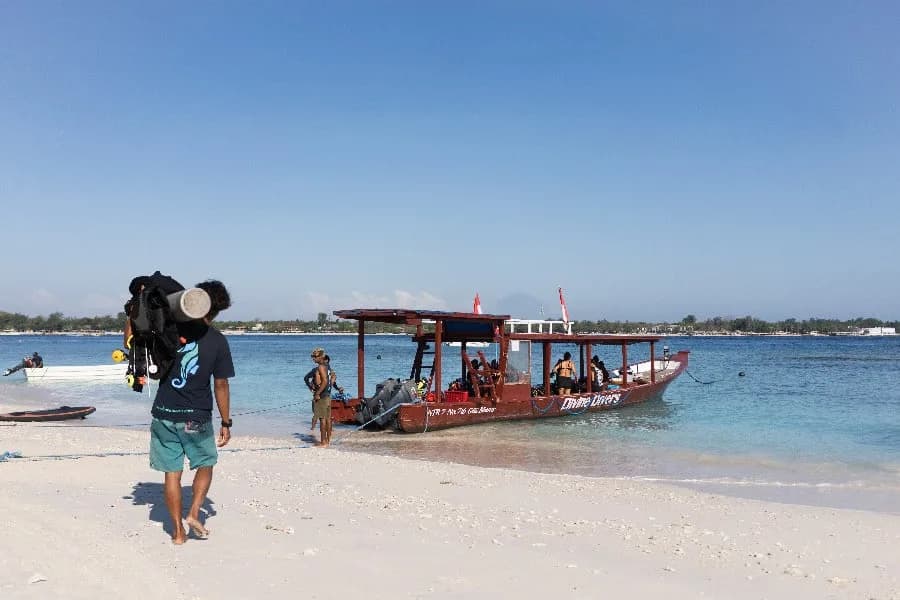
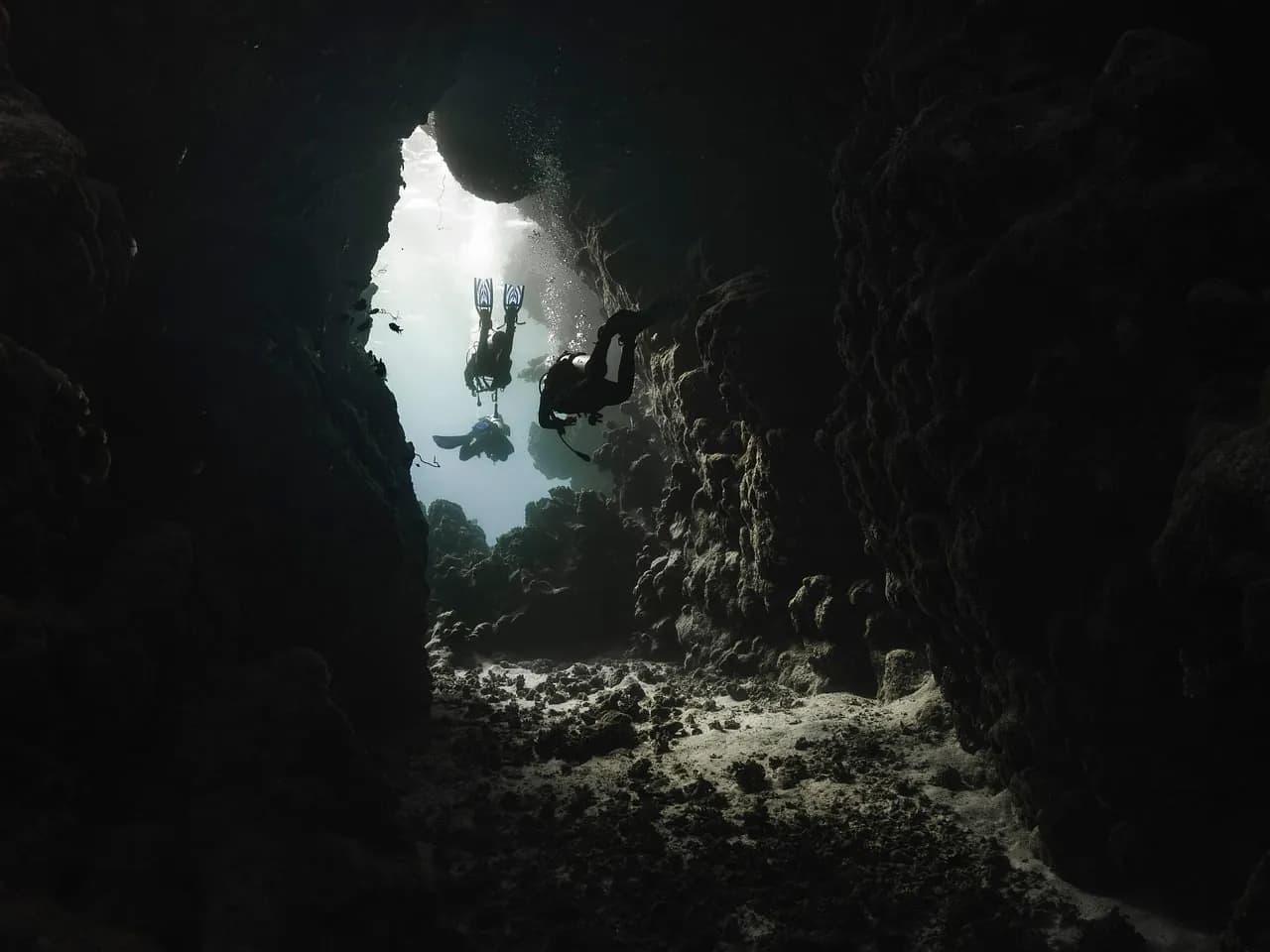
Sunset Reef is found on the southern end of Gili Trawangan, easily reached by a short boat ride from the island. This site is defined by its gently sloping reef, allowing divers to explore various depth zones effortlessly. The profile starts in shallower areas, transitioning to deeper sections at a gradual incline that supports a rich coral topography. You'll move from rocky terrains closer to the surface into robust coral fields as you descend.
The initial sections of the reef, particularly in shallower waters, are characterized by substantial rocky formations and expansive table corals, primarily Acropora species. These large structures provide immediate shelter and hunting grounds for smaller reef inhabitants. As you move slightly deeper, the topography evolves into vast healthy staghorn coral growth, interspersed with distinct outcrops of other hard corals. This mid-section is particularly active, serving as a convergence point for a variety of schooling fish.
Below 15 metres, the coral tapestry continues, but the reef begins its transition towards a sandy bottom around the 18-metre mark. This deeper zone is where visibility often sharpens, providing clear views of the sandy expanse. The shift in substrate changes the marine life encountered; while corals diminish, the sand offers resting spots for larger predators. Managing buoyancy here is key to avoiding disturbing the fine sediment and maintaining optimal visibility for yourself and others in your group.
The resident marine fauna at Sunset Reef is consistent with healthy Indonesian coral ecosystems. In the mid-section, expect to see large schools of two-dot snapper (Lutjanus biguttatus), sweetlips (Plectorhinchus lineatus), and various damselfish (family Pomacentridae) mingling among the staghorn corals. Anthias species add splashes of colour, feeding on plankton in the milder currents. These schooling fish often move cohesively, creating dynamic formations against the coral backdrop.
Further down, particularly on the sandy stretches beyond 18 metres, you have a solid chance of encountering whitetip reef sharks (Triaenodon obesus). These sharks are often found resting on the sand, a common behaviour for this species during the day. Observing them requires a controlled approach and maintaining a respectful distance, allowing them to remain undisturbed. Their presence indicates a healthy trophic level within this reef system.
While whitetip reef sharks are a regular sighting, other notable encounters include cuttlefish (order Sepiida) and reef octopus (Octopus vulgaris), which are skilled at camouflage and often found in rocky crevices or among the coral heads. Mantas (Manta birostris) are also known visitors to this site, though their appearance is less predictable than the resident reef sharks. If you encounter them, a slow, unthreatening approach will allow for longer observation.
The general conditions around the Gili Islands mean water temperatures typically range between 27°C and 32°C. While current at Sunset Reef is generally mild, it can occasionally pick up, especially during tidal changes. This keeps the water clear and brings nutrients to feed the extensive coral growth and the diverse fish populations. Planning your dive to account for these potential shifts in current will enhance your experience, allowing for relaxed observation in the calmer periods.
Sunset Reef is generally accessible to divers of all levels, with a maximum depth extending to 22 metres. While the current is typically gentle, it can increase during tidal shifts; divers should be prepared for potential moderate flow. The best periods for diving are typically May/June and October/November, offering optimal conditions.
★★★★
★ 9.6/10 (144 reviews)
2.5 km away as the crow flies
★★★
★ 8.9/10 (662 reviews)
6 km away as the crow flies
★★★
★ 8.3/10 (722 reviews)
2.2 km away as the crow flies
★★
★ 8.9/10 (296 reviews)
15 km away as the crow flies