Manado Dive Club
Google 5/5 (412 reviews)
18 km away as the crow flies
North Sulawesi · Indonesia · Asia
Descend into the heart of Celah Celah, meaning 'fissure' in Indonesian, and experience the unique sensation of floating within a wall cleft while gazing out into the deep blue.
For subtitles in English: start the video firstthen click the gearat the top right of the video, select “Subtitles/CC”, then “Auto-translate” and choose “English”.
Celah Celah, aptly named for the Indonesian word for 'fissure', delivers a unique wall diving experience that stands apart in the vibrant waters of Sulawesi. As you descend, the wall opens up into impressive cracks that slice deep into the rock face, some extending nearly seven meters. These are not true caverns, as access to the surface is always maintained, allowing sunlight to stream into the sculpted interiors – a dream for underwater photographers seeking dramatic light and shadow.
The topography here is a complex interplay of natural architecture, featuring myriad crevices, passages, and small caves that invite exploration. You'll find yourself navigating through narrow canyons, where the wall twists and turns, offering new perspectives with every fin kick. This intricate structure creates a sheltered environment, largely protected from waves and strong currents, providing a serene backdrop for extended bottom time and detailed observation of the reef's inhabitants.
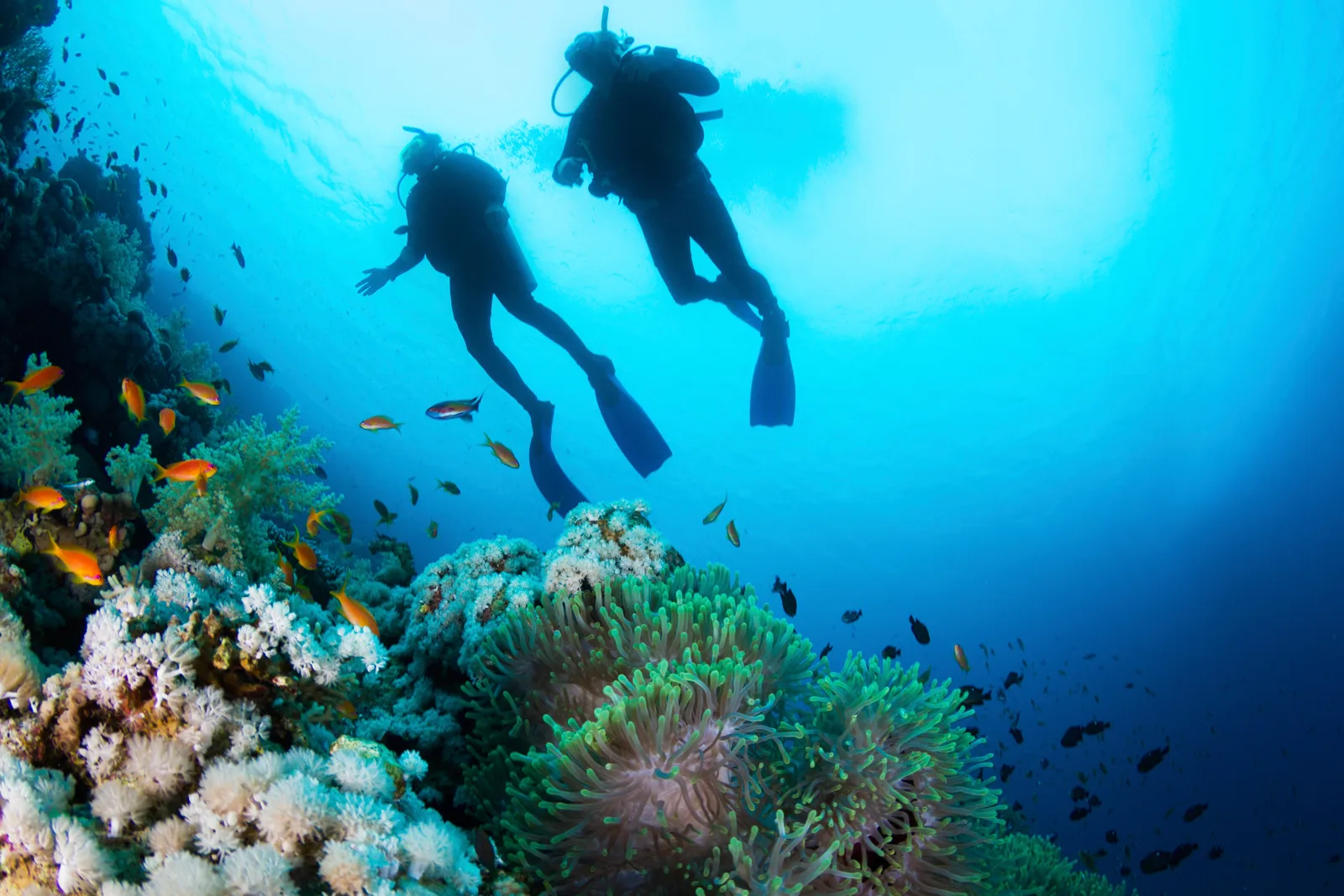
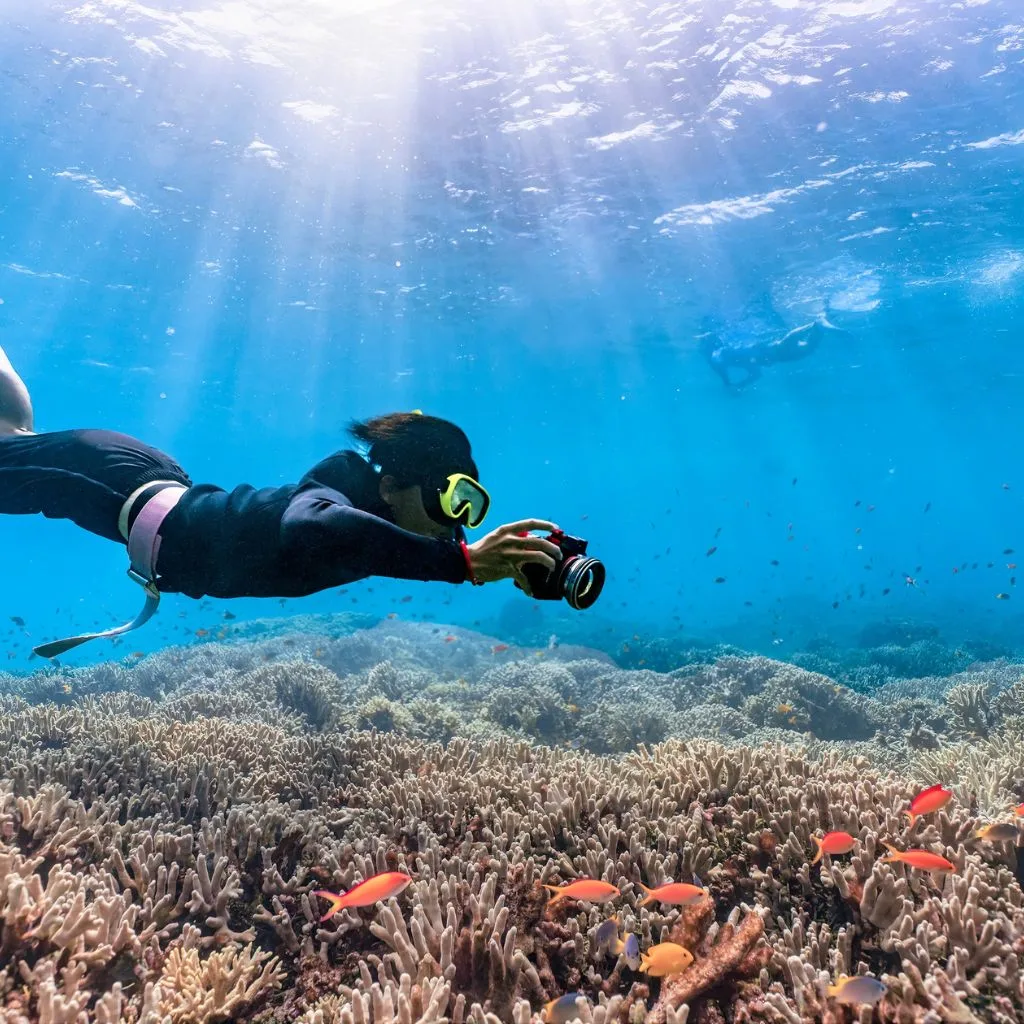
Below the surface, the wall is a canvas of living color, adorned with numerous forms of hard corals, soft corals, ascidians, and sea lilies. Butterflyfish flit through the coral gardens, while parrotfish browse diligently on the reef. You'll encounter the familiar faces of wrasses and surgeonfish, alongside the distinctive yellow boxfish and various triggerfish, each adding to the site's rich biodiversity.
While Celah Celah is celebrated for its intricate wall formations and calm conditions, the open blue beyond the fissures can reveal larger visitors. Keep a keen eye out for the passing pelagics that occasionally cruise by. White-tip reef sharks and black-tip reef sharks are known to patrol these waters, and elegant eagle rays may glide past, offering a thrilling contrast to the intimate reef exploration. Green sea turtles and hawksbill turtles, regular inhabitants of the region, also grace the site with their presence.
The tranquil nature of Celah Celah also makes it an excellent choice for a night dive. The absence of significant current allows for a relaxed exploration of the coral formations and the nocturnal creatures that emerge after sunset. The way the underwater landscape is carved by these deep fissures and canyons creates unique opportunities for observing marine life in a distinct and memorable setting that truly defines this dive.
This site is accessible to divers of all levels. The current is generally non-existent, offering a calm and sheltered diving experience.
Celah Celah is suited to night diving because its protected environment and generally absent current allow relaxed exploration after sunset. During a night dive, you can examine the coral formations and observe nocturnal creatures emerging among the fissures, canyons, crevices, passages, and small caves carved into the wall.
Celah Celah is accessible to divers of all levels. Its sheltered wall and calm conditions provide a comfortable setting for exploring the fissures, passages, and narrow canyons. You can observe the reef in detail while moving through the intricate rock formations, with access to the surface maintained throughout the fissures.
You can generally expect no current at Celah Celah. The site is largely protected from waves and strong currents, creating a calm, sheltered experience and a relaxed setting for extended bottom time. These conditions support careful exploration of the wall, its fissures, and its coral-covered canyons.
At Celah Celah, you can explore deep, accessible fissures with sunlight entering the canyons, alongside hard and soft corals, ascidians, and sea lilies. Marine life includes yellow boxfish, triggerfish, butterflyfish, parrotfish, wrasses, surgeonfish, white-tip and black-tip reef sharks, green and hawksbill turtles, and eagle rays.