
Manado Dive Club
Google 5/5 (412 reviews)
23 km away as the crow flies
North Sulawesi · Indonesia · Asia
Tanjung Kelapa offers an unparalleled immersion into a thriving marine community, boasting Indonesia's second-highest recorded species count in a single dive.
For subtitles in English: start the video firstthen click the gearat the top right of the video, select “Subtitles/CC”, then “Auto-translate” and choose “English”.
Dropping into Tanjung Kelapa, located approximately 20 minutes by speedboat and the most southerly site in Manado Bay, you immediately feel the gentle embrace of this thriving ecosystem. The dive begins along a gradually sloping reef, a tapestry of life that immediately immerses you in the region's marine biodiversity. As you descend, the reef unfolds, presenting a varied topography of coral bommies, scattered seagrass patches, and stretches of sand. This initial section provides ample opportunity for macro exploration, allowing you to settle into the dive and observe the more subtle inhabitants of the reef before the landscape transforms.
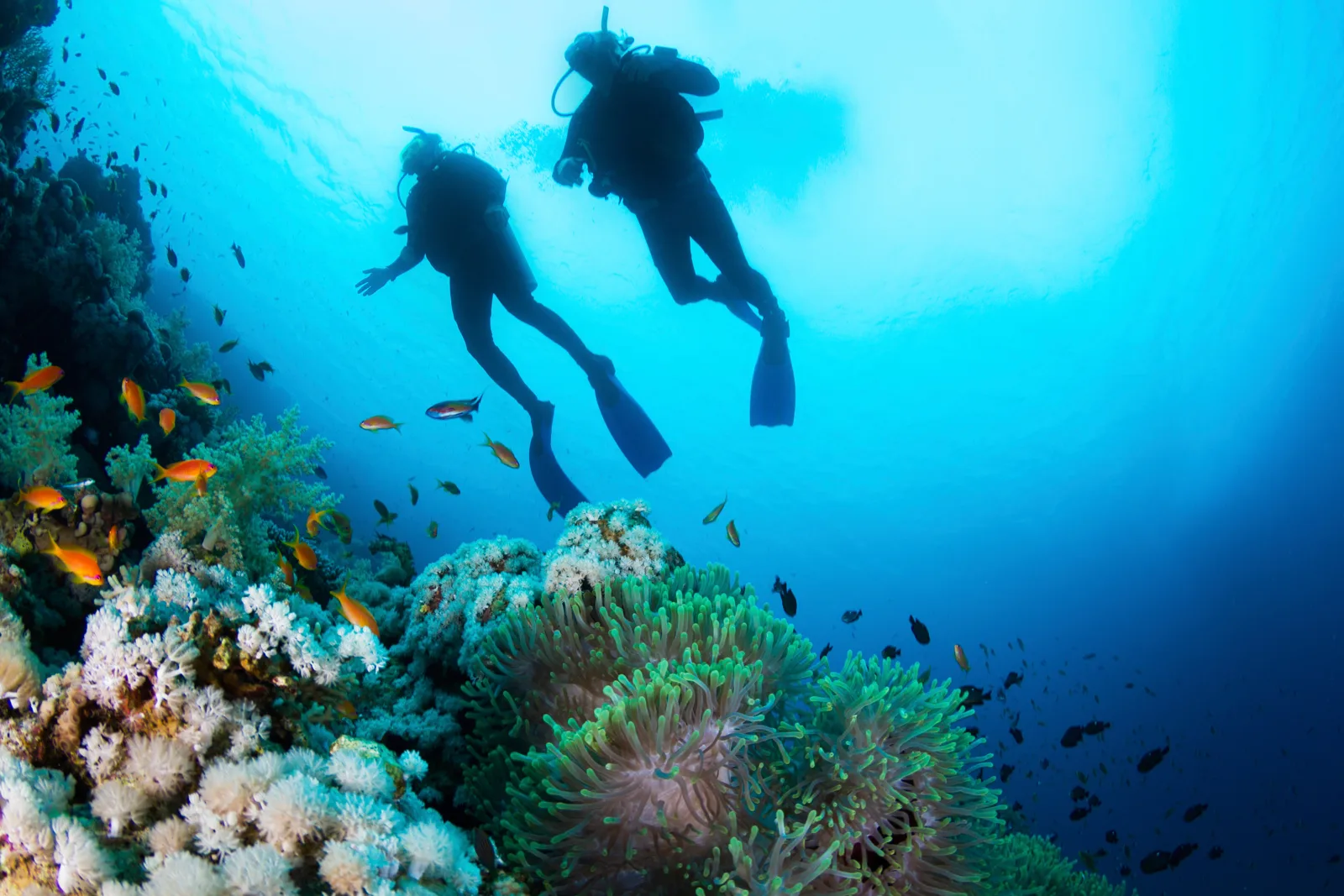
Transitioning from the open expanse of the sloping reef, the dive profile shifts to reveal a distinct mini-wall. This vertical face, rich in texture and colour, is a magnet for life. Here, the reef structure supports an impressive concentration of sea fans and whip corals, swaying gently with every subtle water movement. Anemones of various sizes host their resident clownfish, their tentacles creating a dynamic, pulsing façade along the wall. The topography here is dynamic: a healthy reef transitions smoothly into a more defined wall, offering different habitats to explore as you move through the layers. You'll find yourself drawn to the interplay of light and shadow, highlighting the vibrant hues of both hard and soft corals that thickly encrust every available surface.
What truly sets Tanjung Kelapa apart is its reported biological richness; this site has recorded the second-highest number of different species in a single Indonesian dive, a testament to the health and complexity of its ecosystem. The resident marine fauna offers a constant display of activity. You'll encounter elusive ghost pipefish (Solenostomus sp.), masters of camouflage, nestled among their coral hideouts. Lionfish patrol the reef's edges, their venomous fins fanning out as they move with deliberate grace. Keep a keen eye out for moray eels peering from their crevices and the vibrant colours of nudibranchs traversing the hard and soft corals.
As you cruise along the reef and wall, the larger inhabitants of Tanjung Kelapa often make their presence known. Schools of midnight snappers (Macolor niger) drift past, their dark forms contrasting with the brighter reef. Blue-spotted trevallies (Caranx ignobilis) move with purpose, while the occasional bumphead parrotfish (Bolbometopon muricatum), a true reef architect, can be seen foraging. Dogtooth tuna (Gymnosarda unicolor) are also known to make an appearance, adding to the site's pelagic draw. The abundance of fish life is evident from the moment you enter the water; schools of fusiliers and snappers often greet you, moving in synchronised patterns along the reef.
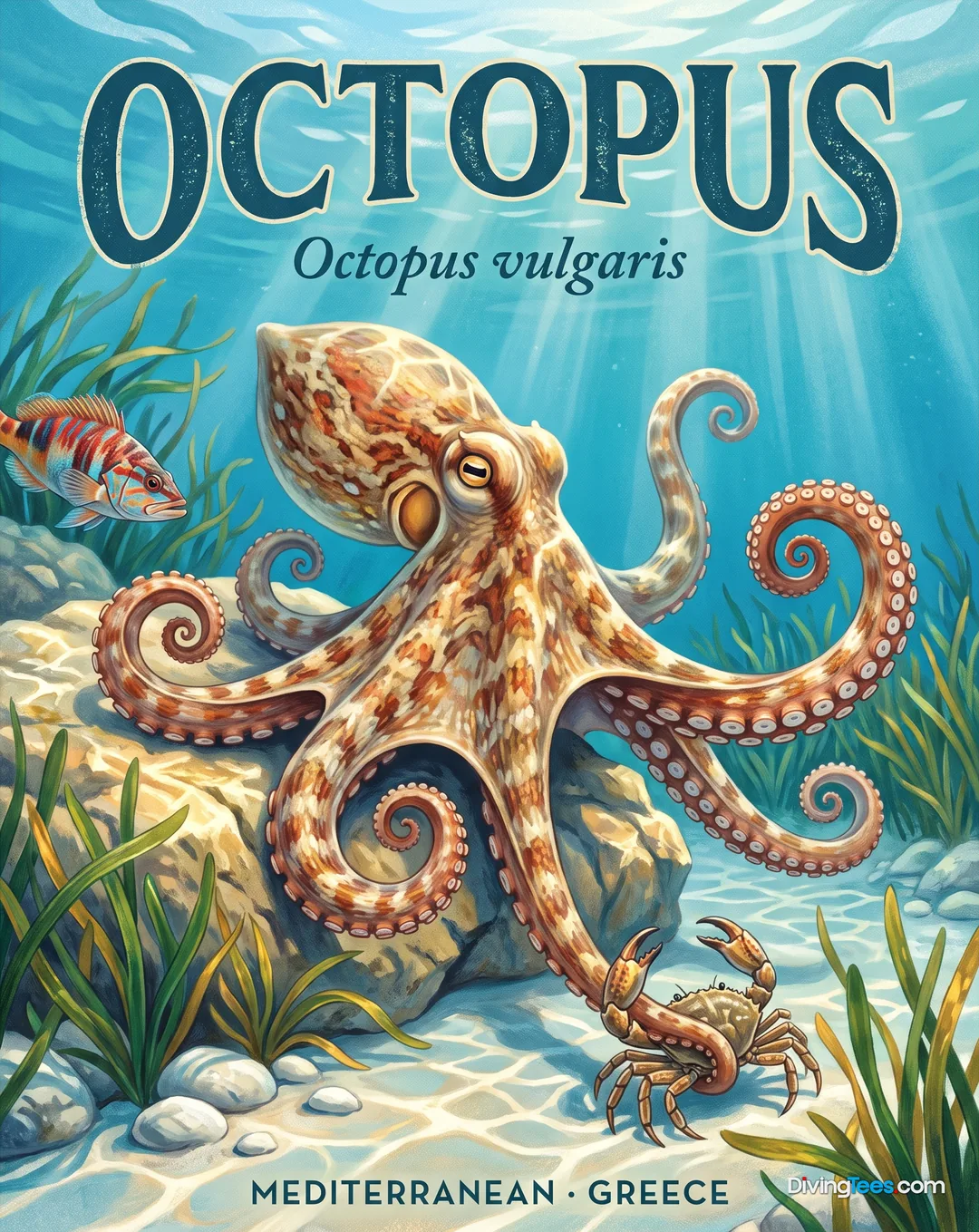
The site also hosts a diverse population of cephalopods and crustaceans. You might spot clever cuttlefish changing their colouration to blend seamlessly with their surroundings, or playful octopuses (Octopus vulgaris) exhibiting their remarkable intelligence and dexterity as they navigate the reef. A closer look reveals a world of smaller creatures, with various shrimp and crab species meticulously going about their daily lives on the corals and substrate. The diverse habitats — from the open sandy patches and seagrass beds to the vibrant coral bommies and the dramatic mini-wall — contribute to Tanjung Kelapa's rich ecosystem. Each section offers a different encounter, creating a dive experience that remains engaging and visually stimulating from start to finish. This mosaic of environments ensures that every dive here reveals new details and interactions, making it a compelling spot for repeated exploration.
This site is accessible for divers of all levels, with a maximum depth extending to 30 metres. The current at Tanjung Kelapa is typically moderate, allowing comfortable drift dives along the reef's edge. Visibility generally ranges between 15 and 25 metres. The best period for diving here extends from the end of March until the end of November, aligning with the region's dry season, with June to September often providing the warmest and sunniest weather.
You can dive Tanjung Kelapa from the end of March until the end of November, during the region’s dry season. June to September often brings the warmest and sunniest weather. Visibility generally ranges between 15 and 25 metres, supporting views across the sloping reef, mini-wall, coral bommies, seagrass patches, and sand.
Tanjung Kelapa is accessible for divers of all experience levels. You begin over a gradually sloping reef before reaching a distinct mini-wall, with varied habitats that support both relaxed exploration and detailed macro searching. You may look for ghost pipefish, nudibranchs, morays, shrimp, crabs, cuttlefish, and octopuses along the way.
Tanjung Kelapa reaches a maximum depth of 30 metres. The dive starts along a gradually sloping reef, then transitions toward a distinct mini-wall with sea fans, whip corals, anemones, and resident clownfish. Coral bommies, sandy areas, and seagrass patches add different environments as you move through the site.
Tanjung Kelapa typically has moderate current, allowing comfortable drift dives along the reef’s edge. You may encounter schools of midnight snappers, fusiliers, and other reef fish, along with bumphead parrotfish and dogtooth tuna. Sea fans, whip corals, clownfish, ghost pipefish, nudibranchs, cuttlefish, and octopuses add further variety.