

Coral Eye Resort
Google 4.9/5 (186 reviews)
5.2 km away as the crow flies
North Sulawesi · Indonesia · Asia
Max. depth · 20 mExplore a white sand slope dotted with coral bommies, renowned for its incredible macro life and a favoured spot for dugong sightings.
Peter's Sponge unfolds beneath the surface as a gentle white sand slope, a canvas for an abundance of captivating marine life. The descent takes you directly into this soft bottom environment, where pockets of coral bommies punctuate the sandy landscape. These living oases are vital habitats, creating shelter and hunting grounds in an otherwise open expanse, and it's around these bommies that you'll begin to notice the intricate details of the site.
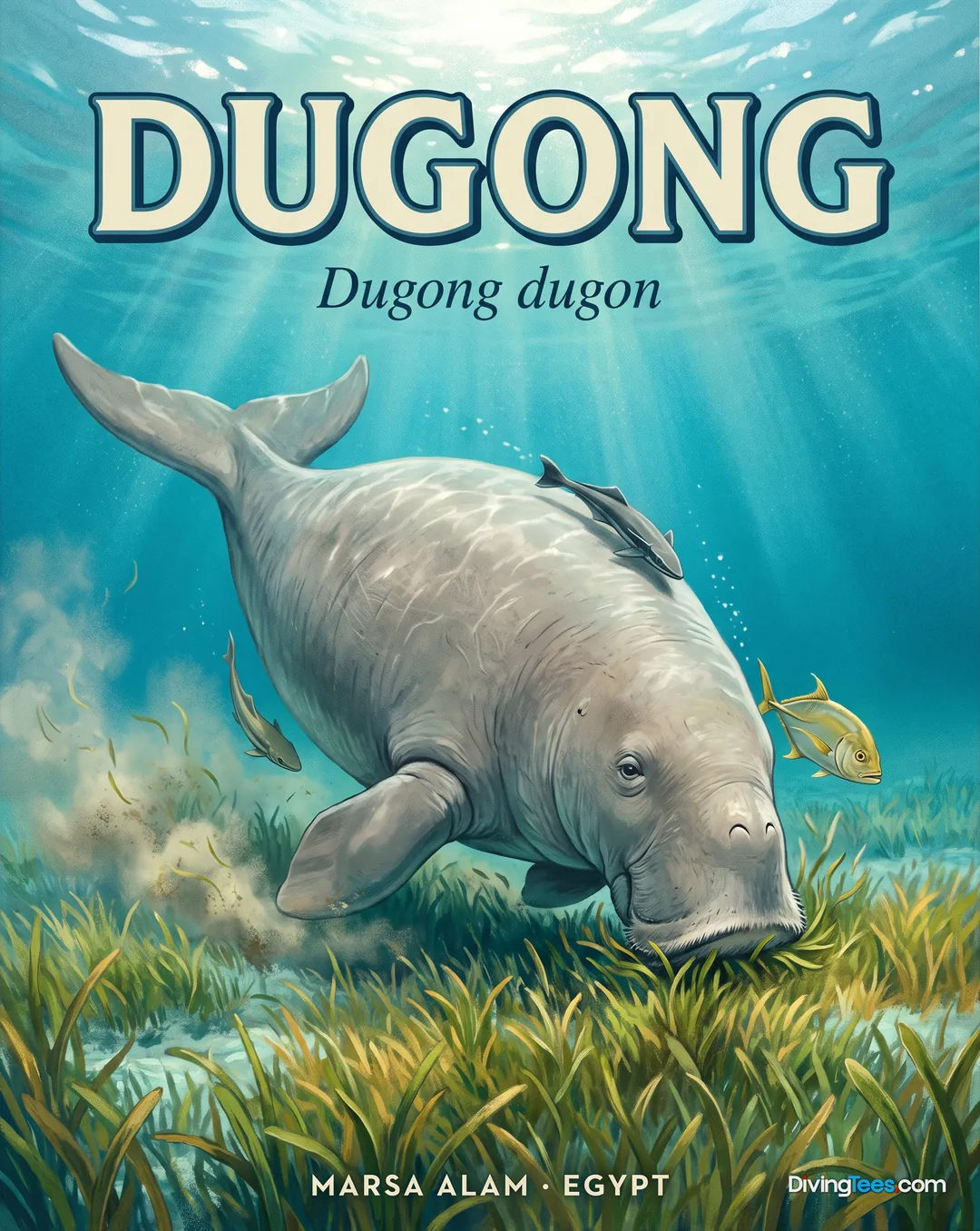
This site is renowned as a preferred resting and grazing place for dugongs, often found in its shallower waters, making sightings a special highlight. Beyond these majestic herbivores, the coral bommies themselves teem with activity. Glassfish congregate in shimmering schools, providing a dynamic backdrop for predators, while frogfish lie camouflaged, patiently awaiting their next meal. This gentle slope is a dedicated hunting ground for macro underwater photographers, who will find endless subjects here.
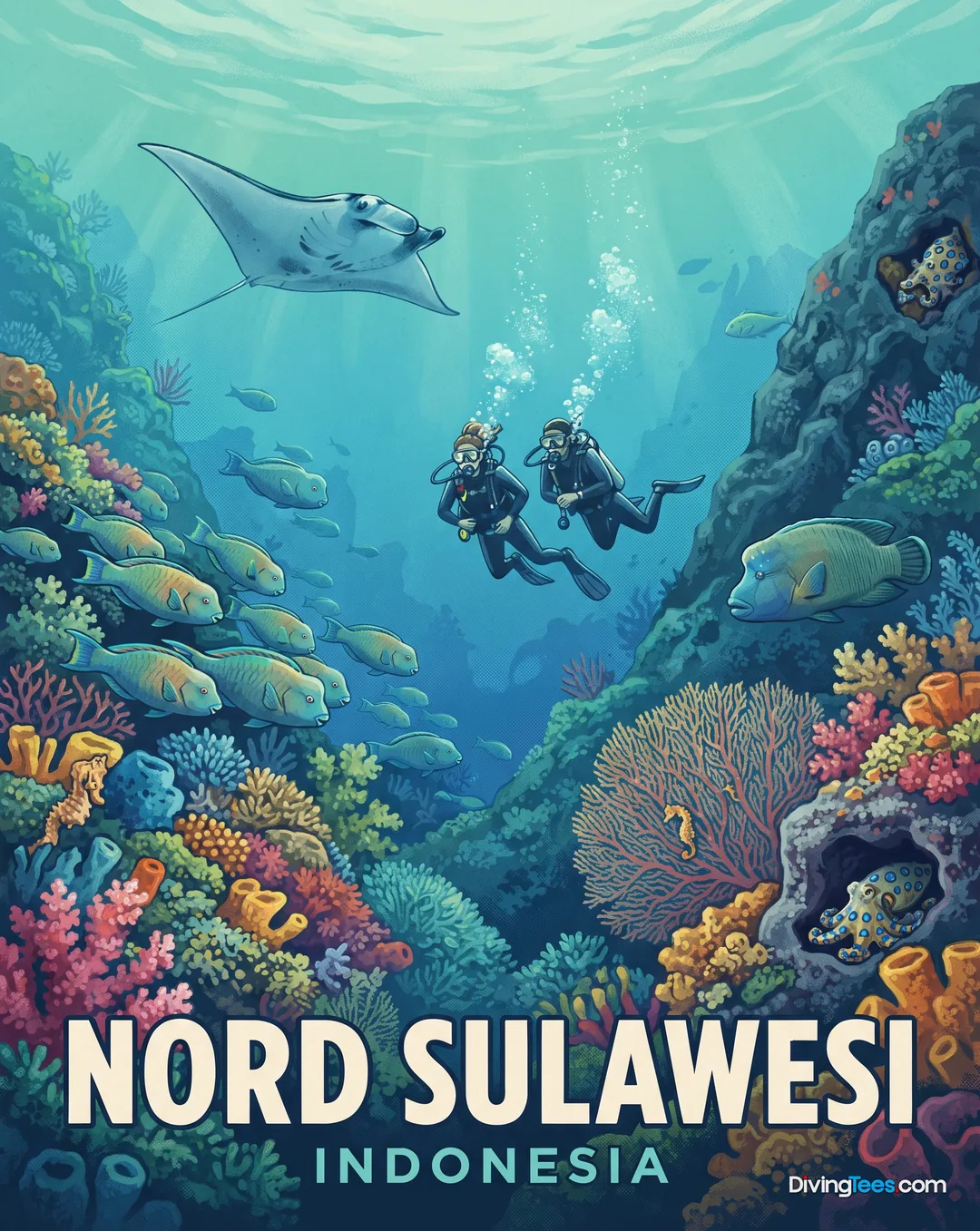
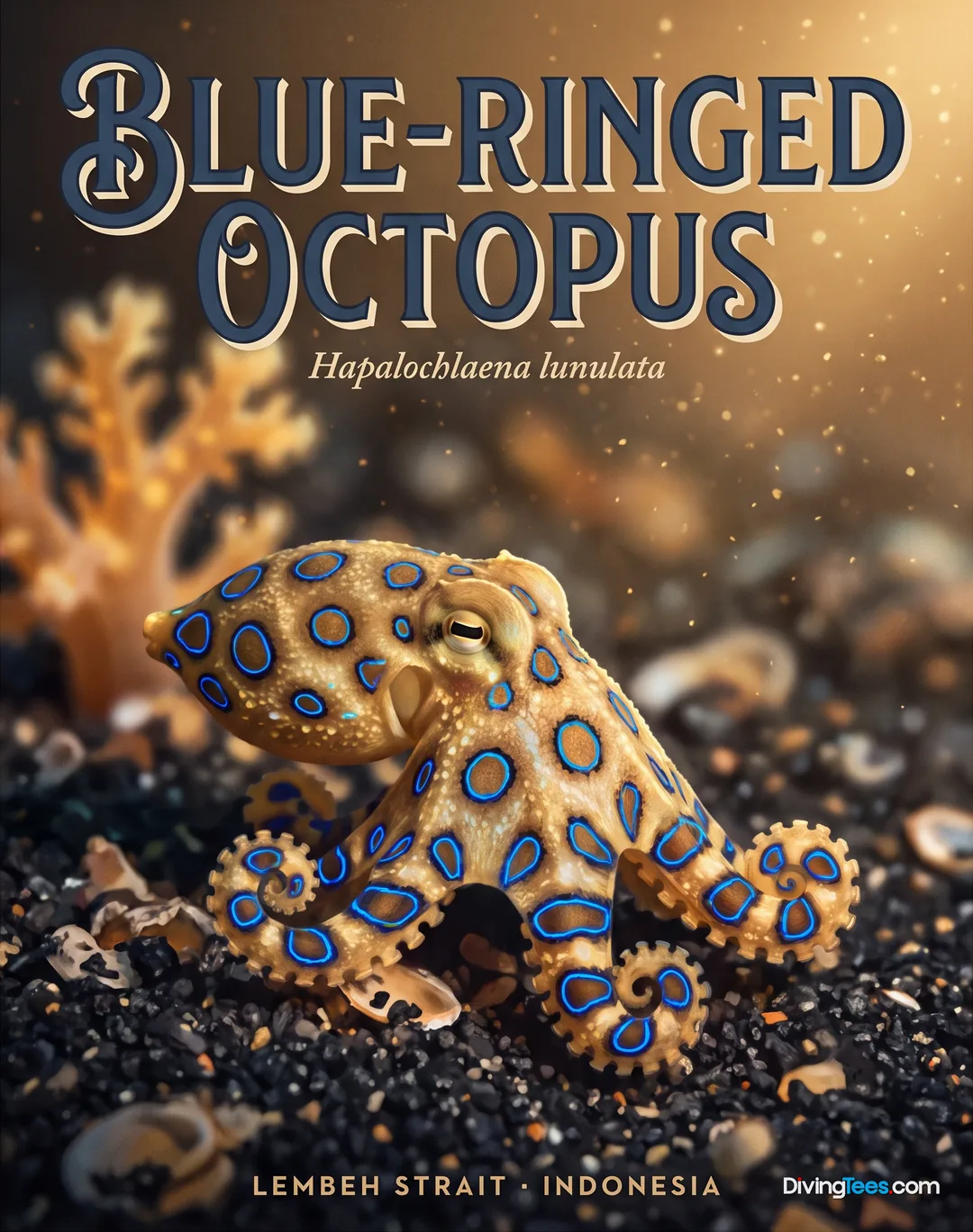
As you explore the sandy bottom and the delicate structures, your focus shifts to the smaller, often overlooked inhabitants that make Peter's Sponge a macro photographer's dream. Keep a keen eye out for the vibrant flashing of a flamboyant cuttlefish or the intricate patterns of a blue-ringed octopus, both known residents of this intricate ecosystem. Their presence here is a testament to the rich biodiversity supported by this unique muck diving environment, challenging your spotting skills.
Among the elusive residents you might encounter is the distinctive frogfish, often perfectly blended with their coral or sponge perches. Ghost pipefish, in their various forms, also call Peter’s Sponge home, often found swaying gently amongst crinoids or hiding near the soft corals. The Ambon scorpionfish, another master of camouflage, awaits detection near the sandy patches or nestled within crevices. These encounters require patience and a keen eye, as these masters of disguise are adept at disappearing against their surroundings, turning every search into a rewarding challenge.
The conditions at Peter's Sponge are generally forgiving, with currents typically gentle to moderate, allowing for thorough exploration of the site's minute details. This moderate current plays a role in the diving experience, gently moving you along the slope and assisting with your search for hidden critters. Visibility, important for macro observation, generally ranges between 10 and 25 metres. This combination of conditions enhances the experience, granting ample time to locate and appreciate the diversity of cryptic creatures that call this sandy slope home.
Peter's Sponge is accessible to divers of all levels, reaching a maximum depth of 20 metres. Currents here are generally soft to moderate, offering a comfortable diving experience or a gentle drift. Visibility typically ranges from 10 to 25 metres, providing clear views of the site's intricate marine life. The best time to dive this site aligns with the region's dry season, from late March to late November.
You can dive Peter's Sponge throughout the region's dry season, which runs from late March to late November. This timing aligns with the site's preferred diving period and lets you explore its white sand slope, coral bommies, and macro habitats during the season identified for the site.
Peter's Sponge is accessible to divers of all levels and reaches a maximum depth of 20 metres. The dive descends onto a gentle white sand slope interrupted by small coral bommies, creating a manageable setting for exploring the bottom and searching for marine life around these habitats.
Currents at Peter's Sponge are generally soft to moderate. They can provide a comfortable dive or a gentle drift, while also moving you along the slope as you search for hidden creatures. These conditions support patient exploration of the sandy bottom, coral bommies, and their small inhabitants.
At Peter's Sponge, you may see dugongs resting or grazing in shallower water, along with schools of glassfish around the coral bommies. Look for frogfish, blue-ringed octopus, flamboyant cuttlefish, Ambon scorpionfish, and ghost pipefish. The site also offers rich subjects for underwater macro photography.