Plongée au Triton Bay Divers Beach & Dive Resort
★ 4.6/5 (54 reviews)
12 km away as the crow flies
Kaimana · Indonesia · Asia
Max. depth · 20 mDescend into the sheltered coral gardens of Flasher Beach to witness the vibrant, late-afternoon courtship displays of multiple flasher wrasse species, including the endemic P. Nursalim.
For subtitles in English: start the video firstthen click the gearat the top right of the video, select “Subtitles/CC”, then “Auto-translate” and choose “English”.
Flasher Beach is located off a small island northwest of Aiduma in the Kaimana area, a short 30-minute boat ride from Triton Bay. The dive begins on a gentle reef slope, transitioning into sheltered coral gardens interspersed with sand and rubble patches within a cove. This topography creates an ideal habitat for smaller, more cryptic species, making it a prime location for macro enthusiasts and photographers seeking detailed observations.
The site's name is a direct reference to the flasher wrasses that inhabit these reefs, particularly active in the late afternoon. As you settle in, you'll observe the male wrasses initiating their courtship rituals, a display of vibrant colours and fanned fins designed to attract females. This behaviour is the primary draw of Flasher Beach, offering a dynamic and visually rich experience that changes as the light shifts.
Beyond the general spectacle, Flasher Beach is home to at least three distinct species of flasher wrasse. Among these is the endemic P. Nursalim flasher wrasse, a species unique to this region. Observing the subtle differences in their colouration and patterns, and how each species performs its specific courtship dance, adds a layer of focused observation to the dive, rewarding those who take the time to differentiate them.
The shallow depths, ranging from 5 to 20 metres, combined with generally light currents, make Flasher Beach a comfortable dive for extended bottom times. This allows ample opportunity to position yourself for observing the wrasse displays without being rushed. The sheltered nature of the cove contributes to these calm conditions, providing a stable environment for both the marine life and the divers observing them.
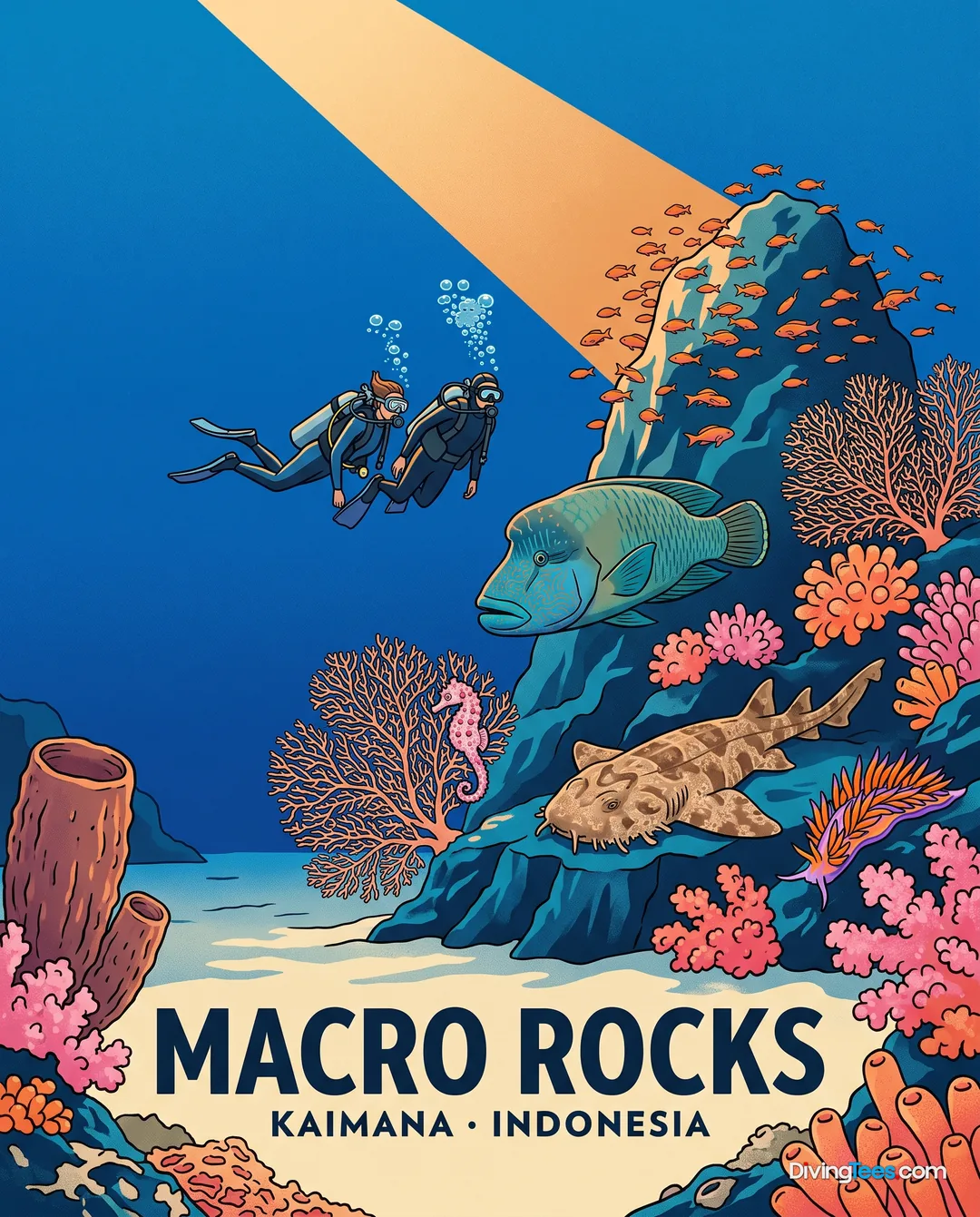
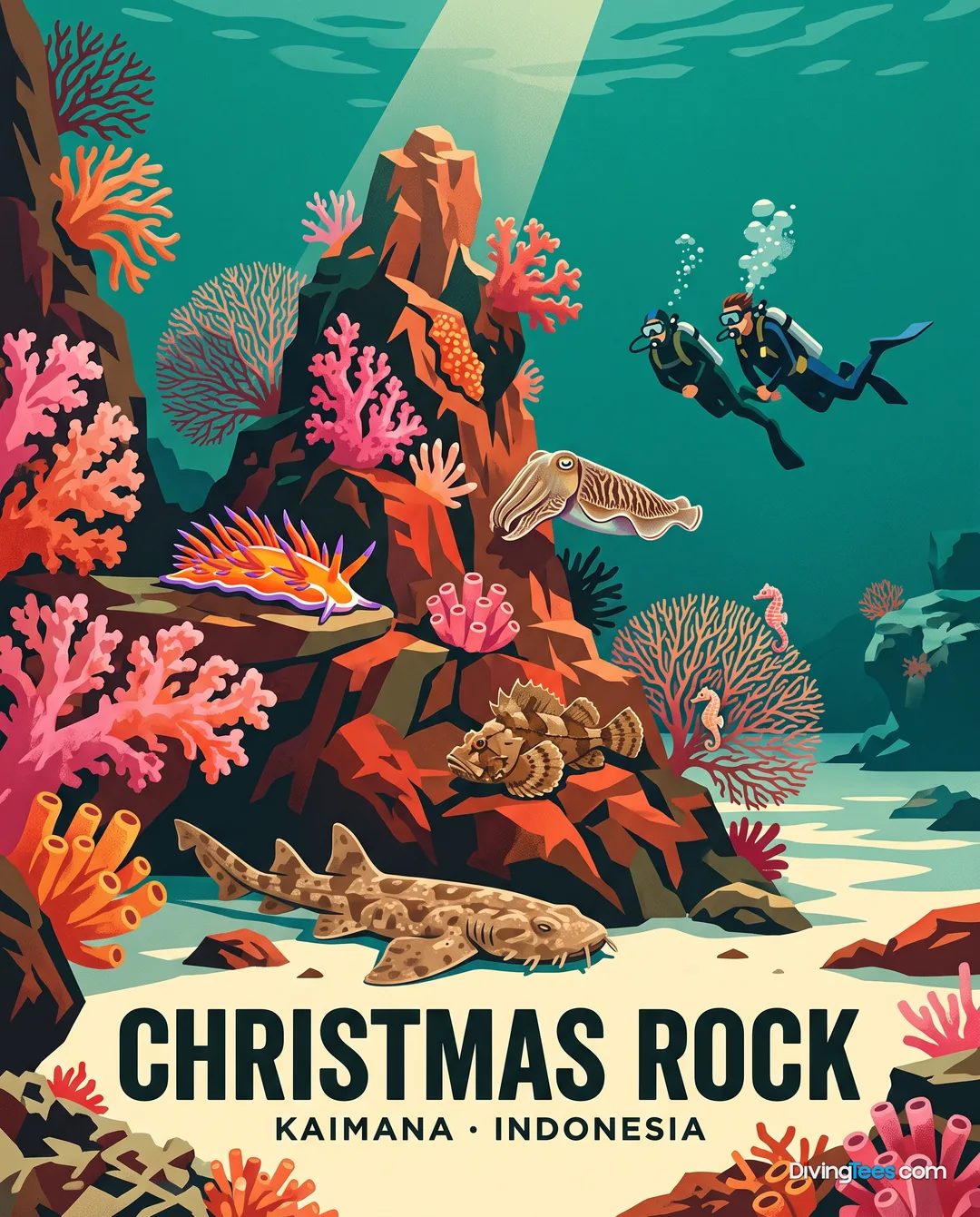
While the flasher wrasses are the main attraction, the healthy hard and soft corals throughout the site support a diverse community of other reef inhabitants. Take the time to scan the vibrant reef structure for pygmy seahorses, various nudibranchs, and a multitude of shrimp species. The overall health of the ecosystem here ensures that even before the wrasse displays begin, there is plenty of macro life to discover.
Visibility at Flasher Beach typically ranges between 5 and 20 metres, influenced by local conditions and plankton blooms that contribute to the rich biodiversity. Water temperatures remain consistently warm, usually between 28 and 30°C, allowing for comfortable diving. The best time to experience the peak flasher wrasse activity is in the late afternoon, making it a common choice for a final dive of the day.
Flasher Beach is accessible from Open Water Diver level, though good buoyancy control is recommended for close observation of macro life. Depths range from 5 to 20 metres. Currents are generally light and sheltered within the cove. Visibility typically ranges from 5 to 20 metres. The optimal diving period for the Kaimana region, and for observing flasher wrasse activity, runs from October to early June, with peak conditions between November and April.
1 liveaboard departs from Kaimana another way to explore the region, over several days at sea.