Plongée au Triton Bay Divers Beach & Dive Resort
Google 4.6/5 (55 reviews)
Kaimana · Indonesia · Asia
Max. depth · 16 mDescend into Bo's Rainbow, where massive coral-encrusted boulders meet gentle sandy slopes, perfect for both wide-angle enthusiasts and macro hunters.
For subtitles in English: start the video firstthen click the gearat the top right of the video, select “Subtitles/CC”, then “Auto-translate” and choose “English”.
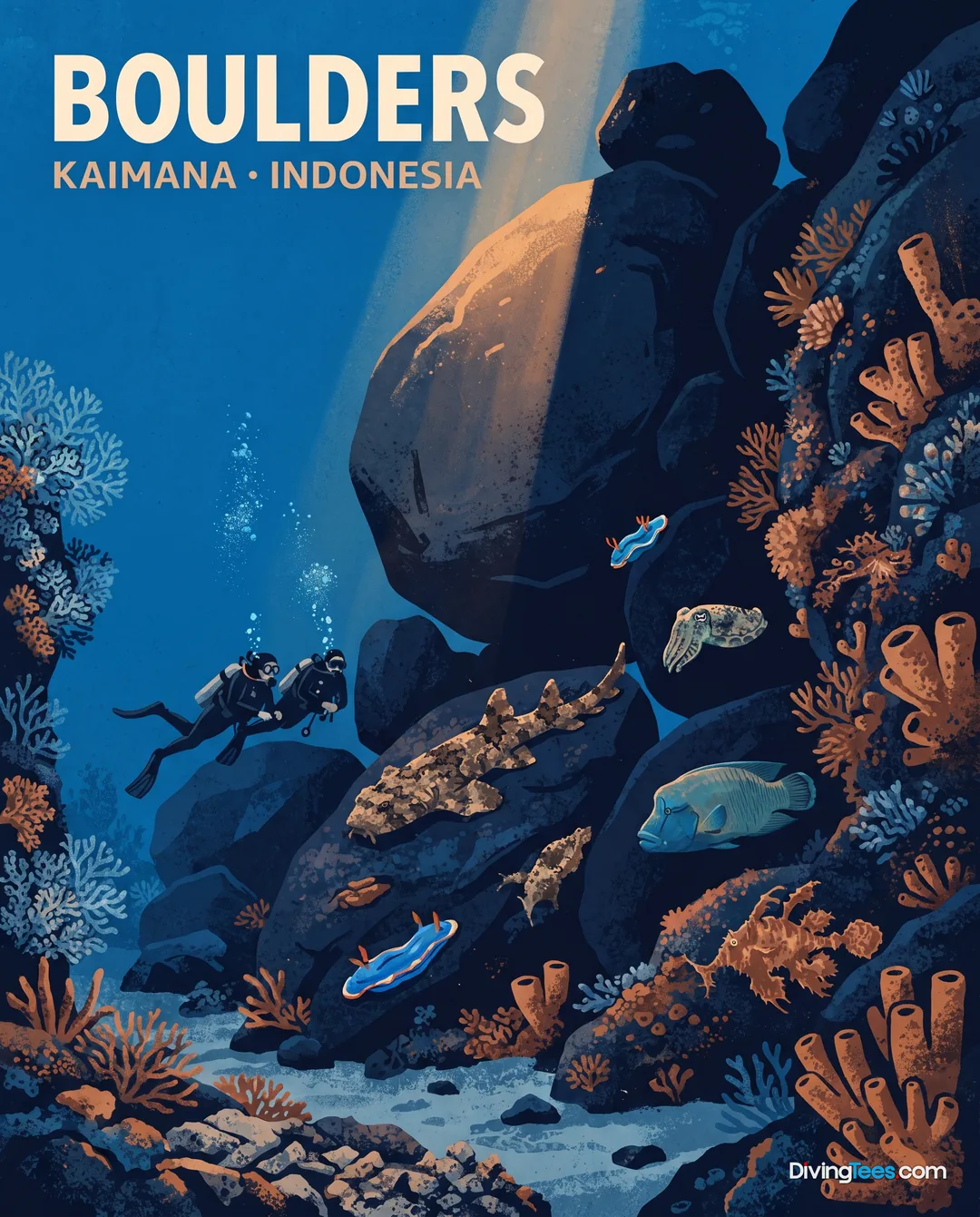
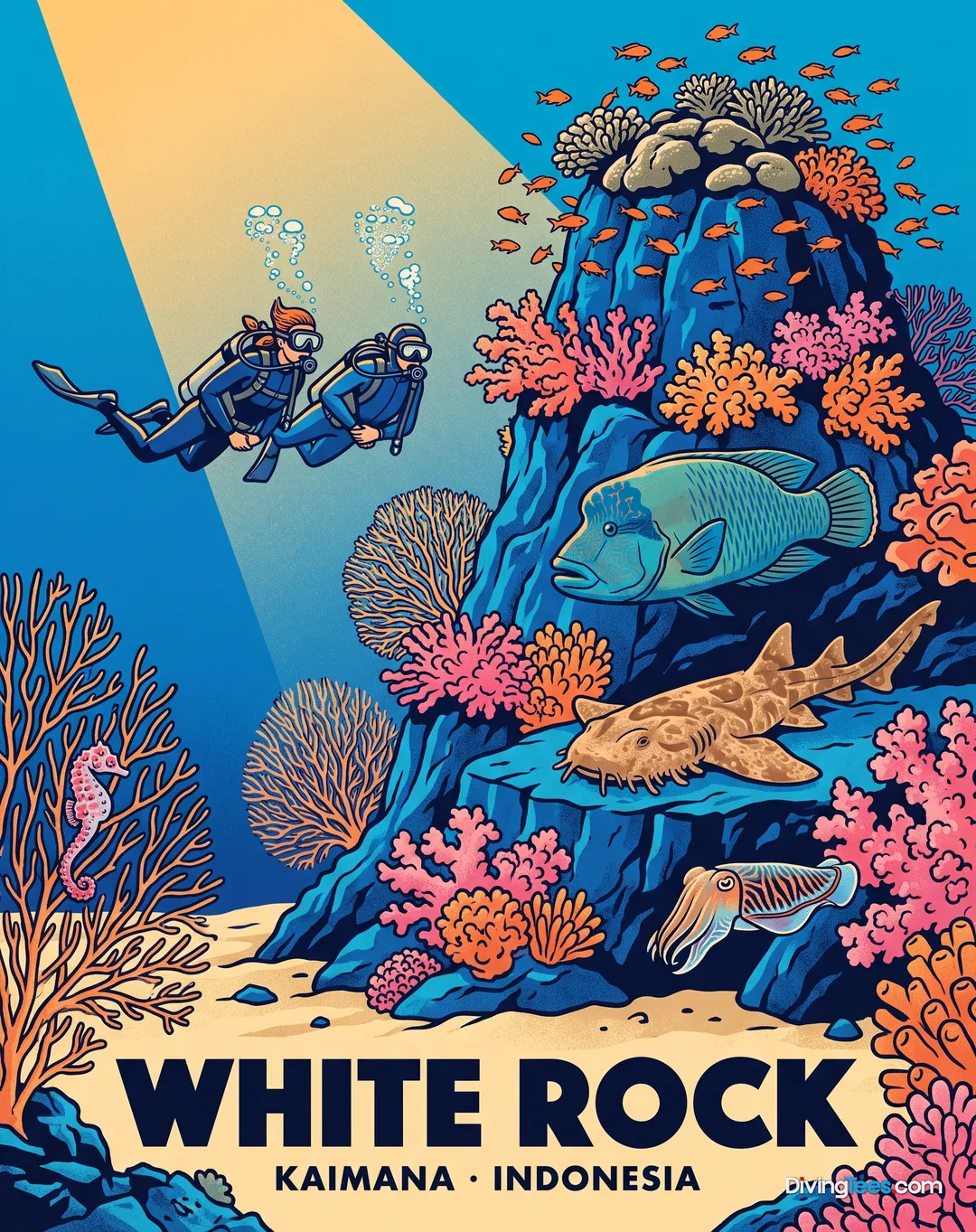
Bo's Rainbow is a captivating site just a short boat ride from the resort, centered around a small island structure. As you begin your descent, you're immediately greeted by colossal rock formations, each one a living canvas draped in a kaleidoscope of soft corals. These vibrant structures provide ample shelter and feeding grounds, drawing in a rich tapestry of marine life that makes for a dynamic start to any dive.
The dive profile here is relatively shallow, inviting you to explore at a relaxed pace. From the impressive, coral-covered boulders, the terrain gently transitions into a soft sandy slope that bottoms out at 16 metres. This gradual incline is a fantastic hunting ground for macro photographers, offering opportunities to spot the smaller, shyer residents that blend seamlessly into the sandy substratum.
A distinctive feature of Bo's Rainbow is the shallow passage that cuts right through the middle of the island. This natural channel provides an intriguing route for divers, offering a unique perspective of the island's interior. Navigating this passage can be an experience in itself, with light filtering down from above and the possibility of encountering different species tucked away from the main reef.
Currents at Bo's Rainbow are generally mild, often described as weak, allowing for comfortable exploration. However, should an unexpected surge occur, the island's sheltered side offers a sanctuary, ensuring a relaxed dive even when conditions shift. In the absence of stronger currents, circumnavigating the entire island becomes a rewarding endeavor, allowing you to appreciate the site's full expanse and diverse topography.
Dive depths at Bo's Rainbow reach a maximum of 16 metres, making it an accessible site for divers of various experience levels. The current here is typically weak, ensuring a comfortable and relaxed exploration of the reef. The optimal period for diving this area is from October to early June, with the best diving conditions generally found between November and April.
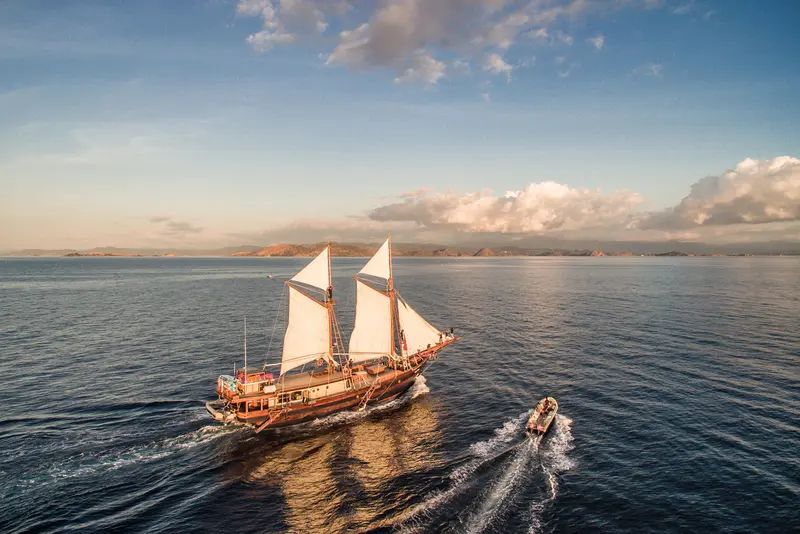
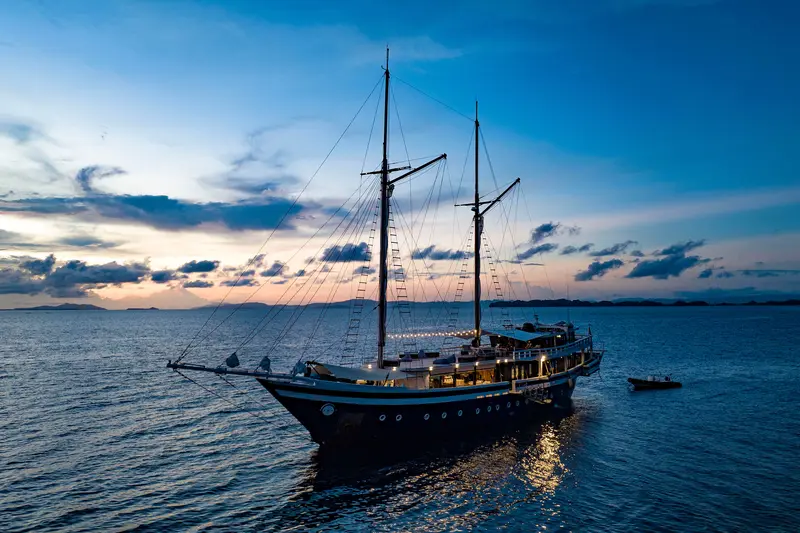
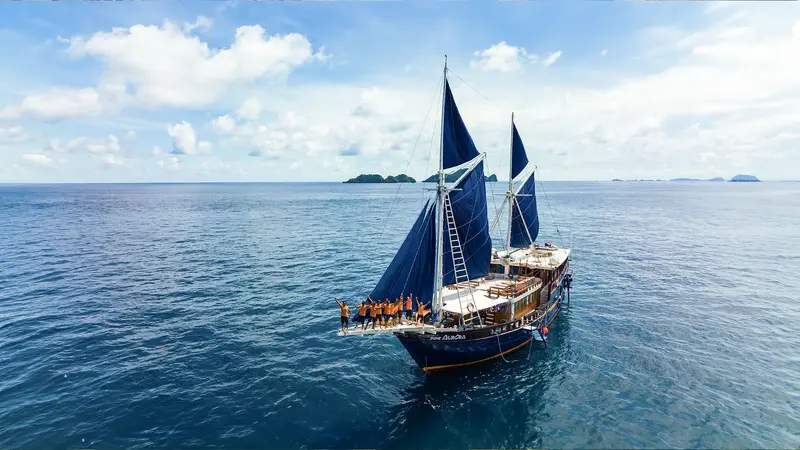
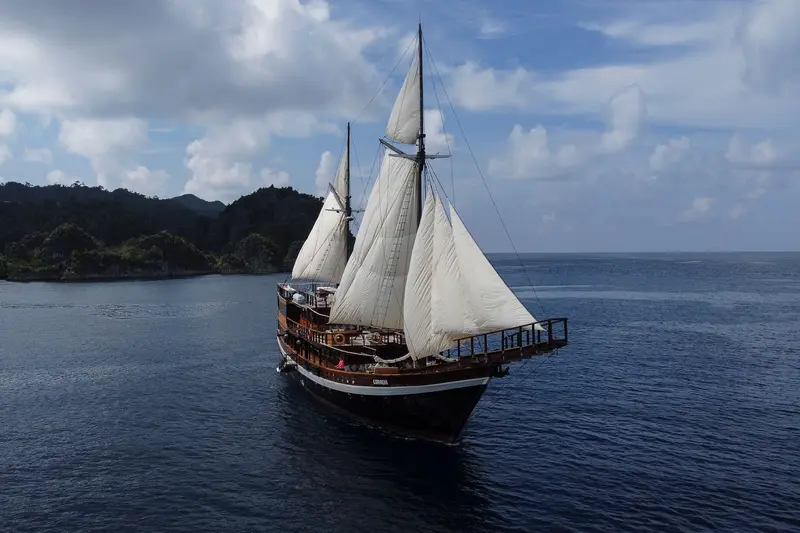
37 liveaboards run trips to Kaimana.
You can dive Bo’s Rainbow from October to early June. Diving conditions are generally favorable between November and April. This timing suits divers who want to explore the coral-covered rocks, sandy slope, and island passage while enjoying the site’s typically weak current and relaxed character.
Bo’s Rainbow is accessible to divers of various experience levels because the profile is relatively shallow and the current is typically weak. You can explore at a relaxed pace, follow the gentle sandy slope, and pass through the island’s shallow channel while sheltered areas provide support if conditions shift.
Bo’s Rainbow reaches a maximum depth of sixteen metres. The terrain begins around immense rocks covered in soft corals, then transitions gradually into a sandy slope. This gentle profile gives you room to explore the island structure, coral formations, and sandy areas without moving into greater depth.
You can see immense soft-coral-covered rocks, a gentle sandy slope, and a shallow passage through the island. The site suits wide-angle and macro photography, with smaller residents blending into the sand. Currents are generally weak, allowing comfortable exploration and possible circumnavigation, while the sheltered side offers refuge during unexpected surge.