Liveaboards · Indonesia
Seven Seas — a seasoned Indonesian schooner built around serious diving
What makes this boat unique
- A traditionally built Buginese schooner carrying up to 14 guests, with eight air-conditioned cabins and private bathrooms.
- The dive operation runs with 24 aluminium 12-litre tanks, two compressors, three tenders and up to four dives a day when conditions allow.
- Routes range from 10-night Triton Bay cruises to 15-night Triton Bay and Banda Sea crossings, with Raja Ampat, Komodo, Alor and the Forgotten Islands also on the schedule.
- A professional chef serves full-board meals combining local and Western cooking, vegetarian and vegan choices, and a selection of wines.
For subtitles in English: start the video firstthen click the gearat the top right of the video, select “Subtitles/CC”, then “Auto-translate” and choose “English”.
The invitation
Seven Seas is for divers who want Indonesia in one long sweep: remote sites, strong-current reefs, macro slopes, manta stations and the comfort to stay out there for nearly two weeks. The boat is large enough to carry three tenders and a proper dive operation, yet the passenger count remains low enough for the crew to stay close to the guests. That balance is the point. The route may take you from Raja Ampat to Triton Bay, or from Komodo and Alor towards the Forgotten Islands, but the boat keeps the practical side under control while the diving stays central. A full day can include four dives; a missed meal is not the price of getting back into the water, because the galley is built for the same demanding rhythm. The strong scores for diving, food and crew match what the boat is designed to do: move divers through difficult-to-reach Indonesian waters without making them live like expedition cargo.
Boarding
From the dock, Seven Seas presents as a traditionally built Buginese schooner rather than a converted hotel barge. The woodwork and three-deck layout give the boat a working sailing character, while the finish is closer to a small expedition yacht than to a basic dive vessel. Boarding leads naturally between the shaded dive deck, the air-conditioned lounge and dining room, the upper-deck outdoor spaces and the wheelhouse, where guests can take a turn at the helm. There is room to spread out without losing sight of the sea. The crew-to-passenger ratio is close to one, and that shows in the way bags, tanks, tenders and meals are handled. The boat has been built around long Indonesian crossings, not short harbour excursions: substantial freshwater-making and fuel capacity support remote itineraries, while radar, sonar, GPS and satellite communications give the crew the tools needed away from the usual ports.
The atmosphere on board
Seven Seas feels most convincing when the crew is working. Guides organise the diving without making the day feel military, the deck crew keeps the movement between boat and tender calm, and the dining team keeps food and snacks appearing around the dive schedule. Passengers describe a relaxed boat with excellent food and a crew that makes complicated days feel easy. Families, snorkelers and non-divers can travel alongside committed divers because the boat has kayaks, paddleboards, shore excursions and shaded deck space rather than only a dive deck. By evening, the lounge and outdoor areas become the meeting point: cameras are checked, sightings are compared and the next site starts a second conversation. The local and international crew speaks English, French, Spanish and Indonesian. That mix is useful on remote routes, where the crew can bridge the boat and the villages visited ashore. The atmosphere is warm, but it is not loose; safety remains part of the routine.
The sites you’ll dive
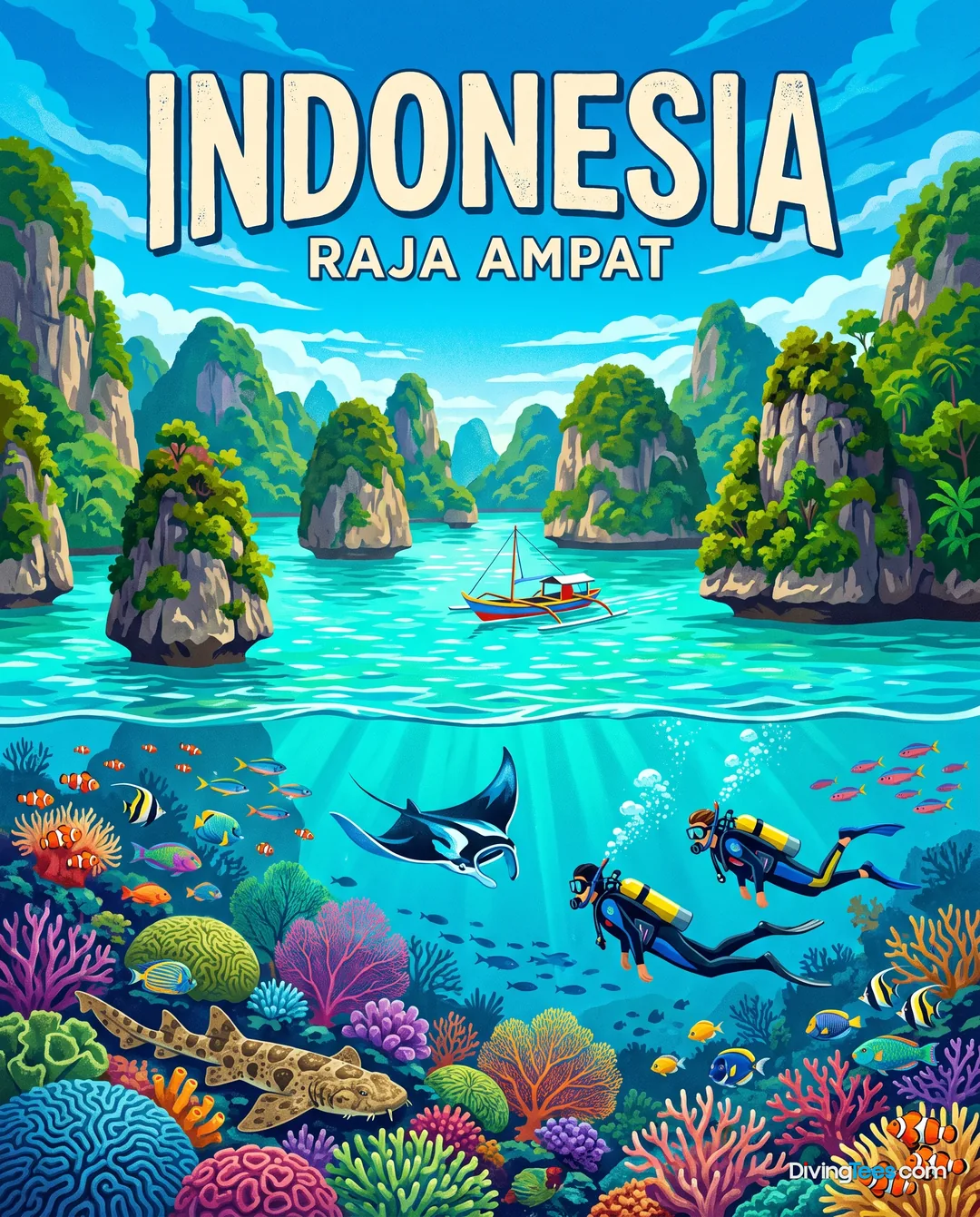
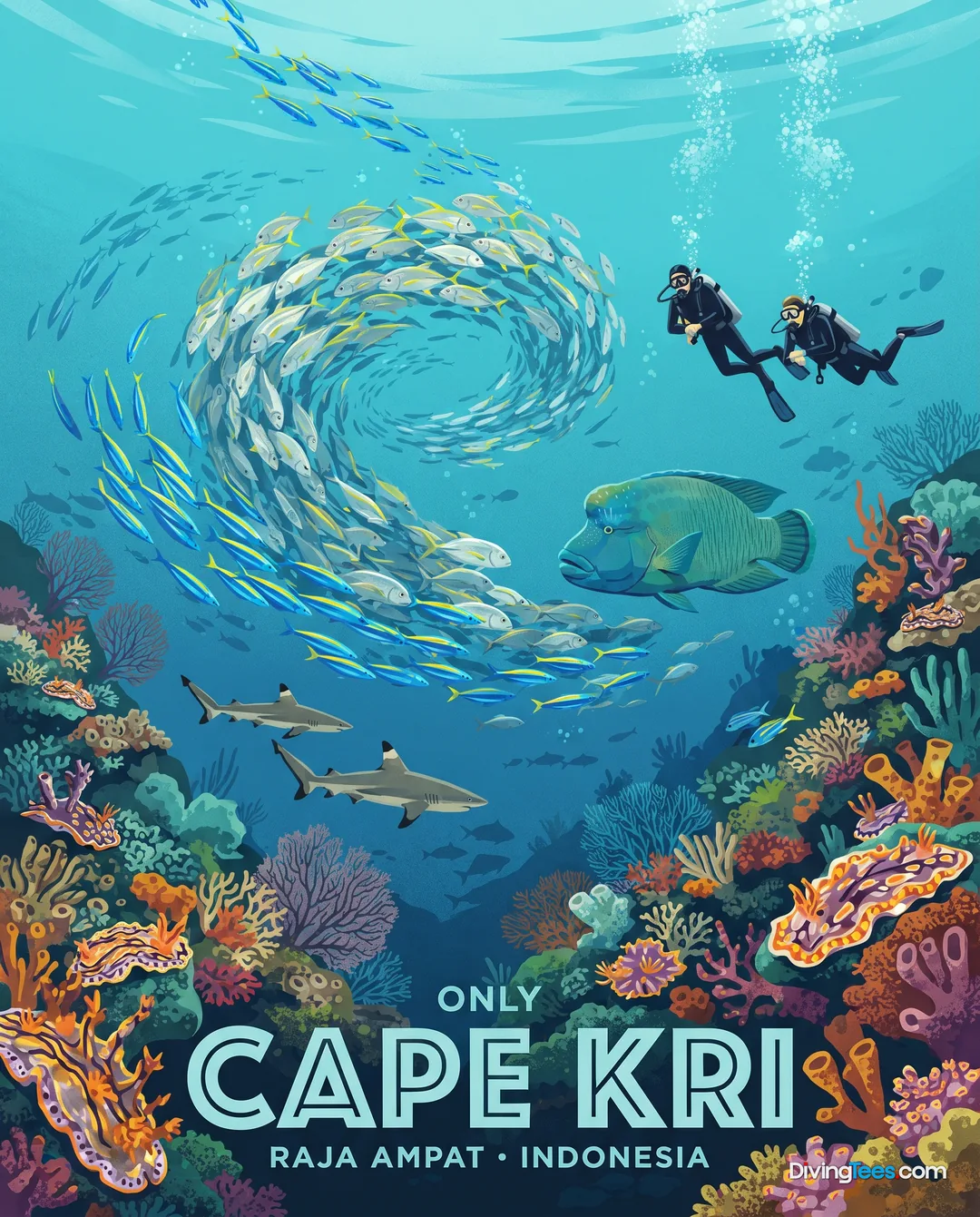
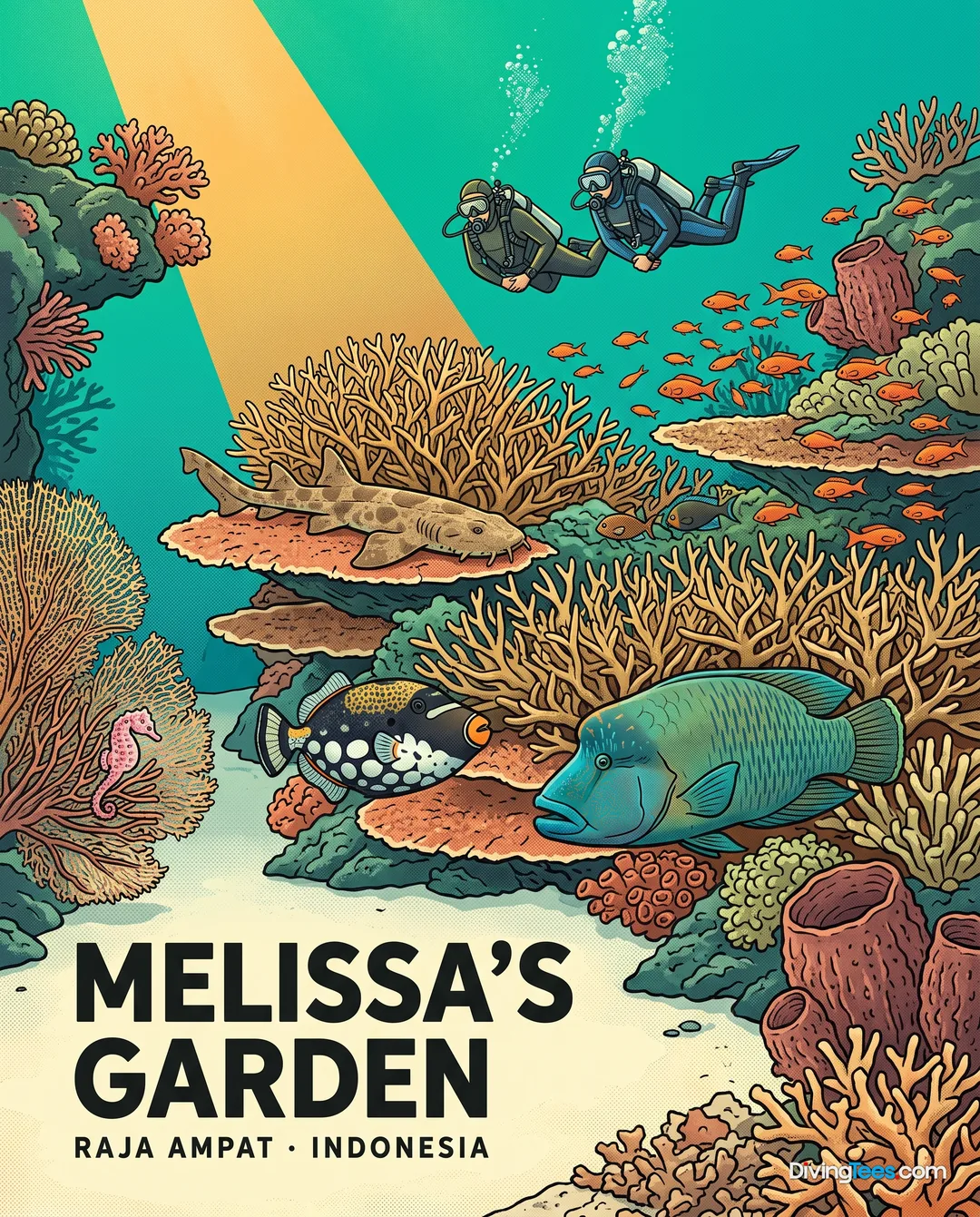
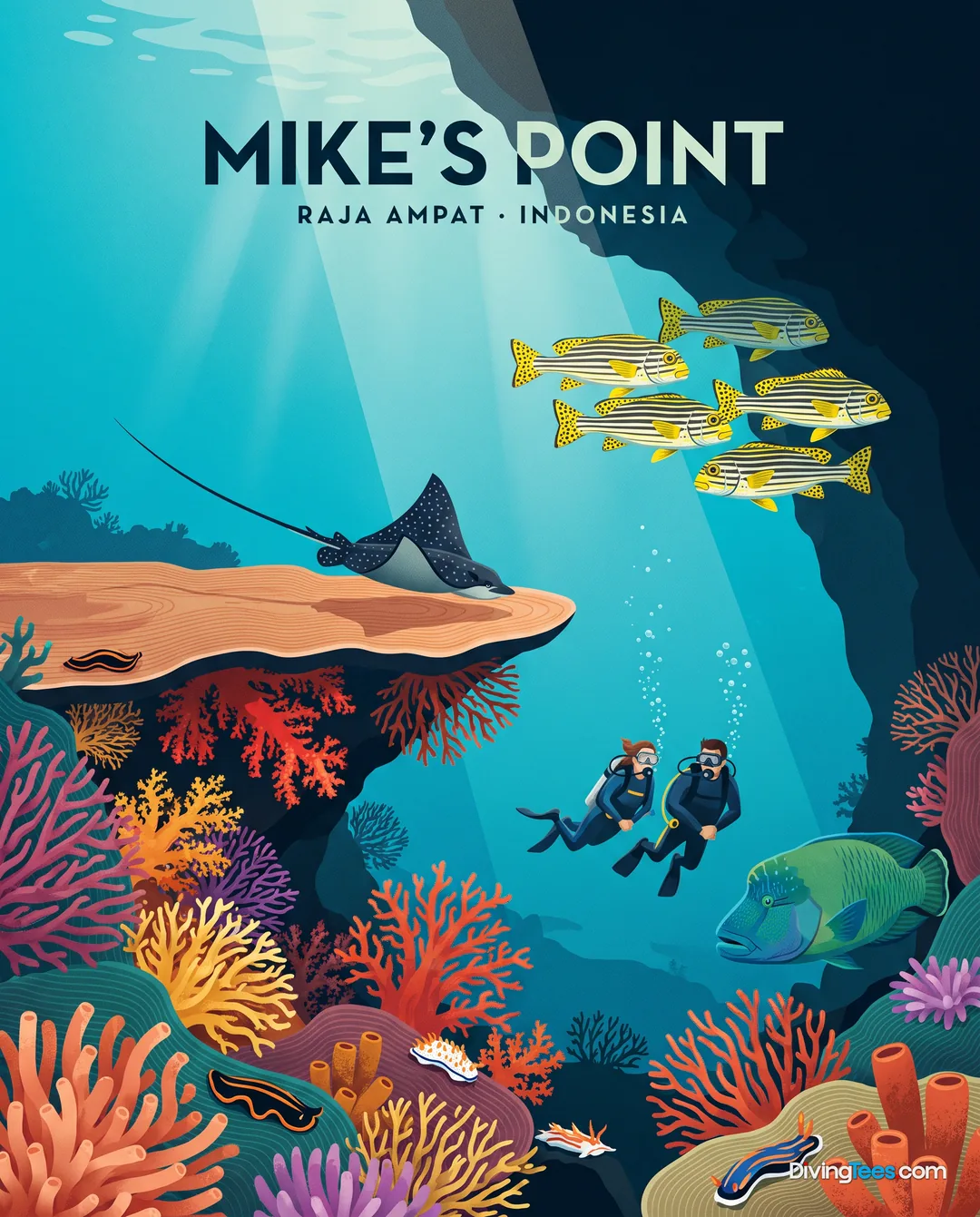
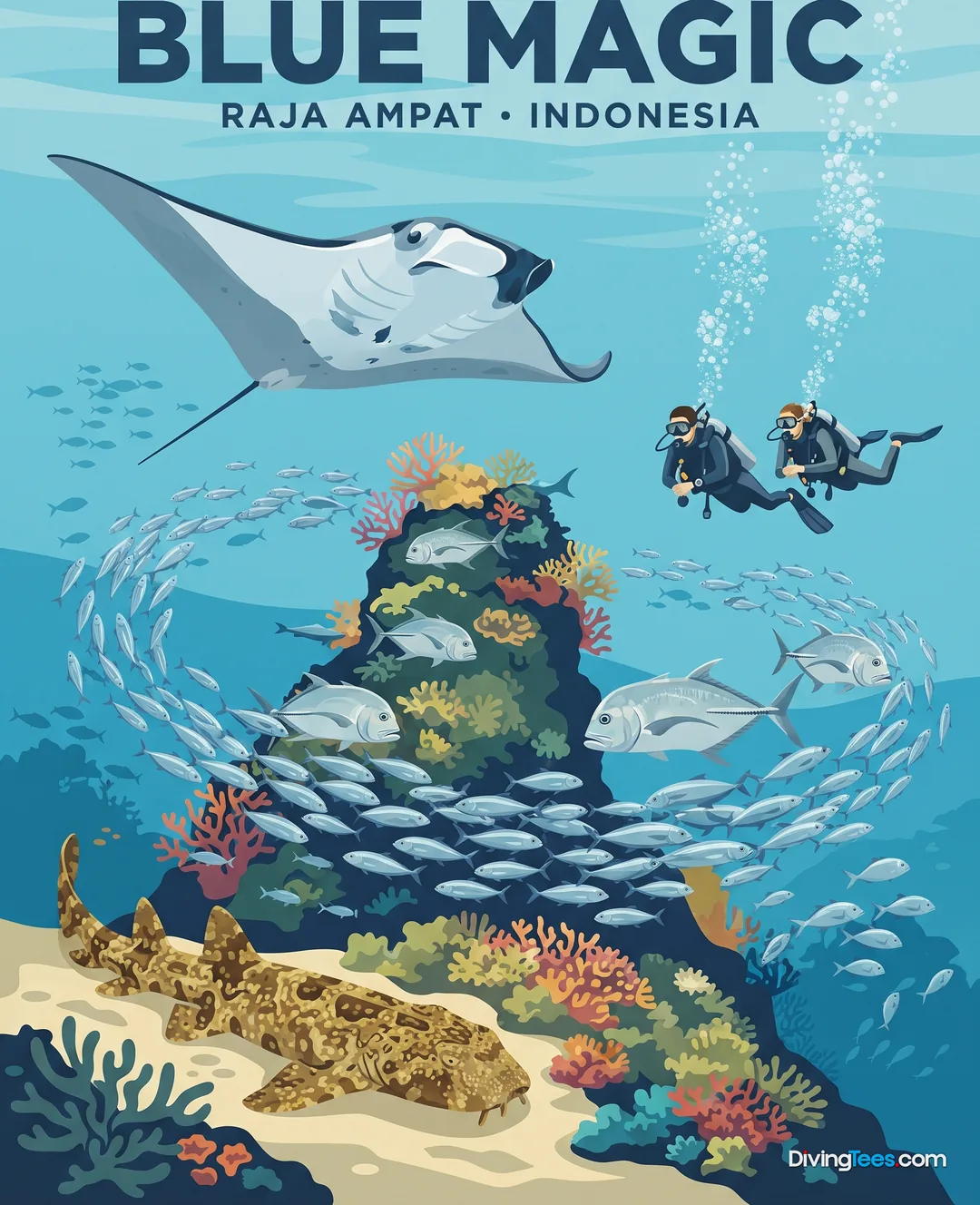
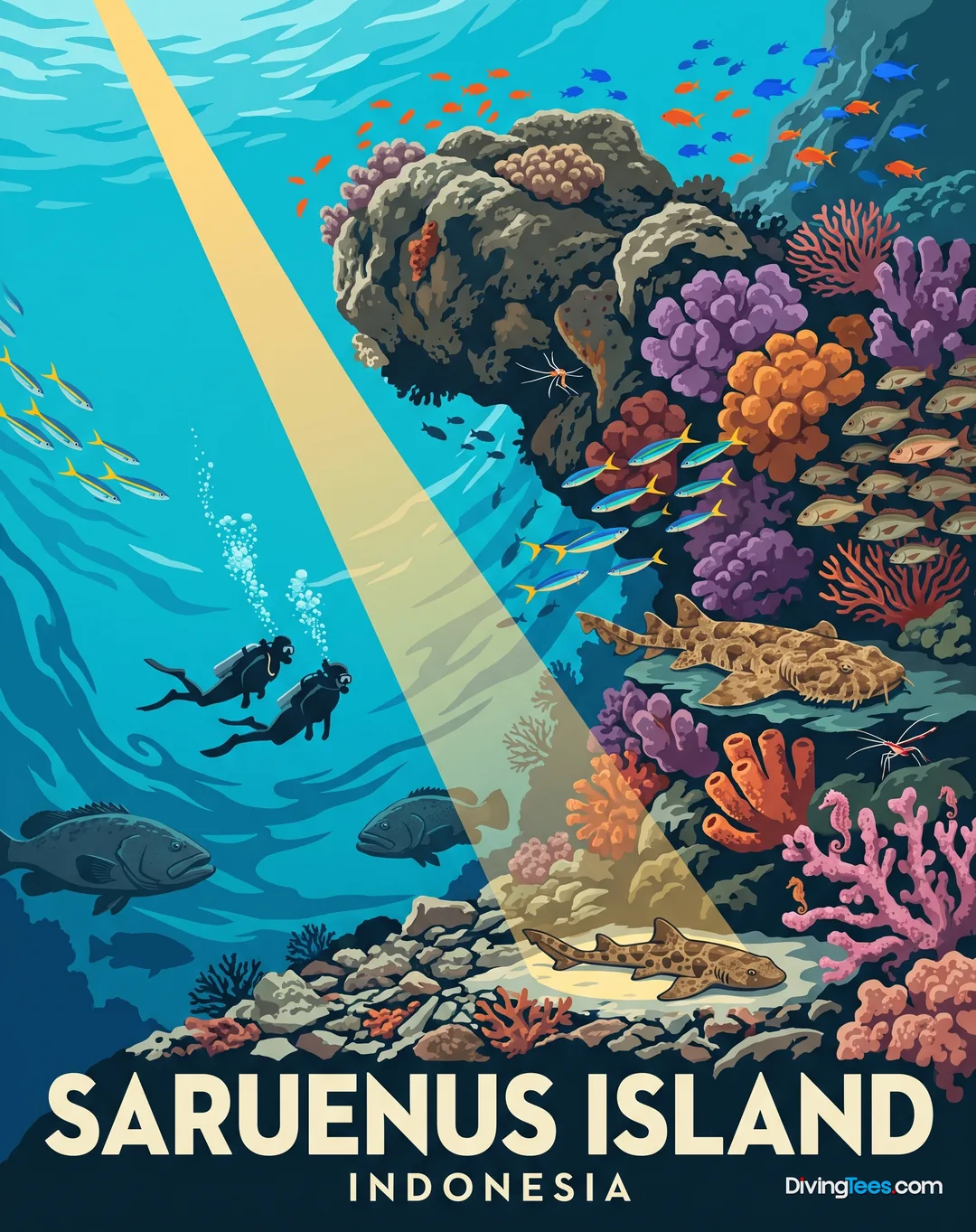
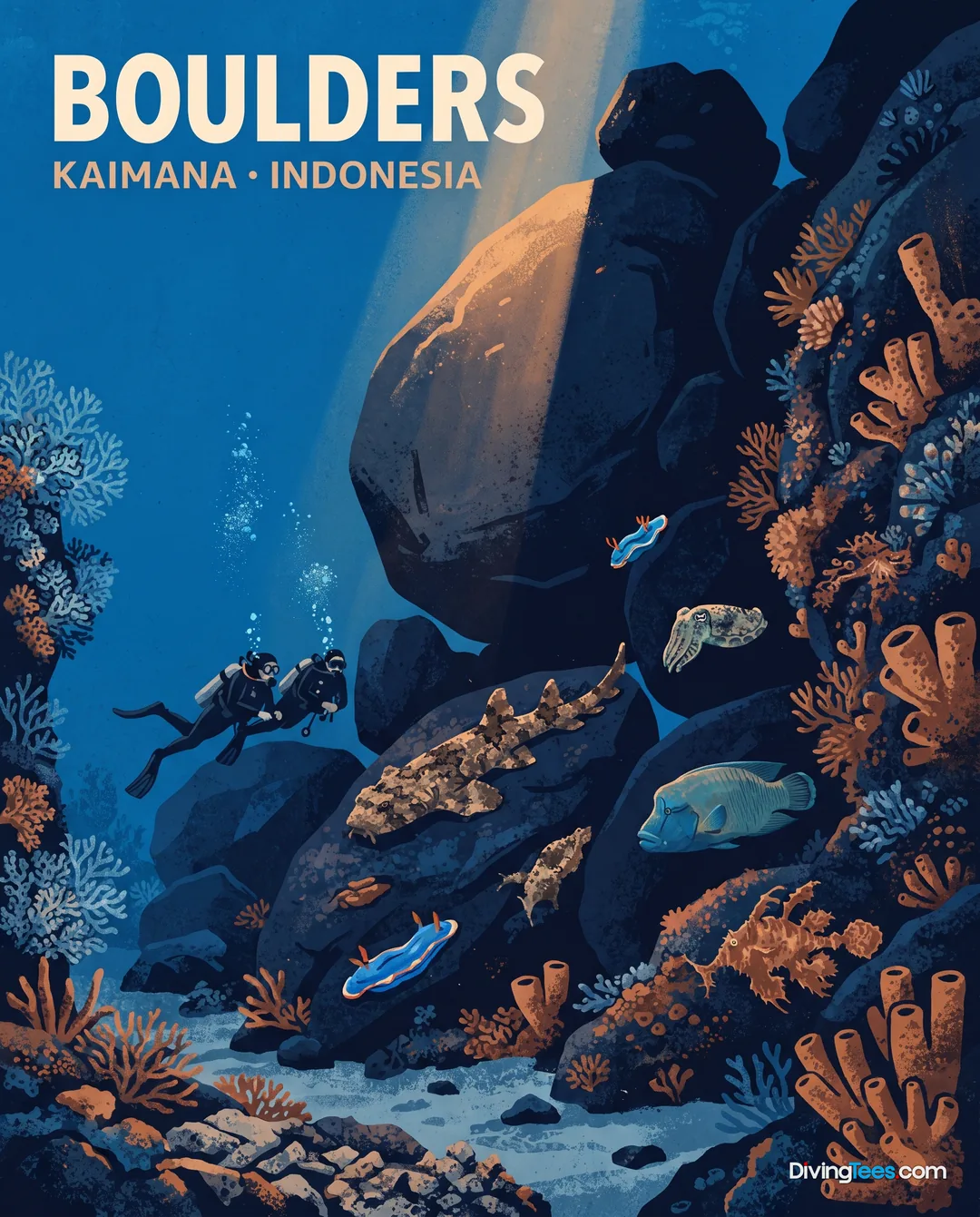
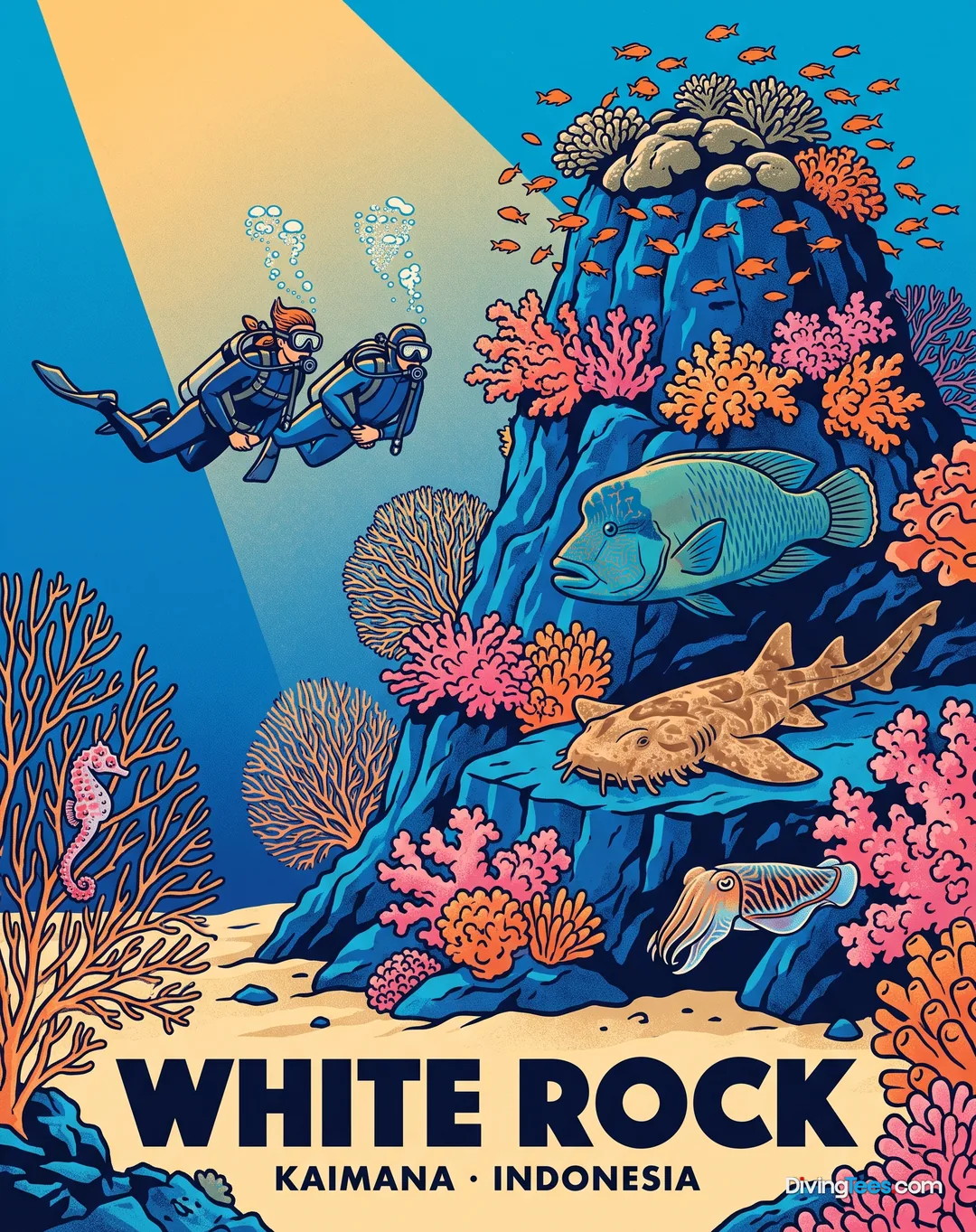
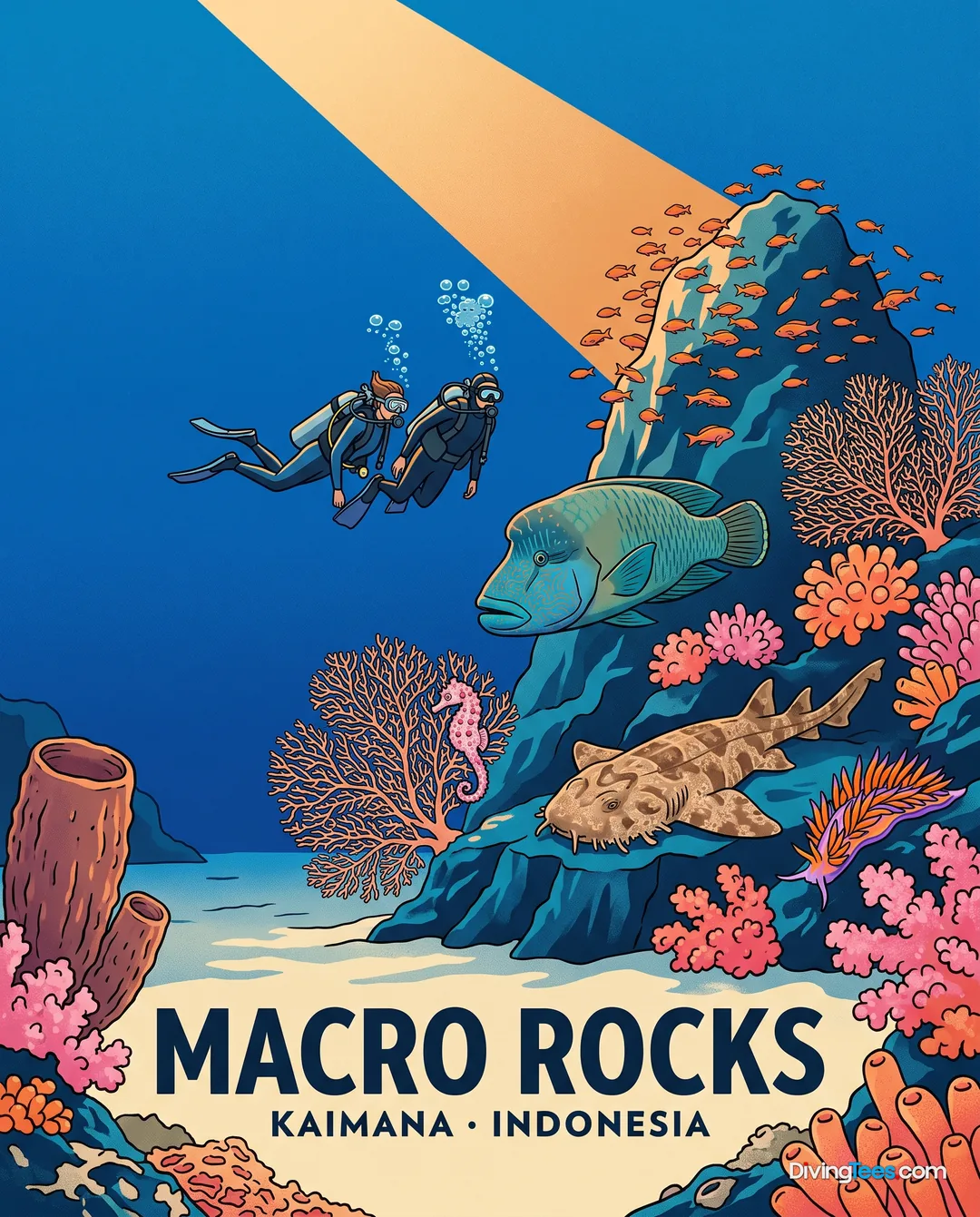
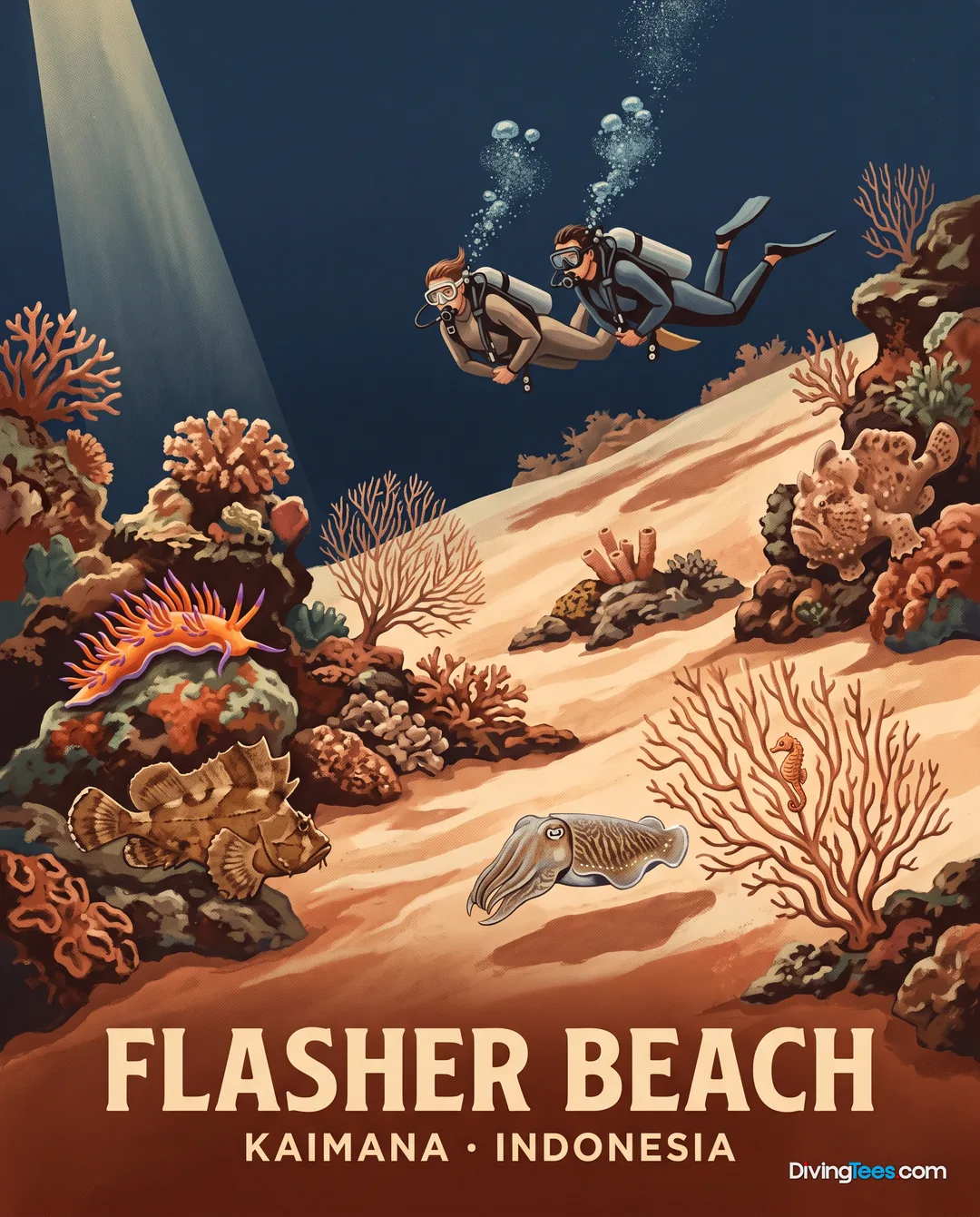
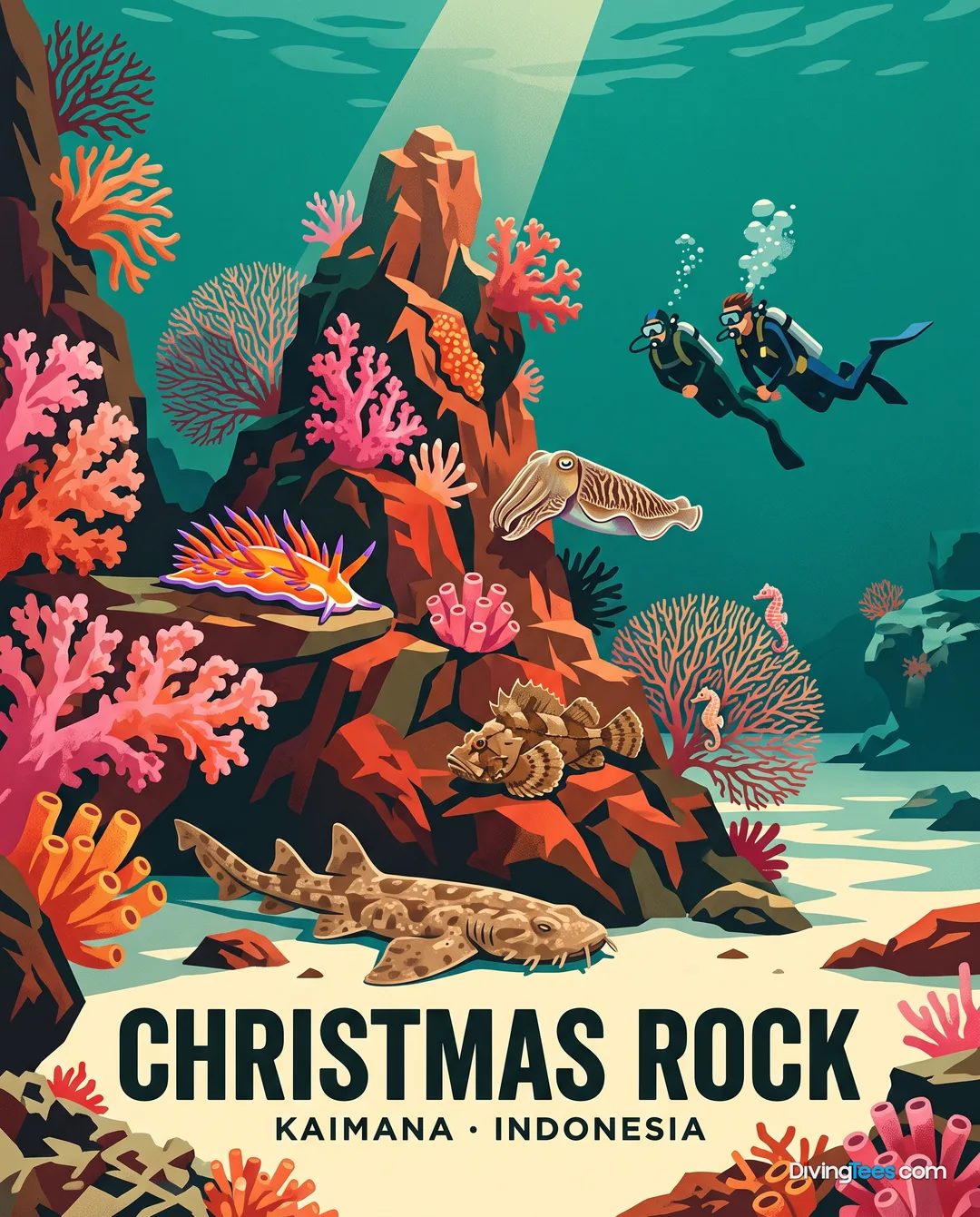
The Raja Ampat route brings sites where sheer abundance is the feature. At Cape Kri, large schools of emperors and fusiliers move over the reef with reef sharks and Napoleon wrasse; the site holds the world record of 374 fish species observed on a single dive. Melissa's Garden reaches a maximum of -35m among soft corals and staghorn formations, while Mike's Point reaches -40m around overhangs covered in soft corals, sweetlips and a plateau where eagle rays may pass. Blue Magic is known for schooling fish and oceanic manta rays. Triton Bay changes the emphasis to current, coral and small-life work. Saruenus Island is a strong-current drift through soft-coral gardens, with pelagic encounters possible. Bo's Rainbow reaches -16m across coral-encrusted boulders and sandy slopes; White Rock reaches -14m and is known for macro life, including frogfish; Macro Rocks reaches -20m over white sand and nudibranchs. Flasher Beach reaches -20m and is visited for late-afternoon flasher-wrasse displays, including the endemic P. Nursalim. Christmas Rock reaches -18m, with dense fish schools over soft-coral bommies. Other Triton Bay sites include Andy's Point, Batu Jatuh and Boulders, where current, boulders and coral bring larger fish alongside critters. Recorded itineraries include 10, 12 and 13 nights in Triton Bay, 11 or 12 nights in Raja Ampat, and 15 days linking Triton Bay with the Banda Sea.
What you’ll meet underwater
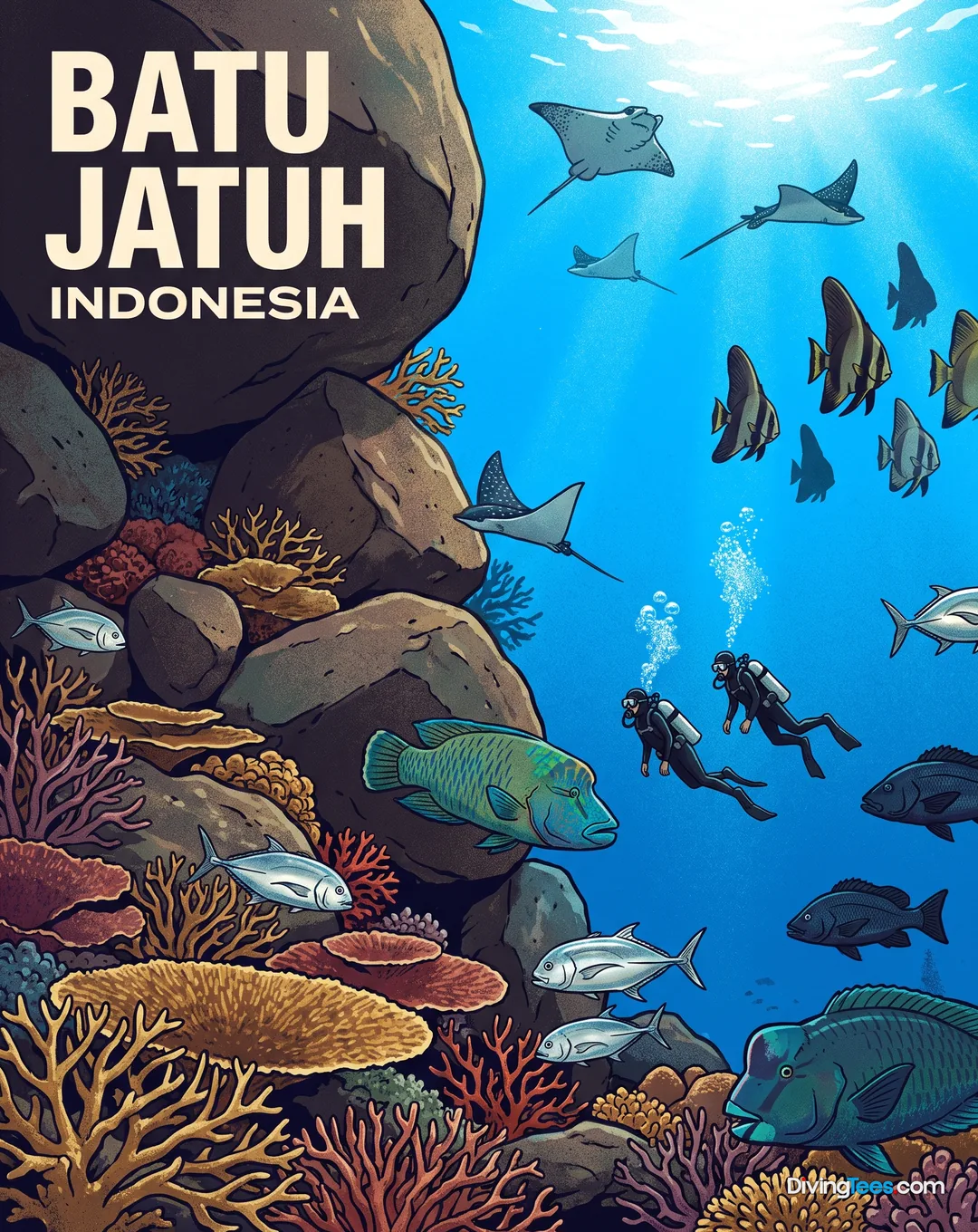
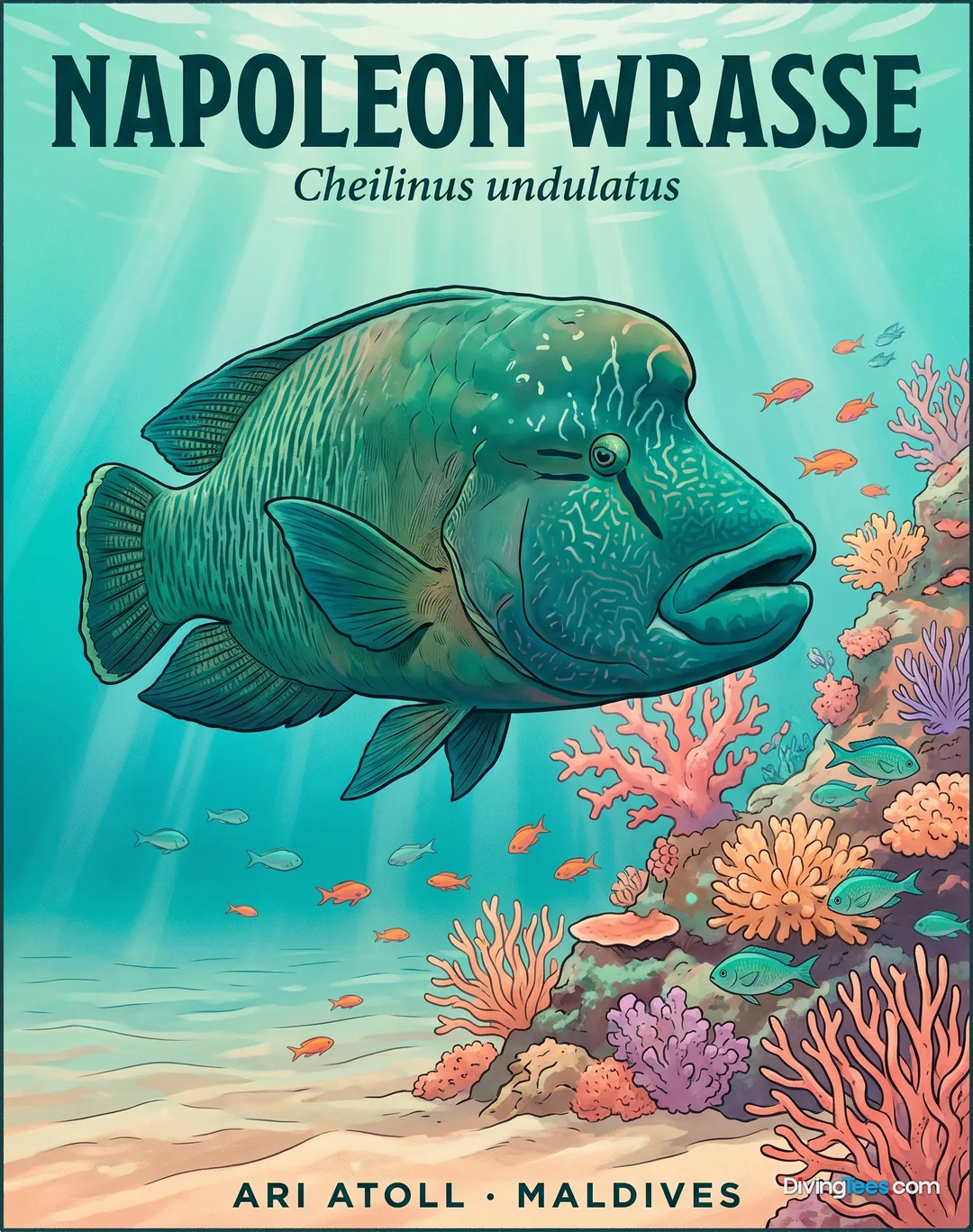
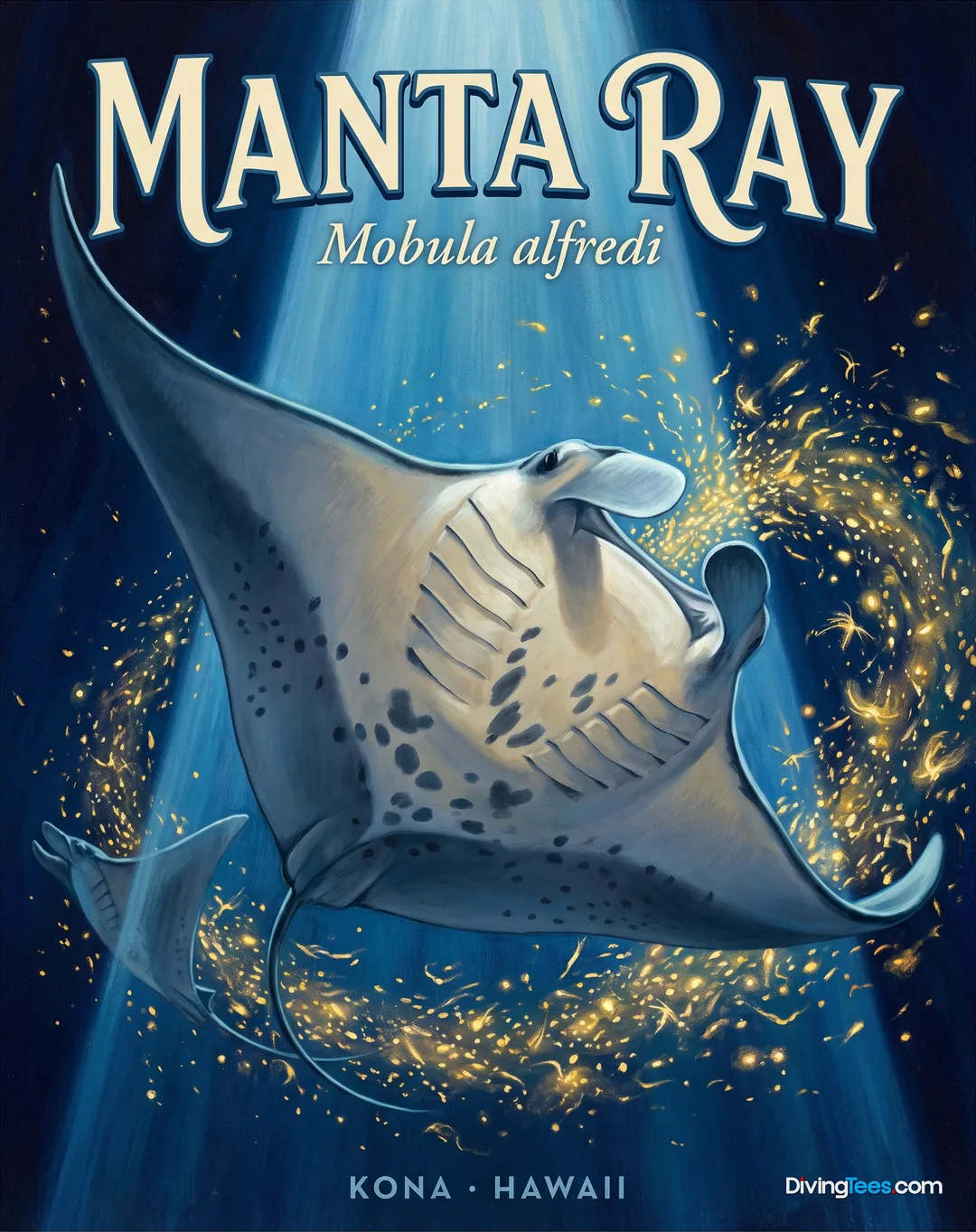
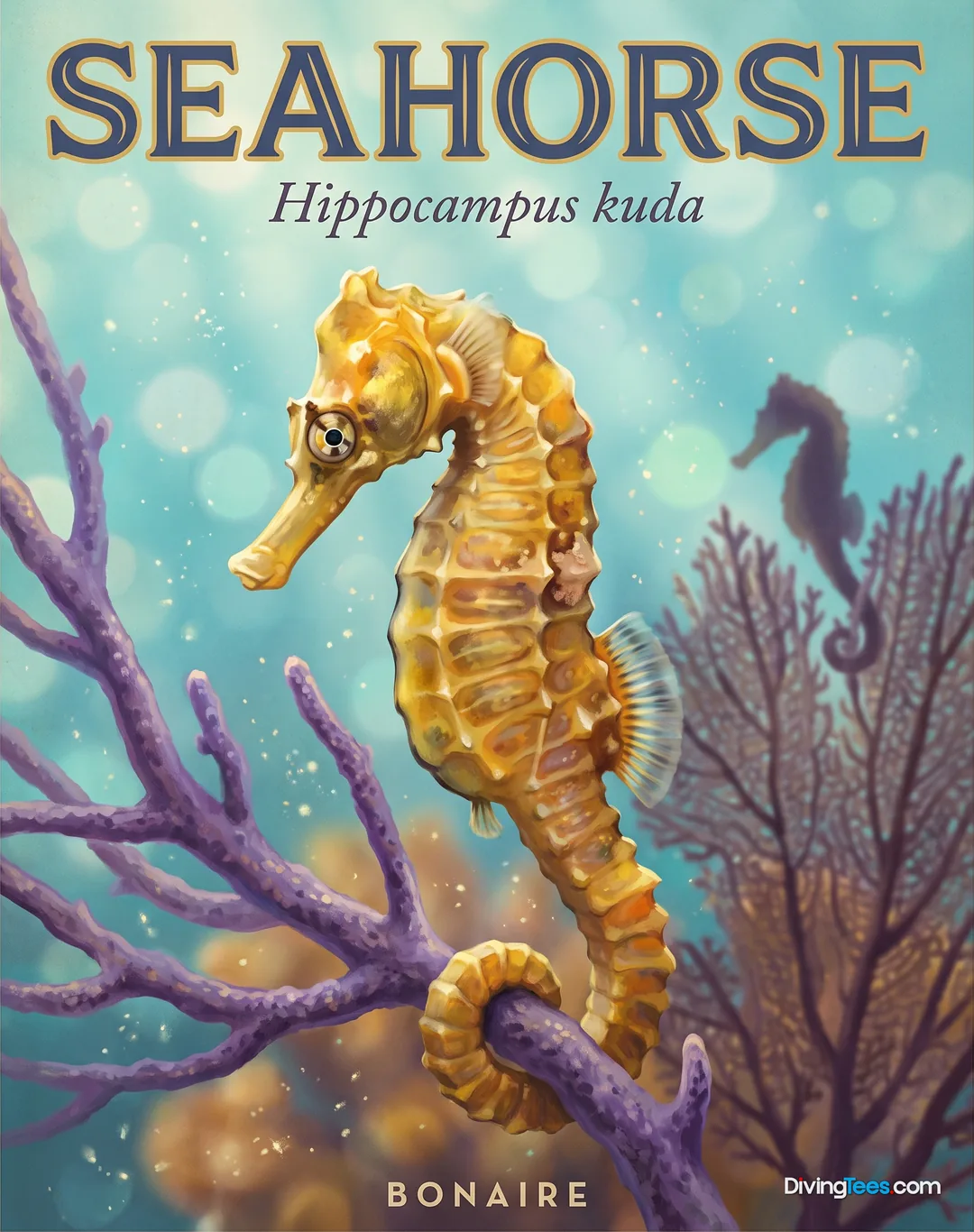
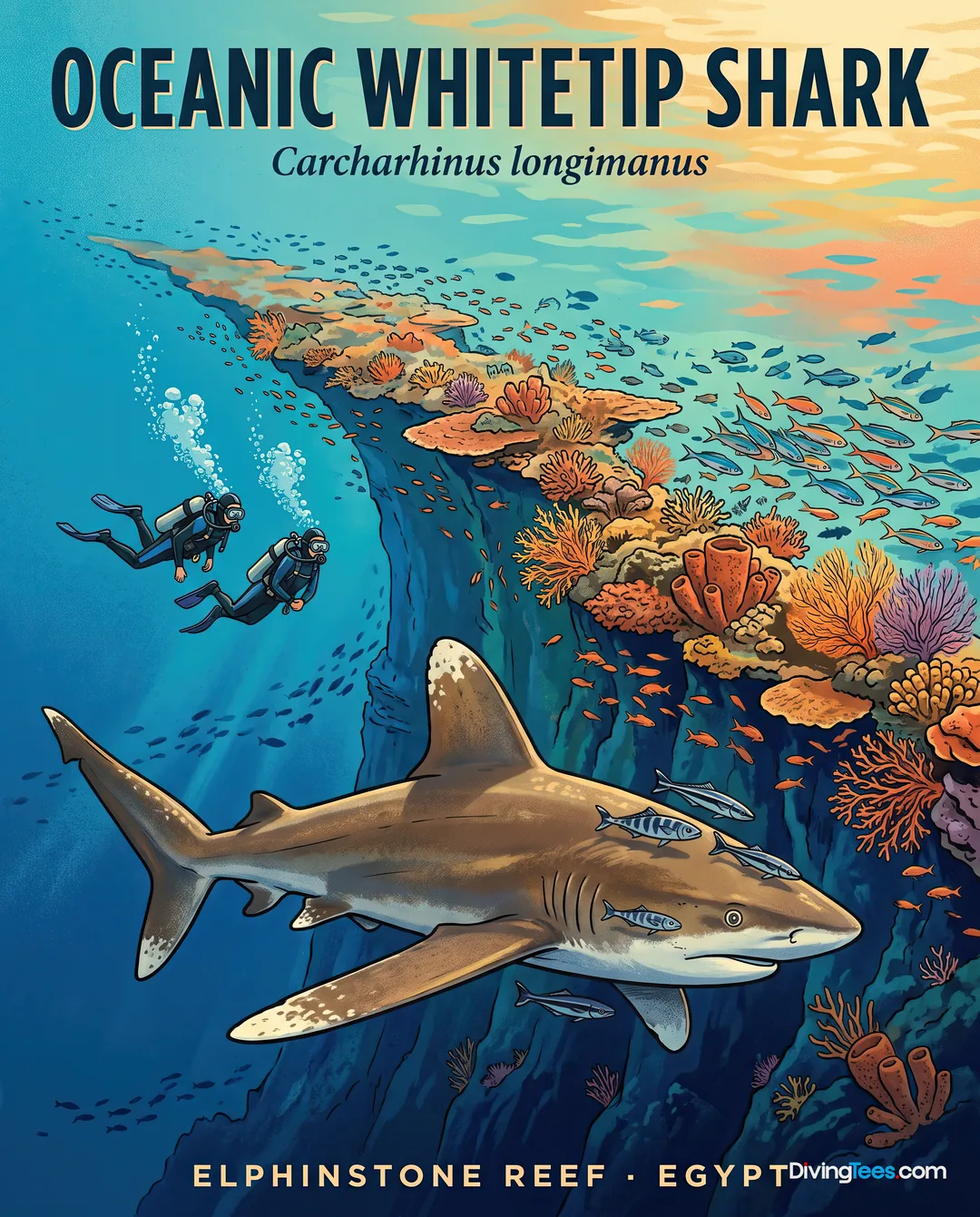
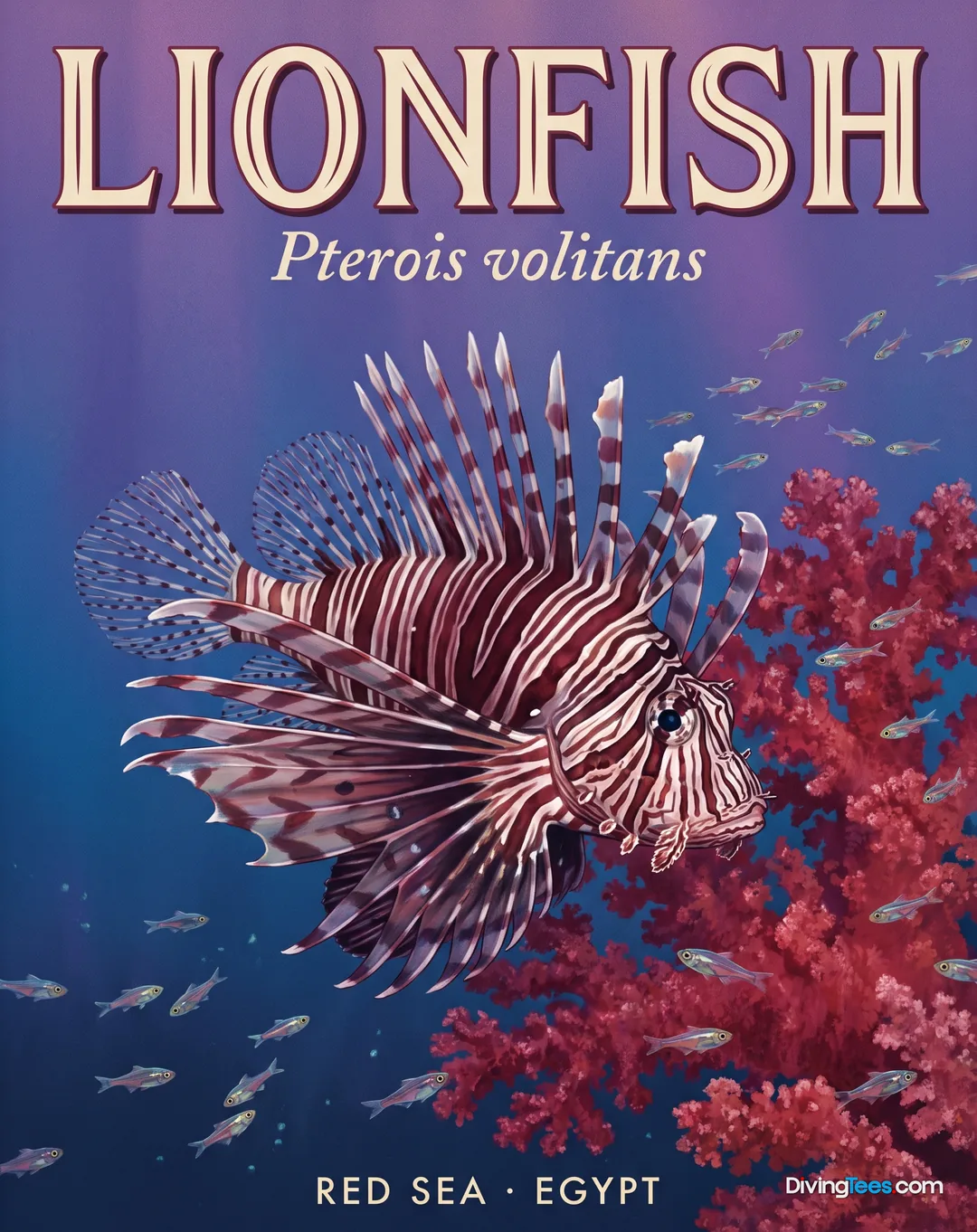
The recurring cast is broad: nudibranchs, fusiliers, pygmy seahorses, groupers, Napoleon wrasse, manta rays, trevallies, sweetlips, humphead parrotfish and snapper appear across several sites on the route. The reason to move between sites is the specialist sightings. Manta Sandy places reef mantas over cleaning stations, where divers and snorkelers can watch the animals hover while cleaner fish work. At Blue Magic, oceanic manta rays share the blue with schooling fish, giant trevally, dogtooth tuna and barracudas; an oceanic whitetip shark and tuna are recorded only there on this route. Cape Kri is the site for white-tip reef sharks. Saruenus Island brings strong current and the possibility of pelagics, while Andy's Point can put yellowfin barracudas and reef sharks into view. White Rock is the place for frogfish. Boulders concentrates glassfish, lionfish, moray eels and puffers among the boulders. Batu Jatuh is the site associated with batfish and manta or mobula rays, and Christmas Rock with surgeonfish. At Flasher Beach, the late-afternoon display is the attraction: several flasher-wrasse species court above the coral, including the endemic Triton Bay flasher wrasse. None of these encounters is guaranteed, but the route gives each one a specific reason to be there.

Who puts you in the water
The dive operation is led by an English-speaking cruise director and qualified dive guides, with the wider crew also speaking French, Spanish and Indonesian. The guides are described as calm, skilled and safety-focused, and site conditions are checked before each dive. Briefings come before the first entry and account for current and local conditions rather than treating every site as interchangeable. Groups are taken out in the three tenders, but a fixed guide-to-diver ratio, minimum logged-dive requirement and course programme are not given. The boat is therefore suitable for experienced divers and less experienced divers travelling with appropriate supervision, while demanding current sites still require honest self-assessment. A maximum of four dives can be offered in a day: three day dives and a night dive, except on the first and last days and while steaming. Safety equipment includes first-aid kits, fire alarms and extinguishers, life rafts, VHF and satellite communications, with an AED on board.
The dive deck and the gear
The shaded dive deck is organised for repeated entries, with gear storage, deck showers, a platform and separate camera rinsing. Two compressors fill 24 aluminium 12-litre tanks, and DIN adapters are available. Nitrox is available as a paid extra; a rebreather can be supported, and 15-litre tanks are an optional rental subject to availability. Rental equipment is available on board, including full sets, regulators, BCDs, wetsuits, computers, lights and snorkelling gear. Divers reach the sites through three tenders: two 6.5-metre twin-engine fiberglass boats carrying up to six divers each, plus a single-engine boat for up to four. That spreads groups across the water and avoids loading the whole operation into one tender. The boats use centre consoles, and the main dive platform keeps the final step into the water straightforward. A working camera table is provided in the salon for preparation and editing, while the separate rinse area protects cameras from the general gear flow.
Between dives
Between dives, the boat gives guests several different kinds of space instead of one crowded salon. The shaded aft lounge on the upper deck is suited to a long surface interval, while the day beds near the wheelhouse catch the breeze and keep the horizon open. The large sun deck has lounge chairs and day beds and can also become the outdoor dining area. A camera workspace in the salon provides a practical place to prepare and edit images, with separate camera rinsing to keep salt and general dive gear apart. When the boat is anchored, kayaks and stand-up paddleboards take guests towards beaches, mangroves and quiet bays; the tenders can also be used for exploring the coast. On a non-dive afternoon, the choice is simple: stay in the shade, take a kayak, join a shore excursion or watch the islands slide past from the upper deck. Massage and laundry are available as paid extras.
A day on board
A normal diving day starts with the first briefing before the first day dive, then moves through three day dives when the itinerary and conditions allow. Meals and snacks sit around those entries, with the shaded deck and upper lounge doing the work of the surface interval: rinse, log, eat, watch the tender return and prepare again. The boat may get underway between sites or remain anchored while the group explores a reef, beach or mangrove by kayak and tender. The final dive can be a night dive, bringing a different pace to the same deck and a different set of eyes to the reef. There are exceptions on the first and last days and whenever the boat is steaming, so four dives is an offer, not a promise. On routes such as Raja Ampat and Triton Bay, the day is shaped less by a clock than by current, sea state and the distance to the next site. Then dinner closes the working part of the day, and the boat starts again.
What you eat aboard
The galley is run as a professional kitchen, with buffet meals, local Indonesian dishes and Western cooking alongside vegetarian and vegan options. Full board includes four meals, with snacks, tea, coffee and drinking water available between them; alcohol is separate, with beer and wine available on board. A dinner can be ordered à la carte, and when the anchorage allows, the kitchen moves outside for a beach barbecue. Fine wines have a proper place here rather than being an afterthought. That matters on a boat offering up to four dives: meals need to be plentiful, varied and easy to fit around briefings, tenders and surface intervals. The dining room is air-conditioned, but outdoor dining is available on deck when the evening is calm. The food is one of Seven Seas's clearest distinctions from a purely functional dive platform: divers return hungry, eat well, and can still be ready for the next entry.
Nights at sea
The cabins are on the upper, middle and lower decks, with double, single and bunk-bed categories. Each has air conditioning, a private bathroom, hot and cold water, a full-sized WC and a hairdryer; the double cabins use king-size beds and the twin cabins have large single beds. The two upper-deck doubles are the choice for wider views through their standard windows. Below, the cabin experience is more enclosed and closer to the machinery and working parts of a liveaboard, though the engine room is separated by an insulated isolation wall. The indoor lounge and dining room are air-conditioned, and their windows can be opened when the breeze is better than the compressor of the climate system. Outside, shaded day beds on the upper decks provide somewhere to sit without retreating indoors. The cabins are finished to a high standard, but the real luxury is having a private bathroom after a day of repeated salt-water rinses.
Bunk Beds (1 & 2)
Single Cabins (3 & 4)
Double Cabin (5 & 6)
Upper Deck Double Cabin (7 & 9)
What to know before boarding
The recorded routes use several embarkation and disembarkation ports: Sorong to Sorong for Raja Ampat, Kaimana to Kaimana for Triton Bay, Kaimana to Ambon for the Triton Bay and Banda Sea voyage, and Labuan Bajo to Sumbawa Besar for the Komodo and Sumbawa whale-shark route. Return airport transfers on embarkation and disembarkation days are included from the designated airport to the boat and back. Domestic flights and local transfers outside those arrangements are separate. Arriving the night before departure is the sensible choice, especially for routes reached by domestic flight.
Deck plan
- Length
- 45 m
- Beam
- 8 m
- Maximum number of passengers
- 14
- Number of cabins
- 8
- Number of bathrooms
- 8
- Engines
- Mitsubishi 8M22 450 hp V8
- Cruising speed
- 8 knots
- Tenders
- 2 × fibreglass tenders and 1 × RIB
- Website
- thesevenseas.net ↗
Hello, I'm Marina, DivingDeal.com's AI assistant. I answer in detail about hotels, dive centres and liveaboards.

Thinking about the whole trip and the flights? Talk it over with Edith →
Marina is an AI. Some links are affiliate links: DivingDeal may earn a commission, at no extra cost to you. Bookings are made with the partner.