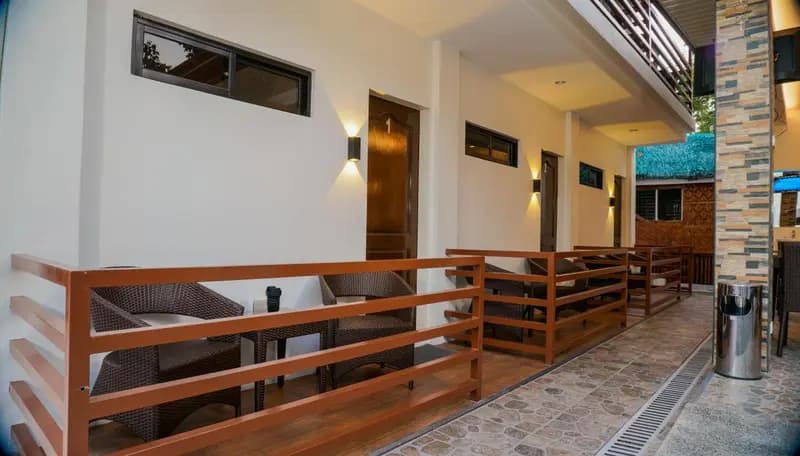
Amigos Dauin Hostel
★ 9.6/10 (239 reviews)
8.8 km away as the crow flies
Dive centre · Dauin · Philippines
4.5206 Google reviewsDive directly from a black volcanic sand beach into the vibrant reefs of Apo Island using the Blanco boat.
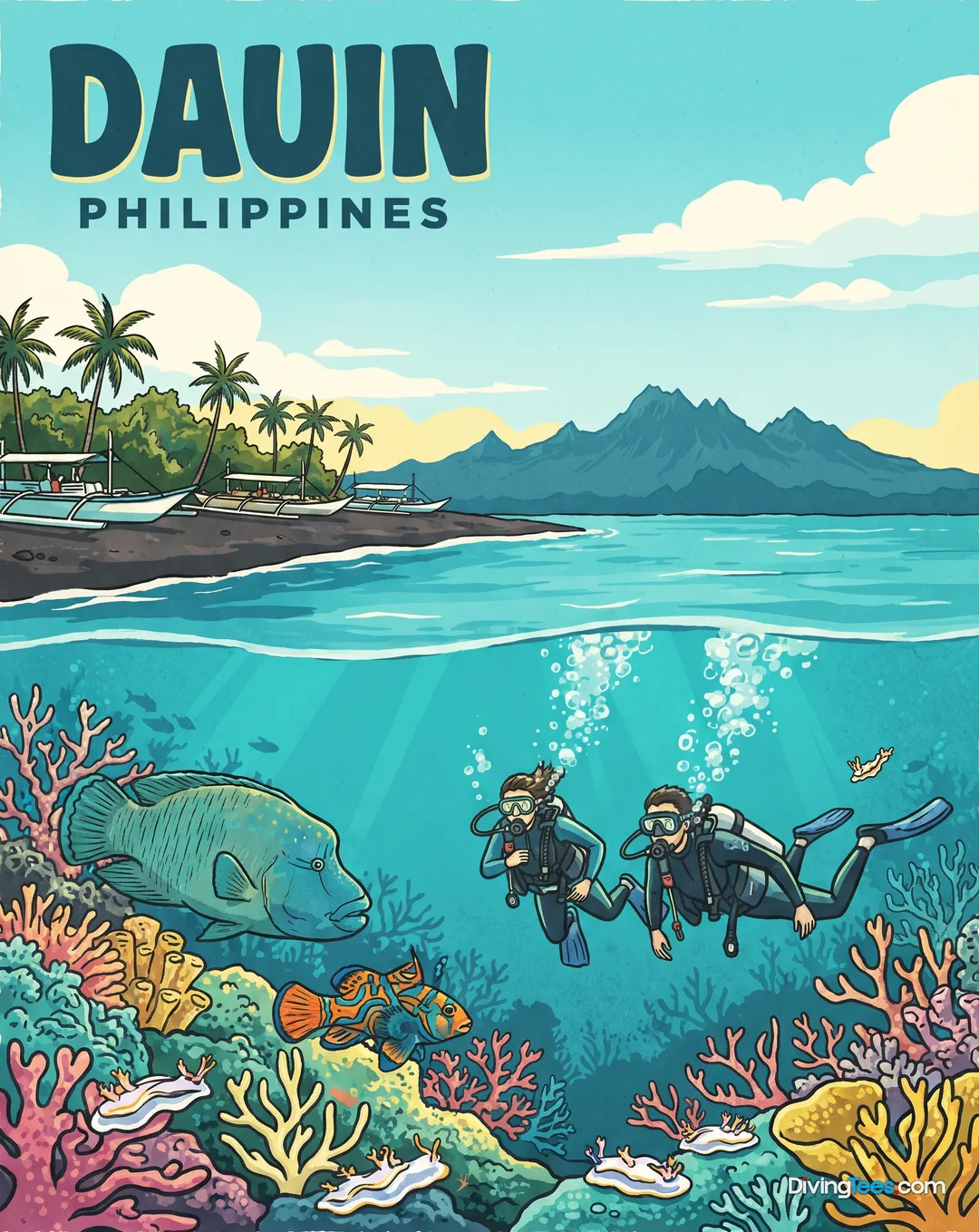
Mahi Mahi Dive Resort is situated on the edge of the sea in Zamboanguita, positioned perfectly to face the waters of Apo Island. Since its establishment in 2018, the resort has provided a dedicated base for divers looking to explore the unique underwater landscapes of Negros Oriental, including sites shaped by local geothermal activity.
The resort is set against a backdrop of black volcanic sand and tropical palms, offering a direct connection to the reef. It serves as a practical hub for those wanting to explore both the shallow reef flats and the deeper walls and drop-offs that characterise this region of the Philippines.
The centre operates as an SSI affiliated diving facility, providing a structured environment for both recreational divers and those looking to progress through their training. The team focuses on a wide range of skills, from basic entry-level courses to advanced specialties.
Instructional offerings include a variety of professional development and safety-oriented paths, such as the Dive Guide Course and the Diver Stress and Rescue Specialty Course. This ensures that divers can refine their skills or prepare for a career in the industry within a professional setting.
The centre offers a comprehensive SSI course catalogue. For those new to the water, the Try Scuba Diving and Open Water Diver courses provide the essential foundation. For those looking to build on their experience, the Advance Adventurer and various specialty courses are available.
Specialised training includes the Nitrox Specialty Course, Deep Specialty Course, Navigation Specialty Course, and the Night and Limited Visibility course. More technical or professional paths include the Science of Diving Specialty Course, the React Right Specialty Course, and the Dive Guide Course.
The Blanco boat is the primary vessel used for excursions, with a capacity for 10 divers. It provides access to the diverse dive sites surrounding Apo Island, including the deeper walls and current-swept points.
Nitrox is available for use on the boat, allowing for extended bottom times on multi-dive days. The vessel is equipped to handle various dive types, including night dives, ensuring you can experience the reef after sunset.
On-site facilities include a 3-metre deep swimming pool, which is an ideal space for buoyancy practice or skill refreshers before heading out to the boats. The centre is equipped to support various training needs and provides a base for preparing for daily dives.
Nitrox is available on-site for divers looking to optimise their nitrogen loading. The resort also provides modern, air-conditioned accommodation with WiFi, a minibar, and hot showers to ensure you can recover comfortably between dives.
Largahan (Apo Island) is a premier site for macro enthusiasts, featuring a variety of nudibranchs and frogfish amidst a unique landscape of black sand and geothermal bubbles. The site is known for its fantastic visibility throughout the year.
Chapel (Apo Island) offers a diverse topography, starting with a gentle coral slope that leads to a steep wall with overhangs and small caverns. It is a prime location to see turtles, sea snakes, and occasionally thresher sharks in the blue.
Coconut Point (Apo Island) is a site for advanced divers due to the strong currents present. The large slope and rocky cliffs attract significant pelagic life, including jacks, snapper, and occasionally whale sharks.
Cogon Point (Apo Island) is another advanced site where strong currents create interesting drift dives. Divers can explore a slope that transitions into a pronounced wall, often home to manta rays and reef sharks.
And some of the dive sites the centre runs.
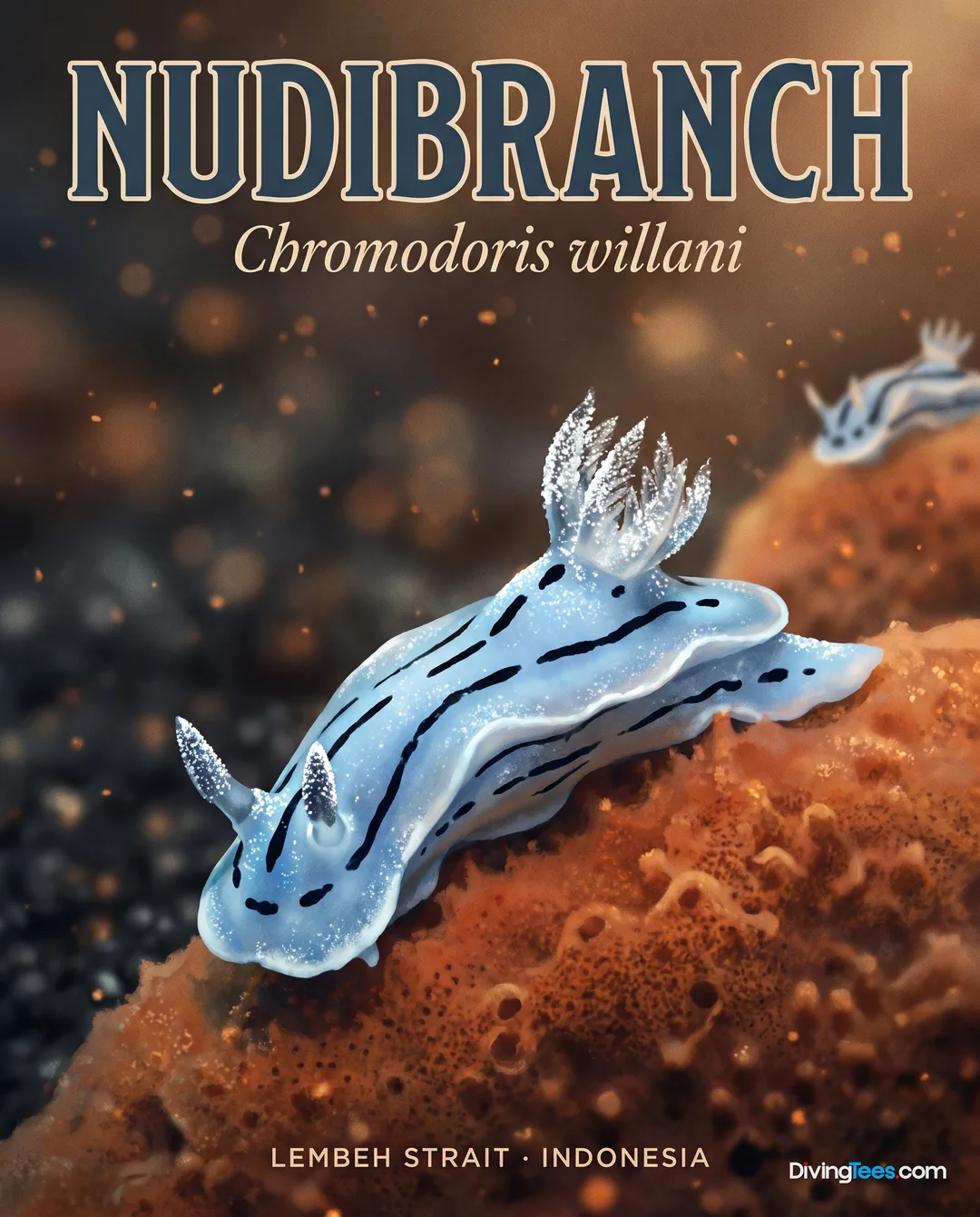
The macro life at Mahi Mahi is exceptional, particularly for those with a keen eye for detail. You will find a wide array of nudibranchs, flatworms, frogfish, scorpionfish, and various species of eels. The black volcanic sand and coral crevices also host blue-ringed octopus, flamboyant cuttlefish, and wonderpus.
On the larger scale, the reefs are frequented by turtles, sea snakes, and lobsters. Schools of jacks, snappers, and groupers are common sights along the walls, while humphead wrasses and batfish add colour to the reef structure.
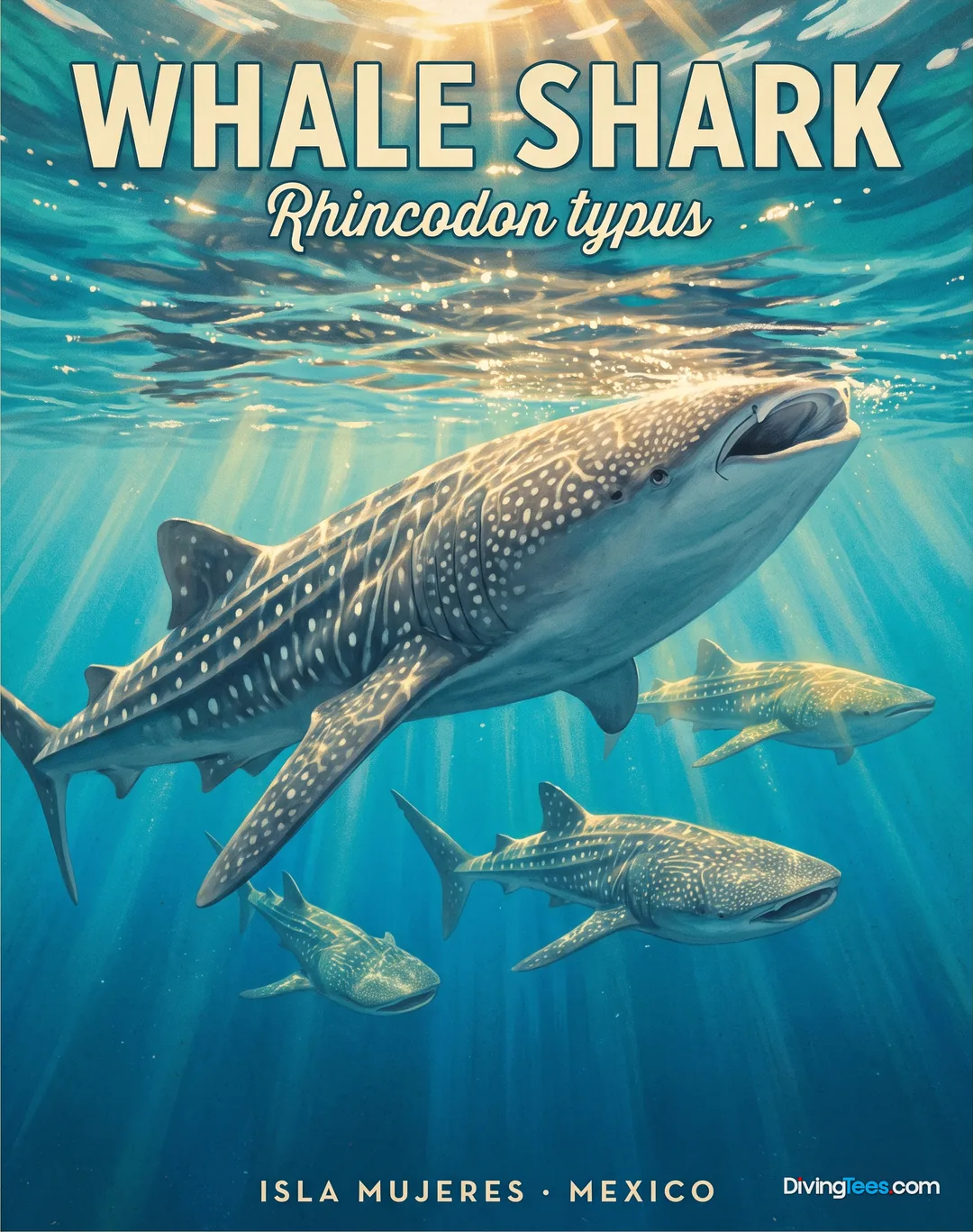
The surrounding waters are also home to larger pelagics. Depending on your luck, you may encounter reef sharks, manta rays, or even whale sharks. At sites like Coconut Point and Mamsa Point, the currents bring in large schools of jacks and tuna, and occasionally larger predators.
Diving conditions in the area vary significantly depending on the specific site. While some sites like Katipanan offer low currents suitable for beginners, others such as Coconut Point and Mamsa Point are subject to very strong currents that require advanced experience.
The region is generally accessible year-round, as there is no true rainy season or significant typhoon activity that typically disrupts diving in this area.
Hello, I'm Marina, DivingDeal.com's AI assistant. I answer in detail about hotels, dive centres and liveaboards.

Thinking about the whole trip and the flights? Talk it over with Edith →
Marina is an AI. Some links are affiliate links: DivingDeal may earn a commission, at no extra cost to you. Bookings are made with the partner.
★ 9.6/10 (239 reviews)
8.8 km away as the crow flies
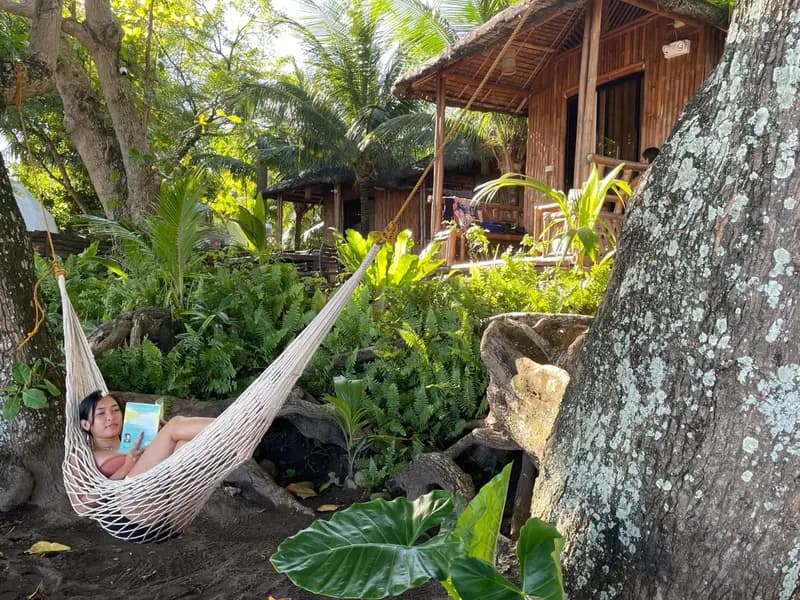
★ 9.3/10 (238 reviews)
7.7 km away as the crow flies
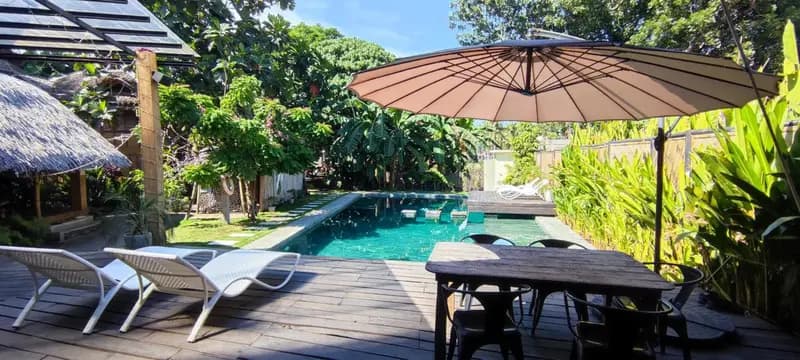
★
★ 9/10 (202 reviews)
8.1 km away as the crow flies
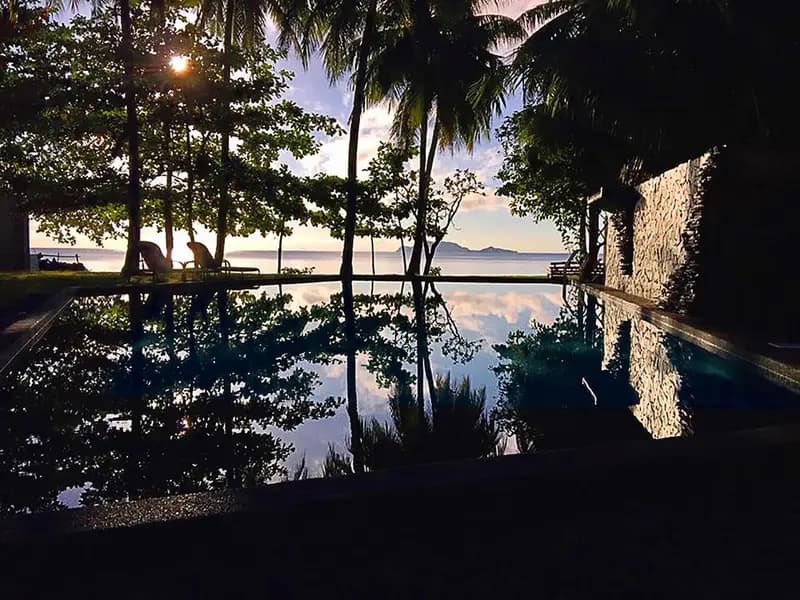
★★★★
★ 8.7/10 (218 reviews)
less than 1 km away as the crow flies