
Dauin Diving Center
Google 5/5 (173 reviews)
Dauin · Philippines · Asia
Max. depth · 30 mDauin's House Reef offers a unique blend of sandy muck areas and vibrant coral slopes, providing diverse habitats for macro life and frequent green sea turtle encounters.
For subtitles in English: start the video firstthen click the gearat the top right of the video, select “Subtitles/CC”, then “Auto-translate” and choose “English”.
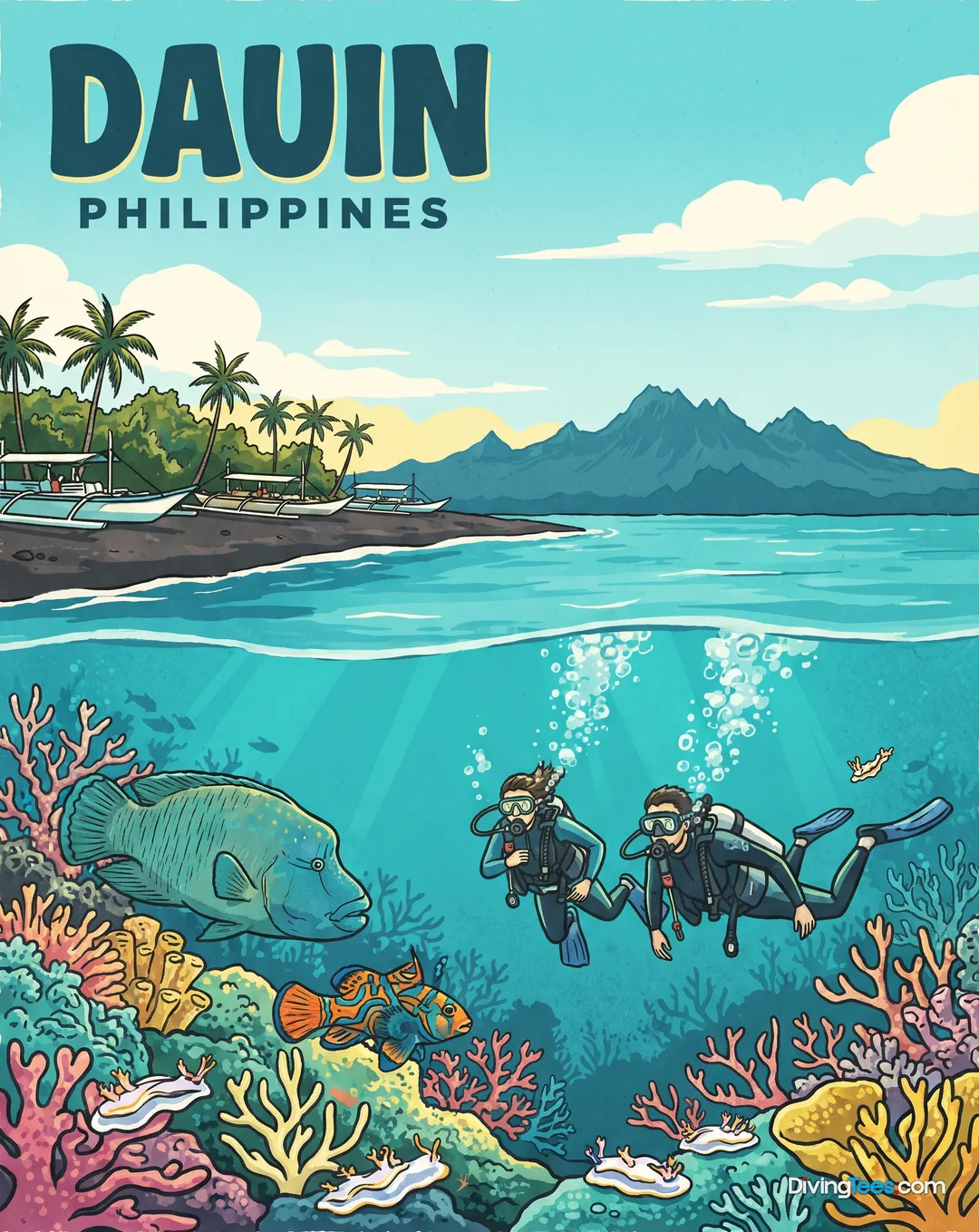
Dauin's House Reef, also known as Atmosphere House Reef, begins directly from the shore with a gentle sandy and seagrass slope. This initial section, extending down to about 5 to 7 metres, sets the stage for the dive, allowing for a comfortable entry and immediate immersion into the coastal ecosystem. The transition from sand to reef is gradual, providing a smooth profile as you move deeper, with the light shifting subtly as the water column increases above you.
Beyond the initial sandy expanse, the topography changes to a slightly steeper slope composed of mixed hard and soft corals, interspersed with sponges and occasional sandy patches. This varied structure creates a complex environment, fostering a high density of marine life. You'll find yourself navigating through intricate coral formations that serve as shelter and hunting grounds for countless smaller creatures, making every metre of the descent a new discovery.
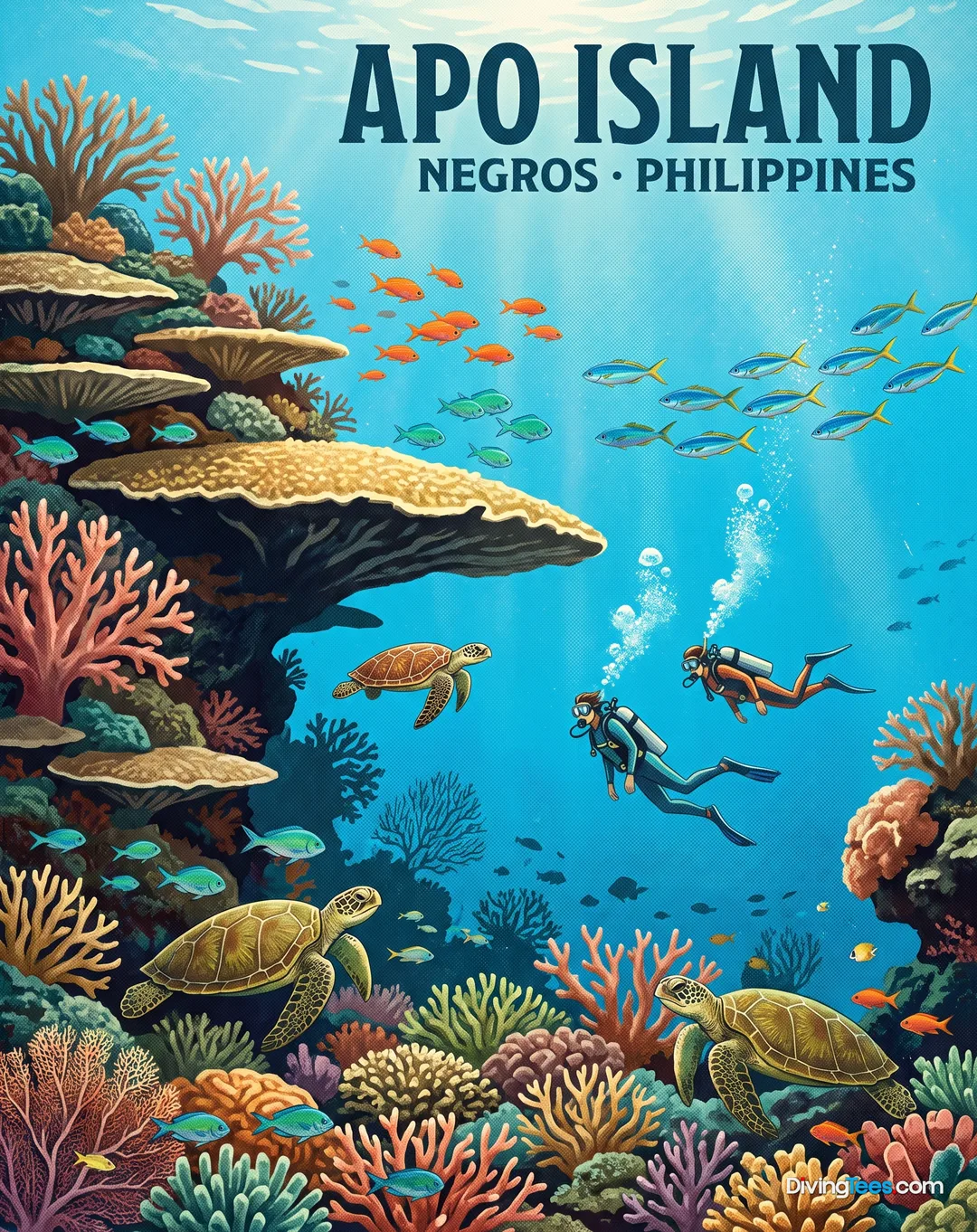
The site is particularly noted for its resident green sea turtles (Chelonioidea), which are frequently encountered grazing peacefully on the corals or gliding effortlessly through the water. These interactions are a highlight, offering a chance to observe these ancient mariners in their natural habitat without disturbance. Their presence underscores the health of the reef and the effectiveness of its designation as a coastal sanctuary, providing a quiet majesty to the dive.
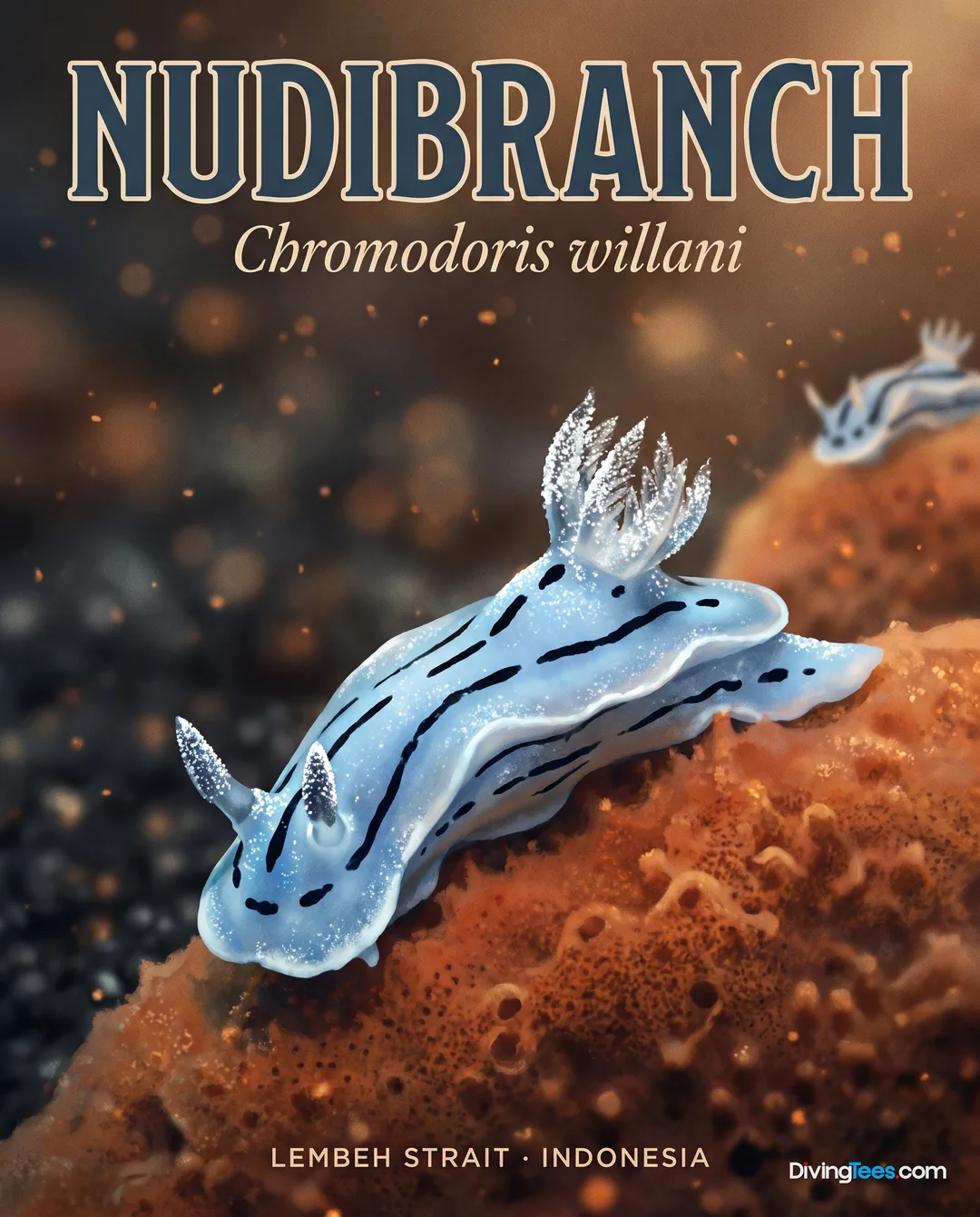
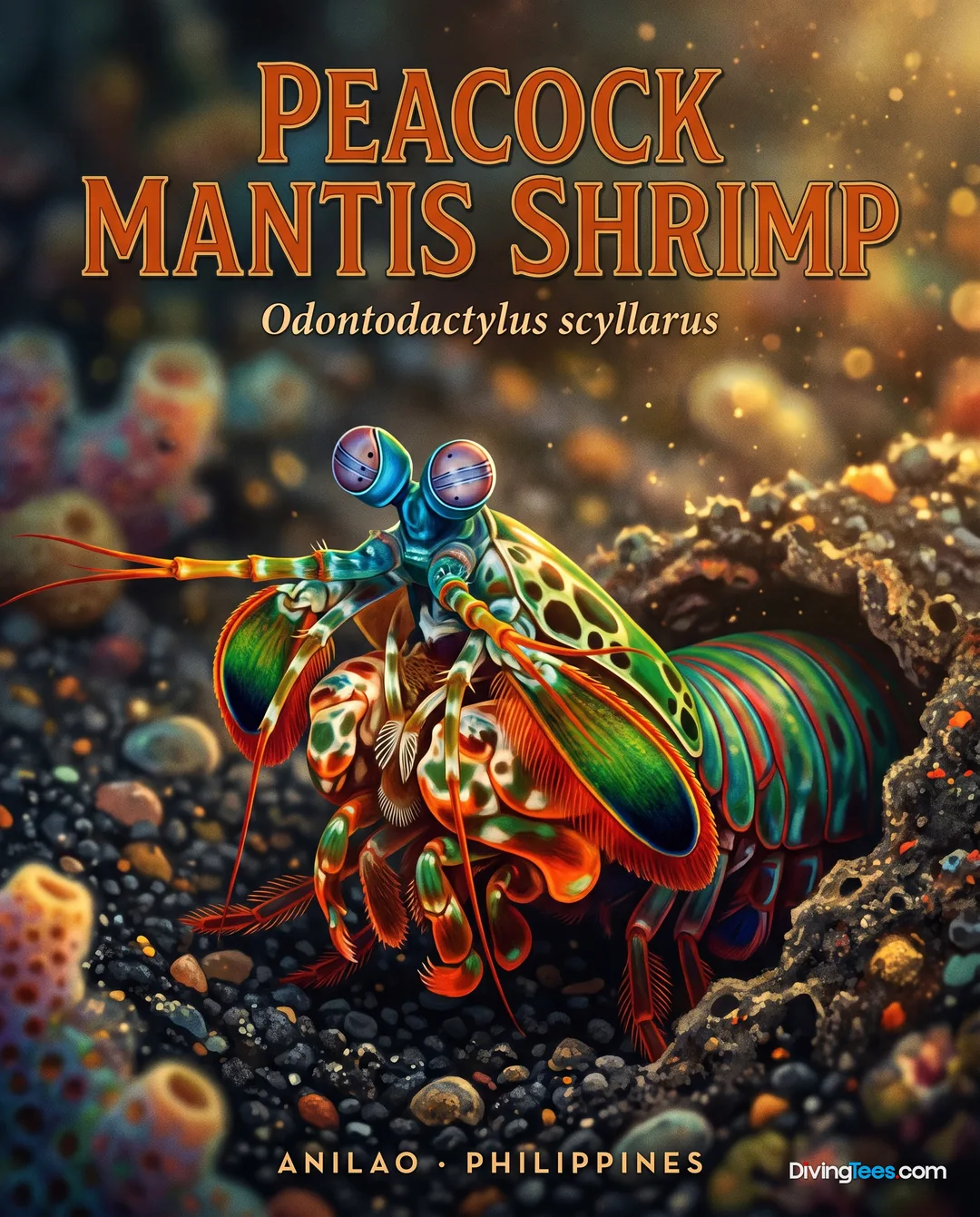
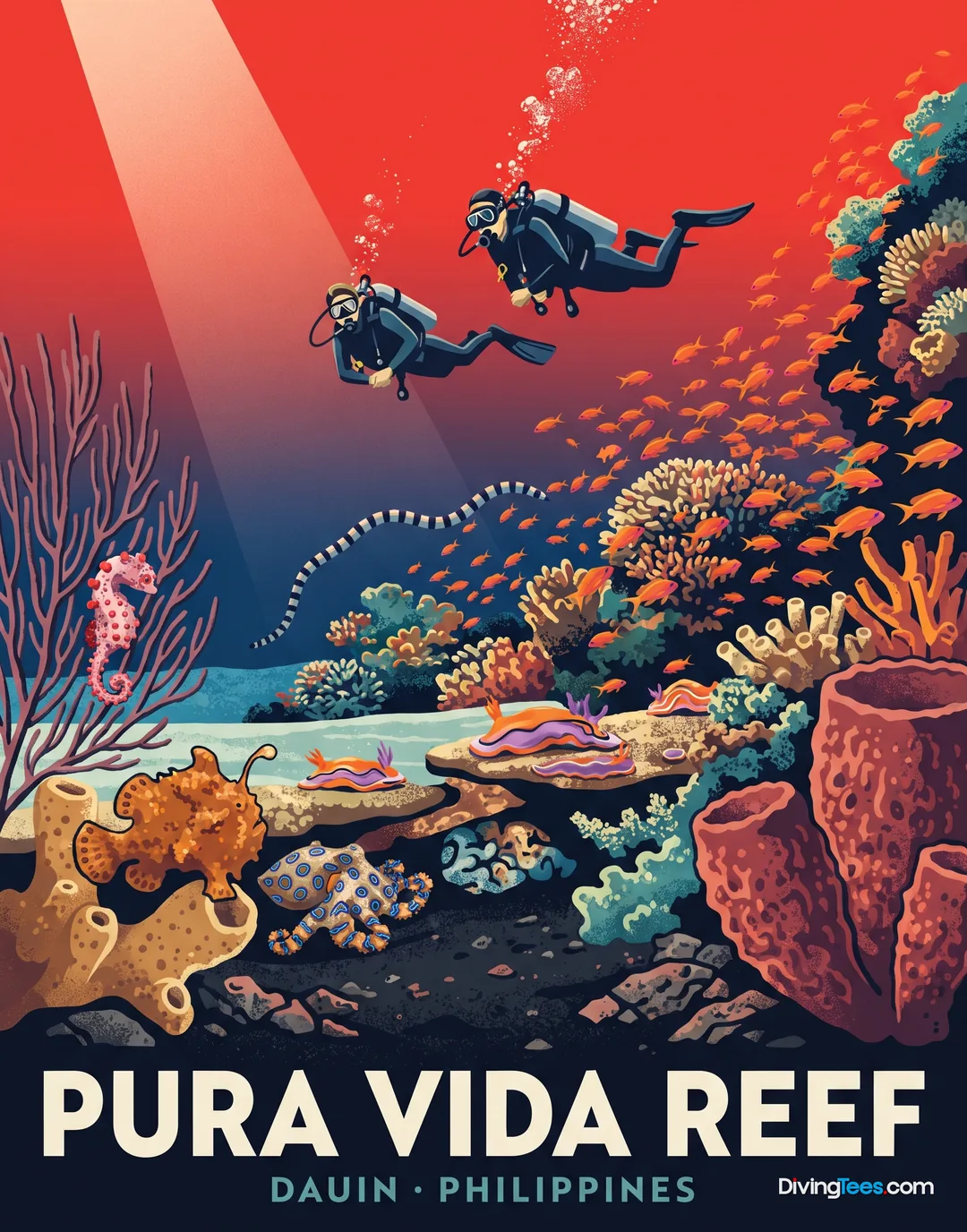
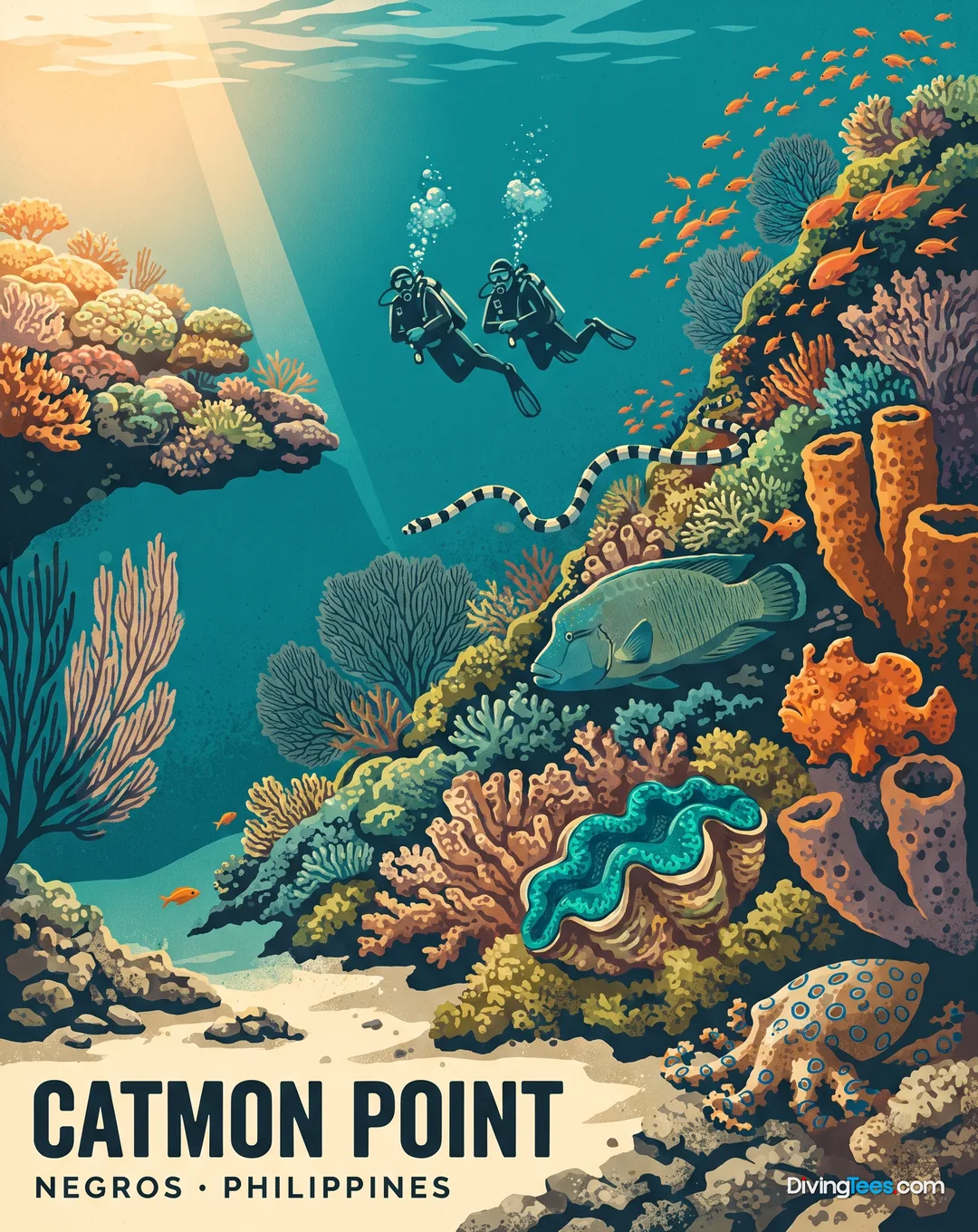
As you explore the reef, the sheer variety of smaller inhabitants becomes apparent. The House Reef is a prime location for macro photography and critter identification, with species like frogfish, mantis shrimp, various crabs and shrimps, and numerous nudibranchs. These creatures often blend seamlessly with their surroundings, requiring a keen eye and a patient approach to spot them in their intricate coral and sandy hideaways.
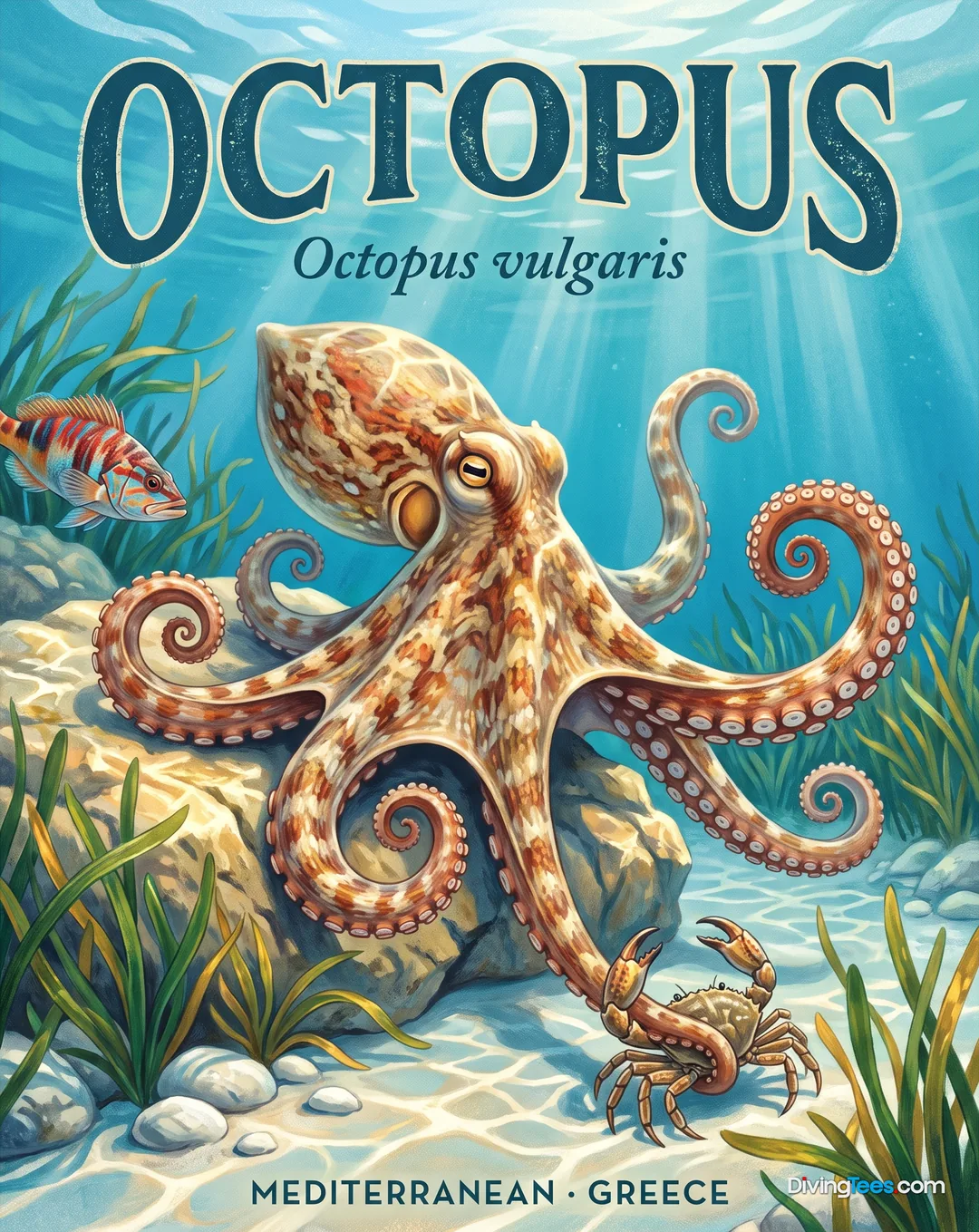
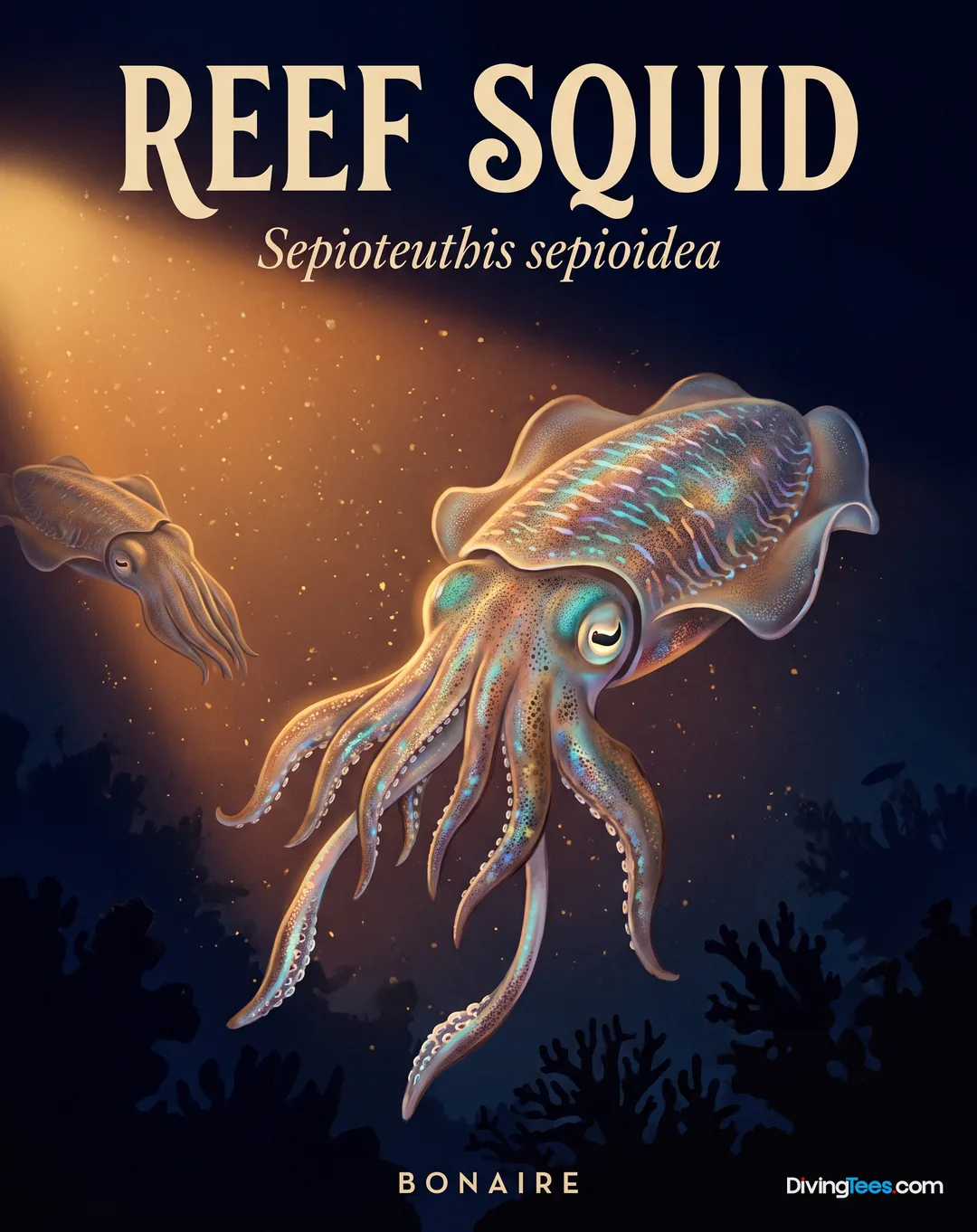
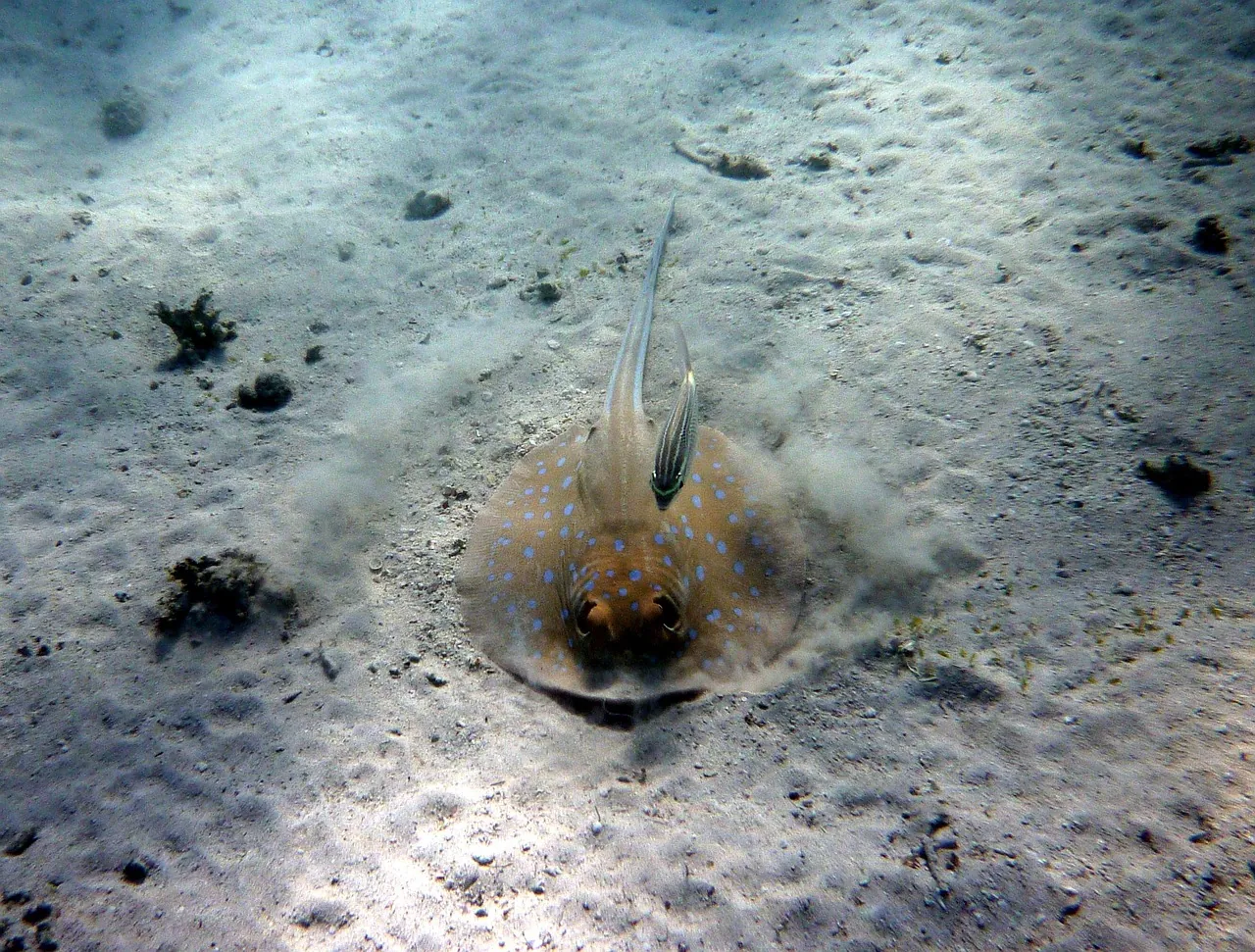
The blend of muck-style sandy areas with a rich coral slope makes this site unique, offering distinct habitats within a single dive profile. This duality allows for observation of both the larger reef inhabitants and the specialized macro life that thrives in the sand. You might find an octopus or cuttlefish camouflaged against the bottom, or a scorpionfish waiting in ambush among the corals, showcasing the site's rich biodiversity.
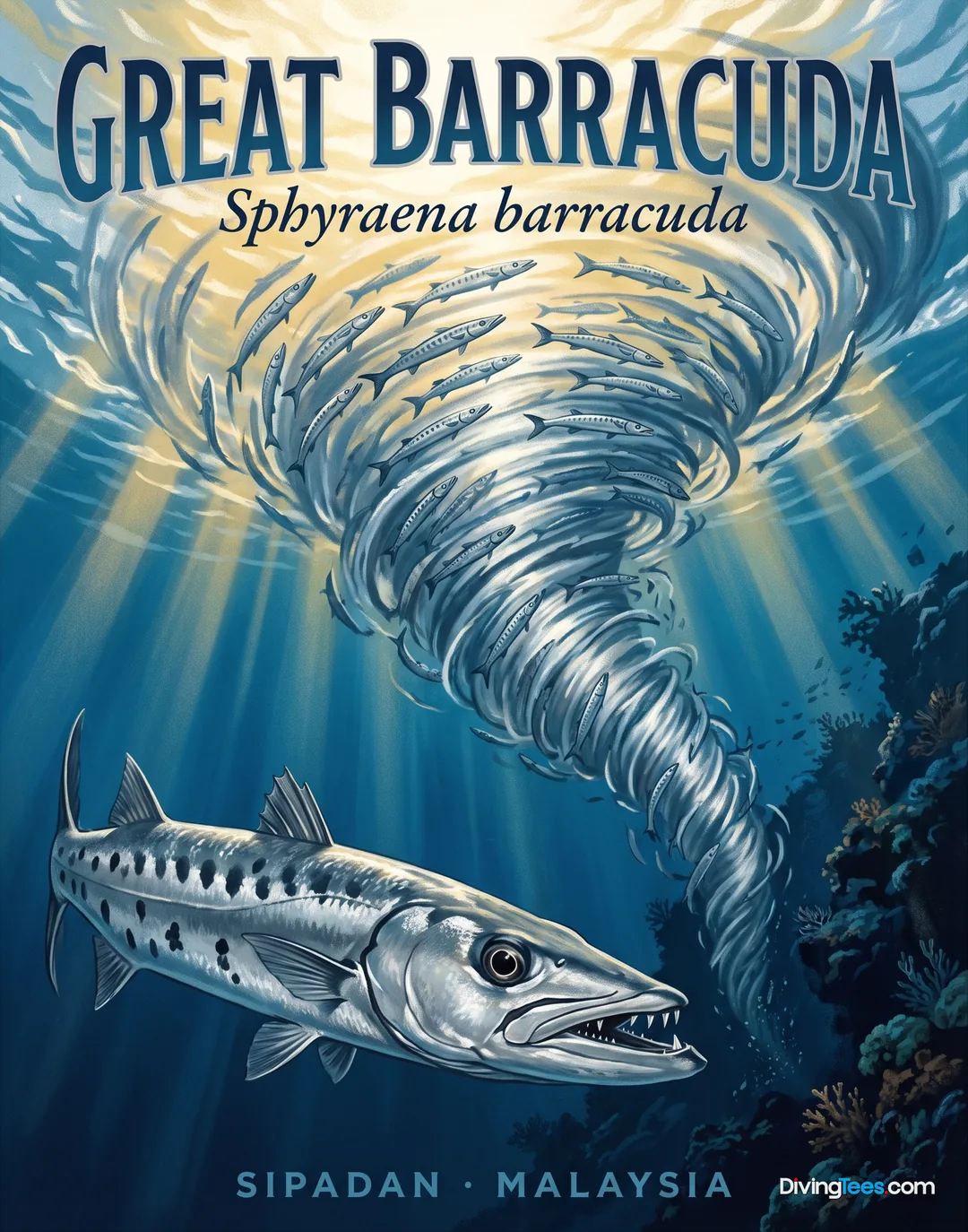
Currents at Dauin's House Reef are generally mild, contributing to its reputation as a relaxed shore dive suitable for extended bottom times and detailed observation. However, when the current does pick up, it can bring in larger pelagics such as barracudas, adding another dimension to the dive. This variability means that while most dives are calm, being aware of potential shifts in water movement is always prudent.
The site is also frequently used for night dives, revealing a completely different ecosystem as nocturnal life becomes active. Octopus, cuttlefish, and various crustaceans emerge from their daytime hiding spots, transforming the reef into a bustling nocturnal landscape. This shift in activity provides a unique opportunity to witness different behaviours and species that are rarely seen during daylight hours, making it a compelling experience for any diver.
Dauin's House Reef is accessible for Open Water divers and above, with depths ranging from 5 metres to a maximum of 30 metres. Currents are typically mild, making it suitable for relaxed shore dives, though occasional stronger currents can occur. Visibility generally ranges between 15 and 20 metres. Diving is possible year-round, with the non-typhoon season from October to June, and particularly November to May, often offering the calmest conditions and best visibility.
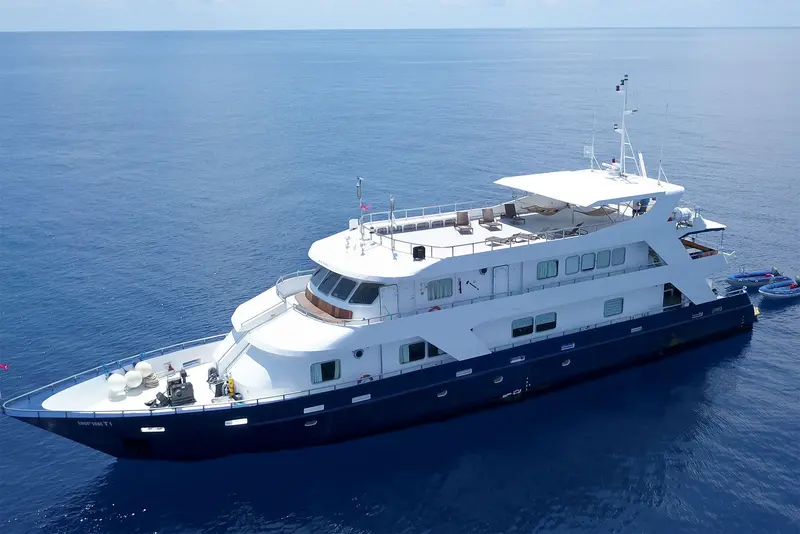
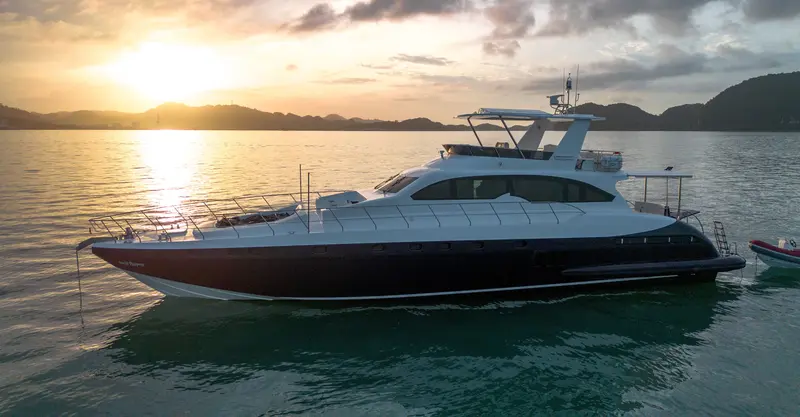
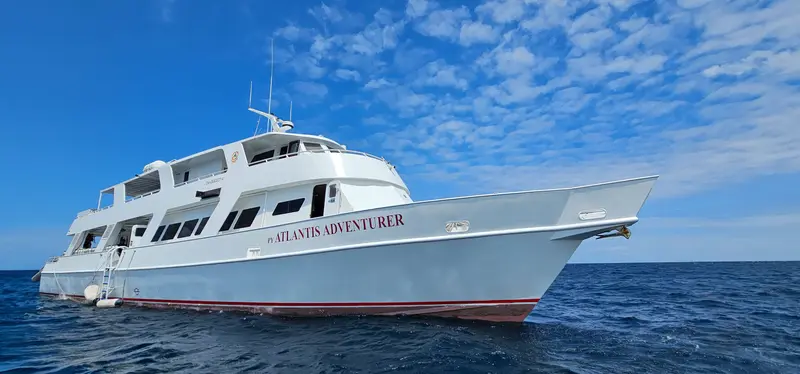
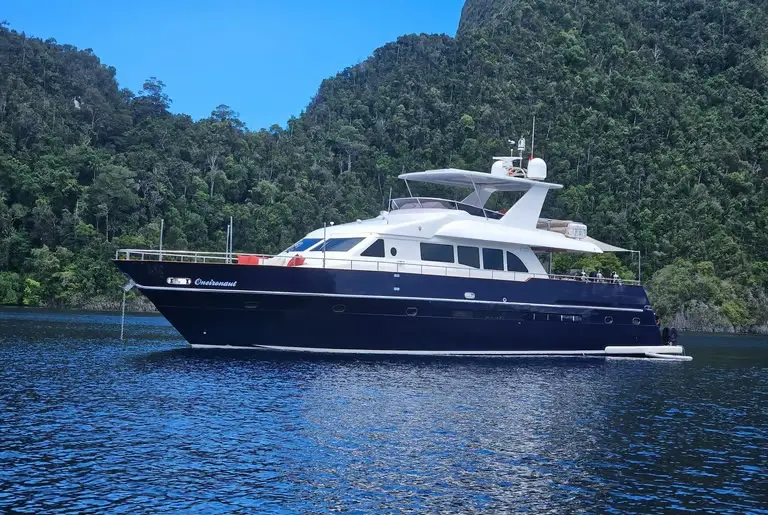
4 liveaboards depart from Dauin another way to explore the region, over several days at sea.
You can dive House Reef year-round. The non-typhoon season runs from October to June, while November to May often brings the calmest conditions and clearest visibility. During these periods, you can expect visibility generally ranging from 15 to 20 metres, supporting relaxed shore dives and detailed observation.
House Reef is accessible to Open Water divers and above. The sandy and seagrass entry slopes gently to about 5 to 7 metres before continuing down a steeper coral slope. The site reaches a maximum depth of 30 metres, allowing you to choose a profile suited to your training.
Currents at House Reef are typically mild, which suits relaxed shore dives and extended bottom times. Occasional stronger currents can occur, so you should remain aware of changing water movement. When the current increases, it may bring larger pelagics such as barracudas into the area.
You can frequently encounter green sea turtles grazing on corals or gliding through the water. The coral slopes and sandy muck areas also shelter frogfish, mantis shrimp, crabs, shrimps, nudibranchs, octopus, cuttlefish, and scorpionfish. Night dives reveal active nocturnal marine life, including octopus, cuttlefish, and crustaceans.