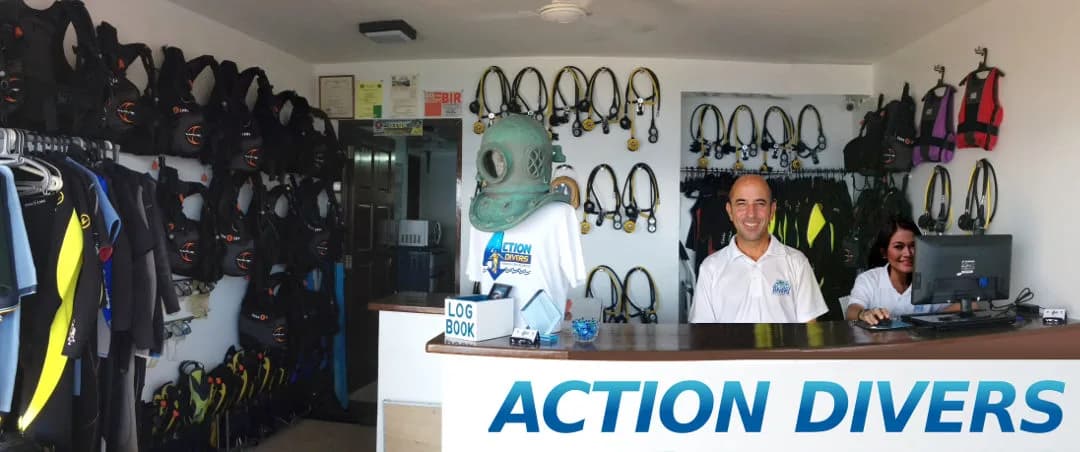


Reef Haven Scuba Diving School
★ 5/5 (316 reviews)
5 km away as the crow flies
Puerto Galera · Philippines · Asia
Max. depth · 35 mCanyons offers an exhilarating drift dive through a unique three-canyon system, teeming with pelagic life and vibrant corals, all within a global marine biodiversity hotspot.
For subtitles in English: start the video firstthen click the gearat the top right of the video, select “Subtitles/CC”, then “Auto-translate” and choose “English”.
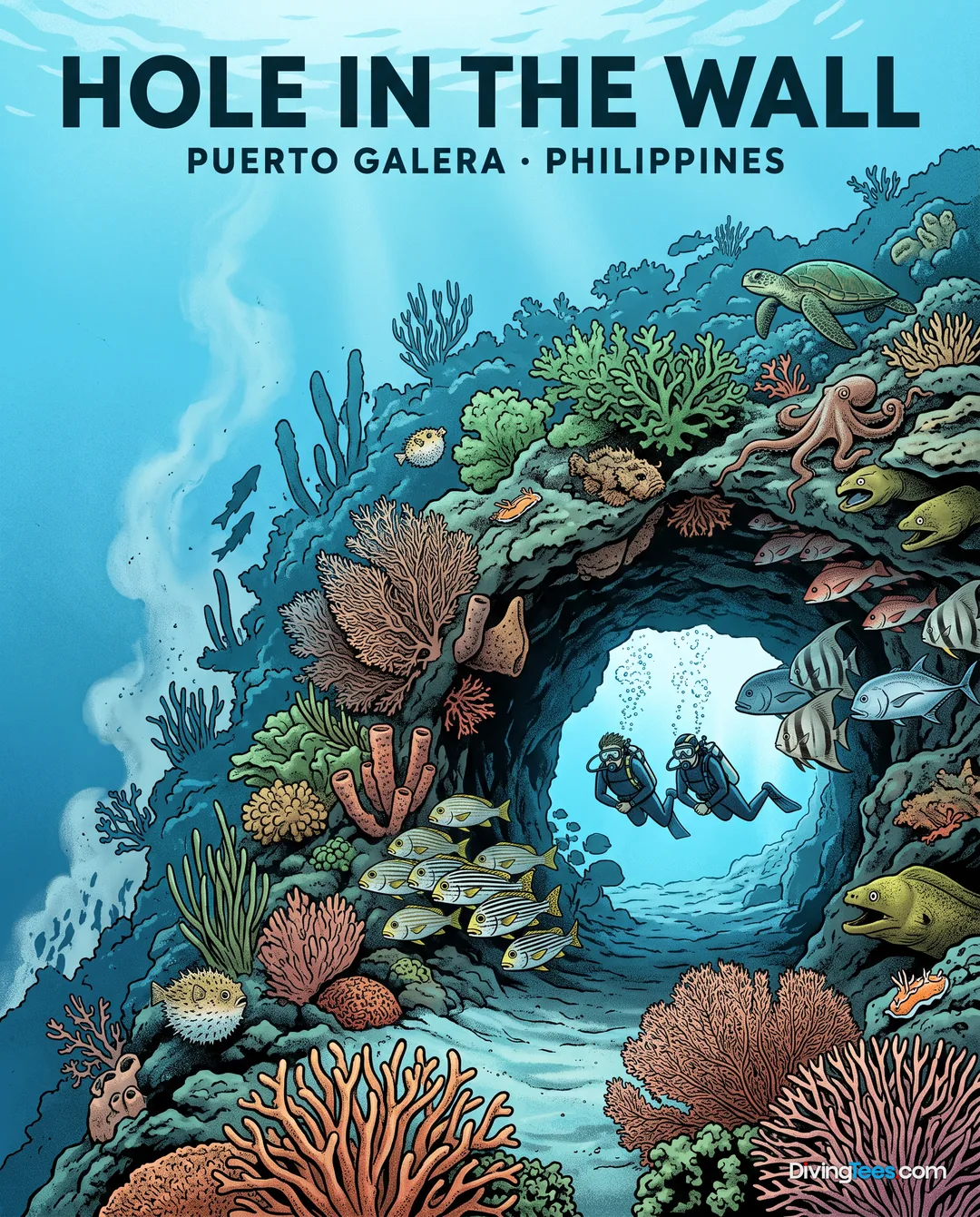
Canyons, located in West Escarceo within the Verde Island Passage, is a dynamic dive site just a 20-minute boat ride from Puerto Galera's main dive centers. This area is recognized as a global marine biodiversity hotspot, and the site itself is defined by three distinct natural canyons carved into the reef structure. These canyons create a unique underwater topography that funnels both marine life and currents. Dives typically begin with a transit through 'The Hole', a natural opening in the wall, which leads directly into the canyon system.
As you descend, the reef top generally sits around 22 to 24 metres, dropping to sandy areas at 30 metres. The canyons offer varied profiles characterized by healthy coral growth, including a rich tapestry of hard corals, soft corals, and prominent barrel sponges. Giant sea fans and delicate whip corals add to the vibrant landscape, creating a visually stimulating environment. One notable feature in the last canyon is an old anchor embedded in the reef, a subtle reminder of human interaction with this dynamic environment.
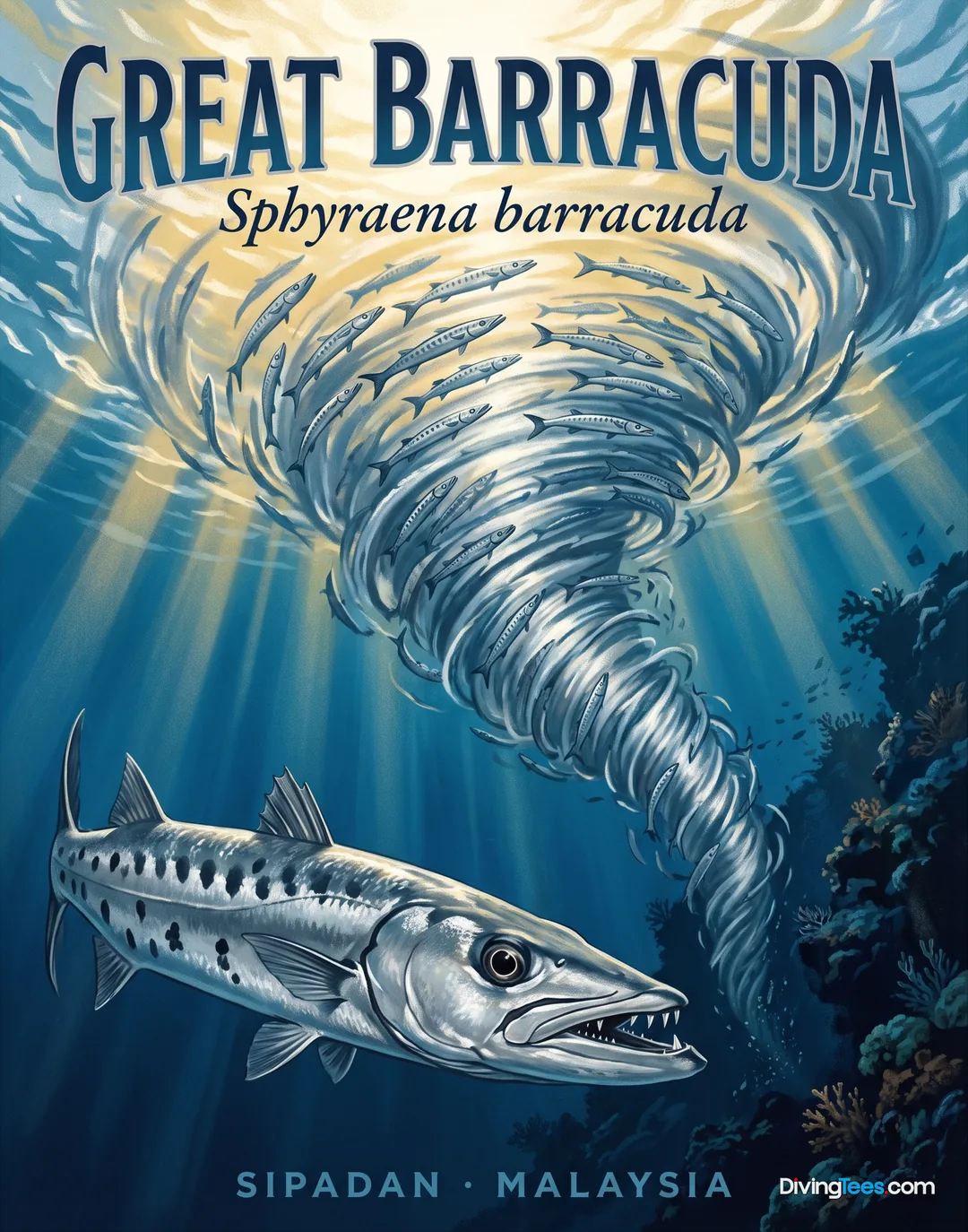
Currents are a defining feature of Canyons, ranging from moderate to strong, often accompanied by downcurrents, especially during tide changes. These conditions shape the dive into a high-tension drift, demanding attention to buoyancy and positioning. This dynamic water movement is part of what attracts larger marine life. The site's topology, with its pronounced canyons and the funneling effect on currents, directly influences fish behavior. You'll frequently encounter schools of jacks, large tunas, and barracudas patrolling the deeper sections and canyon mouths. Oriental sweetlips, batfish, and various snapper species hold their ground against the flow. Expansive schools of trevally (Carangidae) move with almost choreographed precision, their silver scales flashing as they cut through the blue.
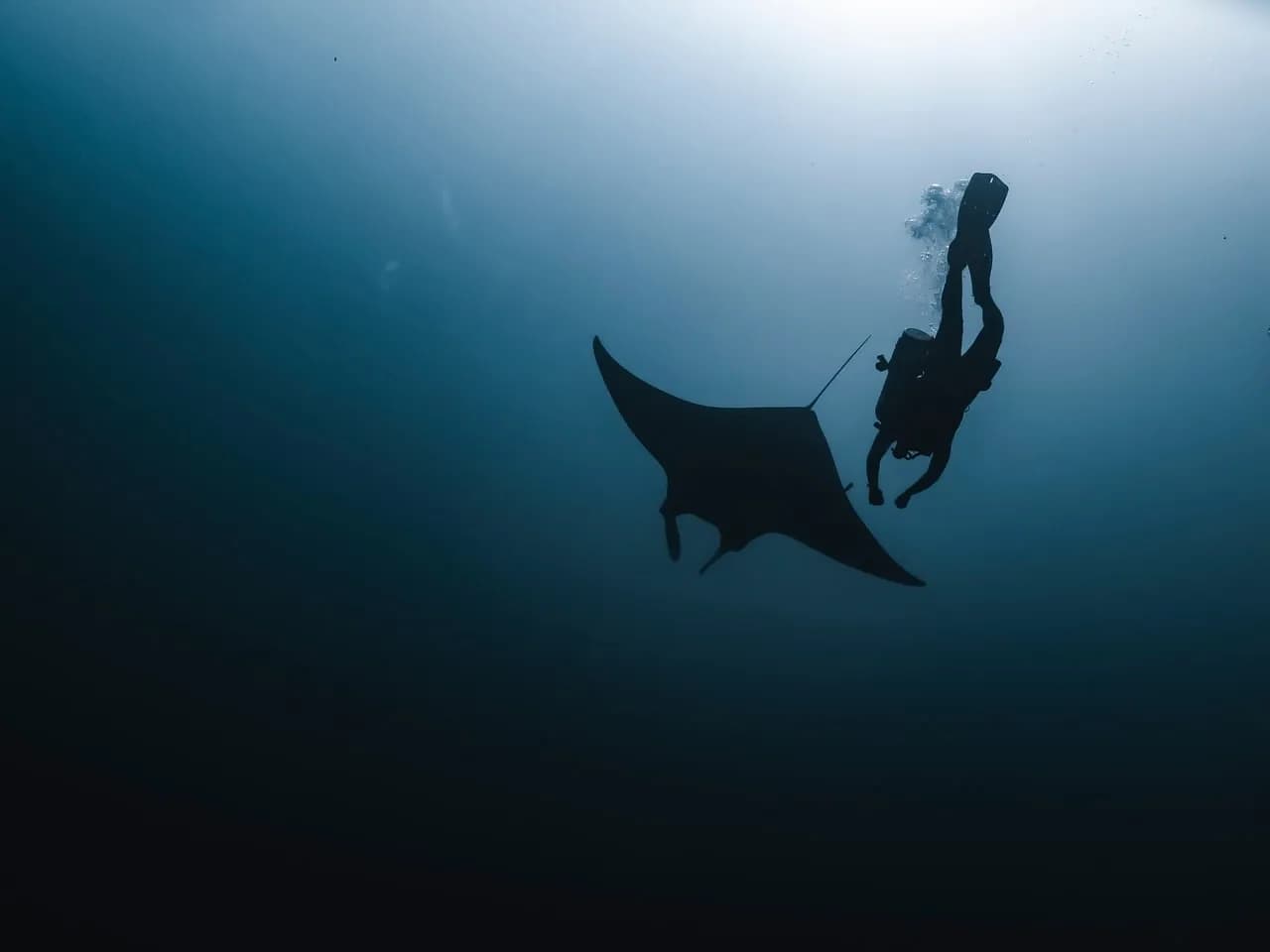
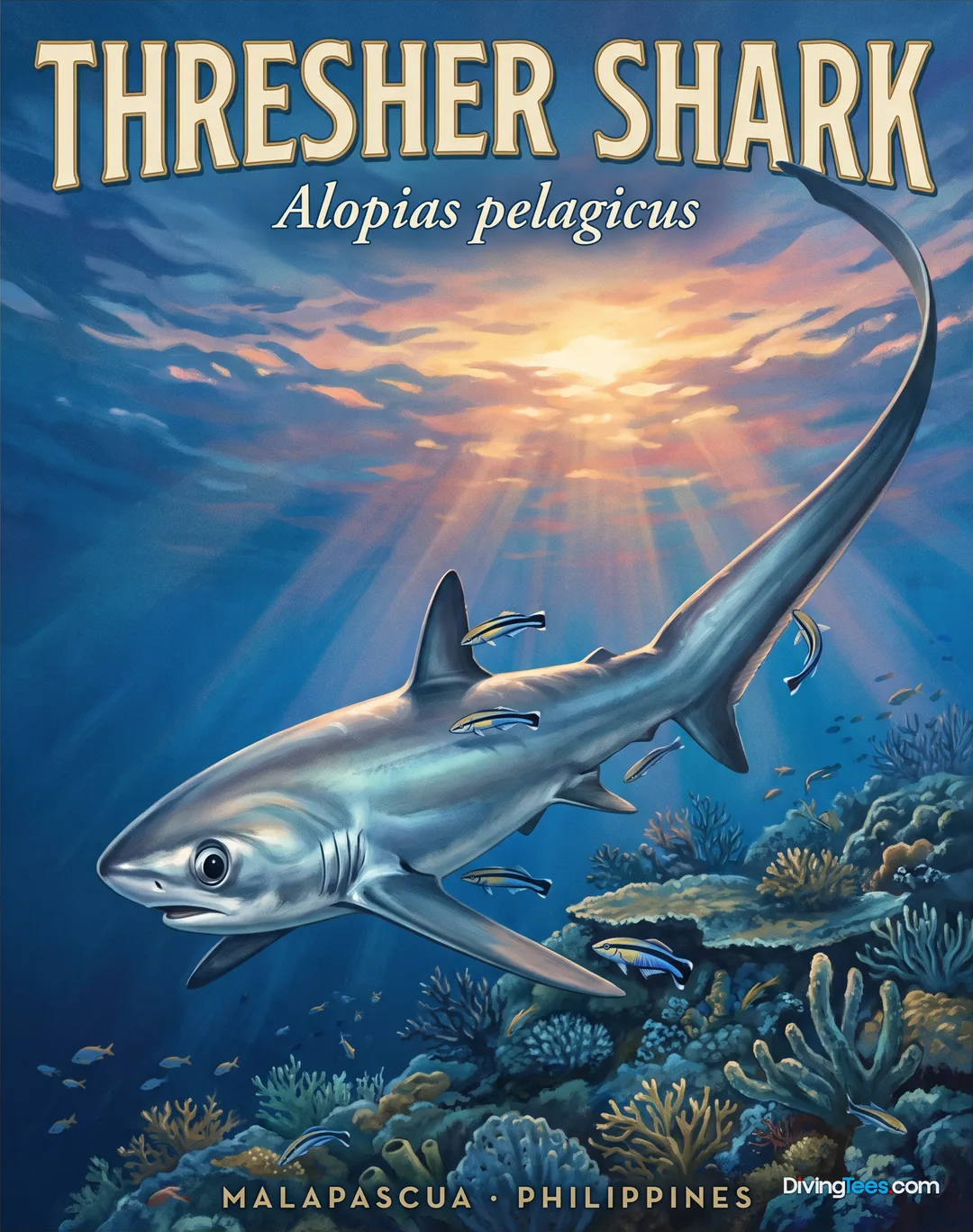
Vibrant aggregations of sweetlips (Plectorhinchus spp.) are often congregated in impressive numbers, their distinctive patterns and flowing fins adding to the visual appeal. Keep an eye out for moray eels tucked into crevices, and the occasional spotted eagle ray gliding gracefully through the blue. The site's reputation for strong currents makes it a hub for these pelagic and schooling fish. Even the occasional reef shark or thresher shark has been reported, indicating the health and productivity of this ecosystem. The rocky outcrops and coral formations also provide refuge for various species of groupers (Serranidae), often massive and solitary, holding court within their chosen territories.
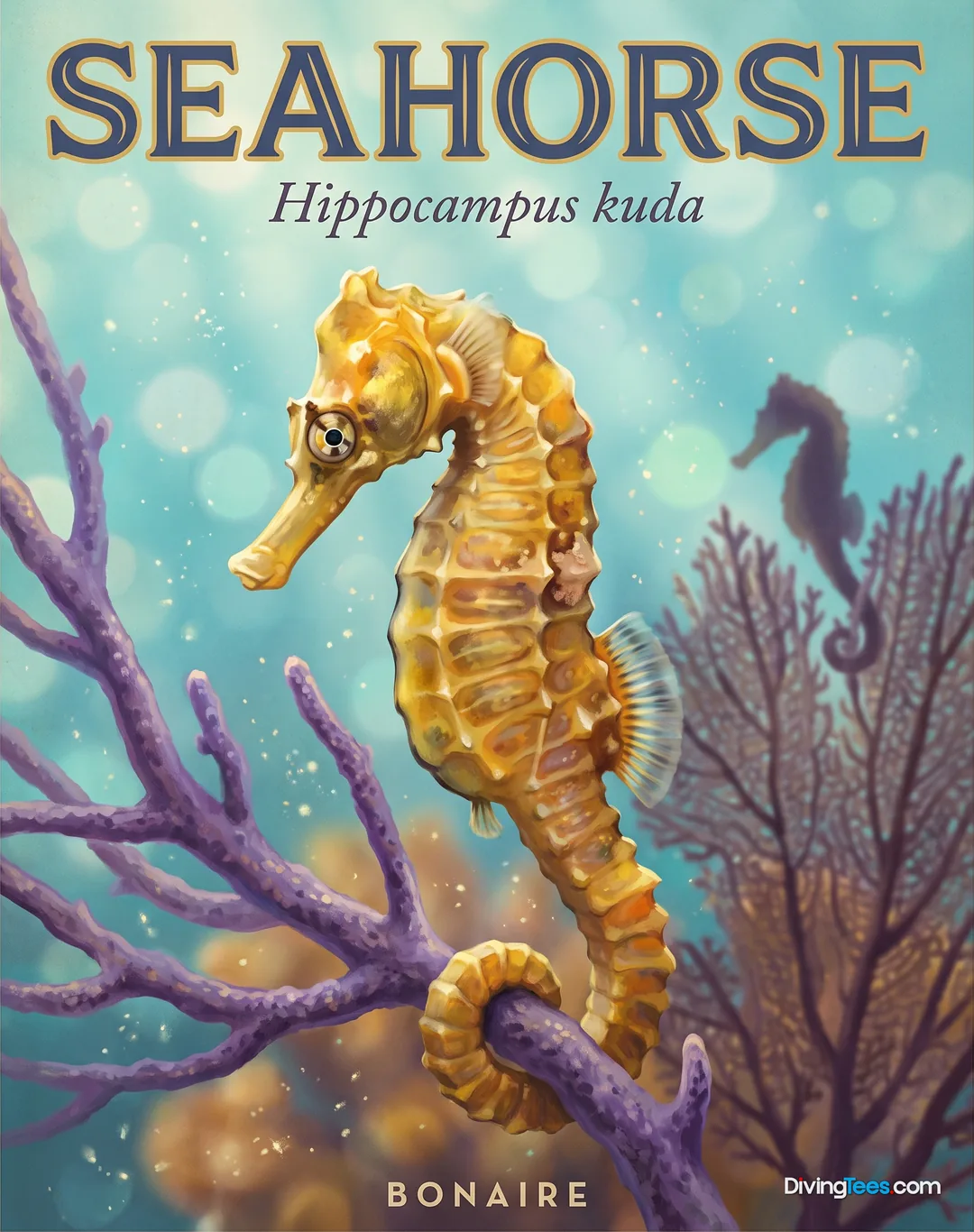
Smaller wonders are also present if you can hold your position against the current or find shelter within the canyon walls. Pygmy seahorses can be found on specific gorgonian corals, requiring a trained eye to spot them. Scorpionfish are often camouflaged into the reef, while damselfish, butterflyfish, and anthias add bursts of color closer to the coral gardens. Wrasses and sea snakes are common, moving freely through the reef structure. The overall experience at Canyons is one of active engagement, where you are constantly interacting with the water movement and the vibrant life it supports, rather than passively observing.
Canyons is an advanced dive, suitable for divers with at least an Advanced Open Water certification and comfort with drift diving, ideally with over 50 logged dives. It is classified as Level 2 and 3. Depths run between 22 and 30 metres, though strong currents, particularly on incoming tides, can pull divers deeper, occasionally to 40 metres. Currents here can be strong and include downcurrents, so conservative gas planning is essential. Visibility depends on conditions but is generally good, consistent with regional averages of 15 to 30 metres. The best time to dive Canyons is during the high season, from November to July, with peak conditions often experienced between March and June. You should be prepared for varying current conditions, often ranging from moderate to strong, which significantly shapes the dive.
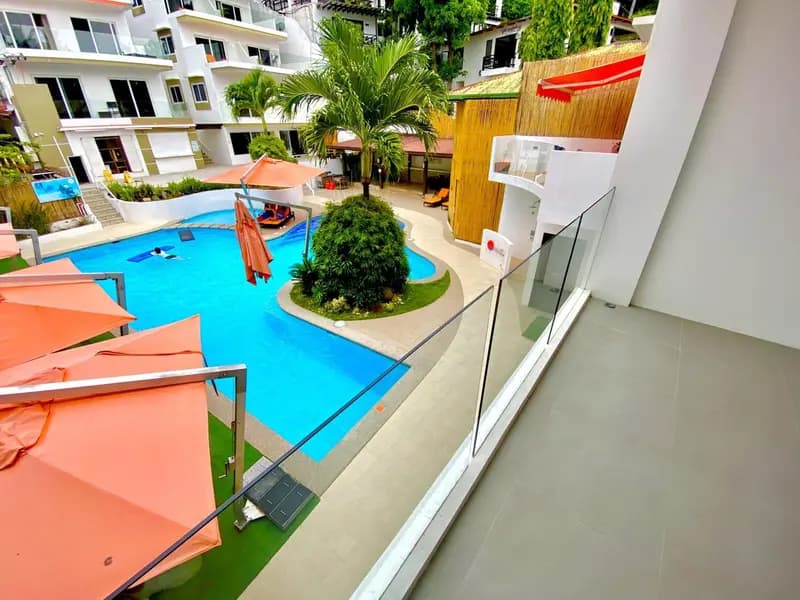
★★★★
★ 9.1/10 (126 reviews)
2.5 km away as the crow flies
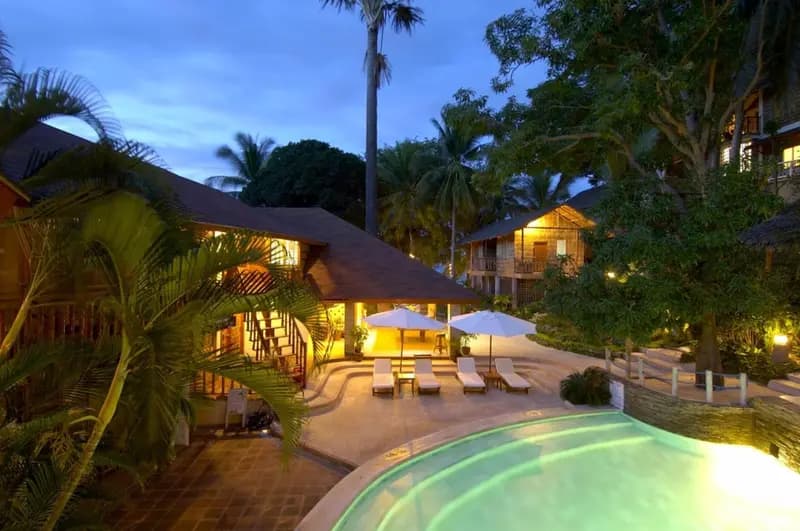
★★
★ 8.8/10 (60 reviews)
2.5 km away as the crow flies
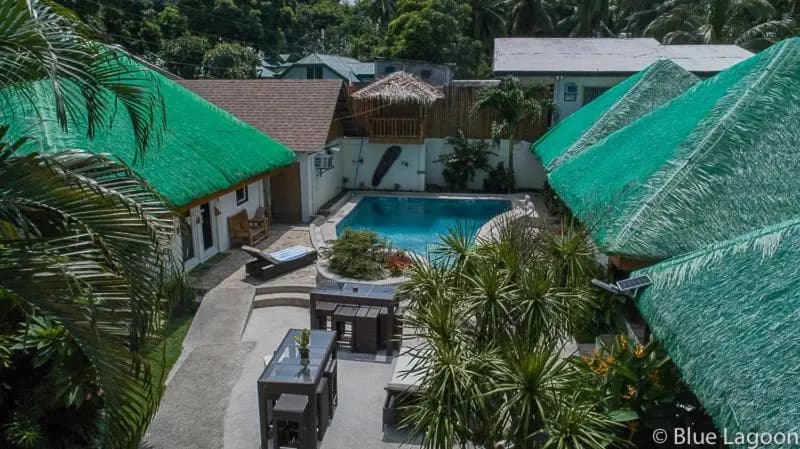
★★
★ 9.1/10 (42 reviews)
2.4 km away as the crow flies
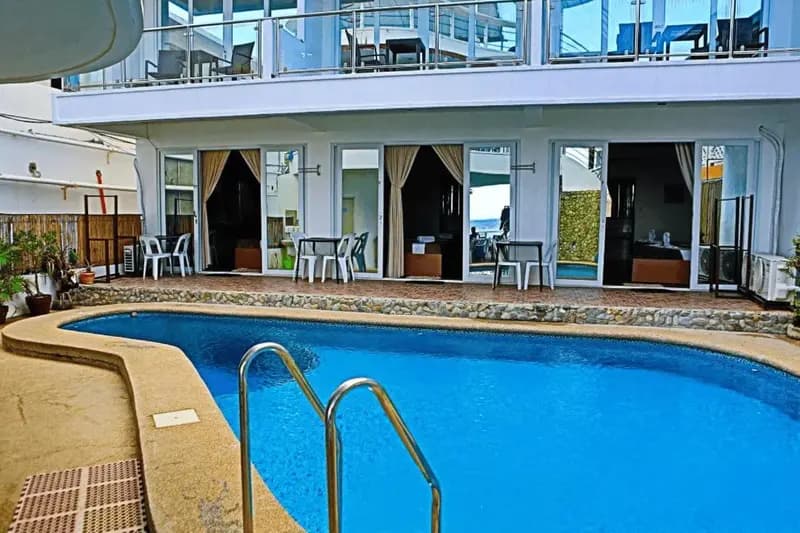
★★★
★ 9.2/10 (16 reviews)
2.5 km away as the crow flies