
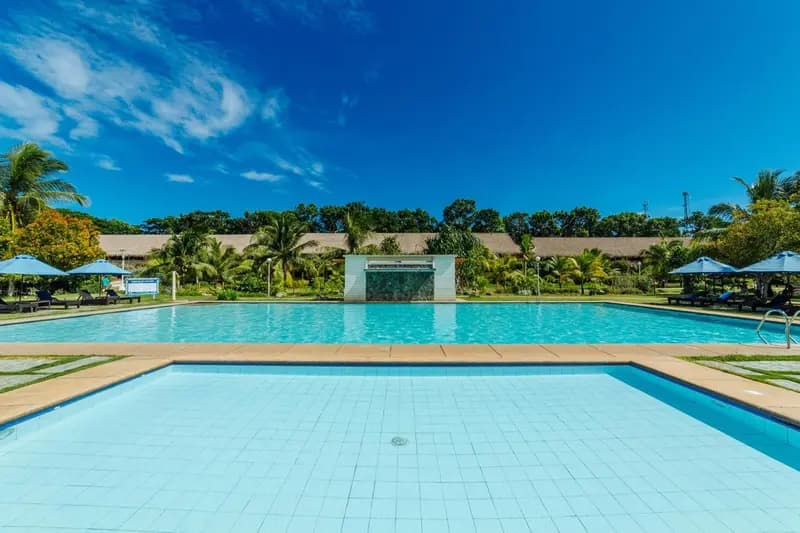
Bohol Beach Club
★★★★★
★ 9.2/10 (918 reviews)
2 km away as the crow flies
Dive centre · Panglao · Philippines
5.0271 Google reviewsExperience the reefs of Panglao through a slow diving approach with a maximum ratio of two divers per guide.
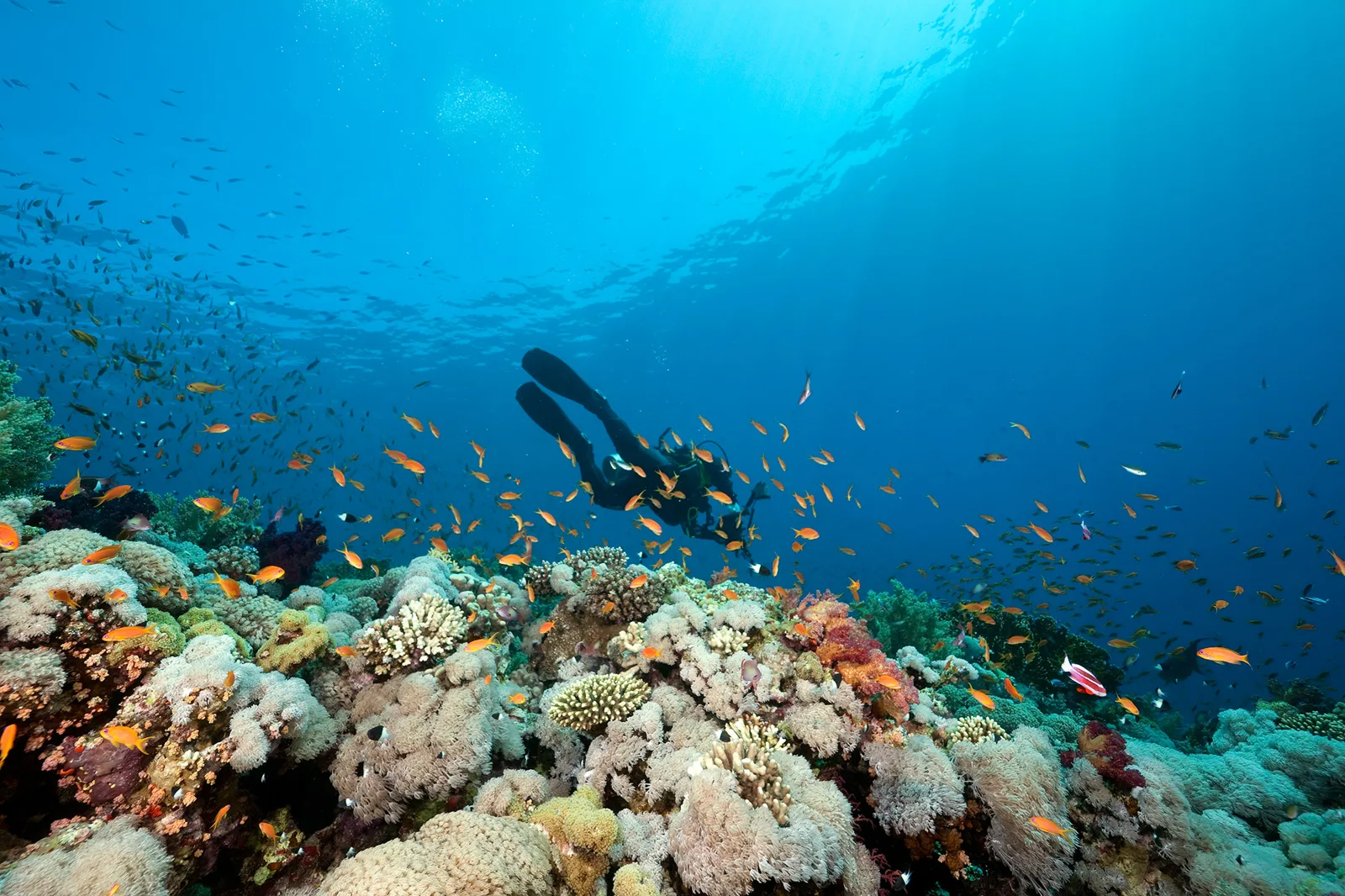
Located in Tawala on Panglao Island, Blue Revival Diving College is a PADI 5 Star centre that prioritises a 'slow diving' philosophy. This approach is designed to ensure you can truly absorb the marine environment rather than rushing from one point to another. The centre is positioned directly opposite the Marina Point Bay Resort, making it a central hub for divers in the area.
The centre is deeply integrated into the local community and the environment. As a member of Green Fins, they enforce strict conservation protocols, such as the mandatory use of non-nano reef-safe sunscreen. Their commitment extends to supporting local animal protection groups through monthly sponsorships and hosting dedicated marine conservation courses.
The team is composed of international professionals and highly experienced local guides, some of whom have been diving these specific waters for over 20 years. This local expertise is invaluable for navigating the nuances of the regional currents and locating specific macro life.
Safety and inclusivity are core to their operations, with a strict maximum ratio of two divers per guide for both courses and fun dives. For those requiring more autonomy, certified independent divers can be assessed to dive without a guide. The centre also maintains a family-oriented atmosphere and can arrange childcare services if required.
The college offers a comprehensive curriculum through PADI, covering everything from the initial Open Water Diver qualification to professional levels such as Divemaster and Instructor Development Courses (IDC). For those looking to refine their skills, they provide Peak Performance Buoyancy, Deep Diver, and Night Diver specialties.
Technical training is a significant part of their offering, including Sidemount Diver, Tec Sidemount Diver, and various TecRec modules. They also cater to divers with specific needs through Adaptive Support Diver and Adaptive Techniques for PADI professionals. Conservation-focused training is also available via AWARE Sea Turtle, Coral Reef, and Shark Conservation courses.
A full range of rental kit is available on-site for those not travelling with their own equipment. For night dives, torches are provided to ensure you can explore the reef after sunset.
Nitrox is available for certified Enriched Air divers, with cylinders provided at a set rate per fill. The centre also supports various specialty requirements, including sidemount configurations for technical training.
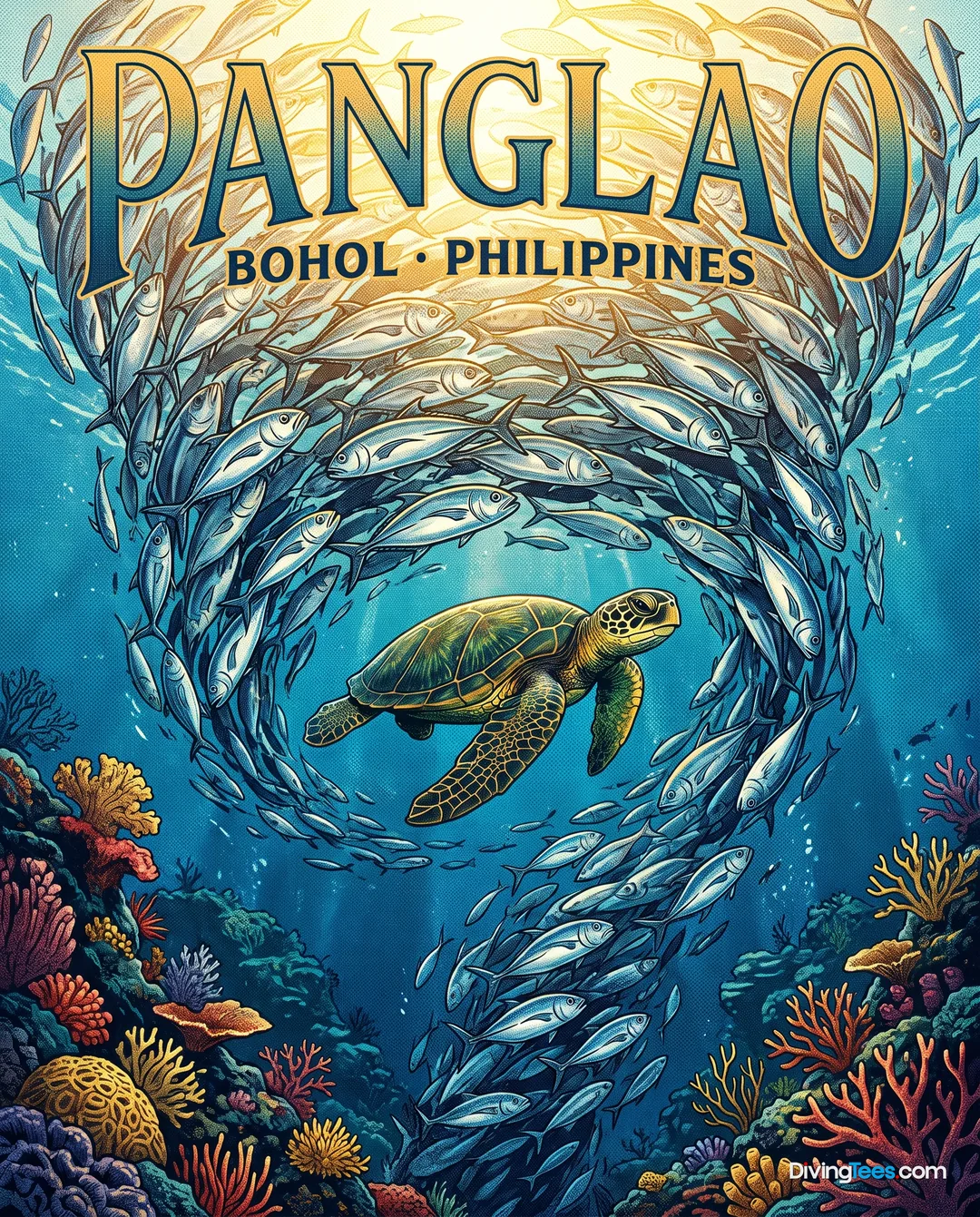
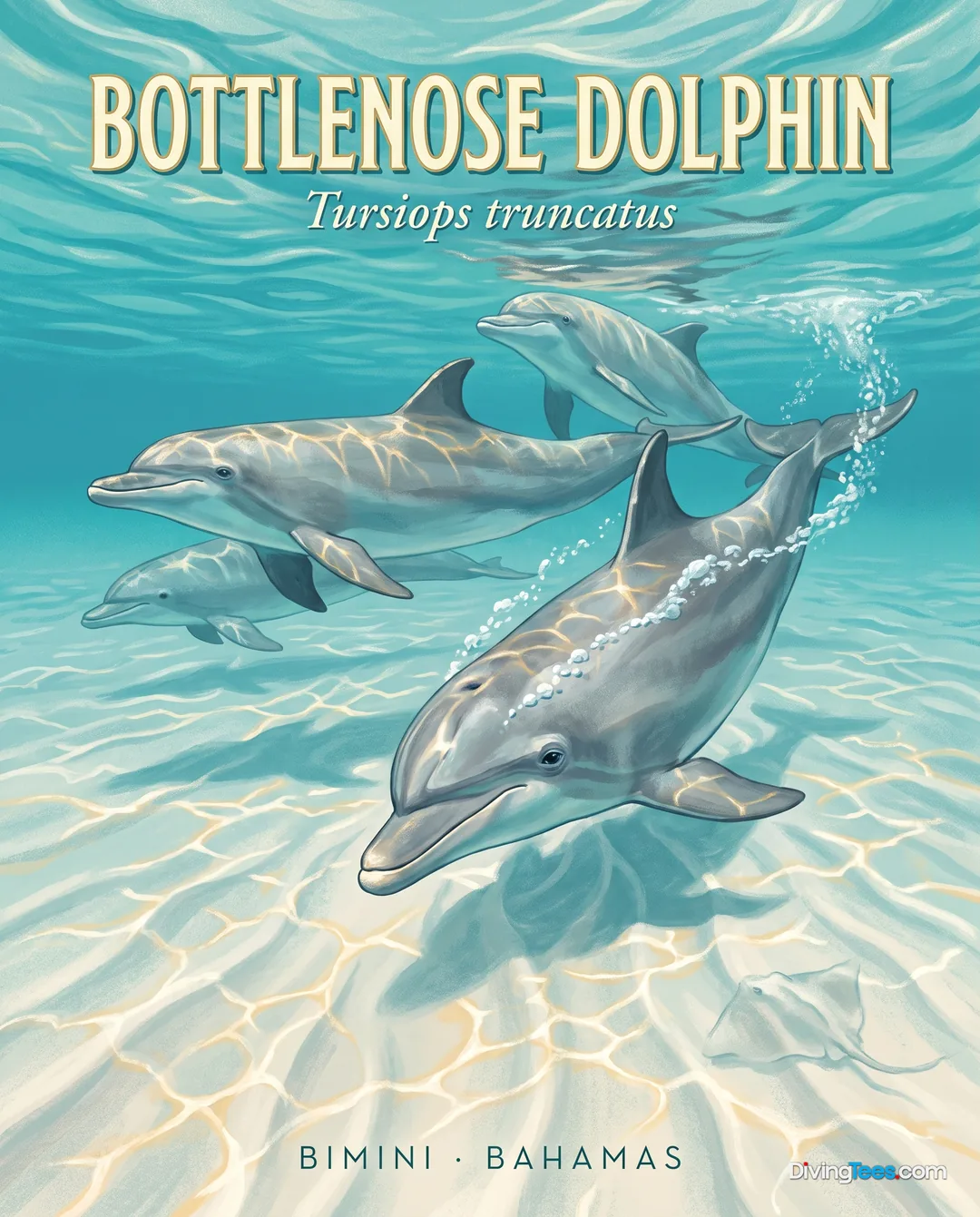
Balicasag Island is a premier site for all levels, featuring famous coral walls and large schools of Jack (Carangidae). You can expect to encounter frequent sightings of turtles here among the rich reef structures.
Panglao Island's fringing reefs are ideal for those interested in macro life and colourful reef scenery. These shallower sites are perfect for observing frogfish (Antennarius), nudibranchs, and various species of reef fish.
Napaling is a specific site well-known for its large, dense schools of Sardine (Sardina pilchardus), providing a dynamic experience for divers looking for movement and scale.
And some of the dive sites the centre runs.
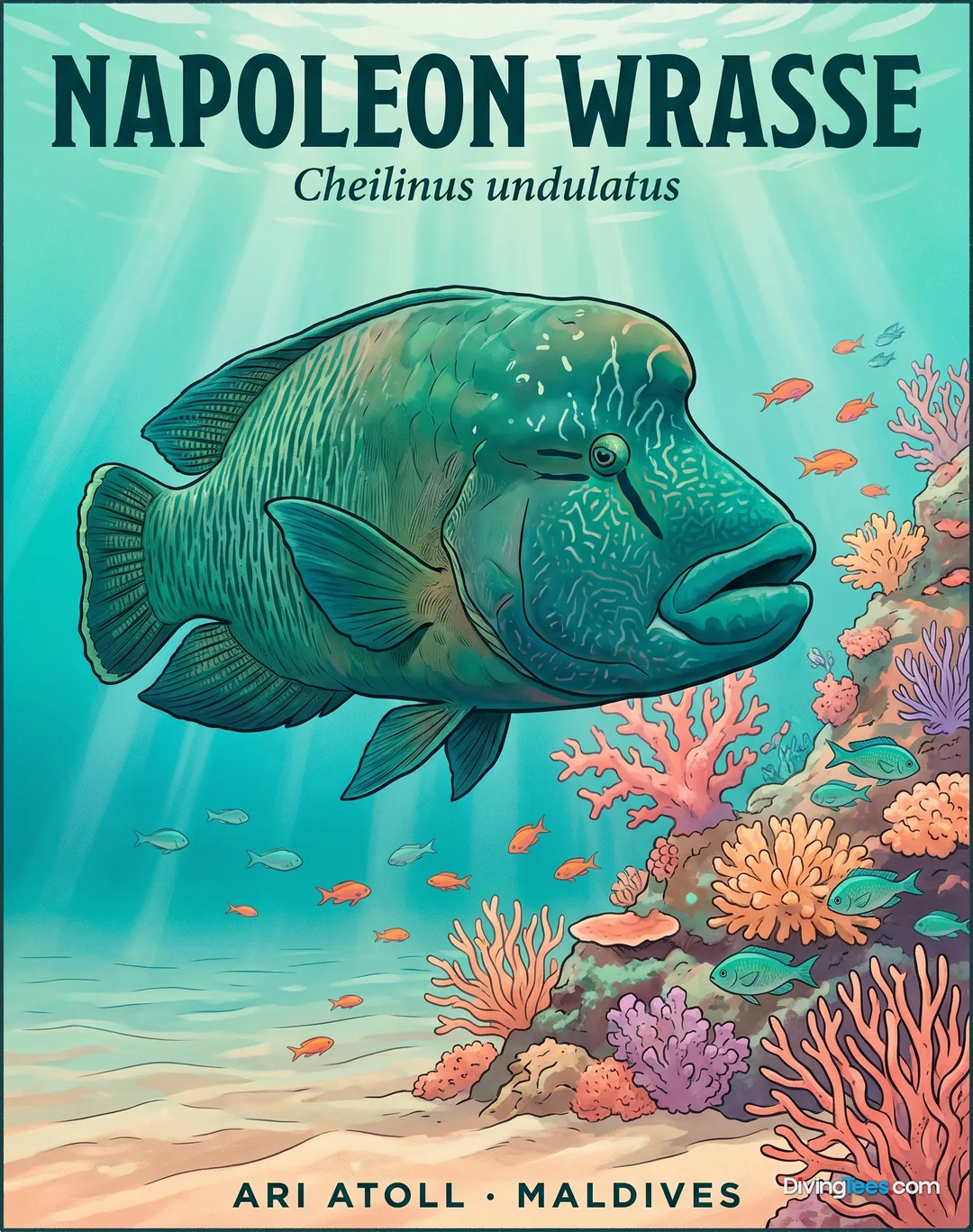
The reefs around Panglao are teeming with diverse life, from large pelagics to delicate reef residents. You will frequently see Jack (Carangidae), various species of Wrasse (Labridae), and schools of Fusilier (Caesio). Larger inhabitants such as Grouper (Epinephelus), Napoleon wrasse (Cheilinus undulatus), and various species of Batfish (Platax) are also common.
For those watching the blue water, there are regular opportunities to see turtles, including Green sea turtle (Chelonia mydas) and Hawksbill turtle (Eretmochelys imbricata). You may also encounter Great barracuda (Sphyraena barracuda) and various species of Ray (Batoidea).
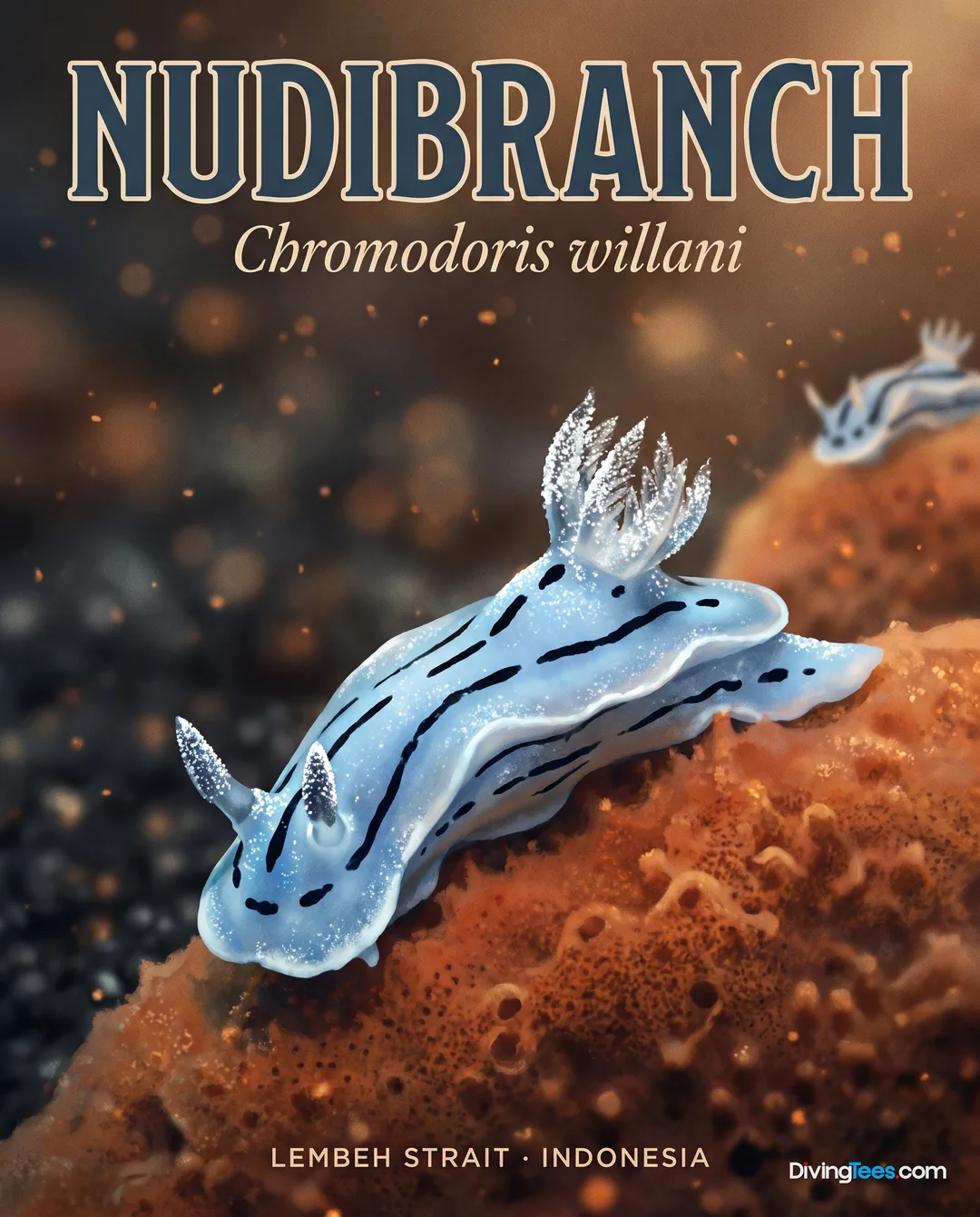
Macro enthusiasts will find plenty to explore among the corals and crevices. The area is home to colourful nudibranchs (Chromodoris willani), Frogfish (Antennarius), and Ghost pipefish (Solenostomidae). Keep a close eye on the reef for various species of shrimp (Caridea), scorpionfish, and even the occasional Pygmy seahorse (Hippocampus bargibanti).
The seabed is decorated with a rich variety of hard corals, soft corals, and Sea fan (Gorgoniidae), providing a complex habitat for Anthias (Anthias), clownfish, and many other colourful reef fish.
The best time to visit is between June and August when the weather is warmer. During the months of December to February, the water can be cooler.
Plankton movement in the area can occasionally affect visibility, making the water appear more turbid, though this often coincides with increased opportunities to see larger marine life such as Whale shark (Rhincodon typus).
Hello, I'm Marina, DivingDeal.com's AI assistant. I answer in detail about hotels, dive centres and liveaboards.

Thinking about the whole trip and the flights? Talk it over with Edith →
Marina is an AI. Some links are affiliate links: DivingDeal may earn a commission, at no extra cost to you. Bookings are made with the partner.
★★★★★
★ 9.2/10 (918 reviews)
2 km away as the crow flies
★★★★
★ 8.7/10 (947 reviews)
1.6 km away as the crow flies
★★★★
★ 9.1/10 (126 reviews)
6.8 km away as the crow flies
★★★
★ 8.6/10 (281 reviews)
less than 1 km away as the crow flies
Your last day stays dry: no diving in the 18-24 hours before a flight the perfect window to see the destination from another angle.
Ratings and reviews collected by Viator and Tripadvisor.