Tubbataha · Philippines · Asia
Max. depth · 22 mMalayan Wreck, Tubbataha: Reef, Wall, and Pelagic Encounters
Explore the Malayan Wreck, a small fishing vessel on Tubbataha's North Atoll, before drifting along a steep wall known for large pelagic life.
What makes this site special
- Small fishing vessel wreck on a shallow reef top
- Steep wall dropping to 50-60 metres
- Variable currents for drift diving
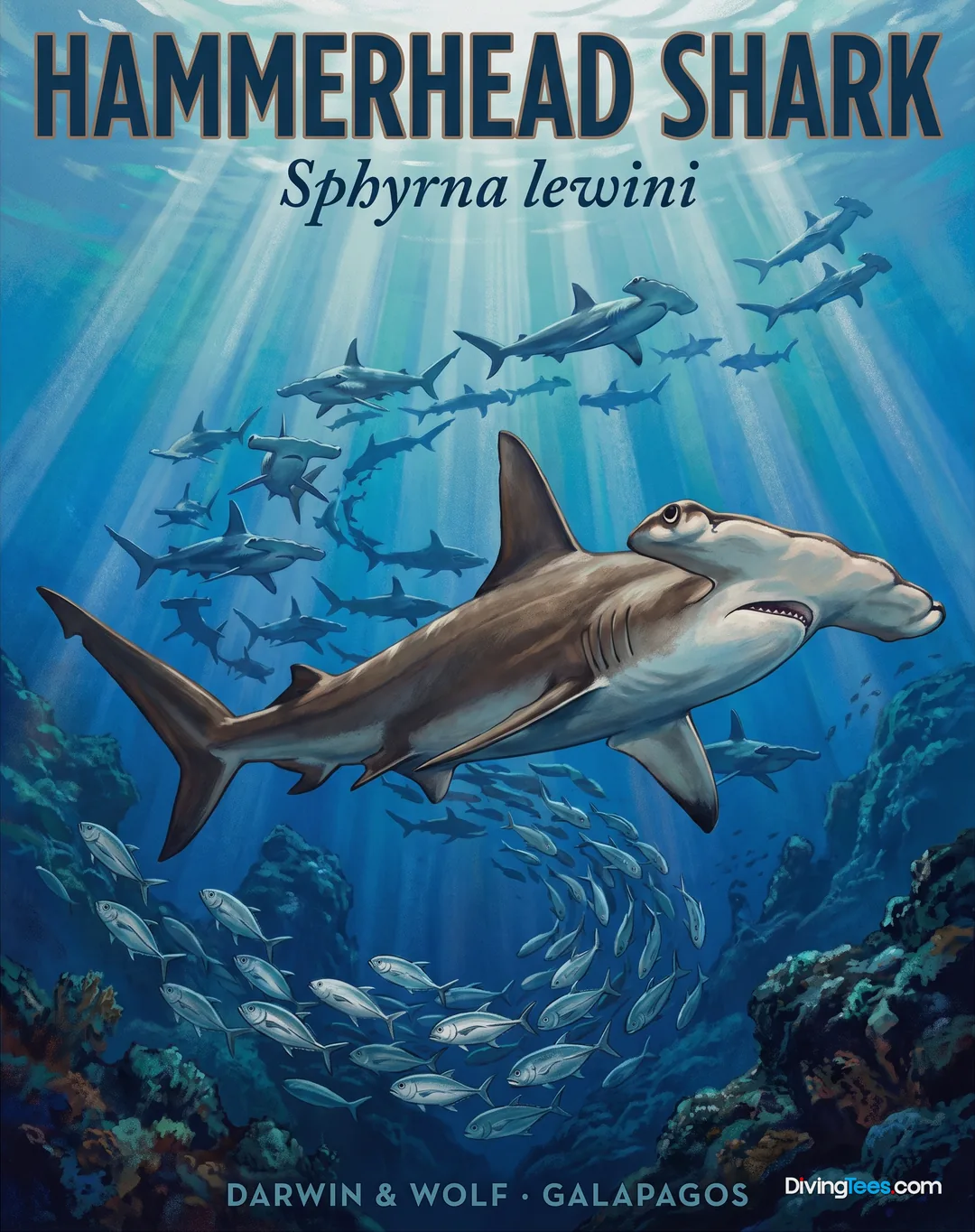
- Schooling hammerhead sharks
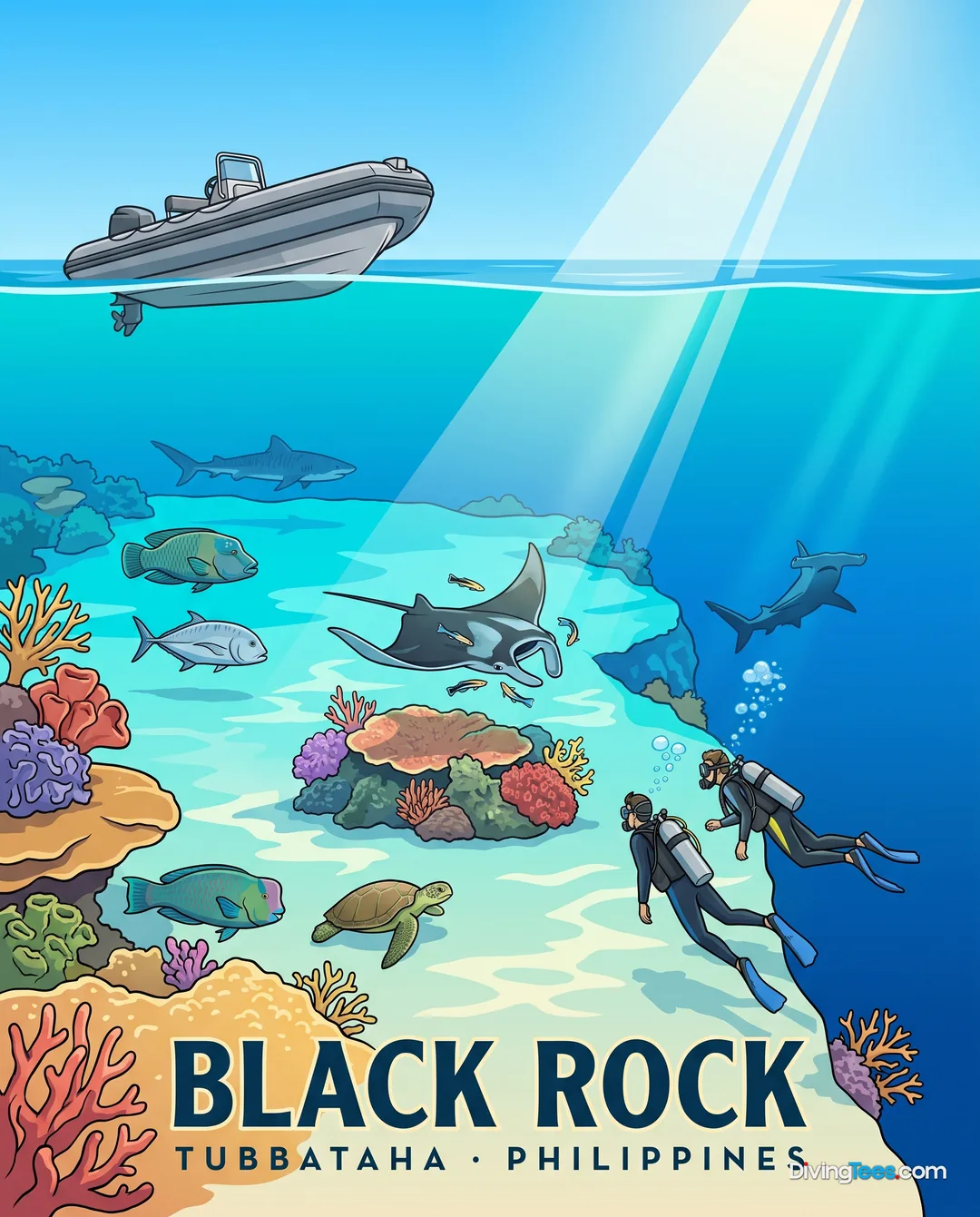
- Manta ray sightings
- Whitetip reef sharks
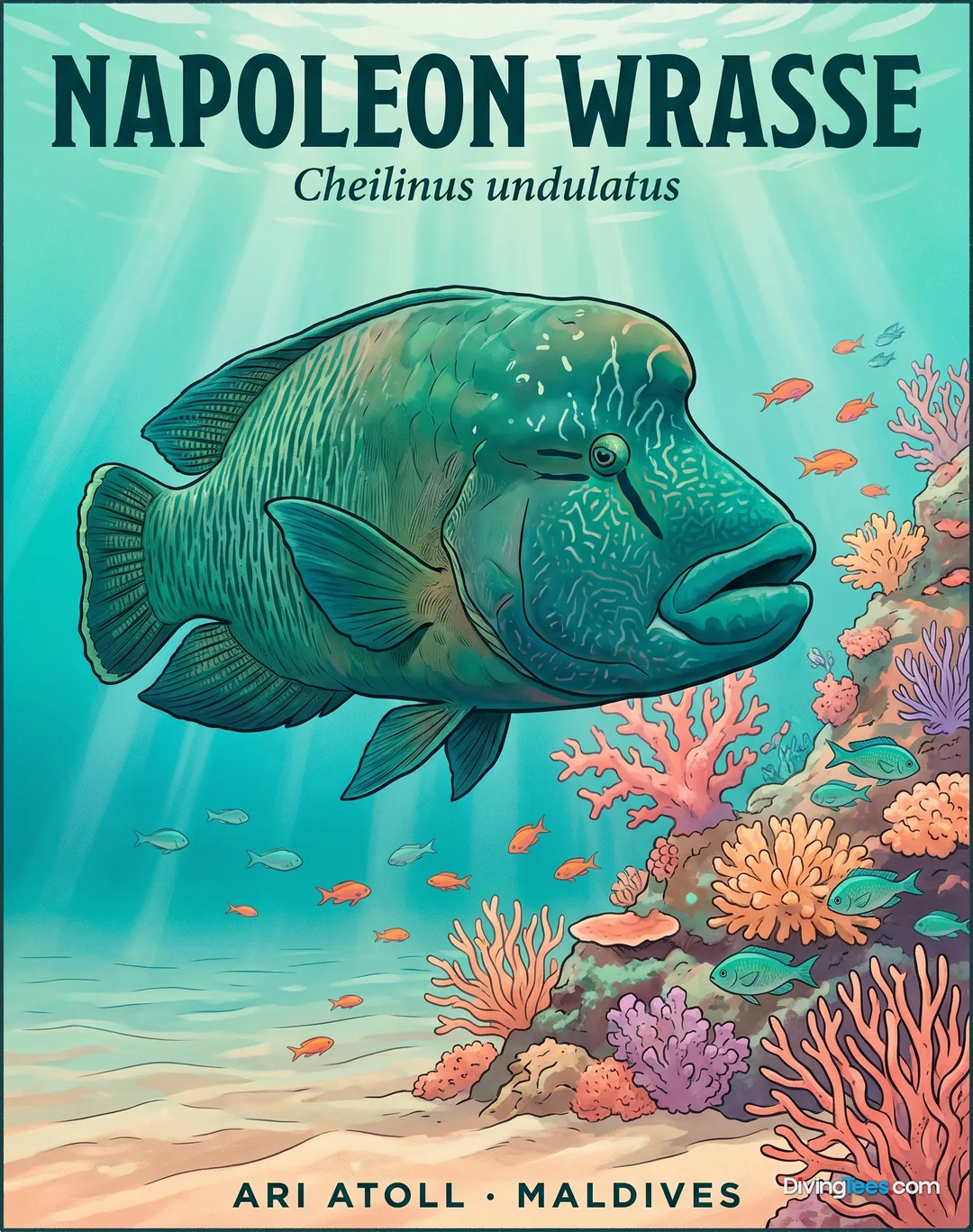
- Napoleon wrasse and sweetlips
- Hard coral garden on the reef
For subtitles in English: start the video firstthen click the gearat the top right of the video, select “Subtitles/CC”, then “Auto-translate” and choose “English”.
Malayan Wreck about the site
The Malayan Wreck lies on the southwest side of Tubbataha’s North Atoll, situated on a shallow reef top in just a few metres of water. This small fishing vessel, approximately 10 metres in length, ran aground during a typhoon in the 1970s and has since become a landmark. It now forms a coral-encrusted habitat, providing an immediate focal point as you begin your dive, often combined with a drift along the adjacent wall.
Below the wreck, the reef gently slopes before giving way to a very steep wall that descends to depths of 50 to 60 metres. This transition from shallow reef to deep blue water is a defining characteristic of the site. You can choose to begin your dive exploring the wreck and its immediate surroundings before moving into the open water along the wall, or start on the wall and finish with the shallower wreck.
Currents at the Malayan Wreck, particularly along the southwest edge of North Atoll, can be variable. Their strength and direction depend on both the tides and the prevailing monsoon winds. It’s common to find relatively calm conditions over the shallow reef top where the wreck rests, while simultaneously encountering stronger blue-water currents flowing along the deeper sections of the wall below.
This variability means that dives here are often planned as drifts. You might begin your descent at the wreck and allow the current to carry you along the wall, or approach the wall directly via a live drop. This method allows you to cover more ground along the extensive wall structure, maximising your chances for pelagic encounters without fighting against strong flow.
The Malayan Wall is particularly known for its pelagic activity, especially schooling hammerhead sharks. These powerful predators are frequently sighted in the blue, circling off the wall at various depths. Keep an eye on the open water during your drift, as encounters with manta rays, whitetip reef sharks, and large schools of midnight snappers are also part of the experience here.
Closer to the reef and along the upper sections of the wall, the hard coral garden supports a diverse array of reef fish. You'll observe harlequin sweetlips and oriental sweetlips often sheltering in crevices. Napoleon wrasse are also present, cruising the reef slope, while countless anthias and fusiliers add constant movement and colour to the water column.
Visibility at the Malayan Wreck generally ranges from 10 to 30 metres, providing clear views of both the wreck and the extensive wall. The best time to experience this site, and Tubbataha in general, is during the liveaboard season, which typically runs from mid-March to mid-June. Operators often highlight March through June as the optimal window for conditions and marine life activity.
Diving Malayan Wreck: the marine life you’ll meet

Diving conditions
Diving at the Malayan Wreck is generally conducted between 3 and 22 metres. Due to the potential for variable and at times strong currents along the wall, this site is best suited for Advanced certified divers who are comfortable with blue-water wall diving and have experience in moving water. Visibility typically ranges from 10 to 30 metres. The optimal season for diving here is from mid-March to mid-June, aligning with the Tubbataha liveaboard season.
Three dives not to miss


Map of dive sites in Tubbataha
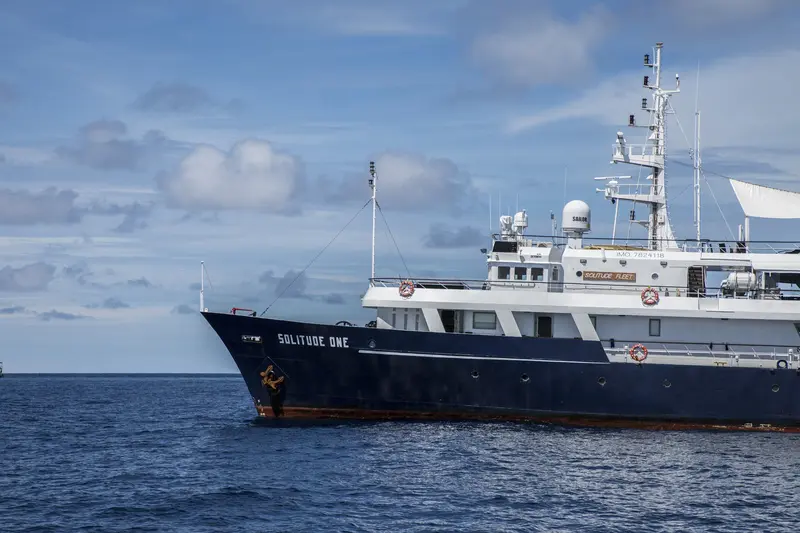
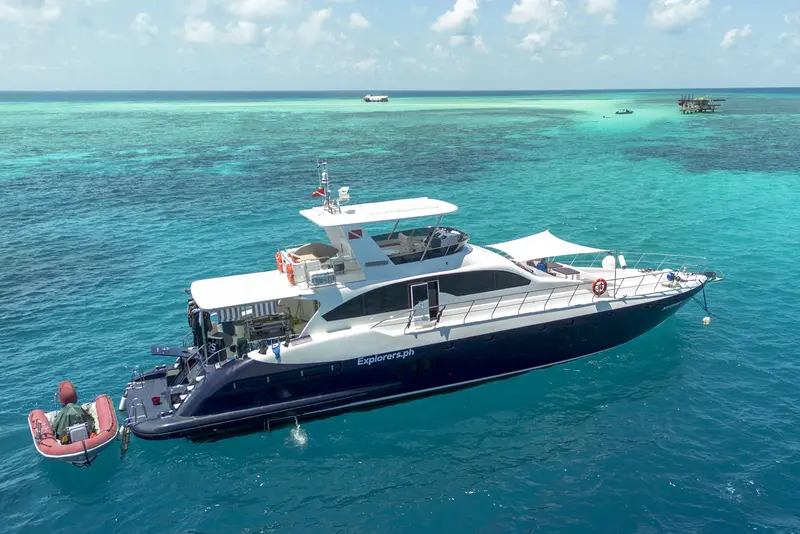
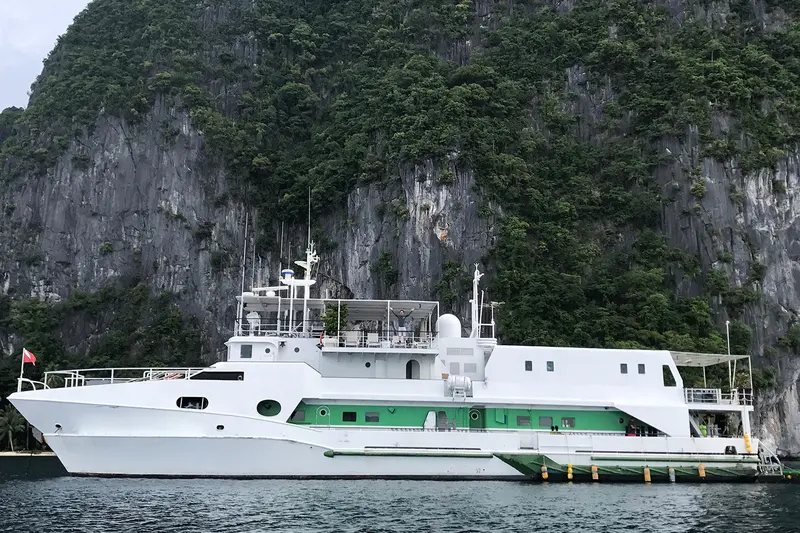
Dive liveaboards Tubbataha
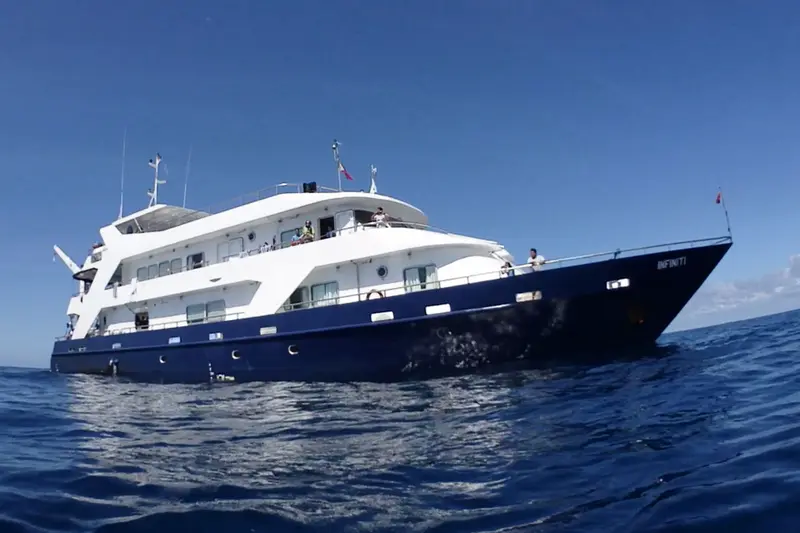
14 liveaboards run trips to Tubbataha.
Frequently asked questions about Malayan Wreck
When should you dive Malayan Wreck?
You can dive Malayan Wreck during the Tubbataha liveaboard season, which typically runs from mid-March to mid-June. This period is regarded as the optimal window for conditions and marine life activity. Visibility generally ranges from 10 to 30 metres, offering views of both the wreck and the wall.
What level of experience do you need for Malayan Wreck?
Malayan Wreck is best suited to Advanced certified divers who are comfortable with blue-water wall diving and moving water. You should be prepared for a shallow reef-top wreck followed by open-water diving beside a steep wall, where conditions can change because of tides and prevailing monsoon winds.
How deep is Malayan Wreck?
Malayan Wreck is generally dived between 3 and 22 metres, with the small fishing vessel resting on a shallow reef top only a few metres below the surface. Beyond the reef, the wall drops steeply to 50 to 60 metres, creating a transition from shallow wreck to deep blue water.
What currents and marine life can you expect at Malayan Wreck?
At Malayan Wreck, currents can vary in strength and direction with the tides and prevailing monsoon winds. The reef top may be relatively calm while stronger blue-water flow runs along the wall, so dives are often planned as drifts. You may see schooling hammerheads, manta rays, whitetip reef sharks, Napoleon wrasse, sweetlips and hard coral.